EU PFAS Ban Extended to Vacuum Pump Seals Effective May 2026




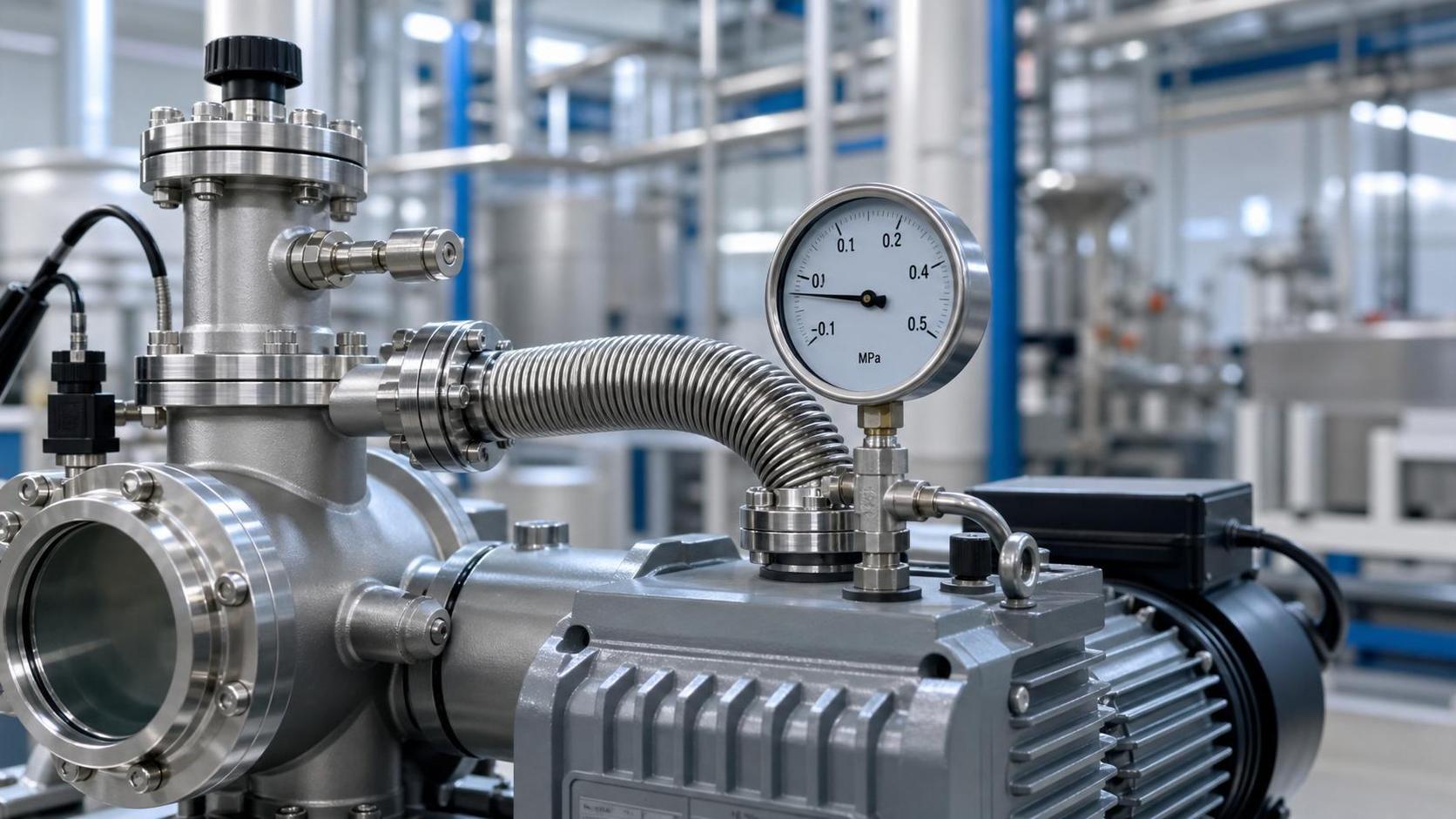
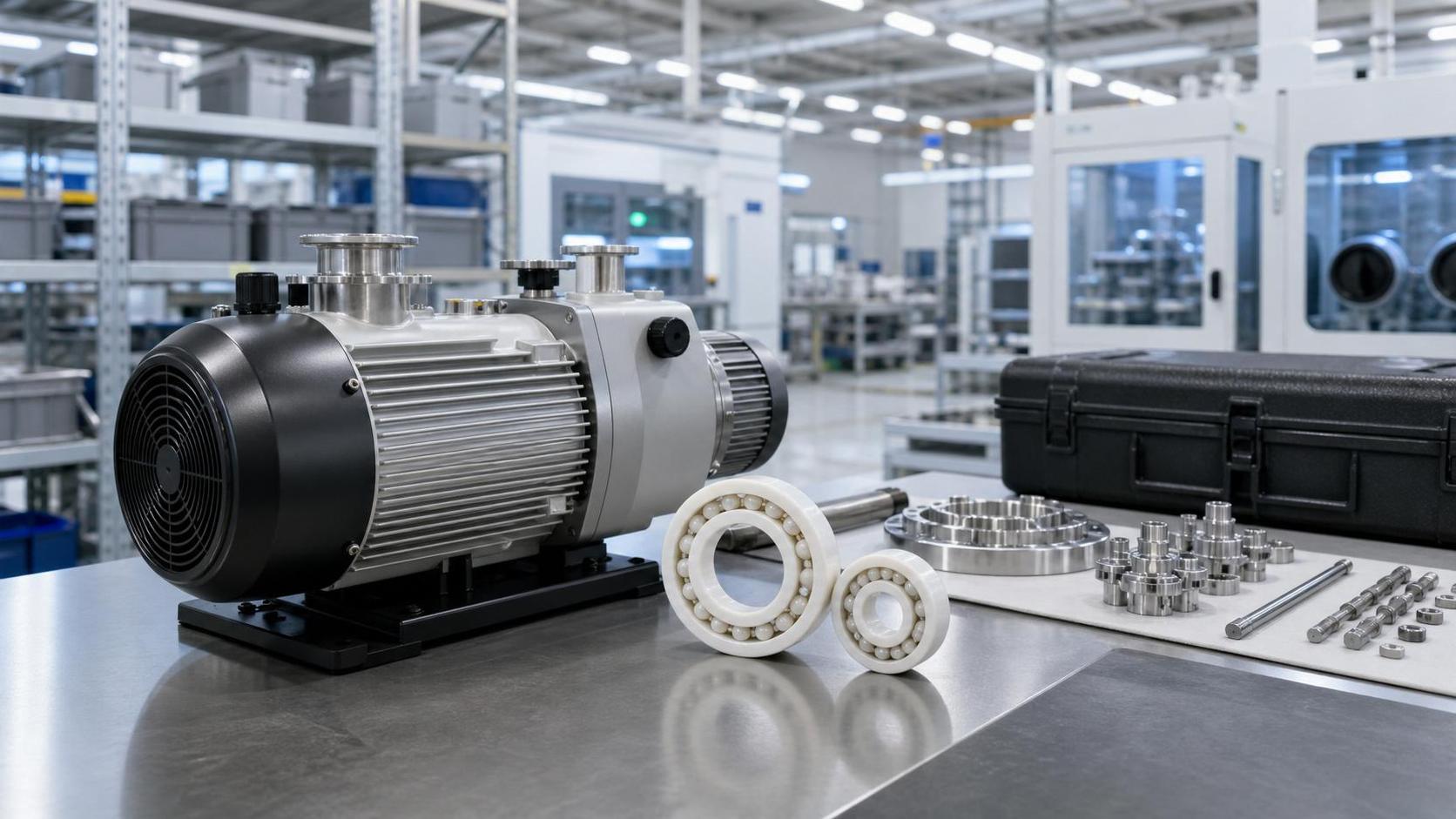
As of 1 May 2026, the European Union’s Regulation (EU) 2026/789 expands restrictions on per- and polyfluoroalkyl substances (PFAS) to elastic sealing components used in vacuum pumps—including FKM, FFKM, and EPDM-based modified materials. This development directly impacts manufacturers and exporters of high-vacuum systems, particularly those supplying into EU markets, and warrants close attention from vacuum equipment producers, material suppliers, and compliance-focused trade service providers.
Event Overview
Effective 1 May 2026, EU Regulation (EU) 2026/789 amends the existing PFAS restriction framework to include elastic sealing parts for vacuum pumps. The regulation mandates that exporters of high-vacuum systems provide EN ISO 16000-37:2026 certified test reports verifying PFAS content in such seals. Approximately 230 Chinese vacuum equipment manufacturers have initiated material substitution programs. Some report a 11–15% increase in per-unit molecular pump production cost and a 2–3 week extension in lead time when adopting non-fluorinated alternatives.
Which Subsectors Are Affected
Direct Exporters of High-Vacuum Systems
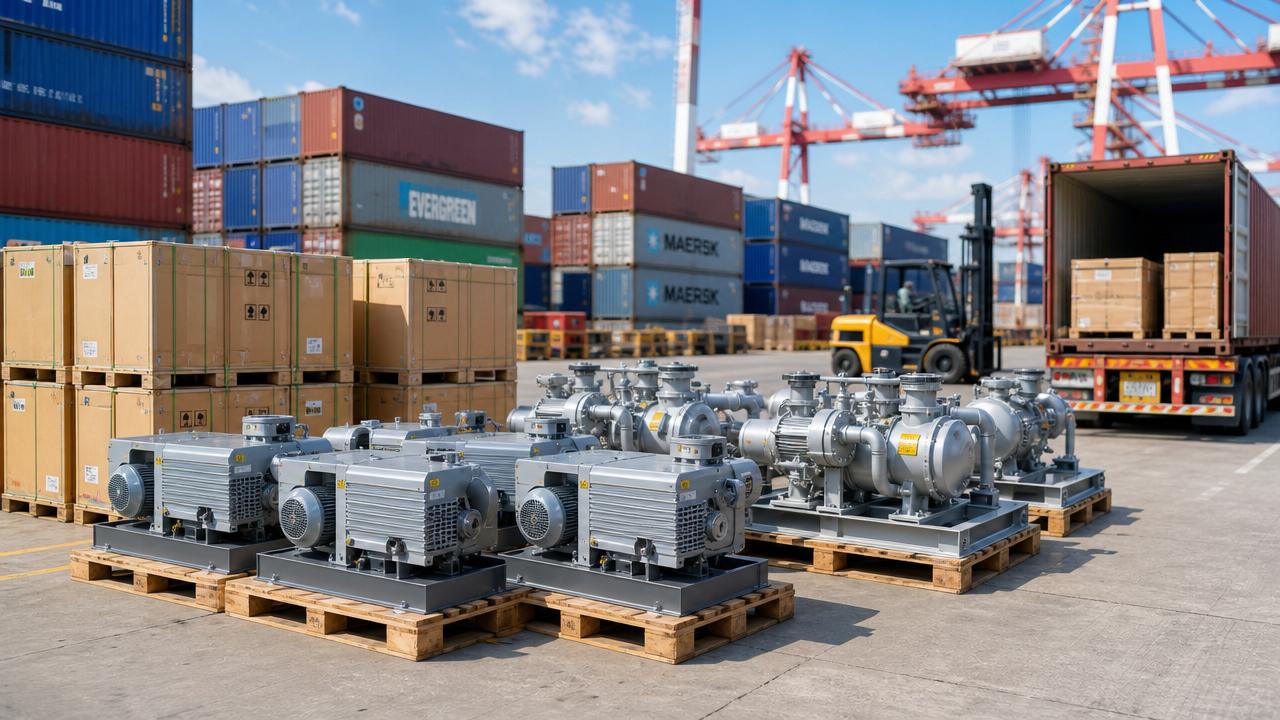
These companies face immediate compliance obligations: shipment to the EU without valid EN ISO 16000-37:2026 test reports may be blocked at customs. Their product documentation, technical files, and declarations of conformity must now explicitly cover seal composition—not just pump functionality or vacuum performance.
Material Suppliers & Compounders
Suppliers providing FKM, FFKM, or EPDM-based seal compounds to vacuum equipment OEMs are affected because their formulations fall under the new scope. They must now support customers with traceable, certified material data sheets and batch-level PFAS testing—shifting from general compliance statements to standardized, third-party-verified reporting.
Contract Manufacturers & Tier-2 Component Assemblers
Companies assembling pump subunits—including seal integration—must verify upstream material origin and retest final assembled seals if substitution introduces new chemical pathways or contamination risks. Process validation and change control documentation will need updating to reflect PFAS-free handling and storage protocols.
What Relevant Companies or Practitioners Should Focus On and How to Respond Now
Monitor Official Updates on Implementation Guidance
The European Commission and ECHA have not yet published detailed guidance on enforcement timelines, transitional arrangements for existing stock, or acceptable analytical methods beyond EN ISO 16000-37:2026. Companies should subscribe to official notifications and track upcoming ECHA Q&A documents expected in Q3 2024.
Prioritize Seal Components in Compliance Audits and Technical Documentation
Unlike previous PFAS restrictions targeting consumer-facing items, this rule focuses narrowly on functional elastomeric parts in industrial equipment. Exporters should isolate seal specifications (material grade, supplier lot, curing method) from broader BOMs and ensure they are flagged in technical files and EU declarations.
Distinguish Between Regulatory Signal and Operational Readiness
While the regulation enters force on 1 May 2026, testing capacity for EN ISO 16000-37:2026 remains limited globally. Early engagement with accredited labs—and verification of their scope accreditation—is essential. A certified report does not guarantee market access if lab accreditation is later contested or withdrawn.
Adjust Procurement and Inventory Planning Around Material Transition Timelines
Given reported cost increases (11–15%) and delivery delays (2–3 weeks), procurement teams should reassess safety stock levels for legacy fluorinated seals ahead of transition deadlines—and confirm substitution compatibility (e.g., thermal stability, outgassing behavior) before full-scale switch-over.
Editorial Perspective / Industry Observation
Observably, this expansion signals a structural shift in EU chemical policy: PFAS regulation is moving decisively from end-products and textiles into mission-critical industrial components where alternatives remain technically constrained. Analysis shows it functions less as an isolated compliance checkpoint and more as a catalyst for long-term supply chain recalibration—especially in high-purity vacuum applications where seal integrity directly affects process yield and contamination control. From an industry perspective, this is not yet a fully operationalized regime but rather an active policy ramp-up requiring parallel tracking of regulatory, testing, and materials engineering developments.
Conclusion
This regulation marks a concrete step in the EU’s broader PFAS restriction strategy, with tangible implications for vacuum technology exporters and their material supply chains. It is best understood not as a one-time certification hurdle, but as an early indicator of tightening requirements across precision industrial components—where material composition is increasingly treated as part of functional safety assurance. Current readiness depends less on achieving full compliance by 2026 and more on establishing traceable, auditable, and technically validated pathways to PFAS-free sealing solutions.
Information Sources
Main source: EU Regulation (EU) 2026/789, published in the Official Journal of the European Union; implementation date confirmed as 1 May 2026. Additional details drawn from publicly reported responses by Chinese vacuum equipment manufacturers (as of Q4 2023). Note: ECHA’s formal interpretation guidance, lab accreditation status updates, and potential transitional provisions remain under observation and are not yet finalized.
Related News
- How to find leaks in vacuum pump systems before pump performance dropsAuthor :Vacuum Process Fellow

- How to size a Roots blower for vacuum process equipmentAuthor :Vacuum Process Fellow

- How vacuum level affects vacuum process efficiencyAuthor :Vacuum Process Fellow

- China Imposes Temporary Helium Export BanAuthor :Vacuum Process Fellow

- Semiconductor Vacuum Systems Factory Checklist for Process Stability and Cleanroom UseAuthor :Vacuum Process Fellow

- Vacuum Process Optimization Services: Signs Your Line Needs a Performance ReviewAuthor :Vacuum Process Fellow

- Vacuum Chambers for Cleanroom Use: Key Design Points That Prevent ContaminationAuthor :Vacuum Process Fellow

- Vacuum Distillation Systems: Key Performance Metrics That Affect Product PurityAuthor :Vacuum Process Fellow

- Vietnam Halts High Vacuum Pump Import Licenses for 30 DaysAuthor :Vacuum Process Fellow

- Vacuum Technology Database: What to Check Before Using Technical DataAuthor :Vacuum Process Fellow

- Dry Pump Vacuum System Design Mistakes That Raise DowntimeAuthor :Vacuum Process Fellow

- When Vacuum Systems Lose Performance: Common Causes and FixesAuthor :Vacuum Process Fellow
![]()
- EU Tightens EN 13445-3 Weld Testing for Vacuum VesselsAuthor :Vacuum Process Fellow
![]()
- EPA Cuts R-1234ze(E) Quota 35%, Tightening Vacuum Cooling SupplyAuthor :Vacuum Process Fellow
 Quota 35%, Tightening Vacuum Cooling Supply")
- ICA Warns of Tight Copper Alloy Supply for Vacuum PumpsAuthor :Vacuum Process Fellow

- Vacuum System Leak Detection: Signs, Tests, and FixesAuthor :Vacuum Process Fellow

- How to Compare Vacuum Systems Factory Capabilities for Stable Process UptimeAuthor :Vacuum Process Fellow

- Vacuum Pump Lead Times Extend to 26 WeeksAuthor :Vacuum Process Fellow

- Semiconductor Vacuum Systems Explained for Stable Process YieldAuthor :Vacuum Process Fellow

- Vacuum Process Efficiency: 7 Hidden Causes of Energy LossAuthor :Vacuum Process Fellow

- Vacuum Technology Solutions for Stable Low-Pressure ProductionAuthor :Vacuum Process Fellow

- Vacuum Processes: Common Efficiency Losses and FixesAuthor :Vacuum Process Fellow

- Common Vacuum Processes Problems and How to Prevent DowntimeAuthor :Vacuum Process Fellow

- Tantalum Spike Extends Vacuum Crucible Lead TimesAuthor :Vacuum Process Fellow

- Vacuum Process Efficiency: 5 Hidden Losses to Check FirstAuthor :Vacuum Process Fellow

- How Heat Transfer Design Impacts Vacuum Process EfficiencyAuthor :Vacuum Process Fellow

- EN 13445-4:2026 Takes Effect for High-Vacuum ComponentsAuthor :Vacuum Process Fellow

- EU Vacuum Components Face New EN 13445-4:2026 Leak Test RuleAuthor :Vacuum Process Fellow

- UBS: Fed Cut View May Ease Vacuum Pump Lead TimesAuthor :Vacuum Process Fellow

- Vacuum Processes: Common Causes of Unstable PerformanceAuthor :Vacuum Process Fellow
![]()
- SiC Certification Signals New Entry Path for Vacuum and Compressor DrivesAuthor :Vacuum Process Fellow
![]()
- How to Choose the Right Vacuum System for Process StabilityAuthor :Vacuum Process Fellow

- Vacuum Technology Selection: What Matters Most for Stable Process PerformanceAuthor :Vacuum Process Fellow

- Vacuum Processes: How to Reduce Contamination and Improve Cycle ConsistencyAuthor :Vacuum Process Fellow

- ITC 337 Probe Puts TOPCon Supply Chain Under ReviewAuthor :Vacuum Process Fellow

- Vacuum Process Efficiency: Where Energy Loss Really StartsAuthor :Vacuum Process Fellow