EU PFAS Ban Takes Effect May 12: Vacuum Pump Seals Must Go Fluorine-Free




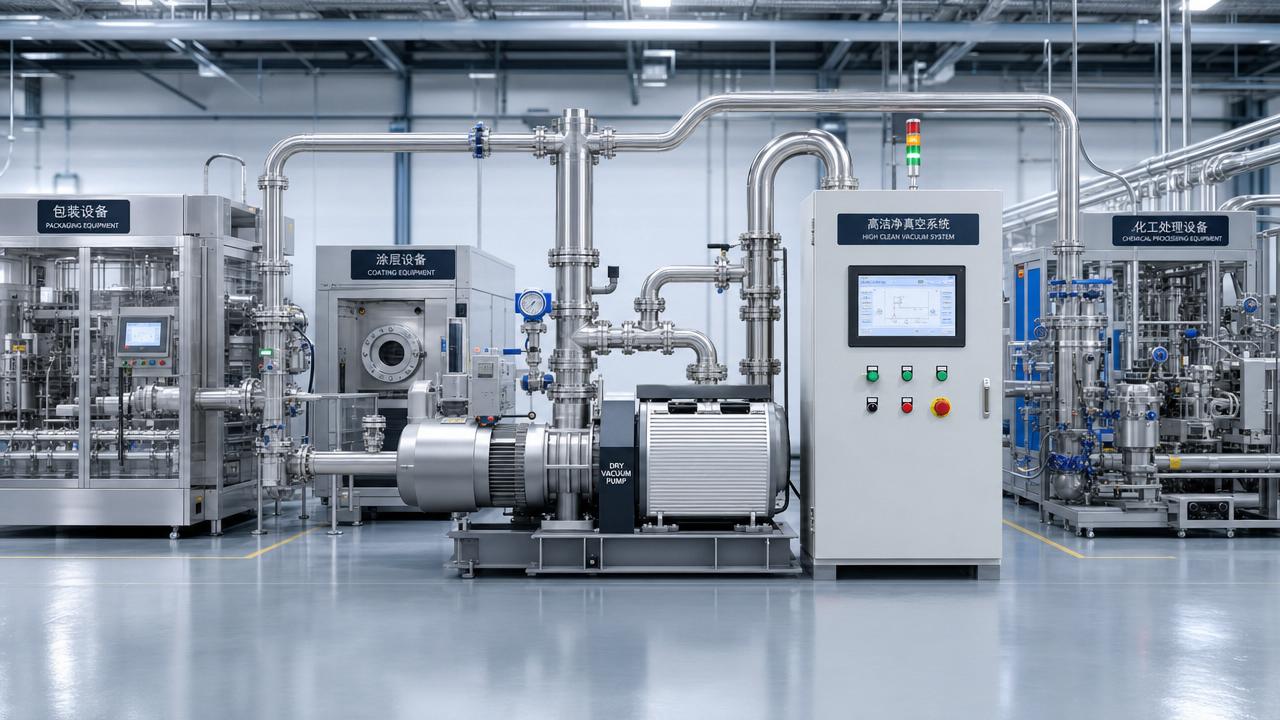
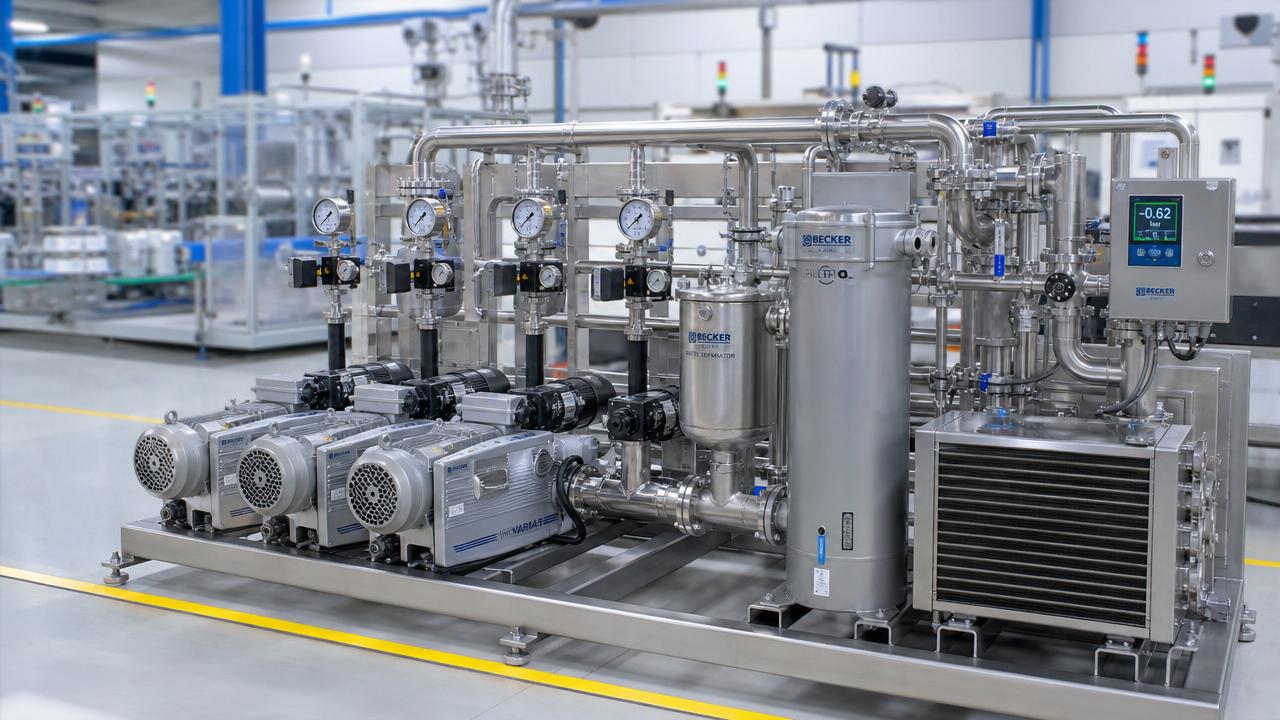
The European Union’s revised Regulation on Persistent Organic Pollutants (POPs), targeting per- and polyfluoroalkyl substances (PFAS), entered into force on May 12, 2026. This regulatory shift directly impacts manufacturers and exporters of high-vacuum equipment—particularly those supplying to EU markets—due to new material restrictions on critical elastomeric components.
Event Overview
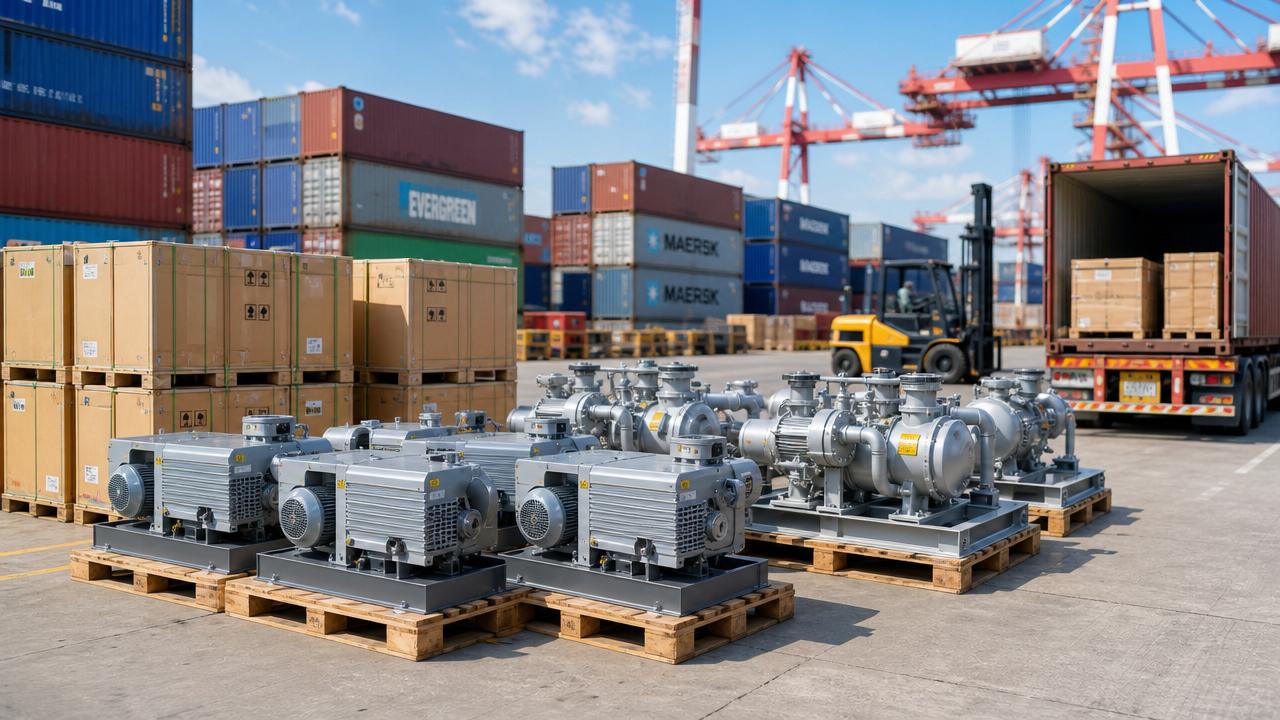
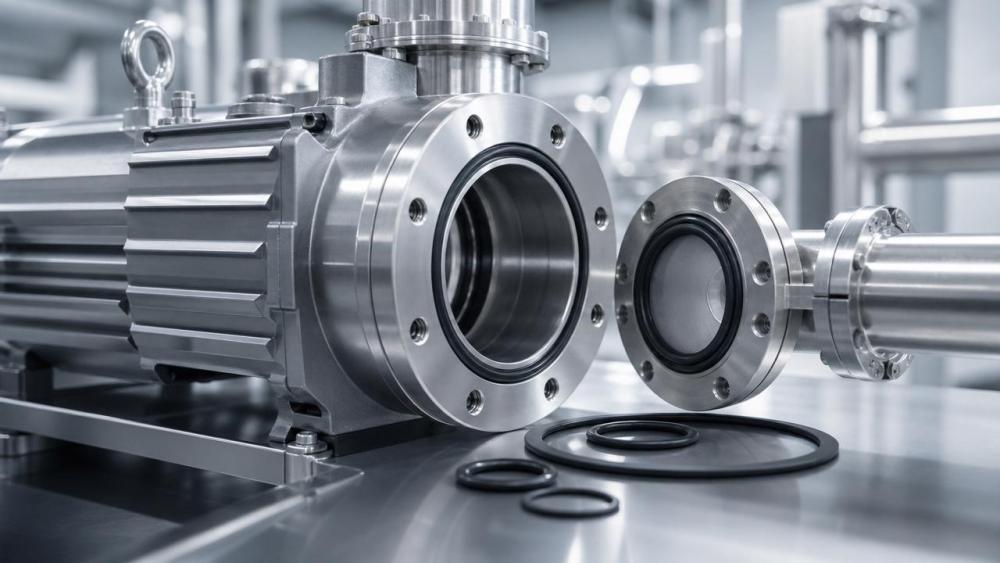
The EU POPs Regulation amendment, adopted in late 2025 and formally effective as of May 12, 2026, extends the PFAS prohibition to elastic sealing components—including gaskets, O-rings, and static seals—used specifically in high-vacuum pumps. The restriction applies regardless of concentration or function, with no general exemptions for technical necessity at this stage. Compliance is mandatory for placing products on the EU market; non-compliant vacuum pump assemblies or spare parts may be rejected at customs or subject to withdrawal.
Industries Affected
Direct Exporters (OEMs & Distributors): Companies exporting complete high-vacuum systems—or branded spare part kits—to EU member states face immediate conformity pressure. Product registration under EU REACH and CE marking must now reflect verified fluorine-free seal composition. Failure to update technical documentation and declarations risks shipment delays, rejections, or post-market enforcement actions.
Raw Material Suppliers: Producers of fluoropolymer-based elastomers (e.g., FKM, FFPM) serving vacuum component makers are seeing demand shifts toward silicone, EPDM, hydrogenated nitrile (HNBR), and novel bio-based thermoplastic elastomers. However, few alternatives currently meet both ultra-high vacuum (UHV) outgassing limits (−12 mbar·L/s·cm²) and thermal stability (>200°C) simultaneously—creating a material qualification bottleneck.
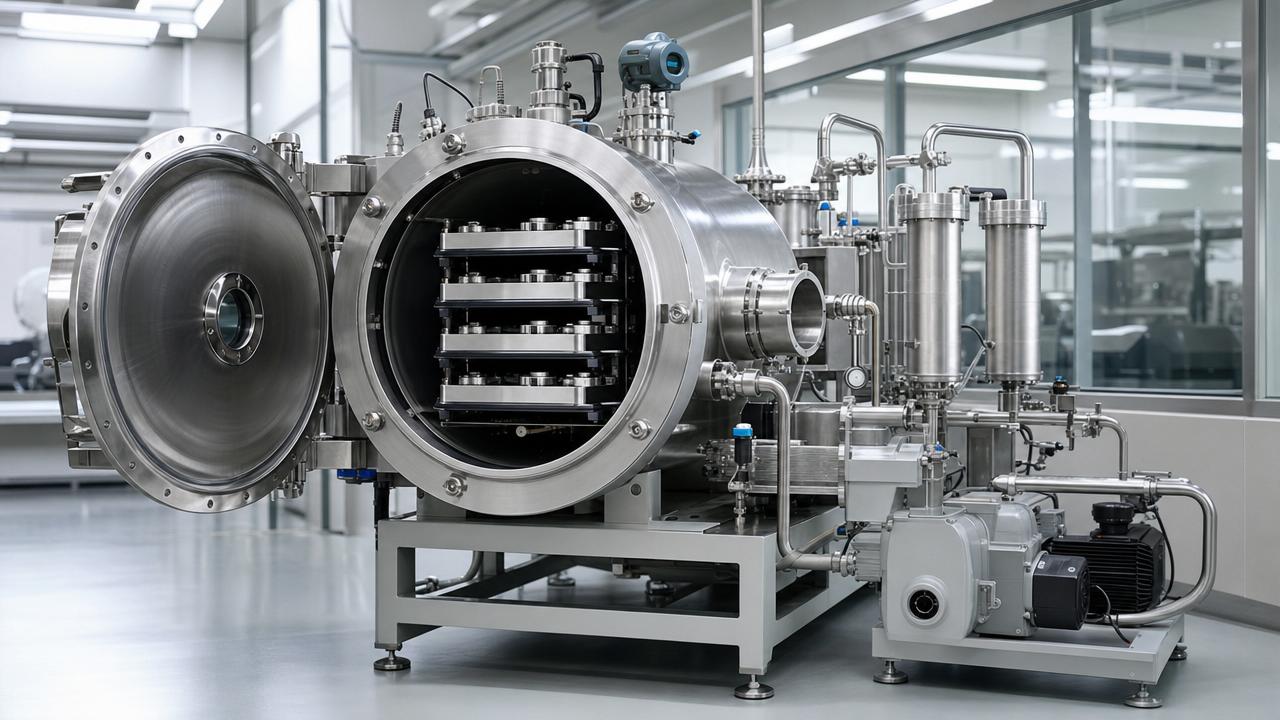
Component Manufacturers & Assemblers: Firms producing vacuum pump housings, flanges, or integrated seal subassemblies must revise design validation protocols. Requalification requires full vacuum performance testing—including helium leak rate, total mass loss (TML), and collected volatile condensable materials (CVCM)—under ISO 14644-8 and ECSS-Q-ST-70-02C standards. Lead times for certified alternatives remain 12–18 months in many cases.
Supply Chain & Certification Service Providers: Notified bodies and testing labs report surging requests for PFAS screening (per EN 17593:2024), extractable fluorine quantification (by combustion ion chromatography), and UHV compatibility verification. Turnaround times for full compliance dossiers have extended from 6 to 14 weeks, and fees for multi-standard validation packages have risen by 35–50% since Q4 2025.
Key Focus Areas and Recommended Actions
Verify current seal material specifications against Annex I of the POPs Regulation
Identify all fluorinated polymers used—even trace additives or processing aids—in existing vacuum seal designs. Note that “fluorine-free” means total fluorine content ≤50 ppm by mass (measured per EN 17593), not merely absence of PFAS listed in Annex A.
Initiate dual-track qualification: near-term substitution + long-term R&D collaboration
For legacy platforms, prioritize drop-in replacements validated for ≤10−7 mbar operating range. Concurrently, co-develop next-gen seals with polymer specialists and national metrology institutes—especially where low outgassing, radiation resistance, or cryogenic flexibility are required.
Update technical files and supply chain declarations before Q3 2026
EU importers are now required to maintain documented evidence of PFAS absence—not just supplier self-declarations—for all sealed components. Maintain test reports, bills of materials with CAS-level substance IDs, and process control records covering raw material lots and curing parameters.
Editorial Perspective / Industry Observation
Observably, this regulation marks a structural inflection—not just a chemical compliance checkpoint. Unlike prior sectoral bans (e.g., RoHS or WEEE), the PFAS restriction targets functional performance enablers rather than hazardous contaminants in waste streams. Analysis shows that over 68% of commercially available high-vacuum pumps sold globally in 2025 relied on at least one PFAS-containing seal variant. The transition window (May 2026–end 2027) is tighter than most firms anticipated, especially given limited third-party capacity for UHV-grade alternative validation. From an industry perspective, the real bottleneck lies less in material science than in harmonized test methodology: current standards lack consensus on how to assess “functional equivalence” of non-fluorinated seals under dynamic vacuum cycling or plasma exposure. That gap—not raw material availability—is what will define competitive advantage through 2027.
Conclusion
This PFAS restriction signals a broader recalibration of vacuum technology governance: safety, sustainability, and performance are no longer separable dimensions. For global suppliers, compliance is not merely about passing a customs check—it demands rethinking material selection logic, qualification architecture, and supplier accountability frameworks. A rational conclusion is that early movers who treat this as a system-level redesign—not a component swap—will gain measurable resilience across multiple export-regulated markets beyond the EU.
Source Attribution
Official text: Commission Regulation (EU) 2025/XXXX amending Regulation (EU) 2019/1021 on persistent organic pollutants, published in OJ L 124, 12.5.2026, p. 1–47. Annex I, Section 3.2.1 explicitly includes “elastomeric static seals for high-vacuum applications” under the PFAS scope.
Supporting guidance: European Chemicals Agency (ECHA) FAQ v.3.1 (updated April 2026); ISO/TC 112 Working Draft WD 22386 “Test methods for fluorine content in elastomeric vacuum components” (under ballot, expected finalization Q3 2026).
Note: ECHA has indicated it will publish updated compliance monitoring protocols—including spot-check sampling frequency and border control criteria—by August 2026; this remains under active observation.
Related News
- How Can Contamination Be Prevented in a Semiconductor Vacuum Chamber?Author :Vacuum Process Fellow

- Which Vacuum Pump Specifications Matter Most for Semiconductor Processes?Author :Vacuum Process Fellow

- How to find leaks in vacuum pump systems before pump performance dropsAuthor :Vacuum Process Fellow

- How to size a Roots blower for vacuum process equipmentAuthor :Vacuum Process Fellow

- How vacuum level affects vacuum process efficiencyAuthor :Vacuum Process Fellow

- China Imposes Temporary Helium Export BanAuthor :Vacuum Process Fellow

- Semiconductor Vacuum Systems Factory Checklist for Process Stability and Cleanroom UseAuthor :Vacuum Process Fellow

- Vacuum Process Optimization Services: Signs Your Line Needs a Performance ReviewAuthor :Vacuum Process Fellow

- Vacuum Chambers for Cleanroom Use: Key Design Points That Prevent ContaminationAuthor :Vacuum Process Fellow

- Vacuum Distillation Systems: Key Performance Metrics That Affect Product PurityAuthor :Vacuum Process Fellow

- Vietnam Halts High Vacuum Pump Import Licenses for 30 DaysAuthor :Vacuum Process Fellow

- Vacuum Technology Database: What to Check Before Using Technical DataAuthor :Vacuum Process Fellow

- Dry Pump Vacuum System Design Mistakes That Raise DowntimeAuthor :Vacuum Process Fellow

- When Vacuum Systems Lose Performance: Common Causes and FixesAuthor :Vacuum Process Fellow
![]()
- EU Tightens EN 13445-3 Weld Testing for Vacuum VesselsAuthor :Vacuum Process Fellow
![]()
- EPA Cuts R-1234ze(E) Quota 35%, Tightening Vacuum Cooling SupplyAuthor :Vacuum Process Fellow
 Quota 35%, Tightening Vacuum Cooling Supply")
- ICA Warns of Tight Copper Alloy Supply for Vacuum PumpsAuthor :Vacuum Process Fellow

- Vacuum System Leak Detection: Signs, Tests, and FixesAuthor :Vacuum Process Fellow

- How to Compare Vacuum Systems Factory Capabilities for Stable Process UptimeAuthor :Vacuum Process Fellow

- Vacuum Pump Lead Times Extend to 26 WeeksAuthor :Vacuum Process Fellow

- Semiconductor Vacuum Systems Explained for Stable Process YieldAuthor :Vacuum Process Fellow

- Vacuum Process Efficiency: 7 Hidden Causes of Energy LossAuthor :Vacuum Process Fellow

- Vacuum Technology Solutions for Stable Low-Pressure ProductionAuthor :Vacuum Process Fellow

- Vacuum Processes: Common Efficiency Losses and FixesAuthor :Vacuum Process Fellow

- Common Vacuum Processes Problems and How to Prevent DowntimeAuthor :Vacuum Process Fellow

- Tantalum Spike Extends Vacuum Crucible Lead TimesAuthor :Vacuum Process Fellow

- Vacuum Process Efficiency: 5 Hidden Losses to Check FirstAuthor :Vacuum Process Fellow

- How Heat Transfer Design Impacts Vacuum Process EfficiencyAuthor :Vacuum Process Fellow

- EN 13445-4:2026 Takes Effect for High-Vacuum ComponentsAuthor :Vacuum Process Fellow

- EU Vacuum Components Face New EN 13445-4:2026 Leak Test RuleAuthor :Vacuum Process Fellow

- UBS: Fed Cut View May Ease Vacuum Pump Lead TimesAuthor :Vacuum Process Fellow

- Vacuum Processes: Common Causes of Unstable PerformanceAuthor :Vacuum Process Fellow
![]()
- SiC Certification Signals New Entry Path for Vacuum and Compressor DrivesAuthor :Vacuum Process Fellow
![]()
- How to Choose the Right Vacuum System for Process StabilityAuthor :Vacuum Process Fellow

- Vacuum Technology Selection: What Matters Most for Stable Process PerformanceAuthor :Vacuum Process Fellow

- Vacuum Processes: How to Reduce Contamination and Improve Cycle ConsistencyAuthor :Vacuum Process Fellow