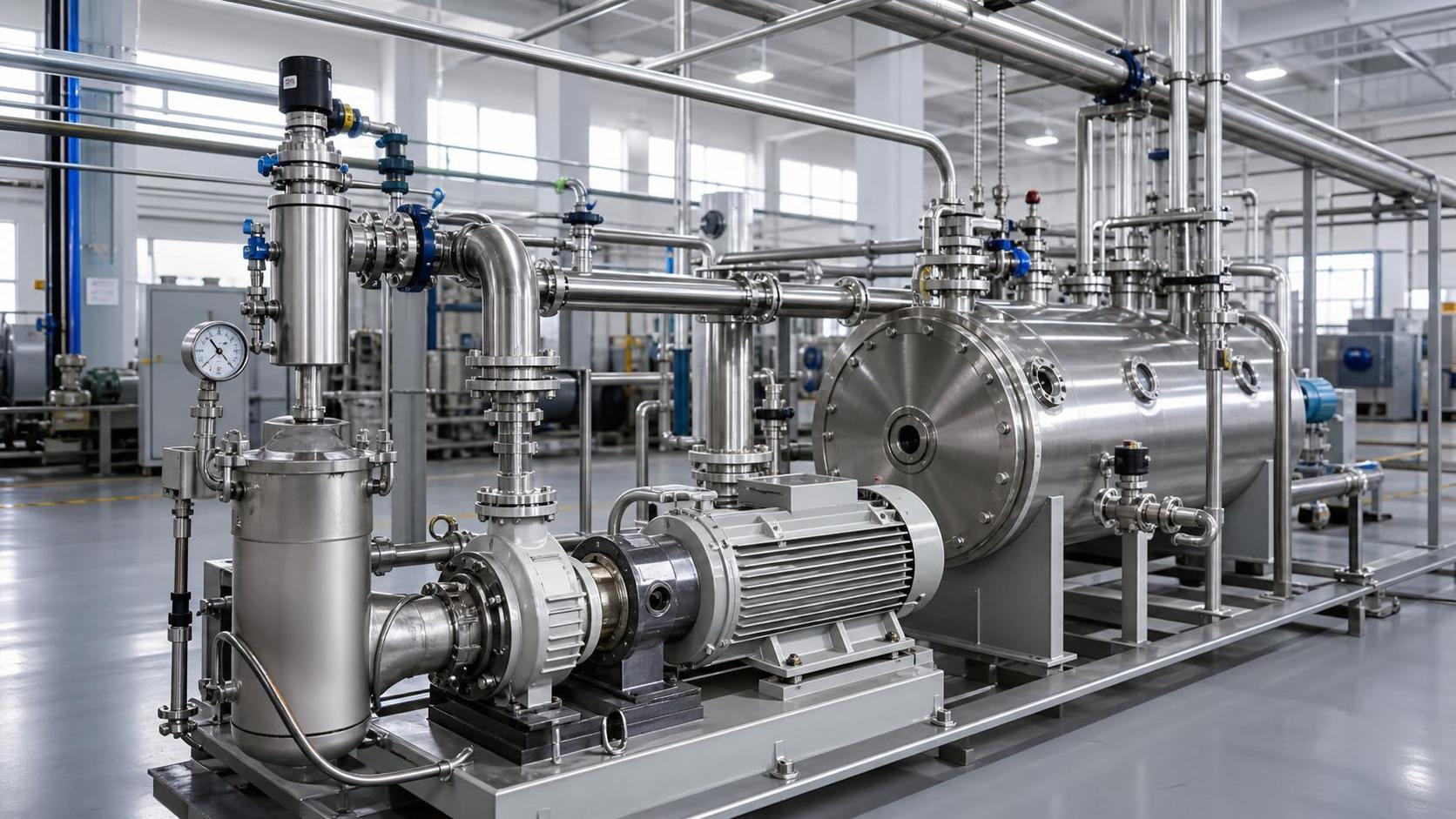
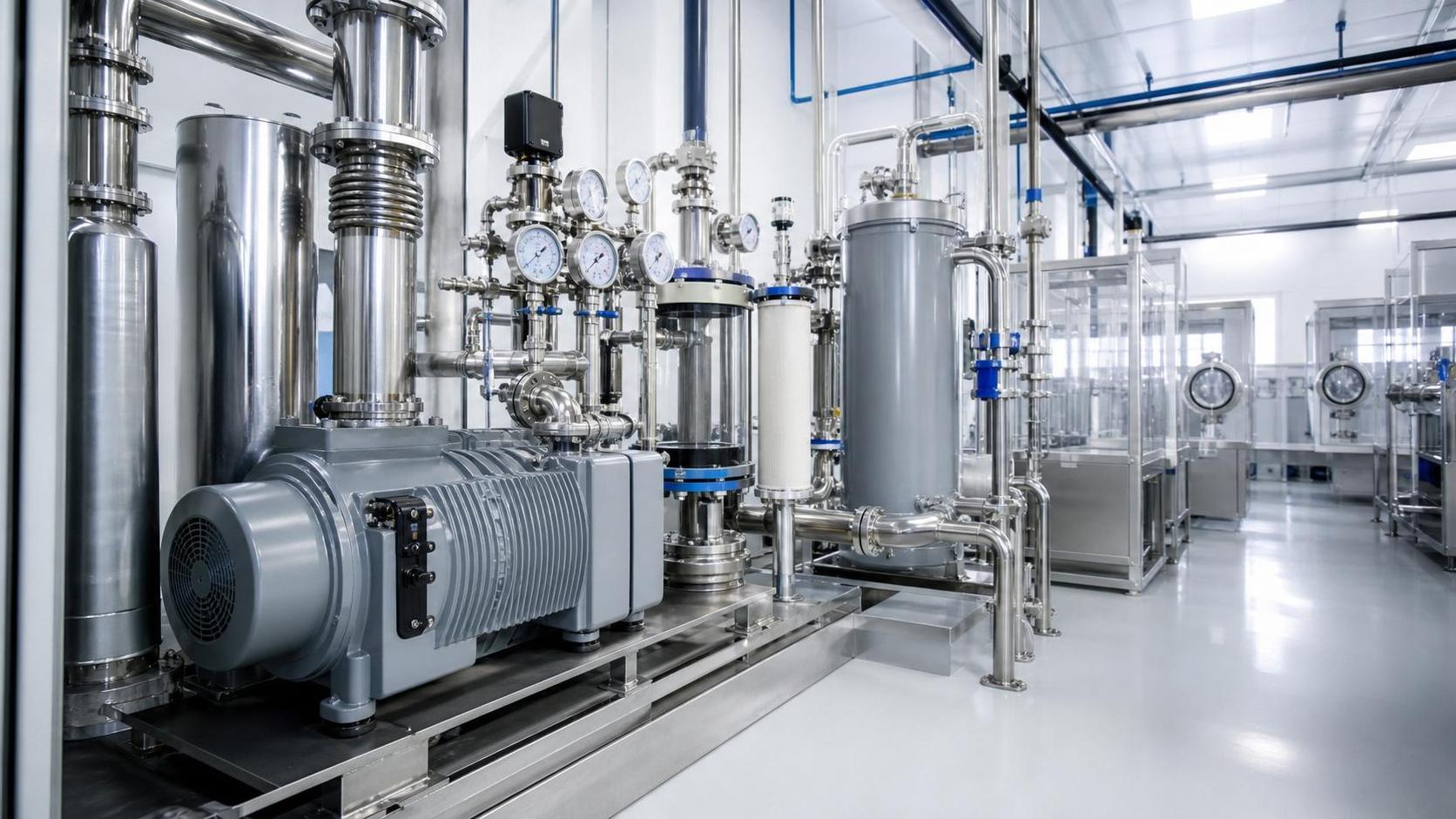
High Vacuum Technology Solutions for Stable Process Control




For project managers and engineering leaders, stable process control depends on more than equipment uptime—it requires precision, consistency, and system-level insight. Advanced vacuum technology solutions help reduce contamination risk, improve repeatability, and support energy-efficient operations across demanding industrial environments. This article explores how the right vacuum strategy can strengthen process stability, optimize performance, and support smarter project decisions.
In sectors where thermal management, compressed air quality, and clean production conditions directly affect output, vacuum performance is rarely an isolated utility issue. It influences cycle time, product integrity, maintenance planning, operator workload, and energy consumption across the full process chain.
For teams overseeing capital projects or plant upgrades, the challenge is not simply choosing a pump. It is aligning vacuum technology solutions with process targets, contamination limits, load variability, and long-term operating cost. That is where intelligence-led evaluation becomes critical.
Why Vacuum Stability Matters in Modern Industrial Process Control
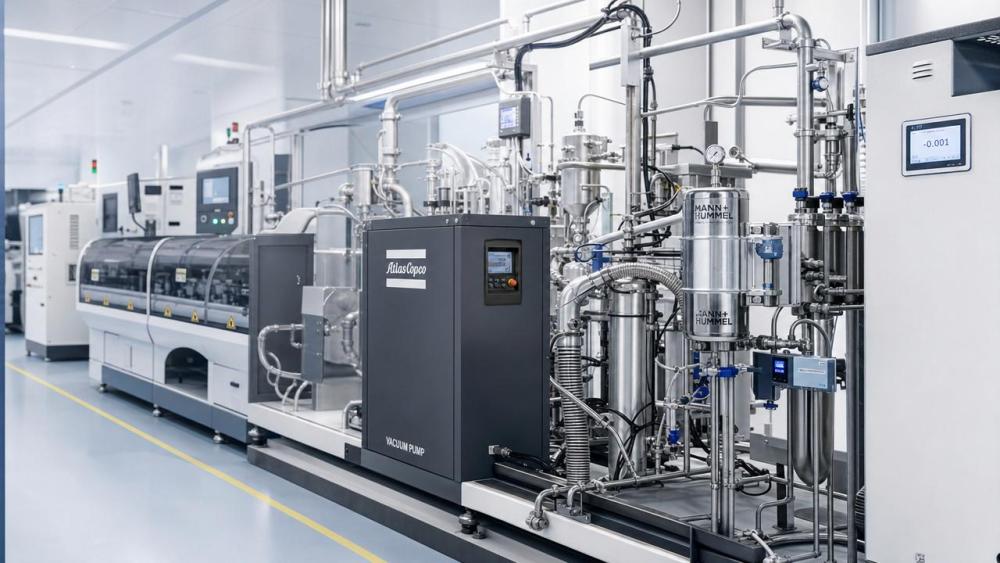
Stable vacuum conditions support repeatable production in applications ranging from drying and degassing to conveying, coating, packaging, and thermal processing. Even a pressure drift of 5% to 10% can create measurable variation in moisture removal, surface quality, or batch consistency.
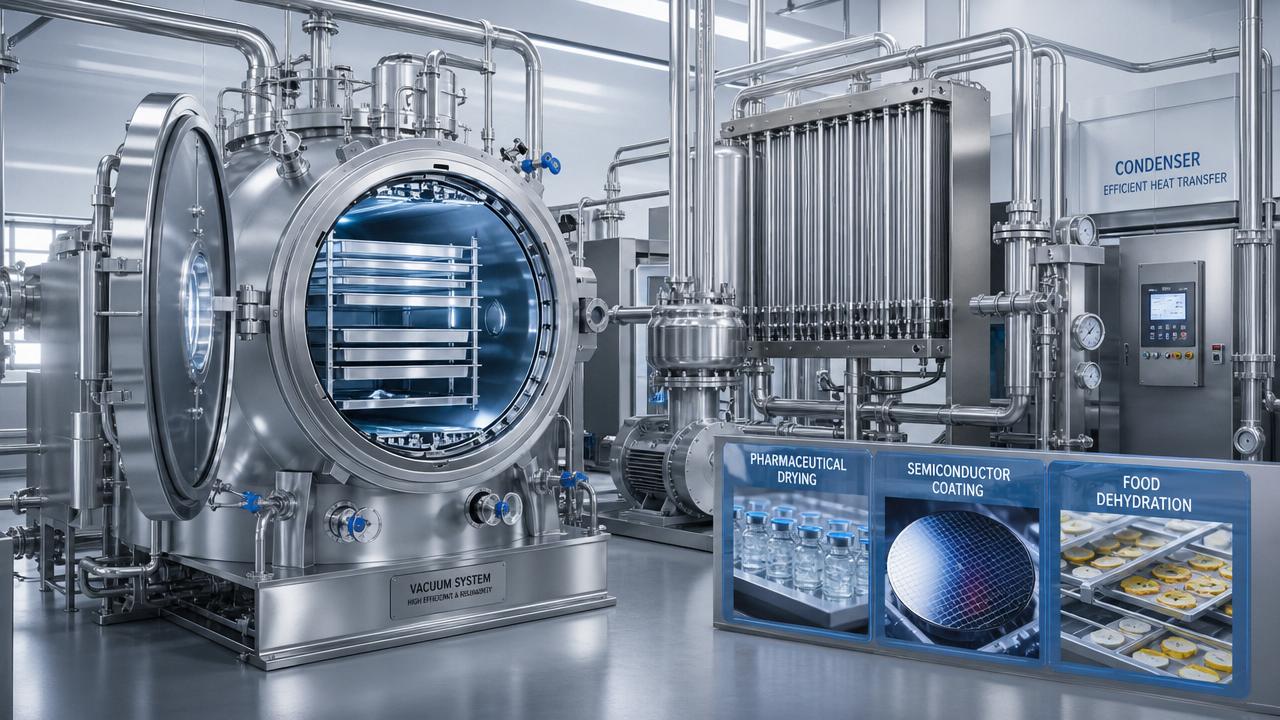
In pharmaceutical, semiconductor, food, chemical, and advanced manufacturing environments, the vacuum system often works alongside chillers, heat exchangers, compressors, and filtration equipment. A weakness in one node can trigger process imbalance in 2 to 4 downstream stages.
Process risks caused by unstable vacuum conditions
When vacuum performance fluctuates, project leaders usually see symptoms first: slower cycles, inconsistent product quality, rising reject rates, or unexpected alarms. The root causes may include undersized pumping capacity, poor leak management, condensable vapor loads, or incorrect control logic.
- Pressure instability leading to batch-to-batch variation
- Oil backstreaming or contamination in sensitive processes
- Reduced throughput during peak demand windows of 15 to 30 minutes
- Higher maintenance frequency due to particulate or vapor overload
- Energy waste caused by pumps operating at full load during partial demand
Where project managers feel the impact first
From a project perspective, unstable vacuum affects schedule certainty and cost control. Commissioning can take 1 to 3 extra weeks when the system is not matched to real process loads. In retrofit projects, hidden constraints such as pipe sizing, condensate handling, or utility integration are common sources of delay.
This is also why vacuum technology solutions should be evaluated as part of a broader thermal and compression ecosystem. GTC-Matrix focuses on this intersection, helping decision-makers connect vacuum selection with energy efficiency, clean utility design, and resilient process architecture.
Typical industrial scenarios and control priorities
The table below highlights how process priorities differ across common industrial use cases. For engineering leaders, the best vacuum strategy depends less on a single performance number and more on matching pressure behavior, contamination control, and serviceability to the application.
A clear pattern emerges: the most effective vacuum technology solutions are application-specific. A system that performs well in a packaging line may fail in a vapor-heavy drying process if condensable loads, filtration, or temperature interactions are underestimated.
How to Select Vacuum Technology Solutions for Reliable Project Outcomes
Selection should begin with process conditions, not catalog language. Project teams should define the operating pressure range, gas composition, duty cycle, cleanliness requirement, ambient temperature, and expected load changes over a 24-hour production period.
For many industrial applications, three practical questions matter early: What pressure level must be maintained? How much vapor, dust, or solvent enters the system? Will demand stay steady, or will it vary by shift, recipe, or season? These inputs shape the full solution architecture.
Core technical criteria to assess
- Required operating pressure, such as rough vacuum or deeper process vacuum ranges
- Pumping speed needed at actual operating conditions, not only at atmospheric start
- Gas load profile, including dry gas, condensable vapor, particulates, or corrosive compounds
- Process cleanliness, especially for oil-sensitive or contamination-sensitive production
- Control method, including fixed-speed, variable-speed, or centralized vacuum control
- Utility integration with cooling water, chilled systems, compressed air, and exhaust treatment
Common solution categories and their fit
Different pump technologies bring different trade-offs in cleanliness, efficiency, service intervals, and tolerance to process media. While exact selection depends on the application, the comparison below can help project leaders frame supplier discussions more effectively during specification and procurement.
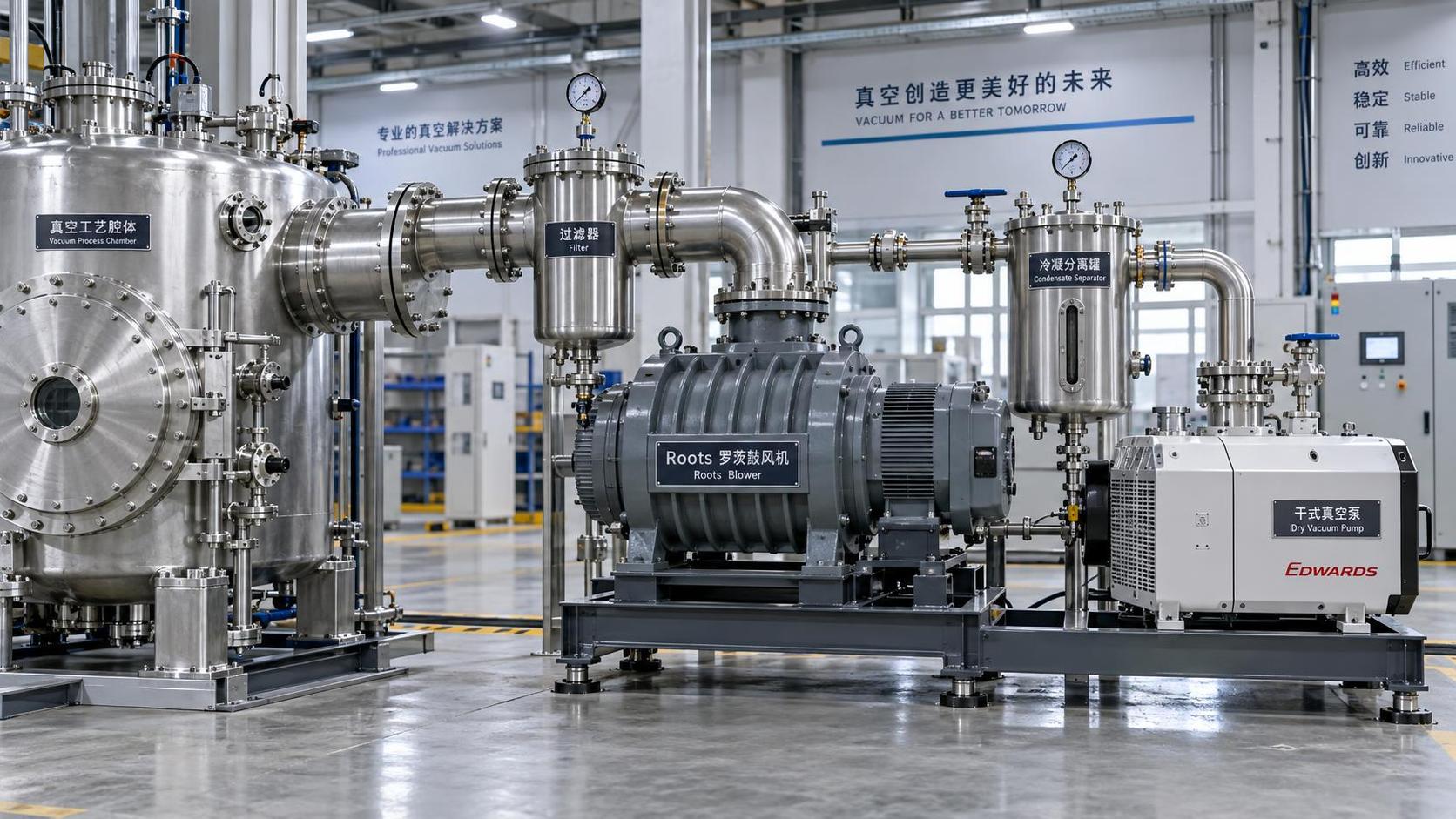
In many facilities, the right answer is not a single technology but a configured system with staged pumping, filtration, condensate separation, and control integration. That is why vacuum technology solutions should be reviewed at both equipment level and system level.
Four procurement filters that improve decision quality
- Check process compatibility over a 3 to 5 year operating horizon, not only current demand.
- Compare total cost of ownership, including energy, consumables, service labor, and downtime exposure.
- Review maintainability, such as access, spare parts lead time, and expected service intervals.
- Confirm controls, alarms, and data connectivity for plant-wide monitoring and project acceptance.
For engineering leaders under timeline pressure, these four filters often prevent expensive mismatches. A lower purchase price can quickly lose value if maintenance shuts down a production cell every 6 to 8 weeks or if performance drops during summer ambient peaks.
Implementation Planning: From Specification to Stable Operation
A technically sound selection can still underperform if implementation is rushed. Stable operation depends on correct installation, line sizing, condensate strategy, commissioning logic, and operator readiness. In project execution, the transition from procurement to startup is where many hidden risks appear.
A practical 5-step rollout framework
- Map process demand by product type, cycle pattern, and peak load duration.
- Validate equipment selection against pressure targets, media characteristics, and utility conditions.
- Design piping, filtration, separation, and exhaust interfaces before installation begins.
- Commission with baseline measurements for pressure stability, power draw, and cycle response.
- Train operators and maintenance teams with alarm logic, cleaning routines, and inspection intervals.
This 5-step structure is especially useful in brownfield facilities where space limits, legacy controls, and utility overlap can complicate installation. A disciplined startup plan can reduce early failure events within the first 30 to 90 days of operation.
Commissioning metrics that should not be skipped
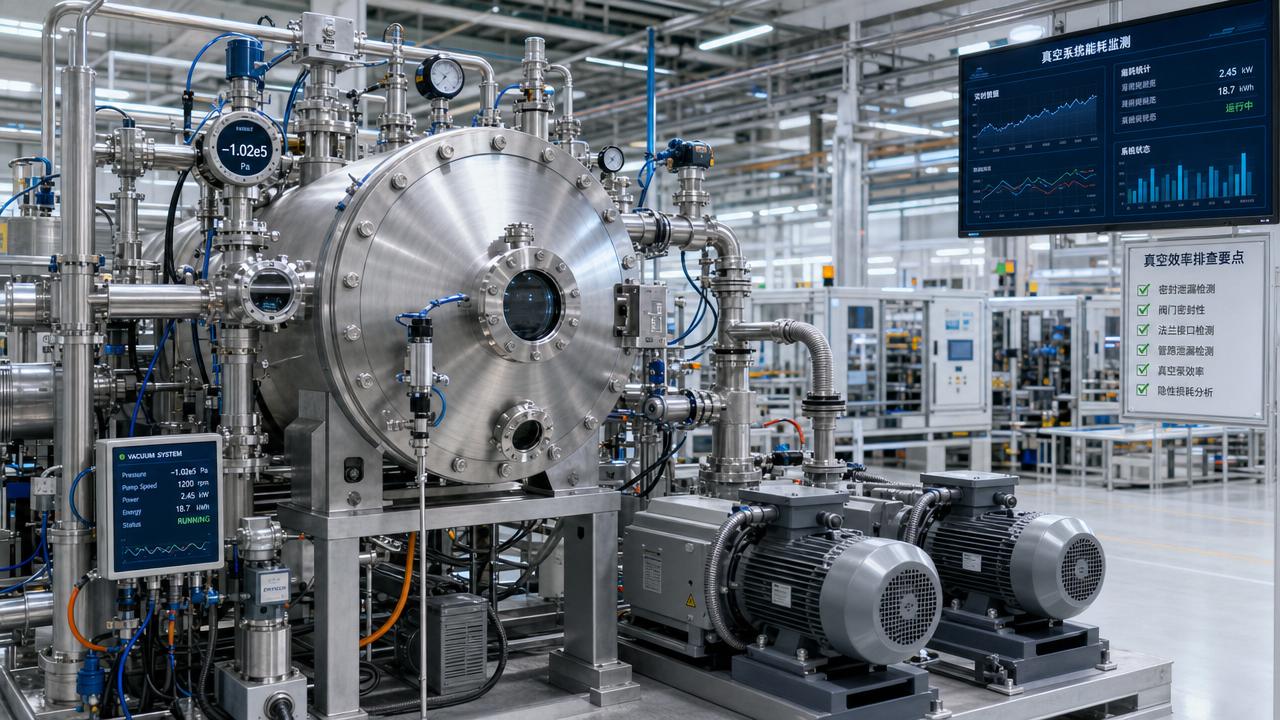
Project acceptance should include measurable criteria rather than visual inspection alone. Useful metrics include pull-down time, stabilized operating pressure, leak rate trend, motor load behavior, and temperature conditions at critical points. These data provide an objective baseline for future troubleshooting.
For example, if pull-down time stretches by 15% after only 6 weeks, the issue may involve leaks, fouling, or process changes rather than pump failure. Without a baseline, teams often replace components before addressing the real cause.
Implementation checkpoints for project control
The following checklist can help project managers align engineering, procurement, and maintenance stakeholders before handover. It is particularly relevant for multi-utility projects involving cooling, compressed air, and vacuum systems in the same scope.
These checkpoints reinforce a simple principle: reliable vacuum technology solutions are not defined only by the pump package. They are defined by how the system is installed, monitored, and maintained under actual operating conditions.
Maintenance Strategy, Energy Performance, and Long-Term Value
After startup, the next priority is preserving process stability without inflating operating cost. In many industrial environments, vacuum systems run for 4,000 to 8,000 hours per year. That makes maintenance strategy and energy efficiency central to project value, not secondary concerns.
Why preventive care protects both quality and uptime
Filters, seals, fluids, condensate handling components, and cooling interfaces all influence long-term performance. A missed inspection interval can lead to rising power consumption, slower evacuation, and elevated wear. In contamination-sensitive applications, the quality risk may be greater than the mechanical risk.
- Inspect process filters and separators at defined intervals, often every 500 to 2,000 hours depending on load.
- Track pressure stability and motor load trends monthly to identify hidden degradation.
- Review condensate and vapor behavior during seasonal shifts or recipe changes.
- Maintain spare parts visibility for wear items with lead times of 2 to 6 weeks.
Energy efficiency opportunities in vacuum systems
Energy savings rarely come from one dramatic change. They usually come from better control philosophy, reduced leaks, demand matching, and smarter integration. In plants with variable demand, staged control or variable-speed operation can reduce unnecessary full-load running during low-demand periods.
Centralized arrangements can also improve efficiency when multiple machines have overlapping but uneven demand profiles. However, centralization only works when controls are tuned, distribution losses are managed, and redundancy planning is clear. Otherwise, complexity offsets the expected benefit.
Frequent misconceptions that weaken performance
- Assuming deeper vacuum always improves process results, even when the application only needs stable moderate vacuum.
- Choosing based on peak capacity alone without analyzing the 70% to 80% of time the system runs at partial load.
- Ignoring upstream temperature and moisture behavior in processes tied to cooling or heat exchange systems.
- Treating maintenance as a pump-only issue rather than a system issue involving piping, controls, and separation.
For organizations balancing throughput, sustainability, and reliability, these misconceptions can be costly. Better outcomes usually come from cross-functional review, especially where vacuum interacts with thermal systems, compressed air utilities, and broader decarbonization goals.
Using Market Intelligence to Make Better Vacuum Decisions
Technical fit remains the foundation, but timing and market context also matter. Equipment lead times, utility prices, refrigerant policy shifts, and changes in clean manufacturing demand can all influence project economics. This is where decision-makers benefit from sector intelligence, not just equipment quotes.
GTC-Matrix serves this role by connecting vacuum processes with the wider industrial landscape of cooling, compressed air, and heat exchange technologies. For project managers, that broader view helps prioritize investments, compare operating scenarios, and identify where process stability and energy strategy should converge.
What engineering leaders should watch over the next 12 to 24 months
- Greater adoption of oil-free and low-contamination utility systems in regulated production environments
- Stronger emphasis on integrated monitoring across vacuum, cooling, and compression assets
- More procurement attention on life-cycle cost rather than first-cost comparisons alone
- Rising importance of thermal efficiency and carbon-aware plant upgrades in global manufacturing strategies
As these trends accelerate, vacuum technology solutions will increasingly be judged by how well they support stable process windows, digital visibility, and lower resource intensity. That is a strategic shift, not just an equipment trend.
Questions to ask before final supplier selection
Before release of purchase order, teams should request a clear performance basis, maintenance assumptions, utility requirements, control philosophy, and startup support scope. They should also confirm which values are guaranteed at actual process conditions rather than nominal test conditions.
A disciplined review at this stage can prevent redesign, overspending, and commissioning disputes. It also gives procurement, engineering, and operations a shared framework for evaluating proposals on more than price alone.
Stable production depends on more than vacuum generation; it depends on selecting, implementing, and maintaining vacuum technology solutions that fit real process conditions. For project managers and engineering leaders, the strongest results come from balancing pressure stability, cleanliness, serviceability, and energy performance across the full system.
With intelligence from GTC-Matrix, industrial teams can connect vacuum decisions to thermal efficiency, compressed utility strategy, and long-term manufacturing competitiveness. If you are planning a retrofit, expansion, or new project, now is the right time to evaluate your requirements in greater depth.
Contact us to discuss your process priorities, request a tailored assessment, or learn more solutions for vacuum, cooling, compressed air, and heat exchange integration.
Ready when you are. Send us a message to get started.
Related News
- How does base pressure affect film purity in vacuum deposition?Author :Vacuum Process Fellow

- How to size vacuum process equipment for the required pump-down timeAuthor :Vacuum Process Fellow

- Which vacuum specification best protects semiconductor process yield?Author :Vacuum Process Fellow

- How Can Contamination Be Prevented in a Semiconductor Vacuum Chamber?Author :Vacuum Process Fellow

- Which Vacuum Pump Specifications Matter Most for Semiconductor Processes?Author :Vacuum Process Fellow

- How to find leaks in vacuum pump systems before pump performance dropsAuthor :Vacuum Process Fellow

- How to size a Roots blower for vacuum process equipmentAuthor :Vacuum Process Fellow

- How vacuum level affects vacuum process efficiencyAuthor :Vacuum Process Fellow

- China Imposes Temporary Helium Export BanAuthor :Vacuum Process Fellow

- Semiconductor Vacuum Systems Factory Checklist for Process Stability and Cleanroom UseAuthor :Vacuum Process Fellow

- Vacuum Process Optimization Services: Signs Your Line Needs a Performance ReviewAuthor :Vacuum Process Fellow

- Vacuum Chambers for Cleanroom Use: Key Design Points That Prevent ContaminationAuthor :Vacuum Process Fellow

- Vacuum Distillation Systems: Key Performance Metrics That Affect Product PurityAuthor :Vacuum Process Fellow

- Vietnam Halts High Vacuum Pump Import Licenses for 30 DaysAuthor :Vacuum Process Fellow

- Vacuum Technology Database: What to Check Before Using Technical DataAuthor :Vacuum Process Fellow

- Dry Pump Vacuum System Design Mistakes That Raise DowntimeAuthor :Vacuum Process Fellow

- When Vacuum Systems Lose Performance: Common Causes and FixesAuthor :Vacuum Process Fellow
![]()
- EU Tightens EN 13445-3 Weld Testing for Vacuum VesselsAuthor :Vacuum Process Fellow
![]()
- EPA Cuts R-1234ze(E) Quota 35%, Tightening Vacuum Cooling SupplyAuthor :Vacuum Process Fellow
 Quota 35%, Tightening Vacuum Cooling Supply")
- ICA Warns of Tight Copper Alloy Supply for Vacuum PumpsAuthor :Vacuum Process Fellow

- Vacuum System Leak Detection: Signs, Tests, and FixesAuthor :Vacuum Process Fellow

- How to Compare Vacuum Systems Factory Capabilities for Stable Process UptimeAuthor :Vacuum Process Fellow

- Vacuum Pump Lead Times Extend to 26 WeeksAuthor :Vacuum Process Fellow

- Semiconductor Vacuum Systems Explained for Stable Process YieldAuthor :Vacuum Process Fellow

- Vacuum Process Efficiency: 7 Hidden Causes of Energy LossAuthor :Vacuum Process Fellow

- Vacuum Technology Solutions for Stable Low-Pressure ProductionAuthor :Vacuum Process Fellow

- Vacuum Processes: Common Efficiency Losses and FixesAuthor :Vacuum Process Fellow

- Common Vacuum Processes Problems and How to Prevent DowntimeAuthor :Vacuum Process Fellow

- Tantalum Spike Extends Vacuum Crucible Lead TimesAuthor :Vacuum Process Fellow

- Vacuum Process Efficiency: 5 Hidden Losses to Check FirstAuthor :Vacuum Process Fellow

- How Heat Transfer Design Impacts Vacuum Process EfficiencyAuthor :Vacuum Process Fellow

- EN 13445-4:2026 Takes Effect for High-Vacuum ComponentsAuthor :Vacuum Process Fellow

- EU Vacuum Components Face New EN 13445-4:2026 Leak Test RuleAuthor :Vacuum Process Fellow

- UBS: Fed Cut View May Ease Vacuum Pump Lead TimesAuthor :Vacuum Process Fellow

- Vacuum Processes: Common Causes of Unstable PerformanceAuthor :Vacuum Process Fellow
![]()
- SiC Certification Signals New Entry Path for Vacuum and Compressor DrivesAuthor :Vacuum Process Fellow
![]()