EU REACH Annex XVII Adds PFAS Restriction for High Vacuum Seals




On 12 May 2026, the European Commission adopted Regulation (EU) 2026/XXXX, adding a comprehensive restriction on per- and polyfluoroalkyl substances (PFAS) to REACH Annex XVII. Effective six months after entry into force, the regulation prohibits the use of PFAS-containing seals in vacuum pump systems. This development directly affects manufacturers and importers of high-vacuum equipment — particularly those supplying molecular pumps and roots pumps — as well as downstream supply chain actors in Germany, the Netherlands, and other EU Member States.
Event Overview
The European Commission published Regulation (EU) 2026/XXXX on 12 May 2026. The regulation amends REACH Annex XVII to restrict all per- and polyfluoroalkyl substances (PFAS) in sealing components used in vacuum pump systems. The restriction enters into force on the 20th day following publication in the Official Journal of the European Union, and applies from six months thereafter. No exemptions or transitional provisions for existing stock or legacy equipment are stated in the publicly available text of the regulation.
Industries Affected by Segment
Direct Exporters of Vacuum Equipment
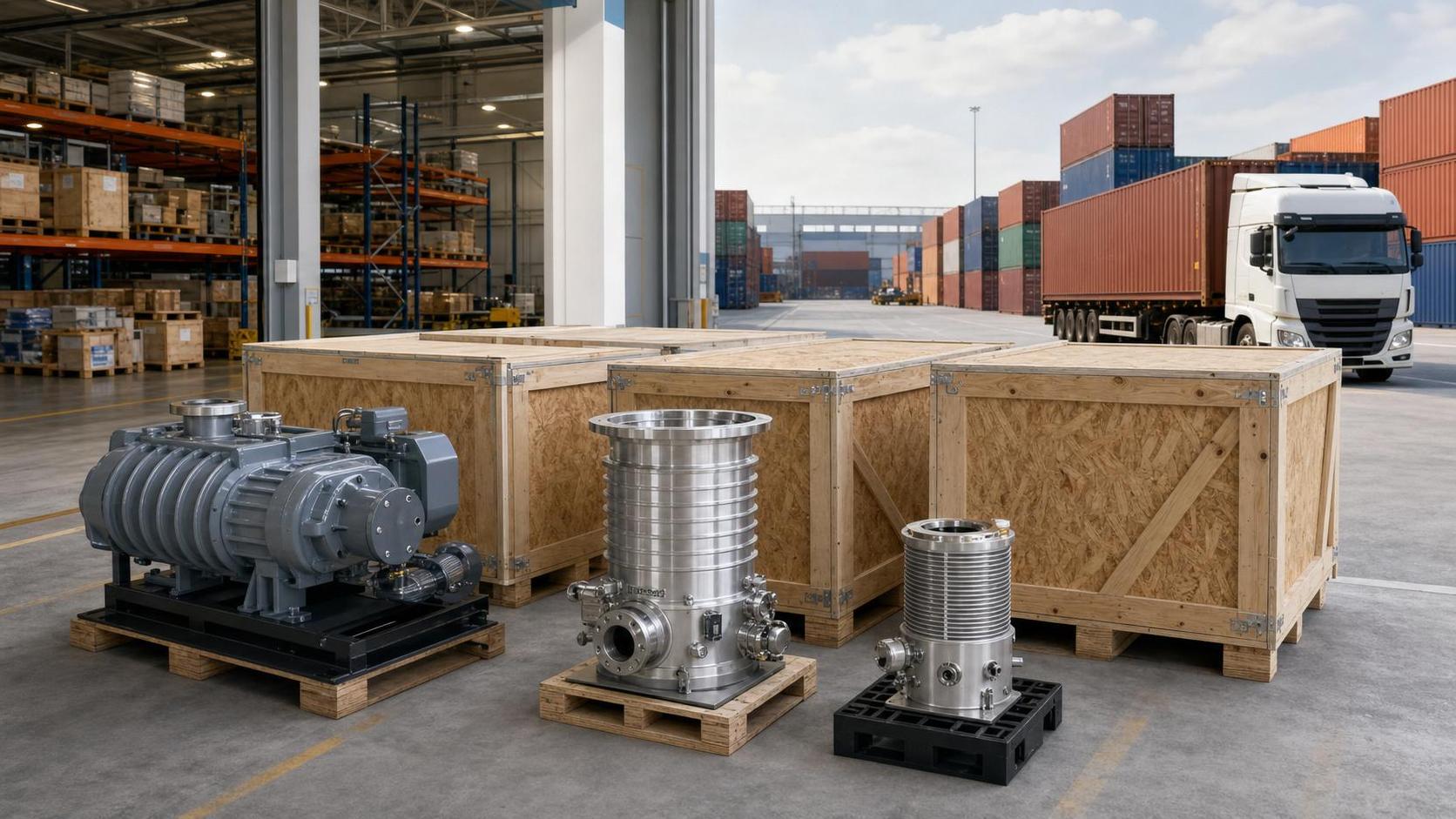
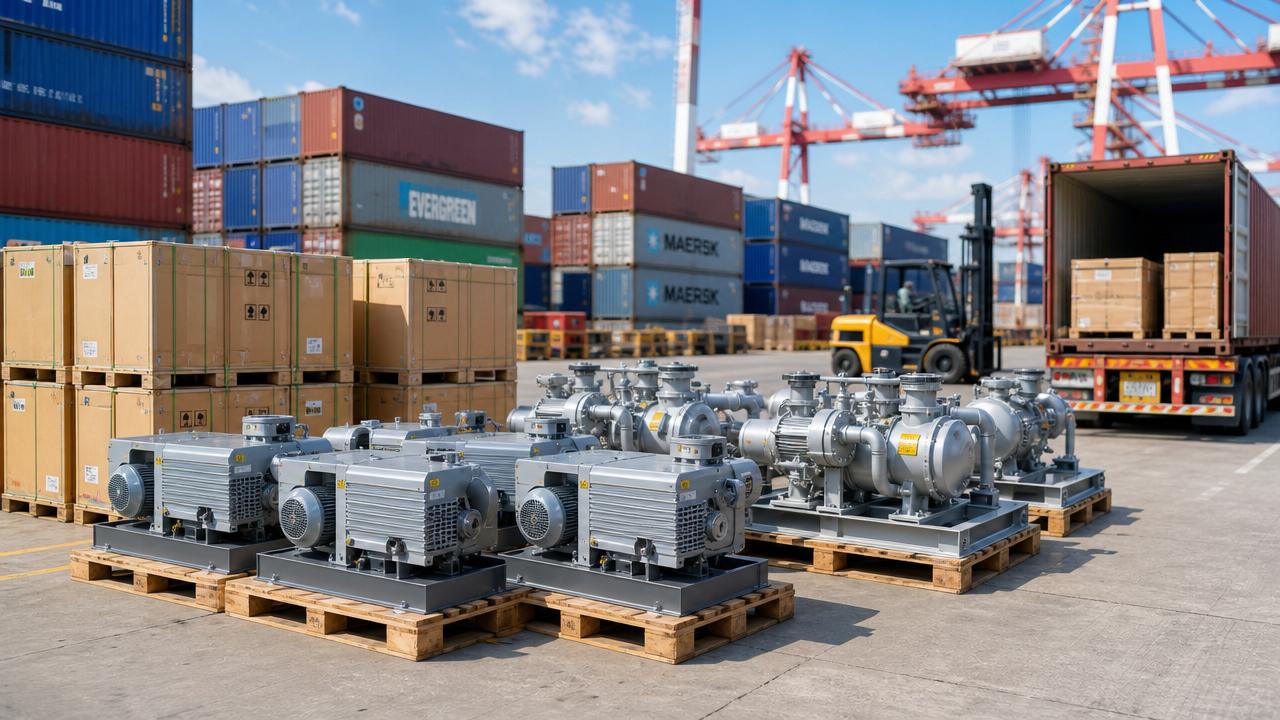
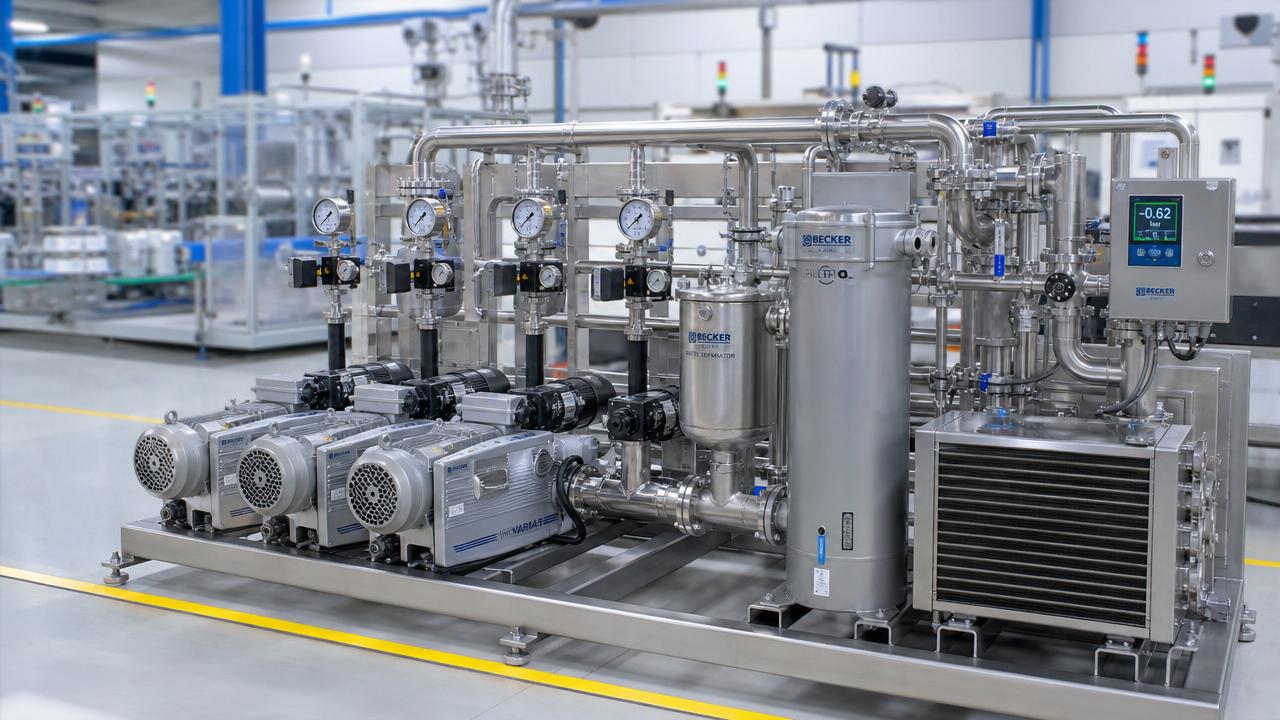
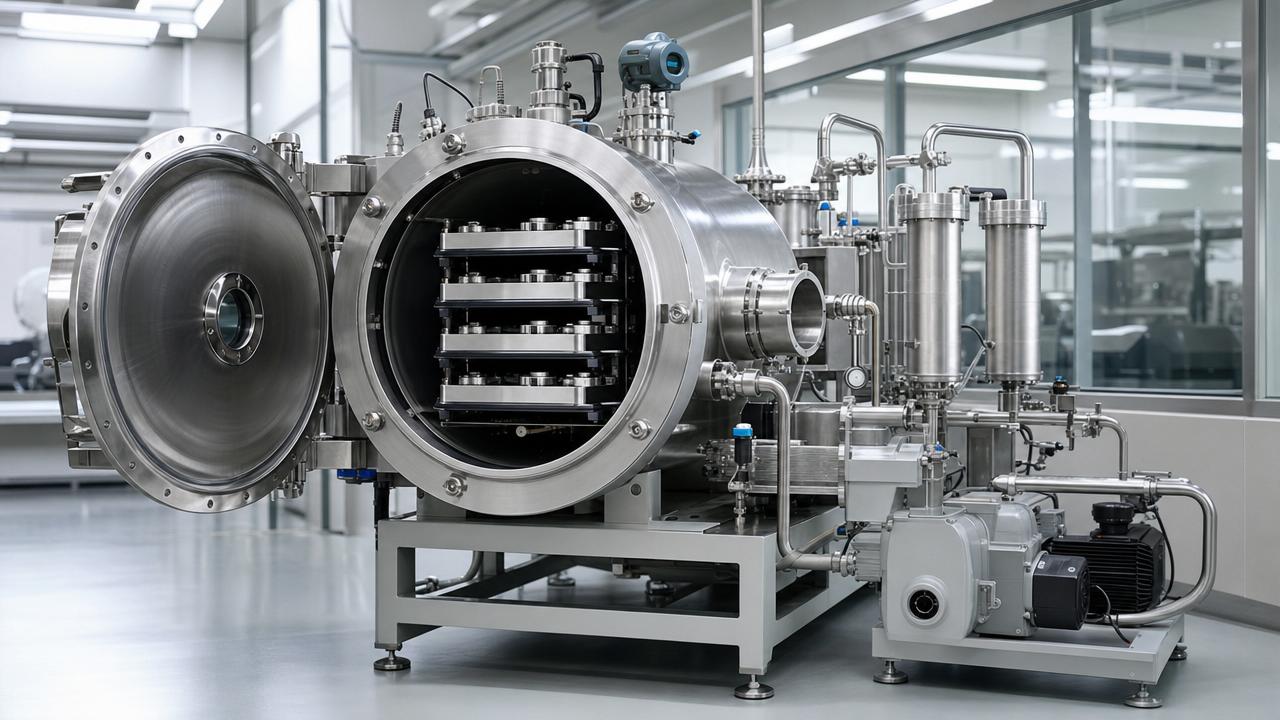
Manufacturers in China exporting high-vacuum pumps (e.g., molecular pumps, roots pumps) to the EU face immediate compliance pressure. Customs clearance for both finished units and spare parts — especially seals — will require updated declarations confirming absence of PFAS. Non-compliant shipments may be detained or rejected at EU borders.
Material Suppliers and Seal Component Producers
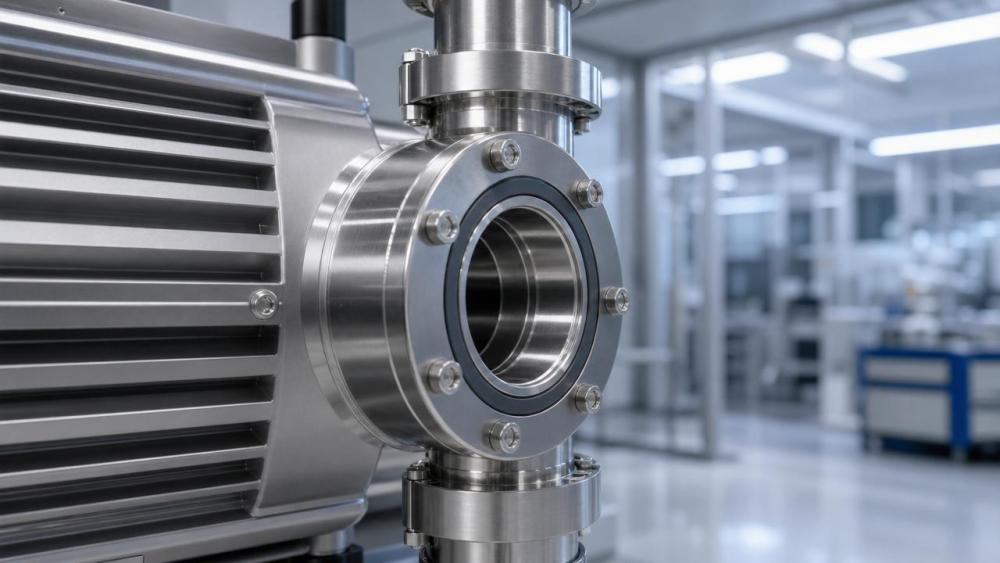
Suppliers providing fluorinated elastomers (e.g., FKM, FFKM) or PTFE-based seals for vacuum applications must verify whether their formulations fall under the scope of the new PFAS restriction. As the regulation covers all PFAS substances unless explicitly exempted, even trace-level fluorination may trigger compliance obligations.
Downstream OEMs and System Integrators
EU-based original equipment manufacturers integrating vacuum pumps into analytical instruments, semiconductor tools, or coating systems must revise technical documentation, update material declarations (e.g., SCIP submissions), and requalify seal suppliers. Failure to do so risks non-compliance with REACH Article 67 and potential liability under product liability frameworks.
Supply Chain Compliance Service Providers
Laboratories offering SVHC screening, substance identification, or REACH conformity assessments will see increased demand for PFAS-specific testing — particularly for complex polymer matrices where fluorine presence does not automatically confirm PFAS status but requires structural confirmation.
Key Focus Areas and Recommended Actions
Monitor official implementation guidance and enforcement timelines
While the regulation takes effect six months after publication, national competent authorities may issue sector-specific guidance or enforcement priorities. Companies should track updates from ECHA and national REACH helpdesks — especially regarding analytical methods accepted for PFAS verification and definitions of ‘intended use’ for vacuum seals.
Review and update material declarations and SVHC screening reports
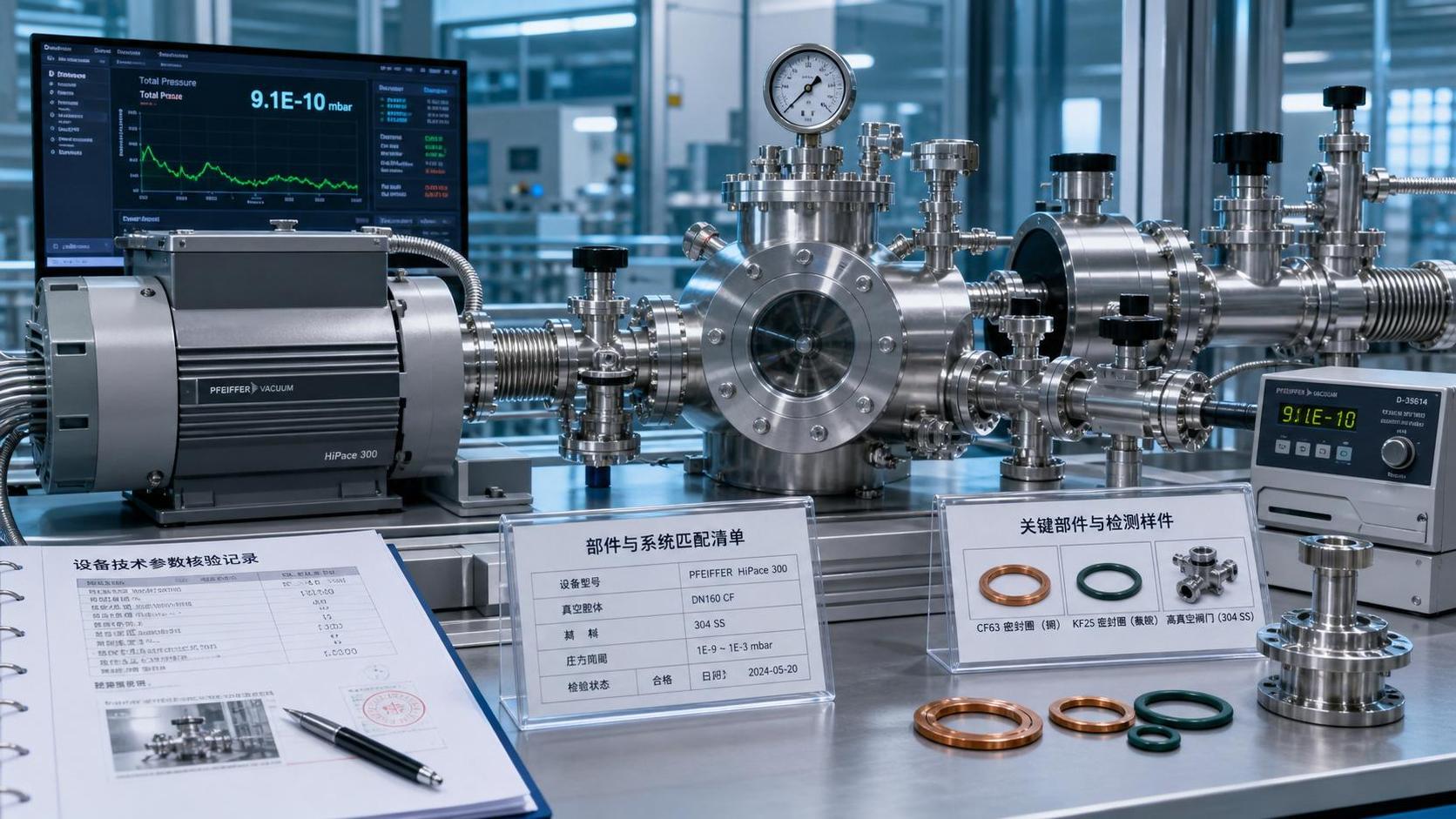
Chinese pump manufacturers must revise existing REACH compliance documentation to explicitly address PFAS content in seals. This includes updating SCIP database submissions and preparing supplier questionnaires that distinguish between fluorine content and regulated PFAS structures — a distinction critical for accurate reporting.
Distinguish regulatory signal from operational readiness
The adoption of Regulation (EU) 2026/XXXX signals tightening regulatory scrutiny of fluorinated polymers in critical industrial applications. However, full market impact depends on enforcement consistency across Member States and availability of qualified non-fluorinated alternatives. Companies should treat this as a medium-term transition requirement rather than an immediate production halt.
Initiate material substitution validation and supplier engagement now
Given the six-month window, procurement teams should immediately engage with seal suppliers to assess availability, performance data, and qualification timelines for non-PFAS alternatives (e.g., hydrogenated nitrile rubber (HNBR), specialized EPDM, or novel thermoplastic elastomers). Validation against vacuum integrity, outgassing rate, and temperature resistance remains essential before switching.
Editorial Perspective / Industry Observation
Observably, this amendment represents a significant escalation in the EU’s regulatory approach to PFAS — shifting from substance-specific restrictions (e.g., PFOA, PFOS) toward broad class-based controls. Analysis shows the move reflects growing policy alignment between REACH and the EU’s broader Chemicals Strategy for Sustainability, particularly its goal to phase out ‘essential uses’ of PFAS only where no viable alternatives exist. From an industry perspective, the restriction is better understood as a formalized compliance milestone rather than a sudden disruption: it codifies expectations already emerging in customer specifications and tender requirements across high-tech manufacturing sectors. Continued attention is warranted as ECHA prepares its upcoming restriction dossier on all PFAS in firefighting foams and textiles — suggesting further cross-sectoral expansion is likely.
Conclusion
This regulatory update marks a concrete step toward eliminating PFAS in high-reliability industrial sealing applications. It does not introduce new scientific findings but consolidates existing policy intent into enforceable law. For affected stakeholders, the current situation is best interpreted as a defined, time-bound compliance pathway — not an open-ended uncertainty. Prioritizing documentation accuracy, supplier collaboration, and functional validation of alternatives remains more operationally relevant than anticipating further legislative changes at this stage.
Source Attribution
Main source: European Commission Regulation (EU) 2026/XXXX, published 12 May 2026, amending Annex XVII to Regulation (EC) No 1907/2006 (REACH).
Points requiring ongoing observation: National enforcement approaches, ECHA guidance on PFAS analytical verification for elastomeric seals, and potential amendments to the regulation during the delegated act review process.
Related News
- How Can Contamination Be Prevented in a Semiconductor Vacuum Chamber?Author :Vacuum Process Fellow

- Which Vacuum Pump Specifications Matter Most for Semiconductor Processes?Author :Vacuum Process Fellow

- How to find leaks in vacuum pump systems before pump performance dropsAuthor :Vacuum Process Fellow

- How to size a Roots blower for vacuum process equipmentAuthor :Vacuum Process Fellow

- How vacuum level affects vacuum process efficiencyAuthor :Vacuum Process Fellow

- China Imposes Temporary Helium Export BanAuthor :Vacuum Process Fellow

- Semiconductor Vacuum Systems Factory Checklist for Process Stability and Cleanroom UseAuthor :Vacuum Process Fellow

- Vacuum Process Optimization Services: Signs Your Line Needs a Performance ReviewAuthor :Vacuum Process Fellow

- Vacuum Chambers for Cleanroom Use: Key Design Points That Prevent ContaminationAuthor :Vacuum Process Fellow

- Vacuum Distillation Systems: Key Performance Metrics That Affect Product PurityAuthor :Vacuum Process Fellow

- Vietnam Halts High Vacuum Pump Import Licenses for 30 DaysAuthor :Vacuum Process Fellow

- Vacuum Technology Database: What to Check Before Using Technical DataAuthor :Vacuum Process Fellow

- Dry Pump Vacuum System Design Mistakes That Raise DowntimeAuthor :Vacuum Process Fellow

- When Vacuum Systems Lose Performance: Common Causes and FixesAuthor :Vacuum Process Fellow
![]()
- EU Tightens EN 13445-3 Weld Testing for Vacuum VesselsAuthor :Vacuum Process Fellow
![]()
- EPA Cuts R-1234ze(E) Quota 35%, Tightening Vacuum Cooling SupplyAuthor :Vacuum Process Fellow
 Quota 35%, Tightening Vacuum Cooling Supply")
- ICA Warns of Tight Copper Alloy Supply for Vacuum PumpsAuthor :Vacuum Process Fellow

- Vacuum System Leak Detection: Signs, Tests, and FixesAuthor :Vacuum Process Fellow

- How to Compare Vacuum Systems Factory Capabilities for Stable Process UptimeAuthor :Vacuum Process Fellow

- Vacuum Pump Lead Times Extend to 26 WeeksAuthor :Vacuum Process Fellow

- Semiconductor Vacuum Systems Explained for Stable Process YieldAuthor :Vacuum Process Fellow

- Vacuum Process Efficiency: 7 Hidden Causes of Energy LossAuthor :Vacuum Process Fellow

- Vacuum Technology Solutions for Stable Low-Pressure ProductionAuthor :Vacuum Process Fellow

- Vacuum Processes: Common Efficiency Losses and FixesAuthor :Vacuum Process Fellow

- Common Vacuum Processes Problems and How to Prevent DowntimeAuthor :Vacuum Process Fellow

- Tantalum Spike Extends Vacuum Crucible Lead TimesAuthor :Vacuum Process Fellow

- Vacuum Process Efficiency: 5 Hidden Losses to Check FirstAuthor :Vacuum Process Fellow

- How Heat Transfer Design Impacts Vacuum Process EfficiencyAuthor :Vacuum Process Fellow

- EN 13445-4:2026 Takes Effect for High-Vacuum ComponentsAuthor :Vacuum Process Fellow

- EU Vacuum Components Face New EN 13445-4:2026 Leak Test RuleAuthor :Vacuum Process Fellow

- UBS: Fed Cut View May Ease Vacuum Pump Lead TimesAuthor :Vacuum Process Fellow

- Vacuum Processes: Common Causes of Unstable PerformanceAuthor :Vacuum Process Fellow
![]()
- SiC Certification Signals New Entry Path for Vacuum and Compressor DrivesAuthor :Vacuum Process Fellow
![]()
- How to Choose the Right Vacuum System for Process StabilityAuthor :Vacuum Process Fellow

- Vacuum Technology Selection: What Matters Most for Stable Process PerformanceAuthor :Vacuum Process Fellow

- Vacuum Processes: How to Reduce Contamination and Improve Cycle ConsistencyAuthor :Vacuum Process Fellow