EU to Propose Full PFAS Ban Affecting High Vacuum Seals




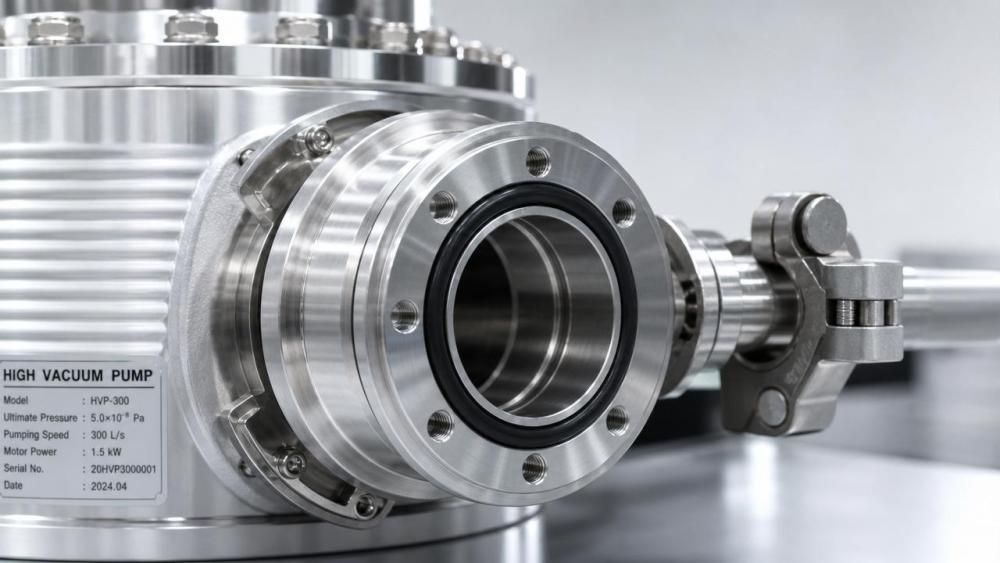
On 2026-06-01, the European Commission is set to formally submit a REACH restriction proposal targeting all per- and polyfluoroalkyl substances (PFAS), including fluorinated elastomers such as FKM (e.g., Viton®), specifically in high vacuum applications. With a proposed 90-day grace period and no long-term exemptions, the move signals an unprecedented regulatory tightening — directly impacting semiconductor manufacturing, vacuum equipment supply chains, and materials sourcing across Europe and globally.
Event Overview
On 2026-05-08, internal documents from the European Commission confirmed that the REACH restriction proposal on PFAS will be submitted in June 2026. The draft targets fluoropolymers—including FKM and Viton®—used in high vacuum equipment, imposing a full ban with only a 90-day transition window. As of now, over 90% of high-end vacuum pumps in China still rely on imported fluororubber sealing components. Domestic alternatives—including perfluoroelastomers (FFKM) and modified polytetrafluoroethylene (PTFE) compounds—have a local production share of less than 12%. In response, major European semiconductor equipment manufacturers have initiated urgent second-tier supplier audits.
Industries Affected
Direct Trading Enterprises
Export-oriented distributors and trading firms handling FKM/Viton® seals for vacuum systems face immediate compliance risk. Since the ban applies at point-of-use (not just manufacture), EU-based end-users may reject shipments containing non-compliant seals—even if sourced outside the EU—triggering contract renegotiations, customs holds, or returns. Revenue exposure is concentrated in B2B channels serving cleanroom and semiconductor infrastructure clients.
Raw Material Procurement Enterprises
Procurement departments at equipment OEMs and Tier-1 suppliers must rapidly reassess material specifications. With only 90 days to qualify replacements, sourcing teams are under pressure to verify technical equivalency (e.g., outgassing rate, compression set, thermal stability) and traceability of alternative seals. Pre-qualification delays or certification gaps could halt production lines—especially where dual-sourcing remains underdeveloped.
Manufacturing Enterprises
Original Equipment Manufacturers (OEMs) producing vacuum pumps, mass spectrometers, or deposition tools must revise component-level bills of materials (BOMs), update design documentation, and revalidate performance under ISO 20000-1 or SEMI F27 standards. Retrofitting legacy platforms with FFKM or PTFE-modified seals introduces mechanical compatibility challenges—such as hardness mismatch or gland geometry constraints—that cannot be resolved via software-only updates.
Supply Chain Service Providers
Logistics integrators, testing labs, and regulatory consultants supporting cross-border equipment deployment now need to embed PFAS-specific declarations into documentation workflows (e.g., SCIP submissions, DoC templates, substance-level SDS). Certification bodies report rising demand for rapid PFAS screening (via LC-MS/MS or TOF-SIMS), but lab capacity remains constrained—creating bottlenecks in time-sensitive qualification cycles.
Key Focus Areas and Recommended Actions
Verify Seal Material Composition Down to Polymer Grade
Suppliers must obtain full substance-level disclosure—not just trade names—from seal manufacturers. Viton® grades vary widely in fluorine content and co-monomer composition; some variants may fall outside the scope depending on final Annex XV dossier definitions. Third-party lab verification is advised before assuming exemption eligibility.
Accelerate Dual-Sourcing Validation for FFKM and Modified PTFE
Given current domestic FFKM/PTFE-modified production capacity (
Update Technical Documentation and Customer Communication Protocols
OEMs must revise product datasheets, installation manuals, and warranty terms to reflect new material limitations. Proactive outreach to end customers—especially in EU-based foundries—is recommended to align on timeline expectations and avoid service disruptions during the 90-day window.
Editorial Insight / Industry Observation
Analysis shows this proposal marks a structural shift—not merely a chemical restriction—but a de facto technology gatekeeping mechanism. Unlike previous REACH bans targeting small-molecule PFAS, the inclusion of fluoropolymers like FKM reflects growing regulatory acceptance of polymer degradation pathways and environmental persistence concerns beyond monomer release. Observably, the 90-day window is shorter than typical REACH transition periods (often 18–36 months), suggesting political urgency tied to upcoming EU elections and the Chemicals Strategy for Sustainability roadmap. From an industry perspective, this is better understood as a catalyst for localized materials innovation rather than a temporary compliance hurdle—particularly in vacuum-critical sectors where failure modes are non-negotiable.
Conclusion
The proposed PFAS restriction represents more than a regulatory milestone: it accelerates the reconfiguration of high-performance sealing supply chains across the global semiconductor and advanced manufacturing ecosystem. While short-term disruption is inevitable, the policy underscores a broader trend—where environmental compliance increasingly drives materials selection, R&D investment, and vertical integration decisions. A rational interpretation is that resilience will accrue to firms combining rapid technical validation capability with transparent upstream material governance—not just those holding inventory or certifications.
Source Attribution
European Commission Internal Document (REF: EC-REACH-PFAS-2026-05-08); Draft Annex XV Dossier (pending public consultation, expected Q3 2026); ECHA Public Register of Intended Restrictions (updated May 2026). Note: Final scope, exemption criteria, and enforcement timelines remain subject to stakeholder consultation and European Parliament review—ongoing monitoring is advised.
Related News
- How Can Contamination Be Prevented in a Semiconductor Vacuum Chamber?Author :Vacuum Process Fellow

- Which Vacuum Pump Specifications Matter Most for Semiconductor Processes?Author :Vacuum Process Fellow

- How to find leaks in vacuum pump systems before pump performance dropsAuthor :Vacuum Process Fellow

- How to size a Roots blower for vacuum process equipmentAuthor :Vacuum Process Fellow

- How vacuum level affects vacuum process efficiencyAuthor :Vacuum Process Fellow

- China Imposes Temporary Helium Export BanAuthor :Vacuum Process Fellow

- Semiconductor Vacuum Systems Factory Checklist for Process Stability and Cleanroom UseAuthor :Vacuum Process Fellow

- Vacuum Process Optimization Services: Signs Your Line Needs a Performance ReviewAuthor :Vacuum Process Fellow

- Vacuum Chambers for Cleanroom Use: Key Design Points That Prevent ContaminationAuthor :Vacuum Process Fellow

- Vacuum Distillation Systems: Key Performance Metrics That Affect Product PurityAuthor :Vacuum Process Fellow

- Vietnam Halts High Vacuum Pump Import Licenses for 30 DaysAuthor :Vacuum Process Fellow

- Vacuum Technology Database: What to Check Before Using Technical DataAuthor :Vacuum Process Fellow

- Dry Pump Vacuum System Design Mistakes That Raise DowntimeAuthor :Vacuum Process Fellow

- When Vacuum Systems Lose Performance: Common Causes and FixesAuthor :Vacuum Process Fellow
![]()
- EU Tightens EN 13445-3 Weld Testing for Vacuum VesselsAuthor :Vacuum Process Fellow
![]()
- EPA Cuts R-1234ze(E) Quota 35%, Tightening Vacuum Cooling SupplyAuthor :Vacuum Process Fellow
 Quota 35%, Tightening Vacuum Cooling Supply")
- ICA Warns of Tight Copper Alloy Supply for Vacuum PumpsAuthor :Vacuum Process Fellow

- Vacuum System Leak Detection: Signs, Tests, and FixesAuthor :Vacuum Process Fellow

- How to Compare Vacuum Systems Factory Capabilities for Stable Process UptimeAuthor :Vacuum Process Fellow

- Vacuum Pump Lead Times Extend to 26 WeeksAuthor :Vacuum Process Fellow

- Semiconductor Vacuum Systems Explained for Stable Process YieldAuthor :Vacuum Process Fellow

- Vacuum Process Efficiency: 7 Hidden Causes of Energy LossAuthor :Vacuum Process Fellow

- Vacuum Technology Solutions for Stable Low-Pressure ProductionAuthor :Vacuum Process Fellow

- Vacuum Processes: Common Efficiency Losses and FixesAuthor :Vacuum Process Fellow

- Common Vacuum Processes Problems and How to Prevent DowntimeAuthor :Vacuum Process Fellow

- Tantalum Spike Extends Vacuum Crucible Lead TimesAuthor :Vacuum Process Fellow

- Vacuum Process Efficiency: 5 Hidden Losses to Check FirstAuthor :Vacuum Process Fellow

- How Heat Transfer Design Impacts Vacuum Process EfficiencyAuthor :Vacuum Process Fellow

- EN 13445-4:2026 Takes Effect for High-Vacuum ComponentsAuthor :Vacuum Process Fellow

- EU Vacuum Components Face New EN 13445-4:2026 Leak Test RuleAuthor :Vacuum Process Fellow

- UBS: Fed Cut View May Ease Vacuum Pump Lead TimesAuthor :Vacuum Process Fellow

- Vacuum Processes: Common Causes of Unstable PerformanceAuthor :Vacuum Process Fellow
![]()
- SiC Certification Signals New Entry Path for Vacuum and Compressor DrivesAuthor :Vacuum Process Fellow
![]()
- How to Choose the Right Vacuum System for Process StabilityAuthor :Vacuum Process Fellow

- Vacuum Technology Selection: What Matters Most for Stable Process PerformanceAuthor :Vacuum Process Fellow

- Vacuum Processes: How to Reduce Contamination and Improve Cycle ConsistencyAuthor :Vacuum Process Fellow