Vacuum Process Efficiency Fixes for High Vacuum Stability




For after-sales maintenance teams, improving vacuum process efficiency is often the fastest way to reduce instability, prevent pressure drift, and extend equipment uptime. When high vacuum stability starts to decline, the root cause may lie in leaks, contamination, pump wear, or poor control settings. This article outlines practical fixes that help technicians diagnose issues faster, restore process reliability, and support more consistent industrial vacuum performance.
Why does high vacuum stability decline in real operations?
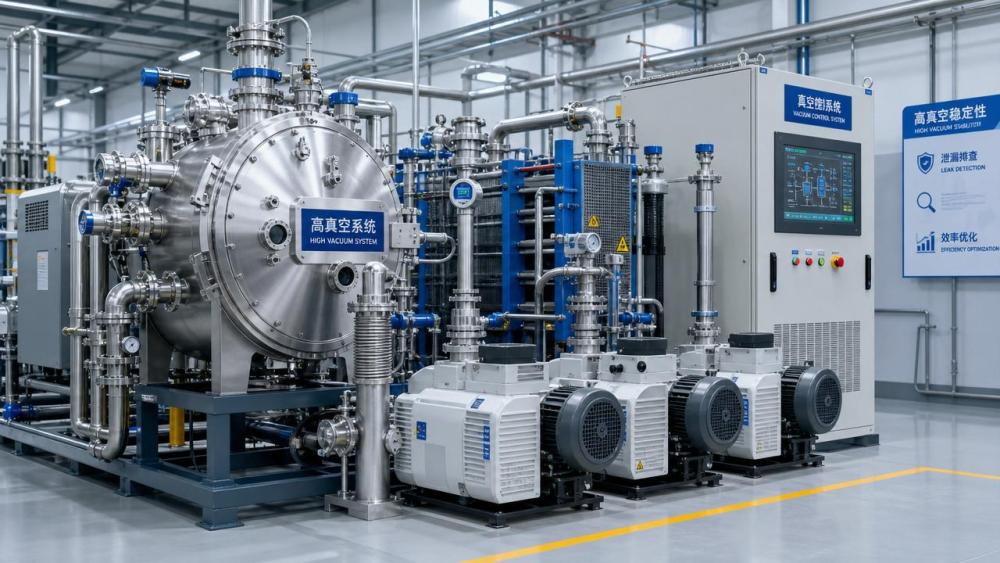
In most industrial systems, poor vacuum process efficiency is not caused by one dramatic failure. It usually comes from several small losses that add up: a minor leak, a saturated filter, unstable cooling water, worn seals, or a control loop that reacts too slowly.
For after-sales maintenance personnel, the challenge is not only technical diagnosis. It is also time pressure. Production teams want a fast answer, spare parts may not be immediately available, and process owners often report symptoms rather than causes.
Across pharmaceutical, semiconductor, food, packaging, coating, and general manufacturing environments, high vacuum stability depends on keeping gas load, contamination load, thermal conditions, and pump performance in balance.
Common triggers that reduce vacuum process efficiency
- Small leaks at flanges, valves, sight glasses, hose joints, or instrument ports that never trigger a shutdown but continuously raise base pressure.
- Backstreaming, oil degradation, or particulate contamination that increases outgassing and reduces effective pumping speed.
- Cooling problems in pumps, condensers, or heat exchangers that shift vapor handling capacity and create pressure fluctuation.
- Incorrect valve timing, weak vacuum control logic, or sensor drift that causes overshoot, hunting, and inconsistent cycle repeatability.
These issues are especially important in mixed industrial environments, where vacuum systems interact with compressed air, chilled water, thermal oil, exhaust treatment, and process automation. That cross-system view is where GTC-Matrix provides value through connected intelligence, not isolated component advice.
How should maintenance teams diagnose vacuum process efficiency step by step?
A disciplined diagnosis method reduces guesswork and prevents unnecessary pump replacement. Instead of changing major components first, start with the fastest checks that separate leakage, contamination, thermal instability, and mechanical wear.
Recommended troubleshooting sequence
- Confirm the symptom: define whether the issue is slow pump-down, unstable ultimate pressure, pressure rebound, or cycle inconsistency.
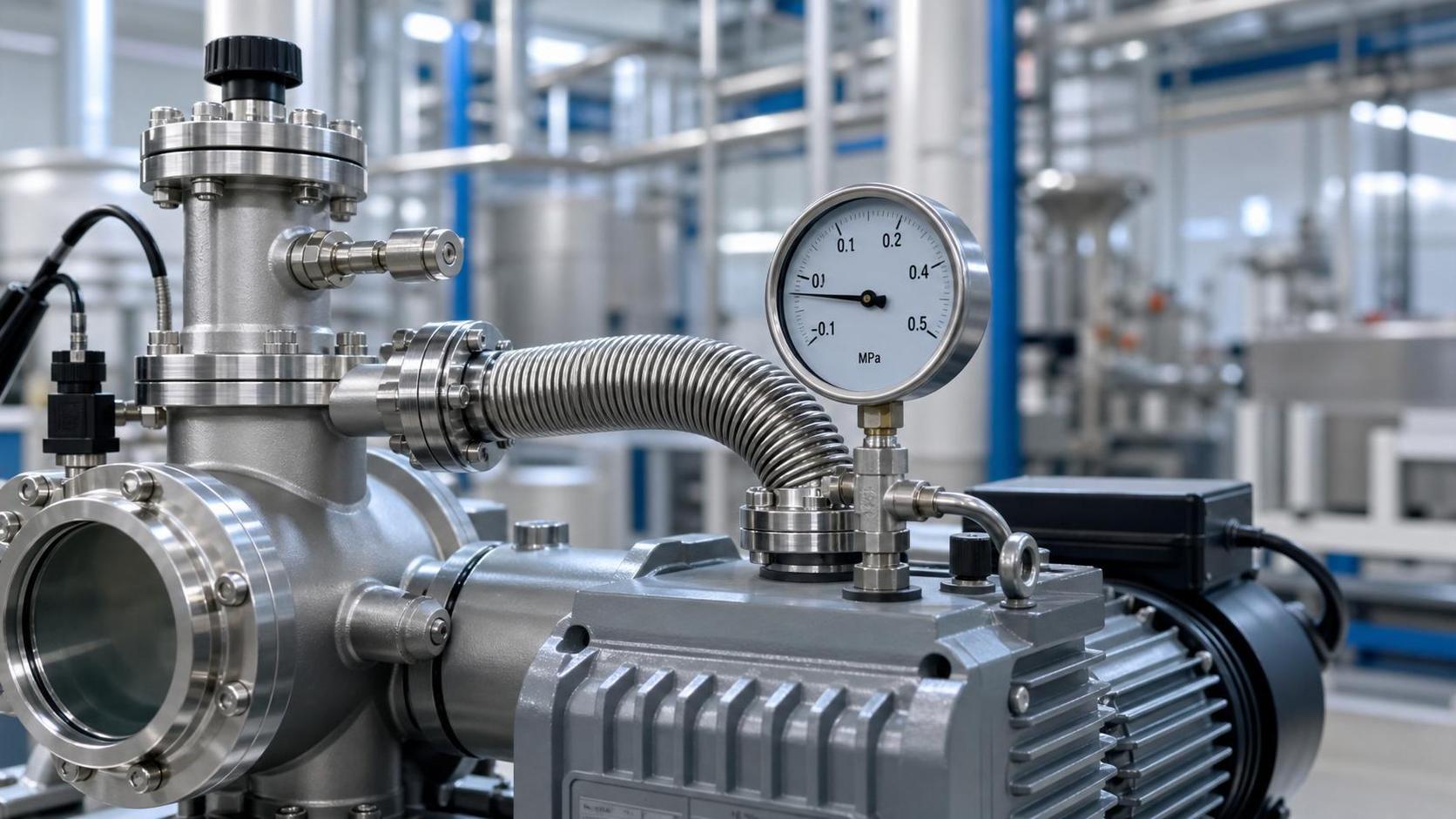
- Verify instrumentation: compare vacuum gauge readings, sensor response time, and controller trends before acting on the data.
- Isolate system sections: test chamber, pipeline, valve cluster, and pump skid separately to narrow the fault location.
- Check thermal conditions: review cooling water temperature, flow stability, and heat exchanger fouling because vapor load often behaves like a leak.
- Inspect consumables and wear parts: seals, filters, oil condition, traps, and exhaust lines often explain gradual loss of vacuum process efficiency.
This sequence works well because it matches how vacuum instability appears in the field. It also supports faster communication between maintenance teams, operations managers, and external technical advisors.
The table below helps technicians connect common symptoms with likely causes and practical first actions for restoring vacuum process efficiency.
A symptom-based matrix shortens response time and helps less experienced technicians avoid replacing expensive pumps when the real issue is upstream contamination, heat rejection, or controls.
Which fixes usually restore vacuum process efficiency fastest?
Not every fix offers the same return. In maintenance practice, the best actions are the ones that improve stability quickly without major downtime. These usually involve leakage control, contamination reduction, thermal stabilization, and control optimization.
High-impact corrective actions
- Replace aging elastomer seals and retorque critical flange points using a documented sequence, especially after repeated thermal cycling.
- Clean chambers, traps, and inlet lines to reduce outgassing from residue, condensate, and fine dust that slowly destabilize pressure.
- Restore thermal performance by descaling heat exchangers, checking coolant flow, and confirming condenser approach temperature remains acceptable.
- Calibrate gauges and tune controller deadband and valve response to stop pressure hunting in automated cycles.
- Review pump maintenance intervals based on process load rather than only calendar time, especially for dirty or wet applications.
In many factories, vacuum process efficiency improves more from disciplined housekeeping and thermal management than from hardware upgrades. Maintenance leaders who track contamination sources usually achieve more stable performance with lower emergency spare consumption.
How different root causes compare in downtime impact
When planning maintenance priorities, teams should compare not only technical severity but also production disruption, spare part lead time, and recurrence risk. The table below supports that decision.
This comparison is useful when maintenance budgets are tight. It helps teams direct effort to the faults that reduce vacuum process efficiency most while limiting avoidable line stoppages.
What technical parameters matter most for stable high vacuum performance?
After-sales teams often inherit systems without full design records. In that situation, a practical parameter checklist is more valuable than a theoretical discussion. The goal is to identify which measurements explain falling vacuum process efficiency.
Field parameters worth trending
- Pump-down time from atmosphere to the main operating pressure band, because trend change often appears before full failure.
- Base pressure after isolation and pressure rise rate, which separate leakage from outgassing behavior.
- Pump temperature, motor current, and vibration, which indicate internal wear, overload, or poor cooling.
- Cooling utility inlet and outlet temperature, pressure drop, and flow stability across condensers or heat exchangers.
- Valve actuation time and sensor refresh rate in systems where rapid cycling affects repeatability.
GTC-Matrix tracks how thermal conditions, compression performance, and vacuum behavior interact across industries. That matters because many vacuum failures are not purely vacuum failures. They are energy transfer problems in disguise.
A practical rule for technicians
If pressure instability appears together with rising pump temperature or cooling variation, investigate thermal rejection first. If instability appears after cleaning or maintenance, suspect sealing, assembly torque, or sensor reconnection errors before assuming internal pump damage.
How to choose repair, retrofit, or replacement when vacuum process efficiency keeps falling?
Maintenance teams are often asked a difficult question: should the system be repaired, partially upgraded, or replaced? The right answer depends on process criticality, contamination profile, service interval frequency, and energy cost exposure.
Decision points for service planning
- Choose repair when the problem is localized, spare parts are standard, and recent performance history was stable.
- Choose retrofit when the existing setup repeatedly suffers from contamination, poor condensate handling, or outdated control response.
- Choose replacement when maintenance intervals have become too short, unplanned downtime cost is high, or process purity now exceeds original system capability.
This is where intelligence-led evaluation helps. GTC-Matrix connects vacuum process efficiency decisions with broader industrial trends such as oil-free compression adoption, energy pricing pressure, and stricter requirements for clean thermal and power systems.
For mixed production portfolios, a retrofit may deliver better value than a full replacement. Examples include adding better traps, upgrading sensors, improving cooling loop control, or separating dirty and clean vacuum stages.
What mistakes commonly undermine vacuum process efficiency?
The most expensive maintenance errors are often simple assumptions. Teams may trust one gauge without verification, change a pump before finding a leak, or ignore upstream condensate carryover because the vacuum skid appears mechanically healthy.
Frequent misconceptions in the field
- “If base pressure rises, the pump is bad.” In reality, chamber contamination and hot surfaces can produce the same symptom.
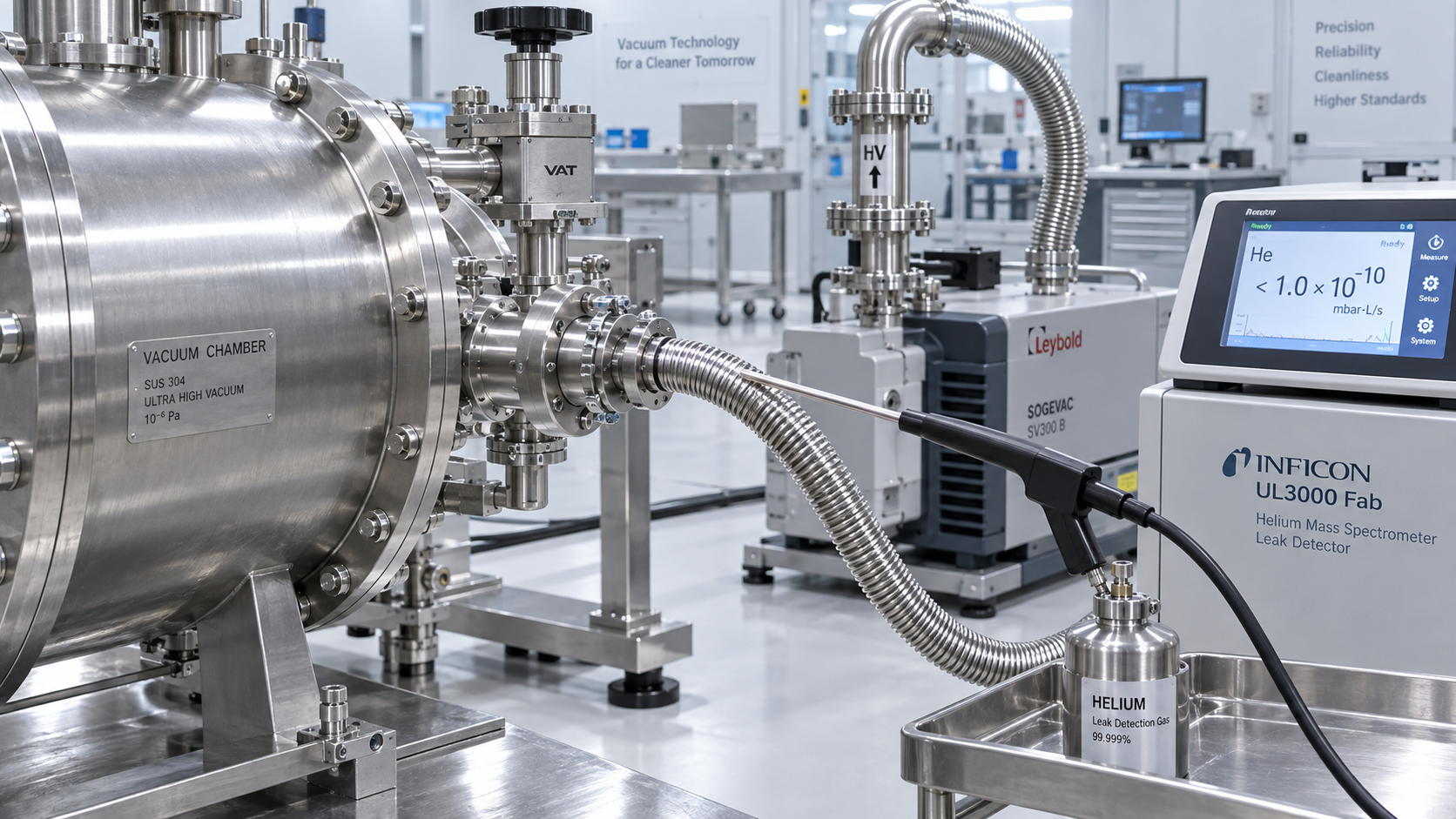
- “A leak large enough to matter will be obvious.” Many chronic leaks are small, temperature-sensitive, and only visible under operating conditions.
- “Vacuum and cooling can be serviced separately.” In wet or vapor-heavy processes, cooling performance strongly affects vacuum process efficiency.
- “Stable pressure means healthy performance.” The process may hold pressure while still suffering slower cycle times, higher energy draw, or lower cleanliness.
Avoiding these mistakes requires documented checks, trend review, and cross-functional communication. A maintenance report that links thermal, pneumatic, and vacuum observations is usually more actionable than a narrow component report.
FAQ: practical questions from after-sales maintenance teams
How do I confirm whether poor vacuum process efficiency comes from a leak or contamination?
Start with a pressure rise test after isolation and compare that result with chamber cleanliness, process residue, and recent thermal history. A leak often shows a more repeatable rise pattern, while contamination and outgassing are more sensitive to cleaning status, temperature, and idle time.
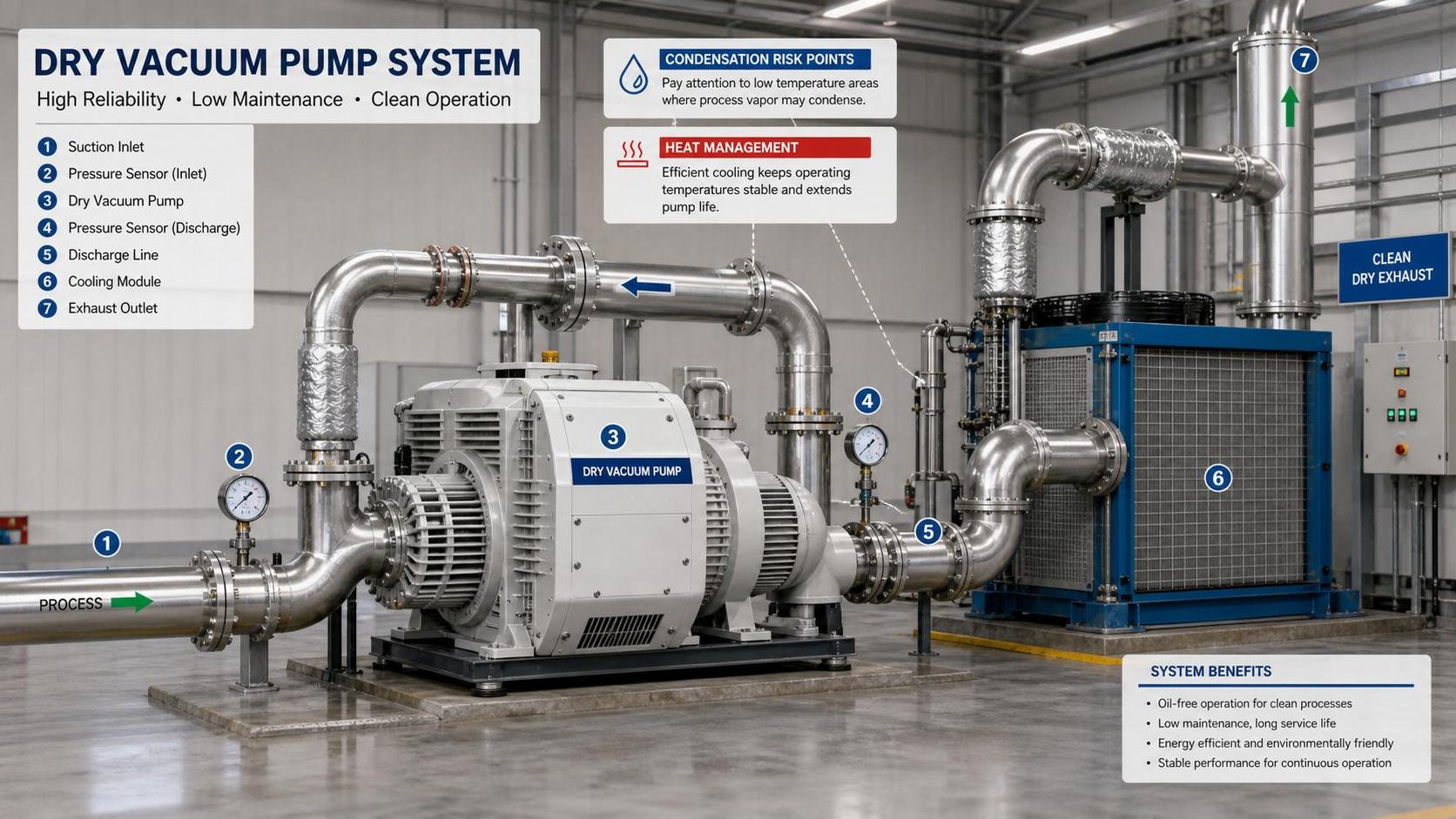
When should a dry pump be considered instead of maintaining an oil-sealed system?
Consider dry technology when oil management creates recurring contamination risk, product purity is becoming stricter, or service labor is high. However, selection must match vapor load, particulate exposure, and required ultimate pressure. The decision is application-driven, not trend-driven.
What should be checked before ordering replacement parts?
Confirm process gas characteristics, operating pressure range, temperature profile, seal material compatibility, utility conditions, and connection standards. For vacuum process efficiency work, wrong seal material or valve response specification can create repeat failures even when the part number seems close.
How can maintenance teams justify upgrade budgets to plant management?
Use downtime history, cycle time loss, energy consumption, spare part frequency, and quality deviation risk. Management responds better when vacuum process efficiency is linked to measurable production cost, not only technical preference.
Why choose us for vacuum process efficiency insight and service planning?
GTC-Matrix supports industrial decision-makers by connecting vacuum processes with compressed air, cooling, and heat exchange realities. That wider perspective helps after-sales teams solve instability faster and avoid one-dimensional fixes.
If you are evaluating recurring vacuum instability, we can help structure the next step around practical service questions instead of generic advice. Discussion topics can include parameter confirmation, repair-versus-retrofit judgment, spare and consumable selection, control optimization priorities, cooling interaction checks, delivery timing, and compliance-related operating considerations.
If your team needs support for product selection, maintenance planning, custom solution direction, sample evaluation logic, or quotation communication linked to process conditions, GTC-Matrix can help you frame the technical decision with stronger industrial context. That means fewer blind replacements, clearer service priorities, and better long-term vacuum process efficiency.
Related News
- How Can Contamination Be Prevented in a Semiconductor Vacuum Chamber?Author :Vacuum Process Fellow

- Which Vacuum Pump Specifications Matter Most for Semiconductor Processes?Author :Vacuum Process Fellow

- How to find leaks in vacuum pump systems before pump performance dropsAuthor :Vacuum Process Fellow

- How to size a Roots blower for vacuum process equipmentAuthor :Vacuum Process Fellow

- How vacuum level affects vacuum process efficiencyAuthor :Vacuum Process Fellow

- China Imposes Temporary Helium Export BanAuthor :Vacuum Process Fellow

- Semiconductor Vacuum Systems Factory Checklist for Process Stability and Cleanroom UseAuthor :Vacuum Process Fellow

- Vacuum Process Optimization Services: Signs Your Line Needs a Performance ReviewAuthor :Vacuum Process Fellow

- Vacuum Chambers for Cleanroom Use: Key Design Points That Prevent ContaminationAuthor :Vacuum Process Fellow

- Vacuum Distillation Systems: Key Performance Metrics That Affect Product PurityAuthor :Vacuum Process Fellow

- Vietnam Halts High Vacuum Pump Import Licenses for 30 DaysAuthor :Vacuum Process Fellow

- Vacuum Technology Database: What to Check Before Using Technical DataAuthor :Vacuum Process Fellow

- Dry Pump Vacuum System Design Mistakes That Raise DowntimeAuthor :Vacuum Process Fellow

- When Vacuum Systems Lose Performance: Common Causes and FixesAuthor :Vacuum Process Fellow
![]()
- EU Tightens EN 13445-3 Weld Testing for Vacuum VesselsAuthor :Vacuum Process Fellow
![]()
- EPA Cuts R-1234ze(E) Quota 35%, Tightening Vacuum Cooling SupplyAuthor :Vacuum Process Fellow
 Quota 35%, Tightening Vacuum Cooling Supply")
- ICA Warns of Tight Copper Alloy Supply for Vacuum PumpsAuthor :Vacuum Process Fellow

- Vacuum System Leak Detection: Signs, Tests, and FixesAuthor :Vacuum Process Fellow

- How to Compare Vacuum Systems Factory Capabilities for Stable Process UptimeAuthor :Vacuum Process Fellow

- Vacuum Pump Lead Times Extend to 26 WeeksAuthor :Vacuum Process Fellow

- Semiconductor Vacuum Systems Explained for Stable Process YieldAuthor :Vacuum Process Fellow

- Vacuum Process Efficiency: 7 Hidden Causes of Energy LossAuthor :Vacuum Process Fellow

- Vacuum Technology Solutions for Stable Low-Pressure ProductionAuthor :Vacuum Process Fellow

- Vacuum Processes: Common Efficiency Losses and FixesAuthor :Vacuum Process Fellow

- Common Vacuum Processes Problems and How to Prevent DowntimeAuthor :Vacuum Process Fellow

- Tantalum Spike Extends Vacuum Crucible Lead TimesAuthor :Vacuum Process Fellow

- Vacuum Process Efficiency: 5 Hidden Losses to Check FirstAuthor :Vacuum Process Fellow

- How Heat Transfer Design Impacts Vacuum Process EfficiencyAuthor :Vacuum Process Fellow

- EN 13445-4:2026 Takes Effect for High-Vacuum ComponentsAuthor :Vacuum Process Fellow

- EU Vacuum Components Face New EN 13445-4:2026 Leak Test RuleAuthor :Vacuum Process Fellow

- UBS: Fed Cut View May Ease Vacuum Pump Lead TimesAuthor :Vacuum Process Fellow

- Vacuum Processes: Common Causes of Unstable PerformanceAuthor :Vacuum Process Fellow
![]()
- SiC Certification Signals New Entry Path for Vacuum and Compressor DrivesAuthor :Vacuum Process Fellow
![]()
- How to Choose the Right Vacuum System for Process StabilityAuthor :Vacuum Process Fellow

- Vacuum Technology Selection: What Matters Most for Stable Process PerformanceAuthor :Vacuum Process Fellow

- Vacuum Processes: How to Reduce Contamination and Improve Cycle ConsistencyAuthor :Vacuum Process Fellow