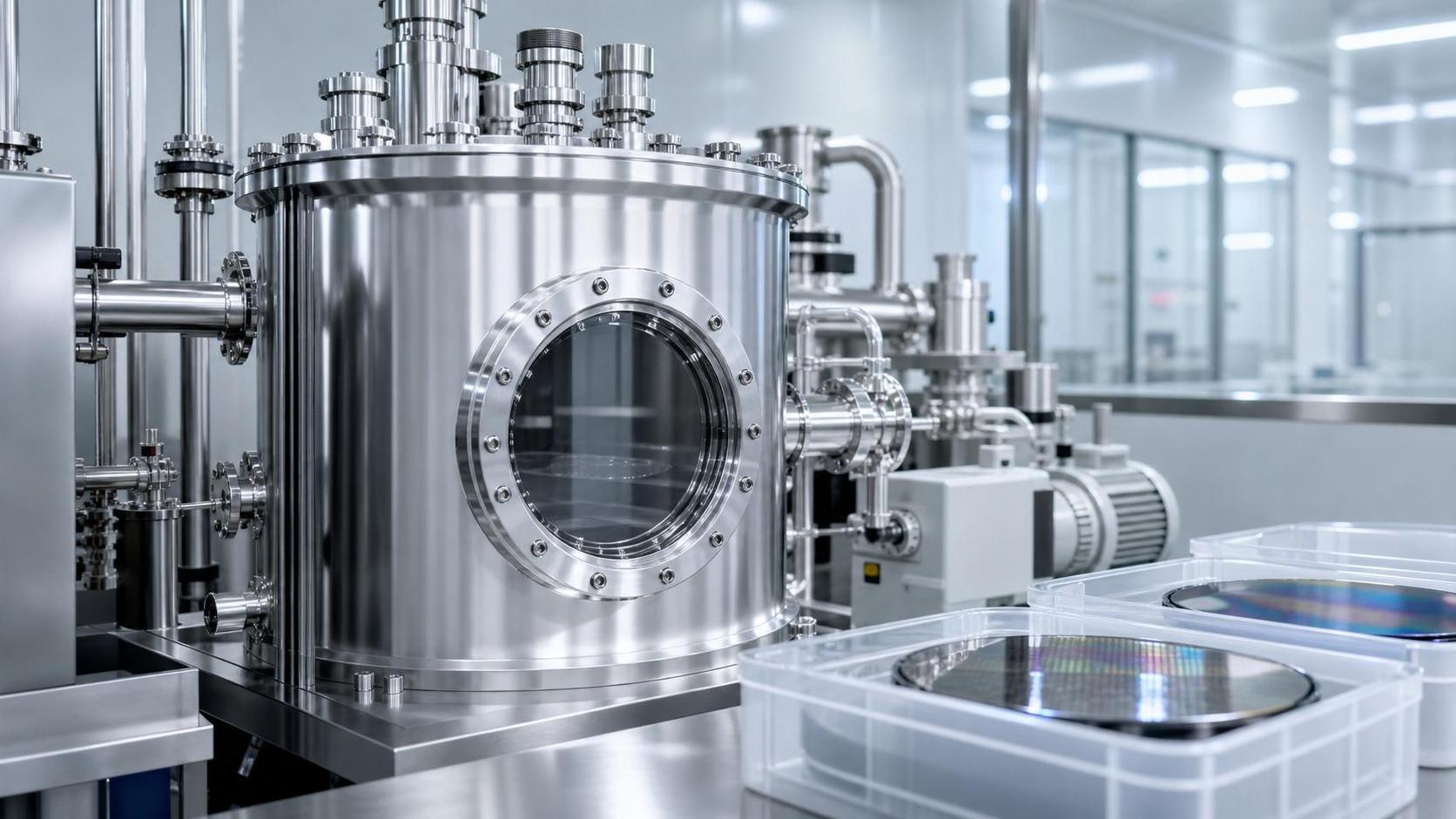
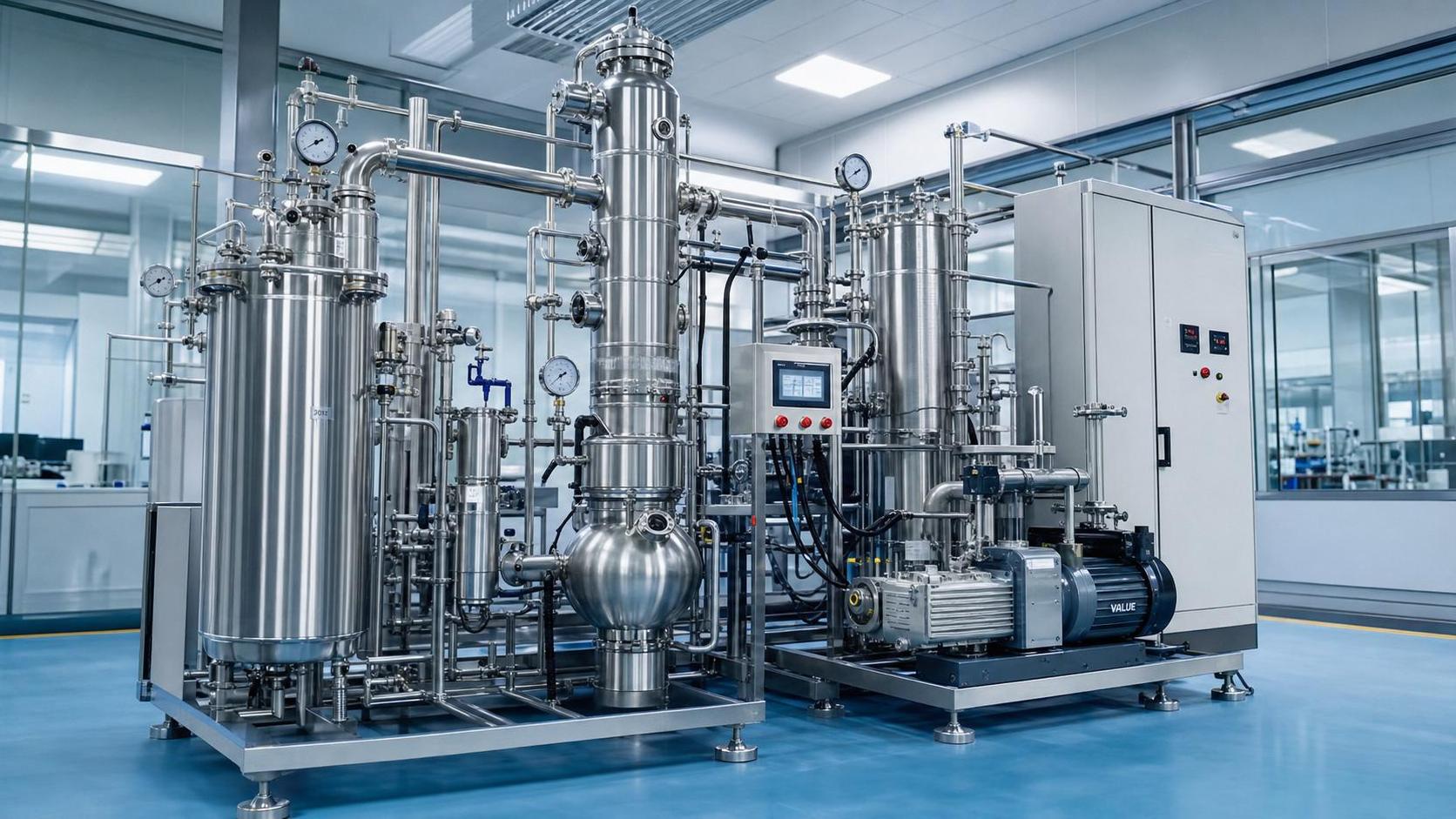
Vacuum Technology Solutions Shaping High Vacuum Upgrades in 2026




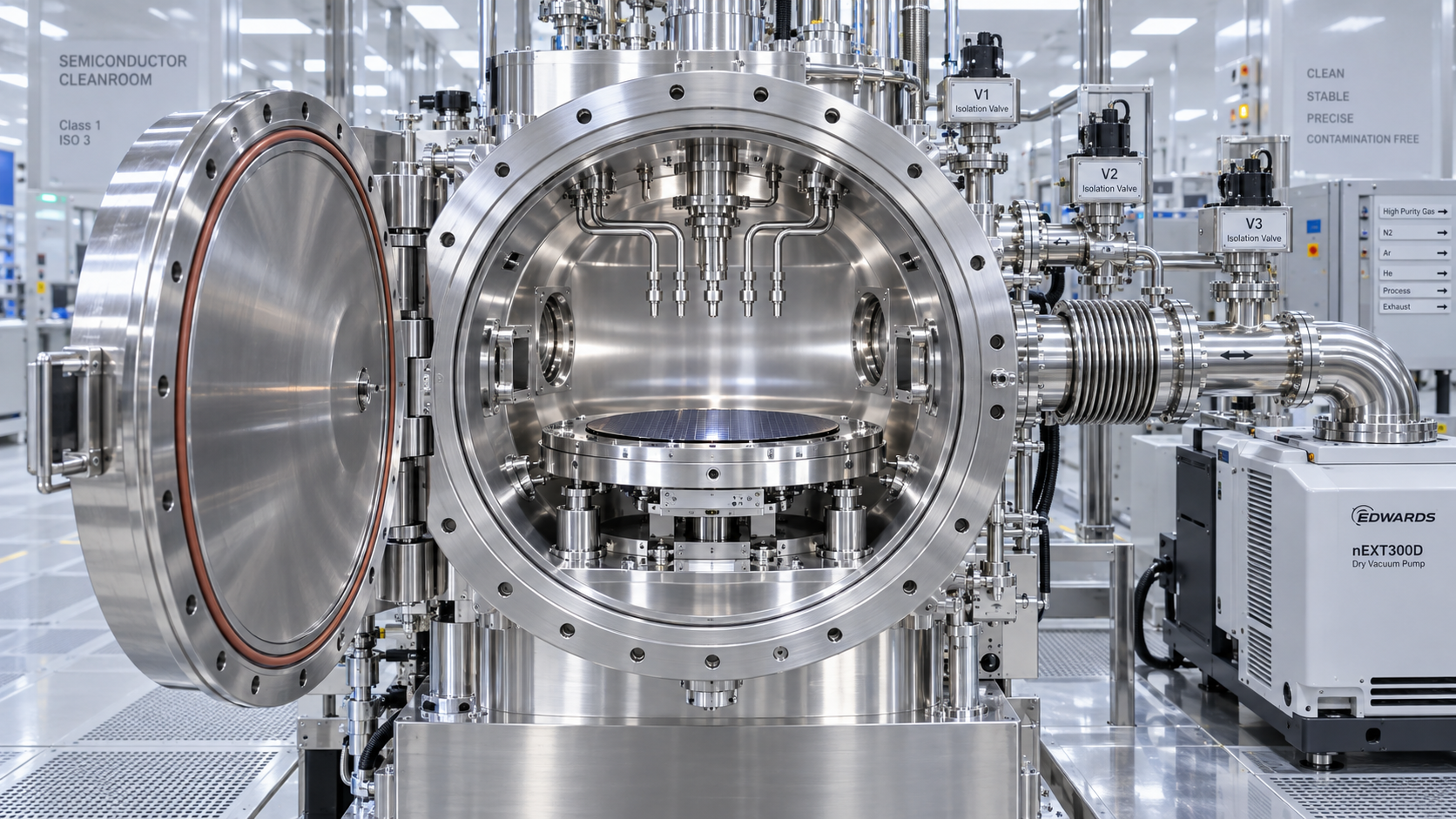
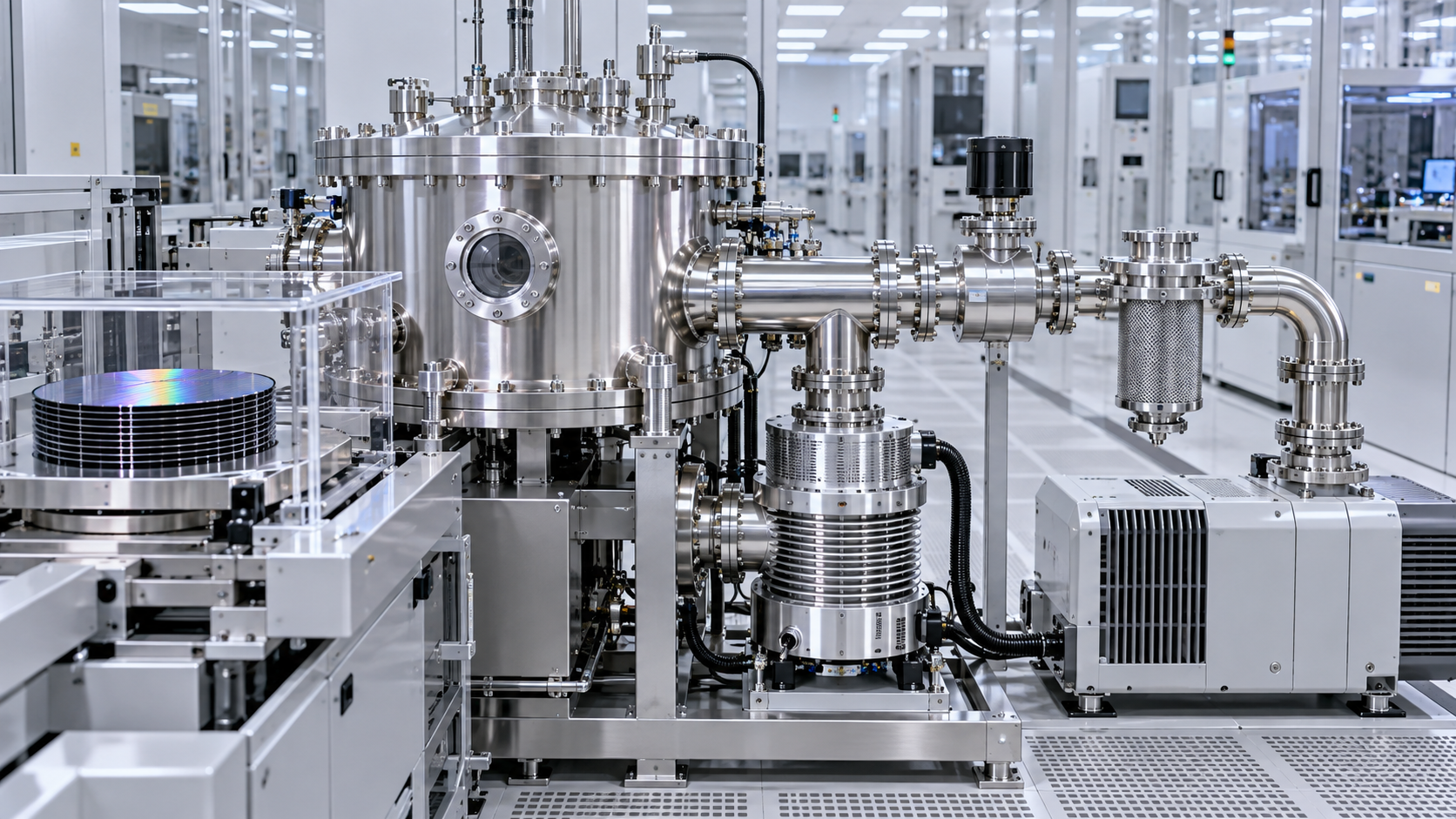
In 2026, vacuum technology solutions are becoming a decisive factor in high vacuum upgrades as industries pursue cleaner processing, tighter control, and stronger energy performance.
Across semiconductors, pharmaceuticals, food, research, metallurgy, and advanced manufacturing, vacuum system decisions now shape uptime, product quality, compliance, and long-term operating cost.
This shift is especially relevant for platforms such as GTC-Matrix, where thermodynamic intelligence connects energy efficiency, compression logic, and process reliability into practical industrial insight.
The market no longer treats vacuum infrastructure as a hidden utility. It is now a strategic production layer, directly linked to yield stability, contamination control, and decarbonization targets.
Why high vacuum upgrades are accelerating in 2026
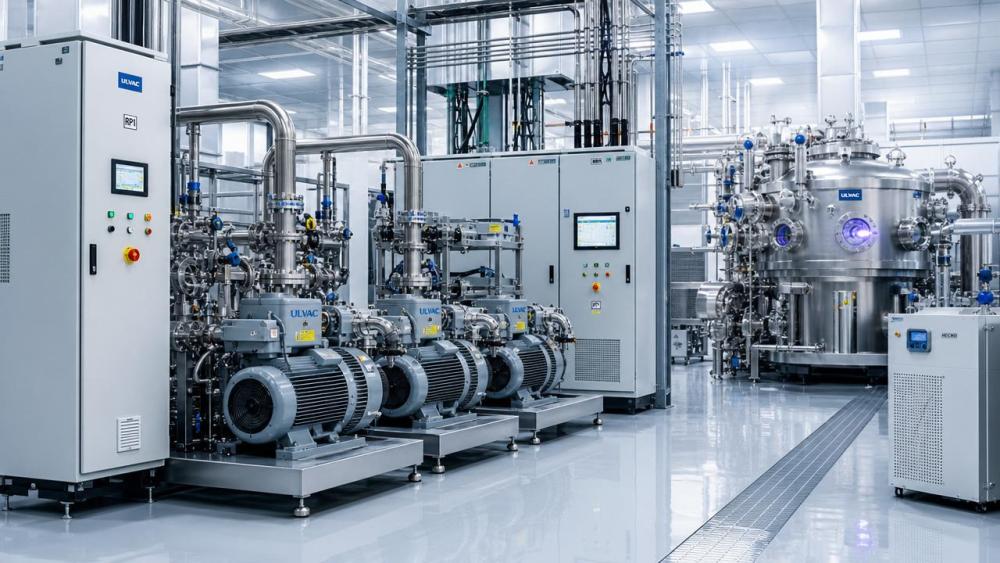
Several signals explain why vacuum technology solutions are moving from maintenance discussions into board-level capital planning.
First, process windows are narrowing. Higher purity requirements leave less tolerance for leakage, backstreaming, unstable pressure, or slow pump-down performance.
Second, energy pricing remains volatile. Older high vacuum assets often consume more electricity, cooling capacity, and maintenance labor than modern integrated systems.
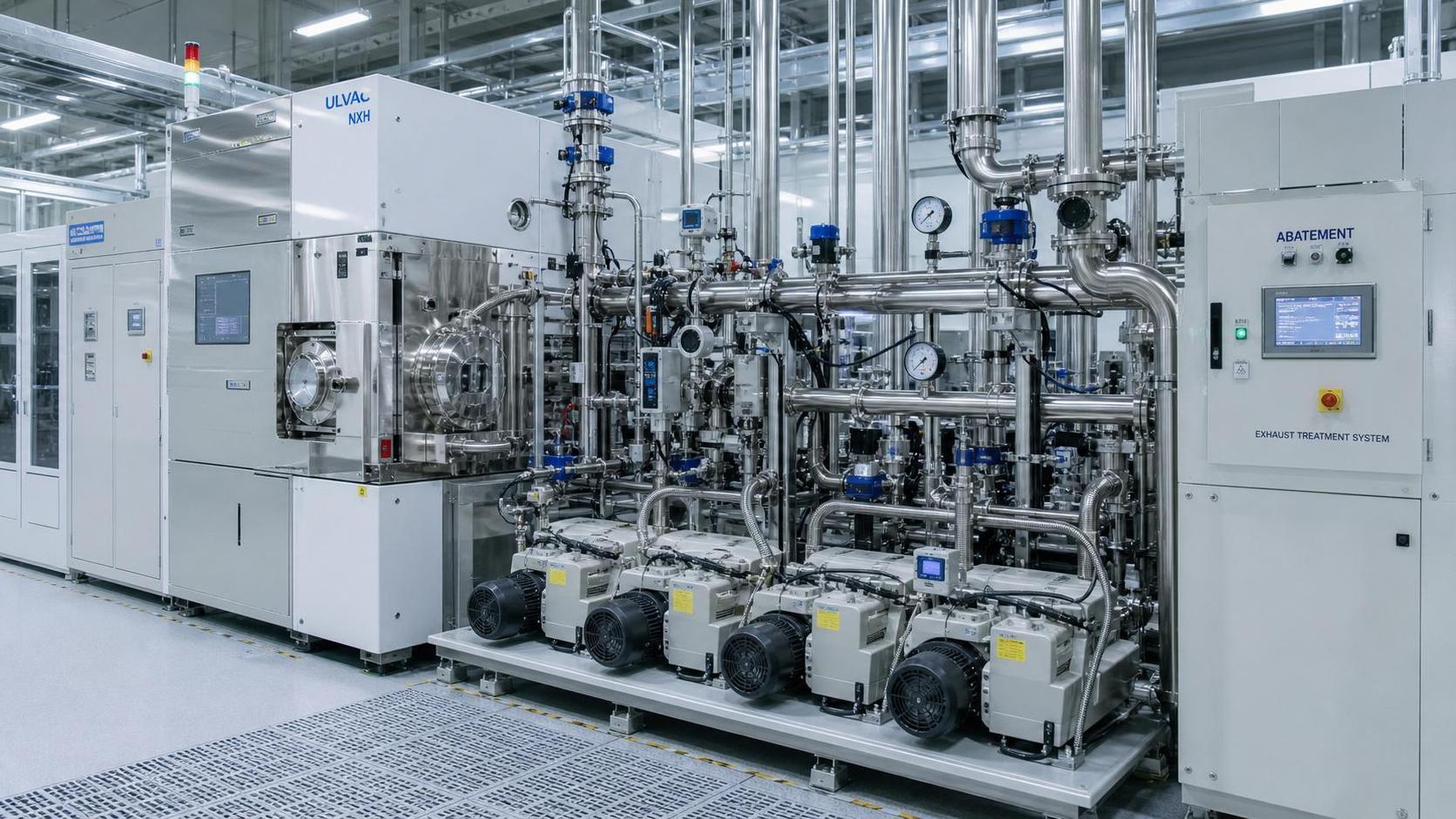
Third, environmental compliance is influencing system design. Facilities are reassessing oil-sealed architectures, exhaust treatment, and refrigerant-linked support systems.
Fourth, digitalization is changing expectations. Users want vacuum technology solutions that provide real-time diagnostics, predictive service insight, and easier integration with plant control platforms.
The trend signals behind stronger demand for vacuum technology solutions
The current cycle is not driven by one sector alone. It reflects a broad convergence of quality, sustainability, and process intelligence requirements.
What is driving the shift toward more advanced architectures
High vacuum upgrades are increasingly influenced by system architecture, not only by pump replacement. The strongest drivers are structural and measurable.
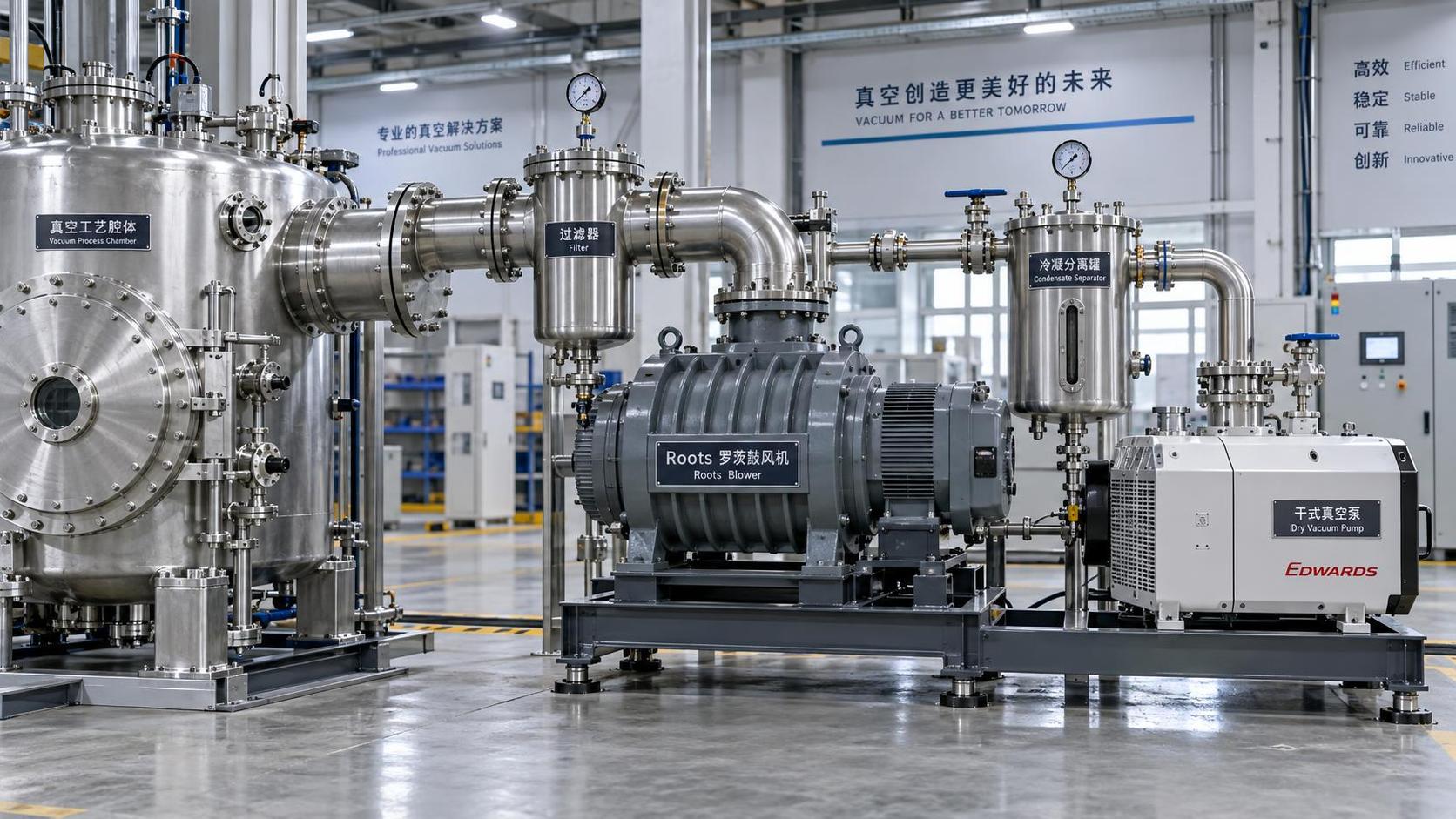
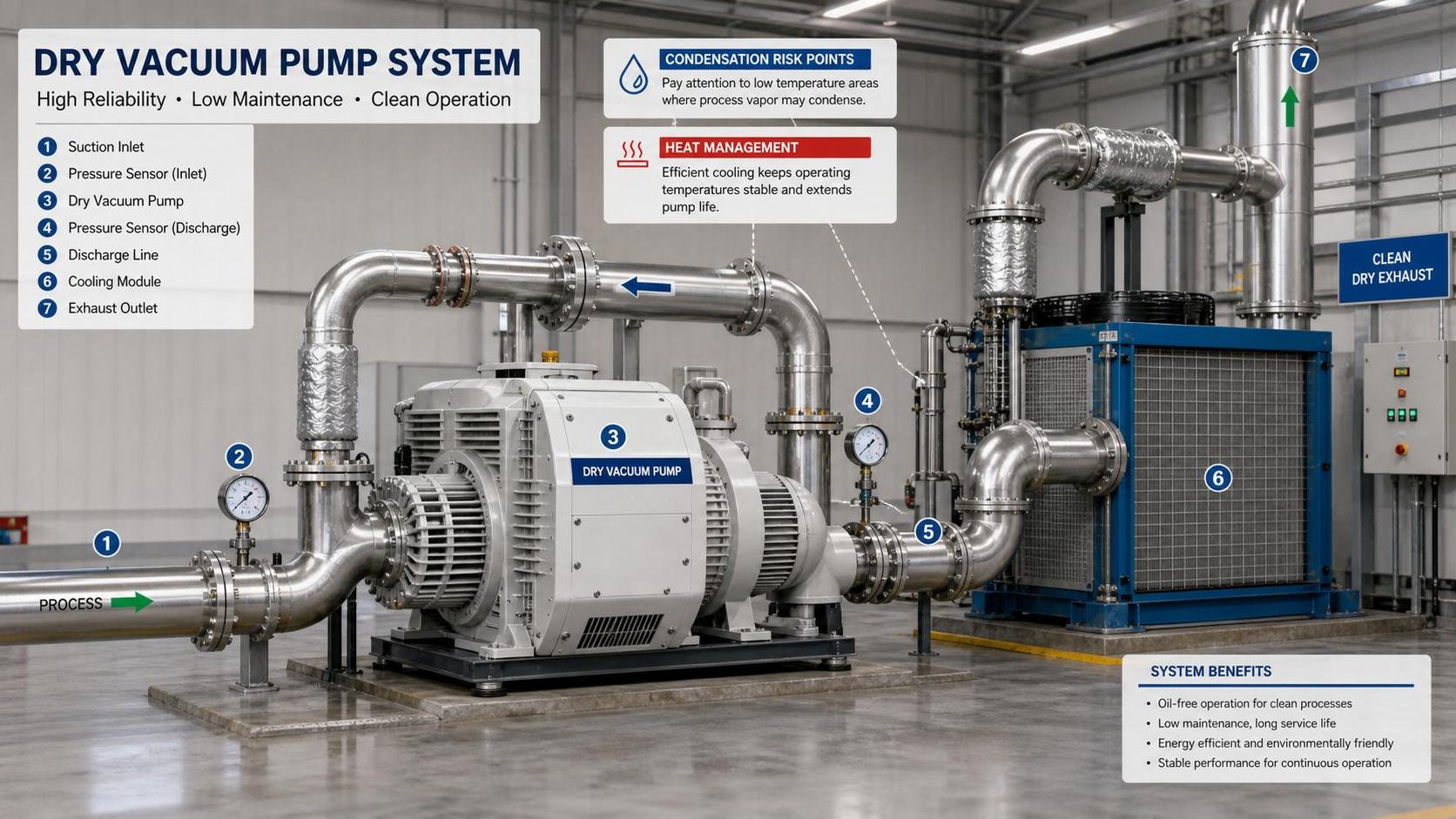
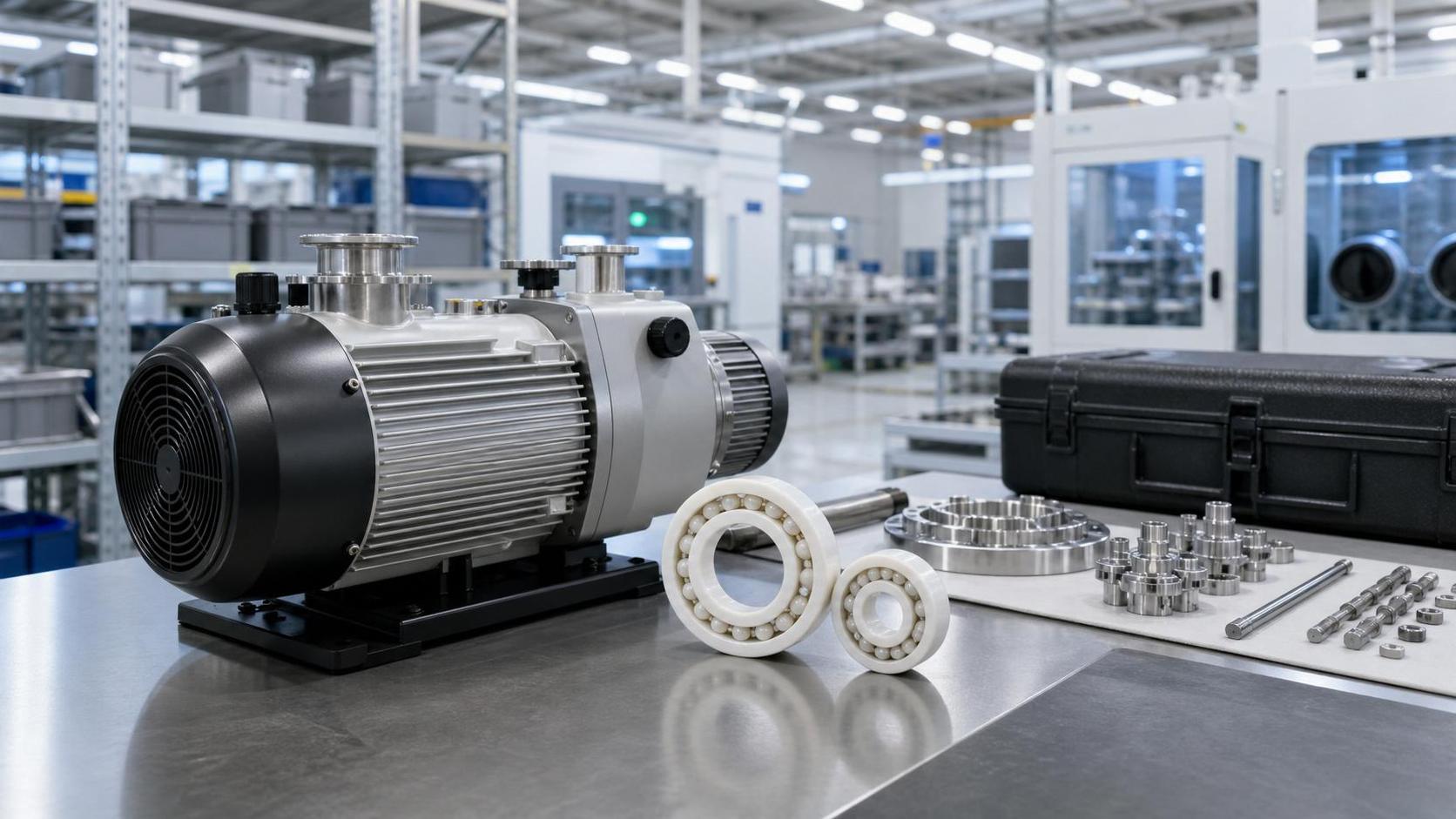
- Dry pump adoption reduces contamination risk and simplifies downstream cleanliness control.
- Hybrid configurations improve pumping speed across varying pressure ranges.
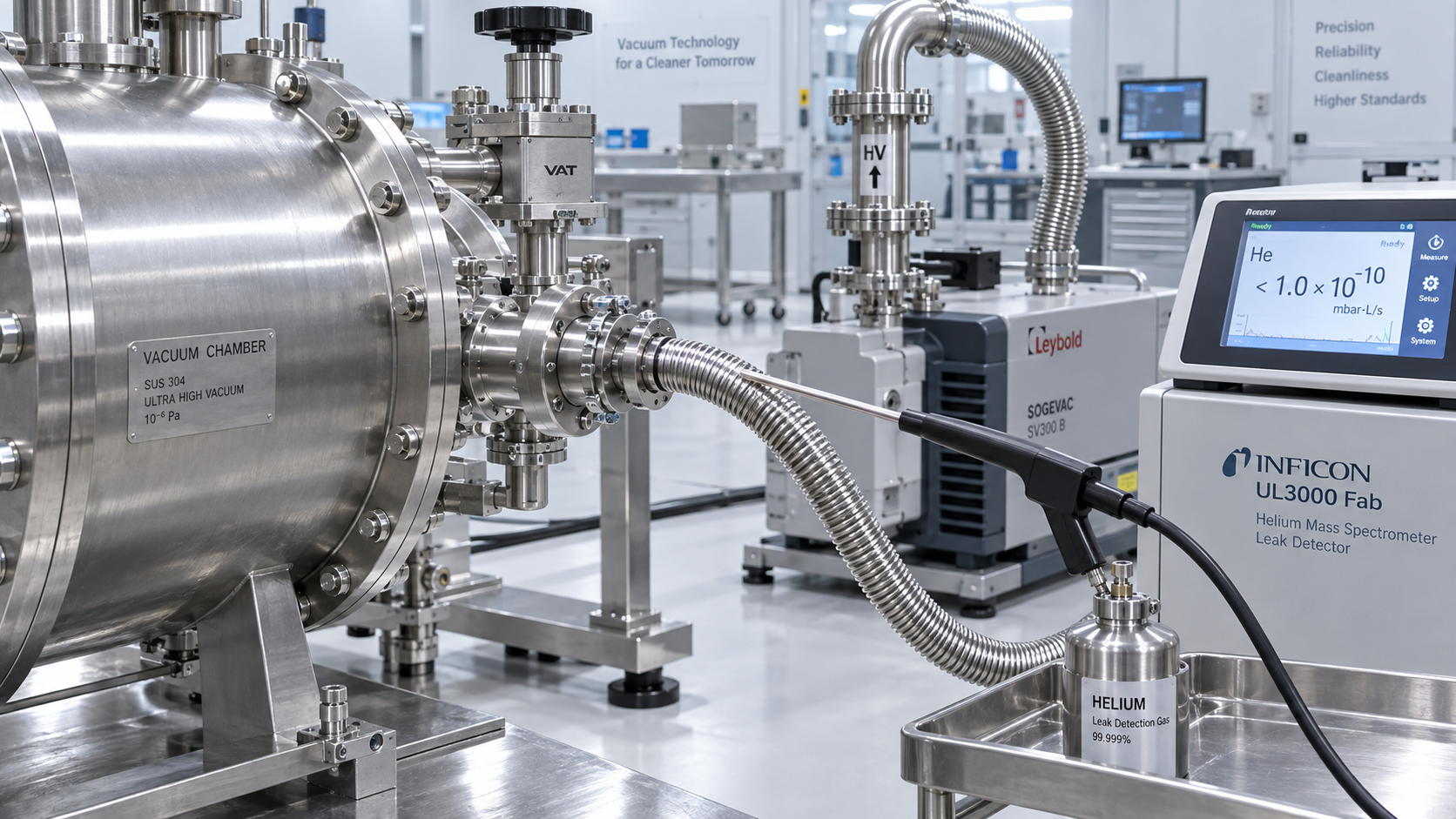
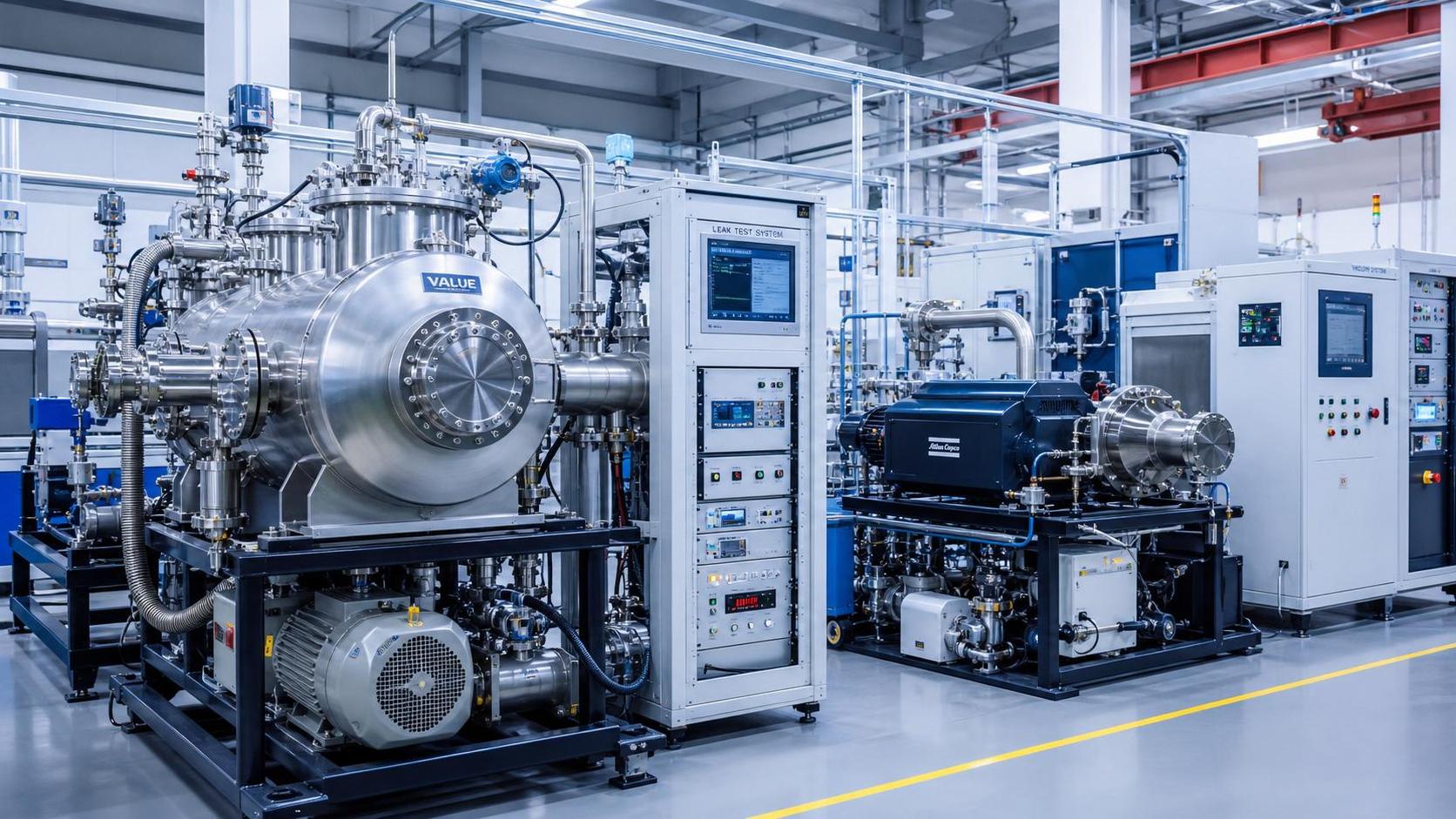
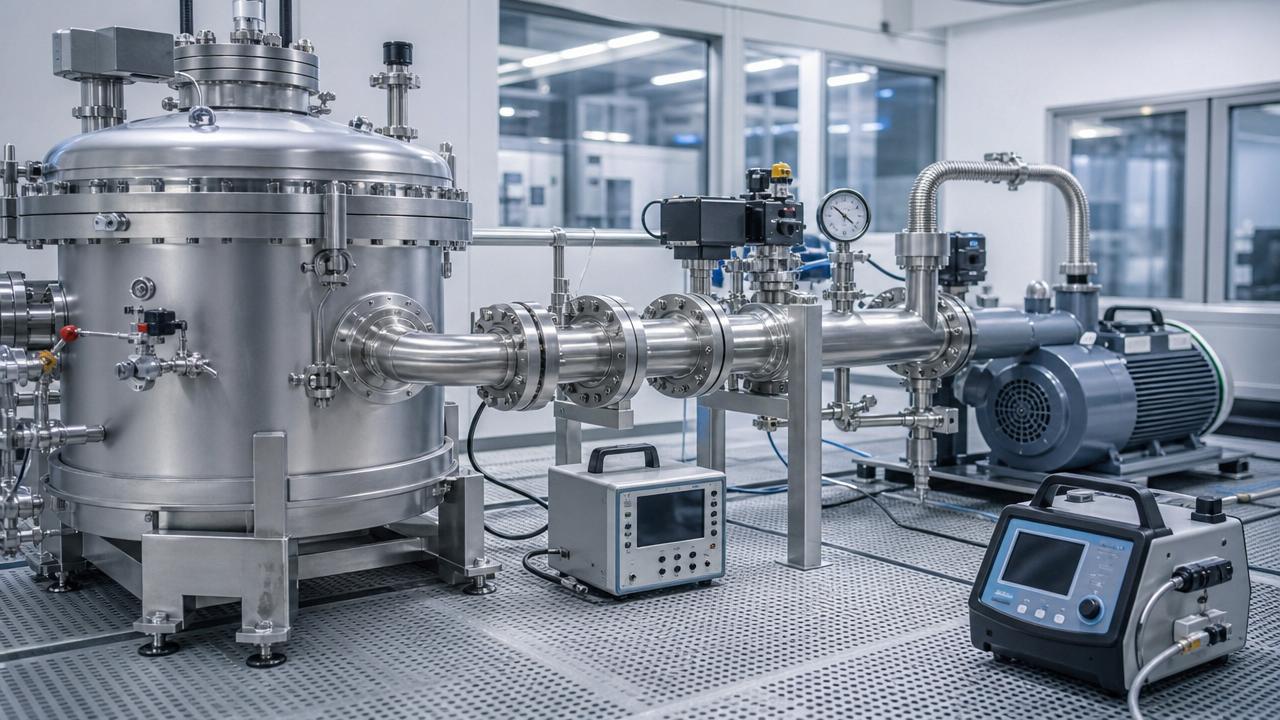
- Leak detection sophistication shortens troubleshooting cycles and protects product consistency.
- Smart controls stabilize setpoints during fluctuating load conditions.
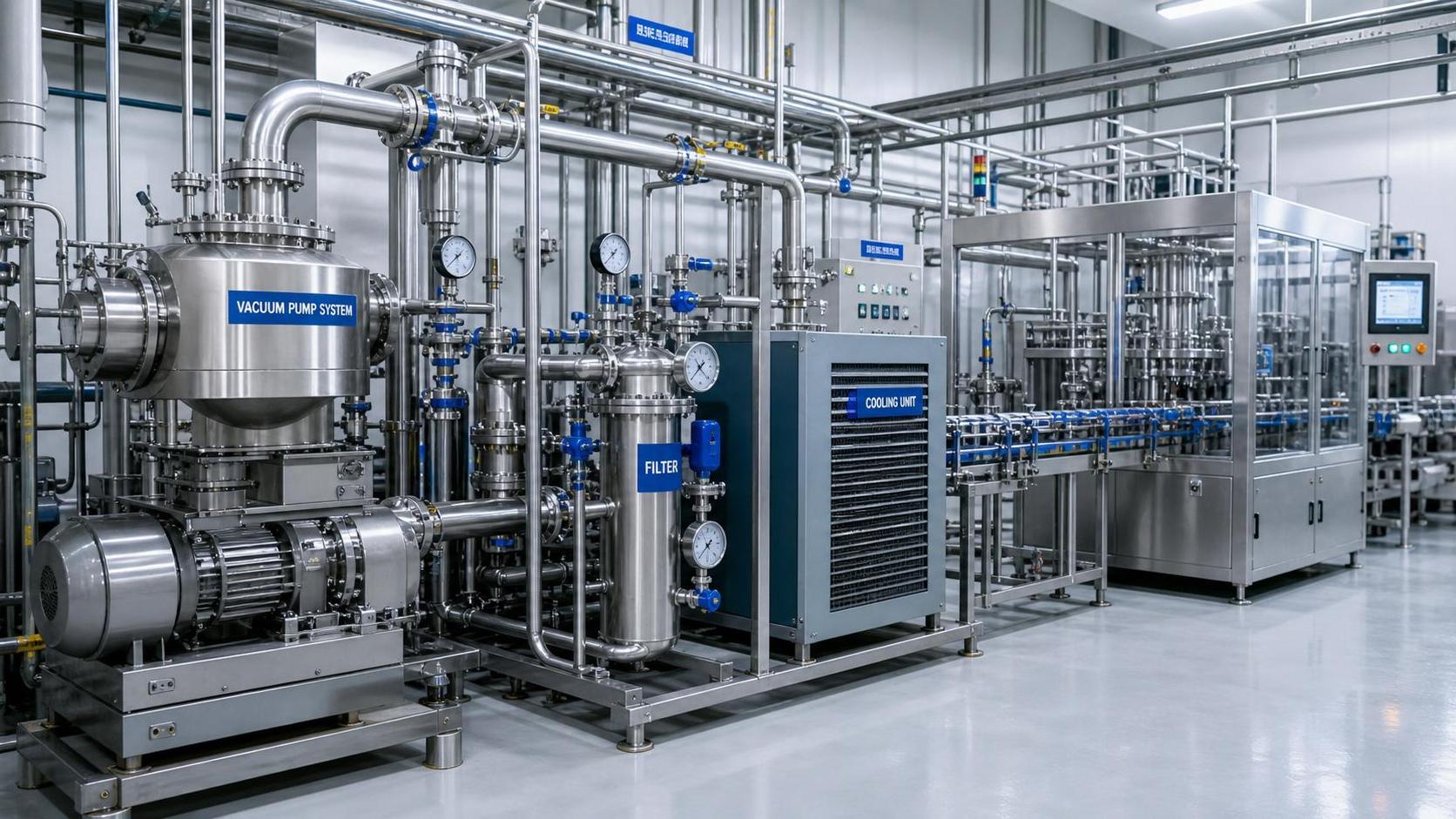
- Thermal management integration reduces stress on pumps, seals, and support utilities.
- Serviceability design lowers lifecycle cost and improves maintenance planning accuracy.
This is where the GTC-Matrix perspective matters. Vacuum performance is inseparable from cooling behavior, compressed utilities, and heat exchange efficiency across the full plant environment.
How vacuum technology solutions are affecting key industrial processes
The impact of vacuum technology solutions is expanding beyond vacuum chambers alone. Their influence now reaches multiple business and operational layers.
Process stability and yield
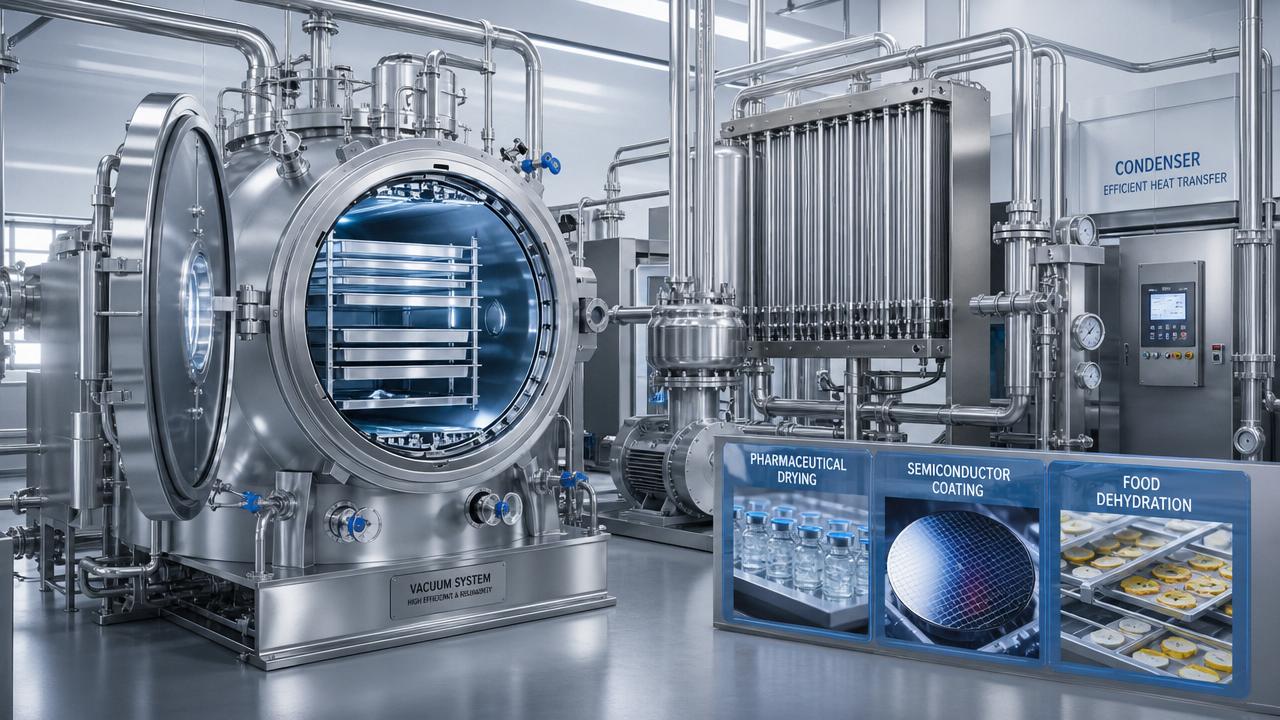
Stable vacuum levels support repeatable deposition, drying, degassing, coating, distillation, packaging, and thermal treatment processes.
When pressure excursions decline, scrap rates often fall. This is especially important in high-value batches and precision manufacturing steps.
Compliance and cleanliness
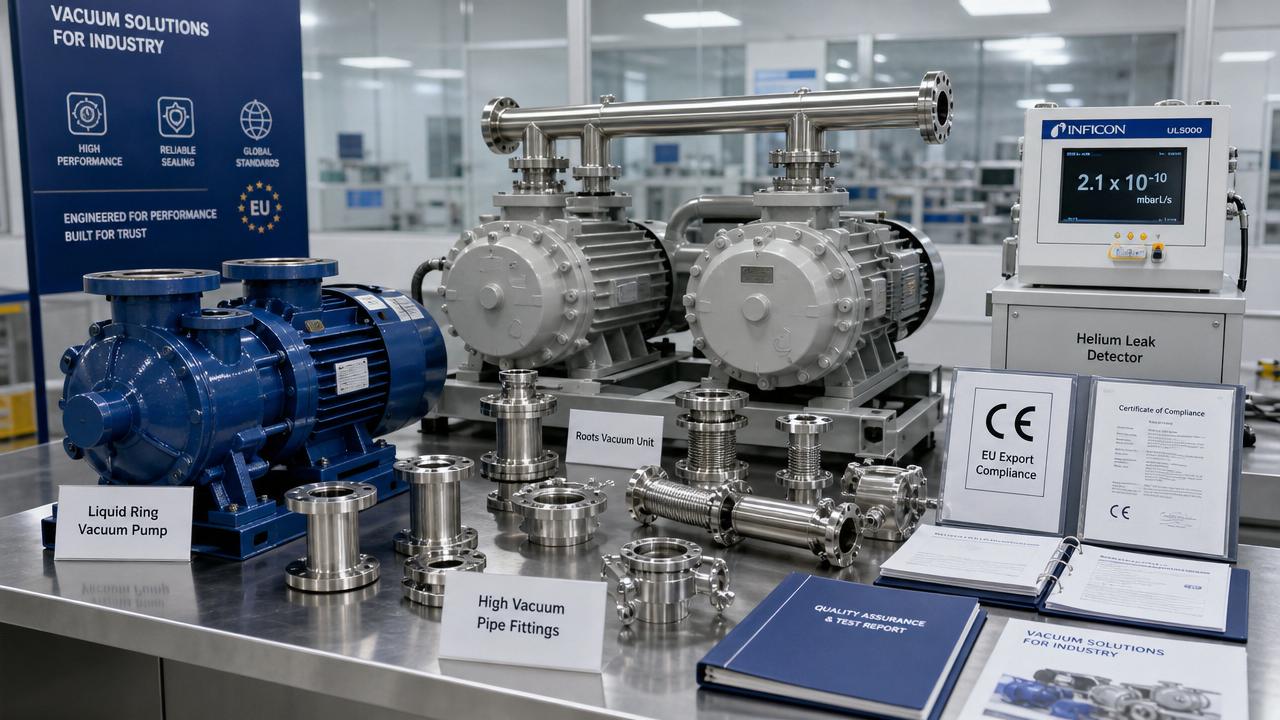
Advanced vacuum technology solutions help reduce oil migration, particle generation, and uncontrolled emissions. That supports audit readiness and cleaner validation outcomes.
Energy and utility performance
Modern systems can lower power draw through right-sized pumping stages, load-based control, and reduced dependence on excess supporting utilities.
In some facilities, better vacuum design also reduces cooling demand and improves overall thermal balance.
Maintenance planning
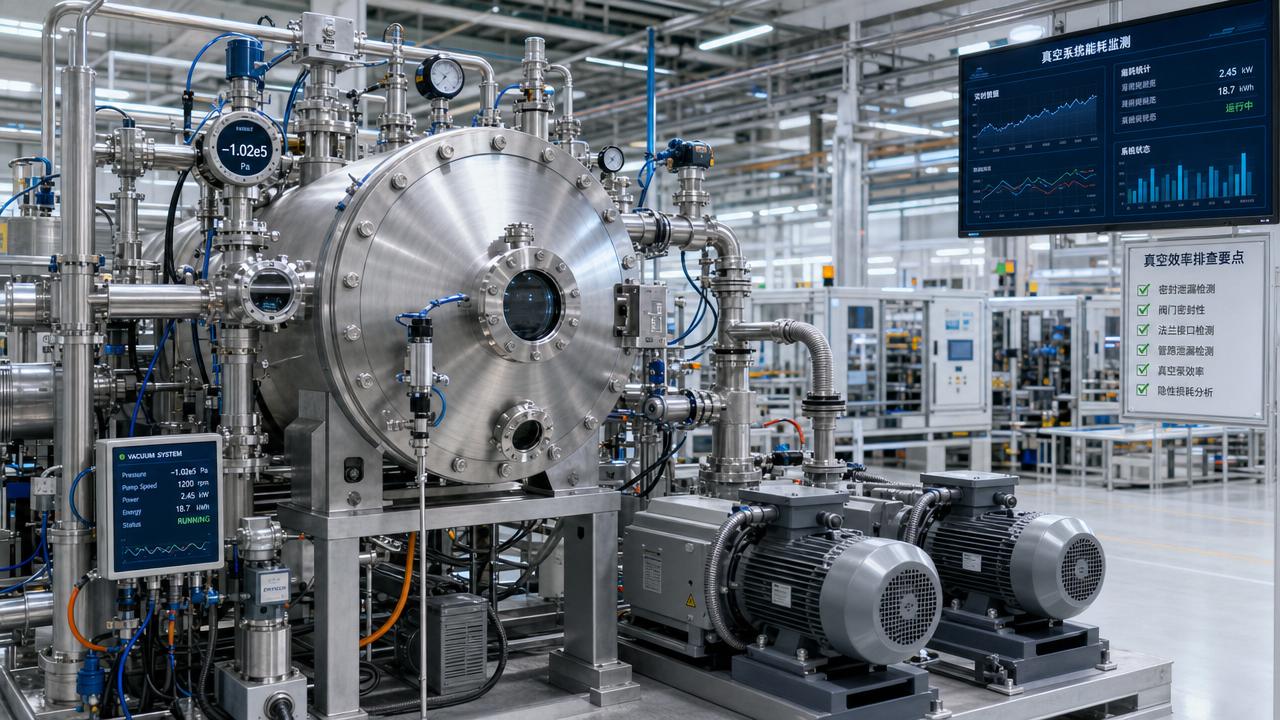
Connected vacuum technology solutions provide better warning of seal wear, pressure instability, temperature rise, and abnormal vibration trends.
That visibility enables condition-based intervention instead of reactive shutdown response.
Where high vacuum upgrades create the most business value
Not every upgrade produces equal value. The strongest returns usually appear where vacuum performance is tightly linked to product economics.
- Semiconductor and electronics lines needing ultra-clean, highly repeatable vacuum conditions.
- Pharmaceutical and biotech processes requiring purity, validation confidence, and controlled drying or distillation.
- Food and packaging operations where shelf life and oxygen reduction depend on stable vacuum integrity.
- Metallurgy and material treatment applications needing dependable atmosphere control and degassing efficiency.
- Research and advanced labs where measurement quality depends on low contamination and precise vacuum response.
In each case, vacuum technology solutions contribute not just to technical output, but to margin protection and capacity confidence.
What deserves close attention before choosing vacuum technology solutions
A successful upgrade starts with the right questions. Capital cost alone rarely predicts the best long-term outcome.
- What vacuum level, pumping speed, and cycle time are truly required under real operating loads?
- How sensitive is the process to oil, vapor, moisture, particles, and thermal fluctuation?
- Can the selected system integrate with cooling loops, compressed air infrastructure, and plant controls?
- What is the service interval, spare strategy, and expected downtime exposure?
- Does the solution support future expansion, stricter standards, or new process recipes?
- Will data access support predictive maintenance and energy benchmarking?
A practical decision framework for 2026 upgrades
How to respond to the next phase of vacuum modernization
The best response is neither delay nor rushed replacement. It is a staged modernization plan built on measured process reality.
Start by auditing current vacuum performance, energy draw, leak frequency, maintenance records, and quality losses connected to pressure instability.
Then compare upgrade paths. Some sites need complete architecture redesign. Others gain more from controls improvement, dry conversion, or thermal optimization.
Use cross-functional data wherever possible. Vacuum technology solutions create the greatest value when assessed alongside cooling, heat exchange, and compressed utility performance.
For organizations following GTC-Matrix intelligence, this integrated view is central. Industrial competitiveness increasingly depends on connected decisions across thermal and power systems.
The next actionable step
In 2026, high vacuum upgrades are no longer only technical refresh projects. They are strategic investments in cleaner output, stronger efficiency, and more resilient operations.
A practical next step is to build a short upgrade review around three metrics: process stability, lifecycle energy use, and contamination risk.
From there, prioritize vacuum technology solutions that align with future standards, digital visibility, and whole-system thermodynamic efficiency.
That approach turns vacuum decisions into a measurable advantage across production quality, sustainability, and long-term industrial performance.
Related News
- How Can Contamination Be Prevented in a Semiconductor Vacuum Chamber?Author :Vacuum Process Fellow

- Which Vacuum Pump Specifications Matter Most for Semiconductor Processes?Author :Vacuum Process Fellow

- How to find leaks in vacuum pump systems before pump performance dropsAuthor :Vacuum Process Fellow

- How to size a Roots blower for vacuum process equipmentAuthor :Vacuum Process Fellow

- How vacuum level affects vacuum process efficiencyAuthor :Vacuum Process Fellow

- China Imposes Temporary Helium Export BanAuthor :Vacuum Process Fellow

- Semiconductor Vacuum Systems Factory Checklist for Process Stability and Cleanroom UseAuthor :Vacuum Process Fellow

- Vacuum Process Optimization Services: Signs Your Line Needs a Performance ReviewAuthor :Vacuum Process Fellow

- Vacuum Chambers for Cleanroom Use: Key Design Points That Prevent ContaminationAuthor :Vacuum Process Fellow

- Vacuum Distillation Systems: Key Performance Metrics That Affect Product PurityAuthor :Vacuum Process Fellow

- Vietnam Halts High Vacuum Pump Import Licenses for 30 DaysAuthor :Vacuum Process Fellow

- Vacuum Technology Database: What to Check Before Using Technical DataAuthor :Vacuum Process Fellow

- Dry Pump Vacuum System Design Mistakes That Raise DowntimeAuthor :Vacuum Process Fellow

- When Vacuum Systems Lose Performance: Common Causes and FixesAuthor :Vacuum Process Fellow
![]()
- EU Tightens EN 13445-3 Weld Testing for Vacuum VesselsAuthor :Vacuum Process Fellow
![]()
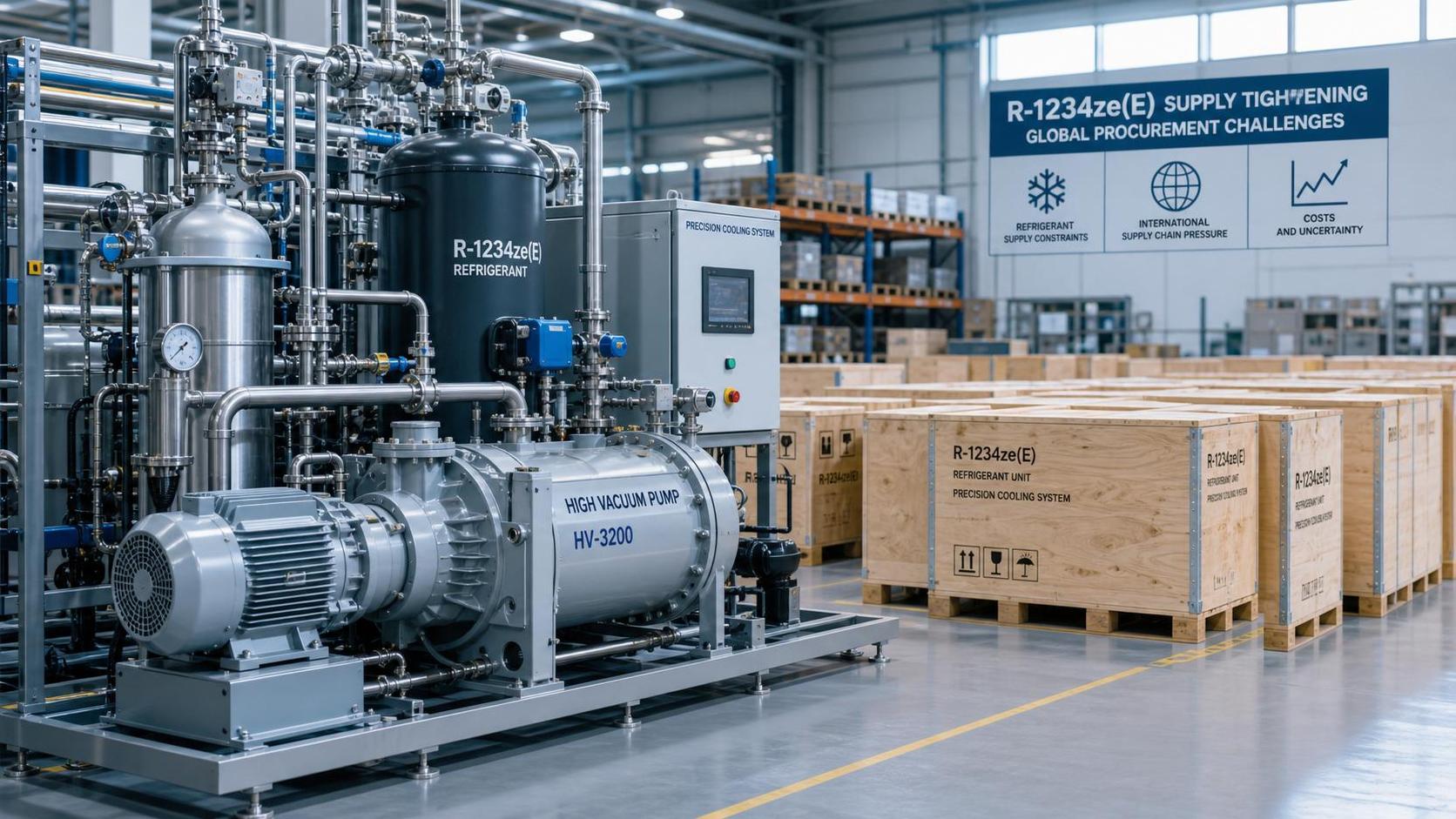
- EPA Cuts R-1234ze(E) Quota 35%, Tightening Vacuum Cooling SupplyAuthor :Vacuum Process Fellow
 Quota 35%, Tightening Vacuum Cooling Supply")
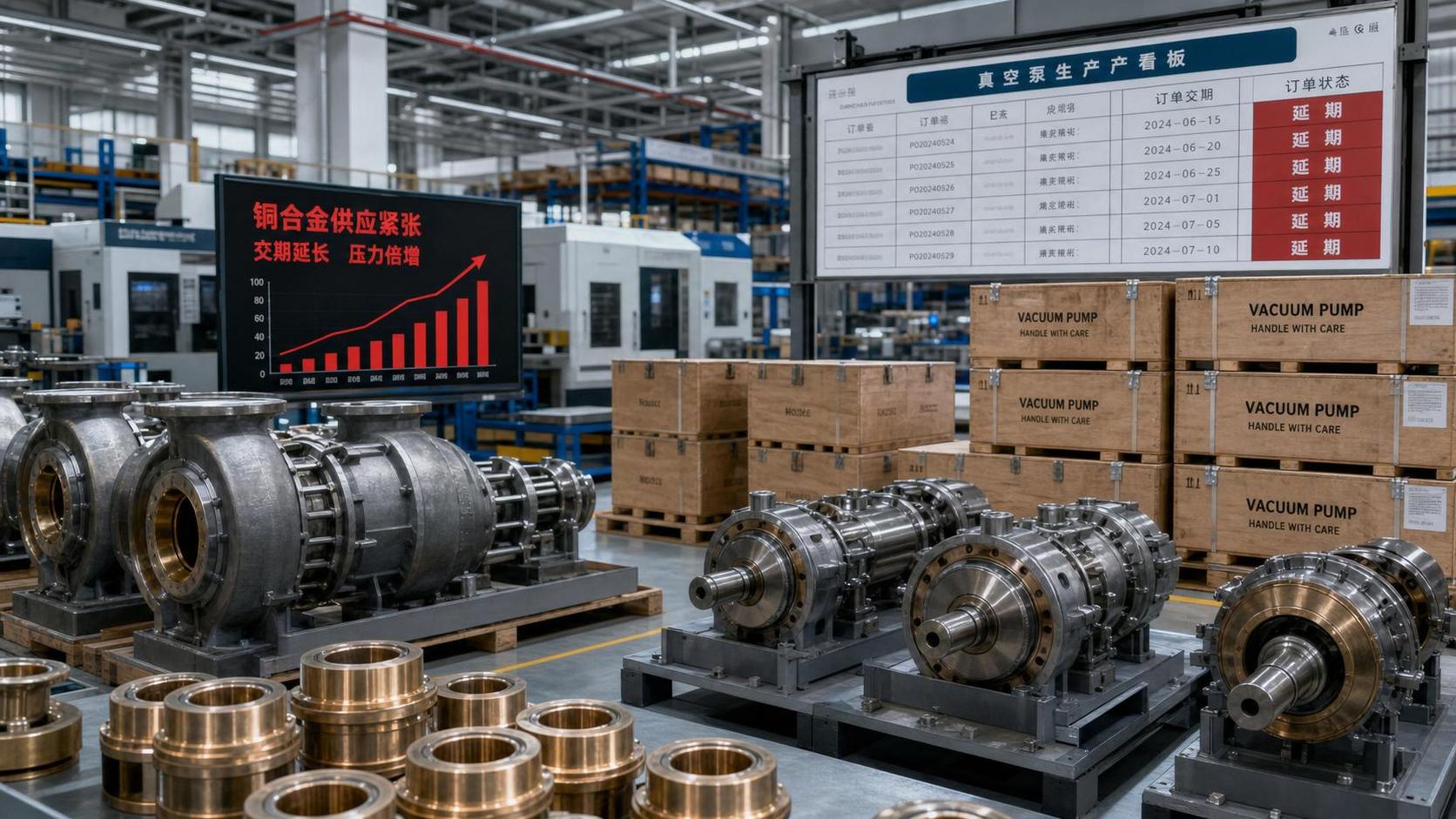
- ICA Warns of Tight Copper Alloy Supply for Vacuum PumpsAuthor :Vacuum Process Fellow

- Vacuum System Leak Detection: Signs, Tests, and FixesAuthor :Vacuum Process Fellow

- How to Compare Vacuum Systems Factory Capabilities for Stable Process UptimeAuthor :Vacuum Process Fellow

- Vacuum Pump Lead Times Extend to 26 WeeksAuthor :Vacuum Process Fellow

- Semiconductor Vacuum Systems Explained for Stable Process YieldAuthor :Vacuum Process Fellow

- Vacuum Process Efficiency: 7 Hidden Causes of Energy LossAuthor :Vacuum Process Fellow

- Vacuum Technology Solutions for Stable Low-Pressure ProductionAuthor :Vacuum Process Fellow

- Vacuum Processes: Common Efficiency Losses and FixesAuthor :Vacuum Process Fellow

- Common Vacuum Processes Problems and How to Prevent DowntimeAuthor :Vacuum Process Fellow

- Tantalum Spike Extends Vacuum Crucible Lead TimesAuthor :Vacuum Process Fellow

- Vacuum Process Efficiency: 5 Hidden Losses to Check FirstAuthor :Vacuum Process Fellow

- How Heat Transfer Design Impacts Vacuum Process EfficiencyAuthor :Vacuum Process Fellow

- EN 13445-4:2026 Takes Effect for High-Vacuum ComponentsAuthor :Vacuum Process Fellow

- EU Vacuum Components Face New EN 13445-4:2026 Leak Test RuleAuthor :Vacuum Process Fellow

- UBS: Fed Cut View May Ease Vacuum Pump Lead TimesAuthor :Vacuum Process Fellow

- Vacuum Processes: Common Causes of Unstable PerformanceAuthor :Vacuum Process Fellow
![]()
- SiC Certification Signals New Entry Path for Vacuum and Compressor DrivesAuthor :Vacuum Process Fellow
![]()
- How to Choose the Right Vacuum System for Process StabilityAuthor :Vacuum Process Fellow

- Vacuum Technology Selection: What Matters Most for Stable Process PerformanceAuthor :Vacuum Process Fellow

- Vacuum Processes: How to Reduce Contamination and Improve Cycle ConsistencyAuthor :Vacuum Process Fellow