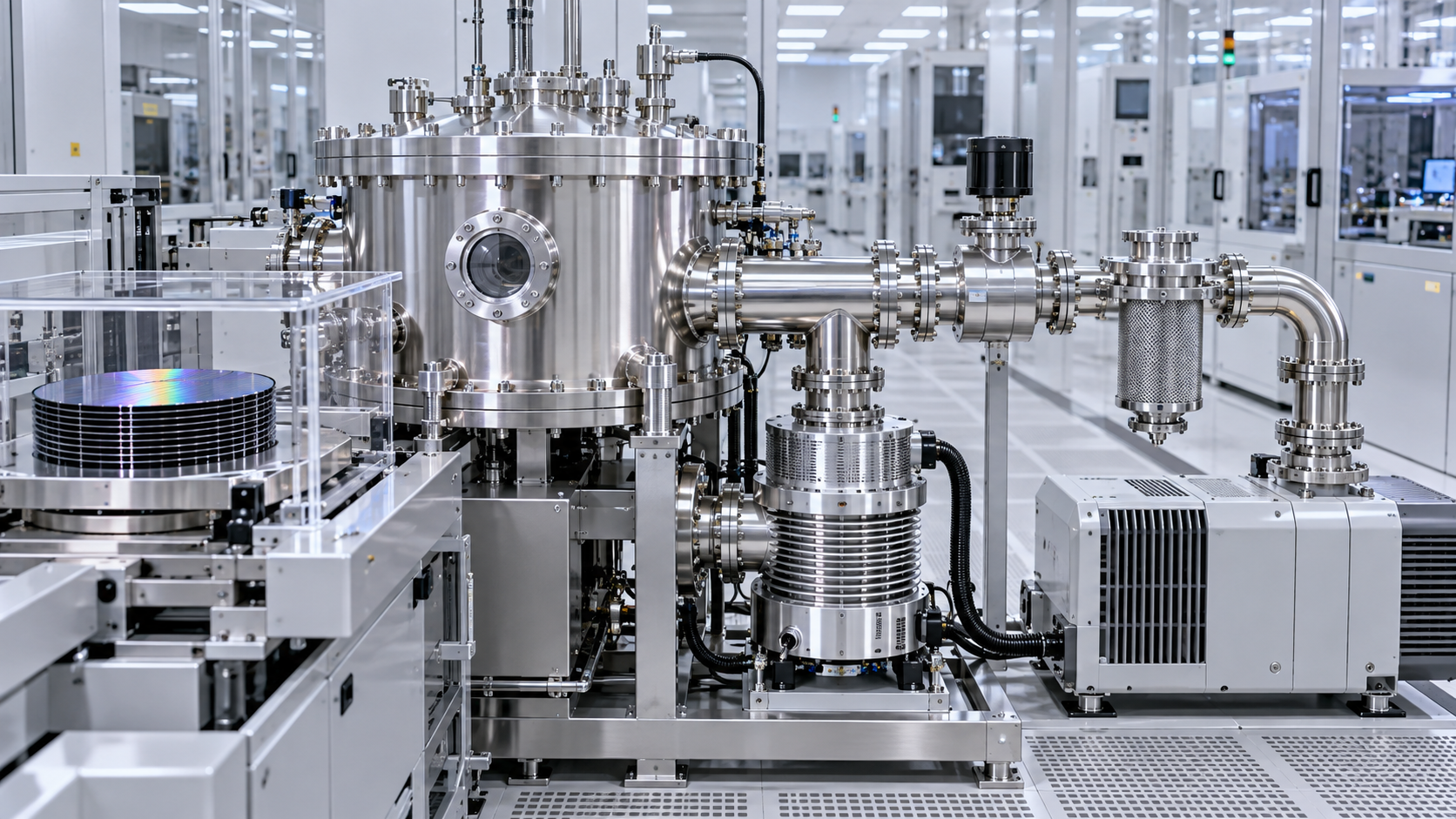
Vacuum Technology Solutions for Faster High Vacuum Stability




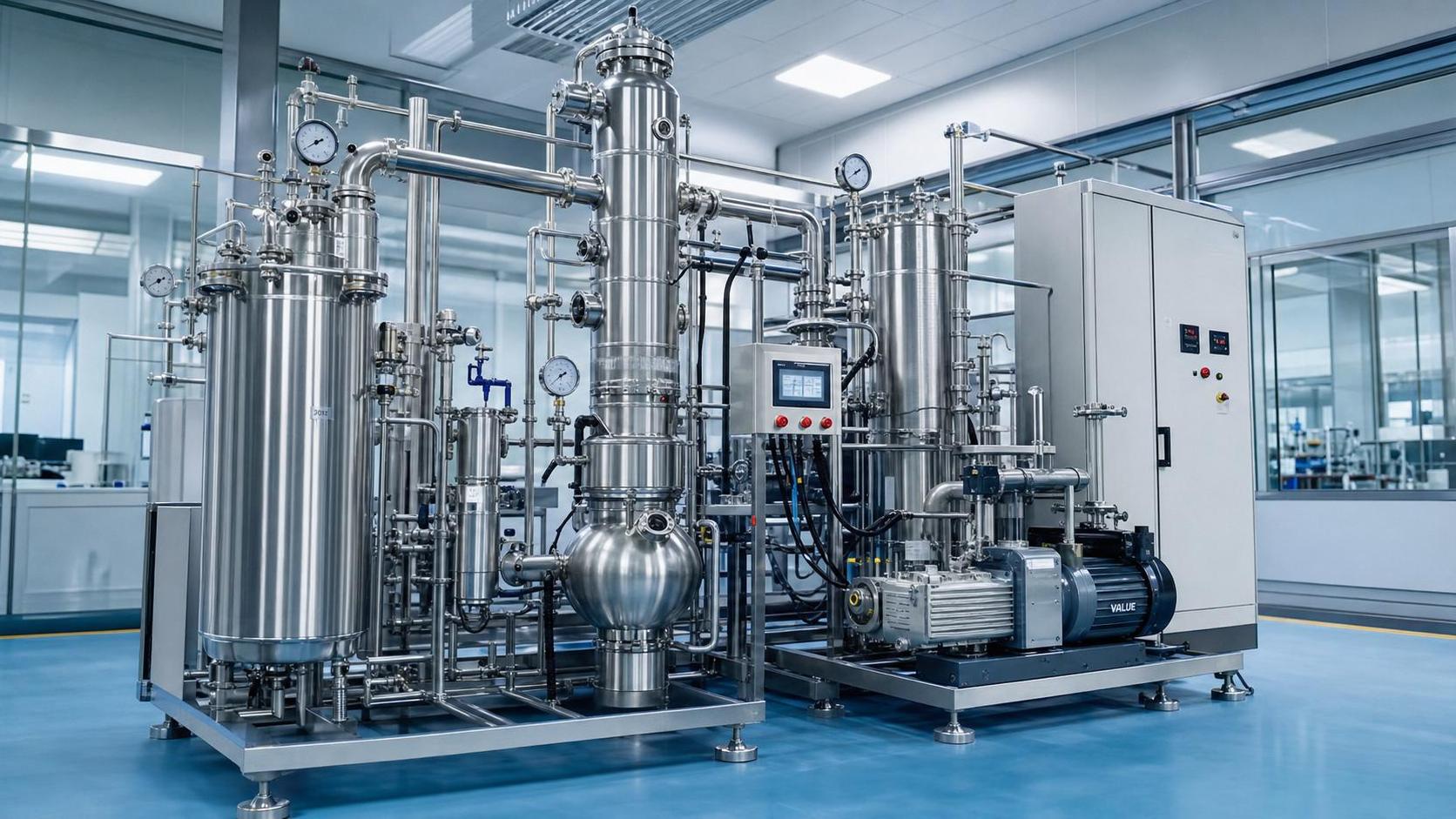
For technical evaluators focused on faster pump-down and reliable process performance, vacuum technology solutions are central to achieving high vacuum stability with less variability.
Across industrial cooling, compressed air, heat exchange, coating, drying, and semiconductor-adjacent operations, stability now matters as much as ultimate pressure.
The market is shifting from isolated pump selection toward system-level engineering, data visibility, and contamination control.
That shift is redefining how facilities evaluate uptime, energy use, maintenance timing, and process consistency in demanding vacuum environments.
High vacuum stability is becoming a performance benchmark, not just a technical target
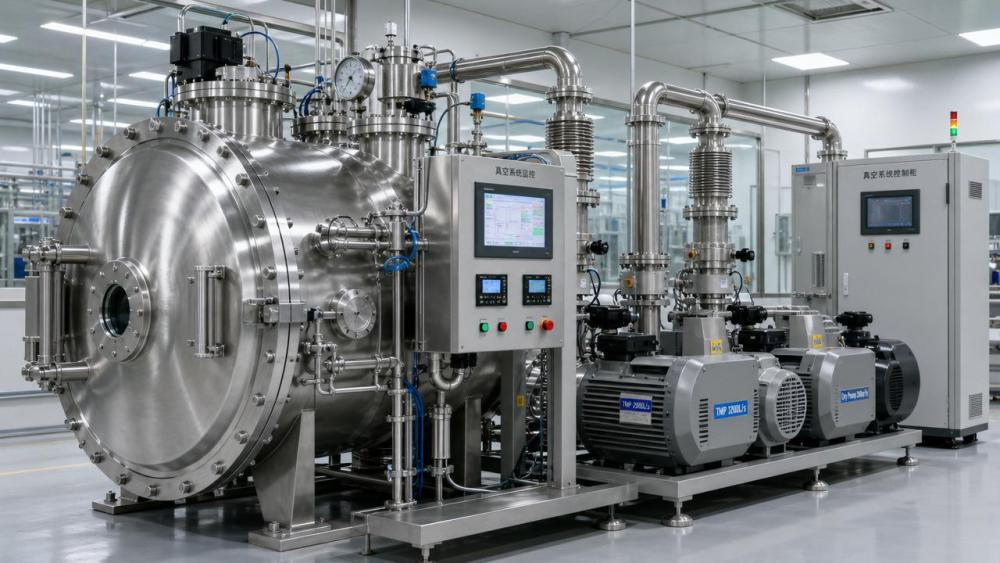
In many sectors, faster pump-down alone is no longer enough. Stable pressure recovery, clean chamber behavior, and repeatable cycle timing are now under closer scrutiny.
This is especially visible where thermal loads, moisture, trace gases, or surface cleanliness influence yield, safety, or product uniformity.
Modern vacuum technology solutions increasingly combine pump architecture, chamber design, valve logic, sealing strategy, and smart diagnostics.
The result is a broader definition of vacuum performance: how quickly a system stabilizes, how long it holds, and how predictably it behaves during changeovers.
Several trend signals show why vacuum technology solutions are moving up the decision agenda
Three signals stand out across the general industrial landscape.
- Higher process sensitivity is exposing small pressure instabilities that were previously tolerated.
- Energy costs are pushing sites to reduce over-pumping, idle losses, and unnecessary purge cycles.
- Digital maintenance expectations are increasing demand for visible, measurable vacuum behavior.
These signals are encouraging investment in vacuum technology solutions that balance speed, cleanliness, and lifecycle efficiency.
Instead of asking only how low pressure can go, teams increasingly ask how stable it remains under real production conditions.
The main drivers behind faster high vacuum stability are technical, economic, and operational
The strongest drivers can be summarized in a practical framework.
These forces explain why vacuum technology solutions are now evaluated as part of plant resilience, not only as support equipment.
System design choices now have greater influence on vacuum stability than pump size alone
The most consistent gains often come from system architecture. Oversized pumps may reduce initial pressure quickly, yet still leave instability unresolved.
Conductance losses in piping, dead volumes, poor valve placement, and mismatched backing stages can delay stable high vacuum conditions.
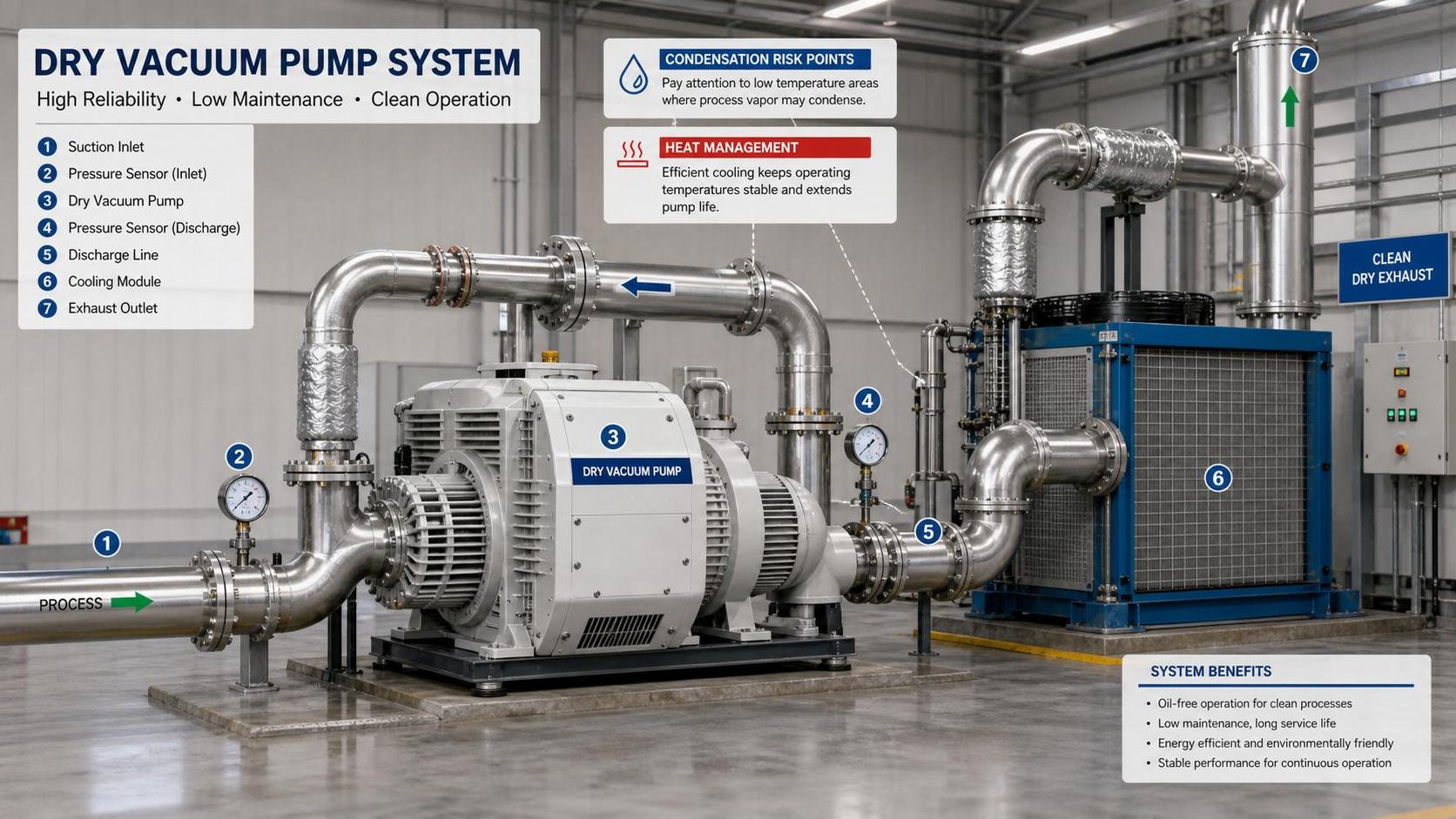
Effective vacuum technology solutions usually address the complete flow path from chamber to exhaust treatment.
Key design priorities gaining attention
- Shorter, smoother flow paths to improve conductance
- Low-outgassing materials for seals, fixtures, and internal surfaces
- Thermal control to reduce vapor release and pressure drift
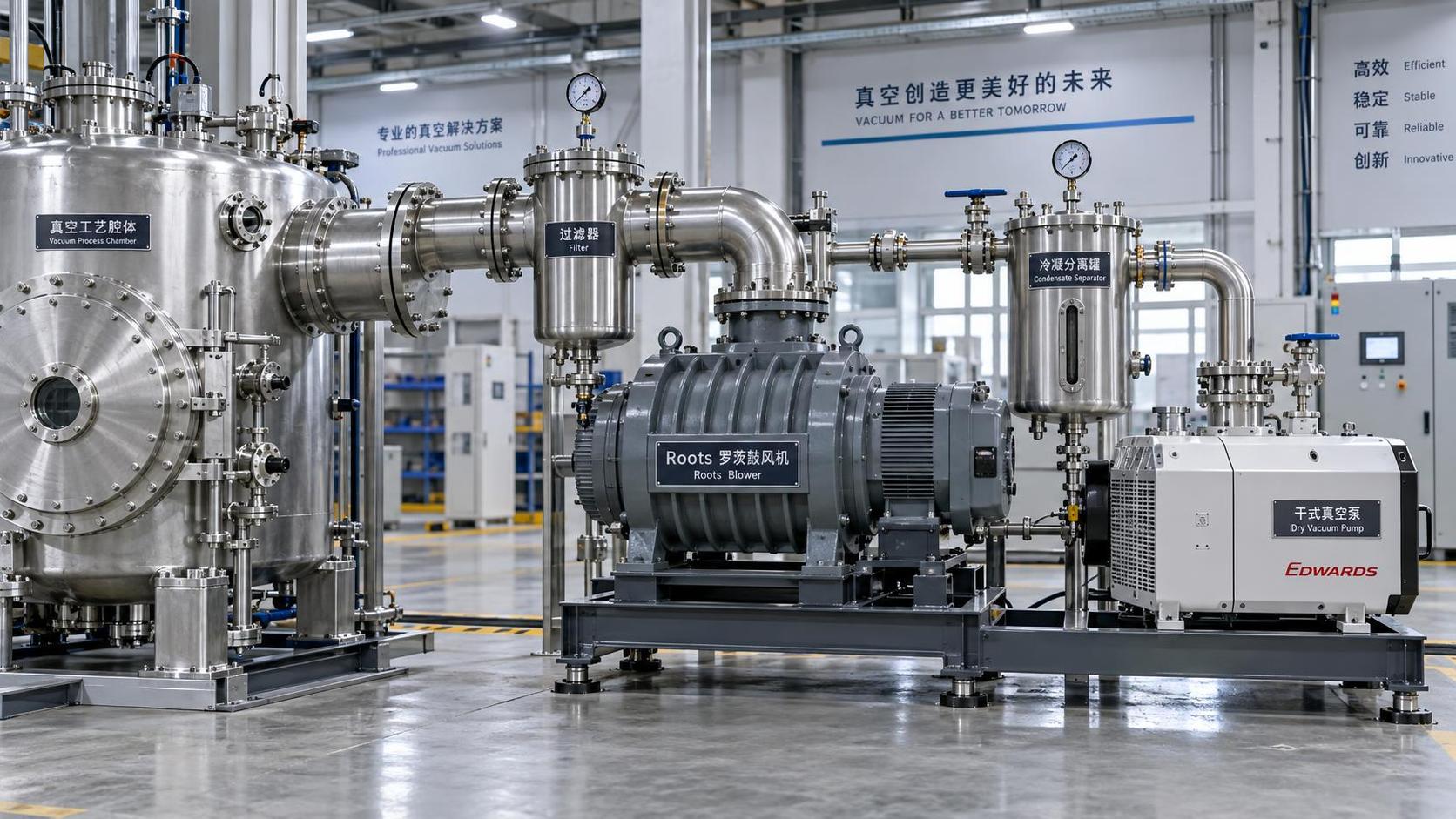
- Stage matching between roughing, booster, and high vacuum components
- Isolation strategies that prevent backstreaming and cross-contamination
In practice, these decisions often shorten stabilization time more effectively than adding raw pumping capacity.
Leak control and outgassing management are emerging as decisive differentiators
A recurring industry lesson is simple: unstable vacuum often reflects hidden gas load rather than insufficient pump power.
Leaks, permeation, trapped moisture, contaminated oils, and porous materials can all extend pump-down and compromise stable operation.
This is why advanced vacuum technology solutions now emphasize preconditioning, chamber cleanliness, and measured leak integrity.
Useful control measures
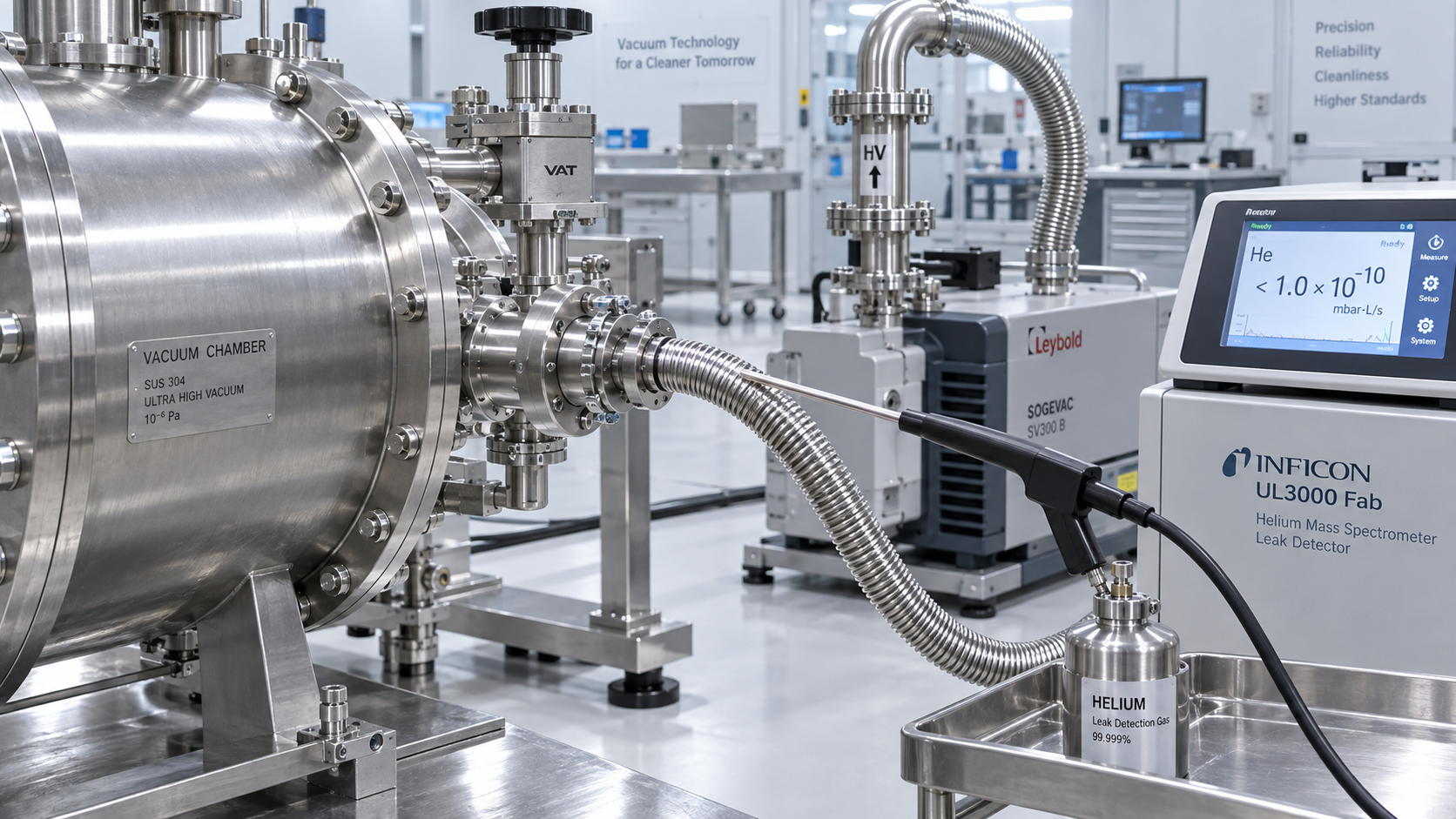
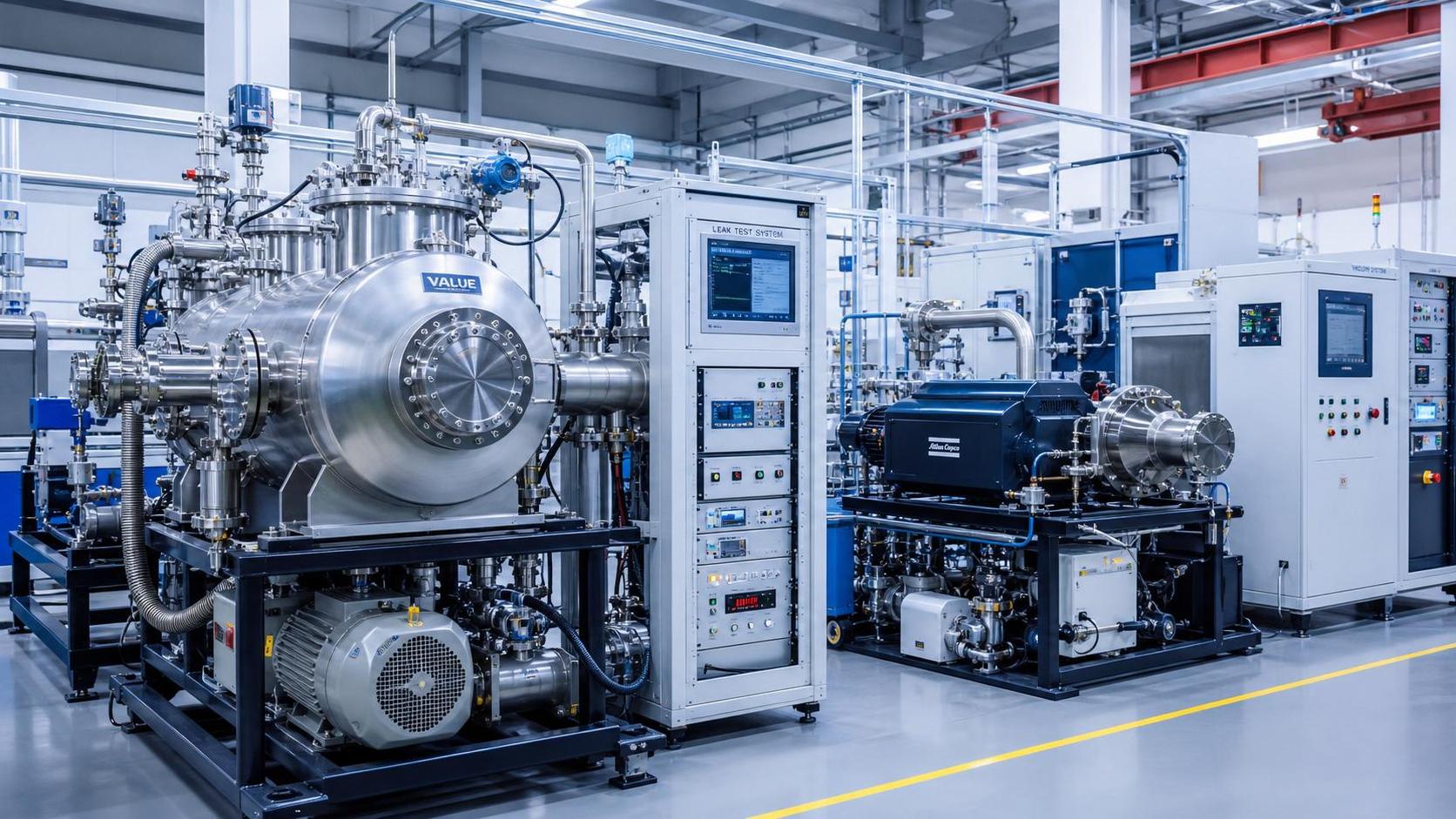
- Use helium leak testing or equivalent methods for repeatable validation.
- Review elastomers, adhesives, and internal polymers for outgassing behavior.
- Apply controlled bake-out or drying steps when moisture is a known issue.
- Track chamber cleaning intervals as part of stability control.
Where clean processes matter, contamination prevention is no longer secondary. It directly affects pressure stability, cycle repeatability, and maintenance intervals.
Digital monitoring is changing how vacuum technology solutions are judged in daily operation
The evaluation standard is moving from periodic manual checks to continuous operational visibility.
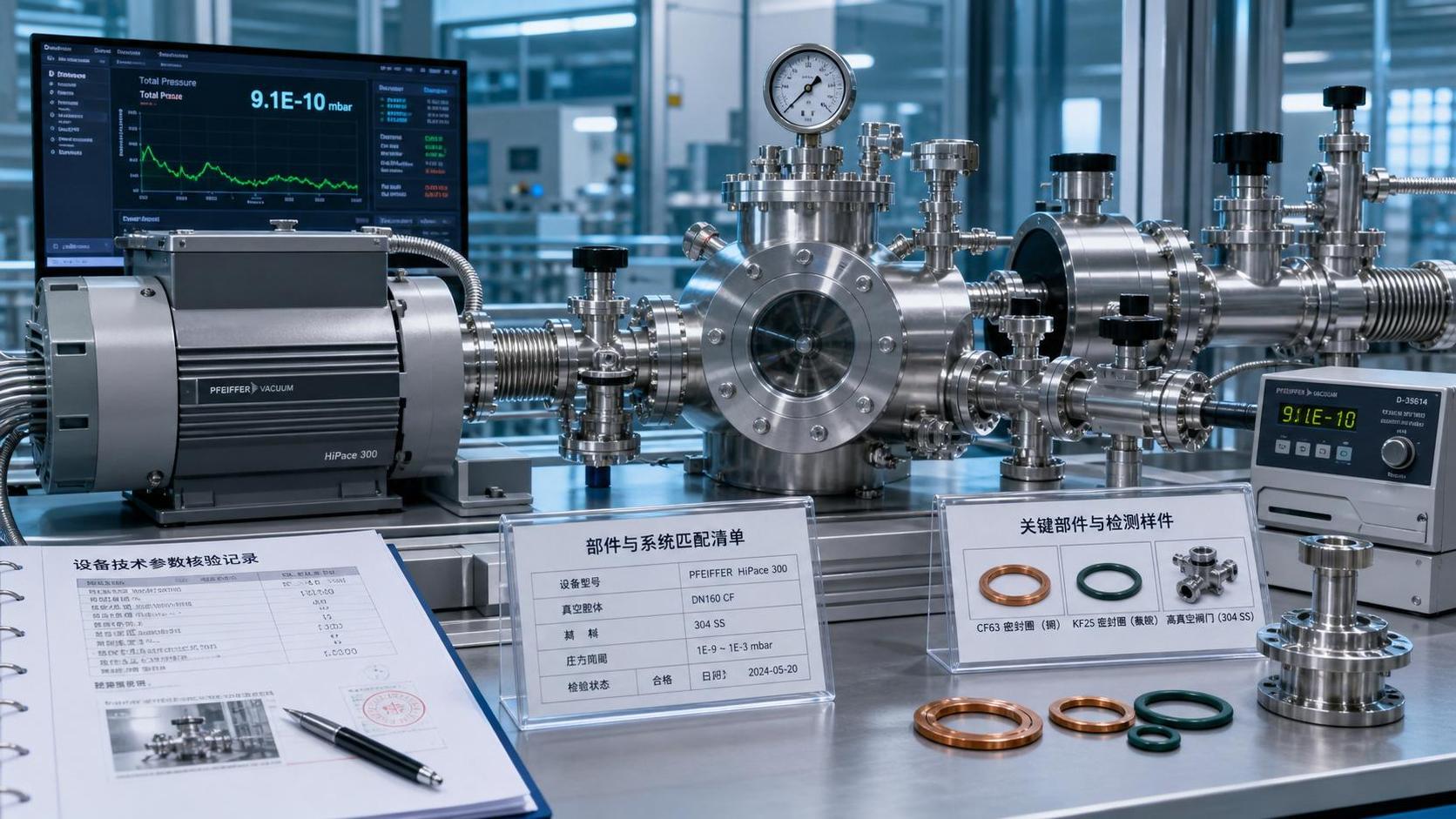
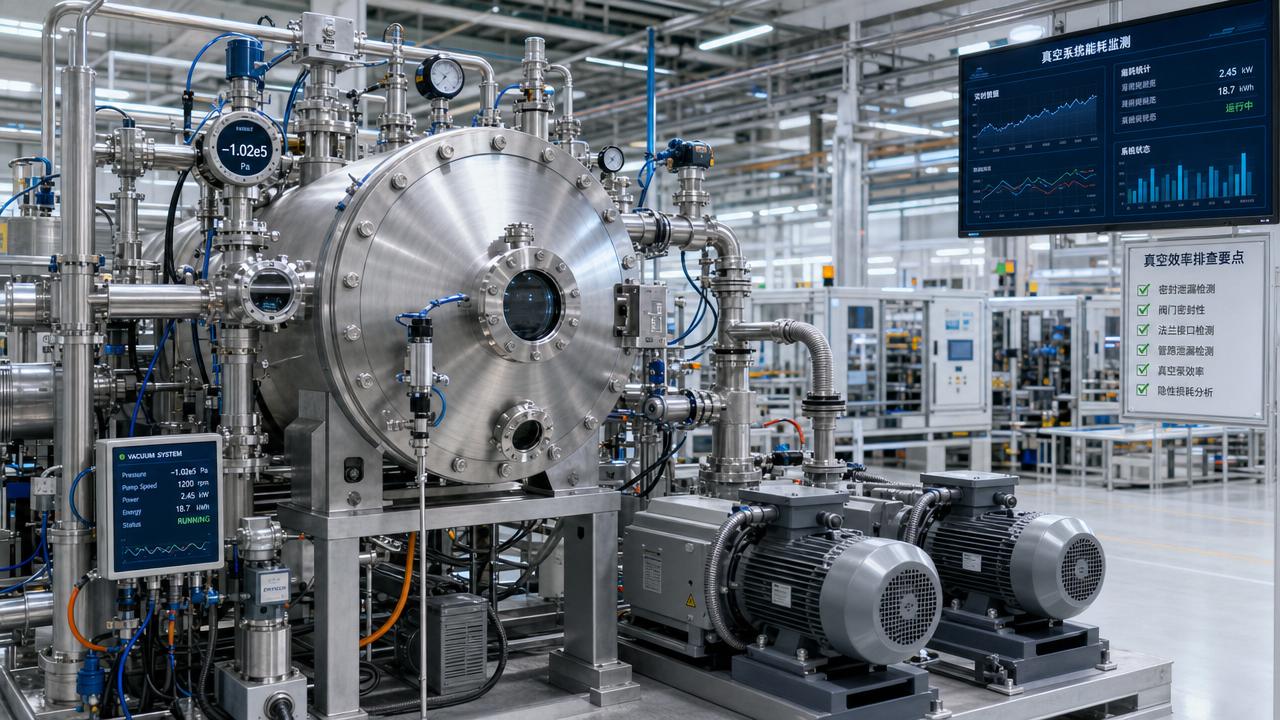
Pressure curves, temperature trends, pump current, valve timing, and residual gas indicators can reveal instability patterns early.
This makes vacuum technology solutions more measurable and easier to optimize over time.
Data-backed diagnostics also improve communication across maintenance, utilities, thermal management, and process engineering functions.
The impact extends across multiple industrial links, from utilities to final process quality
More stable high vacuum affects more than chamber performance. It influences energy planning, maintenance rhythm, scrap exposure, and line utilization.
In thermally sensitive applications, vacuum quality can also change heat transfer behavior, drying speed, and product consistency.
- Utilities benefit from better load predictability and reduced unnecessary runtime.
- Process systems gain tighter cycle repeatability and improved quality control.
- Service planning becomes more proactive when degradation is visible early.
- Environmental performance improves when leakage, oil migration, and wasted energy decline.
That cross-functional value is one reason vacuum technology solutions are increasingly discussed alongside compressed air and thermal efficiency strategies.
The most important focus areas are becoming clearer for future-ready vacuum technology solutions
Several priorities deserve close attention when evaluating future upgrades or new installations.
- Stability over peak claims: assess pressure hold and recovery behavior, not just ultimate vacuum figures.
- Material discipline: confirm seal, chamber, and fixture compatibility with process chemistry and temperature.
- Integrated monitoring: require useful trend data, alarm logic, and service indicators.
- Thermal interaction: examine how cooling, heating, and ambient conditions affect gas load.
- Lifecycle efficiency: compare energy, maintenance, contamination risk, and downtime exposure together.
This broader lens helps distinguish short-term fixes from durable vacuum technology solutions that support operational consistency.
A practical response path starts with diagnosis, then moves to optimization and continuous verification
A structured response can reduce uncertainty and improve decision quality.
- Map the existing pump-down curve and identify where stabilization slows.
- Separate leak, outgassing, thermal, and conductance effects through targeted testing.
- Review component matching across pumps, valves, lines, traps, and controls.
- Introduce monitoring that supports trend comparison, not just threshold alarms.
- Validate changes under realistic duty cycles before scaling wider deployment.
This stepwise method turns vacuum technology solutions into measurable performance programs rather than one-time equipment decisions.
As industrial systems become cleaner, faster, and more data-driven, the value of stable high vacuum will keep rising.
Organizations tracking thermal efficiency, compressed utilities, and process integrity should treat vacuum behavior as a strategic operating signal.
Use current performance data, leak history, thermal conditions, and maintenance records to benchmark where stability is being lost.
From there, prioritize vacuum technology solutions that deliver faster stabilization, cleaner operation, and stronger repeatability across the full system lifecycle.
Ready when you are. Send us a message to get started.
Related News
- How does base pressure affect film purity in vacuum deposition?Author :Vacuum Process Fellow

- How to size vacuum process equipment for the required pump-down timeAuthor :Vacuum Process Fellow

- Which vacuum specification best protects semiconductor process yield?Author :Vacuum Process Fellow

- How Can Contamination Be Prevented in a Semiconductor Vacuum Chamber?Author :Vacuum Process Fellow

- Which Vacuum Pump Specifications Matter Most for Semiconductor Processes?Author :Vacuum Process Fellow

- How to find leaks in vacuum pump systems before pump performance dropsAuthor :Vacuum Process Fellow

- How to size a Roots blower for vacuum process equipmentAuthor :Vacuum Process Fellow

- How vacuum level affects vacuum process efficiencyAuthor :Vacuum Process Fellow

- China Imposes Temporary Helium Export BanAuthor :Vacuum Process Fellow

- Semiconductor Vacuum Systems Factory Checklist for Process Stability and Cleanroom UseAuthor :Vacuum Process Fellow

- Vacuum Process Optimization Services: Signs Your Line Needs a Performance ReviewAuthor :Vacuum Process Fellow

- Vacuum Chambers for Cleanroom Use: Key Design Points That Prevent ContaminationAuthor :Vacuum Process Fellow

- Vacuum Distillation Systems: Key Performance Metrics That Affect Product PurityAuthor :Vacuum Process Fellow

- Vietnam Halts High Vacuum Pump Import Licenses for 30 DaysAuthor :Vacuum Process Fellow

- Vacuum Technology Database: What to Check Before Using Technical DataAuthor :Vacuum Process Fellow

- Dry Pump Vacuum System Design Mistakes That Raise DowntimeAuthor :Vacuum Process Fellow

- When Vacuum Systems Lose Performance: Common Causes and FixesAuthor :Vacuum Process Fellow
![]()
- EU Tightens EN 13445-3 Weld Testing for Vacuum VesselsAuthor :Vacuum Process Fellow
![]()
- EPA Cuts R-1234ze(E) Quota 35%, Tightening Vacuum Cooling SupplyAuthor :Vacuum Process Fellow
 Quota 35%, Tightening Vacuum Cooling Supply")
- ICA Warns of Tight Copper Alloy Supply for Vacuum PumpsAuthor :Vacuum Process Fellow

- Vacuum System Leak Detection: Signs, Tests, and FixesAuthor :Vacuum Process Fellow

- How to Compare Vacuum Systems Factory Capabilities for Stable Process UptimeAuthor :Vacuum Process Fellow

- Vacuum Pump Lead Times Extend to 26 WeeksAuthor :Vacuum Process Fellow

- Semiconductor Vacuum Systems Explained for Stable Process YieldAuthor :Vacuum Process Fellow

- Vacuum Process Efficiency: 7 Hidden Causes of Energy LossAuthor :Vacuum Process Fellow

- Vacuum Technology Solutions for Stable Low-Pressure ProductionAuthor :Vacuum Process Fellow

- Vacuum Processes: Common Efficiency Losses and FixesAuthor :Vacuum Process Fellow

- Common Vacuum Processes Problems and How to Prevent DowntimeAuthor :Vacuum Process Fellow

- Tantalum Spike Extends Vacuum Crucible Lead TimesAuthor :Vacuum Process Fellow

- Vacuum Process Efficiency: 5 Hidden Losses to Check FirstAuthor :Vacuum Process Fellow

- How Heat Transfer Design Impacts Vacuum Process EfficiencyAuthor :Vacuum Process Fellow

- EN 13445-4:2026 Takes Effect for High-Vacuum ComponentsAuthor :Vacuum Process Fellow

- EU Vacuum Components Face New EN 13445-4:2026 Leak Test RuleAuthor :Vacuum Process Fellow

- UBS: Fed Cut View May Ease Vacuum Pump Lead TimesAuthor :Vacuum Process Fellow

- Vacuum Processes: Common Causes of Unstable PerformanceAuthor :Vacuum Process Fellow
![]()
- SiC Certification Signals New Entry Path for Vacuum and Compressor DrivesAuthor :Vacuum Process Fellow
![]()