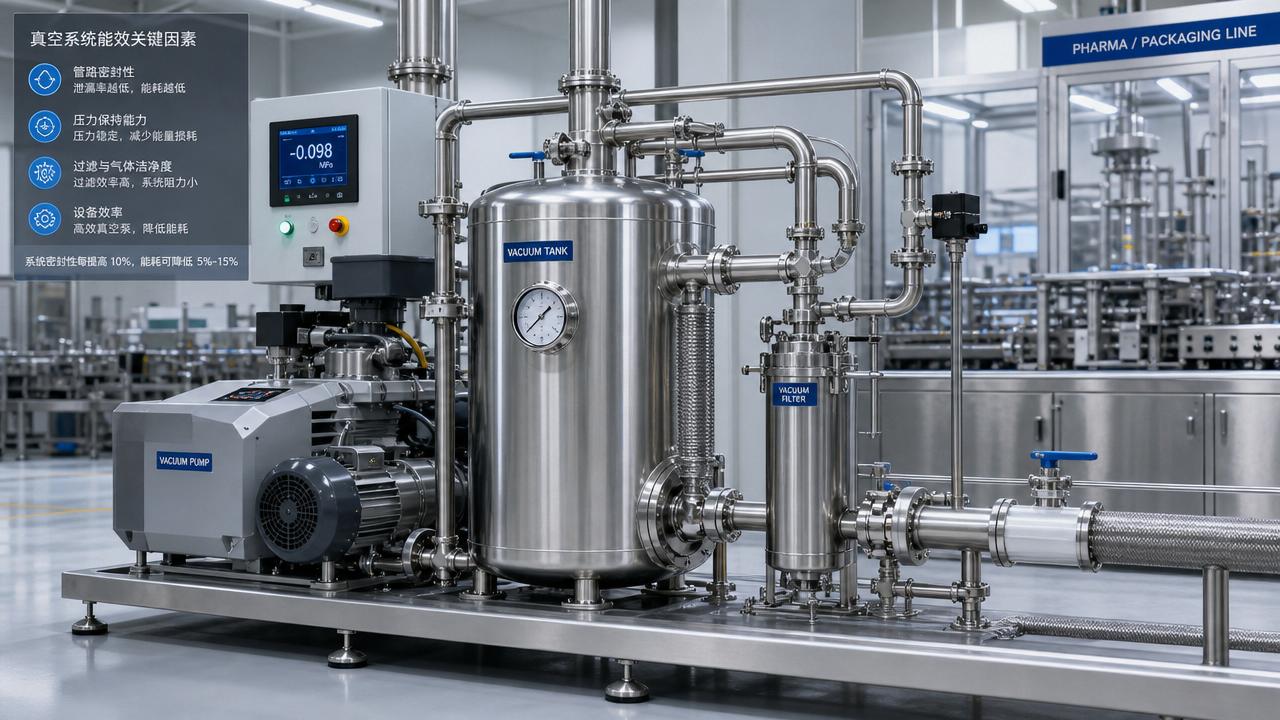




How Vacuum Technology Solutions Improve Process Stability




For technical evaluators, process stability is measured by repeatability, contamination control, and energy efficiency. Vacuum technology solutions play a critical role in maintaining these benchmarks by improving pressure consistency, reducing system variability, and supporting cleaner production environments. This article explores how advanced vacuum systems help industrial operations achieve more reliable performance, lower risk, and stronger long-term process control.
In sectors such as pharmaceuticals, semiconductors, food processing, precision coating, and thermal manufacturing, even a pressure drift of 2%–5% can affect yield, cycle time, or product quality. For organizations tracking industrial cooling, compressed air, vacuum processes, and heat exchange trends, the practical question is not whether vacuum matters, but which vacuum technology solutions create measurable process stability over 12–36 months of operation.
Why Process Stability Depends on Vacuum Performance
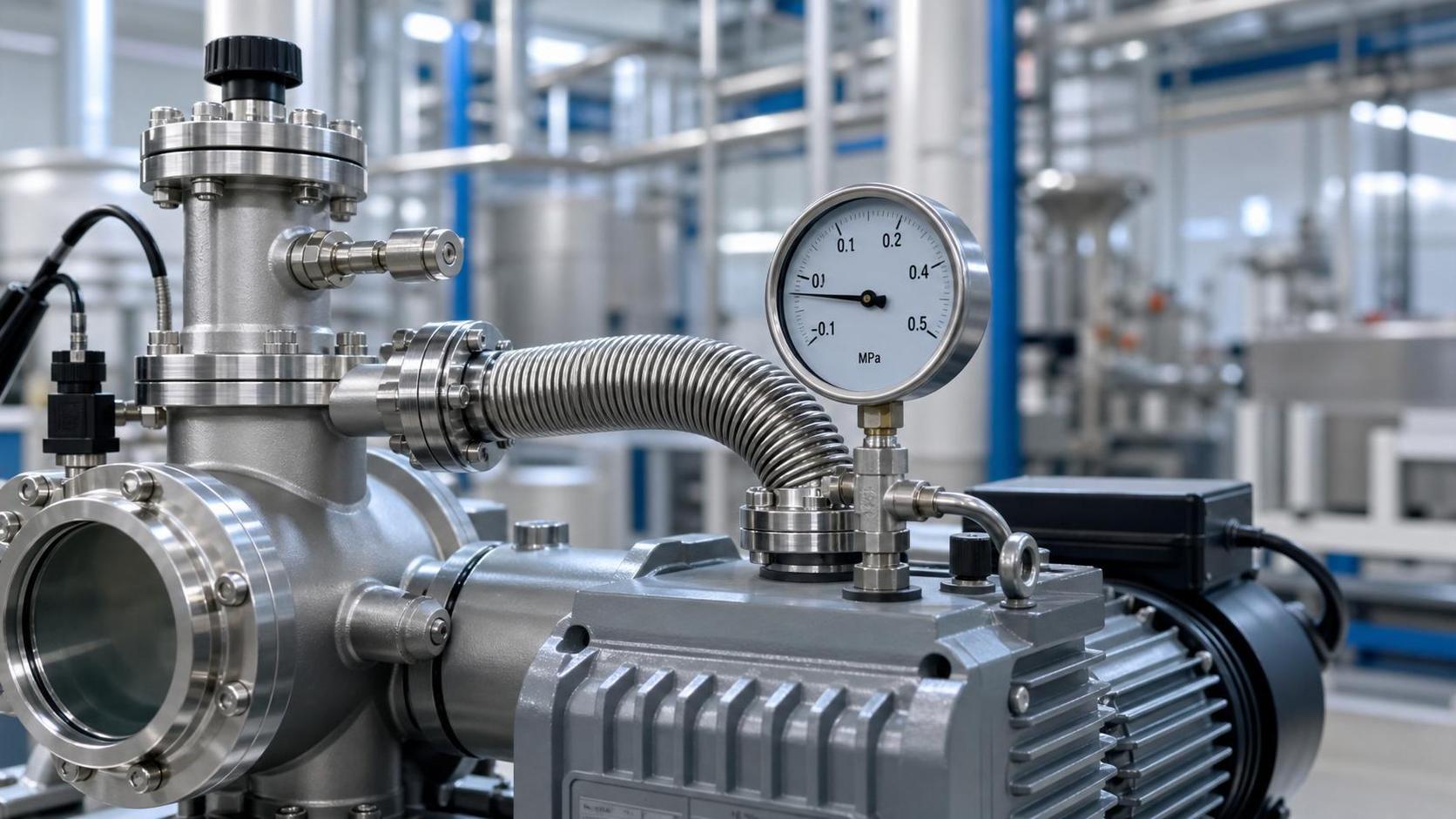
Process stability is closely tied to how well a vacuum system maintains target pressure under changing loads, temperatures, and contamination conditions. In many industrial lines, target vacuum bands are narrow, often within a range such as 50–200 mbar for packaging, 1–10 mbar for drying, or below 0.1 mbar for demanding deposition tasks. When vacuum performance fluctuates outside those windows, repeatability declines and intervention frequency rises.
Three stability mechanisms technical evaluators should review
- Pressure consistency across full and partial load conditions
- Contamination resistance from particulates, condensate, or oil backstreaming
- Thermal control that prevents overheating during long duty cycles of 8–24 hours
Well-matched vacuum technology solutions reduce variation at the source. Stable pumping speed, accurate control valves, and proper filtration can lower batch-to-batch variability, especially in lines that run 2 or 3 shifts per day. In heat-sensitive applications, better vacuum also improves moisture removal and boiling point reduction, which supports tighter temperature management in integrated thermal systems.
Common instability signals
Technical teams often detect poor vacuum stability through slower pull-down time, frequent alarm resets, inconsistent chamber evacuation, or rising energy draw per cycle. A pull-down increase from 45 seconds to 70 seconds may look minor, but over 1,000 cycles per week it can significantly affect throughput planning and maintenance intervals.
The table below highlights how different vacuum issues typically translate into process risk and what evaluators should inspect during assessment.
A key conclusion is that process stability depends on more than peak vacuum level. For most technical evaluators, control accuracy, contamination behavior, and thermal endurance are the three factors that most directly affect long-term operating consistency.
How Vacuum Technology Solutions Improve Reliability in Real Operations
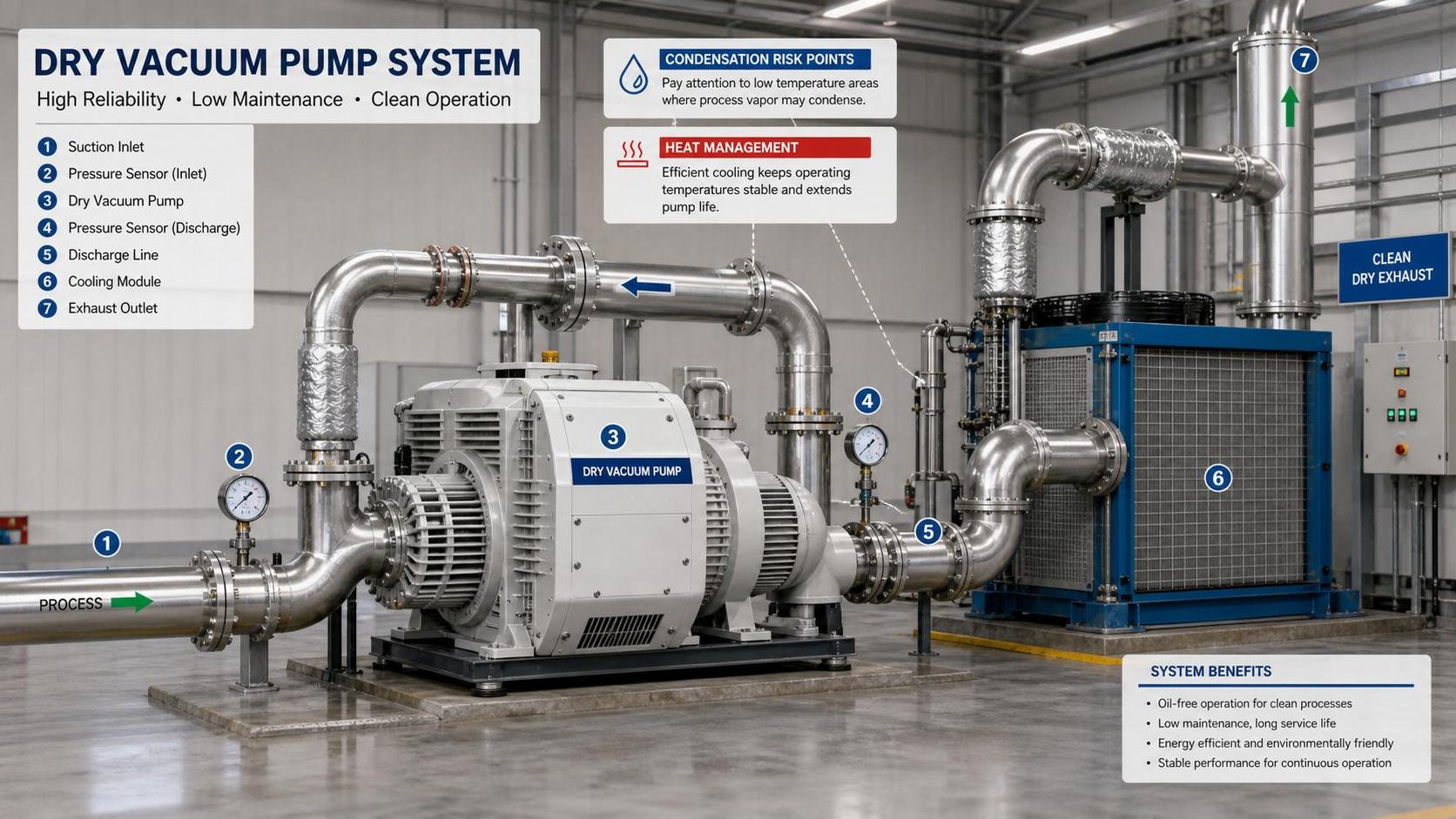
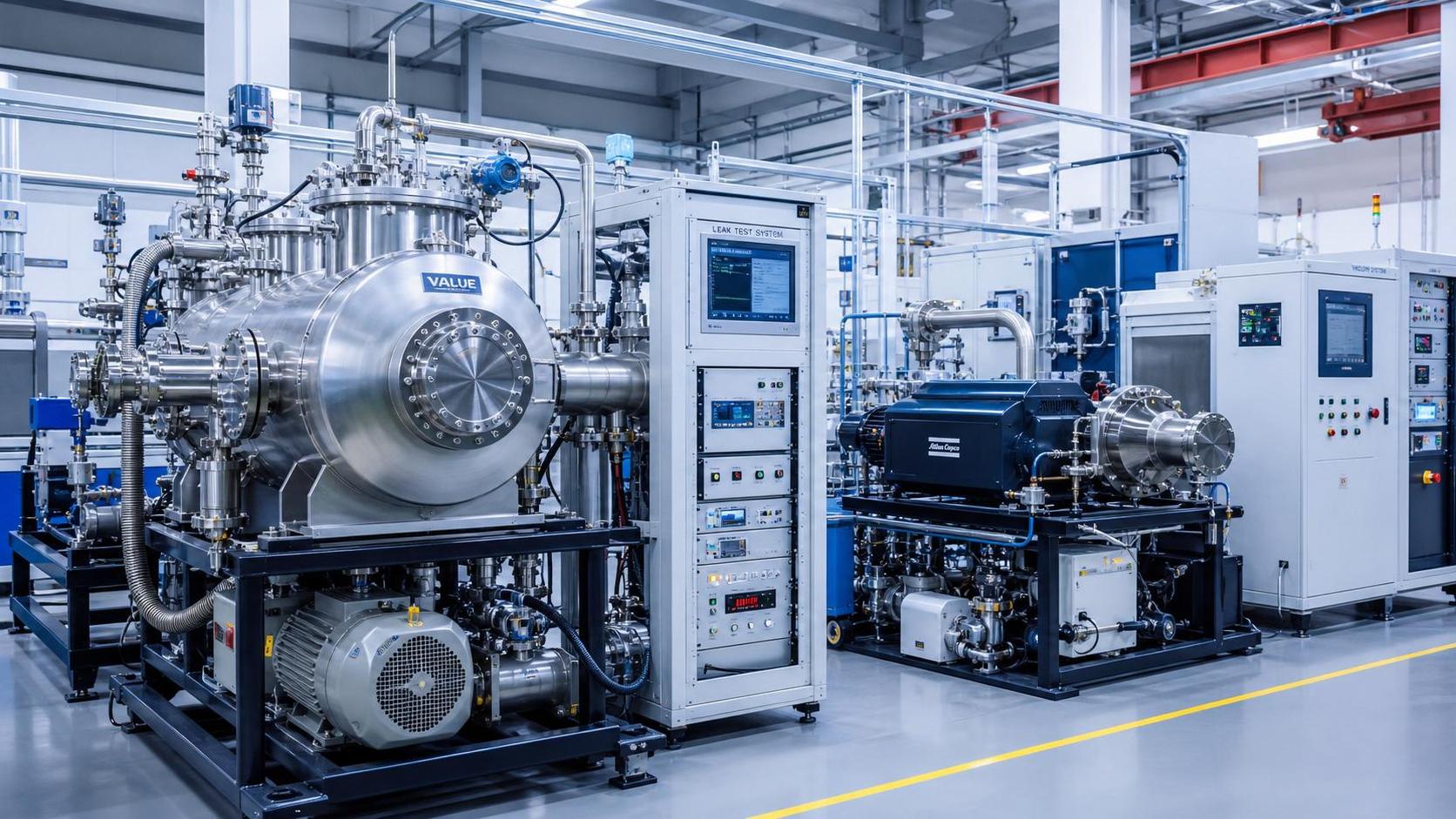
Modern vacuum technology solutions improve reliability by combining pump architecture, sensors, controls, and service strategy into one operating framework. Instead of treating vacuum as a utility in the background, advanced facilities evaluate it as a controllable process variable linked to energy efficiency, uptime, and product conformity.
1. Pressure control and repeatable cycle timing
Variable-speed drives and closed-loop control help systems respond to load changes in real time. In practical terms, this means chamber evacuation can remain within a repeatable timing band, such as ±3% to ±5%, instead of widening over time. For evaluators comparing options, stable timing often matters more than nominal pump capacity shown on a data sheet.
2. Cleaner process conditions
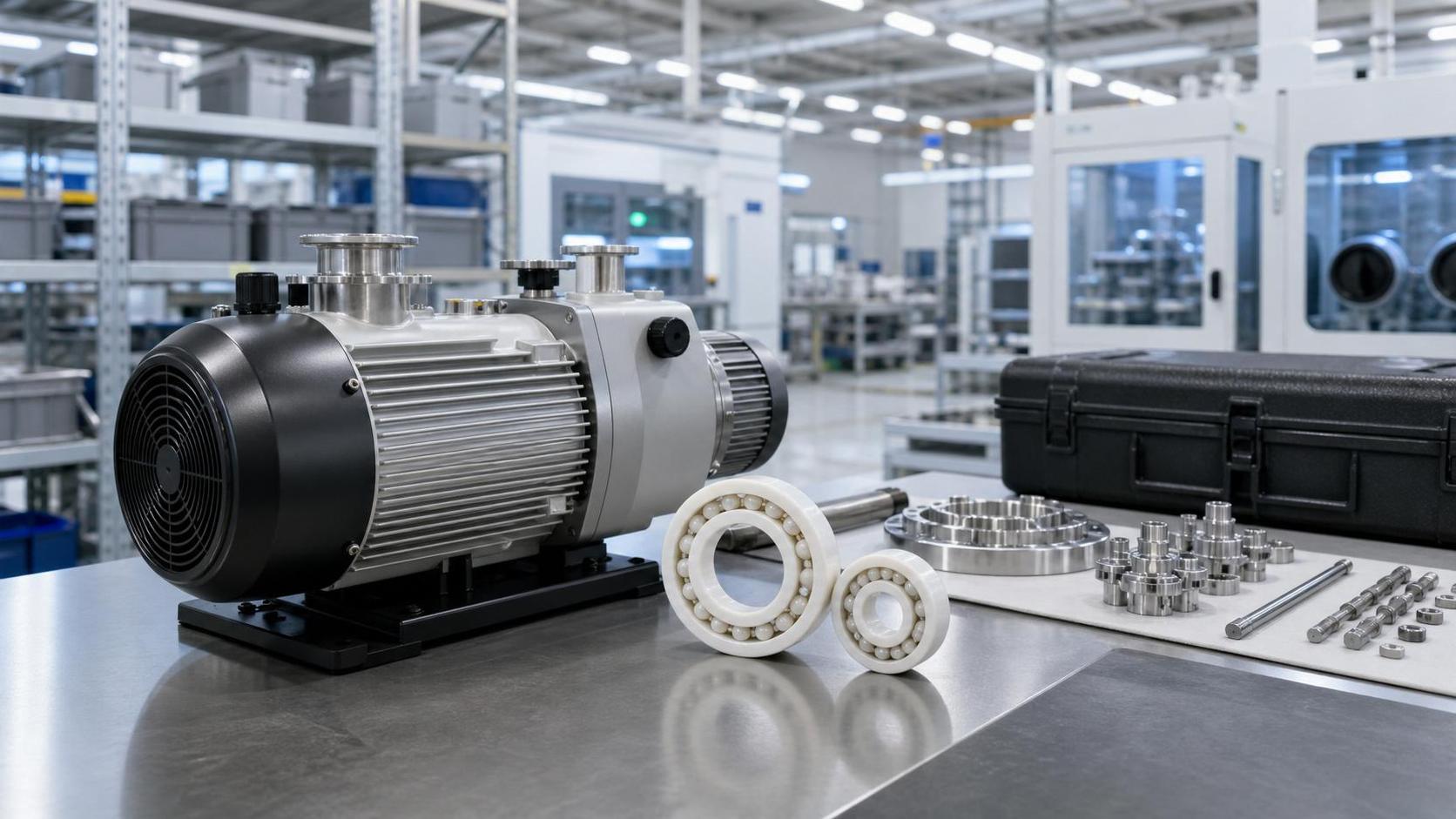
Oil-free or low-contamination configurations are especially relevant where product purity and cleaning validation matter. Semiconductor, pharma, and high-spec food applications often require lower particulate risk and fewer contact points with process media. In these cases, vacuum technology solutions can reduce contamination-related downtime and simplify preventive maintenance schedules from weekly intervention to monthly checks, depending on process load.
3. Better energy matching
Oversized vacuum systems create hidden instability through unnecessary heat and wasted power. A properly matched setup can cut power draw during partial load operation, often the condition present for 40%–70% of actual runtime. This matters in energy-intensive industrial environments where vacuum, compressed air, and thermal utilities must all be optimized together.
Operational gains that evaluators can measure
- Shorter and more repeatable evacuation cycles
- Lower frequency of contamination-related cleaning events
- Reduced maintenance disruptions over each 6–12 month service window
- Improved consistency between pilot runs and full production scale
The following comparison can help technical evaluators align vacuum system design with process stability priorities.
For decision-making, the most valuable takeaway is that advanced configurations are not only about performance ceilings. They are often better at maintaining stable output across everyday variations in temperature, material load, and shift pattern.
Selection Criteria for Technical Evaluators
Choosing among vacuum technology solutions requires a structured review process. For B2B buyers, four assessment categories usually define whether a system will perform reliably after commissioning: process fit, contamination control, energy profile, and serviceability. Skipping any one of these can lead to underperformance within the first 3–9 months.
Process-fit checklist
- Define the required vacuum level and acceptable fluctuation band.
- Map duty cycle: intermittent, continuous, or batch operation.
- Review gas composition, humidity, dust load, and condensable content.
- Confirm integration with cooling, compressed air, and control systems.
- Set maintenance access and service interval expectations.
Common procurement mistakes
A frequent mistake is selecting by pump size alone without checking process media characteristics. Another is ignoring ambient conditions such as 35°C–45°C equipment rooms, where thermal stress can reduce efficiency. Evaluators should also request evidence of performance at partial load, because catalog values often reflect ideal rather than routine operating conditions.
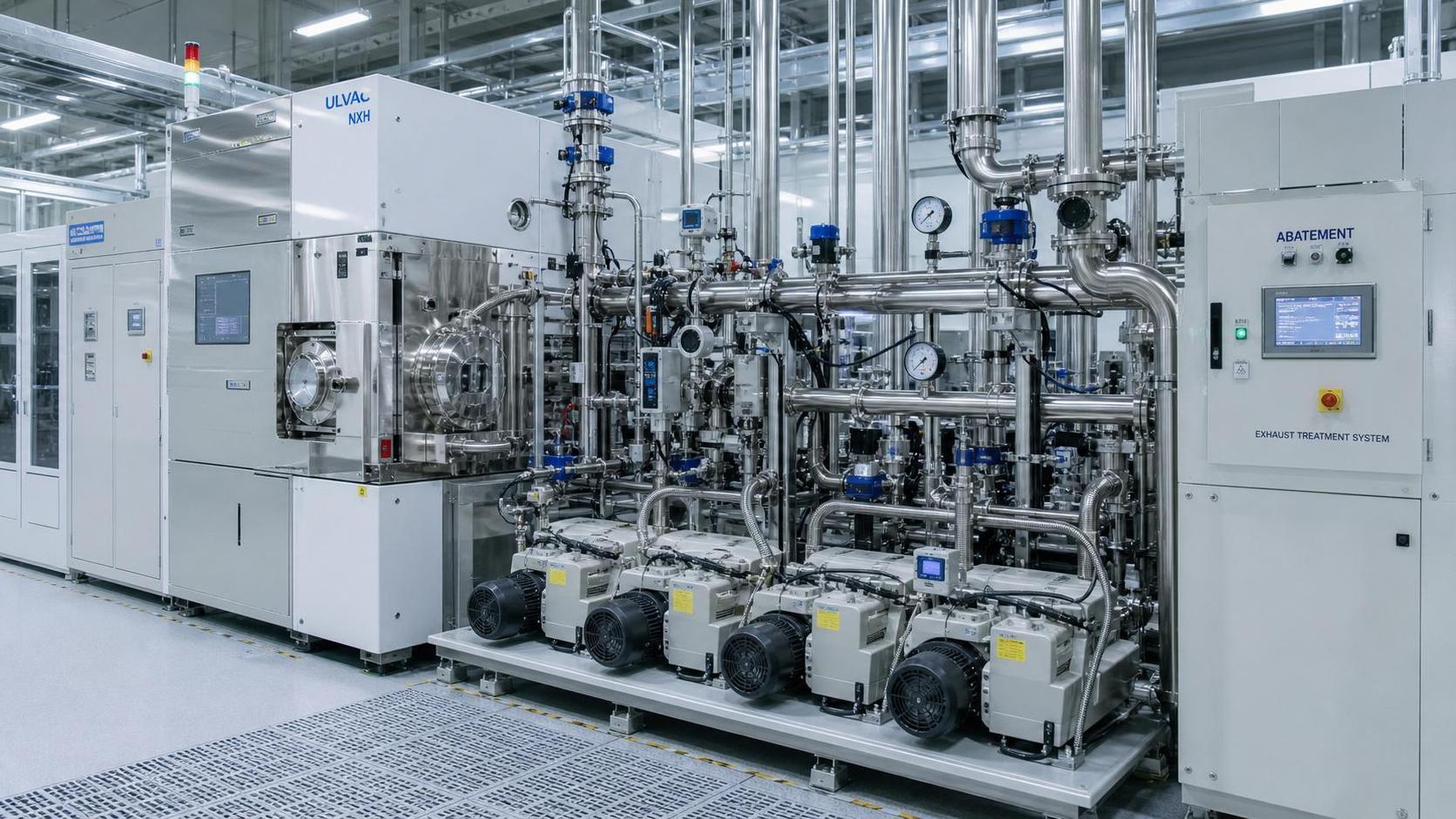
For organizations using intelligence platforms such as GTC-Matrix to compare industrial utility trends, the strongest procurement decisions usually connect vacuum selection with broader thermal and compression strategy. That means evaluating vacuum not as an isolated machine, but as part of a plant-wide energy conversion and process-control architecture.
Implementation and maintenance guidance
After selection, stable results depend on disciplined implementation. A practical rollout often includes 3 stages: baseline measurement, commissioning validation, and ongoing condition review. Technical teams should track pressure stability, cycle time, motor load, filter condition, and operating temperature at fixed intervals such as weekly during the first month and monthly thereafter.
Vacuum technology solutions deliver the most value when they are monitored with clear acceptance criteria and realistic service planning. For technical evaluators seeking stronger process control, the priority is a system that stays stable under real plant conditions, not only under ideal test conditions. To explore application-specific options, compare operating scenarios, or discuss cleaner and more energy-efficient vacuum integration, contact us today to get a tailored solution and learn more about practical industrial vacuum strategies.
Related News
- How to find leaks in vacuum pump systems before pump performance dropsAuthor :Vacuum Process Fellow

- How to size a Roots blower for vacuum process equipmentAuthor :Vacuum Process Fellow

- How vacuum level affects vacuum process efficiencyAuthor :Vacuum Process Fellow

- China Imposes Temporary Helium Export BanAuthor :Vacuum Process Fellow

- Semiconductor Vacuum Systems Factory Checklist for Process Stability and Cleanroom UseAuthor :Vacuum Process Fellow

- Vacuum Process Optimization Services: Signs Your Line Needs a Performance ReviewAuthor :Vacuum Process Fellow

- Vacuum Chambers for Cleanroom Use: Key Design Points That Prevent ContaminationAuthor :Vacuum Process Fellow

- Vacuum Distillation Systems: Key Performance Metrics That Affect Product PurityAuthor :Vacuum Process Fellow

- Vietnam Halts High Vacuum Pump Import Licenses for 30 DaysAuthor :Vacuum Process Fellow

- Vacuum Technology Database: What to Check Before Using Technical DataAuthor :Vacuum Process Fellow

- Dry Pump Vacuum System Design Mistakes That Raise DowntimeAuthor :Vacuum Process Fellow

- When Vacuum Systems Lose Performance: Common Causes and FixesAuthor :Vacuum Process Fellow
![]()
- EU Tightens EN 13445-3 Weld Testing for Vacuum VesselsAuthor :Vacuum Process Fellow
![]()
- EPA Cuts R-1234ze(E) Quota 35%, Tightening Vacuum Cooling SupplyAuthor :Vacuum Process Fellow
 Quota 35%, Tightening Vacuum Cooling Supply")
- ICA Warns of Tight Copper Alloy Supply for Vacuum PumpsAuthor :Vacuum Process Fellow

- Vacuum System Leak Detection: Signs, Tests, and FixesAuthor :Vacuum Process Fellow

- How to Compare Vacuum Systems Factory Capabilities for Stable Process UptimeAuthor :Vacuum Process Fellow

- Vacuum Pump Lead Times Extend to 26 WeeksAuthor :Vacuum Process Fellow

- Semiconductor Vacuum Systems Explained for Stable Process YieldAuthor :Vacuum Process Fellow

- Vacuum Process Efficiency: 7 Hidden Causes of Energy LossAuthor :Vacuum Process Fellow

- Vacuum Technology Solutions for Stable Low-Pressure ProductionAuthor :Vacuum Process Fellow

- Vacuum Processes: Common Efficiency Losses and FixesAuthor :Vacuum Process Fellow

- Common Vacuum Processes Problems and How to Prevent DowntimeAuthor :Vacuum Process Fellow

- Tantalum Spike Extends Vacuum Crucible Lead TimesAuthor :Vacuum Process Fellow

- Vacuum Process Efficiency: 5 Hidden Losses to Check FirstAuthor :Vacuum Process Fellow

- How Heat Transfer Design Impacts Vacuum Process EfficiencyAuthor :Vacuum Process Fellow

- EN 13445-4:2026 Takes Effect for High-Vacuum ComponentsAuthor :Vacuum Process Fellow

- EU Vacuum Components Face New EN 13445-4:2026 Leak Test RuleAuthor :Vacuum Process Fellow

- UBS: Fed Cut View May Ease Vacuum Pump Lead TimesAuthor :Vacuum Process Fellow

- Vacuum Processes: Common Causes of Unstable PerformanceAuthor :Vacuum Process Fellow
![]()
- SiC Certification Signals New Entry Path for Vacuum and Compressor DrivesAuthor :Vacuum Process Fellow
![]()
- How to Choose the Right Vacuum System for Process StabilityAuthor :Vacuum Process Fellow

- Vacuum Technology Selection: What Matters Most for Stable Process PerformanceAuthor :Vacuum Process Fellow

- Vacuum Processes: How to Reduce Contamination and Improve Cycle ConsistencyAuthor :Vacuum Process Fellow

- ITC 337 Probe Puts TOPCon Supply Chain Under ReviewAuthor :Vacuum Process Fellow

- Vacuum Process Efficiency: Where Energy Loss Really StartsAuthor :Vacuum Process Fellow