SMIC, Hua Hong Launch Intl. Electronic Materials Supply Chain Center




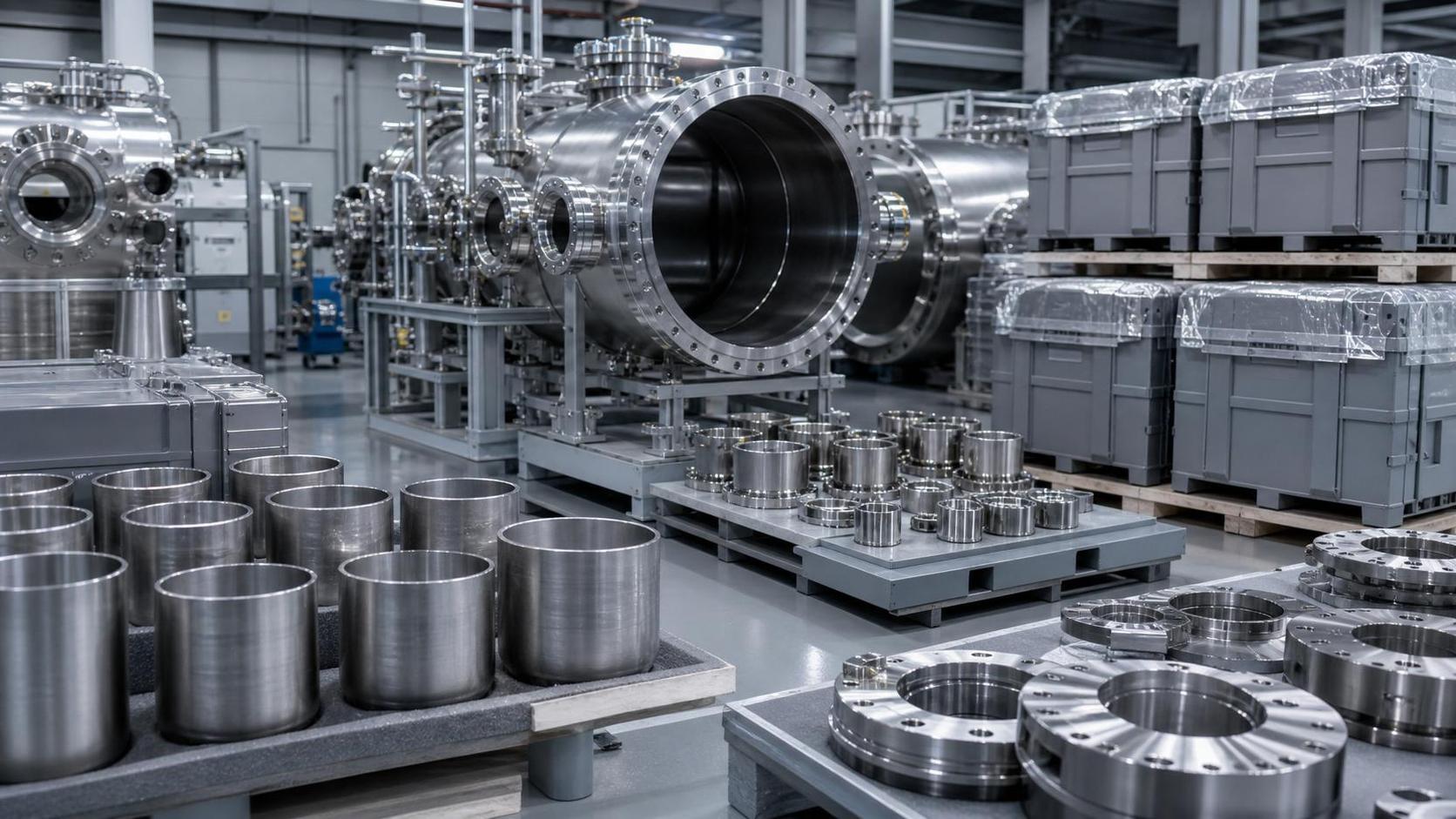
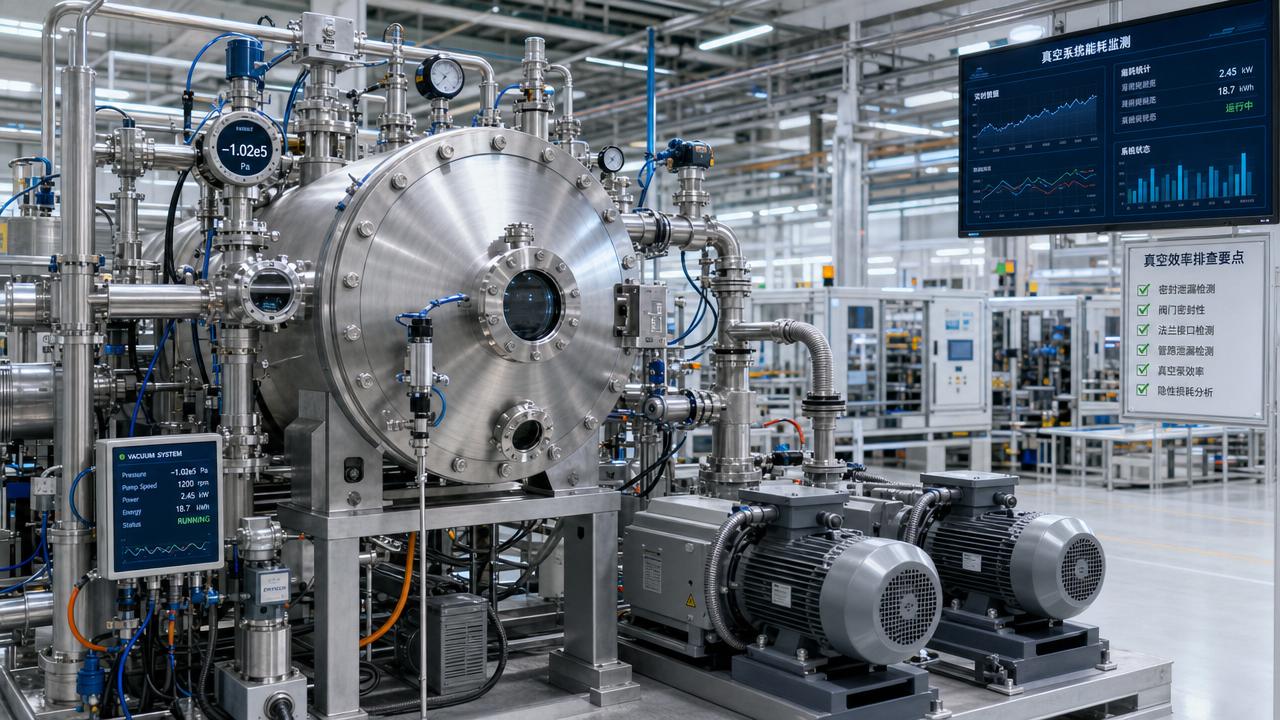
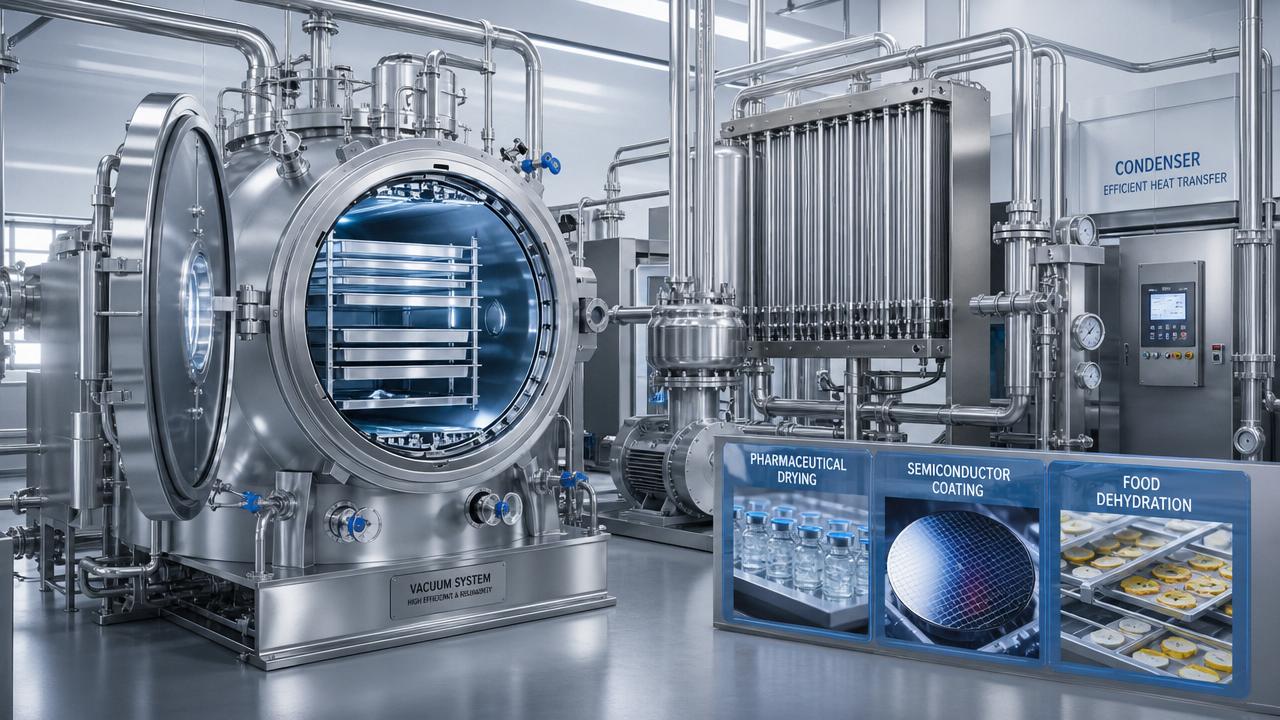
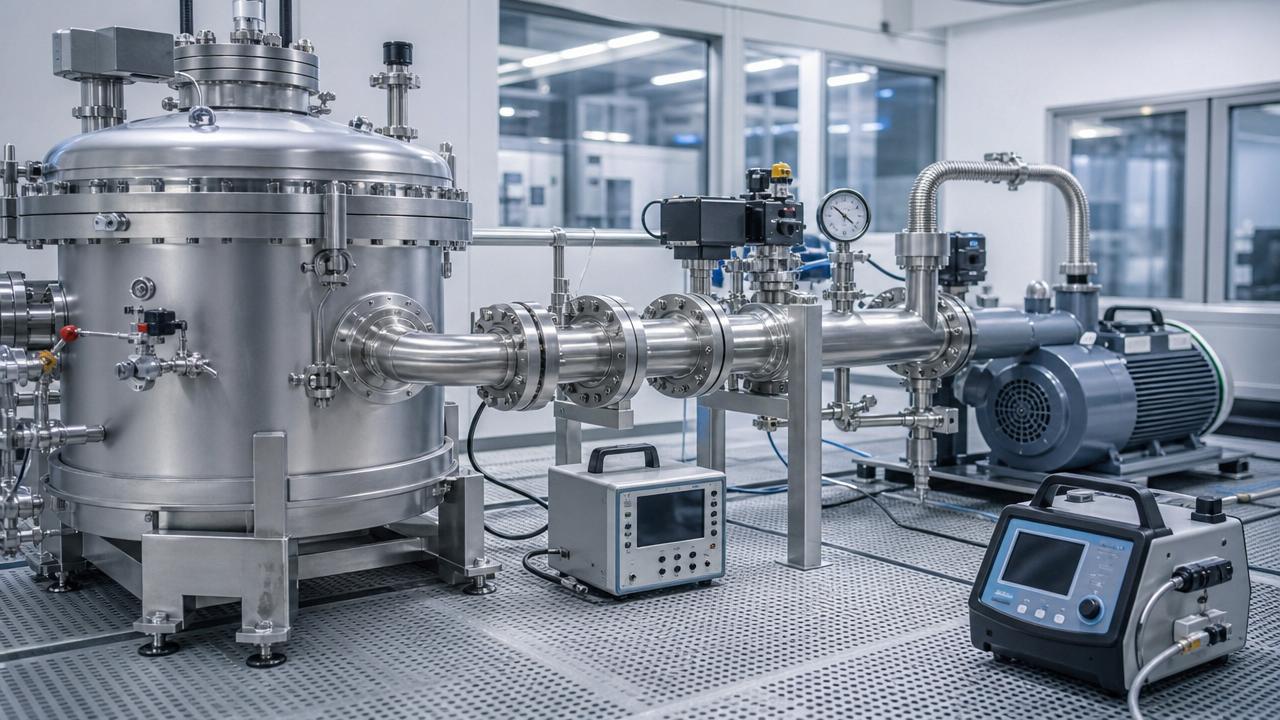
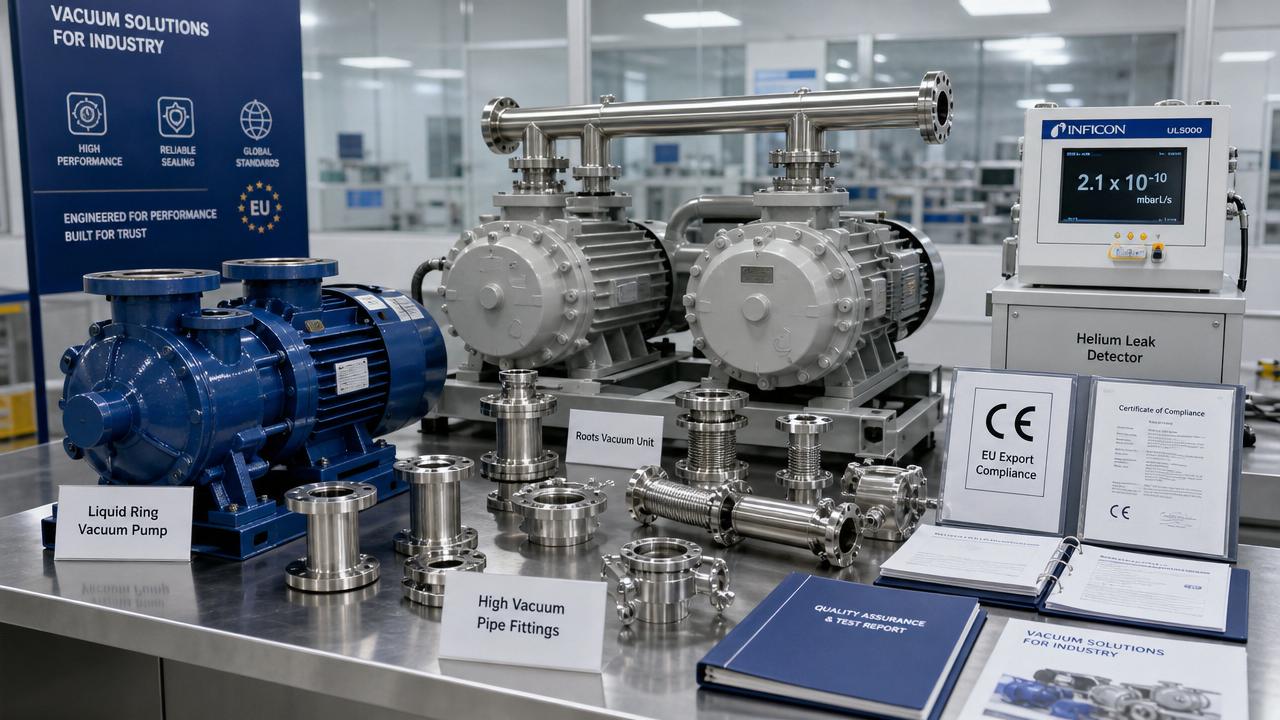
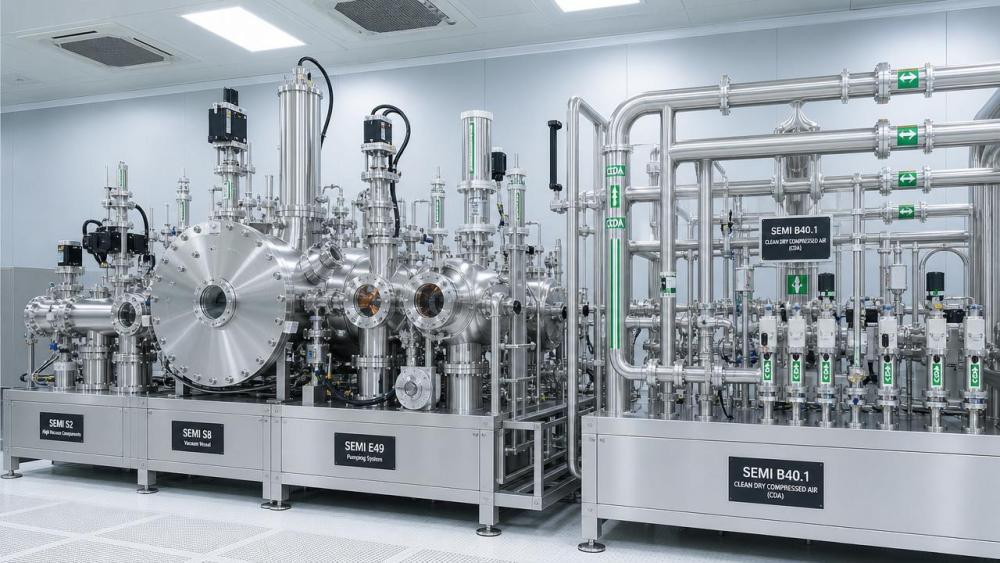
On May 20, 2026, SMIC, Hua Hong Group, and other leading Chinese semiconductor manufacturers jointly established the Shanghai International Electronic Materials Supply Chain Center — a RMB 200 million registered entity focused on electronic specialty materials and high-end process equipment. This development signals meaningful progress for global suppliers of High Vacuum chambers and Oil-free compressed air systems targeting semiconductor cleanroom applications, particularly in SEMI standard alignment, cleanroom class validation, and localized technical support for export markets.
Event Overview
The Shanghai International Electronic Materials Supply Chain Center was officially registered on May 20, 2026. Its founding members include Semiconductor Manufacturing International Corporation (SMIC) and Hua Hong Group. The center has a registered capital of RMB 200 million and is dedicated to strengthening the supply chain for electronic specialty materials and advanced process equipment used in semiconductor fabrication.
Industries Affected by This Development
Equipment Exporters (High Vacuum & Oil-free Systems Manufacturers)
Manufacturers of High Vacuum chamber systems and Oil-free clean compressed air systems are directly affected because the center’s coordinated certification framework targets shortened validation timelines for overseas wafer fabs. Impact manifests in faster access to international qualification pathways — especially around SEMI standards compliance and ISO Class-certified cleanroom integration testing.
Material Suppliers (Electronic Specialty Chemicals & Gases)
Suppliers of high-purity electronic-grade chemicals, gases, and substrates may experience upstream demand shifts as the center prioritizes material compatibility with vacuum and contamination-sensitive toolsets. Impact includes increased scrutiny on trace metal content, outgassing profiles, and packaging integrity under vacuum-compatible conditions.
Local Technical Support & Certification Service Providers
Firms offering on-site commissioning, cleanroom validation, or SEMI-compliance consulting in China face new collaboration opportunities — but also heightened expectations for cross-border technical documentation and bilingual reporting. Impact centers on service scalability and alignment with internationally recognized test protocols (e.g., SEMI F57, F21).
International Wafer Fab Procurement Teams
Procurement and engineering teams at overseas foundries evaluating Chinese-made process equipment will encounter more structured local support for verification — including pre-validated subsystem interfaces and shared test reports. Impact appears first in reduced time-to-evaluation, not necessarily in accelerated final adoption.
What Relevant Enterprises or Practitioners Should Focus On Now
Monitor official updates on certification scope and pilot participation criteria
The center’s initial operational focus — such as which SEMI standards (e.g., SEMI F57 for vacuum components, SEMI F21 for particle emission) will be prioritized — remains unconfirmed. Stakeholders should track announcements from the center or its founding members before adjusting internal qualification roadmaps.
Assess current product documentation against SEMI-aligned reporting templates
Export-ready High Vacuum and Oil-free system vendors should review existing test reports, material declarations, and cleanroom compatibility data to identify gaps relative to common SEMI Annex requirements. Early alignment reduces rework during formal certification engagement.
Distinguish between infrastructure readiness and actual market access
While the center accelerates verification logistics, it does not guarantee procurement preference or replace end-customer qualification. Companies should treat this as an efficiency enabler — not a de facto approval mechanism — and maintain direct engagement with target fab engineering teams.
Prepare for localized technical coordination in early-stage evaluations
Vendors planning to engage with the center should designate bilingual technical staff familiar with both Chinese regulatory context and international fab validation workflows. This helps avoid delays during joint testing or on-site audits.
Editorial Perspective / Industry Observation
Observably, this initiative reflects a structural shift: rather than individual companies pursuing fragmented export certifications, major Chinese foundries are co-investing in shared infrastructure to reduce systemic friction in global equipment adoption. Analysis shows the center functions less as an immediate sales channel and more as a coordination layer — standardizing how verification evidence is generated, documented, and transferred across borders. From an industry perspective, it is best understood not as a policy mandate or subsidy program, but as a response to persistent bottlenecks in technical trust-building between Chinese equipment makers and international fabs. Current relevance lies in its potential to compress the front-end evaluation phase — not eliminate the need for rigorous end-customer validation.
Conclusion
This development marks a step toward institutionalized support for Chinese semiconductor equipment exports — specifically for vacuum-integrated and contamination-controlled systems. Its significance lies in formalizing coordination among key domestic stakeholders, not in delivering instant market access. For now, it is more accurately interpreted as an enabler of verification efficiency than as a determinant of commercial success. Enterprises should prioritize alignment with its emerging frameworks while maintaining independent qualification strategies aligned with target customers’ internal requirements.
Source Attribution
Main source: Official registration announcement of the Shanghai International Electronic Materials Supply Chain Center, dated May 20, 2026. Further details regarding certification scope, participating vendors, and operational timeline remain pending public disclosure and are subject to ongoing observation.
Ready when you are. Send us a message to get started.
Related News
- How does base pressure affect film purity in vacuum deposition?Author :Vacuum Process Fellow

- How to size vacuum process equipment for the required pump-down timeAuthor :Vacuum Process Fellow

- Which vacuum specification best protects semiconductor process yield?Author :Vacuum Process Fellow

- How Can Contamination Be Prevented in a Semiconductor Vacuum Chamber?Author :Vacuum Process Fellow

- Which Vacuum Pump Specifications Matter Most for Semiconductor Processes?Author :Vacuum Process Fellow

- How to find leaks in vacuum pump systems before pump performance dropsAuthor :Vacuum Process Fellow

- How to size a Roots blower for vacuum process equipmentAuthor :Vacuum Process Fellow

- How vacuum level affects vacuum process efficiencyAuthor :Vacuum Process Fellow

- China Imposes Temporary Helium Export BanAuthor :Vacuum Process Fellow

- Semiconductor Vacuum Systems Factory Checklist for Process Stability and Cleanroom UseAuthor :Vacuum Process Fellow

- Vacuum Process Optimization Services: Signs Your Line Needs a Performance ReviewAuthor :Vacuum Process Fellow

- Vacuum Chambers for Cleanroom Use: Key Design Points That Prevent ContaminationAuthor :Vacuum Process Fellow

- Vacuum Distillation Systems: Key Performance Metrics That Affect Product PurityAuthor :Vacuum Process Fellow

- Vietnam Halts High Vacuum Pump Import Licenses for 30 DaysAuthor :Vacuum Process Fellow

- Vacuum Technology Database: What to Check Before Using Technical DataAuthor :Vacuum Process Fellow

- Dry Pump Vacuum System Design Mistakes That Raise DowntimeAuthor :Vacuum Process Fellow

- When Vacuum Systems Lose Performance: Common Causes and FixesAuthor :Vacuum Process Fellow
![]()
- EU Tightens EN 13445-3 Weld Testing for Vacuum VesselsAuthor :Vacuum Process Fellow
![]()
- EPA Cuts R-1234ze(E) Quota 35%, Tightening Vacuum Cooling SupplyAuthor :Vacuum Process Fellow
 Quota 35%, Tightening Vacuum Cooling Supply")
- ICA Warns of Tight Copper Alloy Supply for Vacuum PumpsAuthor :Vacuum Process Fellow

- Vacuum System Leak Detection: Signs, Tests, and FixesAuthor :Vacuum Process Fellow

- How to Compare Vacuum Systems Factory Capabilities for Stable Process UptimeAuthor :Vacuum Process Fellow

- Vacuum Pump Lead Times Extend to 26 WeeksAuthor :Vacuum Process Fellow

- Semiconductor Vacuum Systems Explained for Stable Process YieldAuthor :Vacuum Process Fellow

- Vacuum Process Efficiency: 7 Hidden Causes of Energy LossAuthor :Vacuum Process Fellow

- Vacuum Technology Solutions for Stable Low-Pressure ProductionAuthor :Vacuum Process Fellow

- Vacuum Processes: Common Efficiency Losses and FixesAuthor :Vacuum Process Fellow

- Common Vacuum Processes Problems and How to Prevent DowntimeAuthor :Vacuum Process Fellow

- Tantalum Spike Extends Vacuum Crucible Lead TimesAuthor :Vacuum Process Fellow

- Vacuum Process Efficiency: 5 Hidden Losses to Check FirstAuthor :Vacuum Process Fellow

- How Heat Transfer Design Impacts Vacuum Process EfficiencyAuthor :Vacuum Process Fellow

- EN 13445-4:2026 Takes Effect for High-Vacuum ComponentsAuthor :Vacuum Process Fellow

- EU Vacuum Components Face New EN 13445-4:2026 Leak Test RuleAuthor :Vacuum Process Fellow

- UBS: Fed Cut View May Ease Vacuum Pump Lead TimesAuthor :Vacuum Process Fellow

- Vacuum Processes: Common Causes of Unstable PerformanceAuthor :Vacuum Process Fellow
![]()
- SiC Certification Signals New Entry Path for Vacuum and Compressor DrivesAuthor :Vacuum Process Fellow
![]()