Three Ministries Issue AI Agent Guidelines; Screw Compressors' Remote Diagnostics Gain Export Edge




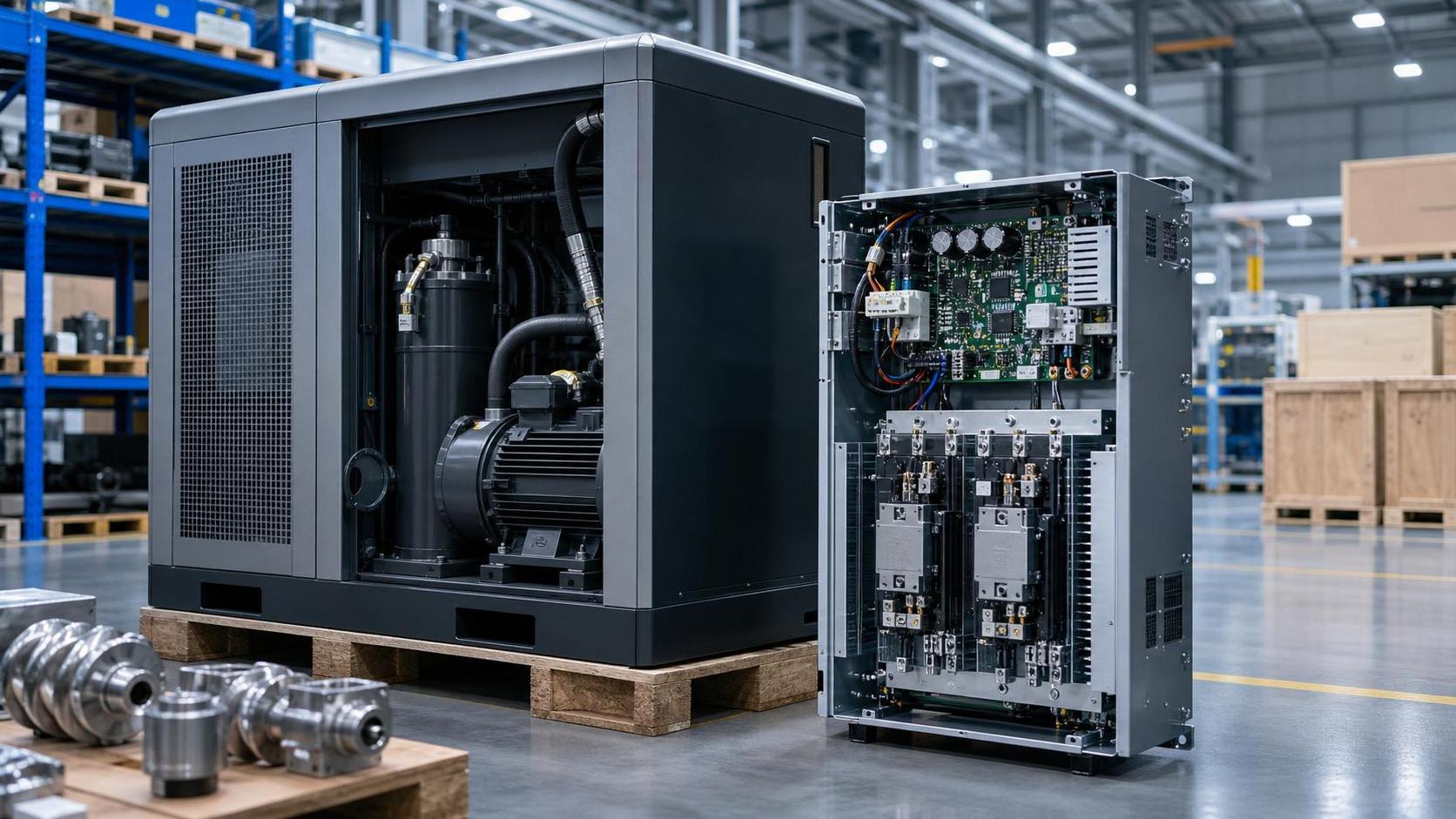
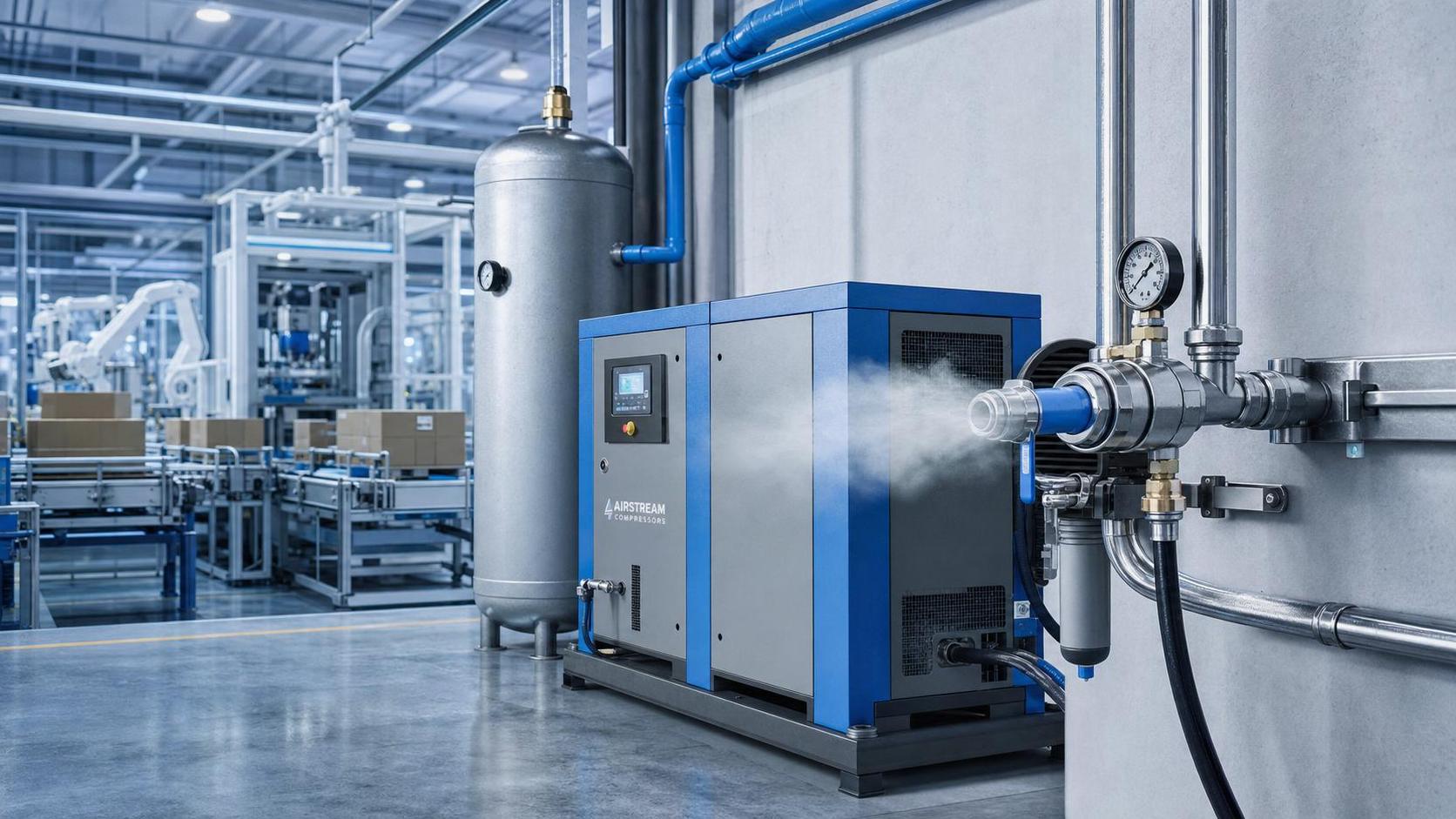
On May 22, 2026, the Cyberspace Administration of China, the National Development and Reform Commission, and the Ministry of Industry and Information Technology jointly released the Implementation Opinions on Standardized Application and Innovative Development of AI Agents. The policy mandates that industrial equipment integrating AI agents must pass a security and controllability certification. This development is directly shaping procurement criteria for screw compressors in global OEM markets—and prompting manufacturers to embed edge-AI modules for multi-sensor fusion analysis and 72-hour fault prediction. Industrial automation integrators, compressor OEMs, and export-focused machinery suppliers should closely monitor implications for compliance, interoperability, and supply chain readiness.
Event Overview
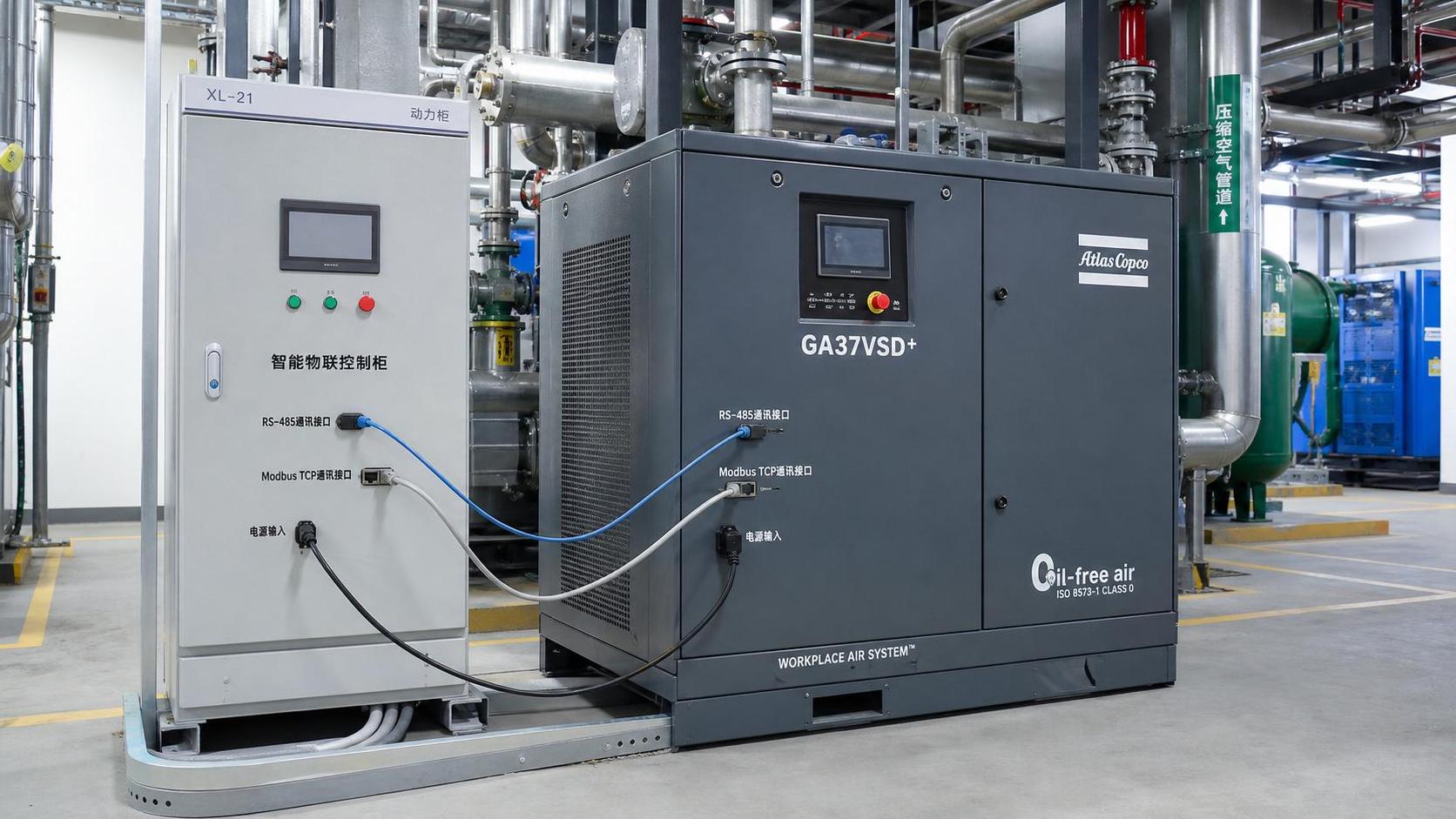
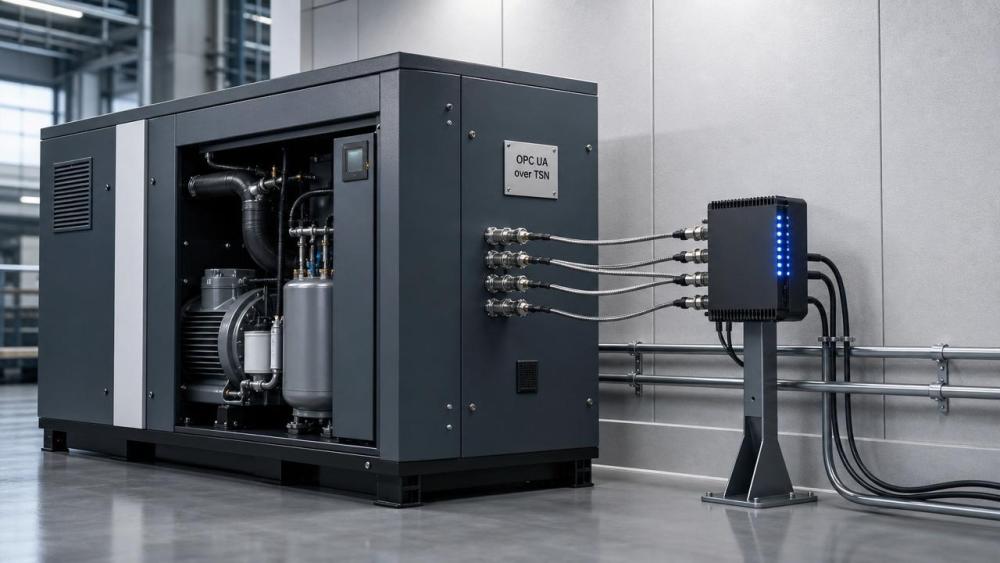
On May 22, 2026, the Cyberspace Administration of China, the National Development and Reform Commission, and the Ministry of Industry and Information Technology issued the Implementation Opinions on Standardized Application and Innovative Development of AI Agents. The document stipulates that industrial equipment incorporating AI agents must undergo official security and controllability certification. It further drives Chinese screw compressor manufacturers to deploy edge-AI modules enabling integrated analysis of vibration, temperature, and pressure data—with capability to issue fault warnings up to 72 hours in advance. As confirmed in publicly available procurement notices, overseas OEM customers have added ‘built-in AI agent interface protocol (OPC UA over TSN)’ as a mandatory requirement for tenders scheduled in the second half of 2026.
Which Subsectors Are Affected
Export-Oriented Screw Compressor Manufacturers
These firms face direct technical and compliance pressure: their products must now support certified AI agent integration—including hardware-level edge processing, secure data routing, and standardized OPC UA over TSN interfaces. Impact manifests in R&D timelines, third-party certification costs, and lead-time extensions for new model launches targeting EU, ASEAN, and Latin American OEM contracts.
Industrial Automation System Integrators
Integrators delivering turnkey compressed air systems for automotive, pharmaceutical, or food & beverage plants must verify compatibility between legacy compressor fleets and newly mandated AI agent frameworks. Impact includes revised commissioning protocols, updated documentation requirements (e.g., agent authentication logs), and potential retrofitting scope for older installations.
OEM Equipment Procurement Teams (Overseas)
Global OEM procurement departments are updating tender specifications to require OPC UA over TSN–compliant AI agent interfaces—making it a hard gate for bid eligibility. Impact appears in extended vendor evaluation cycles, increased emphasis on interoperability test reports, and tighter alignment needed with local cybersecurity standards (e.g., IEC 62443).
What Relevant Enterprises or Practitioners Should Focus On Now
Track official certification roadmap and pilot program announcements
Analysis shows the security and controllability certification framework remains under implementation—no finalized testing labs or timeline for full rollout have been published. Enterprises should monitor updates from the China Academy of Information and Communications Technology (CAICT) and provincial MIIT offices for pilot regions and early-adopter categories.
Validate interface compliance against OPC UA over TSN v1.04+ and IEC 62541 Annex H
Observably, ‘OPC UA over TSN’ in the policy refers specifically to implementations conforming to the latest IEC 62541 Annex H profile—not generic OPC UA. Export teams should prioritize verification with TSN-capable network stacks (e.g., Intel TSN-enabled NICs or Siemens SCALANCE X-300 switches) and confirm time-synchronized data publishing intervals (
Distinguish between policy signal and near-term commercial impact
From industry perspective, the mandate applies first to new equipment supplied to state-influenced projects (e.g., national key laboratories, smart park infrastructure). Broader private-sector OEM adoption will likely lag by 6–12 months. Firms should avoid blanket redesigns but instead prepare modular edge-AI add-on kits for high-priority export SKUs.
Prepare supplier communication and firmware update protocols
Current more actionable step is aligning with sensor module and embedded controller suppliers (e.g., vibration sensor vendors, RTOS providers) on secure OTA update mechanisms and cryptographic key management—required for agent authentication and firmware attestation under the certification regime.
Editorial Perspective / Industry Observation
This policy is better understood as a regulatory signal than an immediate operational requirement. Analysis shows it formalizes existing de facto trends—such as edge-based predictive maintenance in high-value industrial assets—but introduces binding interoperability and security thresholds for AI agent deployment. Observably, it accelerates convergence between industrial communication standards (OPC UA/TSN) and AI infrastructure requirements (on-device inference, model provenance, secure boot). From industry angle, its significance lies less in immediate enforcement and more in signaling long-term architecture expectations for industrial AI—making it a reference point for R&D roadmaps, not just compliance checklists.
Conclusion: The issuance reflects a strategic shift toward certifiable, interoperable AI integration in core industrial equipment—not merely adding cloud-connected features, but embedding verifiable intelligence at the edge. It does not yet trigger universal compliance deadlines, but it does redefine baseline expectations for export-ready screw compressors serving technically demanding OEM markets. Current interpretation should emphasize preparedness over panic: treat it as a calibrated nudge toward standardized, auditable AI agent design—not a sudden regulatory cliff.
Source Attribution:
Primary source: Official notice issued jointly by the Cyberspace Administration of China, the National Development and Reform Commission, and the Ministry of Industry and Information Technology on May 22, 2026.
Note: Certification implementation details—including authorized testing institutions, fee structure, and phased enforcement schedule—remain pending official release and are subject to ongoing observation.
Ready when you are. Send us a message to get started.
Related News
- When does variable gas flow justify a custom screw compressor system?Author :Pneumatic Power Engineer

- How to size compressed air equipment for pneumatic toolsAuthor :Pneumatic Power Engineer

- How Should Energy Management Systems Handle Compressor Load Changes?Author :Pneumatic Power Engineer

- Which Maintenance Issues Reduce Air Compressor Efficiency?Author :Pneumatic Power Engineer

- How Much Energy Can Variable-Speed Screw Compressors Save?Author :Pneumatic Power Engineer

- Industrial Compressor Selection: Matching Flow, Pressure, and Duty CycleAuthor :Pneumatic Power Engineer

- China Expands Cross-Border RMB and FX Cash Pooling NationwideAuthor :Pneumatic Power Engineer

- How to Size Air Compressor Systems for Pneumatics by Flow and Pressure DemandAuthor :Pneumatic Power Engineer

- How Energy Recovery Systems for Compressors Cut Power CostsAuthor :Pneumatic Power Engineer

- How to Evaluate Screw Compressors in Industrial Refrigeration EquipmentAuthor :Pneumatic Power Engineer

- India Makes BIS Certification Mandatory for Screw CompressorsAuthor :Pneumatic Power Engineer

- China Tightens Export Filing for Screw CompressorsAuthor :Pneumatic Power Engineer

- SABIC Sets IoT Interface Rule for Screw CompressorsAuthor :Pneumatic Power Engineer

- Industrial Heat Recovery Systems for Compressors: When Do Energy Savings Pay Back?Author :Pneumatic Power Engineer

- EU Tightens REACH Limit for Screw Compressor LubricantsAuthor :Pneumatic Power Engineer

- EU Opens China Screw Compressor Review With Carbon RuleAuthor :Pneumatic Power Engineer

- DOE Mandates AHRI 1000-2026 for Screw CompressorsAuthor :Pneumatic Power Engineer

- VDMA Filing Signals EU Risk for Chinese Oil Screw CompressorsAuthor :Pneumatic Power Engineer
![]()
- Screw vs Piston Air Compressors for Stable Plant OutputAuthor :Pneumatic Power Engineer

- Saudi SASO Tightens Refrigerant Limits in IEC 60335-2-40:2026Author :Pneumatic Power Engineer

- IIR Warns of 18-Week Lead Times for Screw CompressorsAuthor :Pneumatic Power Engineer

- Welded Compressed Air Manifold Selection Guide for Pressure Stability and LeaksAuthor :Pneumatic Power Engineer

- India BIS Rule Adds IS 16830 Requirement for Imported Screw CompressorsAuthor :Pneumatic Power Engineer

- What to Check Before Choosing a Compressed Air FactoryAuthor :Pneumatic Power Engineer

- China Tightens Export Checks on Screw CompressorsAuthor :Pneumatic Power Engineer

- Screw Compressor Lead Times Reach 22 WeeksAuthor :Pneumatic Power Engineer

- Vietnam Requires QR Labels on Imported Screw CompressorsAuthor :Pneumatic Power Engineer

- Compressed Air Technologies Filtration: How to Reduce Pressure Drop and Energy LossAuthor :Pneumatic Power Engineer

- STSPIN830 Lead Time Tops 32 Weeks in Screw CompressorsAuthor :Pneumatic Power Engineer

- IGBT Shortage Extends Screw Compressor Lead TimesAuthor :Pneumatic Power Engineer

- Compressed Air Systems: 7 Hidden Costs That Raise Total Operating ExpenseAuthor :Pneumatic Power Engineer

- Compressed Air Efficiency: 7 Hidden Losses That Raise Operating CostsAuthor :Pneumatic Power Engineer

- How to Compare Screw vs Oil-Free Air Compression SystemsAuthor :Pneumatic Power Engineer

- Compressed Air Leaks: What They Really Cost in Daily OperationsAuthor :Pneumatic Power Engineer

- DOE Moves Up R449A Chiller Deadline to March 2027Author :Pneumatic Power Engineer

- How Compression Technology Cuts Energy Use in Modern PlantsAuthor :Pneumatic Power Engineer