India BIS Rule Adds IS 16830 Requirement for Imported Screw Compressors




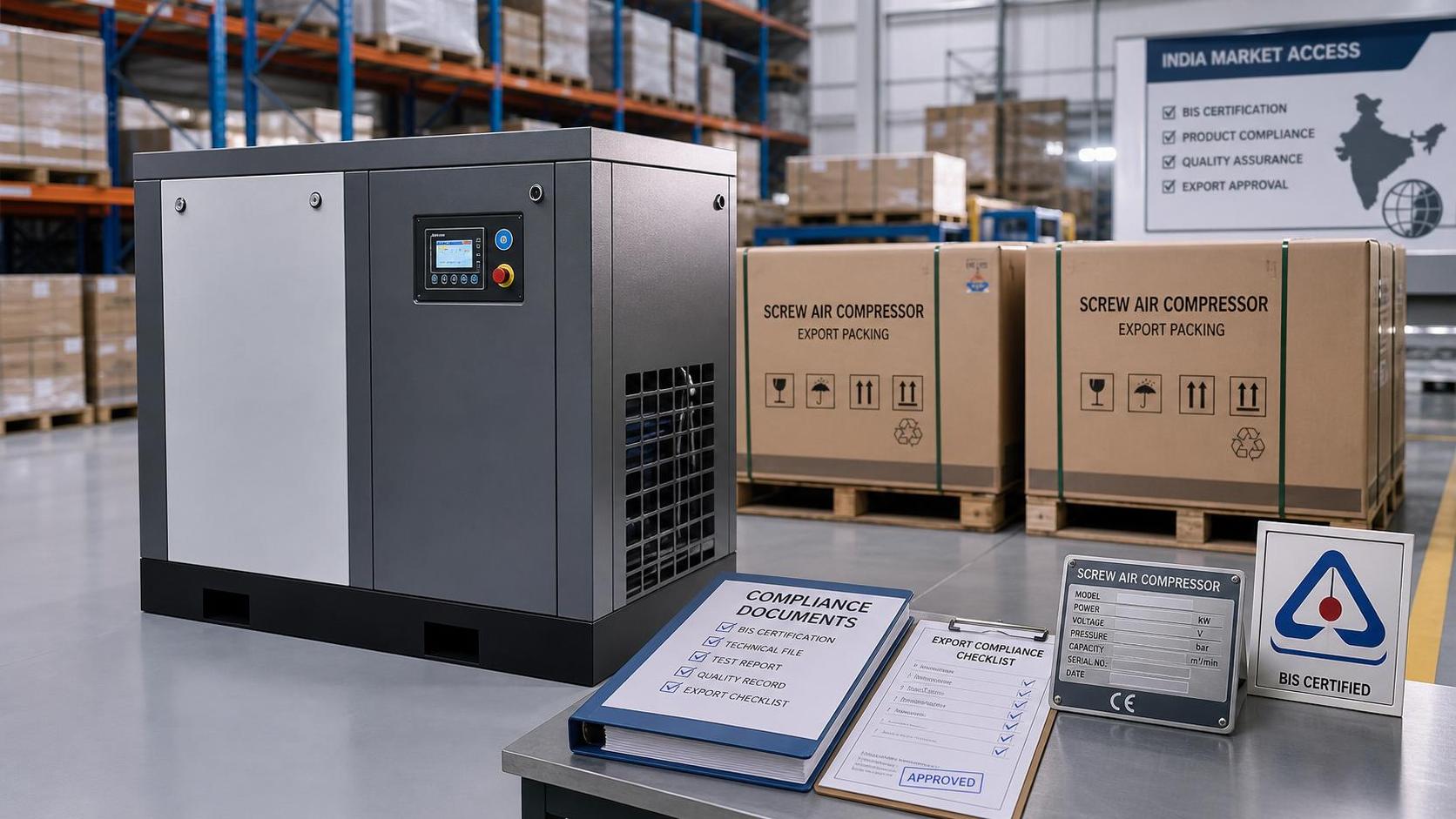
On July 2, 2026, India’s Bureau of Indian Standards (BIS) updated its mandatory certification list to add imported screw compressors, with a new requirement that takes effect on October 1, 2026. For exporters, importers, manufacturers, and supply chain teams serving the Indian market, this matters because market access will now depend on passing IS 16830-2025 energy efficiency testing at a BIS-recognized laboratory and applying the BIS mark, while the stated average certification cycle of 11 weeks puts immediate pressure on delivery planning.

What the Updated BIS Requirement Covers
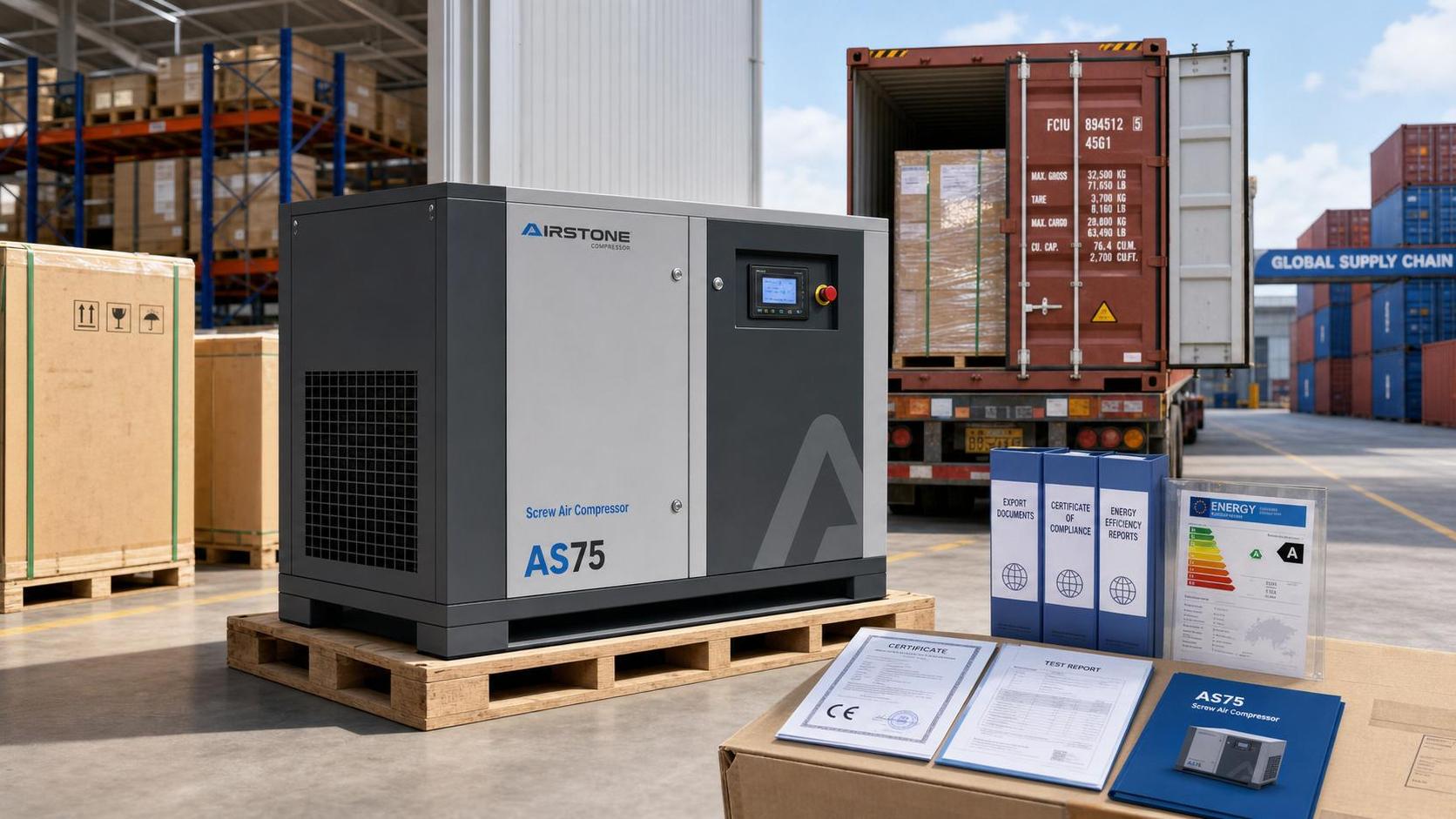
The confirmed change is that BIS added screw compressors to its updated list of imported goods subject to mandatory certification on July 2, 2026. Under the new rule, all imported models in scope must complete IS 16830-2025 energy efficiency testing and carry the BIS mark starting from October 1, 2026.
The scope described in the provided information includes single-stage and two-stage oil-lubricated screw compressors, as well as some oil-free models. The testing must be carried out at laboratories recognized by BIS. The provided summary also indicates that the average certification timeline has extended to 11 weeks.
Where the Immediate Pressure May Appear
Export transactions tied to shipment schedules
From an industry perspective, direct trading companies shipping screw compressors to India may face the earliest operational impact because certification is linked to whether imported products can meet the new compliance threshold before shipment and entry. The main pressure point is timing: an 11-week average certification cycle can affect order confirmation, shipment windows, and promised delivery dates.
Manufacturing and model management for covered products
Manufacturers of in-scope screw compressor models may be affected at the product level, especially where multiple variants are sold into India. What deserves closer attention is whether each model intended for export falls within the covered categories and how testing arrangements interact with production and release planning.
Supply chain coordination around testing and documentation
Supply chain service providers and coordination teams may also feel the effect because the rule requires testing at BIS-recognized laboratories and the BIS mark before import. In practice, the most exposed business links are likely to be certification scheduling, document readiness, and handoffs between factory, exporter, and importer.
Buyers in India and project-based procurement
For procurement teams and end users in India sourcing imported screw compressors, the change may show up as a lead-time issue rather than only a regulatory issue. Observably, buyers may need to pay closer attention to whether quoted delivery commitments already account for testing and marking requirements under the new timeline.
What Companies Should Watch Now
Check product scope against actual export portfolios
The first practical issue is product coverage. Companies should review whether their export portfolio to India includes single-stage or two-stage oil-lubricated screw compressors or the oil-free models covered by the new rule, because that determines which shipments may be directly affected from October 1, 2026.
Track certification timing against commercial commitments
The provided information points to an average certification period of 11 weeks, making timing a business issue rather than only a compliance issue. What deserves closer attention is the gap between regulatory effective date and actual order cycles, especially for contracts, tenders, or deliveries already in progress.
Prepare laboratory and marking workflows early
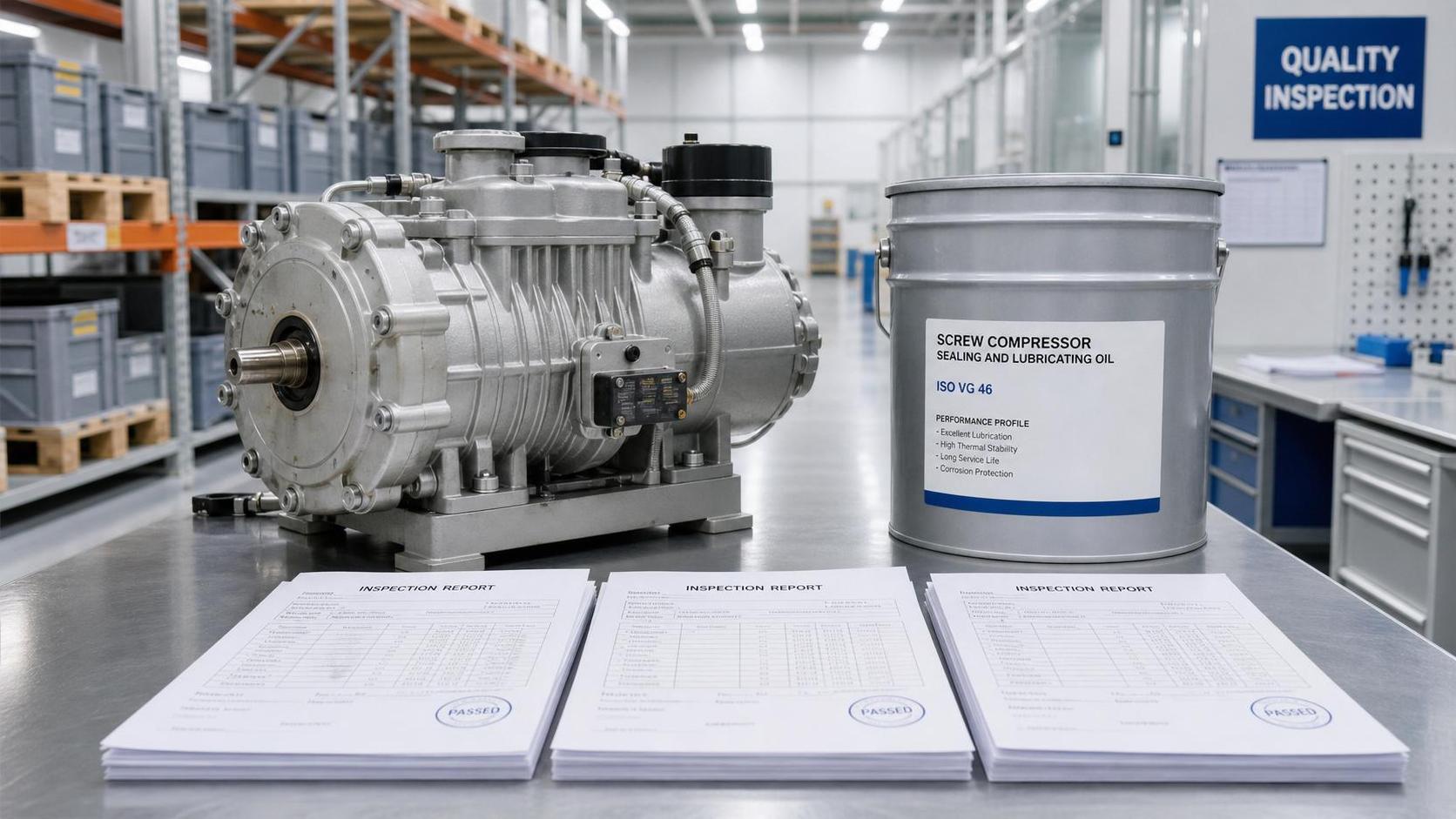
Because testing must be completed in BIS-recognized laboratories and the BIS mark is required, companies should closely monitor the readiness of their testing plans, technical files, and labeling arrangements. Analysis shows that delays may emerge not only from the rule itself, but from how quickly supporting compliance workflows can be organized.
Keep customer communication aligned with compliance status
For exporters under delivery pressure, customer communication becomes a practical risk-control step. The key issue is not to assume that regulatory publication and operational readiness happen at the same speed. Buyers, distributors, and internal sales teams should be updated based on actual certification progress rather than target shipment dates alone.
Why This Looks More Than a Short-Term Administrative Change
Analysis shows that this update should not be read only as a procedural addition to an import list. It directly links market access for covered imported screw compressors to energy efficiency testing under IS 16830-2025, which gives the rule both a compliance dimension and a commercial timing dimension.
At the same time, it is more appropriate to understand this as an active regulatory development rather than a fully settled market outcome. The confirmed facts establish the requirement, the effective date, the covered product scope, the laboratory condition, and the average certification timeline. The broader commercial effects, however, will depend on how companies adjust their certification planning and delivery management in the months leading up to October 2026.
How the Market May Best Read This Update
The immediate significance of this development is clear: for imported screw compressors within scope, access to the Indian market will hinge on BIS compliance under the new requirement from October 1, 2026. For industry participants, the issue is not simply whether the rule exists, but whether testing capacity, internal preparation, and shipment planning can keep pace with it.
Current observation suggests this is best understood as a concrete compliance change with near-term execution risk, and also as a longer-term signal that energy efficiency requirements are becoming more embedded in cross-border equipment trade. That makes continued monitoring necessary, without assuming a broader market result beyond the facts currently available.
Basis of This Article and What Still Needs Verification
This article is based on the user-provided news title, event date of July 2, 2026, and event summary describing the BIS update, the October 1, 2026 effective date, the IS 16830-2025 testing requirement, the covered compressor types, the BIS-recognized laboratory requirement, and the stated average certification cycle of 11 weeks.
For this type of industry update, relevant source categories typically include official notices, regulator announcements, standard organization documents, company disclosures, industry association updates, and reporting by authoritative trade media. No specific official source link was provided in the input, so the exact official publication path still needs continued verification. Follow-up attention should focus on any further BIS wording, scope clarification for covered models, and any implementation details that affect certification scheduling and delivery planning.
Ready when you are. Send us a message to get started.
Related News
- When does variable gas flow justify a custom screw compressor system?Author :Pneumatic Power Engineer

- How to size compressed air equipment for pneumatic toolsAuthor :Pneumatic Power Engineer

- How Should Energy Management Systems Handle Compressor Load Changes?Author :Pneumatic Power Engineer

- Which Maintenance Issues Reduce Air Compressor Efficiency?Author :Pneumatic Power Engineer

- How Much Energy Can Variable-Speed Screw Compressors Save?Author :Pneumatic Power Engineer

- Industrial Compressor Selection: Matching Flow, Pressure, and Duty CycleAuthor :Pneumatic Power Engineer

- China Expands Cross-Border RMB and FX Cash Pooling NationwideAuthor :Pneumatic Power Engineer

- How to Size Air Compressor Systems for Pneumatics by Flow and Pressure DemandAuthor :Pneumatic Power Engineer

- How Energy Recovery Systems for Compressors Cut Power CostsAuthor :Pneumatic Power Engineer

- How to Evaluate Screw Compressors in Industrial Refrigeration EquipmentAuthor :Pneumatic Power Engineer

- India Makes BIS Certification Mandatory for Screw CompressorsAuthor :Pneumatic Power Engineer

- China Tightens Export Filing for Screw CompressorsAuthor :Pneumatic Power Engineer

- SABIC Sets IoT Interface Rule for Screw CompressorsAuthor :Pneumatic Power Engineer

- Industrial Heat Recovery Systems for Compressors: When Do Energy Savings Pay Back?Author :Pneumatic Power Engineer

- EU Tightens REACH Limit for Screw Compressor LubricantsAuthor :Pneumatic Power Engineer

- EU Opens China Screw Compressor Review With Carbon RuleAuthor :Pneumatic Power Engineer

- DOE Mandates AHRI 1000-2026 for Screw CompressorsAuthor :Pneumatic Power Engineer

- VDMA Filing Signals EU Risk for Chinese Oil Screw CompressorsAuthor :Pneumatic Power Engineer
![]()
- Screw vs Piston Air Compressors for Stable Plant OutputAuthor :Pneumatic Power Engineer

- Saudi SASO Tightens Refrigerant Limits in IEC 60335-2-40:2026Author :Pneumatic Power Engineer

- IIR Warns of 18-Week Lead Times for Screw CompressorsAuthor :Pneumatic Power Engineer

- Welded Compressed Air Manifold Selection Guide for Pressure Stability and LeaksAuthor :Pneumatic Power Engineer

- India BIS Rule Adds IS 16830 Requirement for Imported Screw CompressorsAuthor :Pneumatic Power Engineer

- What to Check Before Choosing a Compressed Air FactoryAuthor :Pneumatic Power Engineer

- China Tightens Export Checks on Screw CompressorsAuthor :Pneumatic Power Engineer

- Screw Compressor Lead Times Reach 22 WeeksAuthor :Pneumatic Power Engineer

- Vietnam Requires QR Labels on Imported Screw CompressorsAuthor :Pneumatic Power Engineer

- Compressed Air Technologies Filtration: How to Reduce Pressure Drop and Energy LossAuthor :Pneumatic Power Engineer

- STSPIN830 Lead Time Tops 32 Weeks in Screw CompressorsAuthor :Pneumatic Power Engineer

- IGBT Shortage Extends Screw Compressor Lead TimesAuthor :Pneumatic Power Engineer

- Compressed Air Systems: 7 Hidden Costs That Raise Total Operating ExpenseAuthor :Pneumatic Power Engineer

- Compressed Air Efficiency: 7 Hidden Losses That Raise Operating CostsAuthor :Pneumatic Power Engineer

- How to Compare Screw vs Oil-Free Air Compression SystemsAuthor :Pneumatic Power Engineer

- Compressed Air Leaks: What They Really Cost in Daily OperationsAuthor :Pneumatic Power Engineer

- DOE Moves Up R449A Chiller Deadline to March 2027Author :Pneumatic Power Engineer

- How Compression Technology Cuts Energy Use in Modern PlantsAuthor :Pneumatic Power Engineer