Screw vs Piston Air Compressors for Stable Plant Output




Choosing between screw and piston units is rarely a simple equipment comparison. In many plants, it shapes output stability, utility spending, service planning, and risk exposure across the full production chain.
For operations that rely on compressed air technology air compressors, the difference becomes visible when demand shifts, lines expand, or downtime starts affecting delivery schedules and quality targets.
Across general industry, that decision now matters more because energy prices remain volatile, maintenance windows are tighter, and cleaner, more efficient compression systems are under closer review.
Observed through GTC-Matrix intelligence on thermodynamics, industrial power systems, and efficiency trends, compressor selection is no longer just about upfront price. It is about stable plant output over time.
What the comparison really means on the plant floor
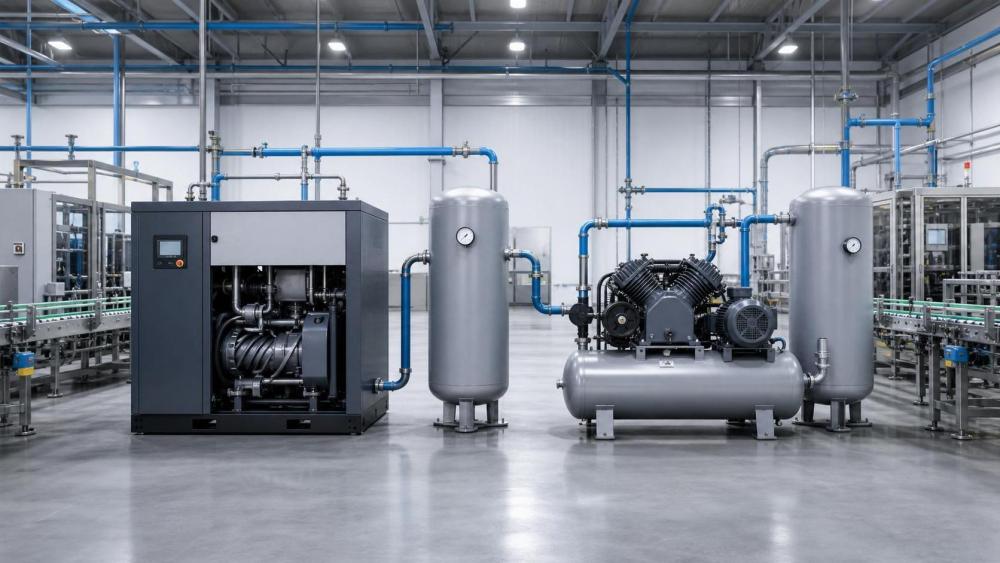
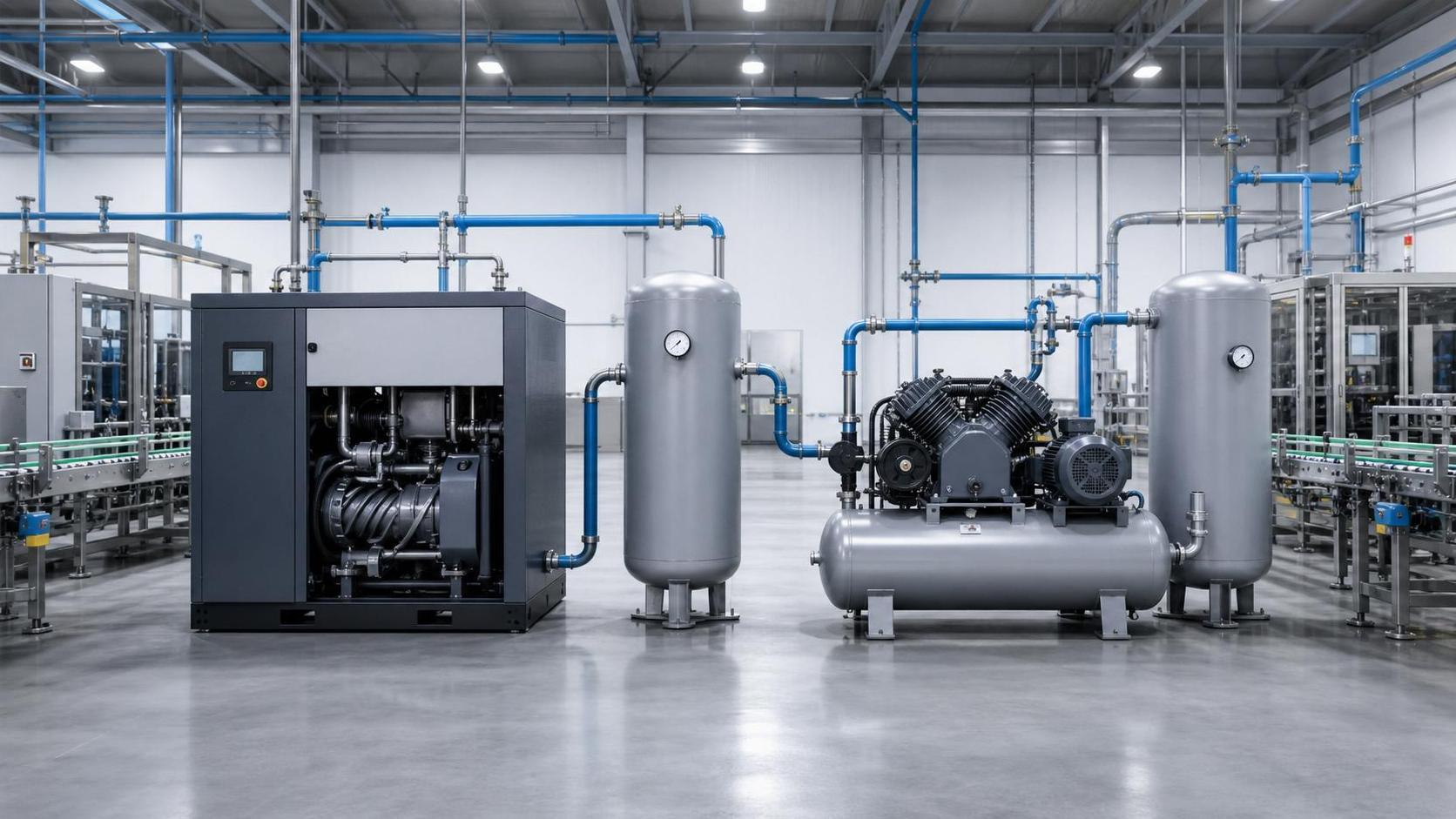
At a basic level, both designs convert mechanical energy into pressurized air. The difference lies in how they deliver volume, respond to load changes, and behave under continuous use.
A piston air compressor uses reciprocating motion. It compresses air in cycles, which makes it familiar, rugged, and suitable for intermittent duty in many workshops and utility areas.
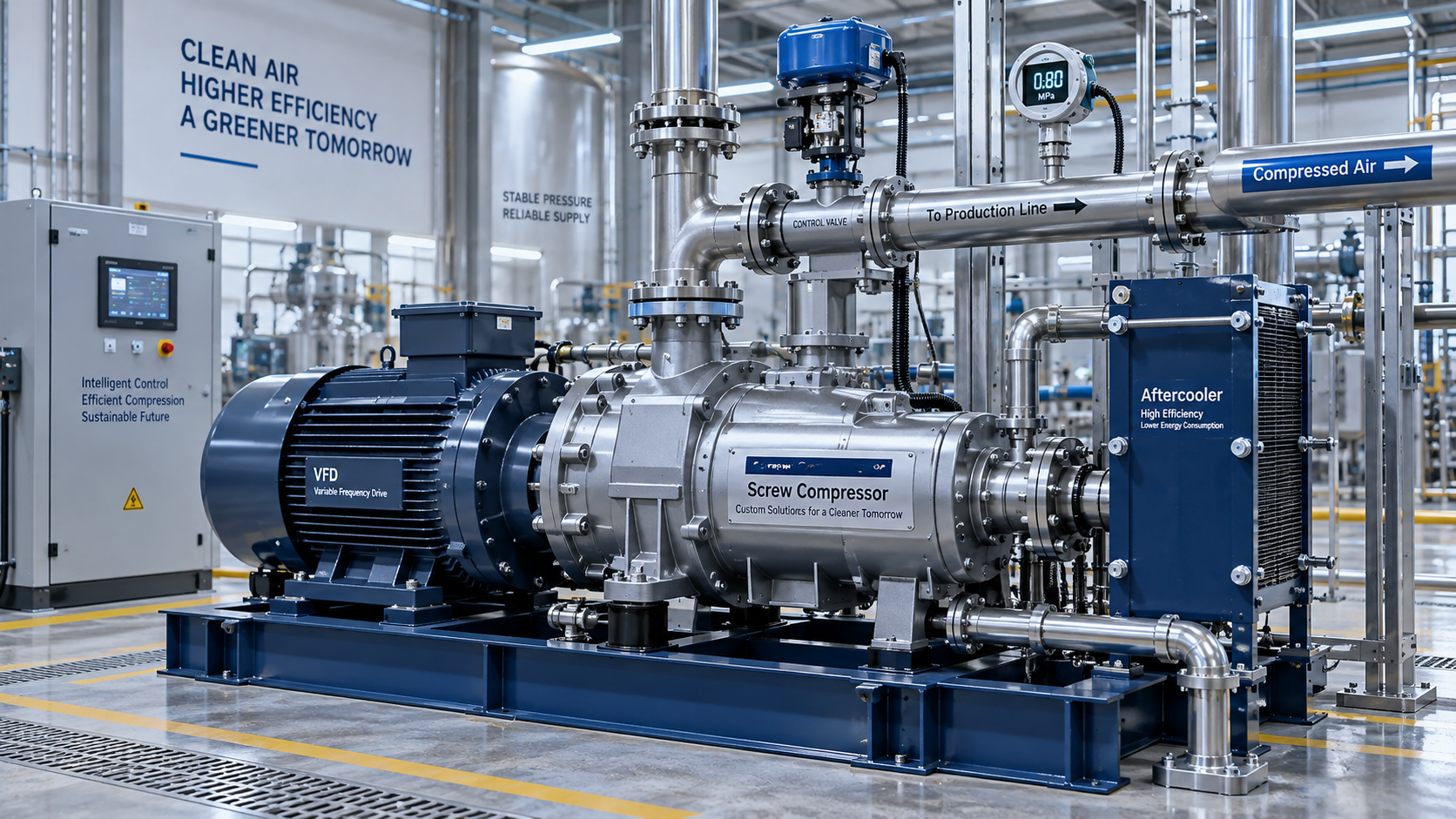
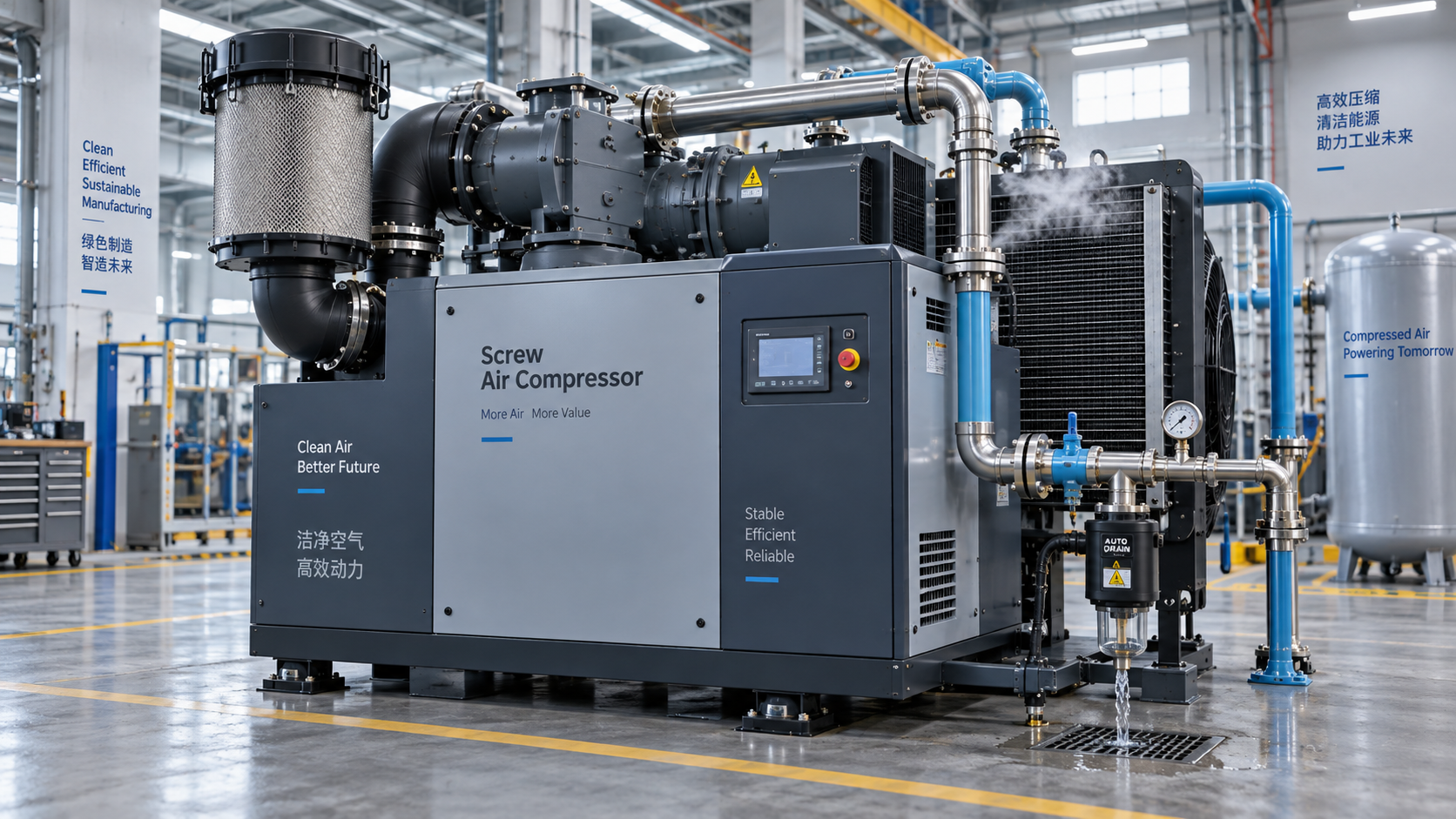
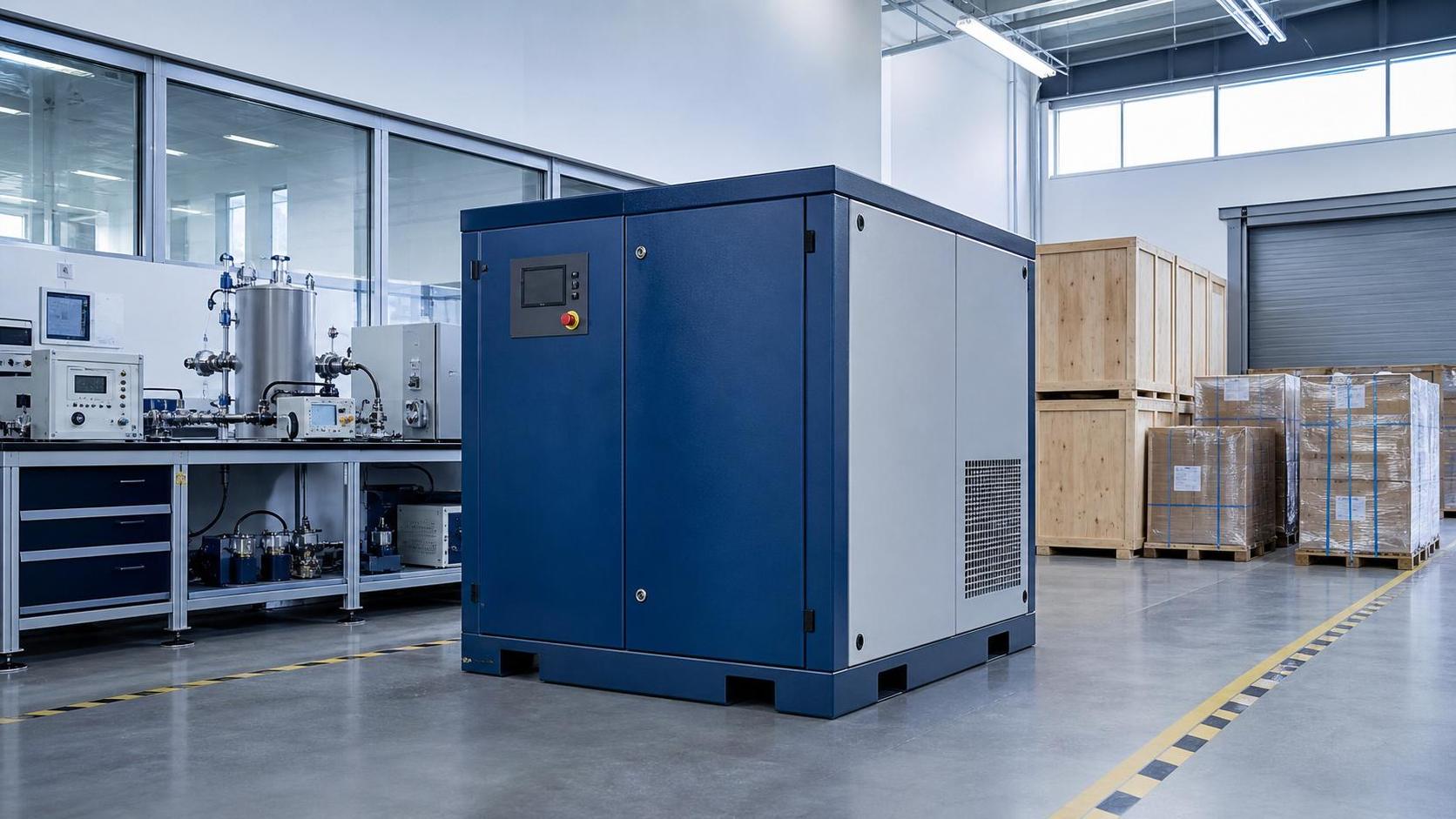
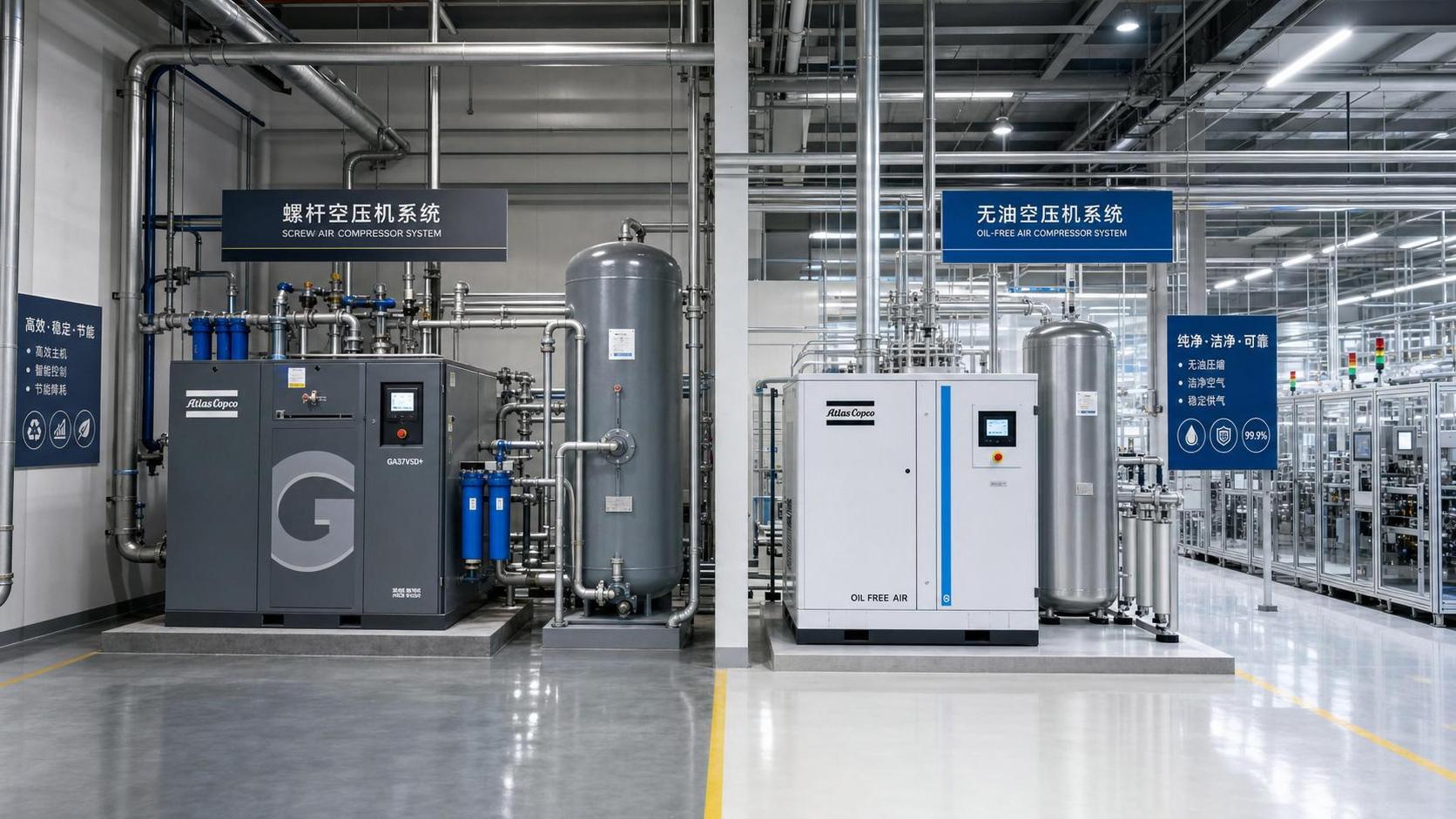
A screw air compressor uses two meshing rotors. It produces a steadier flow, with less pulsation, and is commonly selected where production lines need continuous compressed air availability.
That difference matters because stable pressure supports consistent tool performance, valve response, packaging accuracy, coating quality, and automation reliability.
In short, the choice is not only screw versus piston. It is variable demand versus steady demand, low use versus round-the-clock use, and short-term savings versus lifecycle control.
Why this decision is getting more attention
Compressed air often ranks among the most expensive utilities in a plant. Small inefficiencies can compound quickly when systems run across multiple shifts.
That is one reason compressed air technology air compressors are under closer financial review, especially where plants face rising electricity costs or stricter carbon accounting.
There is also a broader industrial shift. More facilities are moving toward automation, cleaner processes, and tighter output tolerances. Air supply instability now shows up faster in production data.
GTC-Matrix tracking of oil-free compression, energy efficiency, and sector demand highlights the same pattern. Plants are comparing not just machine capacity, but system resilience and controllability.
This is especially relevant in food processing, electronics assembly, pharmaceuticals, metalworking, and packaging, where air quality and repeatability can affect product integrity.
Performance differences that affect stable output
The clearest separator is duty pattern. Screw compressors are typically stronger in continuous-duty environments. Piston units are often better suited to stop-start demand or lower daily runtime.
Flow consistency and pressure behavior
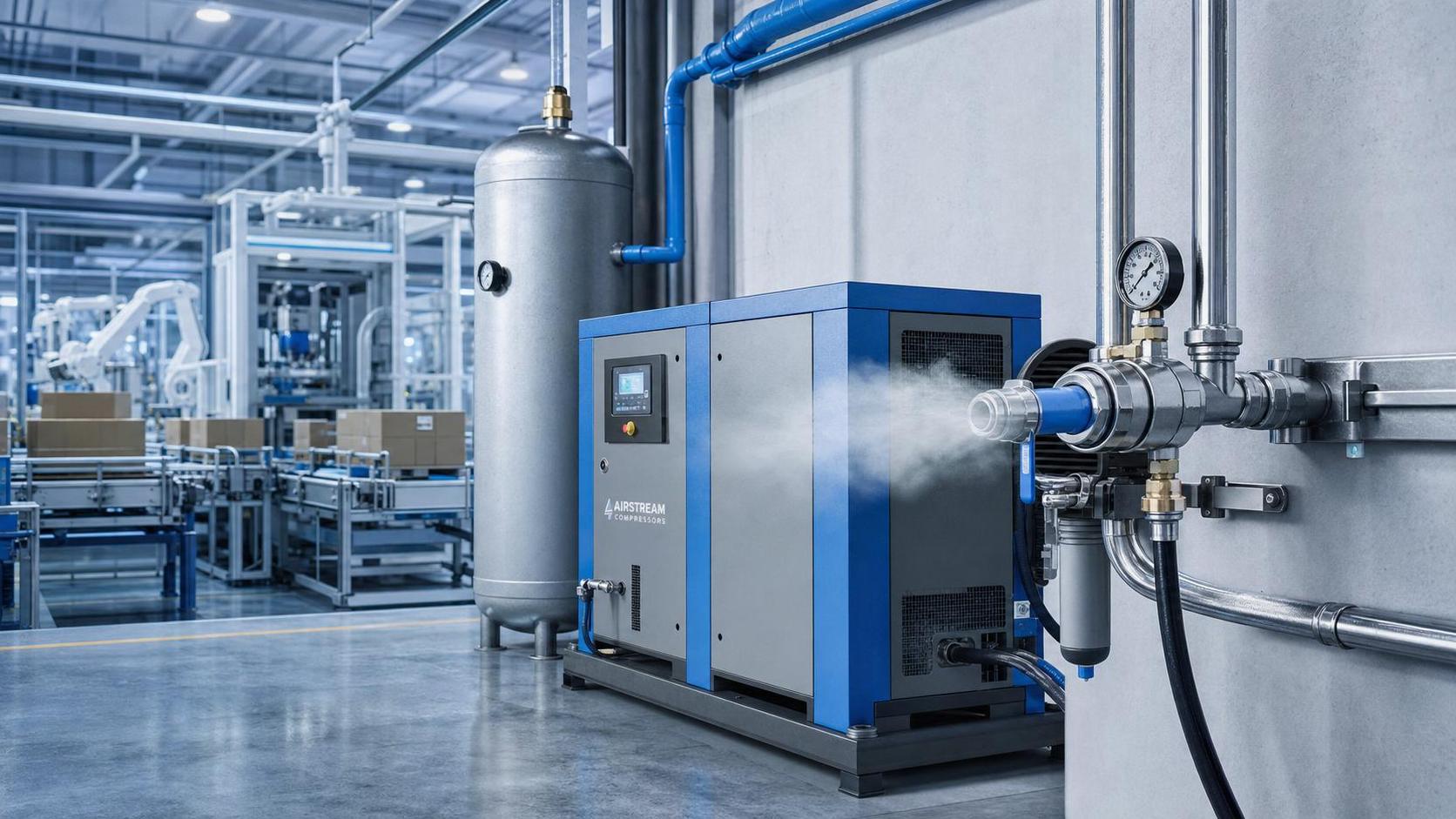
Screw machines provide smoother airflow. That helps limit pressure swings at sensitive points of use and supports more stable output when several tools or machines draw air simultaneously.
Piston systems can still perform well, but their pulsed compression profile may require more receiver capacity and closer system matching to avoid fluctuations during peak demand.
Energy behavior under different loads
For continuous operation, screw models usually offer better energy performance, especially with variable speed control. They handle long production cycles more efficiently than many piston alternatives.
Piston units can be cost-effective where demand is occasional. In those cases, paying for a larger screw package may not deliver a practical return.
Noise, vibration, and operating environment
Screw compressors are usually quieter and smoother. That helps in enclosed production spaces or facilities trying to reduce operator exposure and simplify machine placement.
Piston compressors often generate higher noise and vibration. This is manageable, but it can increase installation constraints in mixed-use production areas.
Maintenance rhythm and service risk
Piston compressors are mechanically straightforward and familiar in many maintenance teams. However, wear parts can demand more frequent attention under heavy duty cycles.
Screw compressors often require more specialized service planning, yet they tend to support longer, more predictable operating periods when properly maintained.
Where each type fits in general industry
In practical terms, screw compressors are commonly preferred in plants where compressed air supports conveyors, robotics, process valves, packaging lines, and continuous instrumentation.
These settings benefit from stable pressure, lower interruption risk, and better energy management. That makes screw units a frequent choice in modern compressed air technology air compressors portfolios.
Piston compressors remain relevant in maintenance shops, smaller fabrication areas, seasonal operations, and backup applications. They also fit sites where air use is predictable but not constant.
The right answer can also be hybrid. Some facilities use a screw compressor as the production base load and a piston unit for isolated tasks or contingency coverage.
That layered approach can control cost while protecting output, especially when expansion plans are still uncertain.
What should guide the investment decision
Price matters, but it should not be the first filter. A lower purchase cost can become expensive when pressure instability, excess maintenance, or poor efficiency begins affecting production.
A more reliable evaluation starts with load profile, air quality requirement, service capability, and future throughput expectations.
Questions worth answering before comparison
- How many hours per day will the compressor run under real operating conditions?
- Is air demand stable, cyclical, or highly variable by shift and season?
- Will pressure drops affect product quality, line speed, or tool accuracy?
- What air purity level is required for the process and downstream equipment?
- How strong is local support for maintenance, spare parts, and system diagnostics?
- Is there a likely expansion that would outgrow a low-cost initial setup?
This is where market intelligence becomes useful. GTC-Matrix emphasizes a system view, linking equipment choice to energy trends, decarbonization pressure, and evolving industrial process needs.
That perspective helps explain why many buyers now compare total cost of ownership, not only compressor nameplate ratings or first-year budgets.
How to judge lifecycle value more accurately
For compressed air technology air compressors, lifecycle value usually comes from three areas: energy consumption, uptime protection, and maintenance predictability.
If the plant runs continuously, even modest efficiency gains can outweigh a higher purchase price. If the process is intermittent, that math may reverse.
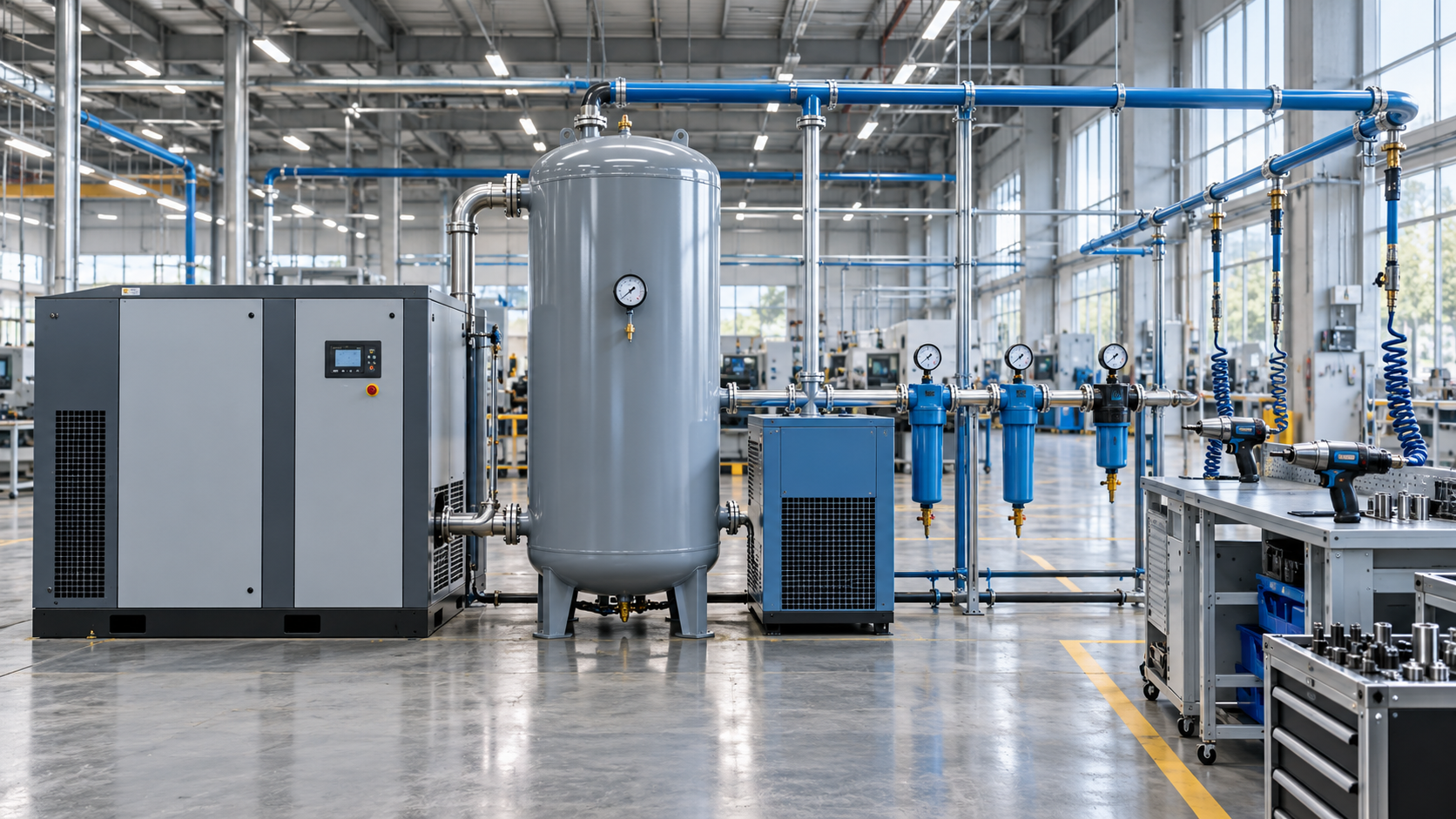
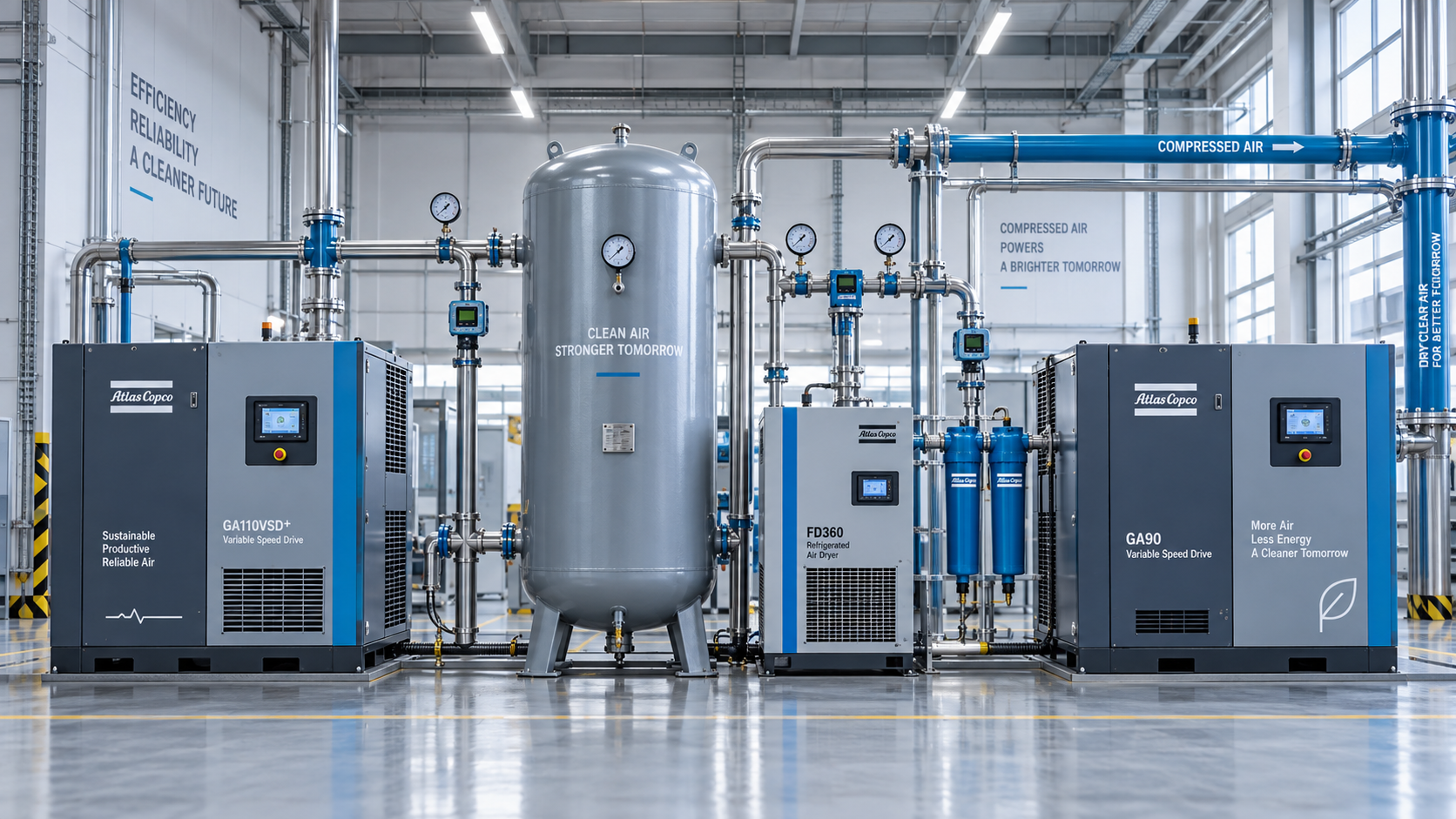
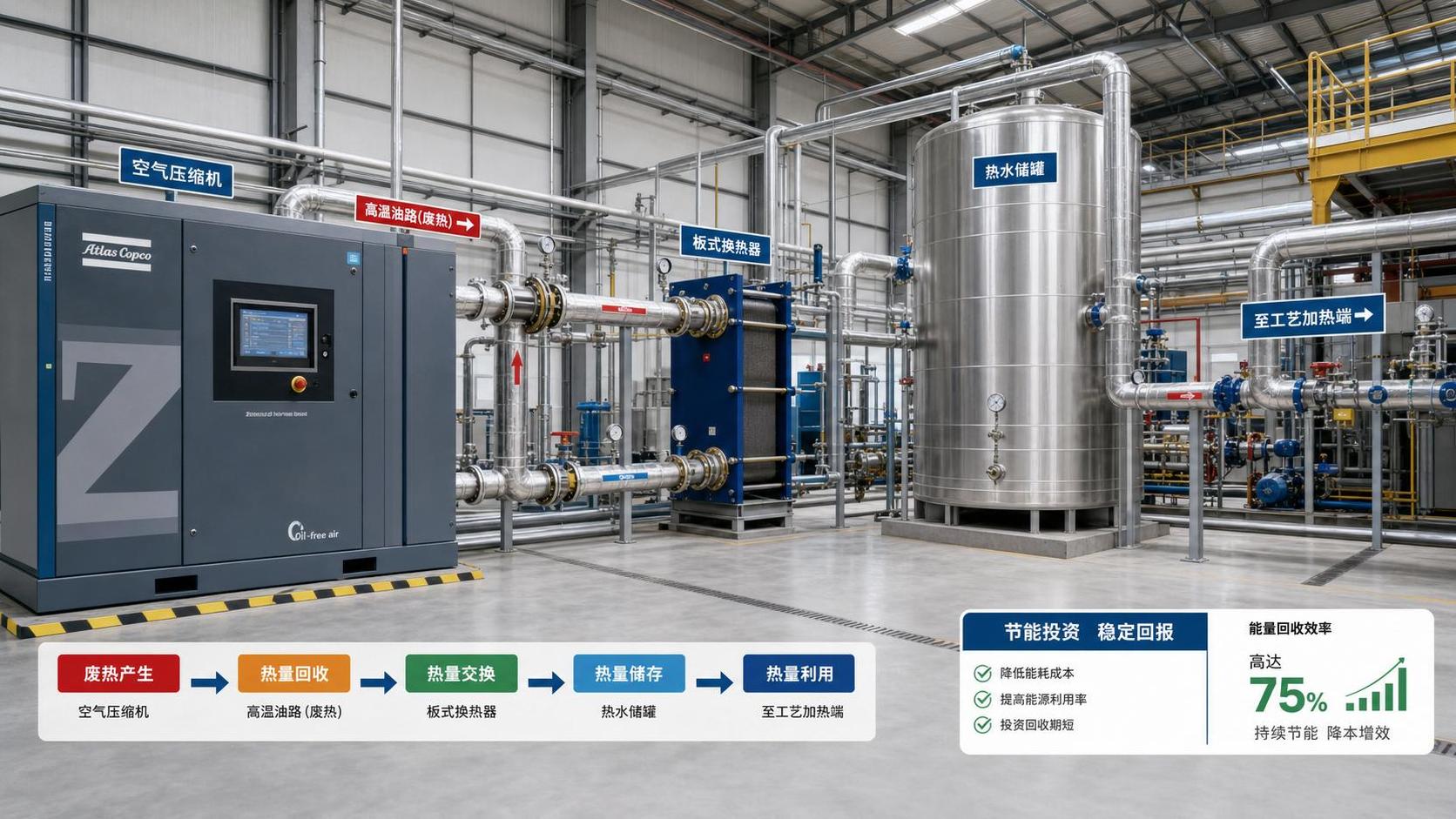
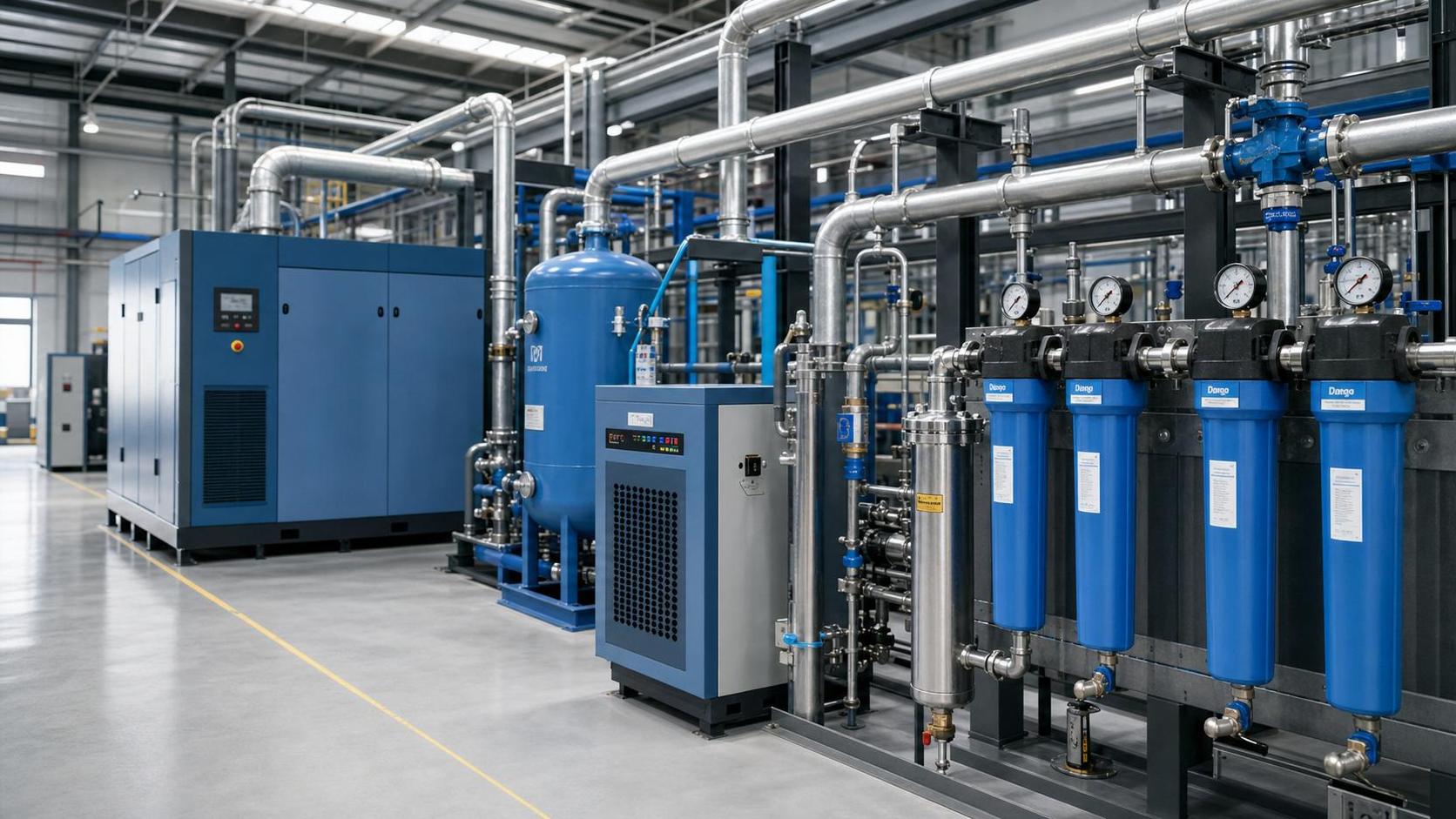
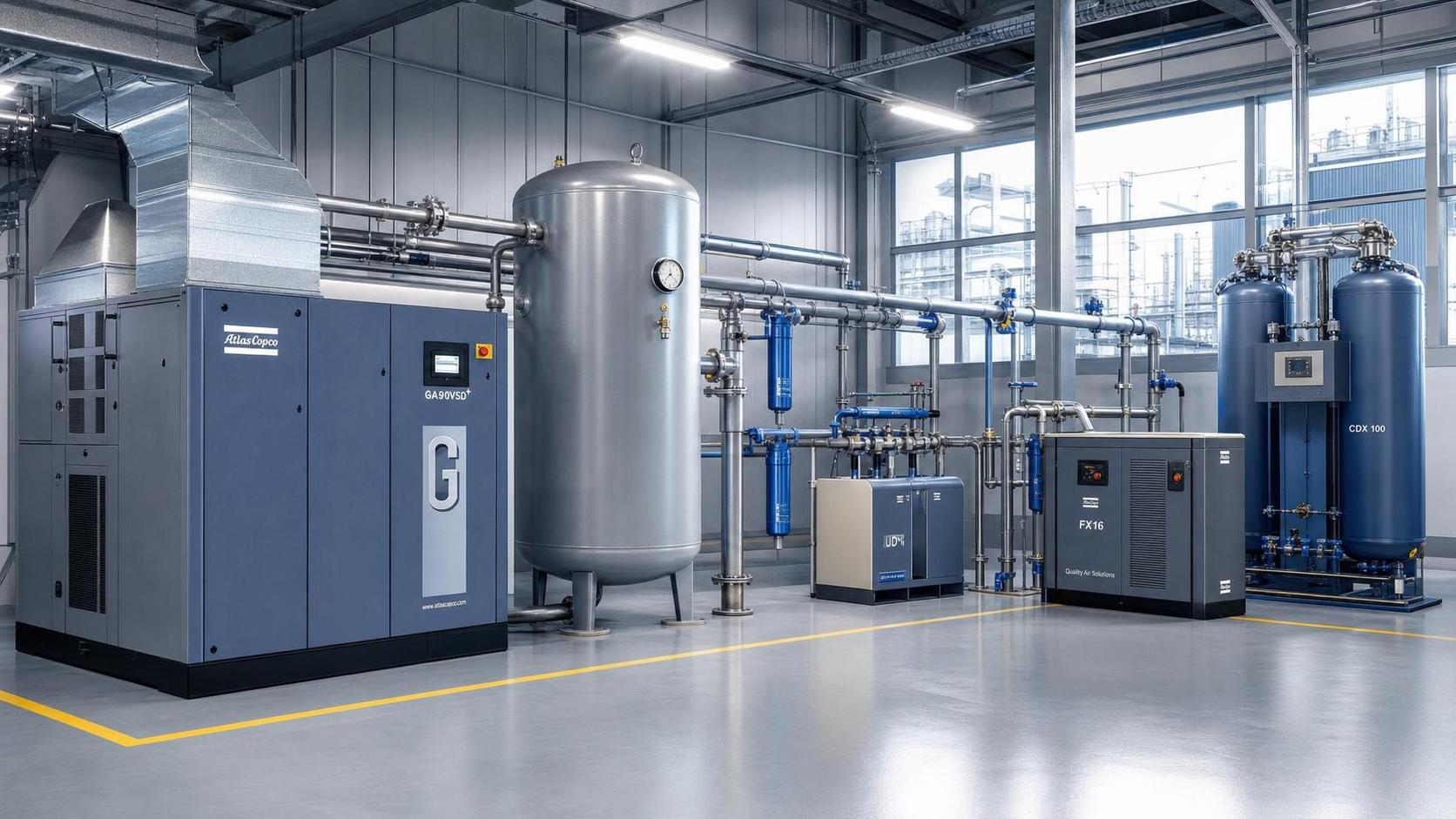
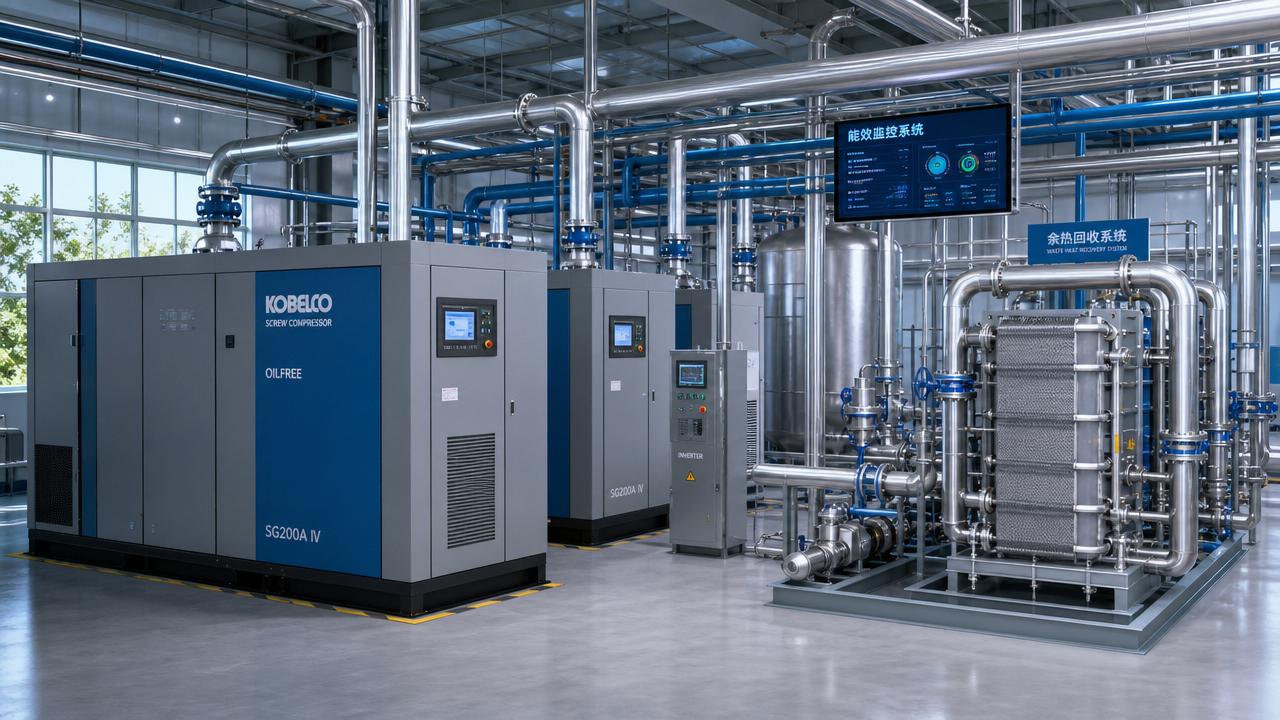
It also helps to review the wider system. Receiver sizing, dryer selection, leak management, filtration, control strategy, and heat recovery can change the result significantly.
In other words, the compressor should be judged as part of the air system, not as an isolated machine.
When output stability is the main objective, screw compressors often lead. When simplicity and limited runtime dominate, piston compressors can still be the more rational fit.
A practical next step for stronger decisions
The most useful next move is to map actual air demand against production priorities. That means checking load variation, pressure sensitivity, operating hours, and expected expansion.
From there, compare screw and piston options using the same lifecycle criteria: delivered airflow, energy draw, service intervals, noise, and risk to plant continuity.
For facilities reviewing compressed air technology air compressors in a changing energy and manufacturing landscape, stable output usually starts with a clearer demand profile, not a faster purchase.
That is also where ongoing industry intelligence adds value, helping equipment decisions stay aligned with efficiency goals, process quality, and longer-term operational resilience.
Ready when you are. Send us a message to get started.
Related News
- When does variable gas flow justify a custom screw compressor system?Author :Pneumatic Power Engineer

- How to size compressed air equipment for pneumatic toolsAuthor :Pneumatic Power Engineer

- How Should Energy Management Systems Handle Compressor Load Changes?Author :Pneumatic Power Engineer

- Which Maintenance Issues Reduce Air Compressor Efficiency?Author :Pneumatic Power Engineer

- How Much Energy Can Variable-Speed Screw Compressors Save?Author :Pneumatic Power Engineer

- Industrial Compressor Selection: Matching Flow, Pressure, and Duty CycleAuthor :Pneumatic Power Engineer

- China Expands Cross-Border RMB and FX Cash Pooling NationwideAuthor :Pneumatic Power Engineer

- How to Size Air Compressor Systems for Pneumatics by Flow and Pressure DemandAuthor :Pneumatic Power Engineer

- How Energy Recovery Systems for Compressors Cut Power CostsAuthor :Pneumatic Power Engineer

- How to Evaluate Screw Compressors in Industrial Refrigeration EquipmentAuthor :Pneumatic Power Engineer

- India Makes BIS Certification Mandatory for Screw CompressorsAuthor :Pneumatic Power Engineer

- China Tightens Export Filing for Screw CompressorsAuthor :Pneumatic Power Engineer

- SABIC Sets IoT Interface Rule for Screw CompressorsAuthor :Pneumatic Power Engineer

- Industrial Heat Recovery Systems for Compressors: When Do Energy Savings Pay Back?Author :Pneumatic Power Engineer

- EU Tightens REACH Limit for Screw Compressor LubricantsAuthor :Pneumatic Power Engineer

- EU Opens China Screw Compressor Review With Carbon RuleAuthor :Pneumatic Power Engineer

- DOE Mandates AHRI 1000-2026 for Screw CompressorsAuthor :Pneumatic Power Engineer

- VDMA Filing Signals EU Risk for Chinese Oil Screw CompressorsAuthor :Pneumatic Power Engineer
![]()
- Screw vs Piston Air Compressors for Stable Plant OutputAuthor :Pneumatic Power Engineer

- Saudi SASO Tightens Refrigerant Limits in IEC 60335-2-40:2026Author :Pneumatic Power Engineer

- IIR Warns of 18-Week Lead Times for Screw CompressorsAuthor :Pneumatic Power Engineer

- Welded Compressed Air Manifold Selection Guide for Pressure Stability and LeaksAuthor :Pneumatic Power Engineer

- India BIS Rule Adds IS 16830 Requirement for Imported Screw CompressorsAuthor :Pneumatic Power Engineer

- What to Check Before Choosing a Compressed Air FactoryAuthor :Pneumatic Power Engineer

- China Tightens Export Checks on Screw CompressorsAuthor :Pneumatic Power Engineer

- Screw Compressor Lead Times Reach 22 WeeksAuthor :Pneumatic Power Engineer

- Vietnam Requires QR Labels on Imported Screw CompressorsAuthor :Pneumatic Power Engineer

- Compressed Air Technologies Filtration: How to Reduce Pressure Drop and Energy LossAuthor :Pneumatic Power Engineer

- STSPIN830 Lead Time Tops 32 Weeks in Screw CompressorsAuthor :Pneumatic Power Engineer

- IGBT Shortage Extends Screw Compressor Lead TimesAuthor :Pneumatic Power Engineer

- Compressed Air Systems: 7 Hidden Costs That Raise Total Operating ExpenseAuthor :Pneumatic Power Engineer

- Compressed Air Efficiency: 7 Hidden Losses That Raise Operating CostsAuthor :Pneumatic Power Engineer

- How to Compare Screw vs Oil-Free Air Compression SystemsAuthor :Pneumatic Power Engineer

- Compressed Air Leaks: What They Really Cost in Daily OperationsAuthor :Pneumatic Power Engineer

- DOE Moves Up R449A Chiller Deadline to March 2027Author :Pneumatic Power Engineer

- How Compression Technology Cuts Energy Use in Modern PlantsAuthor :Pneumatic Power Engineer