EU Adds GB 18613-2025 to Import Energy Checks




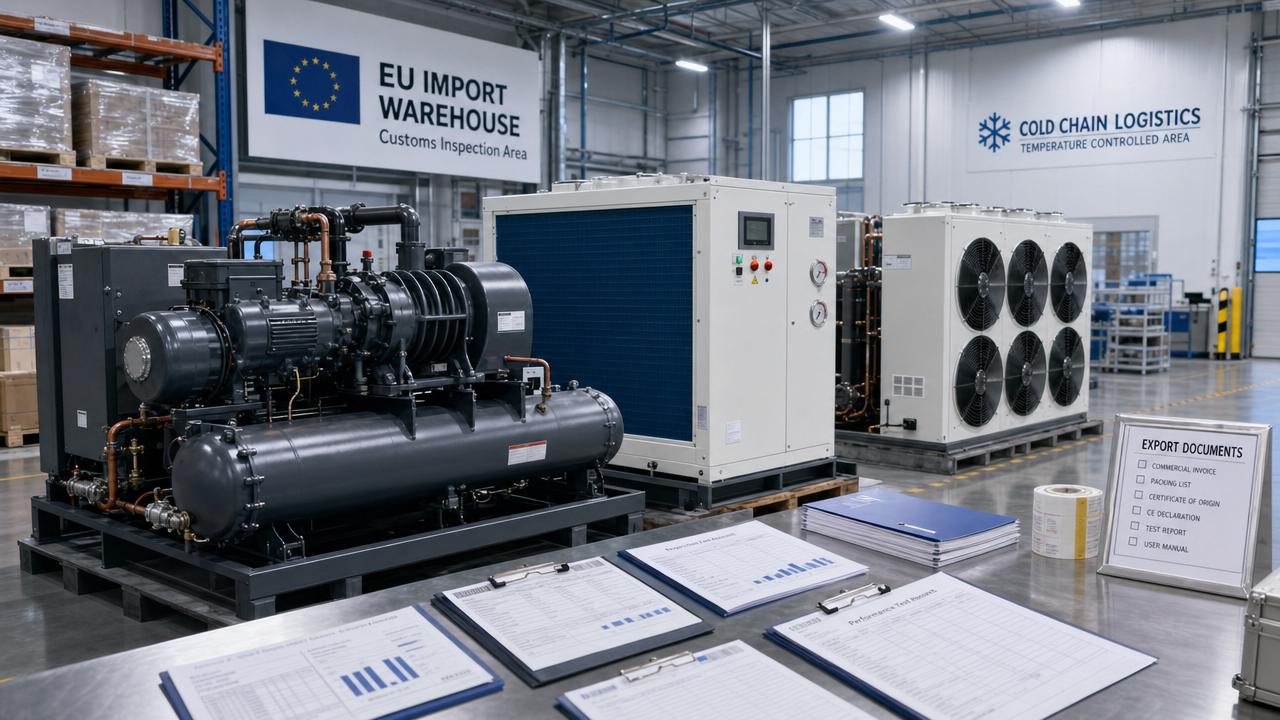
On June 14, 2026, a new compliance threshold took effect for Chinese-origin industrial refrigeration equipment entering the EU. According to confirmation from the China Refrigeration and Air-Conditioning Industry Association, EU customs now require pre-clearance review of GB 18613-2025 energy efficiency documentation for industrial refrigeration compressors, condensing units, and industrial chillers. For importers, manufacturers, and supply-chain teams linked to Screw Compressors, Industrial Chillers, and Cold Storage projects, this is worth close attention because documentation is no longer a back-end formality; it now directly affects customs release and delivery certainty.
What the new customs review now requires
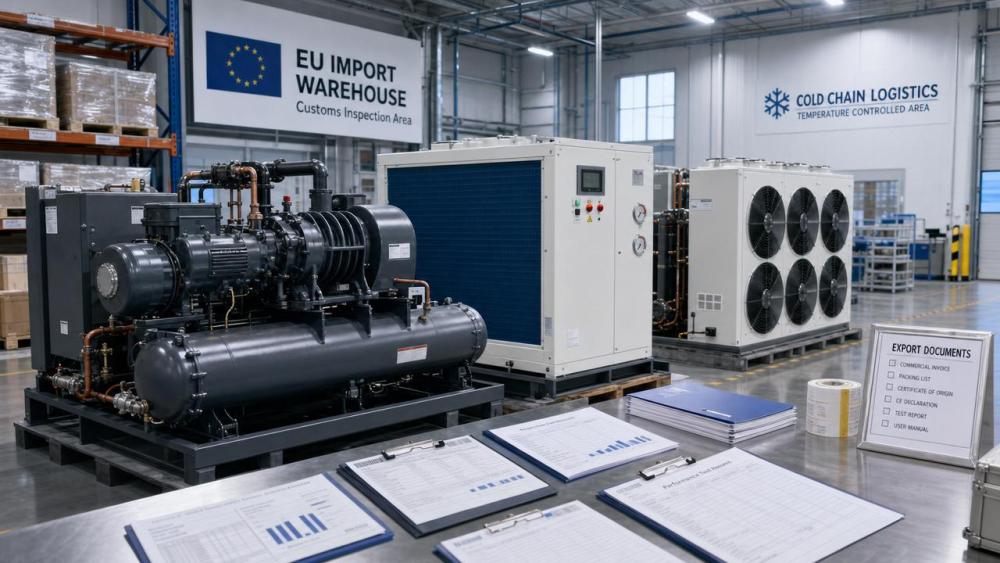
The confirmed change is that, starting on June 14, 2026, EU customs began applying mandatory pre-review of GB 18613-2025 energy efficiency grade documents for industrial refrigeration compressors, condensing units, and industrial chillers originating in China.
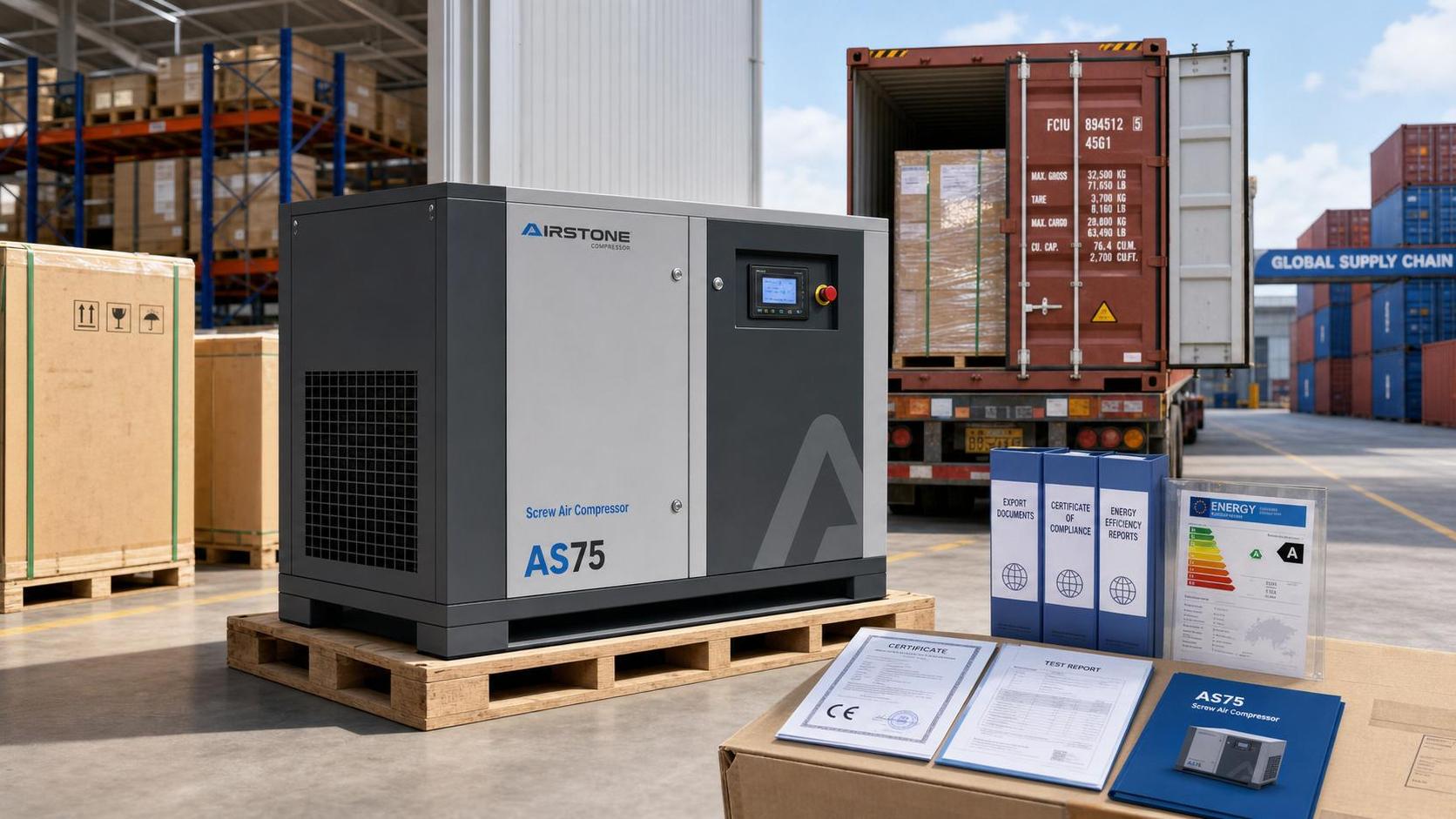
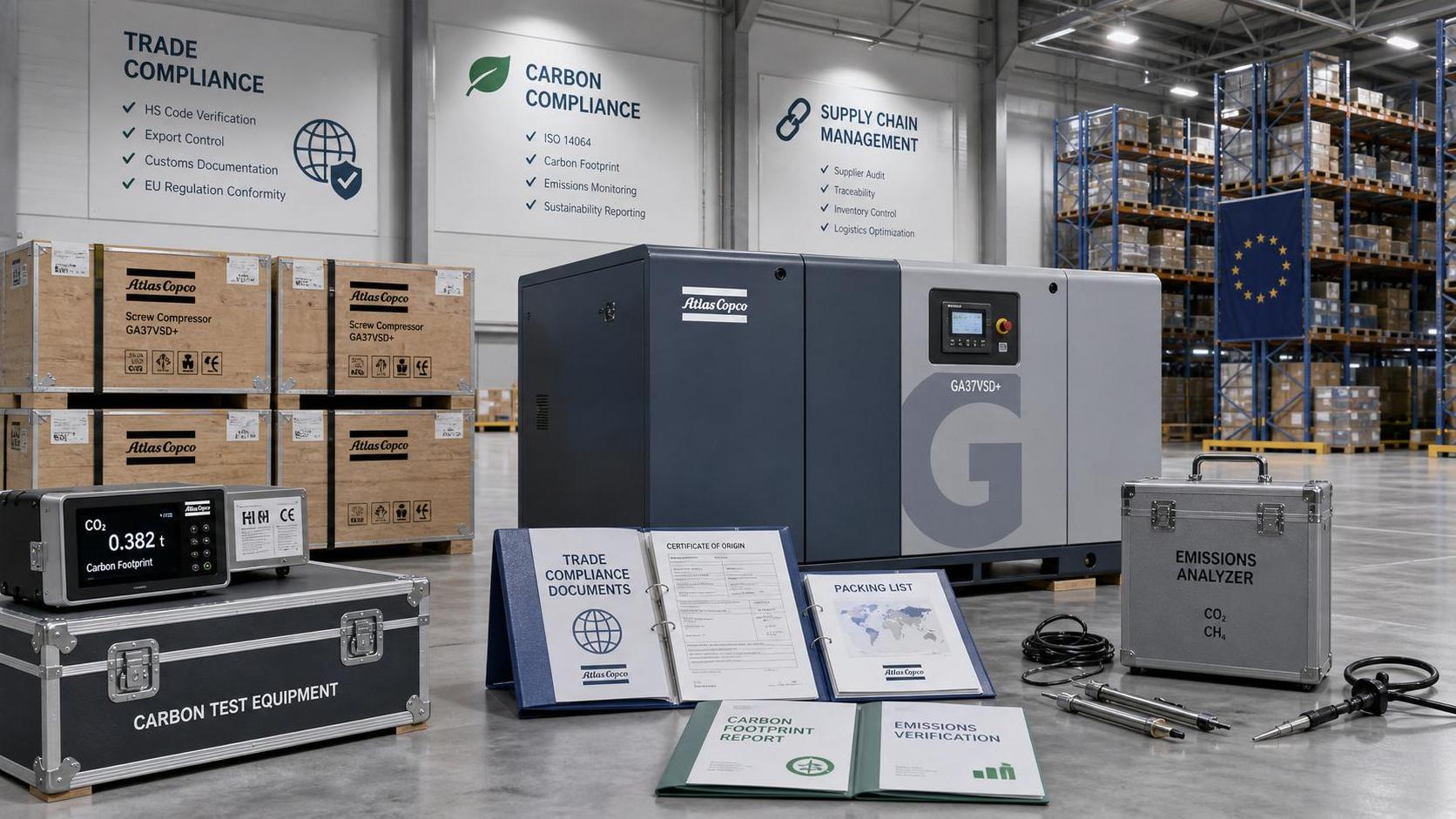
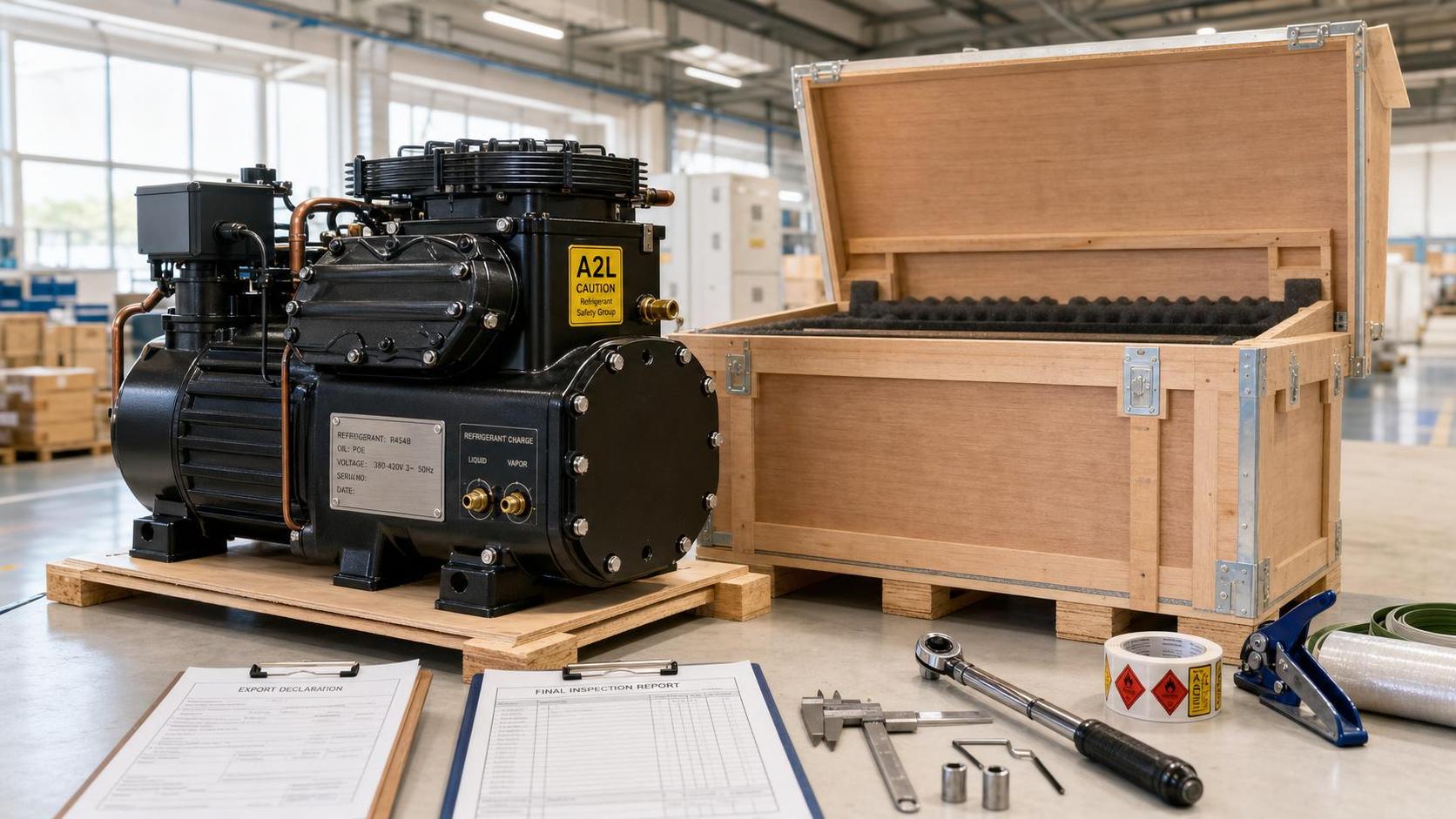
Before customs clearance, importers must submit an energy efficiency test report issued by a CNAS-accredited laboratory in China, together with a declaration of conformity.
The requirement covers core categories including Screw Compressors, Industrial Chillers, and Cold Storage-related equipment. Products that do not meet the requirement face the risk of port detention and return shipment.
Where the operational impact is likely to appear first
Export transactions tied to EU-bound shipments
From an industry perspective, direct trading companies and exporters are likely to feel the impact first because customs clearance now depends not only on commercial and logistics documents, but also on whether the required energy efficiency file set is complete before arrival. The main pressure point is shipment readiness: any gap in reports or declarations may delay handover, booking, or customs timing.
Manufacturing and product release coordination
For manufacturers of industrial refrigeration compressors, condensing units, and industrial chillers, the practical impact is likely to center on document coordination with testing and shipment schedules. What deserves closer attention is whether product batches intended for the EU market are aligned with the required testing output and conformity paperwork before delivery commitments are made.
Importers and EU-side delivery planning
Importers face the most direct clearance risk because they must submit the required documentation before customs release. Analysis shows that the issue is not only product compliance itself, but also timing: if reports and declarations are not ready at the correct stage, cargo may face detention or return, which can affect inventory planning, project timelines, and customer commitments.
Service providers managing customs and logistics
Customs brokers, freight forwarders, and related supply-chain service providers may also see a workflow change. Their role becomes more document-sensitive, especially in verifying whether the importer has received a valid test report from a CNAS-accredited laboratory in China and a matching declaration of conformity before goods move into clearance procedures.
What companies should monitor now
Whether product scope is being checked correctly
Companies involved in Screw Compressors, Industrial Chillers, and Cold Storage business should pay close attention to whether specific shipments fall within the covered product categories described in the confirmed notice. In practice, scope identification can affect whether documentation is prepared early enough for clearance.
Whether test reports and declarations are ready before shipment
The immediate operational focus is document readiness. Businesses should pay attention to whether the energy efficiency test report is issued by a CNAS-accredited laboratory in China and whether the declaration of conformity is consistent with the product being shipped, because customs review is positioned before clearance rather than after arrival handling.
The difference between a policy signal and daily execution
Observably, the key challenge is not abstract awareness of a new requirement, but converting that requirement into shipment-level execution. Procurement, export documentation, logistics coordination, and customer communication teams may need to track the same file set earlier in the order cycle to avoid avoidable customs disruption.
Whether official wording or implementation details continue to evolve
Because the confirmed information establishes the requirement and its immediate documentation basis, companies should continue monitoring whether further official wording, procedural clarification, or implementation detail emerges around review standards, filing practice, or category interpretation. That remains a practical follow-up point rather than a confirmed change at this stage.
Why this matters beyond a single filing step
Analysis shows that this development is more than a routine paperwork update. It indicates that energy efficiency documentation has become an active gate in EU import review for the covered Chinese-origin industrial refrigeration products. That changes the business meaning of compliance records: they now affect customs timing, not just technical archiving.
It is more appropriate to understand this as an already effective operational change with broader signaling value, rather than as a distant policy discussion. At the same time, it should not yet be overstated as a complete redefinition of market access conditions beyond the product groups and document requirements that have been explicitly confirmed.
How the industry may need to read this development
A neutral reading of this update is that it introduces an immediate compliance checkpoint for certain Chinese-origin industrial refrigeration products entering the EU, while also signaling closer linkage between technical documentation and border procedures. For industry participants, the near-term priority is not broad speculation, but disciplined control of testing reports, declarations, shipment timing, and customer communication around affected categories.
Current observation suggests this is best understood as both a short-term operational change and a longer-term compliance signal that deserves continued monitoring, especially where EU-bound deliveries depend on tight project schedules or customs certainty.
Basis of this article and what still needs verification
This article is based on the user-provided news title, event date, and event summary. The confirmed factual basis includes the June 14, 2026 implementation date, the product categories referenced, the pre-clearance documentation requirement, the need for a CNAS-accredited laboratory test report from China, the declaration of conformity, and the stated risk of cargo detention or return for non-compliant products.
For this type of industry update, commonly relevant source types may include official notices, company announcements, industry association releases, authoritative media reporting, and standard-related documents. A specific official source link was not provided in the input, so the exact official publication path still requires ongoing verification. Follow-up attention should focus on any later clarification about product scope, document practice, and customs implementation details.
Related News
- China Expands Cross-Border RMB and FX Cash Pooling NationwideAuthor :Pneumatic Power Engineer

- How to Size Air Compressor Systems for Pneumatics by Flow and Pressure DemandAuthor :Pneumatic Power Engineer

- How Energy Recovery Systems for Compressors Cut Power CostsAuthor :Pneumatic Power Engineer

- How to Evaluate Screw Compressors in Industrial Refrigeration EquipmentAuthor :Pneumatic Power Engineer

- India Makes BIS Certification Mandatory for Screw CompressorsAuthor :Pneumatic Power Engineer

- China Tightens Export Filing for Screw CompressorsAuthor :Pneumatic Power Engineer

- SABIC Sets IoT Interface Rule for Screw CompressorsAuthor :Pneumatic Power Engineer

- Industrial Heat Recovery Systems for Compressors: When Do Energy Savings Pay Back?Author :Pneumatic Power Engineer

- EU Tightens REACH Limit for Screw Compressor LubricantsAuthor :Pneumatic Power Engineer

- EU Opens China Screw Compressor Review With Carbon RuleAuthor :Pneumatic Power Engineer

- DOE Mandates AHRI 1000-2026 for Screw CompressorsAuthor :Pneumatic Power Engineer

- VDMA Filing Signals EU Risk for Chinese Oil Screw CompressorsAuthor :Pneumatic Power Engineer
![]()
- Screw vs Piston Air Compressors for Stable Plant OutputAuthor :Pneumatic Power Engineer

- Saudi SASO Tightens Refrigerant Limits in IEC 60335-2-40:2026Author :Pneumatic Power Engineer

- IIR Warns of 18-Week Lead Times for Screw CompressorsAuthor :Pneumatic Power Engineer

- Welded Compressed Air Manifold Selection Guide for Pressure Stability and LeaksAuthor :Pneumatic Power Engineer

- India BIS Rule Adds IS 16830 Requirement for Imported Screw CompressorsAuthor :Pneumatic Power Engineer

- What to Check Before Choosing a Compressed Air FactoryAuthor :Pneumatic Power Engineer

- China Tightens Export Checks on Screw CompressorsAuthor :Pneumatic Power Engineer

- Screw Compressor Lead Times Reach 22 WeeksAuthor :Pneumatic Power Engineer

- Vietnam Requires QR Labels on Imported Screw CompressorsAuthor :Pneumatic Power Engineer

- Compressed Air Technologies Filtration: How to Reduce Pressure Drop and Energy LossAuthor :Pneumatic Power Engineer

- STSPIN830 Lead Time Tops 32 Weeks in Screw CompressorsAuthor :Pneumatic Power Engineer

- IGBT Shortage Extends Screw Compressor Lead TimesAuthor :Pneumatic Power Engineer

- Compressed Air Systems: 7 Hidden Costs That Raise Total Operating ExpenseAuthor :Pneumatic Power Engineer

- Compressed Air Efficiency: 7 Hidden Losses That Raise Operating CostsAuthor :Pneumatic Power Engineer

- How to Compare Screw vs Oil-Free Air Compression SystemsAuthor :Pneumatic Power Engineer

- Compressed Air Leaks: What They Really Cost in Daily OperationsAuthor :Pneumatic Power Engineer

- DOE Moves Up R449A Chiller Deadline to March 2027Author :Pneumatic Power Engineer

- How Compression Technology Cuts Energy Use in Modern PlantsAuthor :Pneumatic Power Engineer

- EU Adds GB 18613-2025 to Import Energy ChecksAuthor :Pneumatic Power Engineer

- EU CE Rule Adds SRA for R290 Compressor ImportsAuthor :Pneumatic Power Engineer

- Compressed Air Leaks: Hidden Costs and Practical Ways to Reduce LossesAuthor :Pneumatic Power Engineer

- Kunming Sourcing Festival Adds Thermal & Compression HubAuthor :Pneumatic Power Engineer

- Compressed Air Efficiency: Where Energy Losses Usually StartAuthor :Pneumatic Power Engineer

- US 3-Year Treasury Yield Rise Pressures Compressor Export QuotesAuthor :Pneumatic Power Engineer