Compressed Air Technologies Filtration: How to Reduce Pressure Drop and Energy Loss




Compressed Air Technologies Filtration: How to Reduce Pressure Drop and Energy Loss
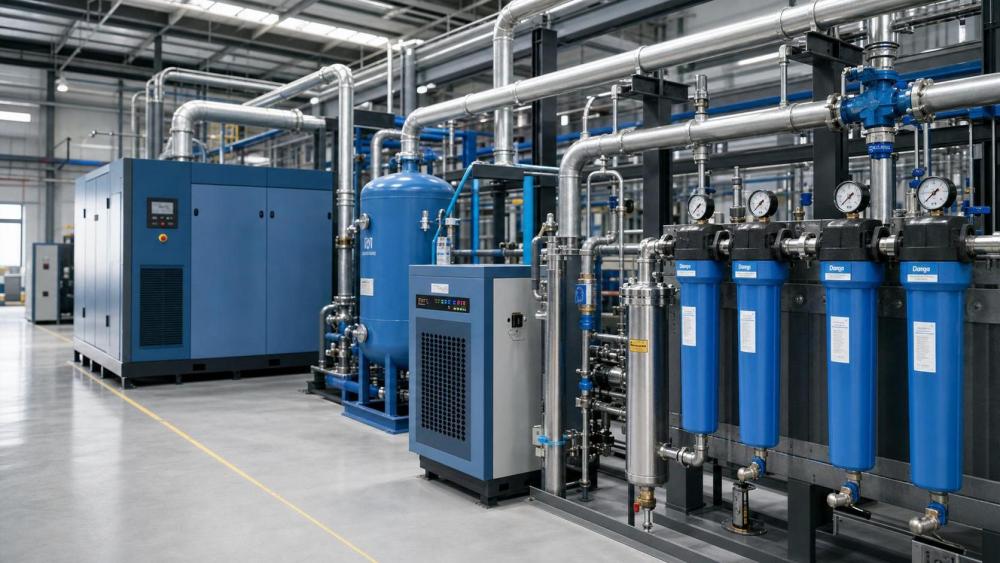
In compressed air systems, filtration protects equipment, product quality, and downstream processes. Yet filtration can also become a hidden energy penalty when filters are oversized, undersized, clogged, or badly positioned.
That is why compressed air technologies filtration deserves attention beyond simple contaminant removal. The real goal is to keep air clean while holding pressure drop at the lowest practical level.
A small increase in differential pressure can force compressors to work harder. Over time, that extra load turns into higher electricity bills, unstable point-of-use pressure, and more maintenance events.
In practical terms, efficient compressed air technologies filtration depends on three things: correct filter selection, disciplined service intervals, and stable flow conditions across the whole air network.
When those three factors align, filtration supports reliability instead of fighting it. That balance matters even more in food processing, electronics, pharmaceuticals, packaging, and general manufacturing.
Why Pressure Drop Matters More Than Many Plants Expect
Pressure drop is the resistance air faces while moving through filters, piping, dryers, and fittings. In compressed air technologies filtration, that resistance often grows slowly, so losses stay unnoticed for months.
The trouble starts when operators compensate by raising compressor discharge pressure. That quick fix may restore local pressure, but it increases power consumption across the entire compressed air system.
This also creates a misleading picture. The filter still removes particles, oil aerosols, and water, but the system pays for that performance through avoidable energy loss.
From a standards and best-practice perspective, pressure drop should be treated as a measurable operating variable, not a side effect. That means trending inlet and outlet pressure, not relying on visual checks alone.
A well-managed filtration train protects air quality while preserving flow efficiency. A neglected one quietly becomes a tax on every cubic meter of compressed air produced.
What Creates Excess Loss in Compressed Air Technologies Filtration
Several common issues drive unnecessary restriction. Most are not dramatic failures. They are ordinary design and maintenance decisions that accumulate into real operating cost.
- Using filter grades that are finer than the application actually needs.
- Installing too many filter stages without checking total differential pressure.
- Selecting housings too small for peak flow, surge flow, or future expansion.
- Allowing wet, oil-heavy air to overload coalescing elements prematurely.
- Ignoring drain failures that keep liquid in separators and filter bowls.
- Running old elements long after their efficient service window has closed.
More noticeably, pressure loss often comes from system interaction rather than the filter alone. A dryer upstream, a long header, and a high-demand shift can magnify the apparent filter penalty.
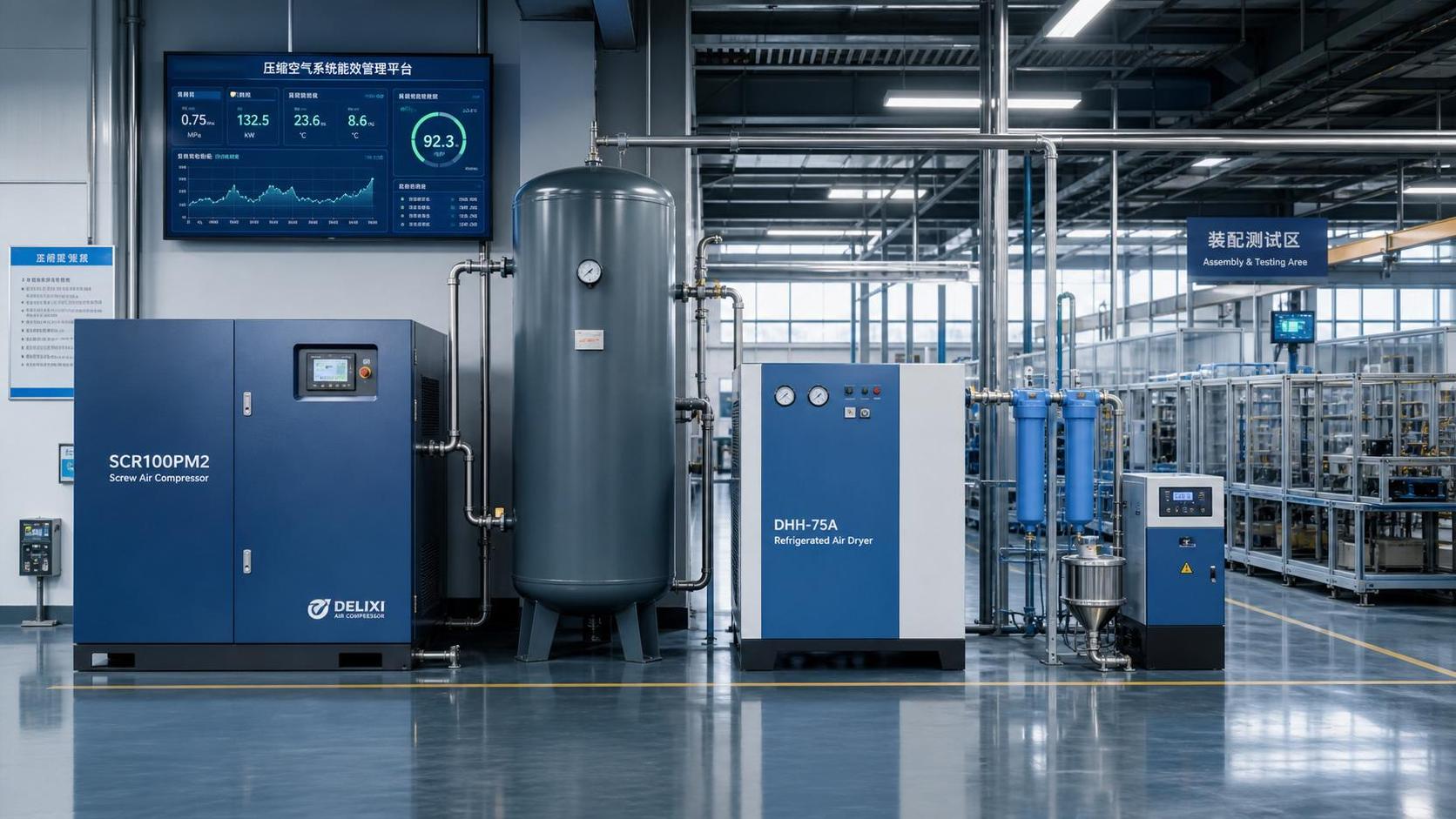
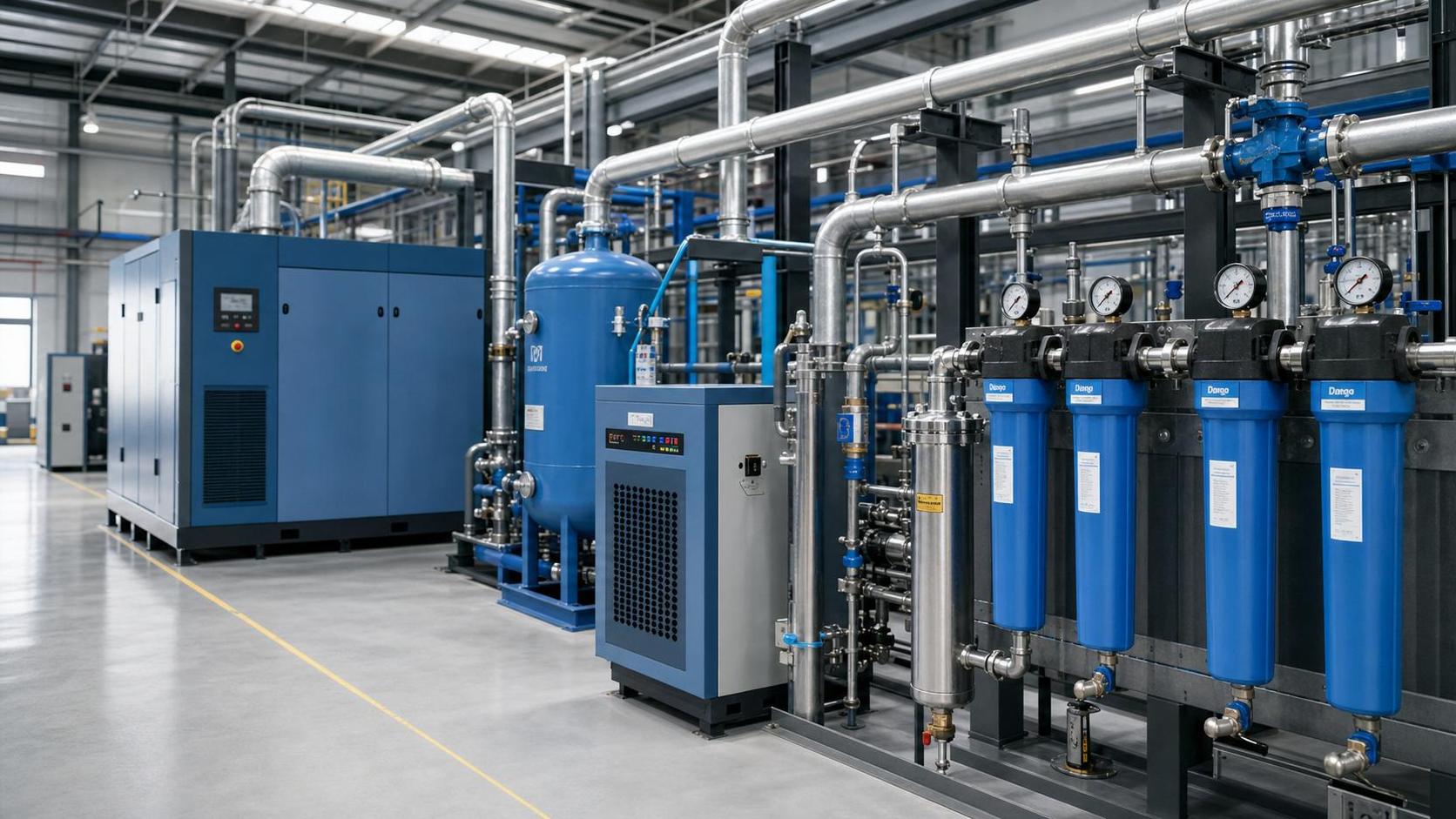
That is why compressed air technologies filtration should be evaluated as part of the full air treatment chain, not as an isolated component.
How to Select Filters Without Creating an Energy Burden
Good selection starts with contamination targets. Before choosing any element, define the required air quality class, expected contaminants, operating pressure, and normal versus peak flow.
In many plants, the best answer is not the finest filter everywhere. It is staged compressed air technologies filtration, where each filter performs a specific job with minimal added resistance.
A practical staged approach
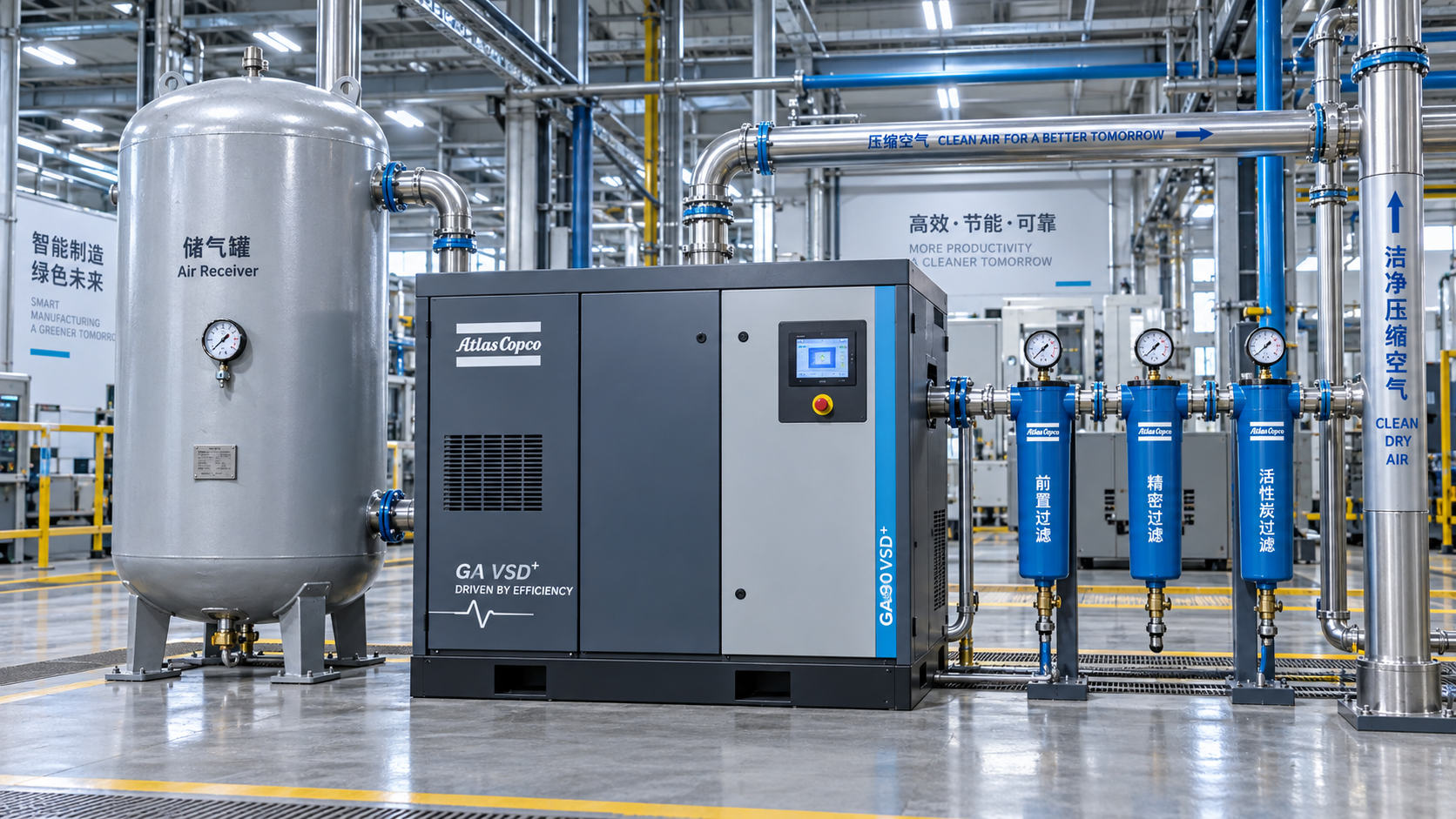
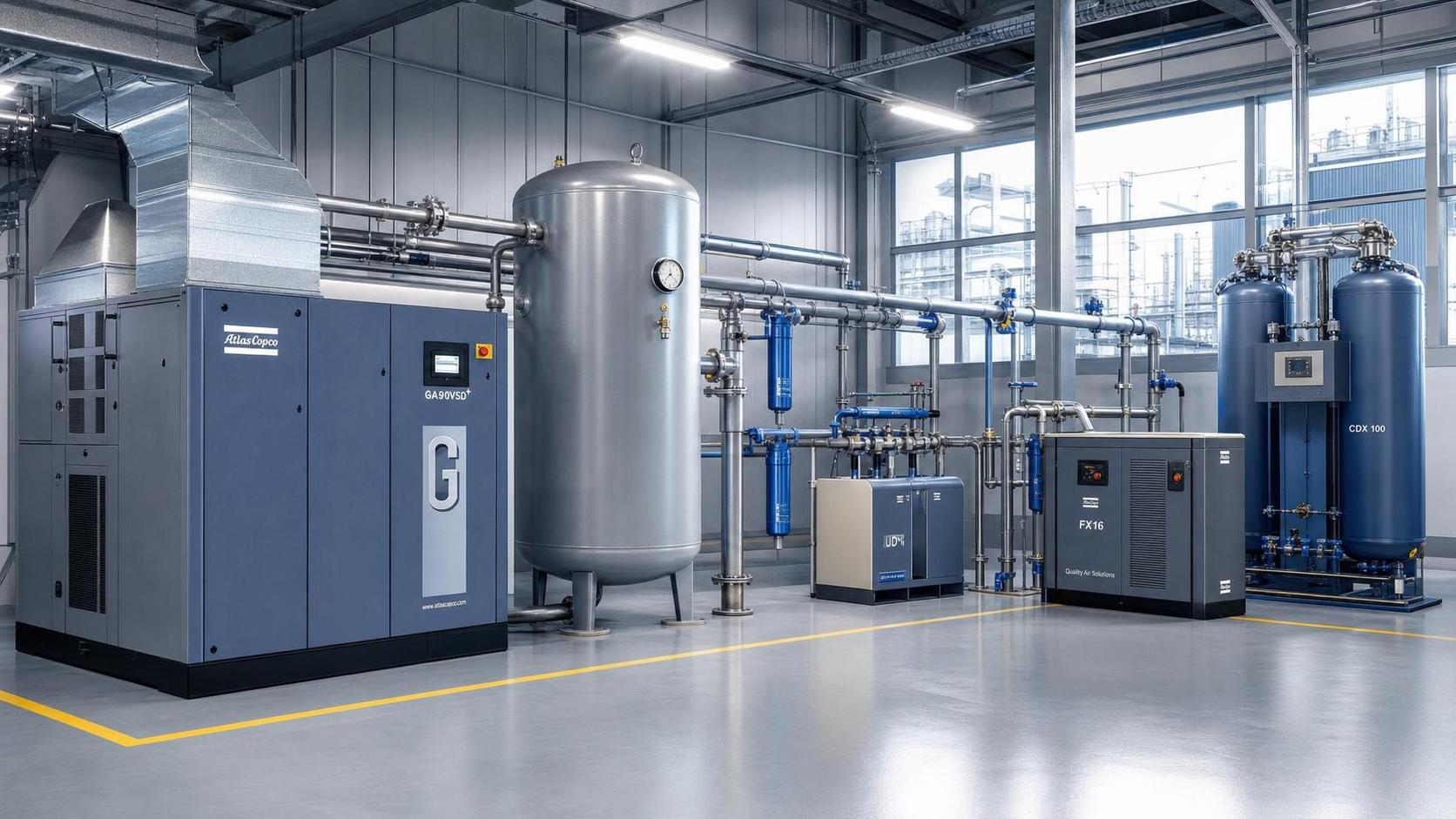
- Use a bulk separator or water trap close to the compressor discharge.
- Place a general-purpose coalescing filter before the dryer when needed.
- Install finer coalescing or particulate filters after drying for critical uses.
- Reserve activated carbon stages for odor, vapor, or ultra-clean process demands.
This sequence reduces contaminant loading on finer elements. The result is lower pressure drop growth, longer service life, and more stable air quality over time.
It also supports better lifecycle economics. The lowest purchase price rarely delivers the lowest total energy cost in compressed air technologies filtration.
Placement, Flow, and Piping: The Hidden Efficiency Levers
Filter performance depends heavily on location. If filters are installed too far from major condensate removal points, liquid carryover can overload elements and raise differential pressure quickly.
Another issue is flow velocity. Air moving too fast through a small housing usually creates turbulence, poor separation, and higher restriction. Overspeed conditions are common during shift changes or equipment expansion.
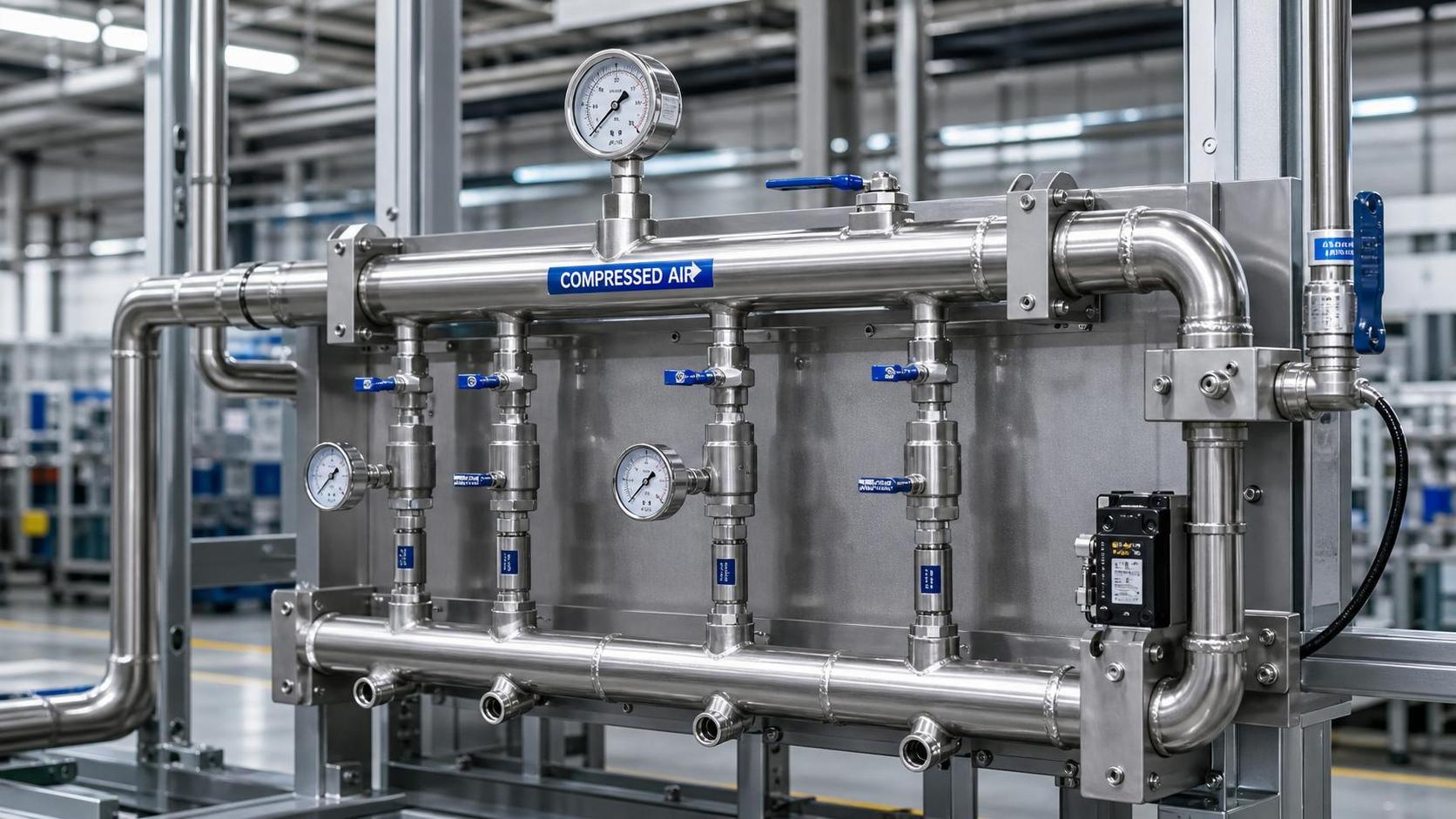
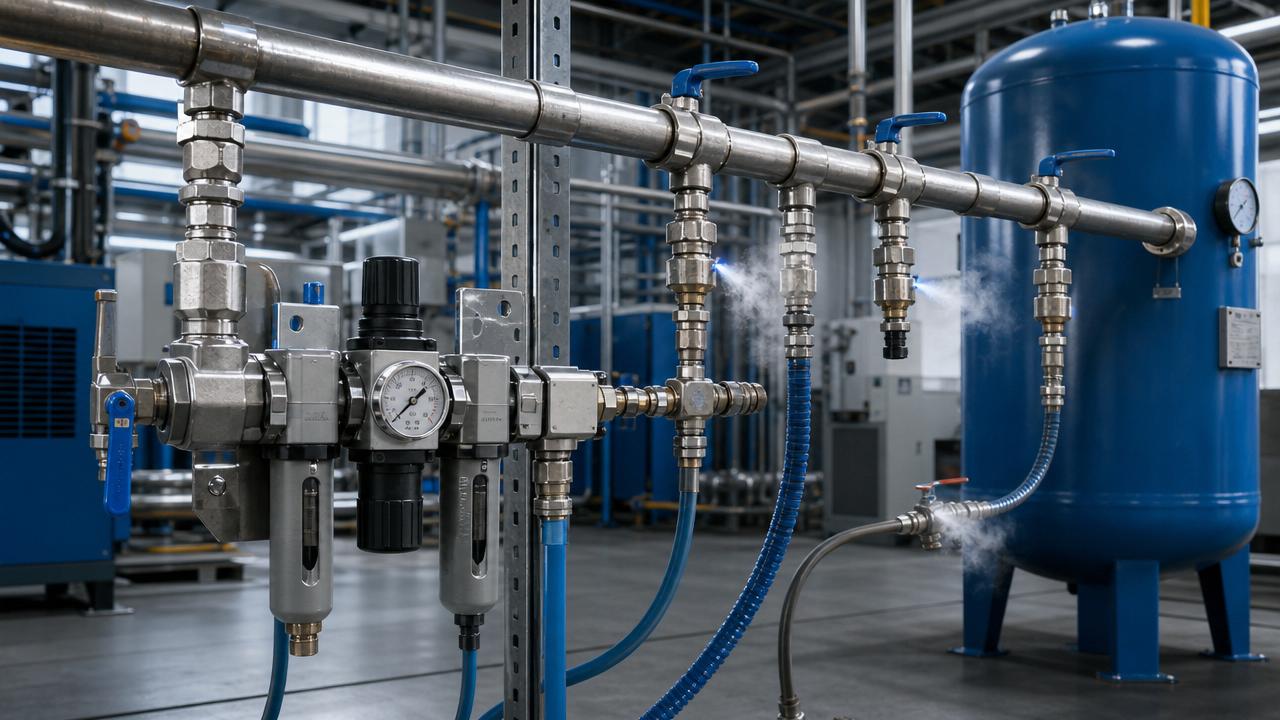
Short-radius bends, undersized connectors, and poorly planned bypass lines also matter. In many audits, the surrounding piping adds almost as much resistance as the filtration hardware itself.
A better approach is to size for realistic peak demand, preserve straight flow where possible, and place filters where condensate management is reliable. Those details often produce immediate energy savings.
In short, compressed air technologies filtration works best when airflow is calm, dry, and predictable before it reaches fine media.
Maintenance Signals That Should Trigger Action Early
Waiting for obvious failure is expensive. Efficient compressed air technologies filtration depends on replacing elements before pressure drop crosses a damaging threshold, not after production complaints begin.
Several field signals deserve close attention:
- Rising differential pressure across a stable production schedule.
- Frequent regulator adjustments at end-use equipment.
- Unexpected compressor pressure setpoint increases.
- Moisture downstream of separators, dryers, or drains.
- Faster-than-normal contamination of tools, valves, or instruments.
Differential pressure indicators are especially useful, but only if they are reviewed routinely. A gauge with no trending practice is less valuable than many plants assume.
A simple monthly log can show whether compressed air technologies filtration is staying efficient or drifting into energy waste.
Balancing Air Purity Standards With Operating Cost
Not every application needs the same purity level. Instrument air, packaging lines, CNC equipment, paint systems, and clean process areas can have very different contamination tolerances.
This is where standards-based thinking helps. Instead of applying one filtration recipe everywhere, map actual point-of-use requirements and align filter stages to each risk profile.
That approach avoids over-treatment in low-risk zones and under-protection in sensitive areas. It also improves the energy profile of compressed air technologies filtration across the full plant.
In real operations, this often means central treatment for base-quality air and local polishing filters only where the process genuinely demands them.
The benefit is clear: cleaner air where needed, lower pressure loss where it is not, and a stronger link between technical standards and operating cost control.
A Practical Checklist for Reducing Pressure Drop
If pressure drop is already affecting energy use, start with a structured review. Most gains come from routine corrections rather than major equipment replacement.
- Record pressure before and after each major filter stage.
- Compare actual flow with housing and element ratings.
- Check drains, separators, and dryer performance for liquid carryover.
- Confirm whether each filter grade matches actual air quality needs.
- Replace aged elements that are past efficient service life.
- Review piping restrictions around filter stations and bypass assemblies.
- Trend compressor setpoint changes against filtration maintenance records.
This kind of review often reveals that compressed air technologies filtration is not the only issue. Leaks, poor storage, and unstable controls may be amplifying the energy penalty.
Still, filtration is one of the fastest places to recover lost efficiency because the pressure data is usually accessible and the corrective steps are straightforward.
Conclusion: Cleaner Air Should Not Mean Higher Waste
The best compressed air technologies filtration strategy does two jobs at once. It protects air quality and equipment health while keeping resistance low across changing operating conditions.
That requires better selection, better placement, and better monitoring. It also requires treating pressure drop as an energy management issue, not just a maintenance detail.
When filter stages are matched to real process needs, the system becomes easier to control and cheaper to run. Air purity improves, compressor loading falls, and reliability becomes more predictable.
For plants reviewing standards, upgrades, or routine service plans, compressed air technologies filtration is one of the most practical starting points for cutting pressure drop and reducing energy loss.
Related News
- How Should Energy Management Systems Handle Compressor Load Changes?Author :Pneumatic Power Engineer

- Which Maintenance Issues Reduce Air Compressor Efficiency?Author :Pneumatic Power Engineer

- How Much Energy Can Variable-Speed Screw Compressors Save?Author :Pneumatic Power Engineer

- China Expands Cross-Border RMB and FX Cash Pooling NationwideAuthor :Pneumatic Power Engineer

- How to Size Air Compressor Systems for Pneumatics by Flow and Pressure DemandAuthor :Pneumatic Power Engineer

- How Energy Recovery Systems for Compressors Cut Power CostsAuthor :Pneumatic Power Engineer

- How to Evaluate Screw Compressors in Industrial Refrigeration EquipmentAuthor :Pneumatic Power Engineer

- India Makes BIS Certification Mandatory for Screw CompressorsAuthor :Pneumatic Power Engineer

- China Tightens Export Filing for Screw CompressorsAuthor :Pneumatic Power Engineer

- SABIC Sets IoT Interface Rule for Screw CompressorsAuthor :Pneumatic Power Engineer

- Industrial Heat Recovery Systems for Compressors: When Do Energy Savings Pay Back?Author :Pneumatic Power Engineer

- EU Tightens REACH Limit for Screw Compressor LubricantsAuthor :Pneumatic Power Engineer

- EU Opens China Screw Compressor Review With Carbon RuleAuthor :Pneumatic Power Engineer

- DOE Mandates AHRI 1000-2026 for Screw CompressorsAuthor :Pneumatic Power Engineer

- VDMA Filing Signals EU Risk for Chinese Oil Screw CompressorsAuthor :Pneumatic Power Engineer
![]()
- Screw vs Piston Air Compressors for Stable Plant OutputAuthor :Pneumatic Power Engineer

- Saudi SASO Tightens Refrigerant Limits in IEC 60335-2-40:2026Author :Pneumatic Power Engineer

- IIR Warns of 18-Week Lead Times for Screw CompressorsAuthor :Pneumatic Power Engineer

- Welded Compressed Air Manifold Selection Guide for Pressure Stability and LeaksAuthor :Pneumatic Power Engineer

- India BIS Rule Adds IS 16830 Requirement for Imported Screw CompressorsAuthor :Pneumatic Power Engineer

- What to Check Before Choosing a Compressed Air FactoryAuthor :Pneumatic Power Engineer

- China Tightens Export Checks on Screw CompressorsAuthor :Pneumatic Power Engineer

- Screw Compressor Lead Times Reach 22 WeeksAuthor :Pneumatic Power Engineer

- Vietnam Requires QR Labels on Imported Screw CompressorsAuthor :Pneumatic Power Engineer

- Compressed Air Technologies Filtration: How to Reduce Pressure Drop and Energy LossAuthor :Pneumatic Power Engineer

- STSPIN830 Lead Time Tops 32 Weeks in Screw CompressorsAuthor :Pneumatic Power Engineer

- IGBT Shortage Extends Screw Compressor Lead TimesAuthor :Pneumatic Power Engineer

- Compressed Air Systems: 7 Hidden Costs That Raise Total Operating ExpenseAuthor :Pneumatic Power Engineer

- Compressed Air Efficiency: 7 Hidden Losses That Raise Operating CostsAuthor :Pneumatic Power Engineer

- How to Compare Screw vs Oil-Free Air Compression SystemsAuthor :Pneumatic Power Engineer

- Compressed Air Leaks: What They Really Cost in Daily OperationsAuthor :Pneumatic Power Engineer

- DOE Moves Up R449A Chiller Deadline to March 2027Author :Pneumatic Power Engineer

- How Compression Technology Cuts Energy Use in Modern PlantsAuthor :Pneumatic Power Engineer

- EU Adds GB 18613-2025 to Import Energy ChecksAuthor :Pneumatic Power Engineer

- EU CE Rule Adds SRA for R290 Compressor ImportsAuthor :Pneumatic Power Engineer

- Compressed Air Leaks: Hidden Costs and Practical Ways to Reduce LossesAuthor :Pneumatic Power Engineer