



Compressed Air Leaks: What They Really Cost in Daily Operations




Why do compressed air leaks matter more than they appear?
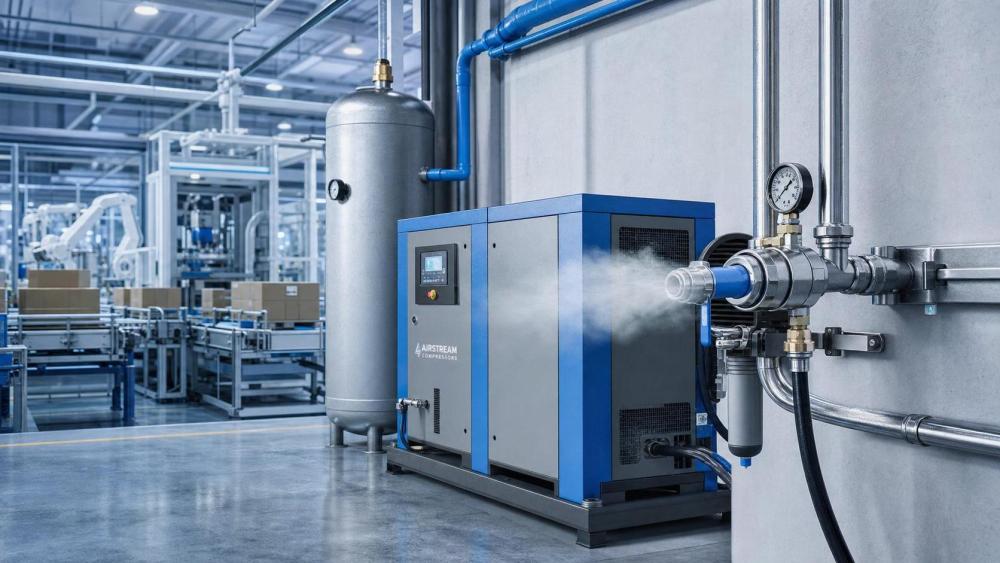
Compressed air leaks rarely trigger alarms, yet they create a steady operating loss that compounds every hour.
The visible problem is usually small.
The financial problem is not.
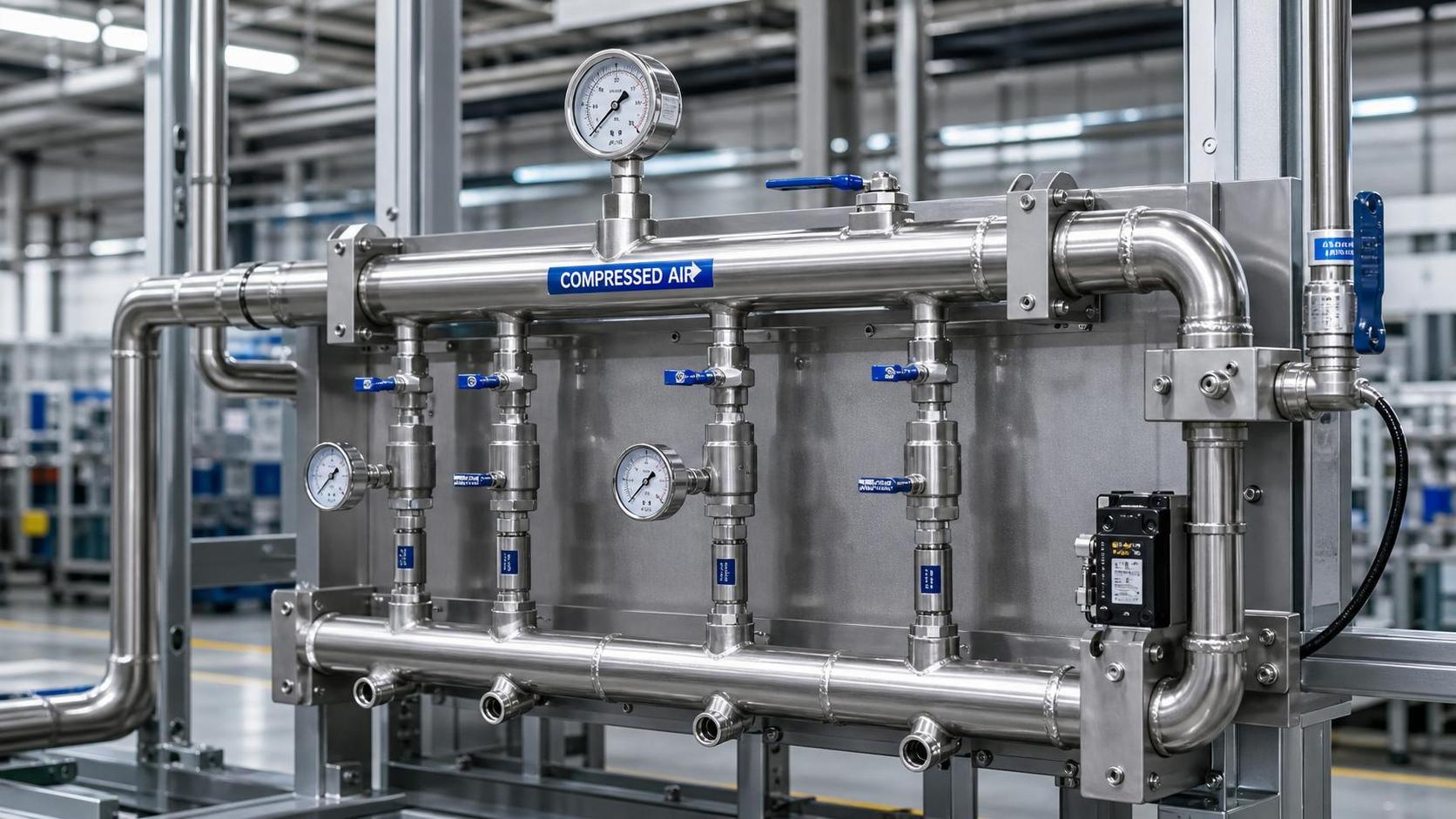
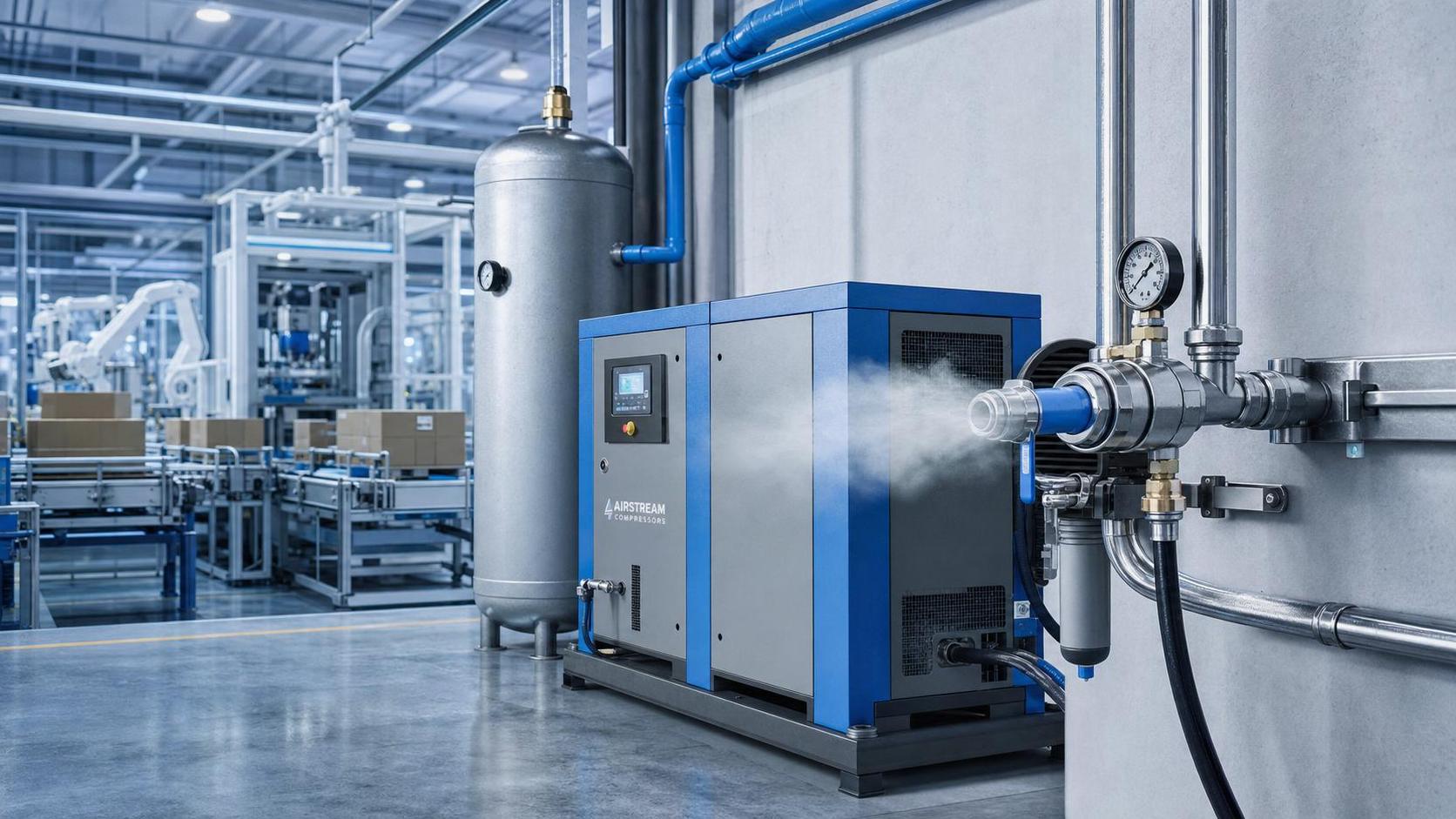
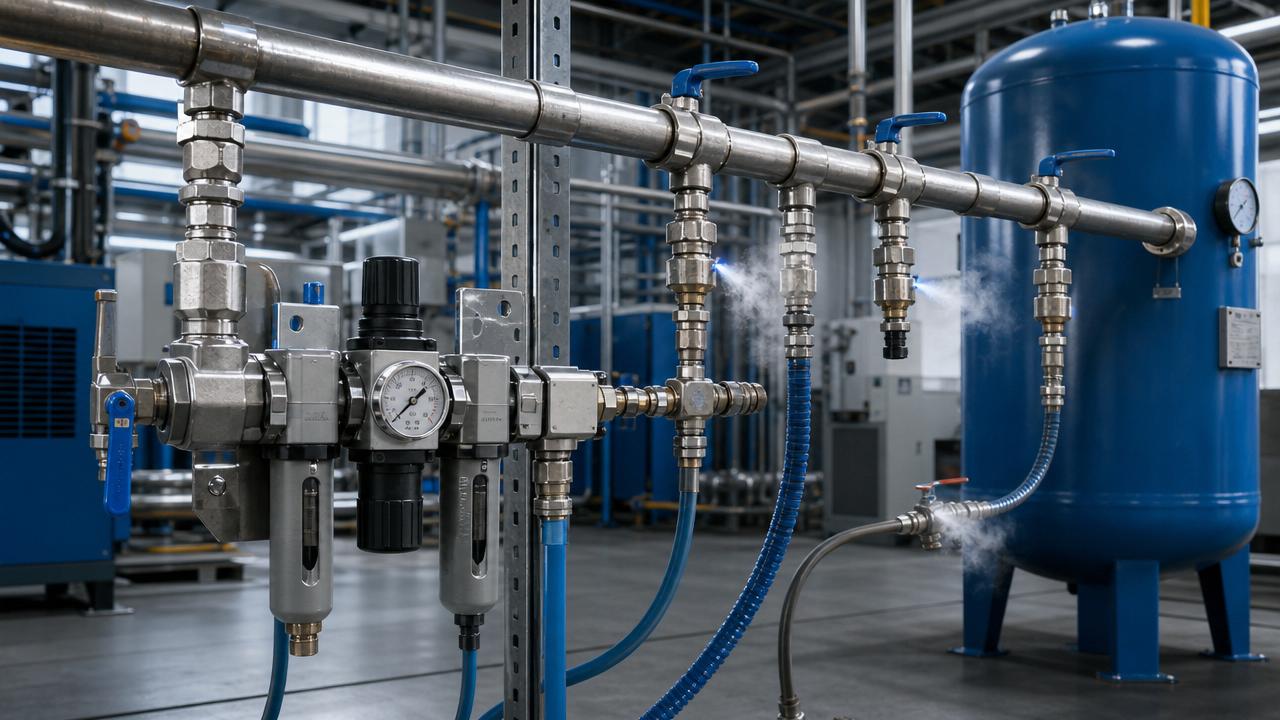
When compressed air escapes through fittings, hoses, valves, or quick couplings, the system must work harder to maintain pressure.
That means higher electricity use, longer compressor run time, and more frequent cycling.
In practical terms, a leak is not just wasted air.
It is wasted power, shortened equipment life, and hidden instability across production support systems.
This matters across general industry because compressed air supports packaging, conveying, cooling control, instrumentation, cleaning, and automated tools.
Even where air is not the main process medium, it often protects uptime.
That is why platforms such as GTC-Matrix keep linking thermodynamic efficiency with business performance.
A leak is a technical fault, but it should be evaluated as an energy conversion loss inside the wider operating model.
What do compressed air leaks really cost in daily operations?
Most people start with the utility bill, and that is reasonable.
Still, the direct energy cost is only the first layer.
A leaking compressed air network often creates four cost channels at the same time.
- Higher electricity demand because compressors load more often.
- Reduced pressure stability at end-use points.
- Extra maintenance from wear on motors, dryers, filters, and controls.
- Indirect production losses when tools or actuators underperform.
The hidden part is usually the most expensive.
A small pressure drop may prompt operators to raise system pressure.
That decision can increase overall energy use across the entire compressed air system.
It also masks the root cause, which delays proper correction.
In facilities with multiple shifts, leak losses continue during idle hours.
So the cost does not stop when production slows.
It often becomes more obvious at night, weekends, or seasonal low-load periods.
A useful way to frame this is simple: every unmanaged leak turns purchased electricity into non-productive output.
A quick judgment table for daily cost exposure
The table below helps translate leak symptoms into likely business impact.
How can you tell whether leak losses justify action now?
This is usually the real question behind compressed air cost reviews.
Not every hiss requires a large project.
But waiting too long often normalizes avoidable waste.
A practical decision starts with three checks.
- Compare loaded and unloaded compressor behavior during idle periods.
- Review pressure complaints by location, shift, and equipment type.
- Track whether energy intensity is rising without output growth.
If two or more signals appear together, the case for action usually strengthens.
In actual operations, leak loss becomes urgent when it starts distorting capacity planning.
For example, a site may believe it needs another compressor.
After a leak survey, it may discover that existing supply was already sufficient.
That is where procurement and operating strategy connect.
A repair program can sometimes defer capital spending more effectively than a new equipment purchase.
GTC-Matrix often frames these issues through energy conversion efficiency, not component price alone.
That broader lens helps separate true capacity shortages from system inefficiency.
Where do compressed air leaks usually hide, and why are they missed?
Leaks are missed because many of them do not interrupt production immediately.
They blend into background noise, especially in busy plants.
The most common locations are predictable.
- Threaded joints, aging hoses, and quick-connect couplings.
- Drain traps, filter housings, and regulator assemblies.
- Poorly isolated branch lines serving retired equipment.
- Actuator seals in repetitive, high-cycle applications.
What makes them expensive is not only their number.
It is the fact that several minor losses often combine into a constant demand burden.
Another reason they go unnoticed is ownership.
Compressed air touches utilities, maintenance, production, automation, and sometimes facility management.
When responsibility is fragmented, leak repair slips behind more visible tasks.
That is why routine detection should be tied to measurable thresholds, not informal observation.
In sectors such as food, pharmaceutical support, electronics, and packaging, this also protects process consistency.
A stable compressed air system supports clean operation, accurate control, and fewer disruptions in temperature-sensitive environments.
Is leak repair enough, or should the whole compressed air system be reviewed?
Sometimes a repair campaign solves the issue quickly.
Sometimes it only treats the symptom.
A wider system review is usually justified when leaks return repeatedly or pressure complaints continue after repairs.
That points to deeper causes such as poor piping layout, oversized pressure margins, inadequate storage, or control mismatch.
In real-world procurement decisions, this distinction matters.
Paying for repeated spot fixes without reviewing system design can lock in higher lifetime costs.
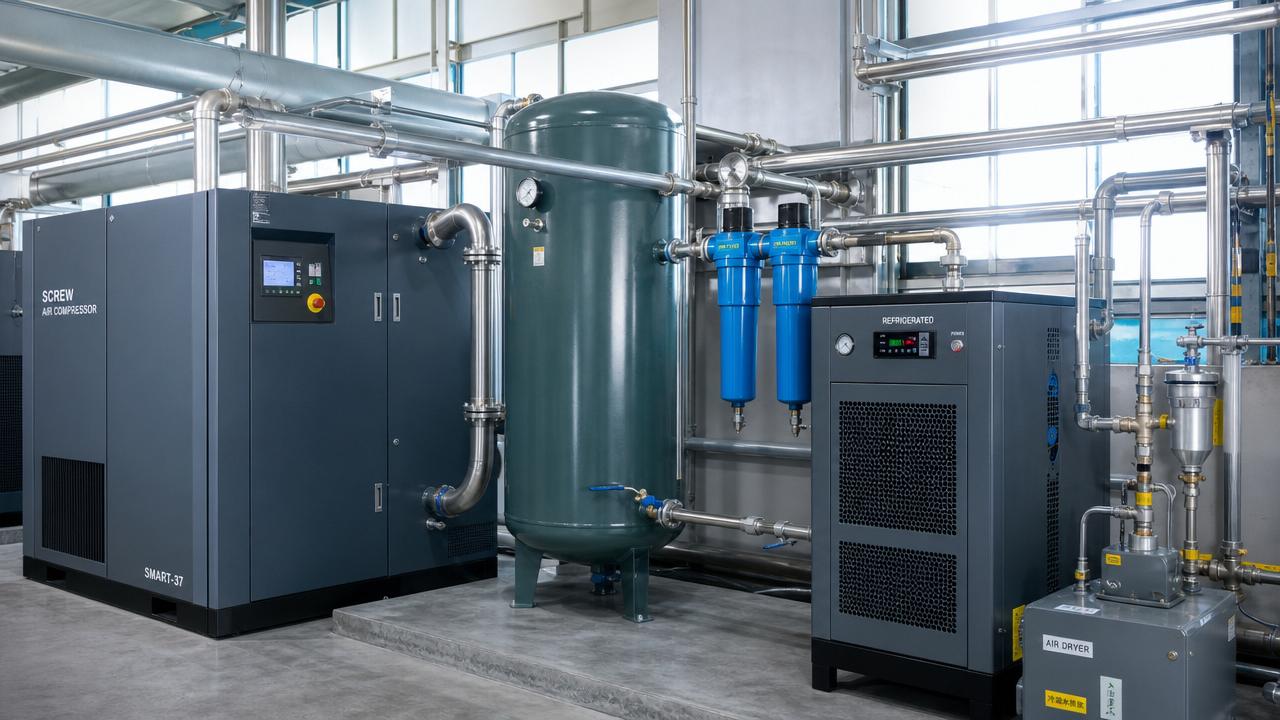
A structured review should examine supply, distribution, treatment, controls, and end-use behavior together.
That is especially relevant when compressed air interacts with cooling loads, vacuum support, or heat-generating equipment.
The thermodynamic link is easy to overlook.
More compressor work creates more heat, which can influence dryer performance and plant energy balance.
This is where GTC-Matrix brings useful context.
Its cross-sector intelligence connects compressed air efficiency with broader thermal system optimization, helping decision-makers judge whether local repairs or system redesign will deliver better value.
Signs that a broader review may be smarter than isolated repairs
- Leak repairs are frequent, but energy use stays high.
- Pressure is increased to satisfy only one distant application.
- Redundant lines or retired machines remain connected.
- Compressor additions are discussed before distribution losses are quantified.
What should be checked before approving spend on compressed air improvements?
The strongest decisions are based on verified loss, not generic efficiency claims.
Before approving corrective work, it helps to confirm a few practical points.
- How much compressed air is likely being lost during idle and loaded periods.
- Which leak points affect critical operations and which are secondary.
- Whether the issue is repairable maintenance, design weakness, or control strategy.
- How quickly energy savings can offset inspection and repair costs.
- Whether fixing leaks can postpone larger capital commitments.
It is also worth asking how performance will be sustained.
A one-time leak hunt is useful, but the better approach is a repeatable standard.
That may include baseline measurement, periodic ultrasonic surveys, tagging rules, repair deadlines, and post-repair validation.
Where energy prices, environmental targets, and uptime pressure are all rising, this discipline becomes easier to justify.
For organizations following industrial cooling, vacuum, and compression trends, the logic is consistent.
Better compressed air management supports lower operating cost, cleaner energy use, and more reliable asset performance.
So, what is the practical next step?
Start by treating compressed air leaks as a measurable cost category, not a maintenance annoyance.
That shift alone improves decision quality.
Then build a short review around actual operating hours, pressure behavior, leak locations, and current energy intensity.
If losses appear persistent, compare the value of targeted repairs against a broader system assessment.
The right answer is not always more equipment.
Often, it is better control of the compressed air already being paid for.
For teams using intelligence sources such as GTC-Matrix, the advantage is perspective.
Leak reduction can be evaluated within a larger strategy for thermal efficiency, decarbonization, and asset productivity.
That makes the next move clearer: quantify the loss, rank the risk, verify the payback, and set a repeatable standard for compressed air performance.
Related News
- China Expands Cross-Border RMB and FX Cash Pooling NationwideAuthor :Pneumatic Power Engineer

- How to Size Air Compressor Systems for Pneumatics by Flow and Pressure DemandAuthor :Pneumatic Power Engineer

- How Energy Recovery Systems for Compressors Cut Power CostsAuthor :Pneumatic Power Engineer

- How to Evaluate Screw Compressors in Industrial Refrigeration EquipmentAuthor :Pneumatic Power Engineer

- India Makes BIS Certification Mandatory for Screw CompressorsAuthor :Pneumatic Power Engineer

- China Tightens Export Filing for Screw CompressorsAuthor :Pneumatic Power Engineer

- SABIC Sets IoT Interface Rule for Screw CompressorsAuthor :Pneumatic Power Engineer

- Industrial Heat Recovery Systems for Compressors: When Do Energy Savings Pay Back?Author :Pneumatic Power Engineer

- EU Tightens REACH Limit for Screw Compressor LubricantsAuthor :Pneumatic Power Engineer

- EU Opens China Screw Compressor Review With Carbon RuleAuthor :Pneumatic Power Engineer

- DOE Mandates AHRI 1000-2026 for Screw CompressorsAuthor :Pneumatic Power Engineer

- VDMA Filing Signals EU Risk for Chinese Oil Screw CompressorsAuthor :Pneumatic Power Engineer
![]()
- Screw vs Piston Air Compressors for Stable Plant OutputAuthor :Pneumatic Power Engineer

- Saudi SASO Tightens Refrigerant Limits in IEC 60335-2-40:2026Author :Pneumatic Power Engineer

- IIR Warns of 18-Week Lead Times for Screw CompressorsAuthor :Pneumatic Power Engineer

- Welded Compressed Air Manifold Selection Guide for Pressure Stability and LeaksAuthor :Pneumatic Power Engineer

- India BIS Rule Adds IS 16830 Requirement for Imported Screw CompressorsAuthor :Pneumatic Power Engineer

- What to Check Before Choosing a Compressed Air FactoryAuthor :Pneumatic Power Engineer

- China Tightens Export Checks on Screw CompressorsAuthor :Pneumatic Power Engineer

- Screw Compressor Lead Times Reach 22 WeeksAuthor :Pneumatic Power Engineer

- Vietnam Requires QR Labels on Imported Screw CompressorsAuthor :Pneumatic Power Engineer

- Compressed Air Technologies Filtration: How to Reduce Pressure Drop and Energy LossAuthor :Pneumatic Power Engineer

- STSPIN830 Lead Time Tops 32 Weeks in Screw CompressorsAuthor :Pneumatic Power Engineer

- IGBT Shortage Extends Screw Compressor Lead TimesAuthor :Pneumatic Power Engineer

- Compressed Air Systems: 7 Hidden Costs That Raise Total Operating ExpenseAuthor :Pneumatic Power Engineer

- Compressed Air Efficiency: 7 Hidden Losses That Raise Operating CostsAuthor :Pneumatic Power Engineer

- How to Compare Screw vs Oil-Free Air Compression SystemsAuthor :Pneumatic Power Engineer

- Compressed Air Leaks: What They Really Cost in Daily OperationsAuthor :Pneumatic Power Engineer

- DOE Moves Up R449A Chiller Deadline to March 2027Author :Pneumatic Power Engineer

- How Compression Technology Cuts Energy Use in Modern PlantsAuthor :Pneumatic Power Engineer

- EU Adds GB 18613-2025 to Import Energy ChecksAuthor :Pneumatic Power Engineer

- EU CE Rule Adds SRA for R290 Compressor ImportsAuthor :Pneumatic Power Engineer

- Compressed Air Leaks: Hidden Costs and Practical Ways to Reduce LossesAuthor :Pneumatic Power Engineer

- Kunming Sourcing Festival Adds Thermal & Compression HubAuthor :Pneumatic Power Engineer

- Compressed Air Efficiency: Where Energy Losses Usually StartAuthor :Pneumatic Power Engineer

- US 3-Year Treasury Yield Rise Pressures Compressor Export QuotesAuthor :Pneumatic Power Engineer