Kunming Sourcing Festival Adds Thermal & Compression Hub




From June 12 to 16, 2026, the fourth Junfa Xinluosiwan International Purchasing Festival is set to take place in Kunming, with a dedicated Industrial Thermal & Compression Equipment zone drawing particular attention from manufacturers, buyers, and cross-border supply chain participants. The event matters because it combines product matchmaking, project bidding guidance, and compliance document support in one setting, making it relevant not only to equipment makers but also to procurement teams, export-facing service providers, and companies watching regional demand from Southeast Asia and the UAE.
A Focused Matchmaking Setup Around Equipment Exports
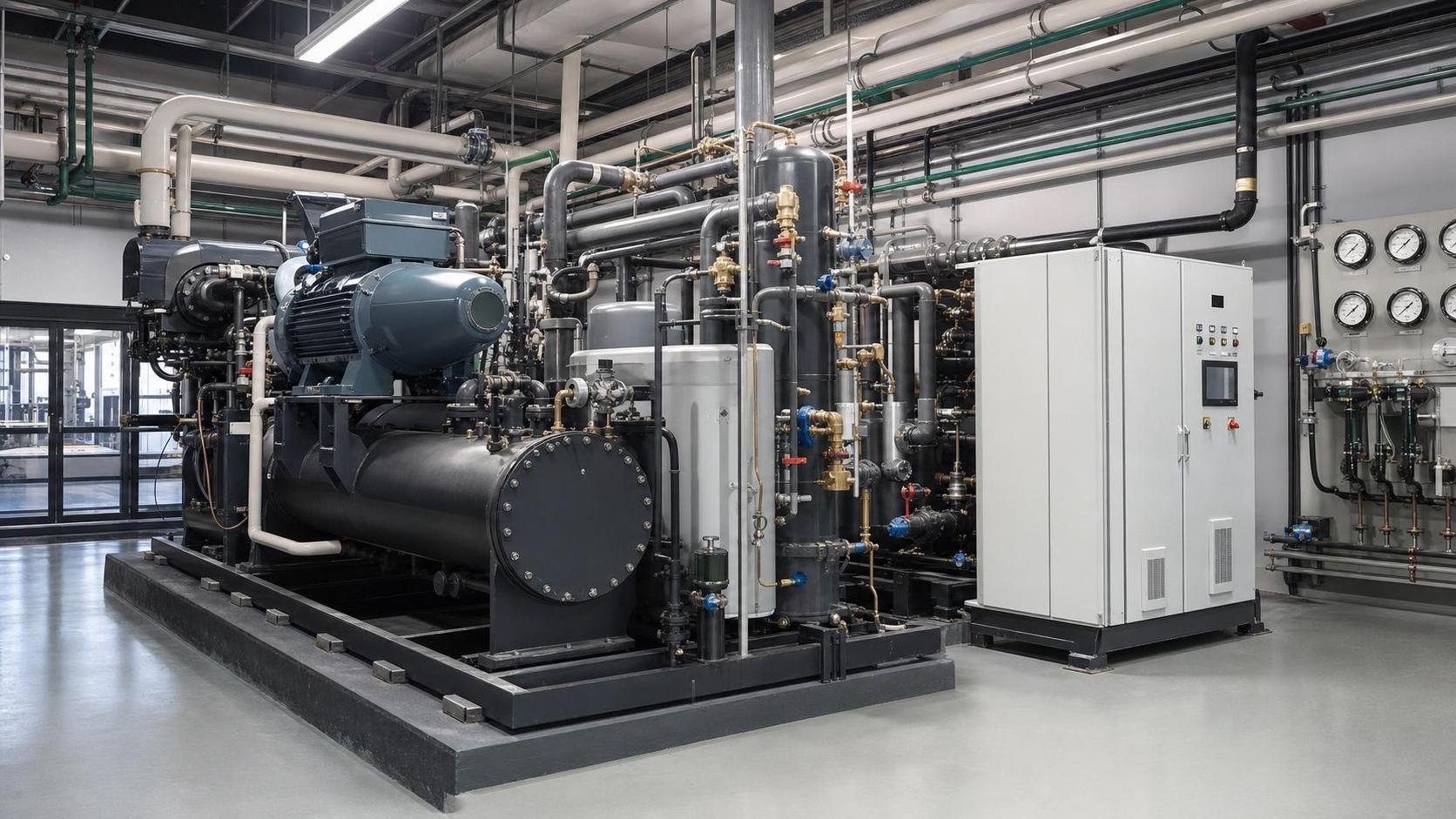
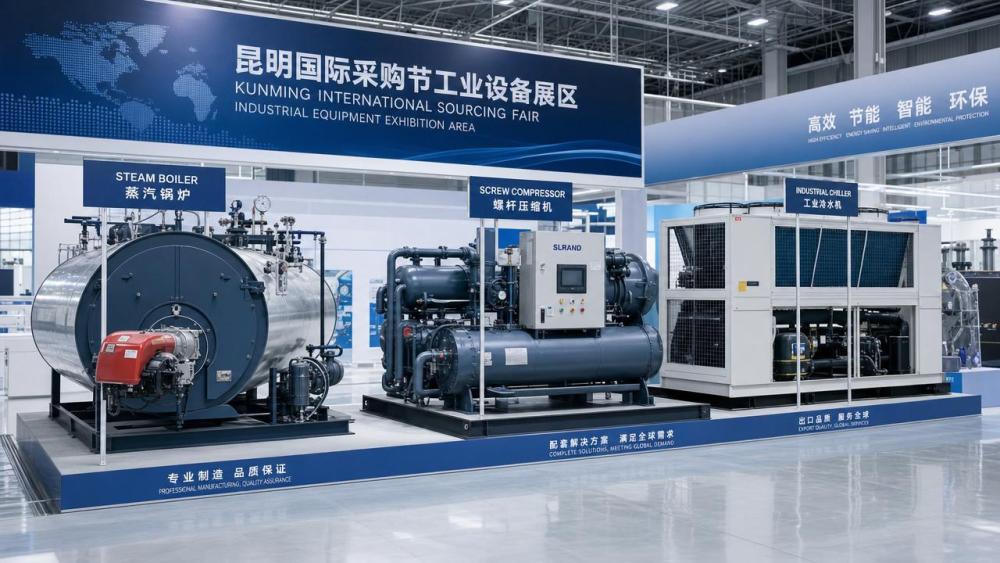
According to the event information provided, this edition of the purchasing festival will include a dedicated Industrial Thermal & Compression Equipment zone. The zone is being organized in cooperation with the GTC-Matrix strategic intelligence center.
The confirmed participating supply side includes more than 80 Chinese manufacturers of steam boilers, screw compressors, and industrial chiller units. On the demand side, buyer delegations are expected from Vietnam, Thailand, Bangladesh, and the UAE for one-to-one business meetings.
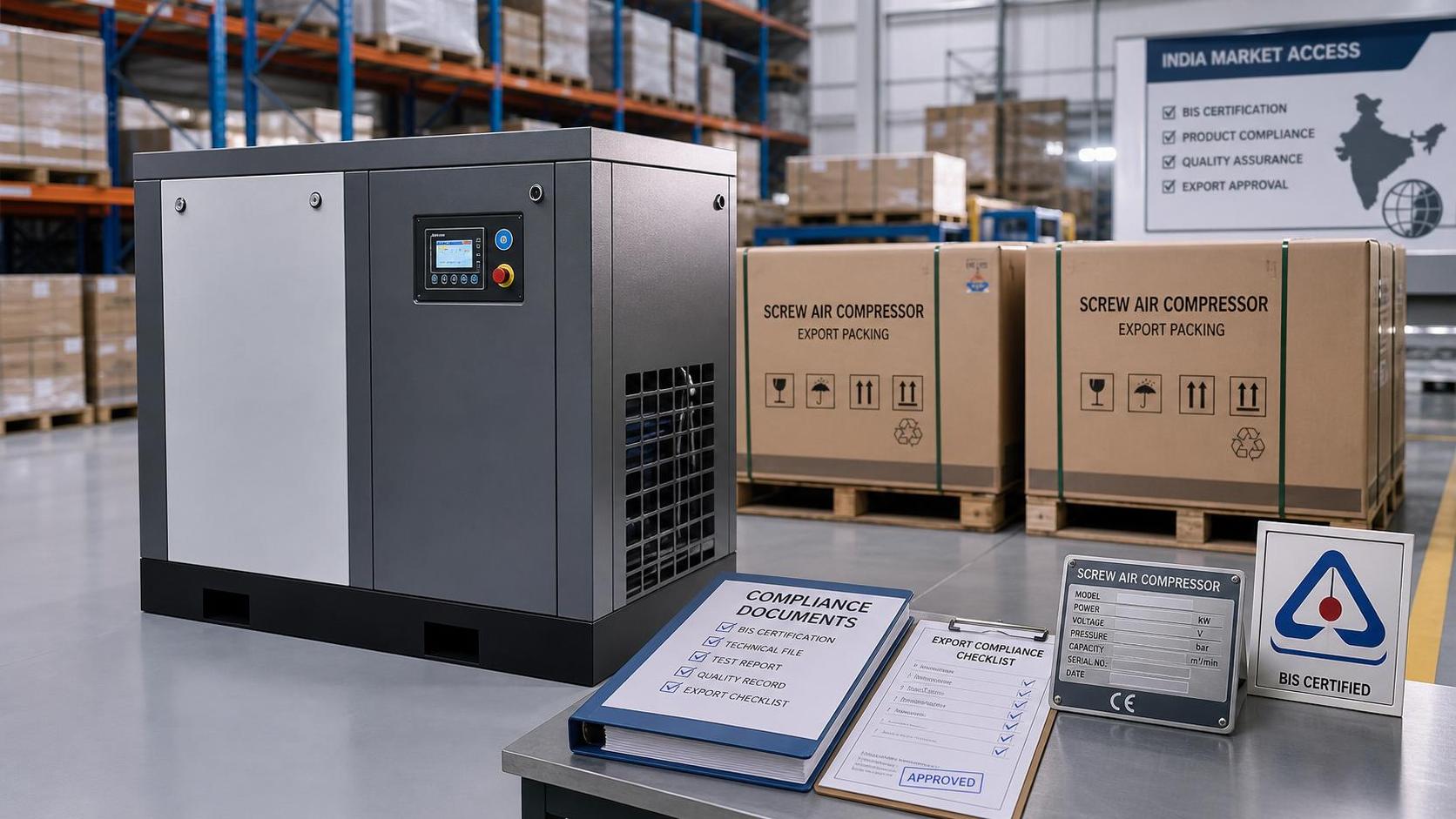
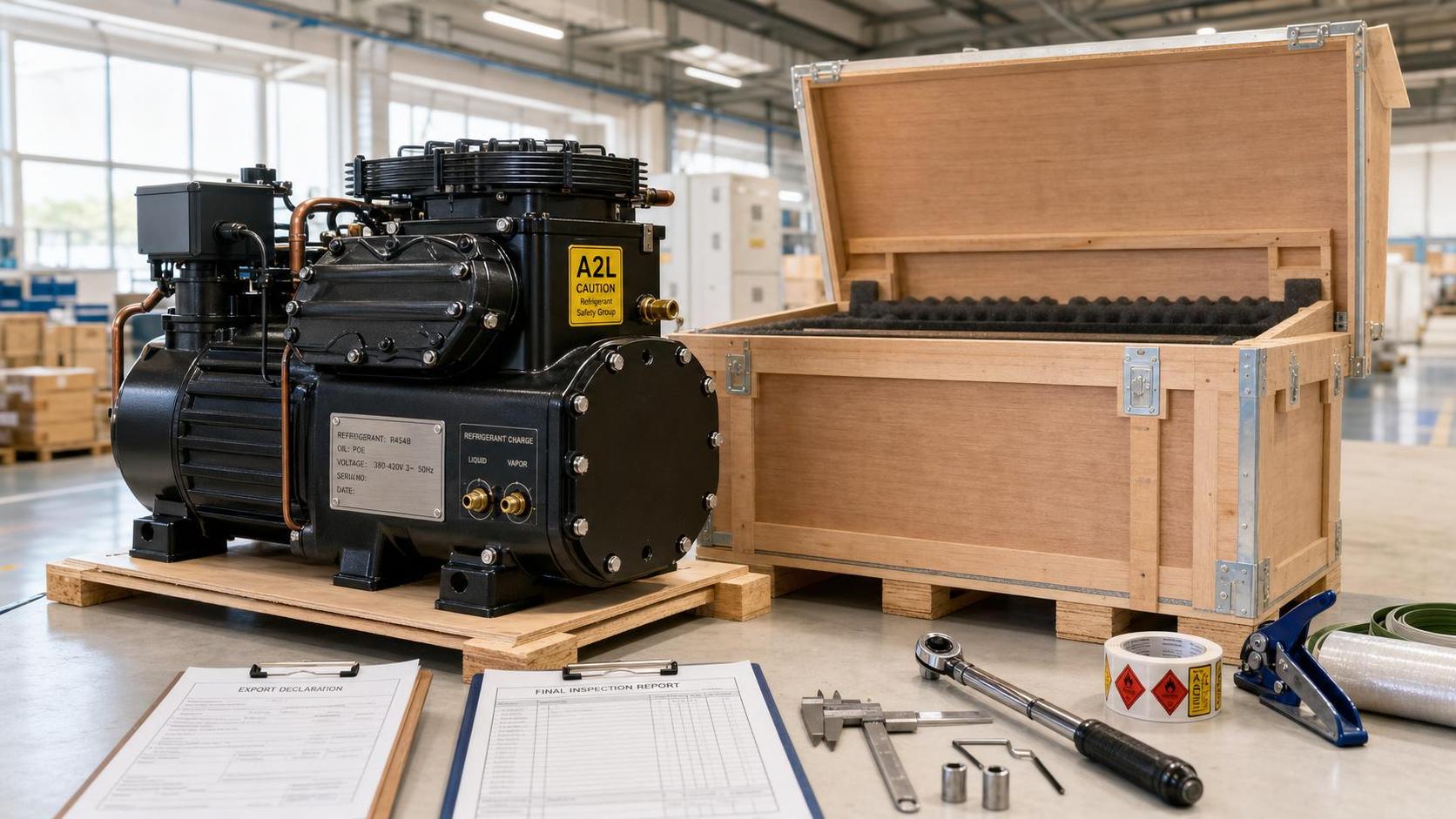
The event information also states that participating businesses will have access to UN/ADB project bidding guidance and a refrigerant compliance document package. No additional details beyond these points were provided in the input.
Why This Matters Across the Value Chain
For equipment manufacturers, the signal is about export readiness
From an industry perspective, steam boiler, screw compressor, and industrial chiller manufacturers may be affected first because the event creates a direct interface with overseas procurement groups. The potential impact is not limited to sales discussions; it also touches quotation preparation, technical communication, documentation readiness, and the ability to respond to project-based demand.
What deserves closer attention is that the event pairs product categories with bidding support and compliance materials. That suggests manufacturers may need to prepare not only product information, but also the paperwork and response capability required in more formal procurement environments.
For overseas buyers, the value is in supplier comparison and project fit
Analysis shows that buyer delegations from Vietnam, Thailand, Bangladesh, and the UAE may use this format to compare multiple Chinese suppliers within a concentrated timeframe. The main business impact would likely fall on supplier screening, specification matching, and early-stage commercial discussions.
For procurement teams, a key point to watch is whether one-to-one meetings lead to clearer alignment on documentation, compliance, and project bidding requirements rather than only price-based negotiation.
For trade and supply chain service providers, documentation becomes part of the transaction
Observably, cross-border service providers involved in export procedures, tender support, or document handling may also see relevance in this development. The inclusion of a refrigerant compliance document package indicates that transaction support may extend beyond logistics or introductions and into compliance-facing execution.
The business impact here would likely center on how quickly suppliers can translate buyer interest into complete submissions, especially where technical files or tender-related materials are expected.
What Companies Should Track Next
Watch the practical scope of bidding guidance
Companies should pay close attention to how the UN/ADB project bidding guidance is framed in practice. Analysis shows that guidance support and actual project qualification are not the same thing, so businesses should distinguish between an introductory advisory function and confirmed access to specific procurement opportunities.
Prepare category-specific documentation before engagement
For suppliers of boilers, compressors, and chiller units, the immediate practical issue is document readiness. Based on the event summary, conversations may move quickly from product introduction to requests for formal materials, so firms should focus on technical files, commercial response materials, and any compliance-related documentation connected to refrigerants where applicable.
Align sales communication with target-market expectations
Because buyer groups are coming from four different overseas markets, companies should watch for differences in procurement style, documentation expectations, and project discussion depth. What deserves closer attention is whether internal sales teams are prepared for structured one-to-one meetings rather than broad exhibition-style pitching.
Separate event visibility from transaction certainty
Observably, participation in a focused sourcing zone can improve exposure, but it does not by itself confirm order conversion or project awards. Companies should therefore prepare follow-up processes, response timelines, and internal coordination for post-meeting communication instead of treating the event itself as the final commercial outcome.
How to Read This Development at This Stage
Analysis shows that this news is best understood as a structured market-connection signal rather than a confirmed shift in trade flows. The combination of one-to-one matchmaking, project bidding guidance, and refrigerant compliance support suggests that cross-border equipment trade is being approached with more emphasis on execution conditions, not just product display.
At the same time, it is still more appropriate to understand this as an event-stage indicator. The available facts confirm the format and participants described in the summary, but they do not yet confirm transaction volume, project wins, or longer-term procurement outcomes. That is why the development remains important to watch rather than something that can already be treated as a settled market result.
A Near-Term Signal With Broader Implications
In practical terms, the Kunming event highlights where current attention is concentrating: industrial thermal and compression equipment, cross-border buyer-supplier matching, and the growing importance of bidding and compliance support alongside product marketing. For companies in these categories, the immediate significance lies in preparation quality and follow-up capability.
From an editorial standpoint, this is more appropriate to understand as a near-term industry signal with possible longer-term implications if the matchmaking and support functions translate into repeatable procurement channels. For now, the most balanced conclusion is that the event deserves attention as a concrete business interface, while its broader market effect still requires continued observation.
Basis of This Article
This article is based on the user-provided news title, event date, and event summary related to the fourth Junfa Xinluosiwan International Purchasing Festival and its dedicated Industrial Thermal & Compression Equipment zone.
For this type of industry update, relevant source categories would typically include official event announcements, company notices, industry association information, authoritative media coverage, and documentation from standard-setting or multilateral procurement-related organizations. A specific official source link was not provided in the input, so the underlying details should continue to be verified as more formal disclosures or follow-up information become available.
Further observation should focus on any subsequent official wording about the matchmaking results, the scope of bidding guidance, and the practical use of the refrigerant compliance document package in real business engagement.
Ready when you are. Send us a message to get started.
Related News
- When does variable gas flow justify a custom screw compressor system?Author :Pneumatic Power Engineer

- How to size compressed air equipment for pneumatic toolsAuthor :Pneumatic Power Engineer

- How Should Energy Management Systems Handle Compressor Load Changes?Author :Pneumatic Power Engineer

- Which Maintenance Issues Reduce Air Compressor Efficiency?Author :Pneumatic Power Engineer

- How Much Energy Can Variable-Speed Screw Compressors Save?Author :Pneumatic Power Engineer

- Industrial Compressor Selection: Matching Flow, Pressure, and Duty CycleAuthor :Pneumatic Power Engineer

- China Expands Cross-Border RMB and FX Cash Pooling NationwideAuthor :Pneumatic Power Engineer

- How to Size Air Compressor Systems for Pneumatics by Flow and Pressure DemandAuthor :Pneumatic Power Engineer

- How Energy Recovery Systems for Compressors Cut Power CostsAuthor :Pneumatic Power Engineer

- How to Evaluate Screw Compressors in Industrial Refrigeration EquipmentAuthor :Pneumatic Power Engineer

- India Makes BIS Certification Mandatory for Screw CompressorsAuthor :Pneumatic Power Engineer

- China Tightens Export Filing for Screw CompressorsAuthor :Pneumatic Power Engineer

- SABIC Sets IoT Interface Rule for Screw CompressorsAuthor :Pneumatic Power Engineer

- Industrial Heat Recovery Systems for Compressors: When Do Energy Savings Pay Back?Author :Pneumatic Power Engineer

- EU Tightens REACH Limit for Screw Compressor LubricantsAuthor :Pneumatic Power Engineer

- EU Opens China Screw Compressor Review With Carbon RuleAuthor :Pneumatic Power Engineer

- DOE Mandates AHRI 1000-2026 for Screw CompressorsAuthor :Pneumatic Power Engineer

- VDMA Filing Signals EU Risk for Chinese Oil Screw CompressorsAuthor :Pneumatic Power Engineer
![]()
- Screw vs Piston Air Compressors for Stable Plant OutputAuthor :Pneumatic Power Engineer

- Saudi SASO Tightens Refrigerant Limits in IEC 60335-2-40:2026Author :Pneumatic Power Engineer

- IIR Warns of 18-Week Lead Times for Screw CompressorsAuthor :Pneumatic Power Engineer

- Welded Compressed Air Manifold Selection Guide for Pressure Stability and LeaksAuthor :Pneumatic Power Engineer

- India BIS Rule Adds IS 16830 Requirement for Imported Screw CompressorsAuthor :Pneumatic Power Engineer

- What to Check Before Choosing a Compressed Air FactoryAuthor :Pneumatic Power Engineer

- China Tightens Export Checks on Screw CompressorsAuthor :Pneumatic Power Engineer

- Screw Compressor Lead Times Reach 22 WeeksAuthor :Pneumatic Power Engineer

- Vietnam Requires QR Labels on Imported Screw CompressorsAuthor :Pneumatic Power Engineer

- Compressed Air Technologies Filtration: How to Reduce Pressure Drop and Energy LossAuthor :Pneumatic Power Engineer

- STSPIN830 Lead Time Tops 32 Weeks in Screw CompressorsAuthor :Pneumatic Power Engineer

- IGBT Shortage Extends Screw Compressor Lead TimesAuthor :Pneumatic Power Engineer

- Compressed Air Systems: 7 Hidden Costs That Raise Total Operating ExpenseAuthor :Pneumatic Power Engineer

- Compressed Air Efficiency: 7 Hidden Losses That Raise Operating CostsAuthor :Pneumatic Power Engineer

- How to Compare Screw vs Oil-Free Air Compression SystemsAuthor :Pneumatic Power Engineer

- Compressed Air Leaks: What They Really Cost in Daily OperationsAuthor :Pneumatic Power Engineer

- DOE Moves Up R449A Chiller Deadline to March 2027Author :Pneumatic Power Engineer

- How Compression Technology Cuts Energy Use in Modern PlantsAuthor :Pneumatic Power Engineer