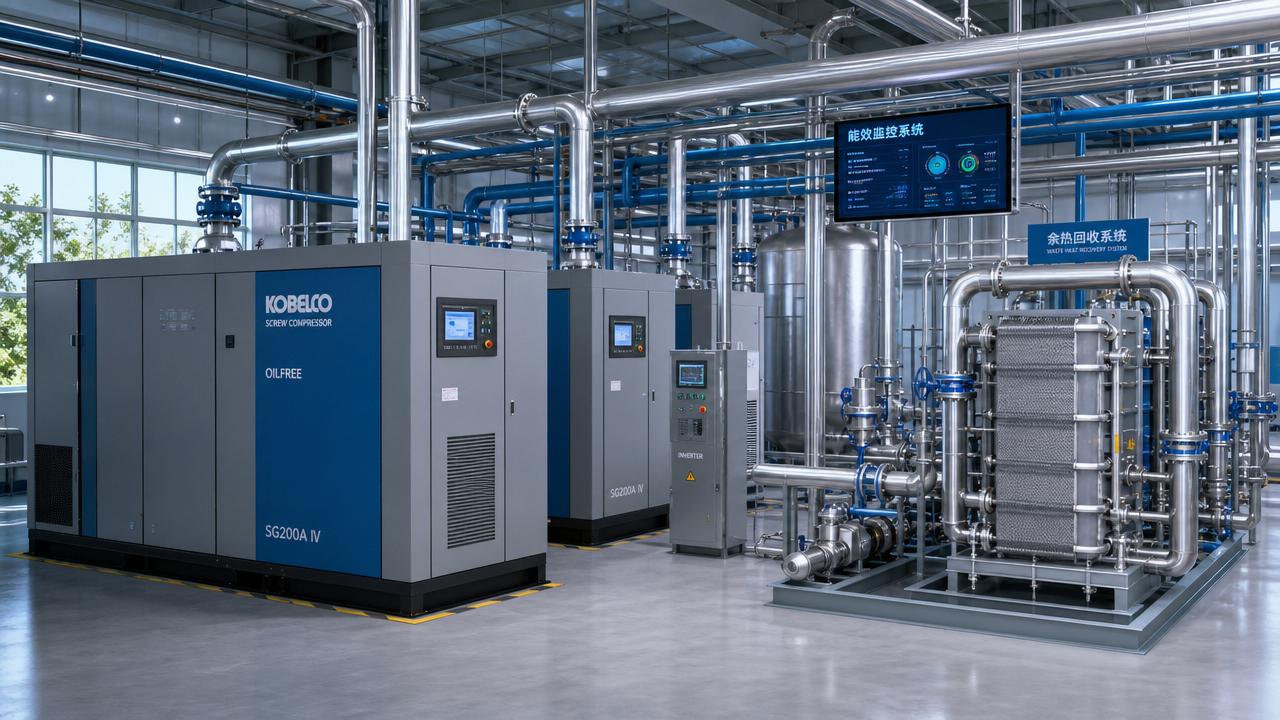
Air Compression Leaks: Fixes That Cut Power Waste Fast




Air compression leaks silently drain power, raise operating costs, and reduce system reliability before many operators notice the warning signs. For plants focused on efficiency, finding and fixing these losses fast is one of the simplest ways to improve performance. This guide explains practical leak-detection methods, common failure points, and quick fixes that help operators cut waste, protect equipment, and keep air compression systems running at their best.
Why do air compression leaks become expensive so quickly?
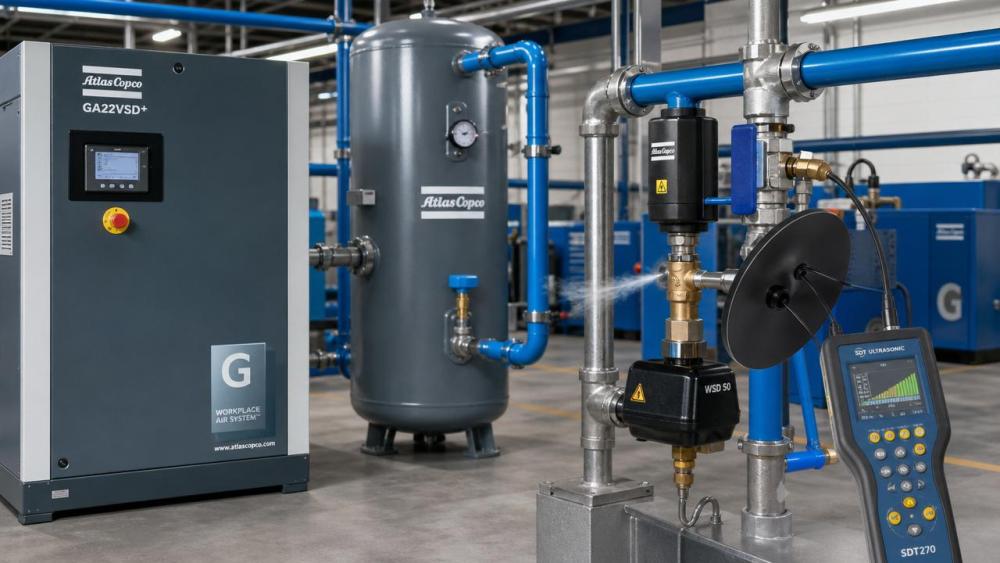
In most industrial sites, compressed air is one of the costliest utilities because every pressure drop must be paid for in electrical input. When air compression leaks spread across hoses, fittings, valves, and end-use tools, the compressor runs longer, unload cycles increase, and system pressure often gets pushed higher than necessary.
Operators usually feel the impact before they see it on a report. Machines respond more slowly, pressure becomes unstable at peak demand, and maintenance teams receive more complaints from production. In mixed-use facilities, these symptoms are often blamed on compressor capacity, even when leakage is the real driver of waste.
For a platform like GTC-Matrix, the issue matters beyond maintenance. Air compression efficiency sits at the center of energy conversion performance, operating cost control, and decarbonization planning. Leak reduction is therefore not just a repair task. It is a direct operational lever that supports lower power consumption and more stable thermal and pneumatic performance.
- Higher electricity use because compressors must replace lost air continuously, including during nonproductive hours.
- Reduced tool and actuator performance when pressure at the point of use drops below design expectations.
- Shorter equipment life due to extra run time, frequent loading, and added thermal stress on motors, dryers, and filters.
- Hidden capital waste when plants consider buying a larger compressor before fixing avoidable leakage.
What operators should watch first
If the compressor runs heavily during breaks, weekends, or low-production shifts, leakage is often significant. Another warning sign is a plant that keeps raising setpoint pressure to satisfy one distant machine. That temporary fix can increase energy use across the entire air compression network.
Where are the most common leak points in air compression systems?
Most leaks are not dramatic failures. They are small, distributed losses that accumulate over time. The highest-risk points are usually threaded joints, quick couplers, flexible hoses, drain valves, regulator assemblies, solenoid valves, aging seals, and machine interfaces that vibrate during operation.
Leak patterns also depend on industry conditions. Food processing lines may see washdown-related seal wear. Electronics or clean process environments may face problems in precision regulators and fittings. General manufacturing often struggles with hose damage, neglected drops, and unused branch lines left pressurized.
The table below helps operators prioritize inspection points in air compression systems based on failure likelihood, production impact, and repair urgency.
This inspection order is useful because it combines speed and savings. Small fitting leaks can often be fixed in minutes, while drain and regulator issues may remove both air loss and quality problems in the same maintenance window.
Why unused lines matter
One overlooked source of air compression waste is the branch line feeding retired equipment or seasonal stations. If those lines stay live, they can keep leaking for months. Isolating unused sections with clear shutoff discipline often produces immediate savings with minimal spend.
How can operators detect air compression leaks fast without stopping production?
The best detection method depends on plant size, noise level, and urgency. In many facilities, a staged approach works best: start with audible checks and pressure behavior, then move to ultrasonic inspection for high-noise environments and formal leak surveys.
Fast field methods that work
- Listen during quiet hours. Early shift, lunch breaks, or shutdown windows make hissing leaks easier to identify.
- Use soapy water on suspect joints. Bubble formation gives a simple visual confirmation for accessible fittings and valves.
- Track pressure decay. If isolated sections lose pressure quickly after shutdown, leakage is likely significant.
- Apply ultrasonic tools where ambient noise is high. These devices locate high-frequency sound signatures that human hearing misses.
- Compare compressor load patterns with production hours. If power demand stays high when consumption should be low, leaks or artificial demand are probable.
A practical leak program also needs tagging and prioritization. Operators should label each leak by location, estimated severity, access requirement, and repair status. Without that discipline, the same air compression leaks tend to be rediscovered again and again.
The following comparison table supports air compression leak detection planning by matching methods to plant conditions, cost, and accuracy needs.
For operators under pressure to deliver savings quickly, ultrasonic inspection often provides the best balance of speed and coverage, while soap solution remains the easiest confirmation tool at the repair point.
Which fixes cut air compression power waste the fastest?
Not every repair delivers the same return. The fastest gains usually come from fixing continuous leaks in high-pressure headers, replacing worn couplers on frequently used stations, repairing drains that bleed constantly, and isolating idle equipment lines. These actions reduce wasted air immediately without waiting for a major shutdown.
High-priority repair actions
- Replace damaged hoses instead of wrapping temporary tape repairs that fail under vibration and oil exposure.
- Standardize fitting types where possible. Mixed threads and incompatible seal materials increase repeat leakage.
- Install isolation valves on dormant branches so nonessential areas can be shut off during idle periods.
- Review regulator settings and end-use pressure needs. Lowering system pressure after leaks are fixed can unlock extra energy savings.
- Repair condensate drains promptly because a failed drain can waste air continuously and also harm downstream air quality.
Operators should also distinguish between real demand and artificial demand. When pressure is kept too high, some devices consume more compressed air than necessary. In that case, fixing leaks and reducing pressure together often produces better results than leak repair alone.
When repair kits make sense
Repair kits are useful for standardized regulators, valves, and filter assemblies when parts are easy to source and labor time is controlled. Full replacement is often the better choice for brittle hoses, heavily corroded couplers, or components with repeated failure history.
How should plants prioritize leak repair, maintenance cost, and replacement decisions?
A good air compression strategy is not only about finding leaks. It is about deciding which ones to fix first, which parts to stock, and when repair effort stops making economic sense. This is where cross-functional intelligence becomes valuable, especially in facilities balancing energy costs, uptime, and procurement lead times.
GTC-Matrix approaches this through a broader industrial lens. Leak management connects directly with energy pricing volatility, compressor technology evolution, air treatment performance, and maintenance budgeting. That integrated view helps operators avoid narrow decisions that save parts cost but increase total operating cost.
A practical decision framework
- Rank leaks by estimated flow loss, duty cycle, and production criticality instead of by noise alone.
- Check whether the leaking component is common, obsolete, or tied to a larger system redesign.
- Include labor access cost. A small elevated leak may justify immediate repair if lift access is already available.
- Review recurring leak locations as design problems, not isolated incidents. Vibration, poor routing, or wrong materials may be the root cause.
- Use shutdown windows to bundle air compression repairs with filter, dryer, valve, or heat-management maintenance.
What standards, operating practices, and common mistakes should operators know?
Specific site rules vary, but operators should align leak work with general compressed air safety practices, lockout procedures, pressure isolation rules, and manufacturer maintenance guidance. Where plants follow structured energy management programs, air compression leak tracking can support broader efficiency reporting and improvement planning.
Common mistakes that increase waste
- Treating leaks as minor because each point seems small, while total system loss remains high.
- Raising compressor discharge pressure instead of fixing pressure loss causes in the distribution network.
- Ignoring night or weekend compressor behavior, which often reveals baseline leakage more clearly than daytime production.
- Using nonstandard replacement parts that create sealing incompatibility or shorten service life.
- Focusing only on the compressor room while major air compression leaks actually sit at machine-level consumption points.
For sites with strict process stability requirements, especially in pharmaceutical, semiconductor, and food-related environments, leak control also supports cleaner, more predictable pneumatic performance. That matters when precision actuation and controlled air quality affect output consistency.
FAQ: practical air compression questions from operators
How often should an air compression system be checked for leaks?
High-use plants should perform quick routine checks weekly and structured surveys monthly or quarterly, depending on system size and operating criticality. Any facility with rising power use, unstable pressure, or aging distribution lines should shorten the inspection interval.
Is it better to buy a larger compressor if pressure is low?
Not until leakage, pressure drop, controls, and demand patterns are reviewed. Many plants add capacity before solving distribution waste. That can increase capital spending and electricity use without removing the root problem in the air compression network.
Which leak detection method offers the best value?
For large or noisy facilities, ultrasonic detection usually provides the best operational value because it finds more leaks in less time. For smaller plants or repair confirmation, audible checks and soap solution are still effective low-cost tools.
Can lowering system pressure help after leaks are fixed?
Yes, if end-use equipment still receives the required pressure and flow. Lower pressure can reduce both leakage rate and artificial demand. However, pressure changes should be validated carefully at critical points of use before full implementation.
Why choose us for air compression insight and next-step planning?
GTC-Matrix helps operators and technical teams move beyond isolated leak repair toward smarter energy conversion decisions. Our focus on industrial cooling, compressed air, vacuum processes, and heat exchange technologies allows us to connect leak reduction with system efficiency, maintenance priorities, and broader power-use trends.
If you are reviewing air compression losses, you can contact us for support on inspection priorities, parameter confirmation, component selection logic, replacement-versus-repair judgment, delivery timing considerations, compliance expectations, and custom solution direction for specific process environments.
We also help teams frame the right questions before procurement or retrofit decisions: where the largest energy losses likely sit, whether pressure settings match real demand, which leak points justify immediate shutdown repair, and how compressed air improvements can align with decarbonization and high-efficiency manufacturing goals.
For plants that need a clearer air compression roadmap, reach out with your operating pressure range, equipment layout, leak symptoms, maintenance constraints, and target timeline. That information makes it easier to evaluate repair priorities, technology options, and practical savings opportunities with greater confidence.
Ready when you are. Send us a message to get started.
Related News
- When does variable gas flow justify a custom screw compressor system?Author :Pneumatic Power Engineer

- How to size compressed air equipment for pneumatic toolsAuthor :Pneumatic Power Engineer

- How Should Energy Management Systems Handle Compressor Load Changes?Author :Pneumatic Power Engineer

- Which Maintenance Issues Reduce Air Compressor Efficiency?Author :Pneumatic Power Engineer

- How Much Energy Can Variable-Speed Screw Compressors Save?Author :Pneumatic Power Engineer

- Industrial Compressor Selection: Matching Flow, Pressure, and Duty CycleAuthor :Pneumatic Power Engineer

- China Expands Cross-Border RMB and FX Cash Pooling NationwideAuthor :Pneumatic Power Engineer

- How to Size Air Compressor Systems for Pneumatics by Flow and Pressure DemandAuthor :Pneumatic Power Engineer

- How Energy Recovery Systems for Compressors Cut Power CostsAuthor :Pneumatic Power Engineer

- How to Evaluate Screw Compressors in Industrial Refrigeration EquipmentAuthor :Pneumatic Power Engineer

- India Makes BIS Certification Mandatory for Screw CompressorsAuthor :Pneumatic Power Engineer

- China Tightens Export Filing for Screw CompressorsAuthor :Pneumatic Power Engineer

- SABIC Sets IoT Interface Rule for Screw CompressorsAuthor :Pneumatic Power Engineer

- Industrial Heat Recovery Systems for Compressors: When Do Energy Savings Pay Back?Author :Pneumatic Power Engineer

- EU Tightens REACH Limit for Screw Compressor LubricantsAuthor :Pneumatic Power Engineer

- EU Opens China Screw Compressor Review With Carbon RuleAuthor :Pneumatic Power Engineer

- DOE Mandates AHRI 1000-2026 for Screw CompressorsAuthor :Pneumatic Power Engineer

- VDMA Filing Signals EU Risk for Chinese Oil Screw CompressorsAuthor :Pneumatic Power Engineer
![]()
- Screw vs Piston Air Compressors for Stable Plant OutputAuthor :Pneumatic Power Engineer

- Saudi SASO Tightens Refrigerant Limits in IEC 60335-2-40:2026Author :Pneumatic Power Engineer

- IIR Warns of 18-Week Lead Times for Screw CompressorsAuthor :Pneumatic Power Engineer

- Welded Compressed Air Manifold Selection Guide for Pressure Stability and LeaksAuthor :Pneumatic Power Engineer

- India BIS Rule Adds IS 16830 Requirement for Imported Screw CompressorsAuthor :Pneumatic Power Engineer

- What to Check Before Choosing a Compressed Air FactoryAuthor :Pneumatic Power Engineer

- China Tightens Export Checks on Screw CompressorsAuthor :Pneumatic Power Engineer

- Screw Compressor Lead Times Reach 22 WeeksAuthor :Pneumatic Power Engineer

- Vietnam Requires QR Labels on Imported Screw CompressorsAuthor :Pneumatic Power Engineer

- Compressed Air Technologies Filtration: How to Reduce Pressure Drop and Energy LossAuthor :Pneumatic Power Engineer

- STSPIN830 Lead Time Tops 32 Weeks in Screw CompressorsAuthor :Pneumatic Power Engineer

- IGBT Shortage Extends Screw Compressor Lead TimesAuthor :Pneumatic Power Engineer

- Compressed Air Systems: 7 Hidden Costs That Raise Total Operating ExpenseAuthor :Pneumatic Power Engineer

- Compressed Air Efficiency: 7 Hidden Losses That Raise Operating CostsAuthor :Pneumatic Power Engineer

- How to Compare Screw vs Oil-Free Air Compression SystemsAuthor :Pneumatic Power Engineer

- Compressed Air Leaks: What They Really Cost in Daily OperationsAuthor :Pneumatic Power Engineer

- DOE Moves Up R449A Chiller Deadline to March 2027Author :Pneumatic Power Engineer

- How Compression Technology Cuts Energy Use in Modern PlantsAuthor :Pneumatic Power Engineer