Saudi SASO Tightens Refrigerant Limits in IEC 60335-2-40:2026




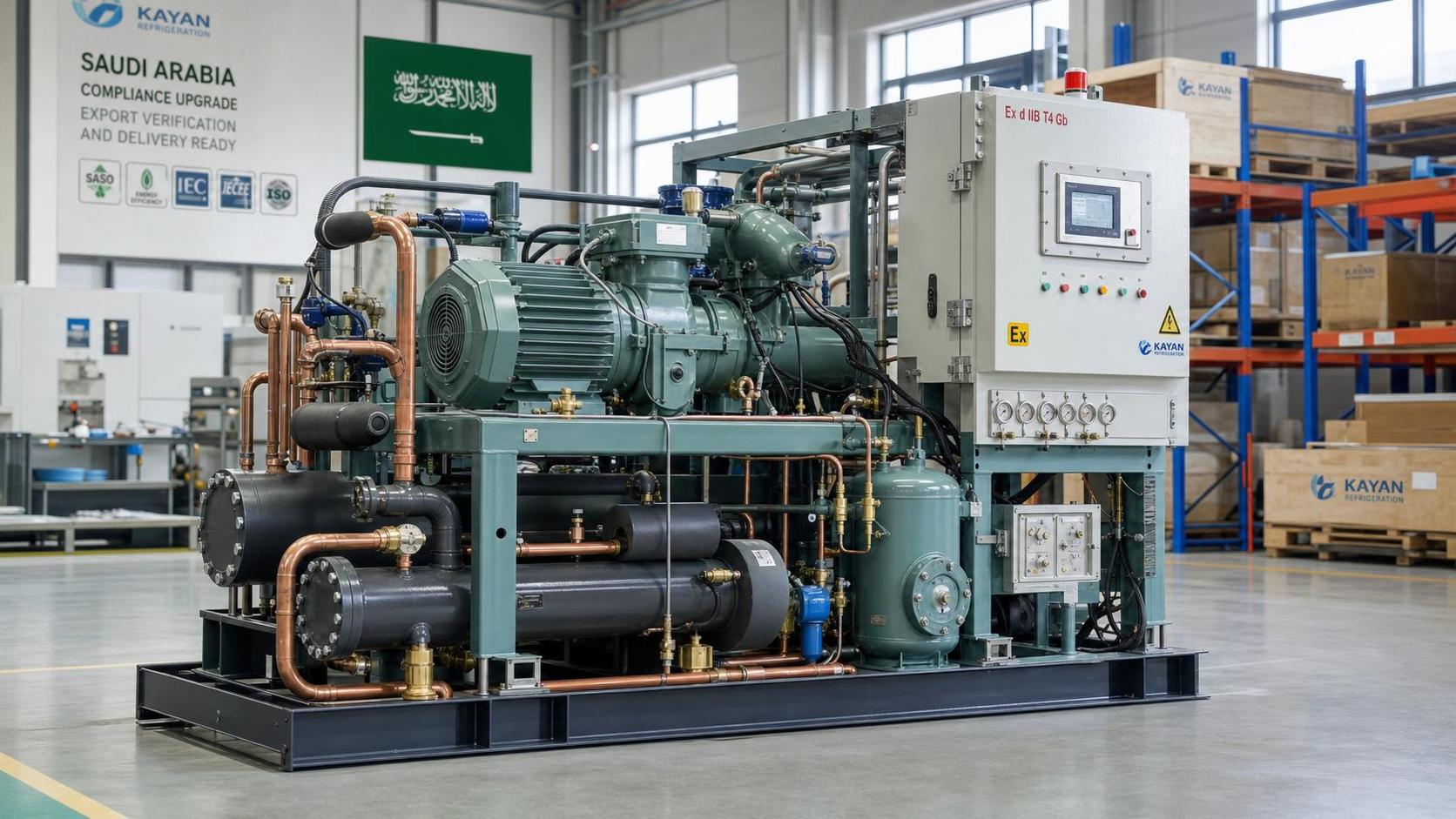
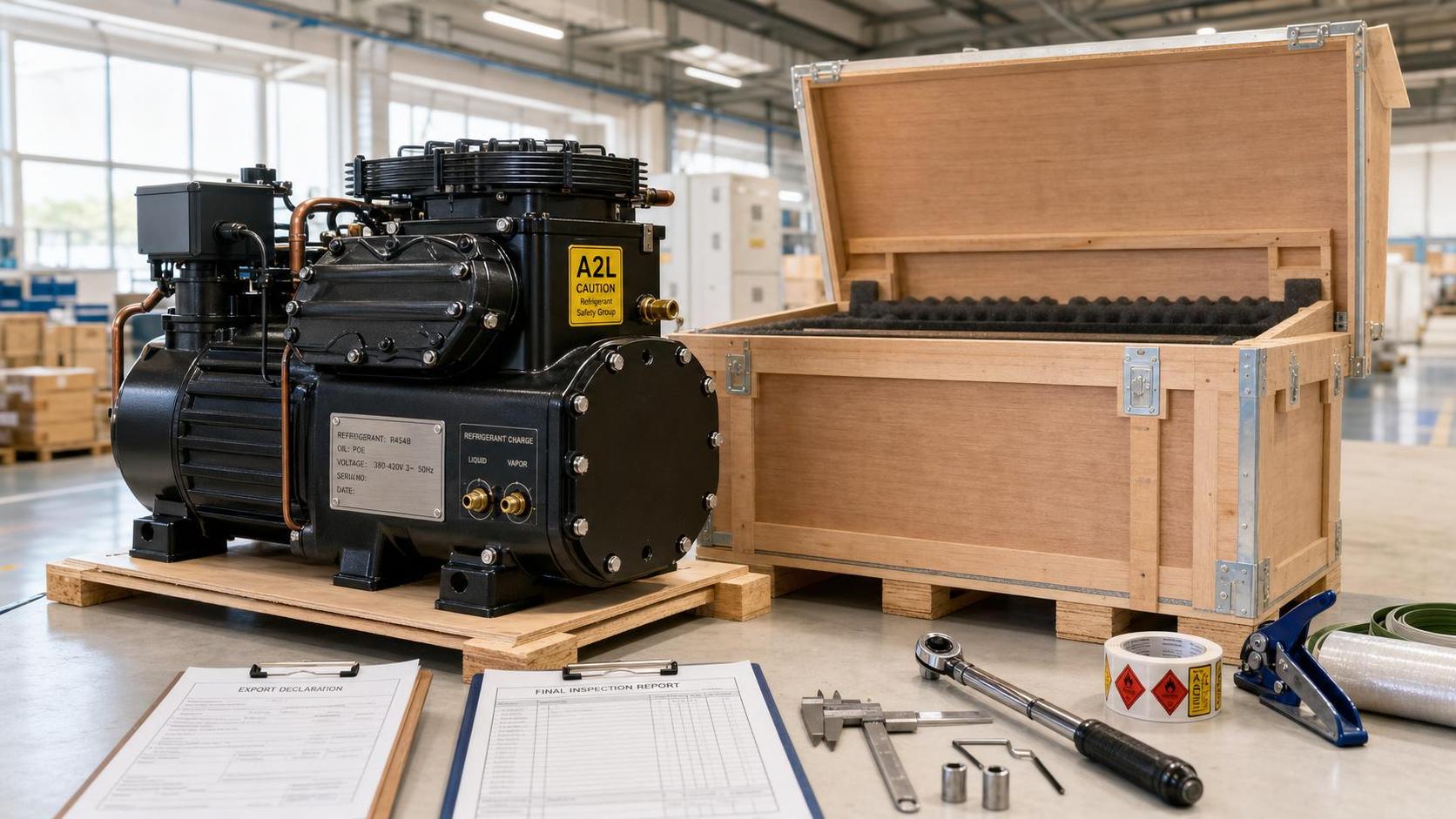
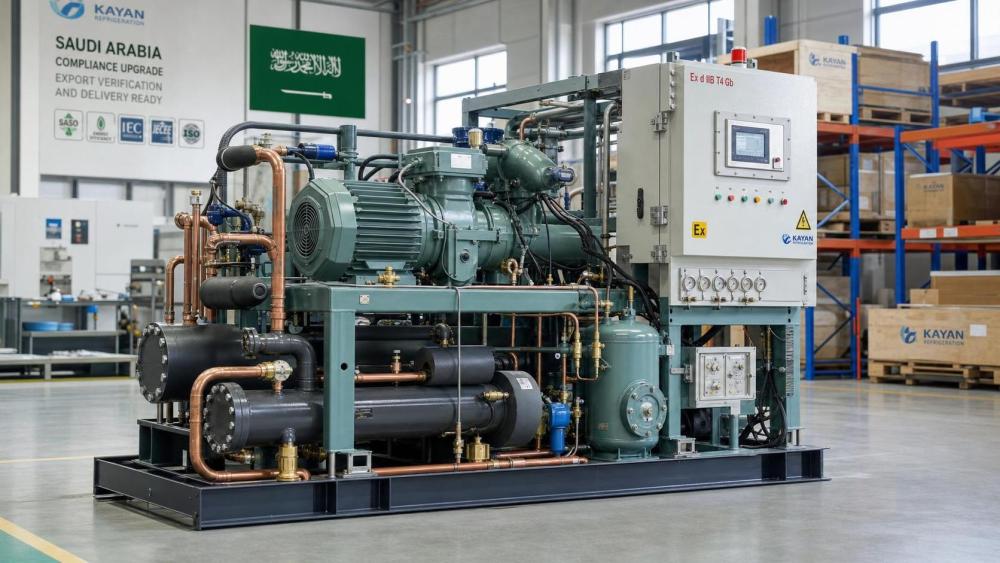
On December 1, 2026, Saudi Arabia begins mandatory enforcement of SASO IEC 60335-2-40:2026, a revised safety standard for household and commercial refrigeration equipment released by SASO on July 4, 2026. The update lowers the maximum charge limit for A3 flammable refrigerants such as R-290 and R-600a by 22% and requires screw compressors to integrate explosion-proof control modules. For exporters, component suppliers, and manufacturers serving the Saudi market, this is a compliance change with direct implications for product configuration, review cycles, and shipment readiness.
What the new Saudi requirement confirms
According to the provided information, SASO issued the updated SASO IEC 60335-2-40:2026 on July 4, 2026 for the safety of household and commercial refrigeration equipment. The confirmed changes include a 22% reduction in the maximum charge limit for A3 flammable refrigerants, including R-290 and R-600a, and a mandatory requirement for screw compressors to include explosion-proof control modules. The rule becomes mandatory on December 1, 2026. The stated scope of impact includes complete small and medium-sized industrial refrigeration systems exported from China to Saudi Arabia, as well as core components related to those systems.
Where the pressure is likely to appear across the supply chain
Exported complete systems face immediate compliance review
From an industry perspective, exporters of small and medium-sized industrial refrigeration systems are likely to be affected first because the rule directly touches both refrigerant charge limits and compressor-related safety configuration. The main pressure points are likely to appear in product specification checks, model matching for the Saudi market, and pre-shipment compliance preparation.
Core component suppliers may see renewed technical scrutiny
Analysis shows that suppliers of core components, especially those linked to screw compressor applications, may come under closer review because the new rule explicitly adds a control-module requirement. The business impact may not be limited to the component itself, but also extend to supporting technical documents, product descriptions, and compatibility confirmation with exported systems.
Trade and delivery coordination could become more sensitive
For trading companies and supply chain service providers, the issue is not only whether a product can be sold, but whether each shipment aligns with the new mandatory date and the revised technical baseline. What deserves closer attention is the coordination between manufacturing, documentation, customer confirmation, and delivery timing for goods intended for Saudi Arabia.
What companies should focus on now
Check which product lines are directly exposed
Companies involved in exports to Saudi Arabia should first identify whether their equipment or components fall within the affected range described in the provided information, especially small and medium-sized industrial refrigeration systems and related core parts. This is a practical screening step before broader commercial decisions are made.
Separate confirmed requirements from pending interpretation
Observably, the confirmed facts are the lower A3 refrigerant charge limit, the mandatory explosion-proof control module for screw compressors, and the December 1, 2026 enforcement date. What still needs continued verification in practice is how these requirements are interpreted in specific product review, documentation, and acceptance scenarios.
Prepare for re-review of screw compressor export configurations
For businesses shipping screw-compressor-related products to Saudi Arabia, the immediate concern is whether existing export configurations, supporting materials, and technical declarations remain aligned with the revised standard. This is especially relevant where previous product arrangements were built around an earlier compliance understanding.
Strengthen communication across suppliers and customers
Analysis shows that this type of standards update often requires tighter coordination between manufacturers, component suppliers, traders, and buyers. Current attention should stay on product parameters, supporting documents, delivery schedules, and customer-side expectations linked to the mandatory implementation date.
Why this matters beyond a single rule update
As an editorial observation, this development is better understood as an immediate compliance change with longer-term signaling value. The immediate layer is clear: products and components covered by the provided information face a new mandatory technical threshold in Saudi Arabia from December 1, 2026. The longer-term signal is that market access for refrigeration equipment using flammable refrigerants and related compressor systems may increasingly depend on more detailed safety design and control integration. At the same time, this should still be treated cautiously, because the provided information does not establish broader market outcomes beyond the stated rule change.
How the industry should read this update now
At this stage, it is more appropriate to understand the SASO revision as a concrete short-term compliance requirement and a policy signal that deserves continued monitoring. It does not by itself confirm wider structural change across the entire refrigeration sector, but it does create a clear near-term checkpoint for companies exporting relevant systems and components to Saudi Arabia. For the industry, the practical significance lies in whether product design, technical materials, and shipment planning can keep pace with the mandatory standard.
Basis of this article and points for follow-up verification
This article is based on the user-provided news title, event date, and event summary. For this type of industry update, relevant source categories typically include official notices, standard organization documents, company disclosures, industry association updates, and reporting by authoritative media. A specific official source link was not provided in the input, so the exact document path and any later clarifications still require ongoing verification. Follow-up attention should remain on official wording, implementation details, and any additional compliance interpretation related to affected products and components.
Ready when you are. Send us a message to get started.
Related News
- When does variable gas flow justify a custom screw compressor system?Author :Pneumatic Power Engineer

- How to size compressed air equipment for pneumatic toolsAuthor :Pneumatic Power Engineer

- How Should Energy Management Systems Handle Compressor Load Changes?Author :Pneumatic Power Engineer

- Which Maintenance Issues Reduce Air Compressor Efficiency?Author :Pneumatic Power Engineer

- How Much Energy Can Variable-Speed Screw Compressors Save?Author :Pneumatic Power Engineer

- Industrial Compressor Selection: Matching Flow, Pressure, and Duty CycleAuthor :Pneumatic Power Engineer

- China Expands Cross-Border RMB and FX Cash Pooling NationwideAuthor :Pneumatic Power Engineer

- How to Size Air Compressor Systems for Pneumatics by Flow and Pressure DemandAuthor :Pneumatic Power Engineer

- How Energy Recovery Systems for Compressors Cut Power CostsAuthor :Pneumatic Power Engineer

- How to Evaluate Screw Compressors in Industrial Refrigeration EquipmentAuthor :Pneumatic Power Engineer

- India Makes BIS Certification Mandatory for Screw CompressorsAuthor :Pneumatic Power Engineer

- China Tightens Export Filing for Screw CompressorsAuthor :Pneumatic Power Engineer

- SABIC Sets IoT Interface Rule for Screw CompressorsAuthor :Pneumatic Power Engineer

- Industrial Heat Recovery Systems for Compressors: When Do Energy Savings Pay Back?Author :Pneumatic Power Engineer

- EU Tightens REACH Limit for Screw Compressor LubricantsAuthor :Pneumatic Power Engineer

- EU Opens China Screw Compressor Review With Carbon RuleAuthor :Pneumatic Power Engineer

- DOE Mandates AHRI 1000-2026 for Screw CompressorsAuthor :Pneumatic Power Engineer

- VDMA Filing Signals EU Risk for Chinese Oil Screw CompressorsAuthor :Pneumatic Power Engineer
![]()
- Screw vs Piston Air Compressors for Stable Plant OutputAuthor :Pneumatic Power Engineer

- Saudi SASO Tightens Refrigerant Limits in IEC 60335-2-40:2026Author :Pneumatic Power Engineer

- IIR Warns of 18-Week Lead Times for Screw CompressorsAuthor :Pneumatic Power Engineer

- Welded Compressed Air Manifold Selection Guide for Pressure Stability and LeaksAuthor :Pneumatic Power Engineer

- India BIS Rule Adds IS 16830 Requirement for Imported Screw CompressorsAuthor :Pneumatic Power Engineer

- What to Check Before Choosing a Compressed Air FactoryAuthor :Pneumatic Power Engineer

- China Tightens Export Checks on Screw CompressorsAuthor :Pneumatic Power Engineer

- Screw Compressor Lead Times Reach 22 WeeksAuthor :Pneumatic Power Engineer

- Vietnam Requires QR Labels on Imported Screw CompressorsAuthor :Pneumatic Power Engineer

- Compressed Air Technologies Filtration: How to Reduce Pressure Drop and Energy LossAuthor :Pneumatic Power Engineer

- STSPIN830 Lead Time Tops 32 Weeks in Screw CompressorsAuthor :Pneumatic Power Engineer

- IGBT Shortage Extends Screw Compressor Lead TimesAuthor :Pneumatic Power Engineer

- Compressed Air Systems: 7 Hidden Costs That Raise Total Operating ExpenseAuthor :Pneumatic Power Engineer

- Compressed Air Efficiency: 7 Hidden Losses That Raise Operating CostsAuthor :Pneumatic Power Engineer

- How to Compare Screw vs Oil-Free Air Compression SystemsAuthor :Pneumatic Power Engineer

- Compressed Air Leaks: What They Really Cost in Daily OperationsAuthor :Pneumatic Power Engineer

- DOE Moves Up R449A Chiller Deadline to March 2027Author :Pneumatic Power Engineer

- How Compression Technology Cuts Energy Use in Modern PlantsAuthor :Pneumatic Power Engineer