How Compression Technology Cuts Energy Use in Modern Plants




How Compression Technology Cuts Energy Use in Modern Plants
In modern plants, compression technology has moved far beyond a support role. It now shapes energy cost, uptime, product quality, and compliance performance at the same time.
That shift matters because compressed air, gas handling, vacuum generation, and thermal exchange often consume a surprisingly large share of site electricity.
When plant teams review upgrades, compression technology is often one of the fastest ways to reduce avoidable power demand without changing core production lines.
At the same time, better compression technology improves pressure stability, lowers maintenance stress, and supports cleaner thermal management across critical processes.
This is why energy-focused evaluations now look beyond nameplate efficiency. They also examine controls, load profiles, heat recovery, and system-level integration.
For GTC-Matrix, the bigger picture is clear: smart thermodynamic design and intelligent power conversion create measurable gains across the full industrial energy chain.
Why compression technology has such a large energy impact
The basic reason is simple. Compression raises pressure by adding energy, and every inefficiency during that step turns useful electricity into heat, pressure loss, or wasted flow.
In many plants, compressors run for long hours, respond to variable demand, and support multiple users with very different pressure needs.
That combination creates hidden losses. Oversized units cycle inefficiently. Poor piping increases pressure drop. Unstable controls force machines to work harder than necessary.
More importantly, old compression technology usually operates as isolated equipment. Modern plants need coordinated systems, not disconnected assets.
Recent market signals point in the same direction. Energy volatility and carbon reporting rules are pushing buyers toward measurable efficiency, not just reliable output.
This also explains why advanced compression technology is increasingly assessed together with cooling, vacuum, and heat exchange performance.
The main ways compression technology cuts energy use
Not every energy saving comes from a dramatic redesign. In practice, several smaller improvements often combine into a significant reduction in site power use.
1. Higher compression efficiency at the machine level
Advanced rotor profiles, tighter tolerances, lower internal leakage, and better bearing design reduce the energy required for each unit of compressed air or gas.
Oil-free compression technology also improves process purity in sectors where contamination risk creates expensive downstream losses.
2. Variable speed control
Variable speed drives allow compression technology to follow real demand instead of repeatedly loading and unloading at inefficient operating points.
This is especially valuable in plants with batch production, frequent shift changes, or wide swings in pneumatic demand.
3. Lower system pressure requirements
Many sites run at higher pressure than actual end users need. Better compression technology makes pressure mapping and pressure zoning easier to implement.
Even a modest pressure reduction can lower energy use while reducing leakage rates across the network.
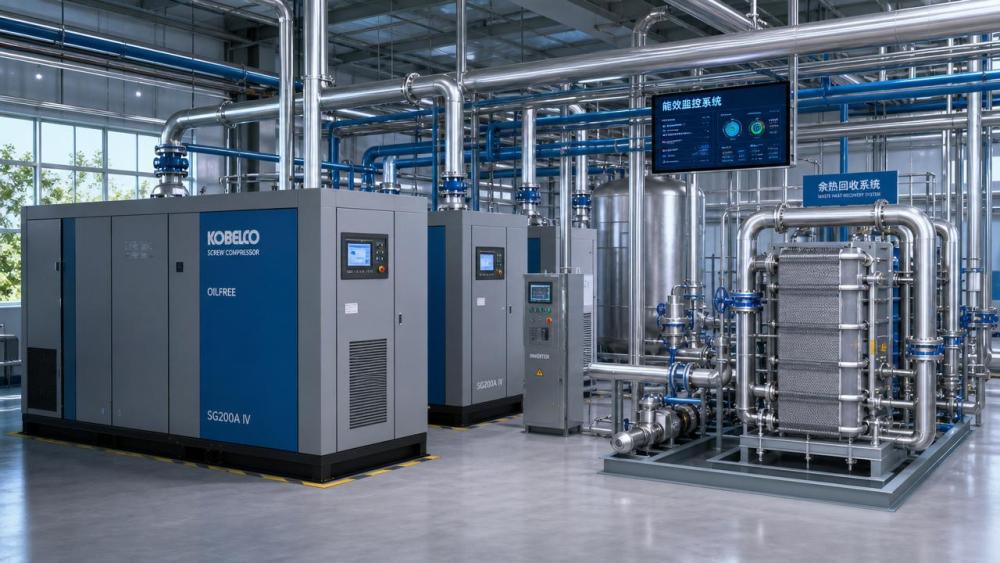
4. Heat recovery integration
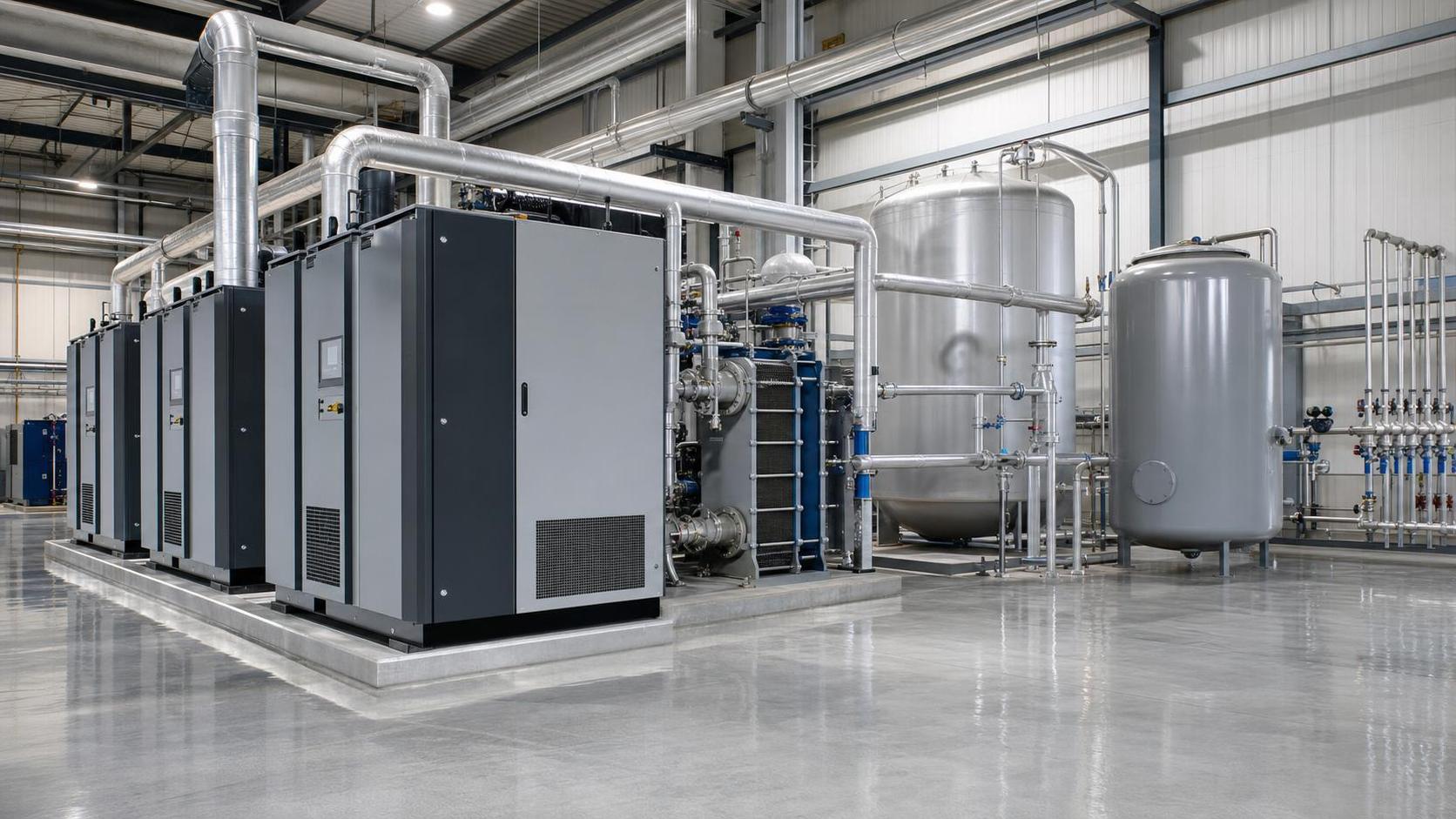
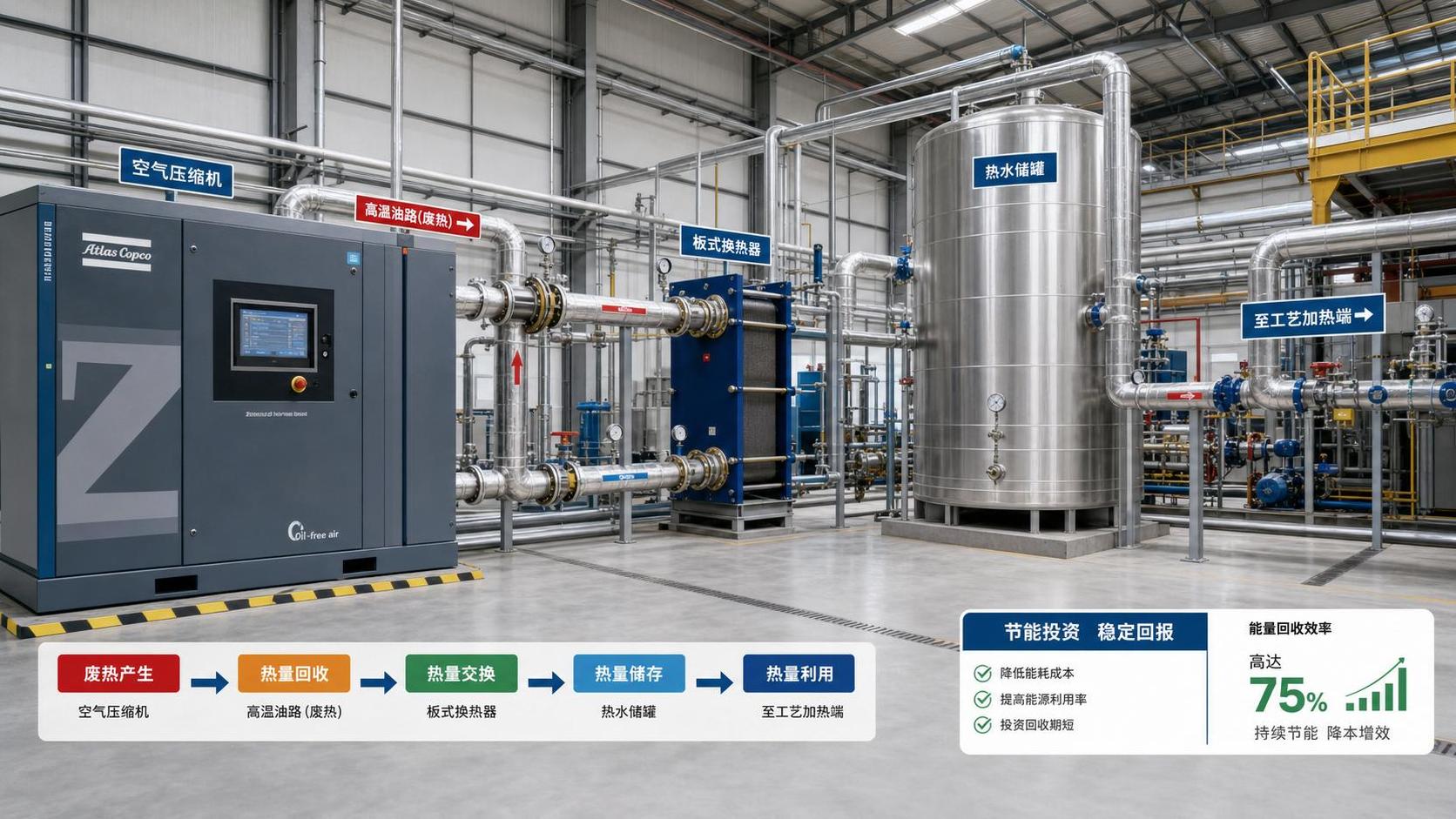
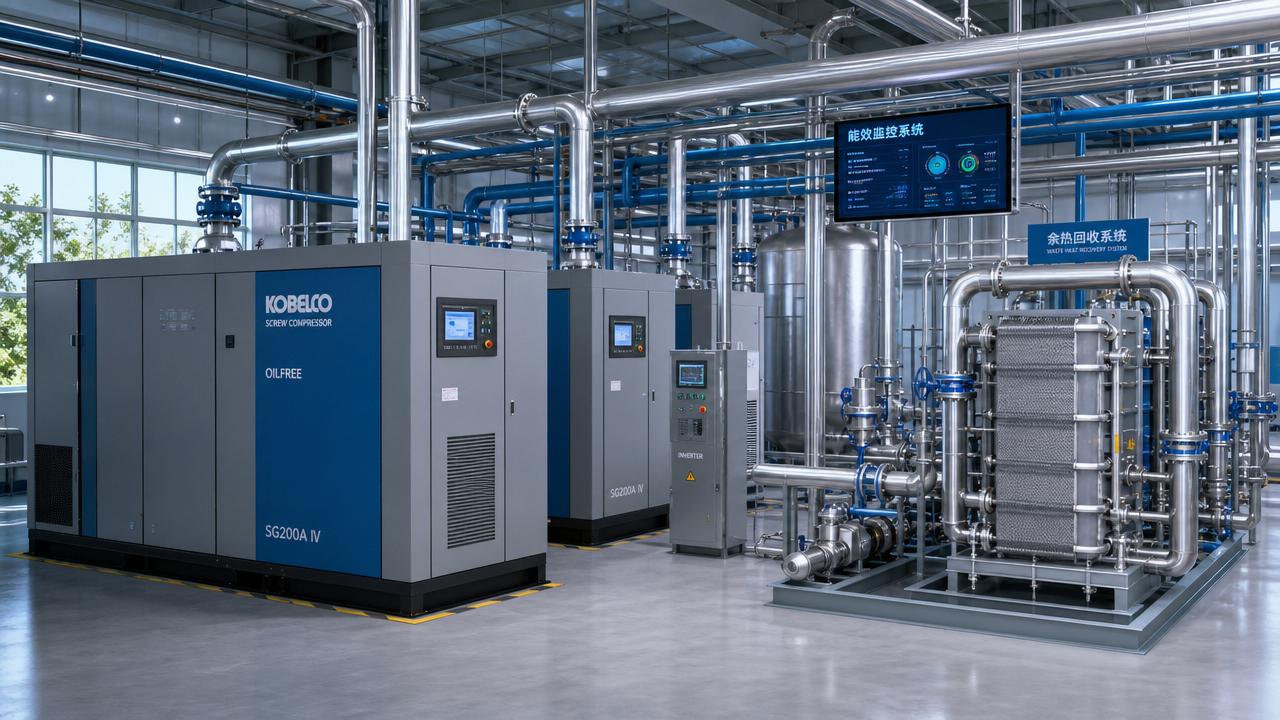
Compression generates heat, and modern compression technology treats that heat as a reusable asset rather than a disposal problem.
Recovered heat can support hot water loops, space heating, preheating, or process thermal loads, depending on the plant layout.
5. Smarter sequencing and monitoring
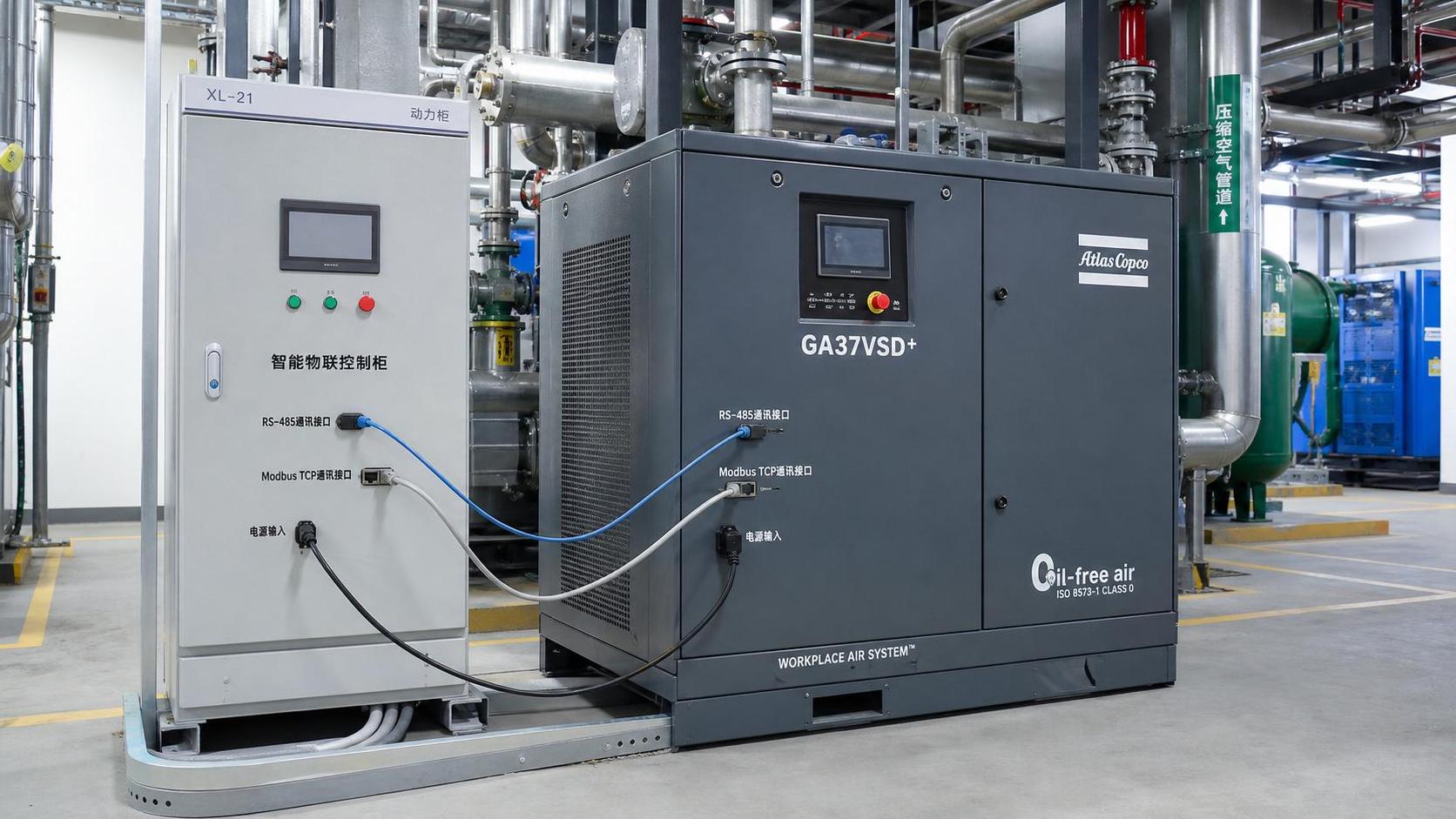
Connected controllers can sequence multiple units based on real-time demand, specific power curves, and maintenance conditions.
That reduces idle running, prevents poor machine combinations, and keeps compression technology close to its most efficient operating range.
What technical evaluations should focus on
A strong evaluation starts with actual operating behavior, not brochure claims. Rated efficiency only tells part of the story.
In real business conditions, the best compression technology is the one that performs efficiently across the plant’s true duty cycle.
- Map hourly and seasonal demand variation before comparing compressor options.
- Check specific energy consumption at partial load, not only at full load.
- Review pressure drop across filters, dryers, piping, and control valves.
- Quantify leakage, artificial demand, and unnecessary standby operation.
- Assess whether heat recovery can offset thermal energy purchases.
- Examine controls, remote diagnostics, and integration with plant energy systems.
A useful rule is to compare total lifecycle value. That includes energy, uptime, service intervals, consumables, and process risk.
This is where GTC-Matrix often sees the biggest decision gap. Buyers focus on acquisition cost, while long-term operating cost drives the real outcome.
System design details that often decide the real savings
Even high-performance compression technology can underdeliver if the surrounding system is poorly configured.
That is why plant-wide design choices deserve as much attention as compressor selection itself.
Piping and storage
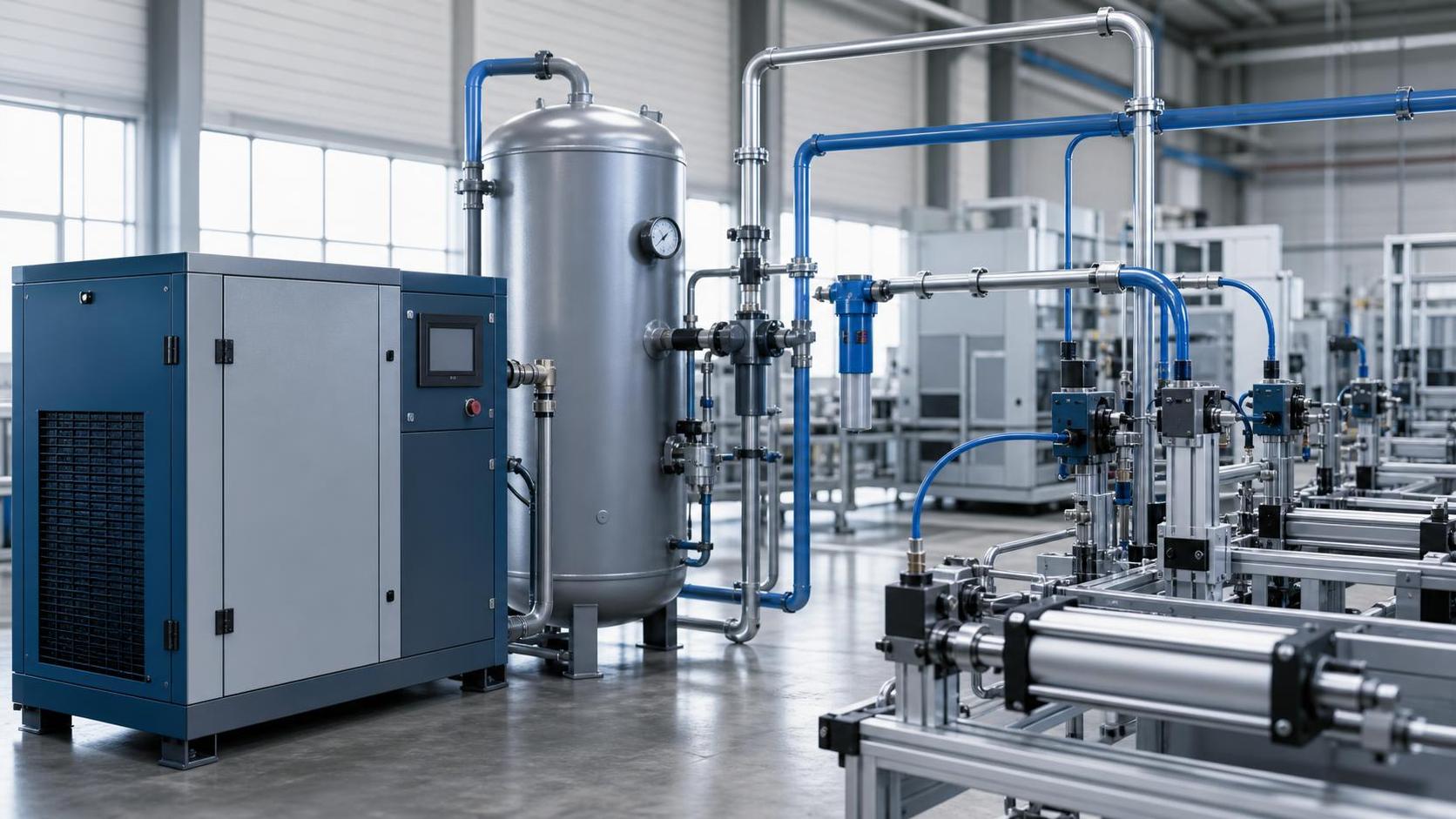
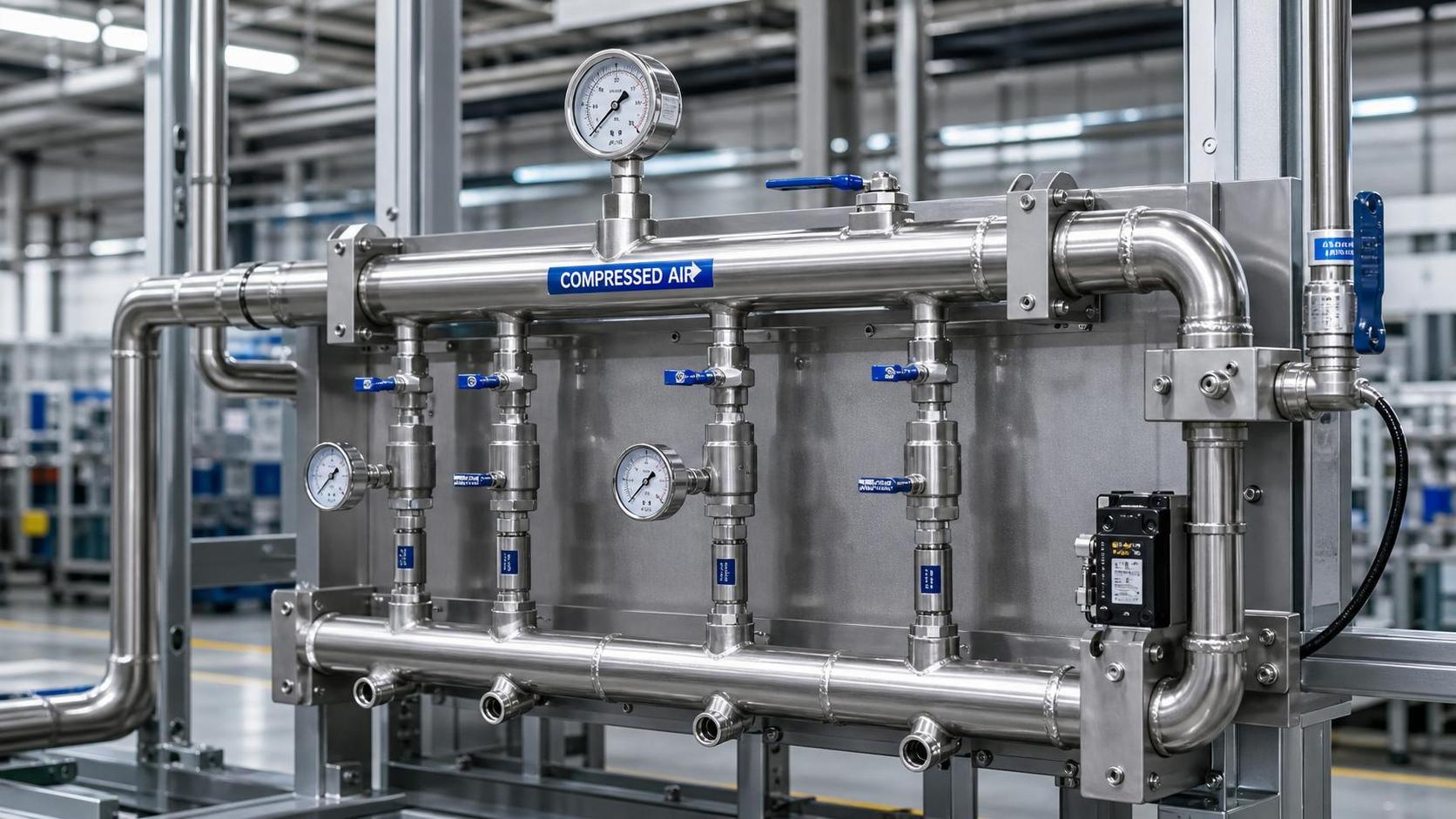
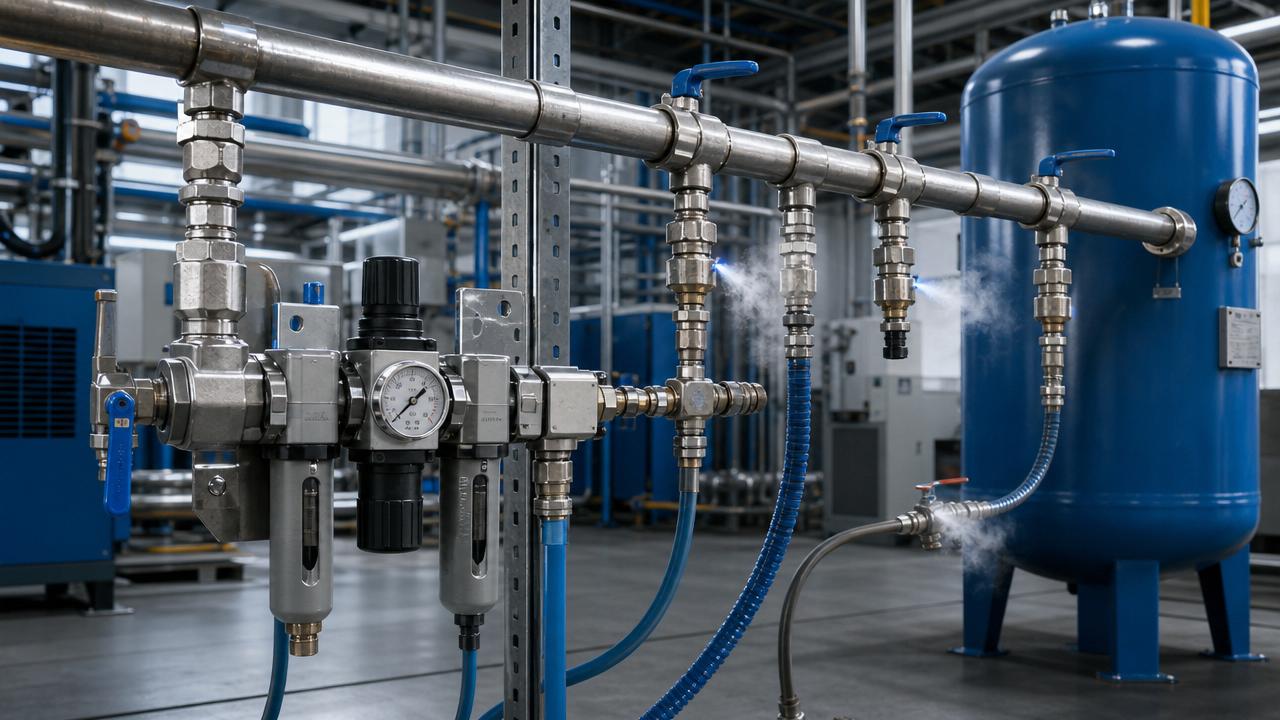
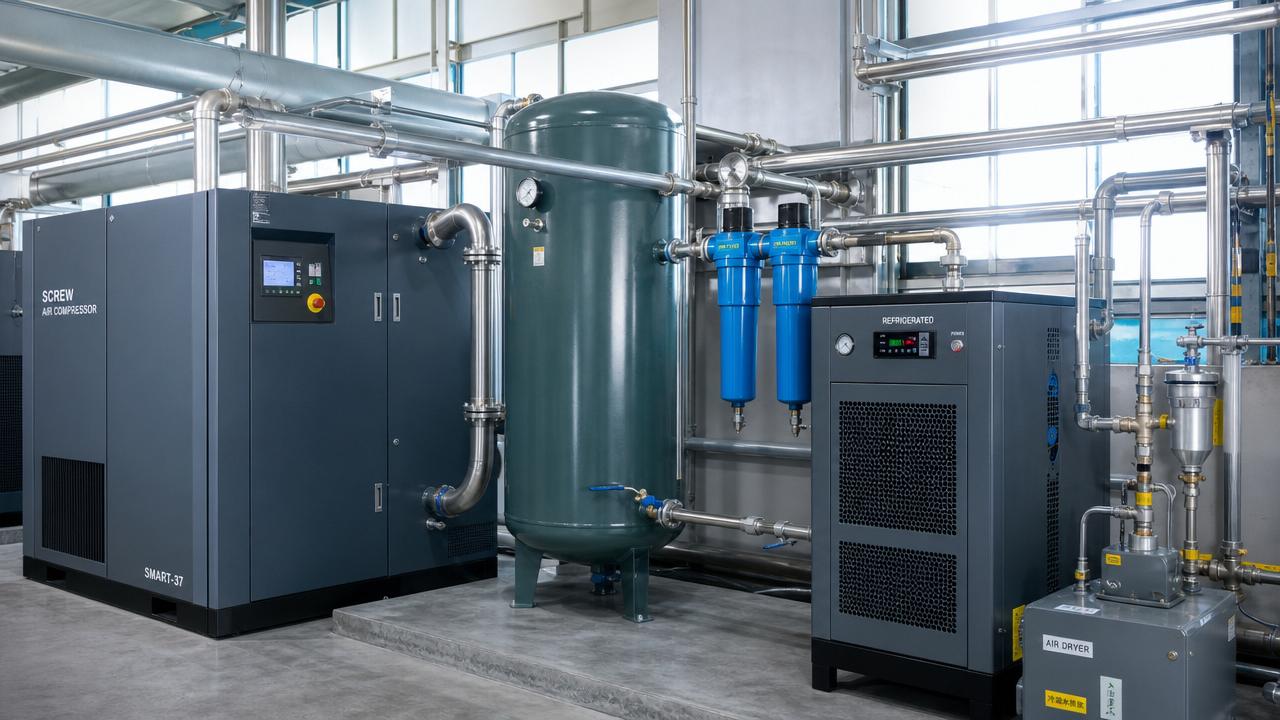
Poorly sized piping increases resistance and forces higher discharge pressure. Adequate storage smooths short demand spikes and reduces unstable cycling.
Air treatment
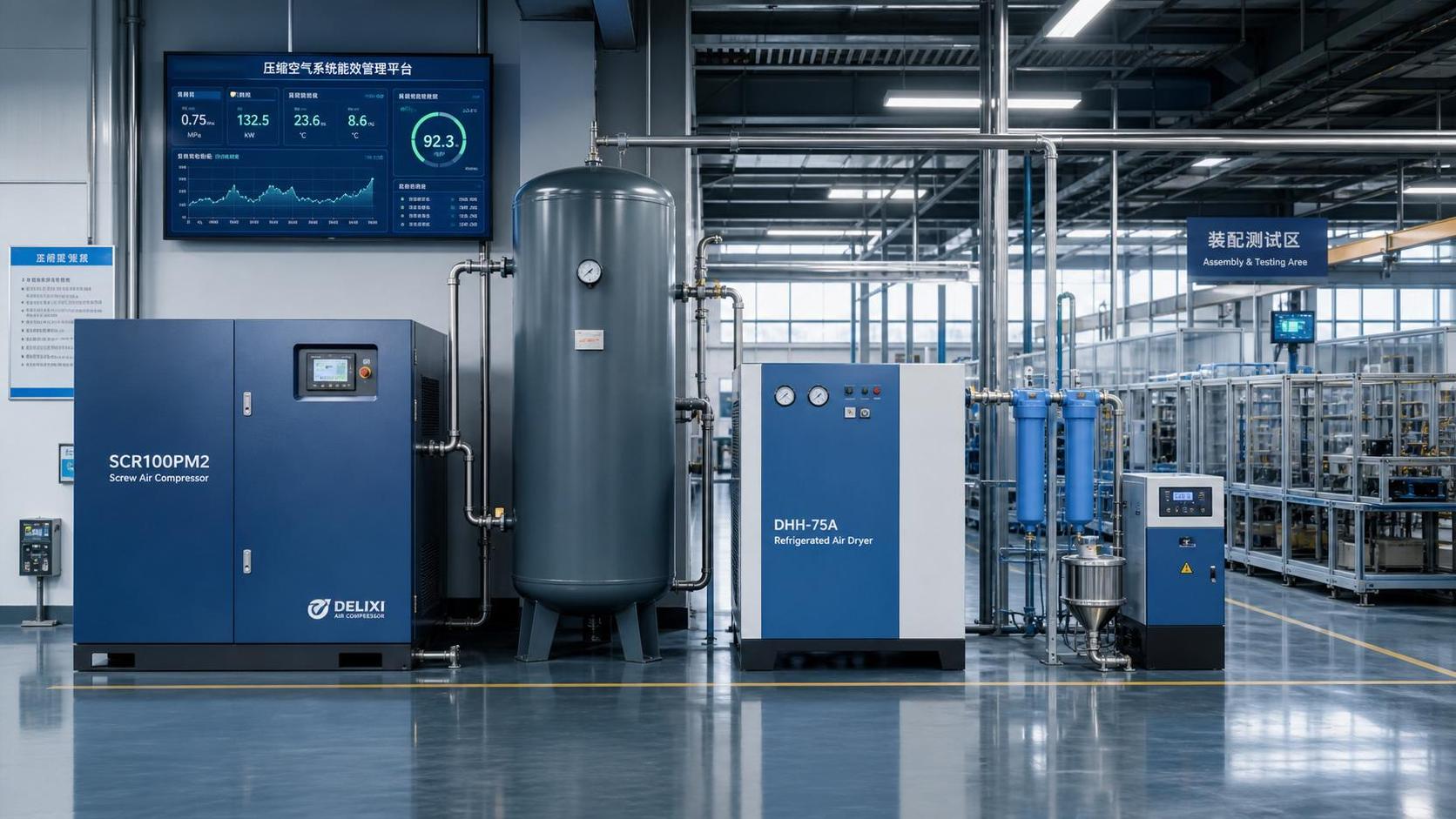
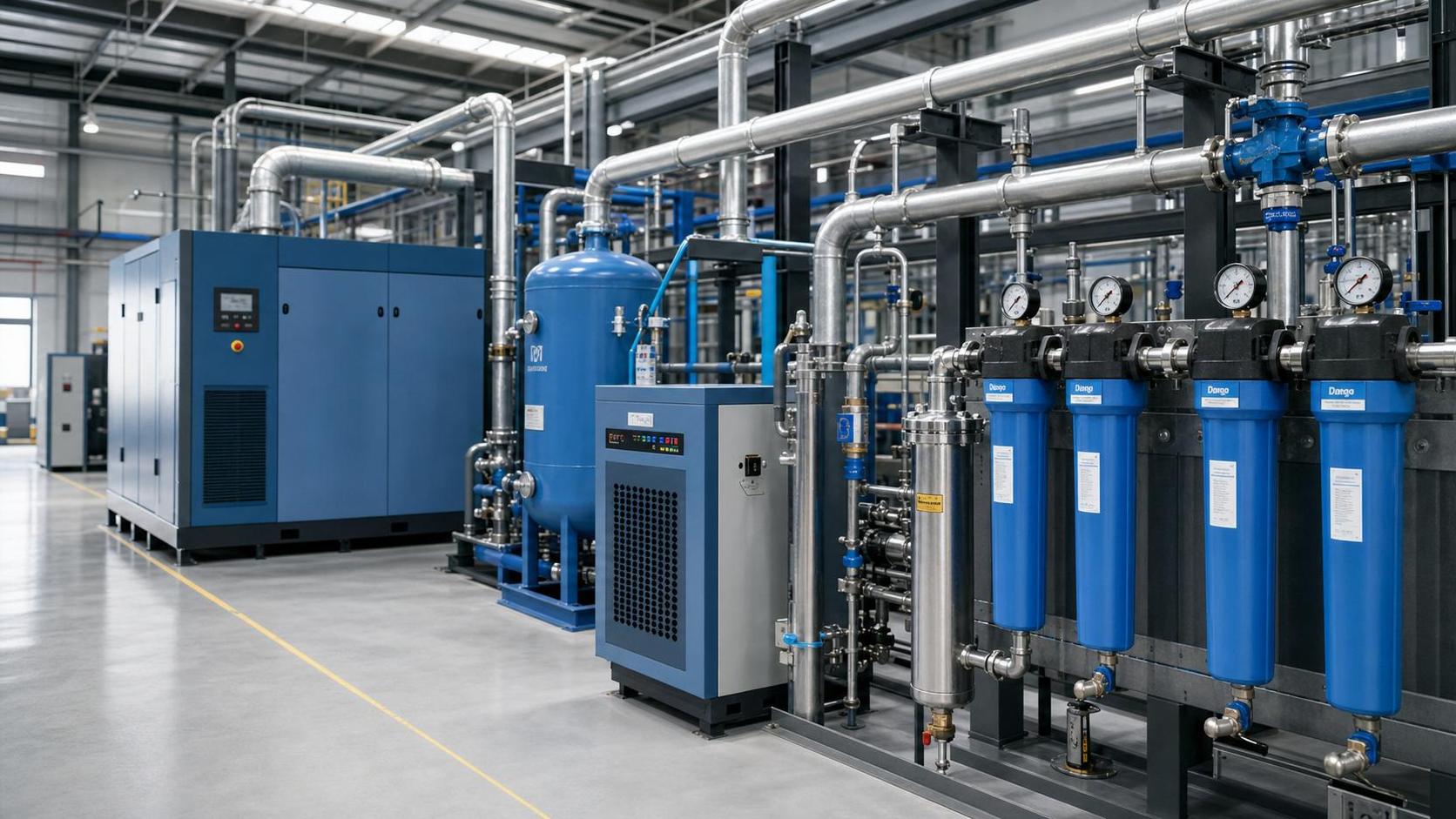
Dryers and filters protect end use quality, but poorly chosen treatment stages create avoidable pressure losses and extra electrical demand.
Cooling conditions
Compression technology performs better when intake air and cooling circuits are well managed. Lower inlet temperature often improves efficiency and reliability.
Control architecture
A local controller may optimize one machine. A supervisory controller can optimize the entire compressed utility system.
From a standards and performance perspective, that difference can completely change the final energy result.
Common risks when evaluating compression technology
Several mistakes appear again and again during plant upgrades. Most of them come from evaluating equipment in isolation.
- Oversizing for rare peak demand instead of using storage or staged capacity.
- Ignoring leak management, then blaming compression technology for poor efficiency.
- Selecting oil-free or lubricated designs without linking the choice to process purity needs.
- Comparing machines without normalizing pressure, flow, ambient conditions, and duty cycle.
- Treating waste heat as unavoidable instead of integrating it into thermal strategy.
The more obvious signal today is that energy-efficient plants make decisions across connected thermal and power systems.
That approach reduces technical risk and improves confidence in projected savings from compression technology investments.
A practical decision framework for modern plants
A practical review process does not need to be complicated, but it should be disciplined and data-based.
- Start with a baseline of flow, pressure, power, and load variation.
- Identify losses from leaks, pressure drop, poor sequencing, and thermal rejection.
- Match compression technology type to process purity, control range, and operating profile.
- Model lifecycle economics using electricity cost, maintenance, and heat recovery value.
- Confirm performance with measurable acceptance criteria after installation.
This kind of framework supports stronger technical decisions and aligns well with current efficiency standards and decarbonization goals.
It also reflects the way GTC-Matrix tracks industrial progress: by connecting thermodynamic logic, equipment evolution, and commercial reality.
In the end, compression technology cuts energy use most effectively when it is treated as part of a complete plant system.
That means looking at machine efficiency, control intelligence, heat recovery, and network design together, not one by one.
If the goal is lower energy intensity with stable production, the next step is clear: evaluate compression technology through measured plant data, not assumptions.
Related News
- China Expands Cross-Border RMB and FX Cash Pooling NationwideAuthor :Pneumatic Power Engineer

- How to Size Air Compressor Systems for Pneumatics by Flow and Pressure DemandAuthor :Pneumatic Power Engineer

- How Energy Recovery Systems for Compressors Cut Power CostsAuthor :Pneumatic Power Engineer

- How to Evaluate Screw Compressors in Industrial Refrigeration EquipmentAuthor :Pneumatic Power Engineer

- India Makes BIS Certification Mandatory for Screw CompressorsAuthor :Pneumatic Power Engineer

- China Tightens Export Filing for Screw CompressorsAuthor :Pneumatic Power Engineer

- SABIC Sets IoT Interface Rule for Screw CompressorsAuthor :Pneumatic Power Engineer

- Industrial Heat Recovery Systems for Compressors: When Do Energy Savings Pay Back?Author :Pneumatic Power Engineer

- EU Tightens REACH Limit for Screw Compressor LubricantsAuthor :Pneumatic Power Engineer

- EU Opens China Screw Compressor Review With Carbon RuleAuthor :Pneumatic Power Engineer

- DOE Mandates AHRI 1000-2026 for Screw CompressorsAuthor :Pneumatic Power Engineer

- VDMA Filing Signals EU Risk for Chinese Oil Screw CompressorsAuthor :Pneumatic Power Engineer
![]()
- Screw vs Piston Air Compressors for Stable Plant OutputAuthor :Pneumatic Power Engineer

- Saudi SASO Tightens Refrigerant Limits in IEC 60335-2-40:2026Author :Pneumatic Power Engineer

- IIR Warns of 18-Week Lead Times for Screw CompressorsAuthor :Pneumatic Power Engineer

- Welded Compressed Air Manifold Selection Guide for Pressure Stability and LeaksAuthor :Pneumatic Power Engineer

- India BIS Rule Adds IS 16830 Requirement for Imported Screw CompressorsAuthor :Pneumatic Power Engineer

- What to Check Before Choosing a Compressed Air FactoryAuthor :Pneumatic Power Engineer

- China Tightens Export Checks on Screw CompressorsAuthor :Pneumatic Power Engineer

- Screw Compressor Lead Times Reach 22 WeeksAuthor :Pneumatic Power Engineer

- Vietnam Requires QR Labels on Imported Screw CompressorsAuthor :Pneumatic Power Engineer

- Compressed Air Technologies Filtration: How to Reduce Pressure Drop and Energy LossAuthor :Pneumatic Power Engineer

- STSPIN830 Lead Time Tops 32 Weeks in Screw CompressorsAuthor :Pneumatic Power Engineer

- IGBT Shortage Extends Screw Compressor Lead TimesAuthor :Pneumatic Power Engineer

- Compressed Air Systems: 7 Hidden Costs That Raise Total Operating ExpenseAuthor :Pneumatic Power Engineer

- Compressed Air Efficiency: 7 Hidden Losses That Raise Operating CostsAuthor :Pneumatic Power Engineer

- How to Compare Screw vs Oil-Free Air Compression SystemsAuthor :Pneumatic Power Engineer

- Compressed Air Leaks: What They Really Cost in Daily OperationsAuthor :Pneumatic Power Engineer

- DOE Moves Up R449A Chiller Deadline to March 2027Author :Pneumatic Power Engineer

- How Compression Technology Cuts Energy Use in Modern PlantsAuthor :Pneumatic Power Engineer

- EU Adds GB 18613-2025 to Import Energy ChecksAuthor :Pneumatic Power Engineer

- EU CE Rule Adds SRA for R290 Compressor ImportsAuthor :Pneumatic Power Engineer

- Compressed Air Leaks: Hidden Costs and Practical Ways to Reduce LossesAuthor :Pneumatic Power Engineer

- Kunming Sourcing Festival Adds Thermal & Compression HubAuthor :Pneumatic Power Engineer

- Compressed Air Efficiency: Where Energy Losses Usually StartAuthor :Pneumatic Power Engineer

- US 3-Year Treasury Yield Rise Pressures Compressor Export QuotesAuthor :Pneumatic Power Engineer