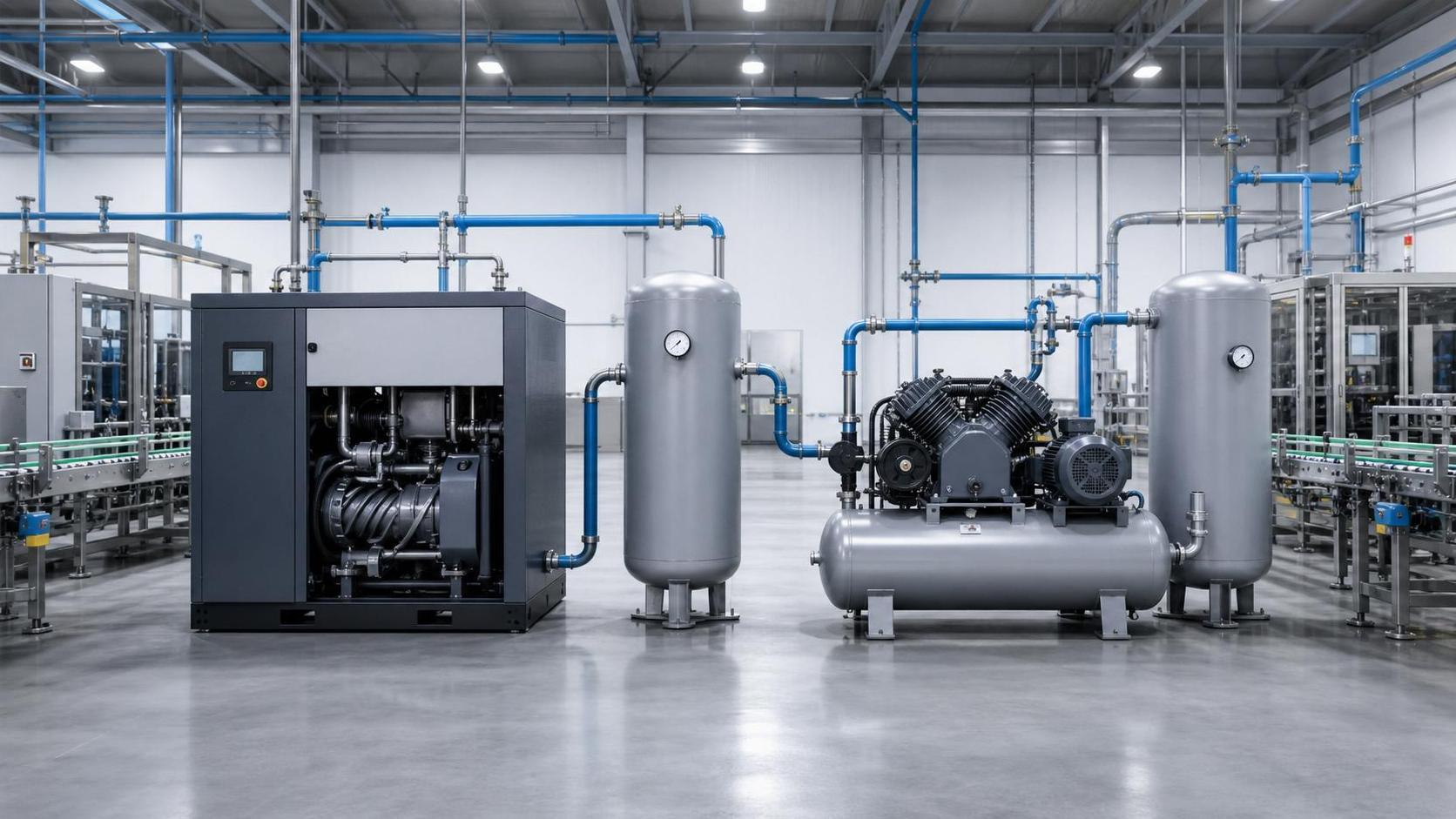
Compressed Air Technology Mistakes That Keep Raising Plant Costs




Compressed air technology is essential to plant performance, yet small mistakes in system design, operation, and maintenance can quietly drive up energy use, downtime, and repair costs.
Across general industry, rising power prices, stricter efficiency targets, and unstable production schedules are exposing weak compressed air technology practices more quickly than before.
What once seemed like minor losses now becomes a recurring cost center. Plants that correct these errors often gain lower utility bills, better pressure stability, and fewer maintenance surprises.
Why compressed air technology mistakes are becoming more expensive now
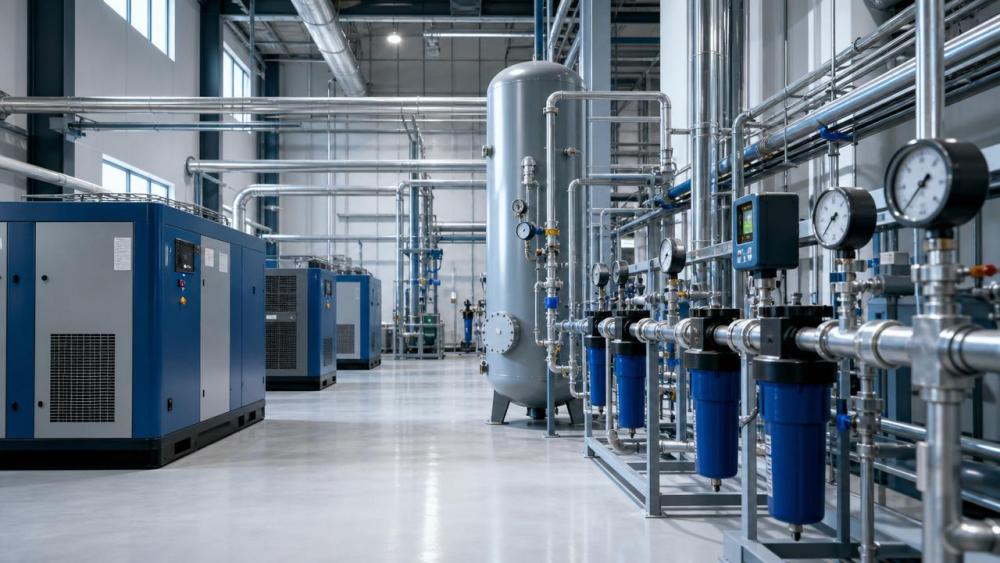
Compressed air technology has always consumed significant energy. Today, the cost impact is sharper because every pressure drop, leak, and control mismatch multiplies through longer operating hours.
Plants also face tighter quality expectations. Moisture carryover, oil contamination, and unstable air pressure can now affect precision equipment, packaging integrity, and process repeatability.
Another change is visibility. Digital metering and energy audits reveal losses that older facilities previously ignored. As a result, compressed air technology is moving from background utility to strategic asset.
The strongest trend signals inside plant air systems
Several signs show that compressed air technology is under closer review in modern operations. These signals point to both risk and opportunity.
- Energy cost per unit of output is rising faster than expected.
- Compressed air demand changes more often due to flexible production.
- More lines require cleaner, drier, and more stable air quality.
- Unplanned downtime is increasingly linked to utility system weakness.
- Sustainability reporting now includes hidden energy users like compressors.
These signals matter because compressed air technology often affects the full plant, not one machine. A weak system can quietly reduce performance across multiple departments.
Common compressed air technology mistakes that keep raising plant costs
Oversizing compressors for occasional peaks
Many systems are sized for rare maximum demand instead of normal operating demand. This causes low-load running, poor efficiency, and unnecessary unloading cycles.
In compressed air technology, oversizing often looks safe. In reality, it increases energy waste and shortens equipment life through unstable control behavior.
Using higher pressure than the process actually needs
Operators often raise pressure to solve local performance problems. That temporary fix usually hides poor piping, blocked filters, or bad storage capacity.
Every unnecessary pressure increase drives energy consumption higher. It can also intensify leaks, increase wear, and worsen maintenance frequency across the compressed air technology network.
Ignoring leaks because production still runs
Leaks are among the most persistent cost drains in compressed air technology. Plants often tolerate them because the line still functions.
However, leak losses run continuously, including during idle shifts. Small leaks across hoses, fittings, drains, and connectors can equal major annual energy waste.
Poor air treatment matching
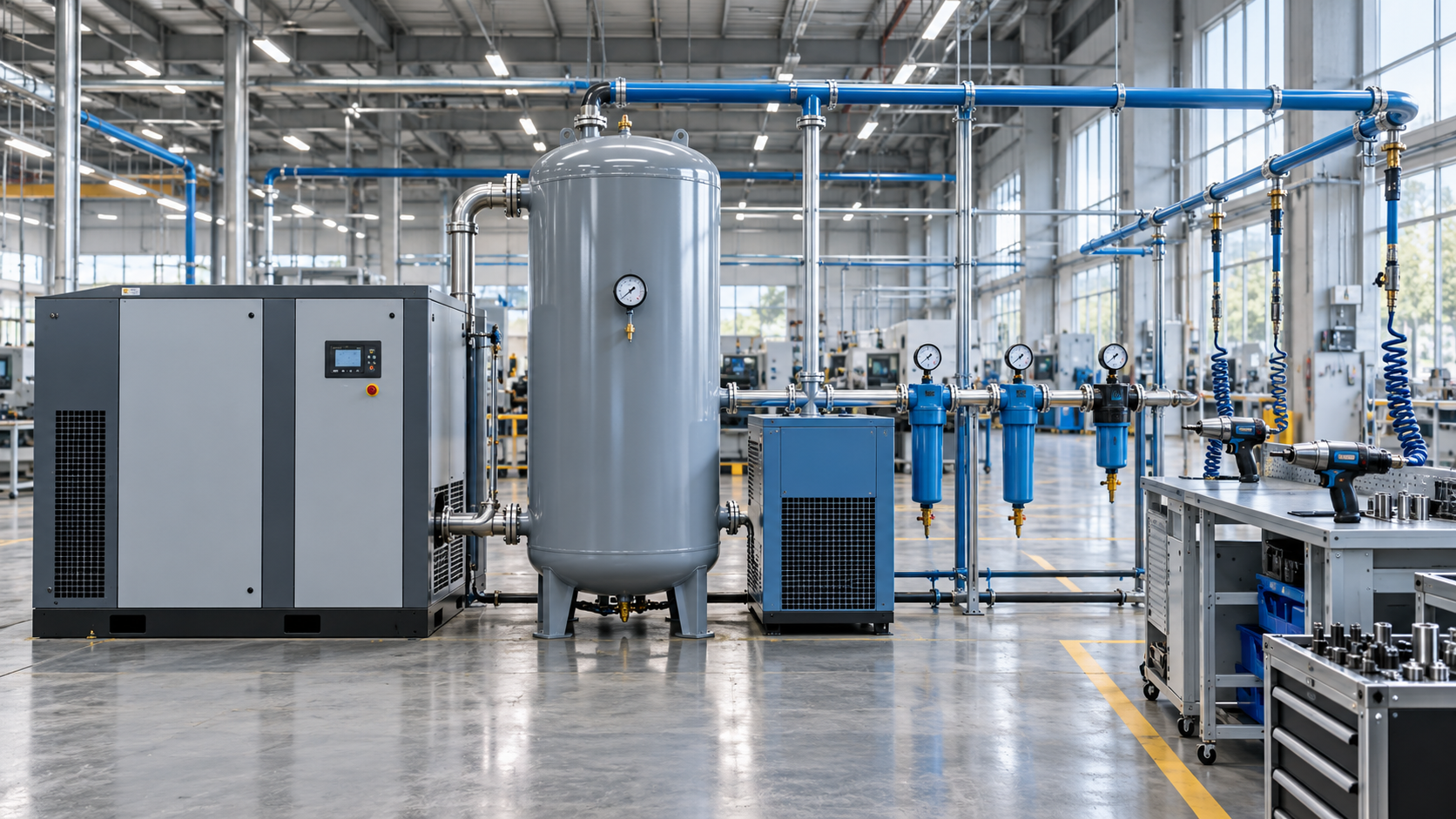
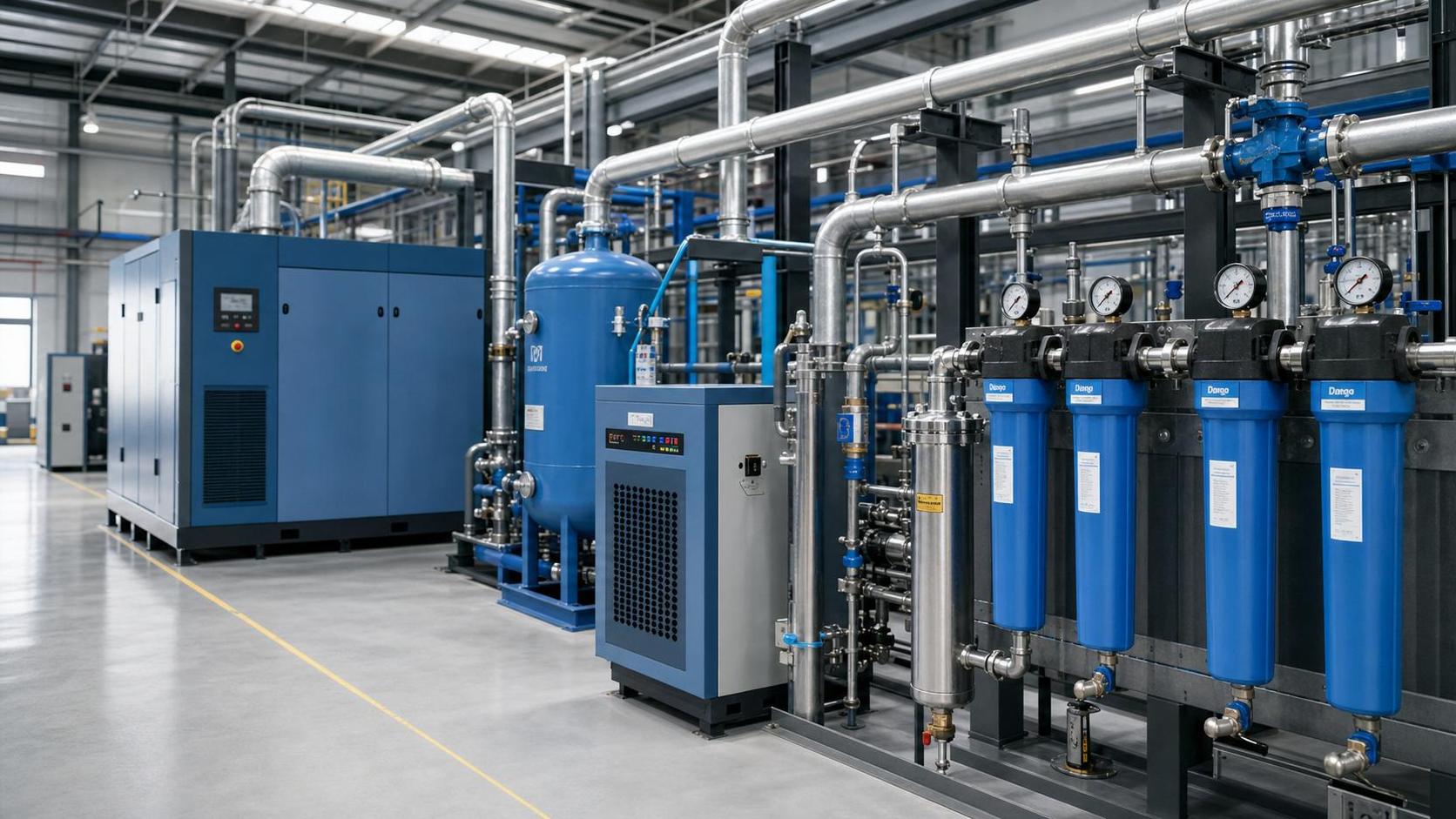
Dryers, filters, and separators are sometimes selected without considering dew point, contamination limits, or process sensitivity. That mismatch causes both quality issues and avoidable pressure drop.
Compressed air technology performs best when treatment matches actual use. Over-treatment wastes energy, while under-treatment risks product defects and corrosion.
Neglecting storage and distribution design
Insufficient receiver volume and poor pipe layout create unstable pressure during sudden demand changes. The result is cycling, slow tool response, and process inconsistency.
Long runs, sharp bends, and undersized headers can turn efficient compressors into inefficient systems. Distribution mistakes are a hidden compressed air technology tax.
What is driving these costly errors
The causes are usually operational, not mysterious. Most compressed air technology mistakes appear when systems evolve without a full review.
How compressed air technology mistakes affect different business links
The financial effect is wider than utility spending. Compressed air technology mistakes can ripple through output, quality, maintenance, and environmental performance.
- Production lines may slow due to unstable pressure during peak use.
- Pneumatic tools can wear faster when moisture or dirt enters the air stream.
- Drying, conveying, and packaging processes may lose consistency.
- Maintenance teams face more emergency calls from drains, valves, and filters.
- Energy intensity and carbon reporting become harder to improve.
In many facilities, compressed air technology connects utilities to core manufacturing. That means one unmanaged loss can affect both cost control and delivery reliability.
The priority areas that deserve closer attention
The most useful response is not broad replacement. It is targeted review of the highest-impact compressed air technology variables.
- Measure base load, peak load, and idle demand separately.
- Compare pressure setpoints with actual process requirements.
- Track pressure drop across filters, dryers, and long distribution sections.
- Audit leaks during both production and non-production hours.
- Check whether storage volume supports fast demand swings.
- Verify air quality against each application, not one general assumption.
- Review sequencing logic when multiple compressors operate together.
Practical judgment steps to improve compressed air technology performance
A structured review helps separate urgent issues from long-term upgrades. The table below offers a practical path.
A sharper next move for cost control and system resilience
Compressed air technology should be reviewed as a living system, not a fixed utility. Demand profiles, quality needs, and energy costs continue to change.
Start with measurable losses, then move toward system-level optimization. Even simple corrections in leaks, pressure, controls, and treatment can produce durable savings.
For broader industrial insight, GTC-Matrix highlights how cooling, compression, vacuum, and heat exchange trends increasingly converge around efficiency, reliability, and cleaner process performance.
When compressed air technology is managed with data and thermodynamic logic, plant costs become easier to control and operational confidence becomes much stronger.
Ready when you are. Send us a message to get started.
Related News
- When does variable gas flow justify a custom screw compressor system?Author :Pneumatic Power Engineer

- How to size compressed air equipment for pneumatic toolsAuthor :Pneumatic Power Engineer

- How Should Energy Management Systems Handle Compressor Load Changes?Author :Pneumatic Power Engineer

- Which Maintenance Issues Reduce Air Compressor Efficiency?Author :Pneumatic Power Engineer

- How Much Energy Can Variable-Speed Screw Compressors Save?Author :Pneumatic Power Engineer

- Industrial Compressor Selection: Matching Flow, Pressure, and Duty CycleAuthor :Pneumatic Power Engineer

- China Expands Cross-Border RMB and FX Cash Pooling NationwideAuthor :Pneumatic Power Engineer

- How to Size Air Compressor Systems for Pneumatics by Flow and Pressure DemandAuthor :Pneumatic Power Engineer

- How Energy Recovery Systems for Compressors Cut Power CostsAuthor :Pneumatic Power Engineer

- How to Evaluate Screw Compressors in Industrial Refrigeration EquipmentAuthor :Pneumatic Power Engineer

- India Makes BIS Certification Mandatory for Screw CompressorsAuthor :Pneumatic Power Engineer

- China Tightens Export Filing for Screw CompressorsAuthor :Pneumatic Power Engineer

- SABIC Sets IoT Interface Rule for Screw CompressorsAuthor :Pneumatic Power Engineer

- Industrial Heat Recovery Systems for Compressors: When Do Energy Savings Pay Back?Author :Pneumatic Power Engineer

- EU Tightens REACH Limit for Screw Compressor LubricantsAuthor :Pneumatic Power Engineer

- EU Opens China Screw Compressor Review With Carbon RuleAuthor :Pneumatic Power Engineer

- DOE Mandates AHRI 1000-2026 for Screw CompressorsAuthor :Pneumatic Power Engineer

- VDMA Filing Signals EU Risk for Chinese Oil Screw CompressorsAuthor :Pneumatic Power Engineer
![]()
- Screw vs Piston Air Compressors for Stable Plant OutputAuthor :Pneumatic Power Engineer

- Saudi SASO Tightens Refrigerant Limits in IEC 60335-2-40:2026Author :Pneumatic Power Engineer

- IIR Warns of 18-Week Lead Times for Screw CompressorsAuthor :Pneumatic Power Engineer

- Welded Compressed Air Manifold Selection Guide for Pressure Stability and LeaksAuthor :Pneumatic Power Engineer

- India BIS Rule Adds IS 16830 Requirement for Imported Screw CompressorsAuthor :Pneumatic Power Engineer

- What to Check Before Choosing a Compressed Air FactoryAuthor :Pneumatic Power Engineer

- China Tightens Export Checks on Screw CompressorsAuthor :Pneumatic Power Engineer

- Screw Compressor Lead Times Reach 22 WeeksAuthor :Pneumatic Power Engineer

- Vietnam Requires QR Labels on Imported Screw CompressorsAuthor :Pneumatic Power Engineer

- Compressed Air Technologies Filtration: How to Reduce Pressure Drop and Energy LossAuthor :Pneumatic Power Engineer

- STSPIN830 Lead Time Tops 32 Weeks in Screw CompressorsAuthor :Pneumatic Power Engineer

- IGBT Shortage Extends Screw Compressor Lead TimesAuthor :Pneumatic Power Engineer

- Compressed Air Systems: 7 Hidden Costs That Raise Total Operating ExpenseAuthor :Pneumatic Power Engineer

- Compressed Air Efficiency: 7 Hidden Losses That Raise Operating CostsAuthor :Pneumatic Power Engineer

- How to Compare Screw vs Oil-Free Air Compression SystemsAuthor :Pneumatic Power Engineer

- Compressed Air Leaks: What They Really Cost in Daily OperationsAuthor :Pneumatic Power Engineer

- DOE Moves Up R449A Chiller Deadline to March 2027Author :Pneumatic Power Engineer

- How Compression Technology Cuts Energy Use in Modern PlantsAuthor :Pneumatic Power Engineer