



Compressed Air Systems: 7 Hidden Costs That Raise Total Operating Expense




Compressed Air Systems: 7 Hidden Costs That Raise Total Operating Expense
Compressed air systems often look affordable during sourcing.
The problem starts after installation, when operating expenses climb faster than expected.
That gap usually comes from hidden costs, not from the quoted machine price.
In real projects, energy waste, leakage, treatment loads, and poor matching quietly reshape total ownership cost.
For buyers comparing suppliers, this changes the decision model.
The right question is not only “What does the compressor cost?”
A better question is “What will these compressed air systems cost every month, every year, and across their service life?”
Why operating cost matters more than purchase price
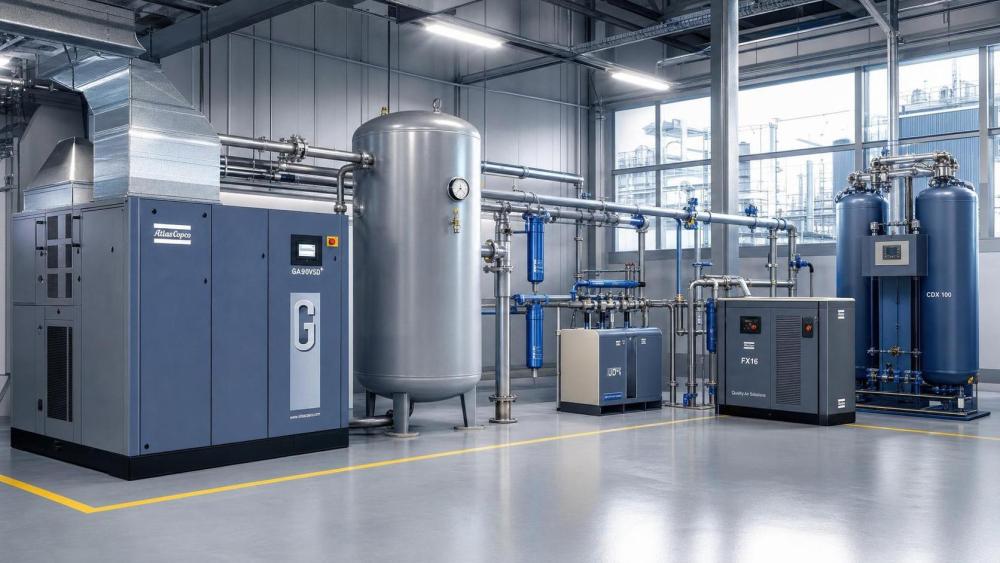
Most compressed air systems spend years consuming electricity, requiring service, and supporting production stability.
Because of that, capital expense is often the smaller number over the full lifecycle.
From a procurement and cost perspective, seven hidden cost drivers deserve close attention.
Some are technical, some are operational, and some come from incomplete scoping during bidding.
When these issues are addressed early, compressed air systems become easier to budget, justify, and optimize.
1. Energy consumption that looks small, then dominates the budget
Electricity is usually the largest lifetime cost in compressed air systems.
A low purchase price can hide poor specific power performance.
That means the unit needs more kilowatts to deliver the same air output.
The difference may look minor in a proposal sheet.
Over 8,000 operating hours, it becomes a serious cost burden.
This becomes even more visible in regions with volatile power tariffs.
Variable speed control, part-load efficiency, and pressure band management all matter here.
When comparing compressed air systems, ask for annual energy modeling, not only rated motor size.
2. Air leaks that silently drain output every hour
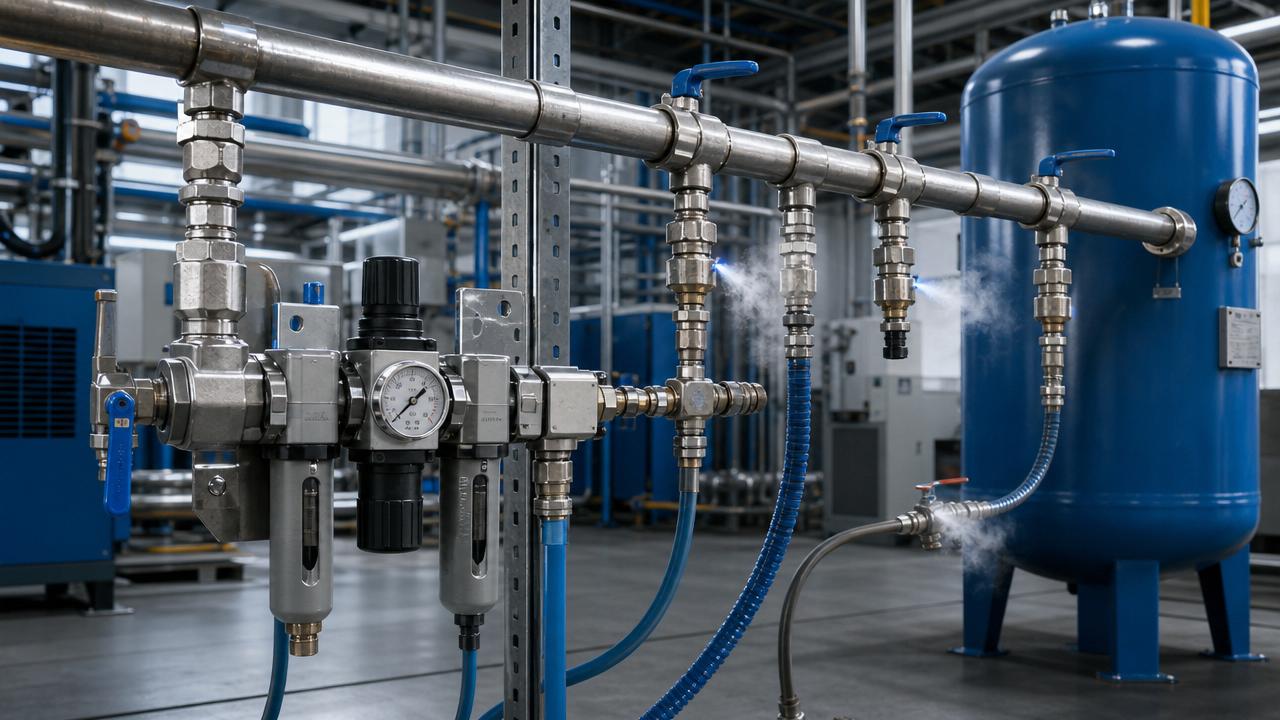
Leaks are one of the most common hidden losses in compressed air systems.
Small leaks are easy to ignore because production still appears normal.
But the compressor keeps running longer to replace lost air.
That means higher power bills, faster wear, and reduced reserve capacity.
In older plants, leakage rates can become surprisingly high.
This is why network condition should be reviewed before buying new compressed air systems.
Otherwise, a new machine may be selected to cover avoidable system losses.
- Request a leak audit before final capacity sizing.
- Include piping condition and joint quality in site evaluation.
- Ask suppliers how their controls respond to intermittent leakage demand.
3. Maintenance intervals that seem routine but add up fast
Maintenance costs do not come only from spare parts.
They also come from labor, service visits, consumables, and planned shutdown time.
Some compressed air systems require more frequent filter, lubricant, or separator replacement.
Others need specialized service support that is not locally available.
This can push up both service pricing and response time.
In practical sourcing, buyers should compare maintenance architecture, not just warranty length.
A longer service interval can reduce cost significantly across the asset lifecycle.
4. Unplanned downtime that costs more than the compressor itself
Downtime is often the most underestimated expense in compressed air systems.
If air supply stops, packaging lines, instruments, valves, and process tools may stop as well.
The financial impact can include scrap, restart loss, missed delivery, and emergency repair.
This is why reliability data deserves real weight during supplier selection.
It also explains why redundancy planning should be discussed early.
A cheaper single unit may create more risk than a balanced multi-unit layout.
The better signal is lifecycle resilience, not only first cost.
For mission-critical compressed air systems, service coverage and spare part access should be part of commercial evaluation.
5. Air treatment loads that expand faster than expected
Many budgets focus on the compressor and overlook downstream treatment.
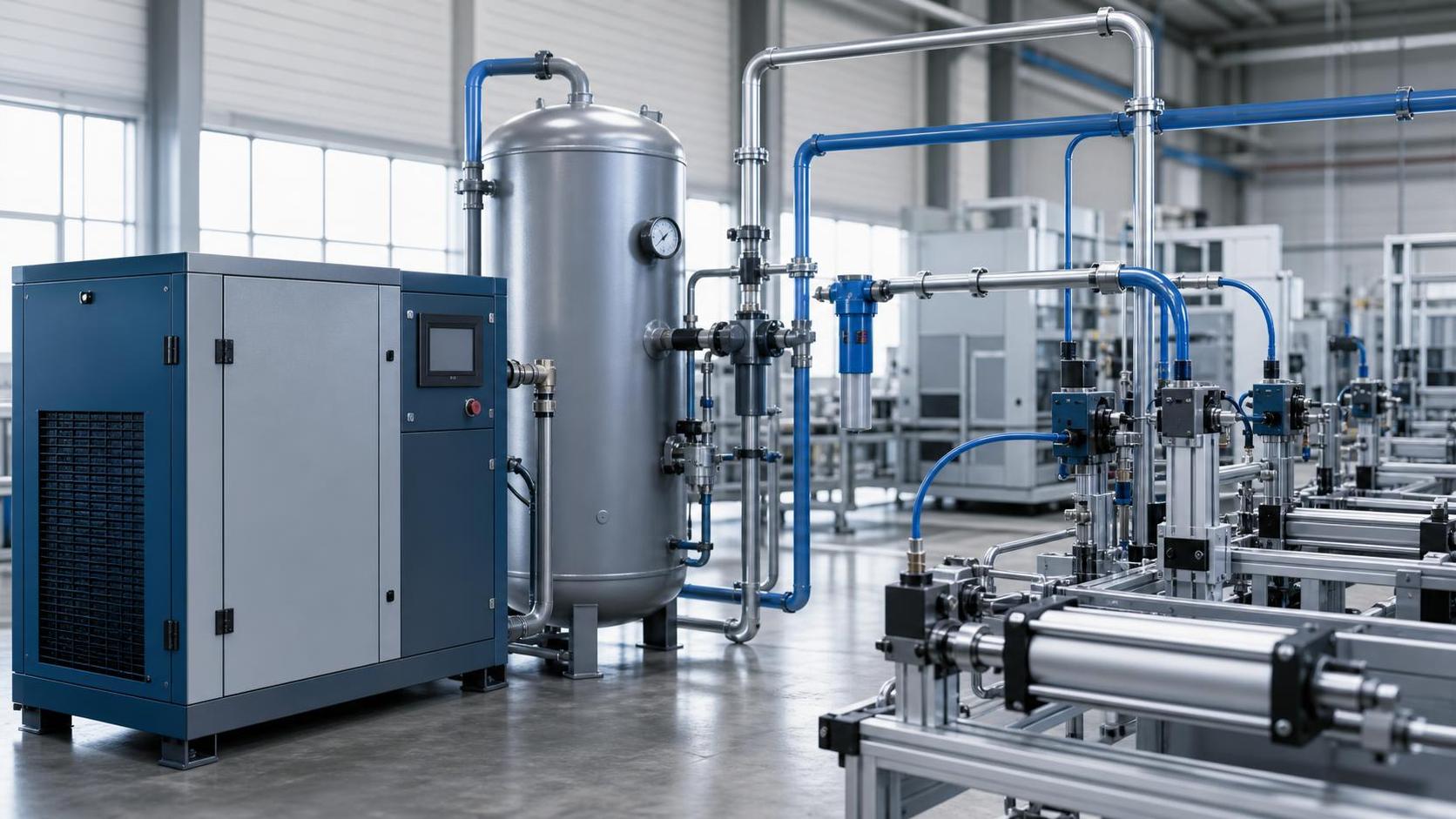
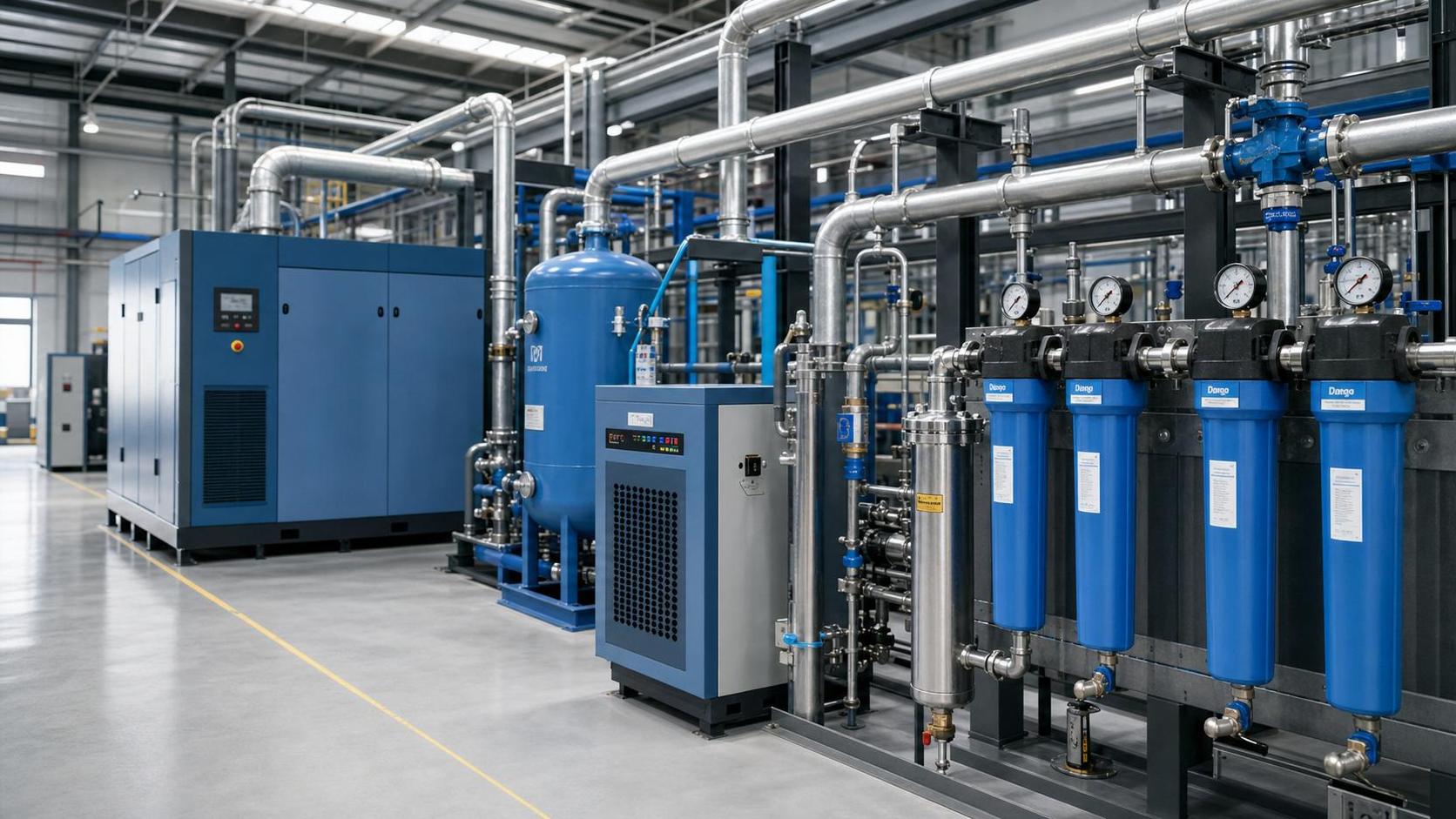
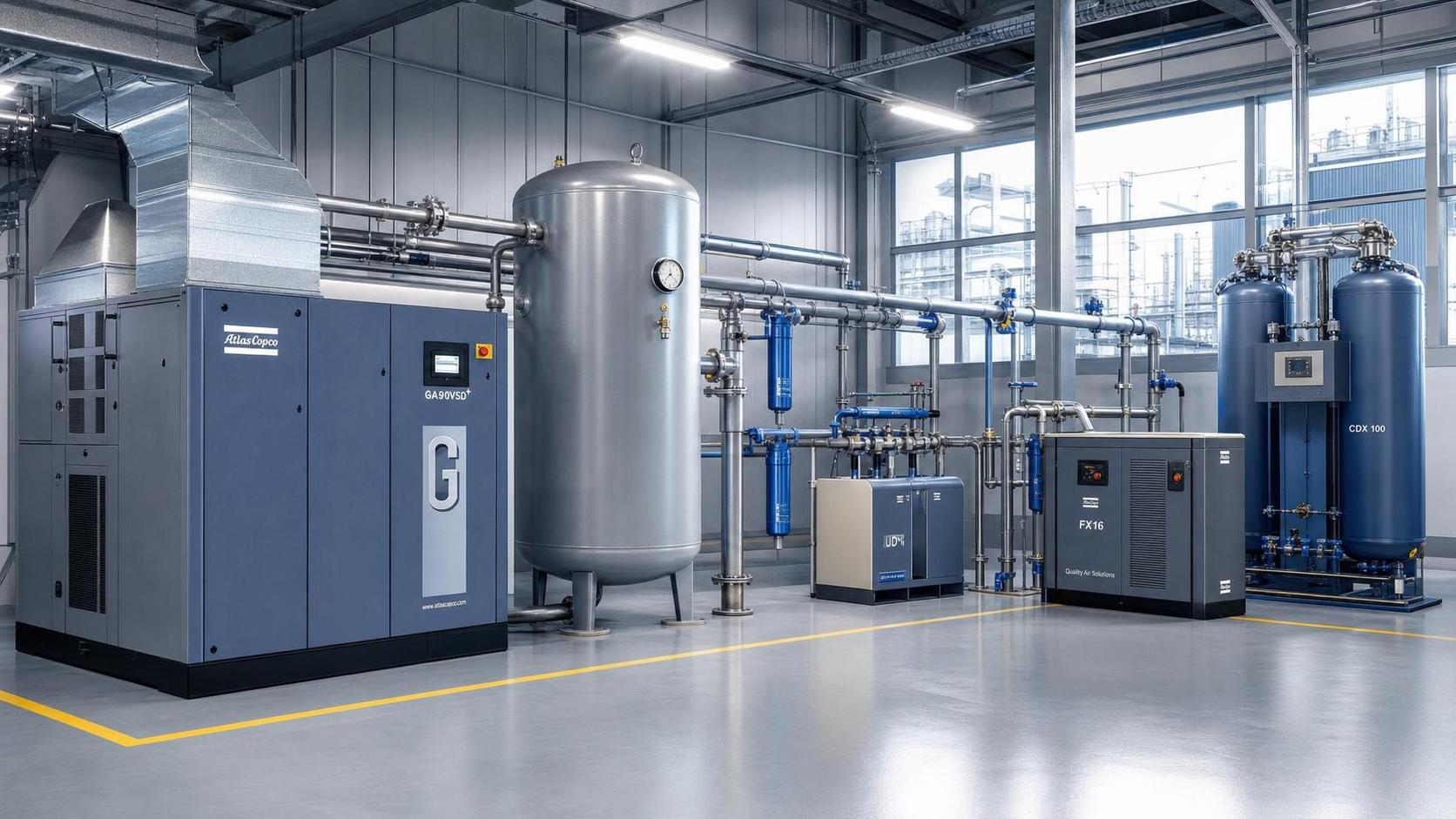
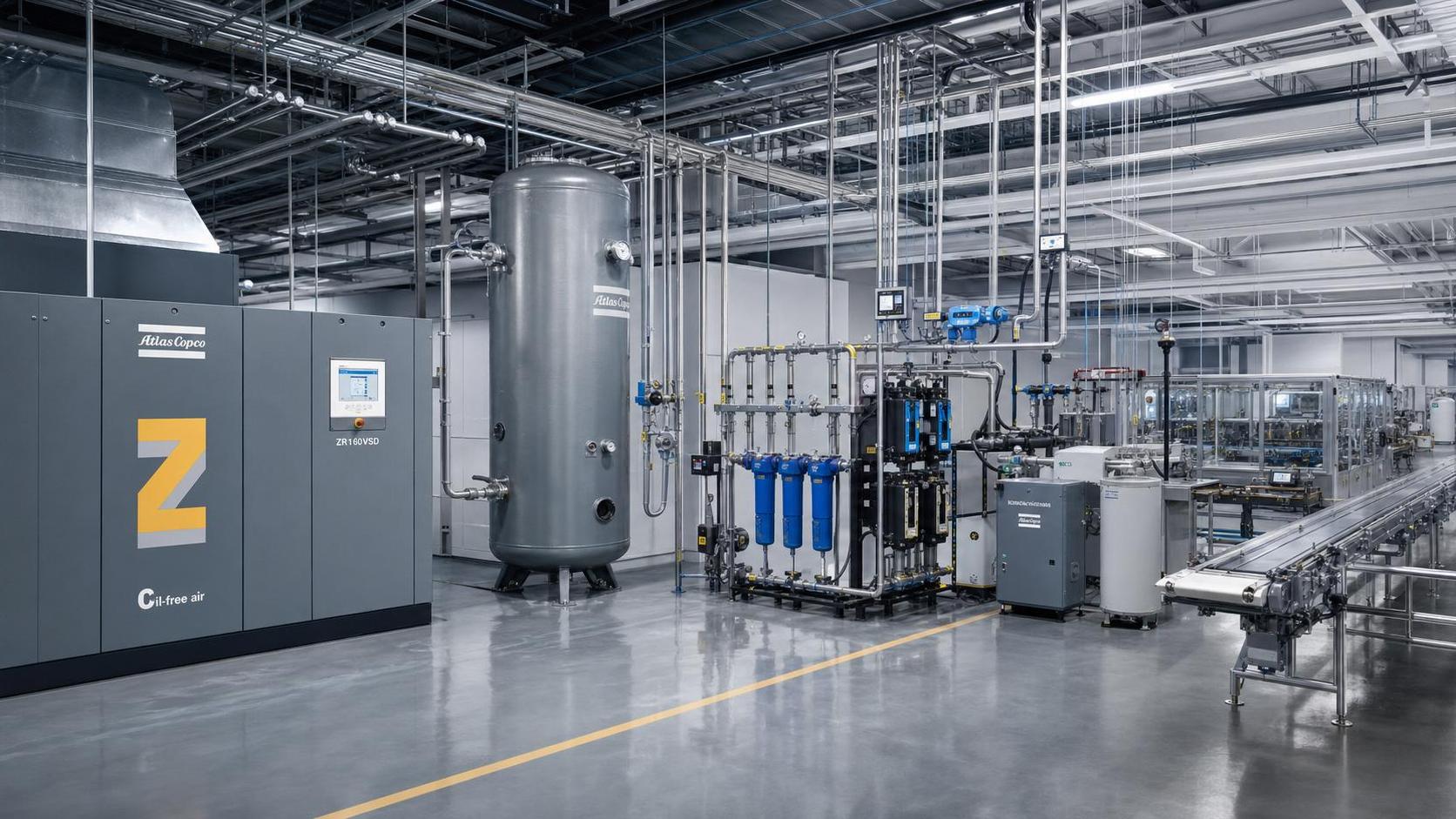
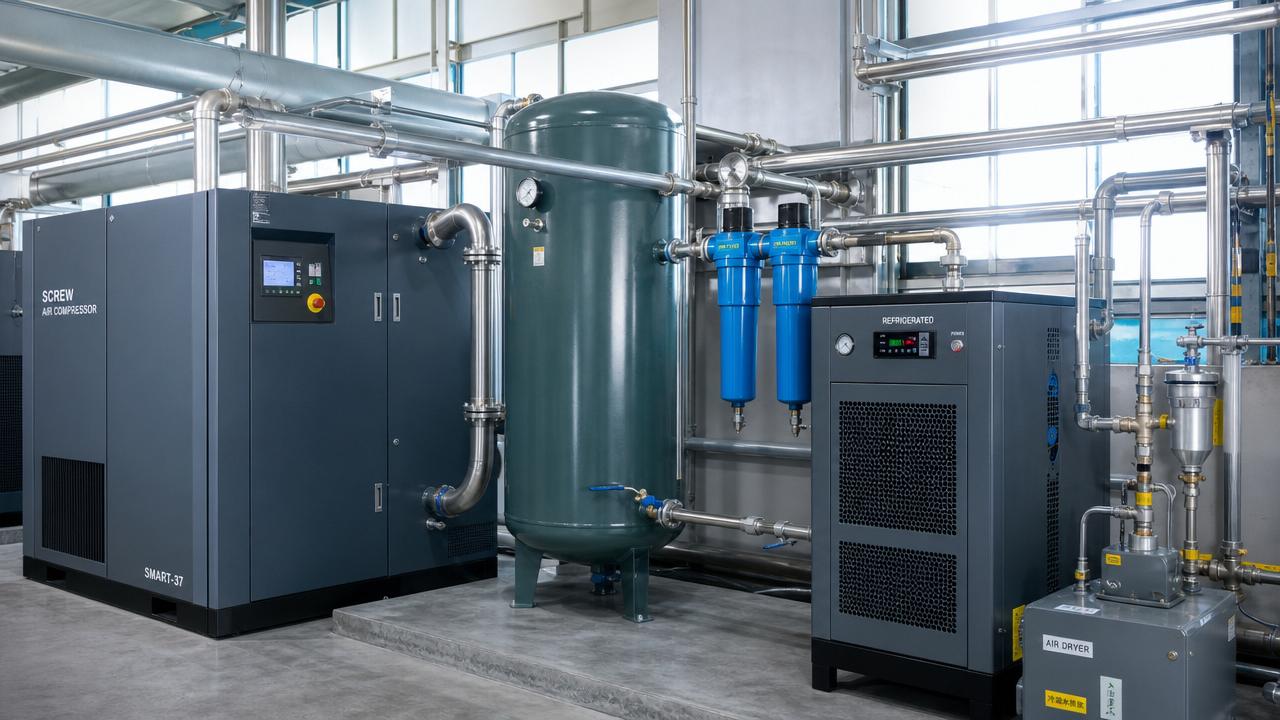
But compressed air systems often need dryers, filters, drains, receivers, and condensate management.
Higher air purity requirements increase both capital and operating costs.
This is especially true in food, pharma, electronics, and precision manufacturing.
Pressure dew point, oil carryover limits, and filtration stages all influence energy use.
A poorly scoped treatment package can create avoidable pressure drop.
And every extra bar of pressure usually means more electricity consumption.
When sourcing compressed air systems, match air quality to actual process risk, not to generic overdesign.
6. Pressure settings that are higher than the application really needs
Overspecifying pressure is a common buying mistake.
It often happens because teams want a safety margin for every possible scenario.
In reality, higher discharge pressure raises power demand across compressed air systems.
It can also increase leakage rate and mechanical stress.
What looks like protection becomes a recurring operating penalty.
A better approach is to map true end-use pressure needs by process area.
Then select compressed air systems that maintain stable flow at the lowest practical system pressure.
7. System mismatch between compressor design and real load profile
This hidden cost is often the root cause behind several others.
Compressed air systems perform differently under stable, variable, or highly intermittent demand.
If the selected technology does not match the plant load profile, efficiency drops.
That mismatch may trigger cycling losses, poor unload performance, and unstable pressure behavior.
It may also push the system into frequent starts, stops, or inefficient standby periods.
In business terms, the wrong configuration keeps charging operating cost every day.
Load analysis, storage sizing, and control strategy should therefore be part of any compressed air systems review.
A practical buying checklist for lower total operating expense
To compare compressed air systems more accurately, build the evaluation around lifecycle economics.
- Request annual energy consumption at actual operating conditions.
- Review part-load efficiency, not only full-load performance.
- Check expected leakage assumptions and distribution losses.
- Compare maintenance intervals, consumables, and service network strength.
- Confirm required air quality and treatment pressure drop.
- Evaluate redundancy needs and downtime exposure.
- Match compressor type to the real load profile.
This creates a more realistic procurement framework.
It also helps separate low-price offers from truly efficient compressed air systems.
Where better intelligence improves better buying
The market for compressed air systems is changing with energy volatility, decarbonization pressure, and tighter efficiency expectations.
That makes technical intelligence more valuable during sourcing decisions.
GTC-Matrix tracks these shifts across industrial cooling, compressed air, vacuum processes, and heat exchange technologies.
Its Strategic Intelligence Center connects thermodynamic insight with real equipment economics.
That perspective supports more confident decisions around efficiency, reliability, and long-term operating risk.
In the end, the smartest compressed air systems are not simply the cheapest to buy.
They are the systems that keep energy use, maintenance, and downtime under control from day one onward.
Related News
- China Expands Cross-Border RMB and FX Cash Pooling NationwideAuthor :Pneumatic Power Engineer

- How to Size Air Compressor Systems for Pneumatics by Flow and Pressure DemandAuthor :Pneumatic Power Engineer

- How Energy Recovery Systems for Compressors Cut Power CostsAuthor :Pneumatic Power Engineer

- How to Evaluate Screw Compressors in Industrial Refrigeration EquipmentAuthor :Pneumatic Power Engineer

- India Makes BIS Certification Mandatory for Screw CompressorsAuthor :Pneumatic Power Engineer

- China Tightens Export Filing for Screw CompressorsAuthor :Pneumatic Power Engineer

- SABIC Sets IoT Interface Rule for Screw CompressorsAuthor :Pneumatic Power Engineer

- Industrial Heat Recovery Systems for Compressors: When Do Energy Savings Pay Back?Author :Pneumatic Power Engineer

- EU Tightens REACH Limit for Screw Compressor LubricantsAuthor :Pneumatic Power Engineer

- EU Opens China Screw Compressor Review With Carbon RuleAuthor :Pneumatic Power Engineer

- DOE Mandates AHRI 1000-2026 for Screw CompressorsAuthor :Pneumatic Power Engineer

- VDMA Filing Signals EU Risk for Chinese Oil Screw CompressorsAuthor :Pneumatic Power Engineer
![]()
- Screw vs Piston Air Compressors for Stable Plant OutputAuthor :Pneumatic Power Engineer

- Saudi SASO Tightens Refrigerant Limits in IEC 60335-2-40:2026Author :Pneumatic Power Engineer

- IIR Warns of 18-Week Lead Times for Screw CompressorsAuthor :Pneumatic Power Engineer

- Welded Compressed Air Manifold Selection Guide for Pressure Stability and LeaksAuthor :Pneumatic Power Engineer

- India BIS Rule Adds IS 16830 Requirement for Imported Screw CompressorsAuthor :Pneumatic Power Engineer

- What to Check Before Choosing a Compressed Air FactoryAuthor :Pneumatic Power Engineer

- China Tightens Export Checks on Screw CompressorsAuthor :Pneumatic Power Engineer

- Screw Compressor Lead Times Reach 22 WeeksAuthor :Pneumatic Power Engineer

- Vietnam Requires QR Labels on Imported Screw CompressorsAuthor :Pneumatic Power Engineer

- Compressed Air Technologies Filtration: How to Reduce Pressure Drop and Energy LossAuthor :Pneumatic Power Engineer

- STSPIN830 Lead Time Tops 32 Weeks in Screw CompressorsAuthor :Pneumatic Power Engineer

- IGBT Shortage Extends Screw Compressor Lead TimesAuthor :Pneumatic Power Engineer

- Compressed Air Systems: 7 Hidden Costs That Raise Total Operating ExpenseAuthor :Pneumatic Power Engineer

- Compressed Air Efficiency: 7 Hidden Losses That Raise Operating CostsAuthor :Pneumatic Power Engineer

- How to Compare Screw vs Oil-Free Air Compression SystemsAuthor :Pneumatic Power Engineer

- Compressed Air Leaks: What They Really Cost in Daily OperationsAuthor :Pneumatic Power Engineer

- DOE Moves Up R449A Chiller Deadline to March 2027Author :Pneumatic Power Engineer

- How Compression Technology Cuts Energy Use in Modern PlantsAuthor :Pneumatic Power Engineer

- EU Adds GB 18613-2025 to Import Energy ChecksAuthor :Pneumatic Power Engineer

- EU CE Rule Adds SRA for R290 Compressor ImportsAuthor :Pneumatic Power Engineer

- Compressed Air Leaks: Hidden Costs and Practical Ways to Reduce LossesAuthor :Pneumatic Power Engineer

- Kunming Sourcing Festival Adds Thermal & Compression HubAuthor :Pneumatic Power Engineer

- Compressed Air Efficiency: Where Energy Losses Usually StartAuthor :Pneumatic Power Engineer

- US 3-Year Treasury Yield Rise Pressures Compressor Export QuotesAuthor :Pneumatic Power Engineer