Compression Technology Trends for Screw Compressors in 2026




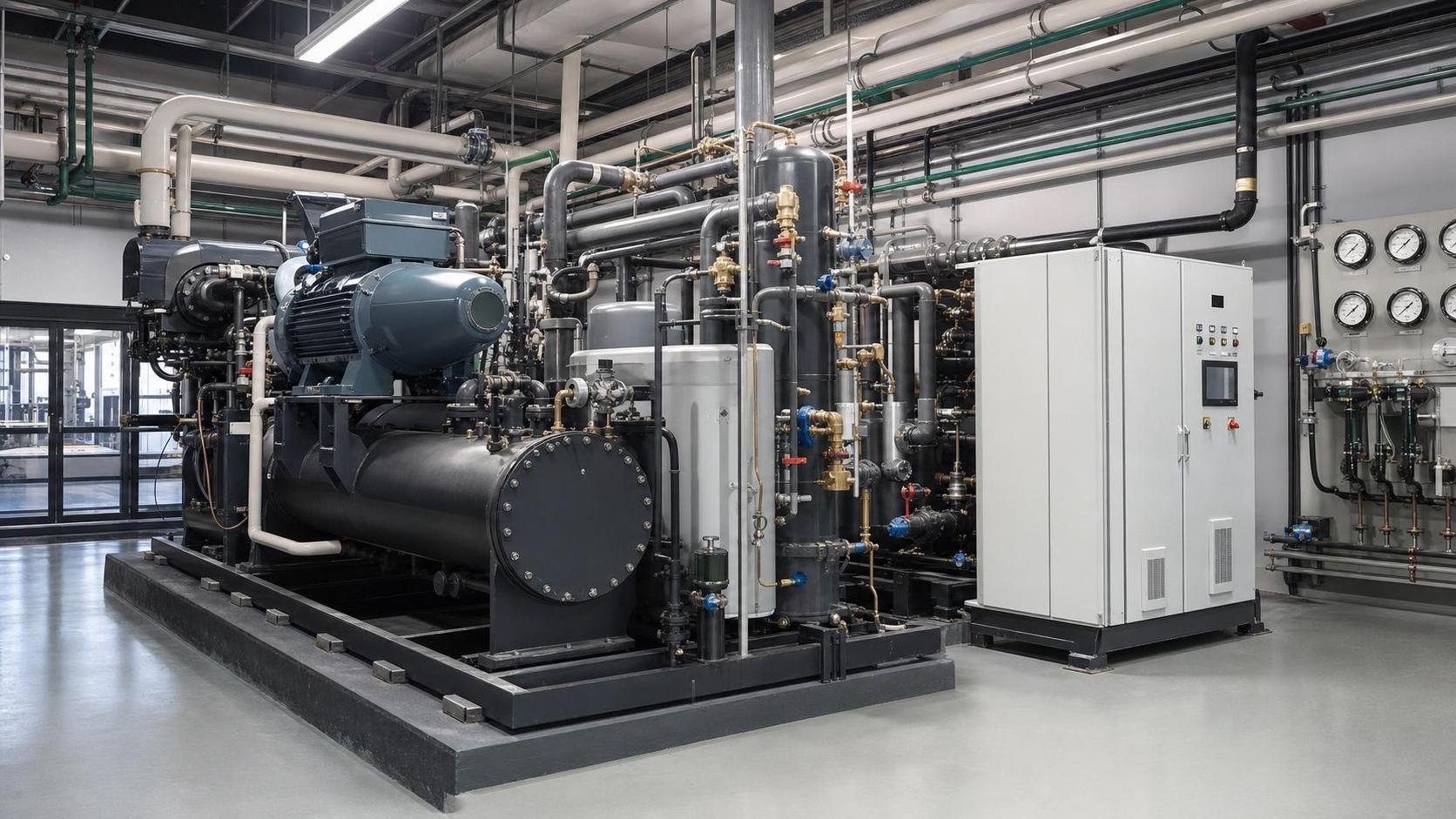
Compression Technology Trends for Screw Compressors in 2026 reflect a decisive shift in industrial air systems. As industries accelerate toward lower energy intensity, smarter automation, and stricter emissions targets, compression technology is entering a new transition.
For screw compressors, the focus is moving beyond pressure generation. Integrated efficiency, predictive control, oil-free operation, and lifecycle intelligence now define competitive compression technology across global manufacturing and process sectors.
Why Compression Technology Needs a Checklist in 2026
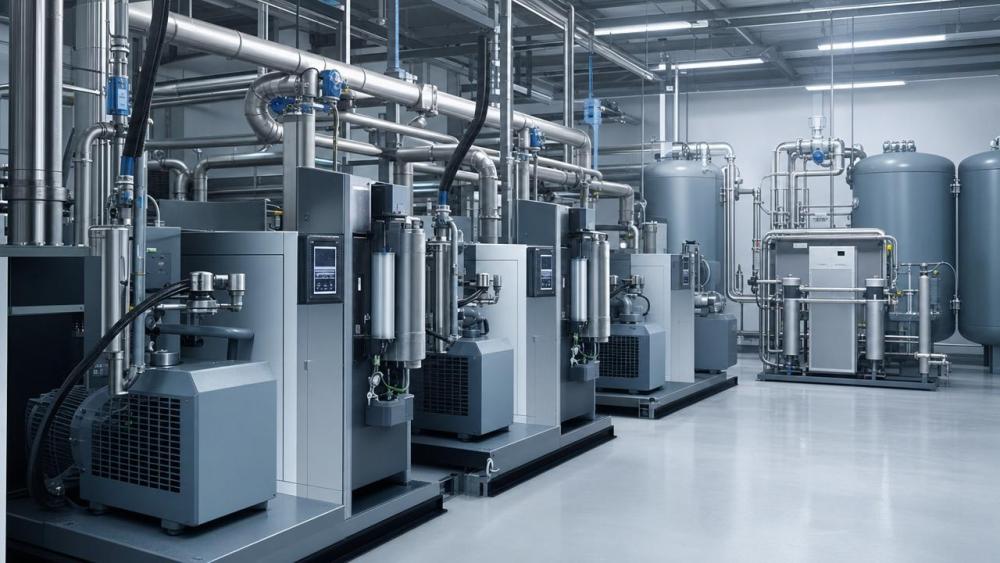
Screw compressors serve as the power heart of many facilities. Yet compressed air often remains one of the least transparent energy systems.
A checklist helps translate complex thermodynamics into practical judgment. It connects energy cost, air purity, maintenance risk, and digital readiness.
In 2026, compression technology decisions should not rely only on rated flow, pressure, or purchase price. System behavior matters more.
The strongest screw compressor strategies evaluate air demand patterns, cooling stability, control logic, leakage conditions, and recovery of compression heat.
Core Compression Technology Checklist for Screw Compressors
Use the following checklist to assess whether a screw compressor system aligns with 2026 compression technology expectations.
- Measure real air demand before sizing equipment, because oversized screw compressors waste energy during unloaded running and distort compression technology performance data.
- Compare specific power under partial load, since variable demand often decides lifecycle cost more accurately than full-load catalog efficiency.
- Check air-end geometry and rotor profile improvements, as advanced compression technology reduces internal leakage and improves volumetric efficiency.
- Review variable speed drive response, ensuring the compressor follows demand smoothly without unstable cycling, pressure drift, or overheating.
- Validate cooling system design, because thermal imbalance increases oil degradation, bearing stress, motor losses, and downstream moisture risk.
- Prioritize smart controllers that coordinate multiple compressors, dryers, filters, and storage rather than optimizing each unit separately.
- Demand predictive maintenance functions using vibration, temperature, pressure, oil condition, and motor current data for early fault detection.
- Assess oil-free compression technology where process purity, pharmaceutical compliance, electronics production, or food contact risks are critical.
- Calculate heat recovery potential, especially when hot water, space heating, cleaning, or process preheating can reuse compression losses.
- Confirm lifecycle documentation, including energy baselines, service intervals, carbon factors, refrigerant impact, and end-of-life component recycling.
Trend 1: Efficiency Moves from Components to Systems
The next stage of compression technology is system-level optimization. A high-efficiency air-end cannot compensate for poor piping, unstable controls, or excessive pressure.
In many facilities, every additional bar increases energy use significantly. Pressure reduction remains one of the most practical efficiency actions.
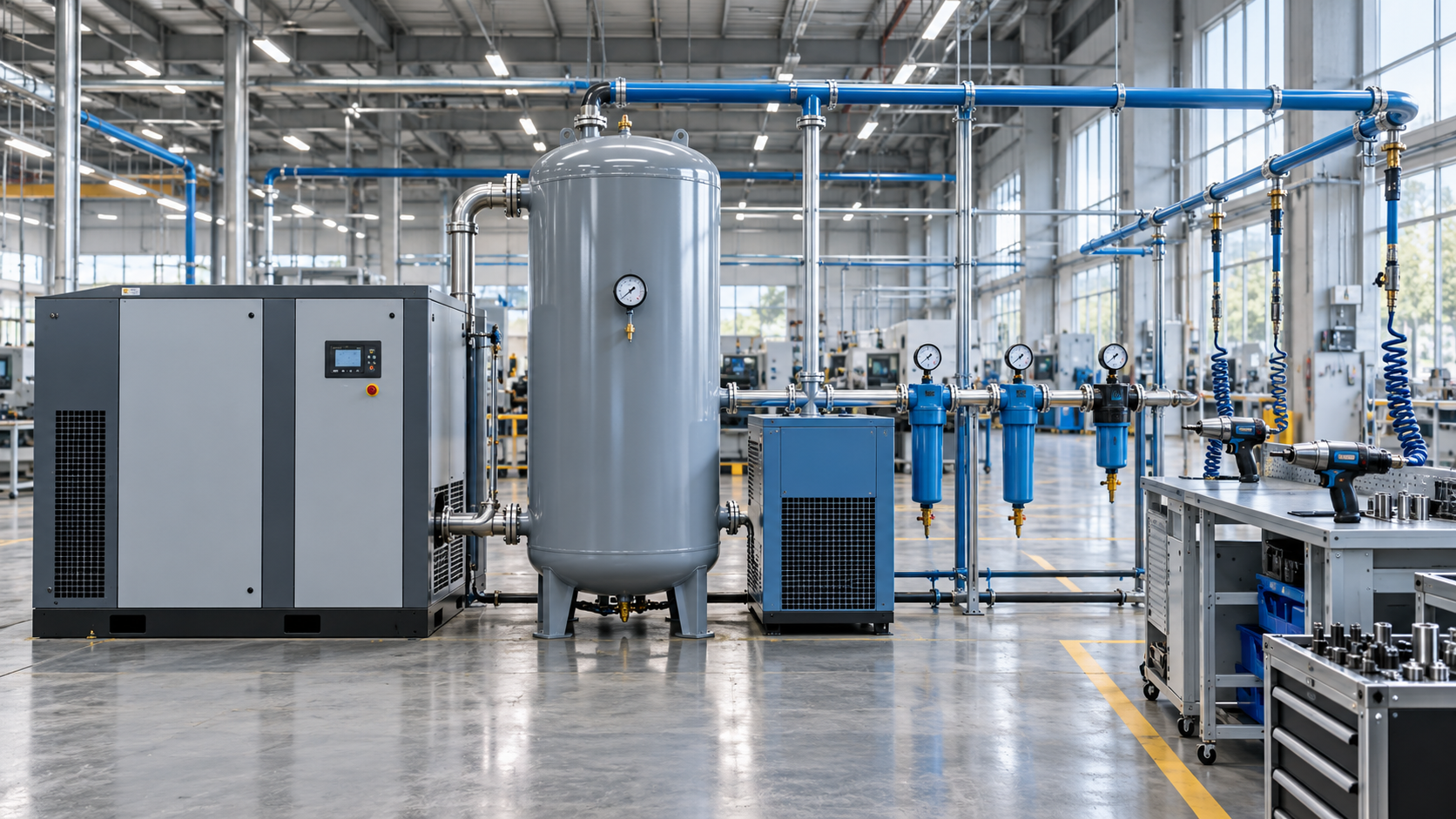
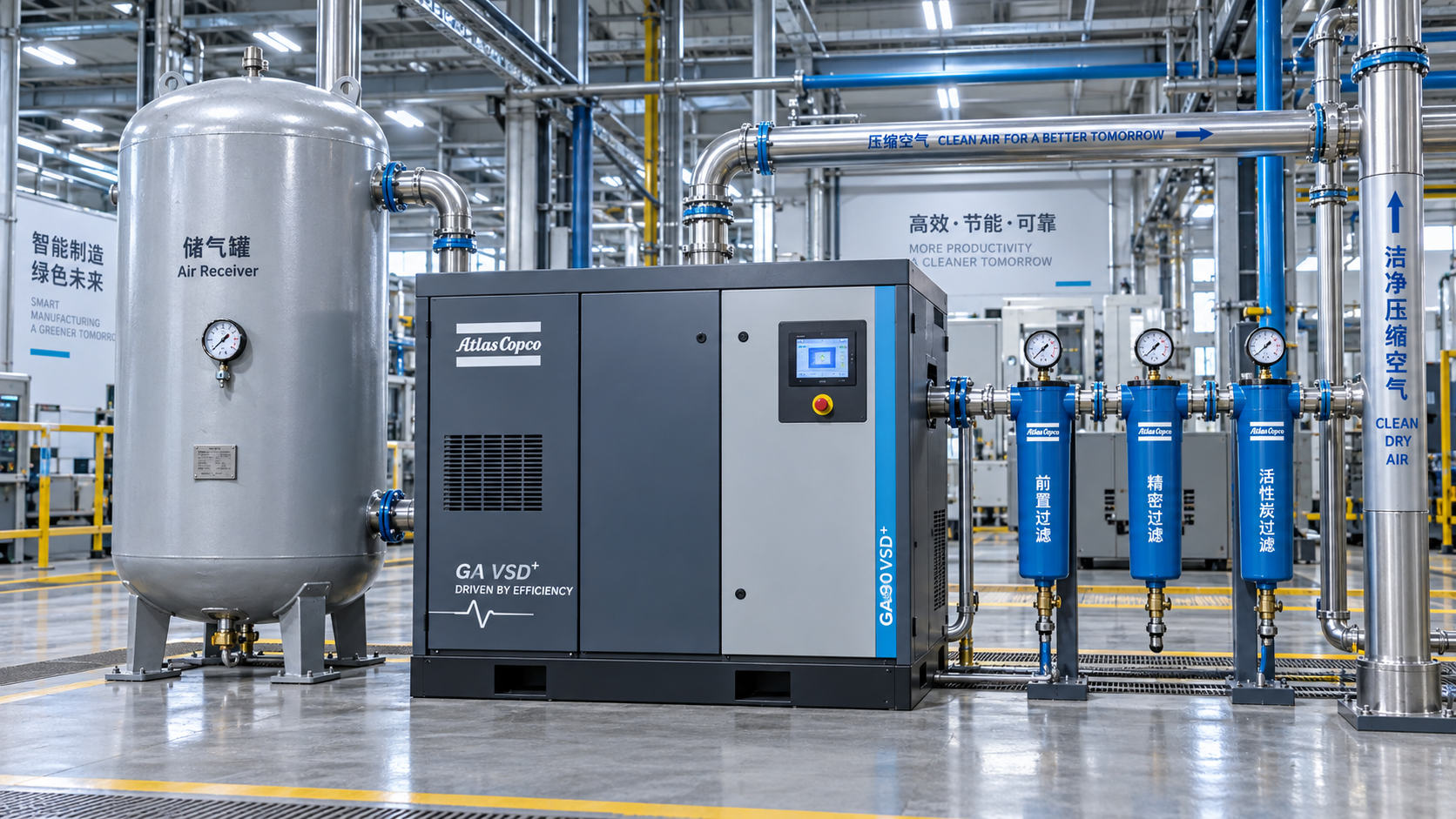
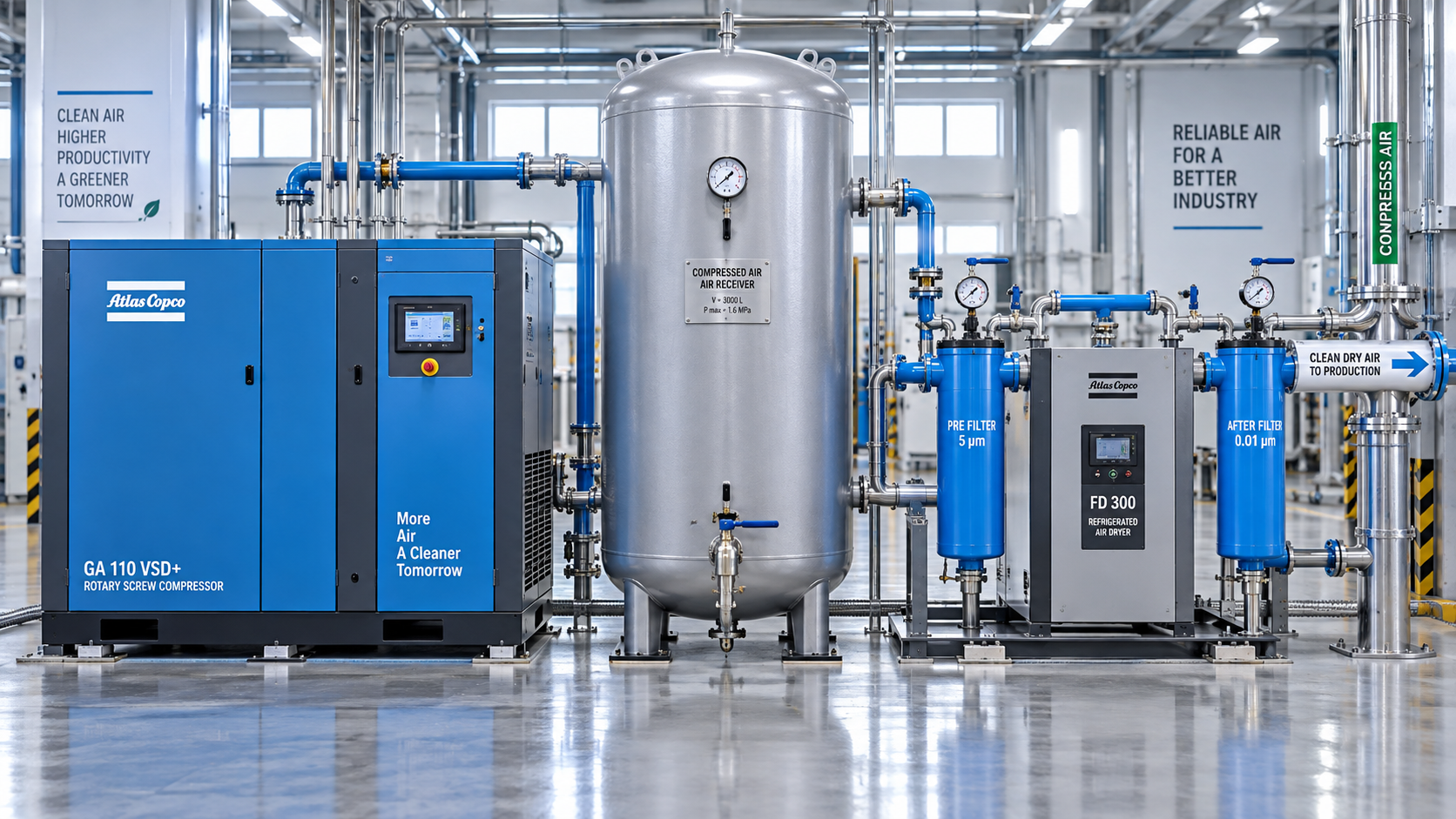
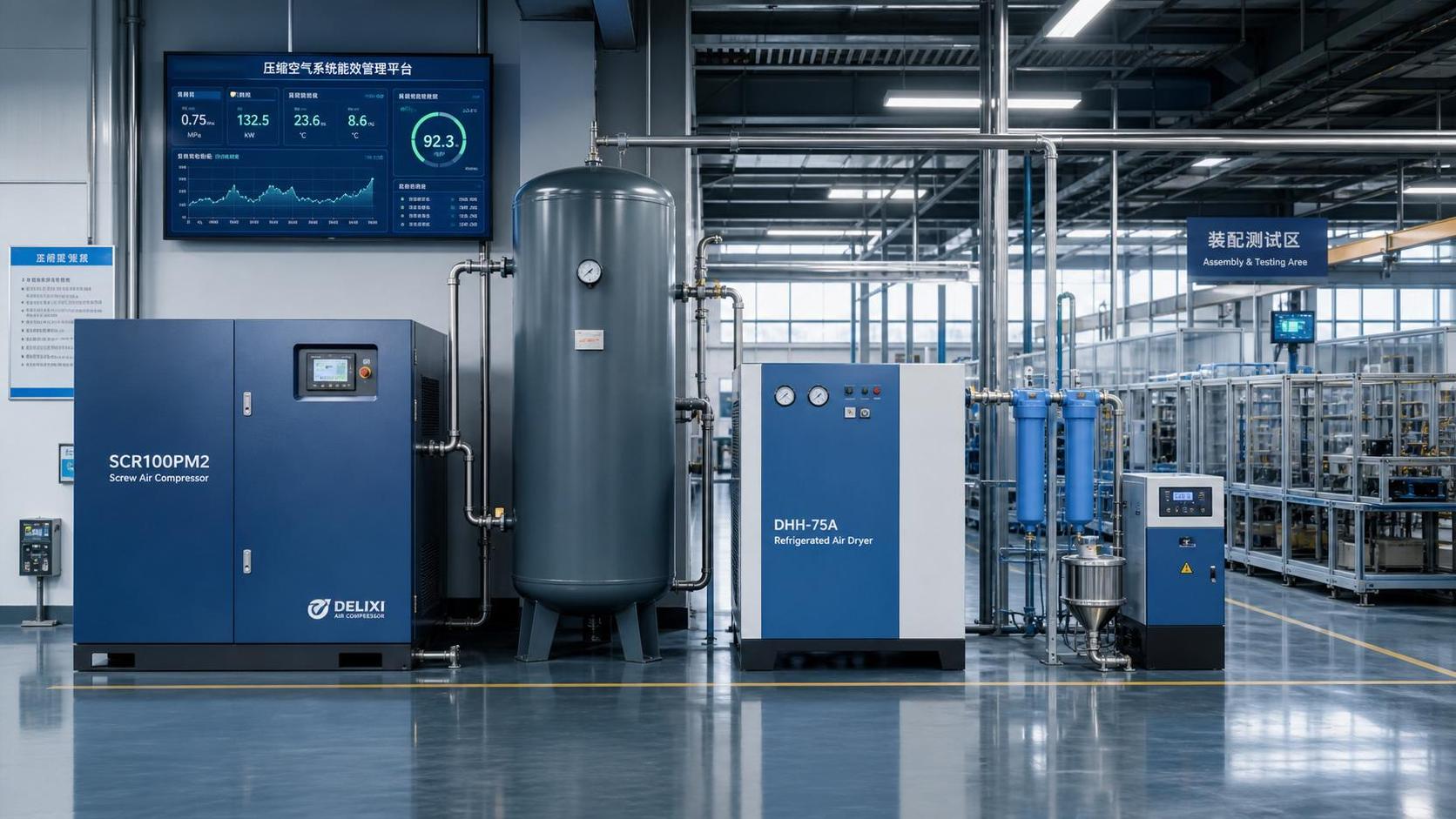
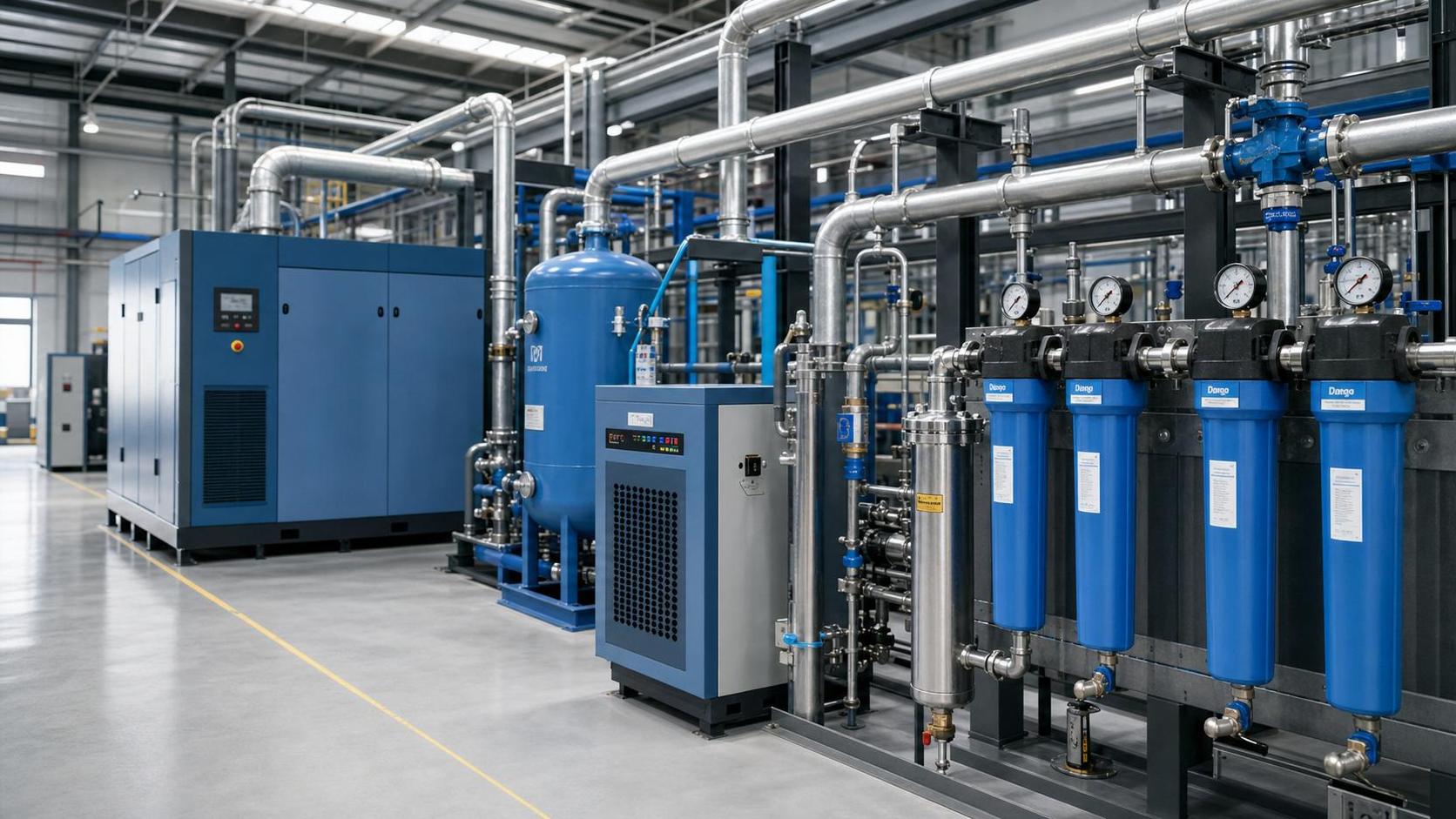
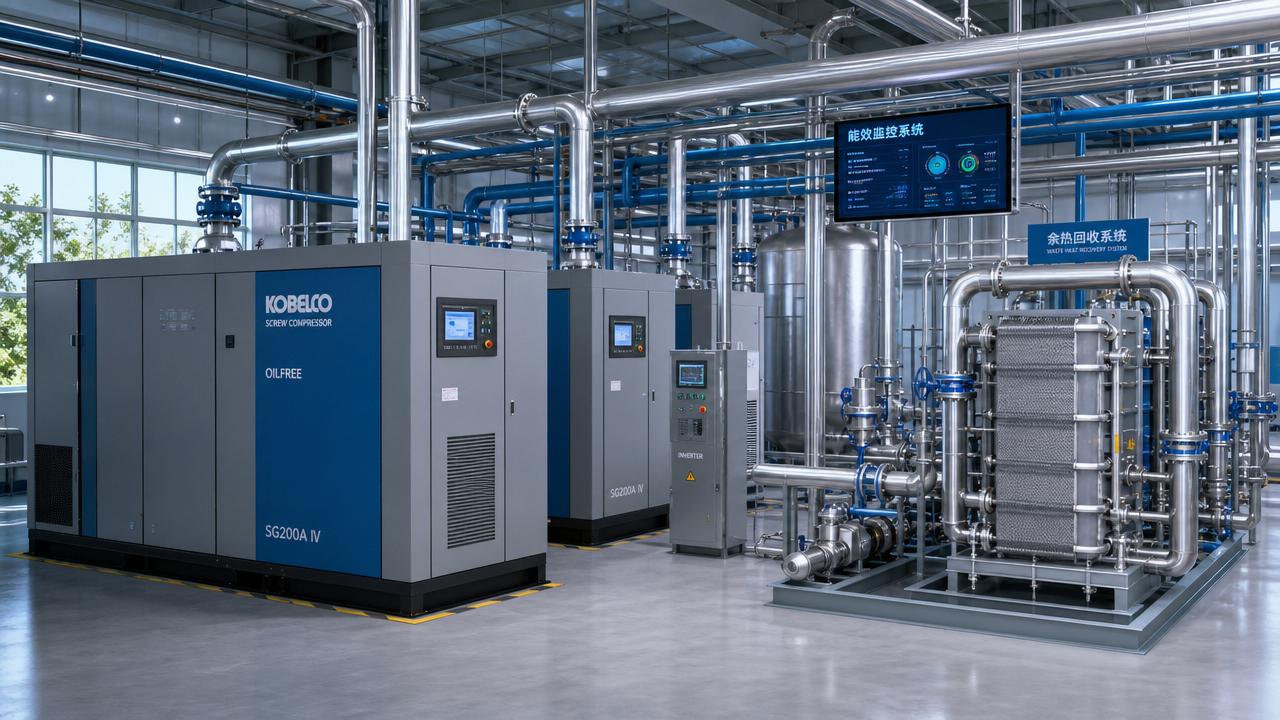
Modern screw compressor packages increasingly combine air-end design, motor selection, inverter control, dryers, filtration, and storage into coordinated architectures.
This compression technology trend favors systems that match actual demand curves instead of operating around conservative fixed-pressure assumptions.
Trend 2: Digital Intelligence Becomes Standard
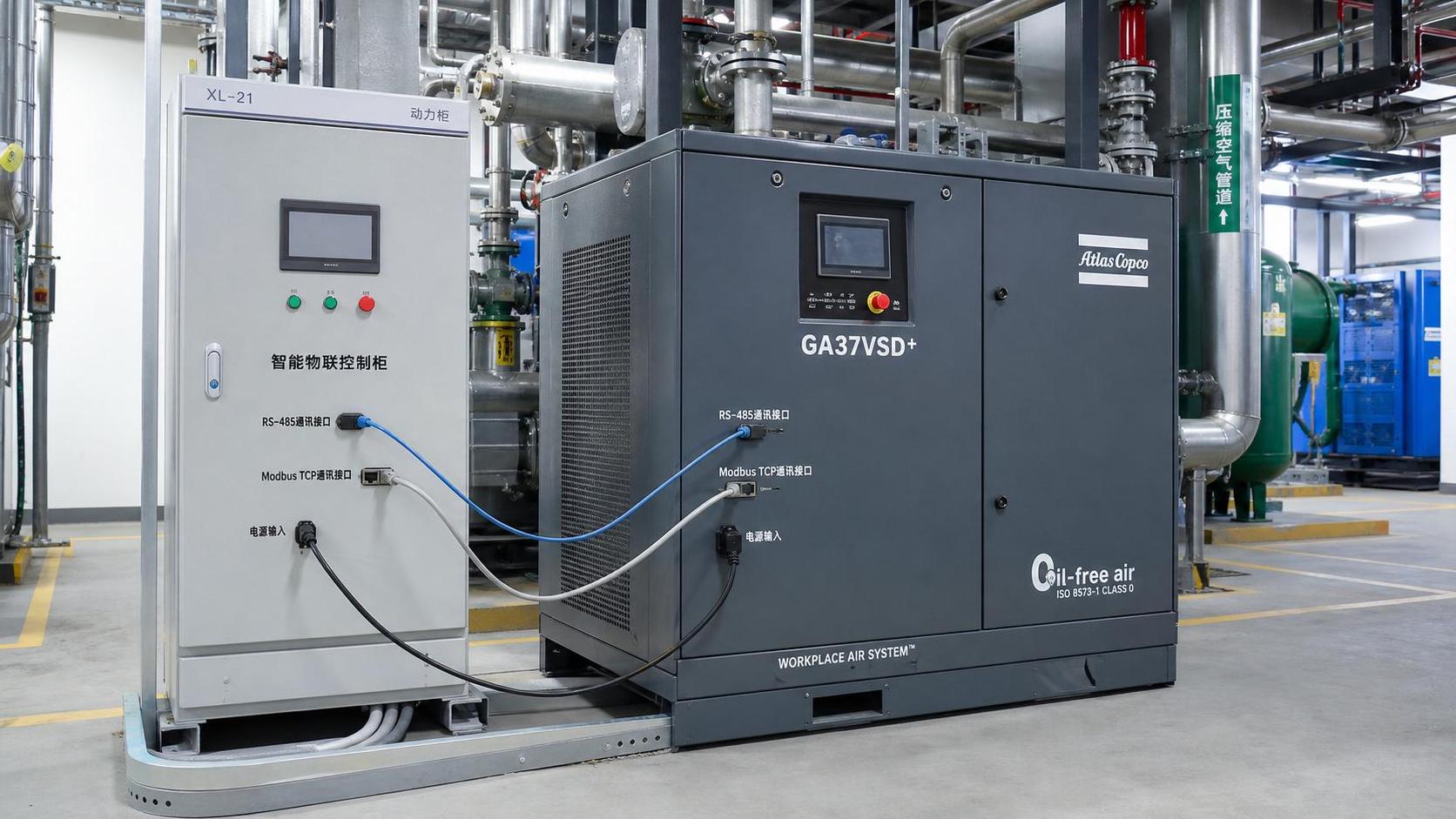
Digital monitoring is no longer a premium option. It is becoming a baseline requirement for modern compression technology management.
Edge sensors now track discharge temperature, pressure fluctuation, vibration signatures, oil differential pressure, and motor load in real time.
These data streams support predictive models. Faults can be identified before they cause shutdowns, product contamination, or energy spikes.
In 2026, advanced compression technology will increasingly integrate with plant energy platforms, carbon dashboards, and remote service ecosystems.
Key digital checks
- Confirm sensor accuracy and calibration routines before relying on analytics for compressor protection or energy reporting.
- Connect alarms to maintenance workflows, not only local panels, so abnormal trends lead to timely corrective action.
- Store historical data long enough to compare seasonal demand, production changes, and degradation patterns.
Trend 3: Oil-Free and Low-Contamination Designs Gain Momentum
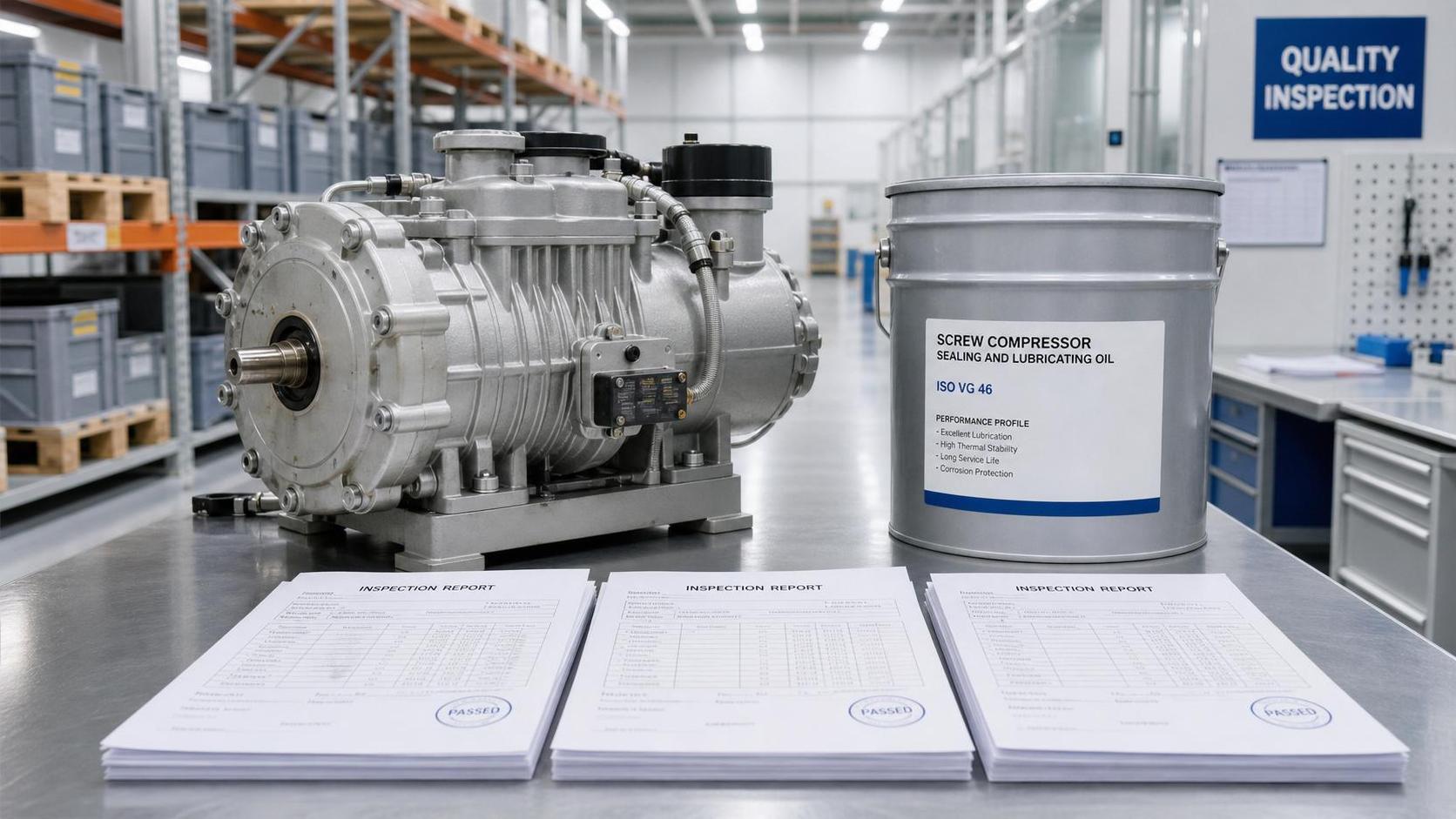
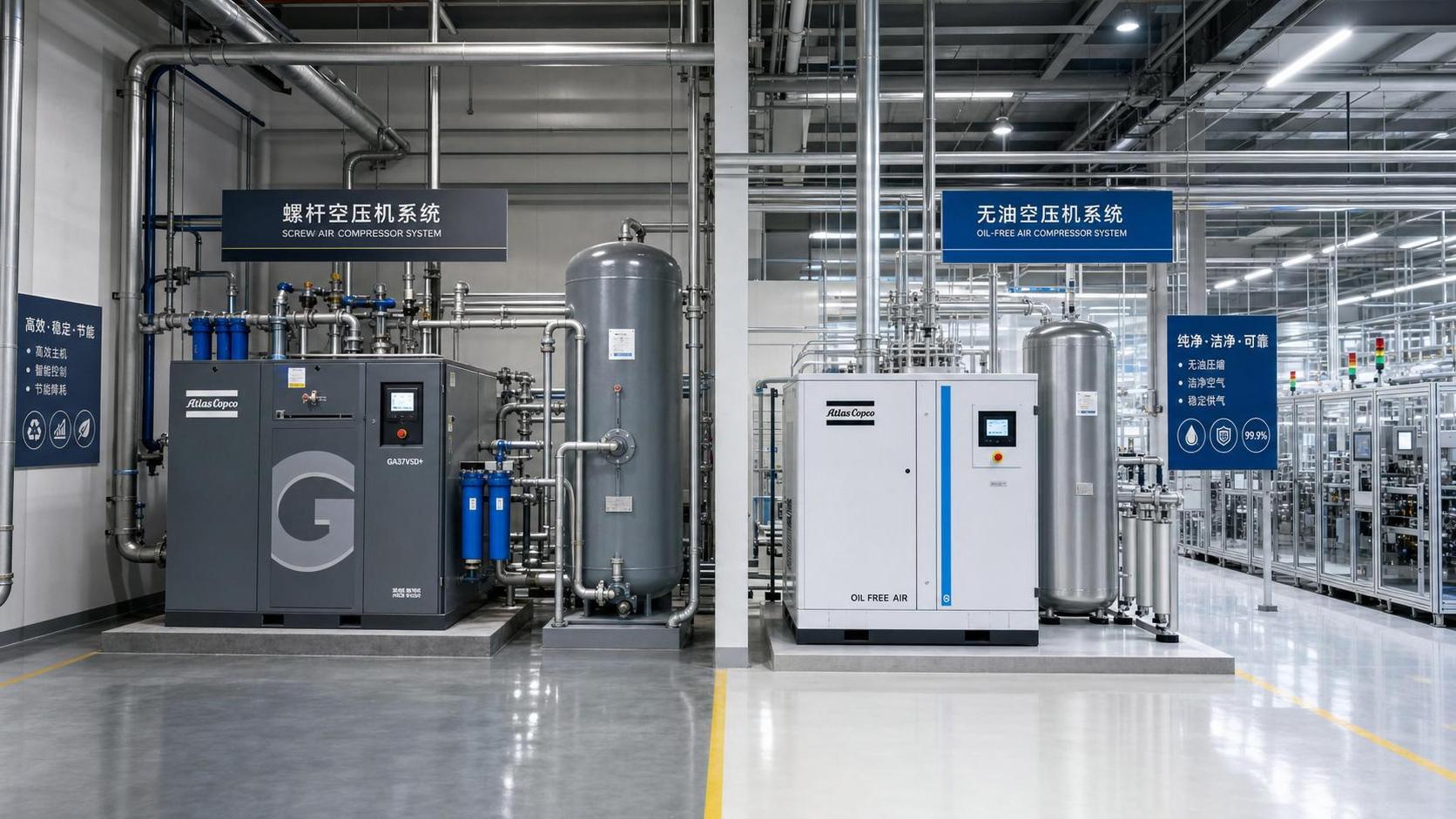
Oil-free screw compressors are gaining attention as contamination control becomes more important in high-value production environments.
This compression technology direction is driven by pharmaceuticals, semiconductor fabrication, electronics, food processing, clean packaging, and precision coating.
Oil-free systems may require higher initial investment. However, they reduce downstream oil removal complexity and lower contamination liability.
The decision should include air purity standards, condensate management, filter replacement costs, and the operational value of risk reduction.
Trend 4: Thermal Recovery Becomes a Strategic Advantage
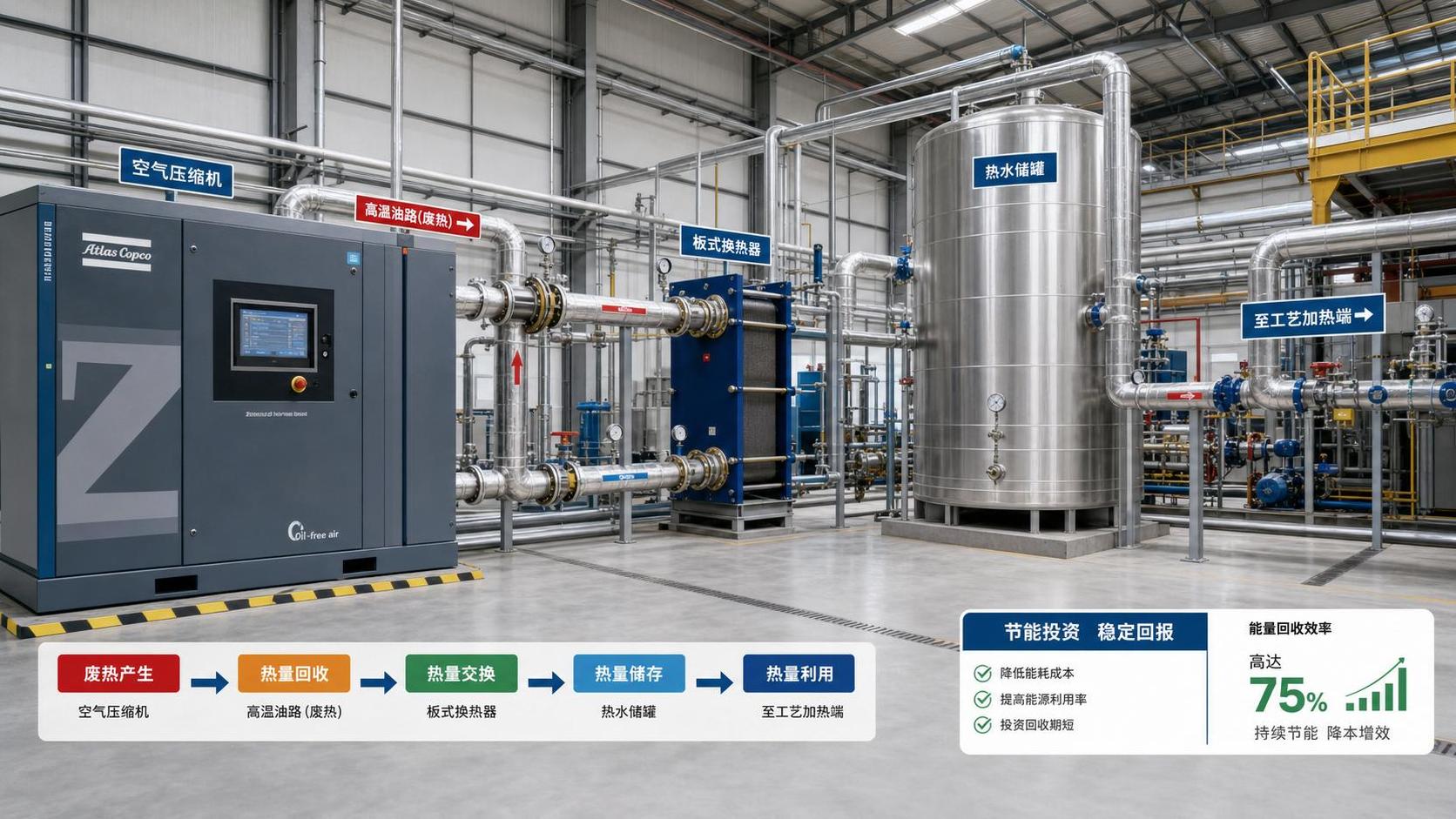
A large share of compressor input energy becomes heat. Ignoring that heat weakens the economics of compression technology upgrades.
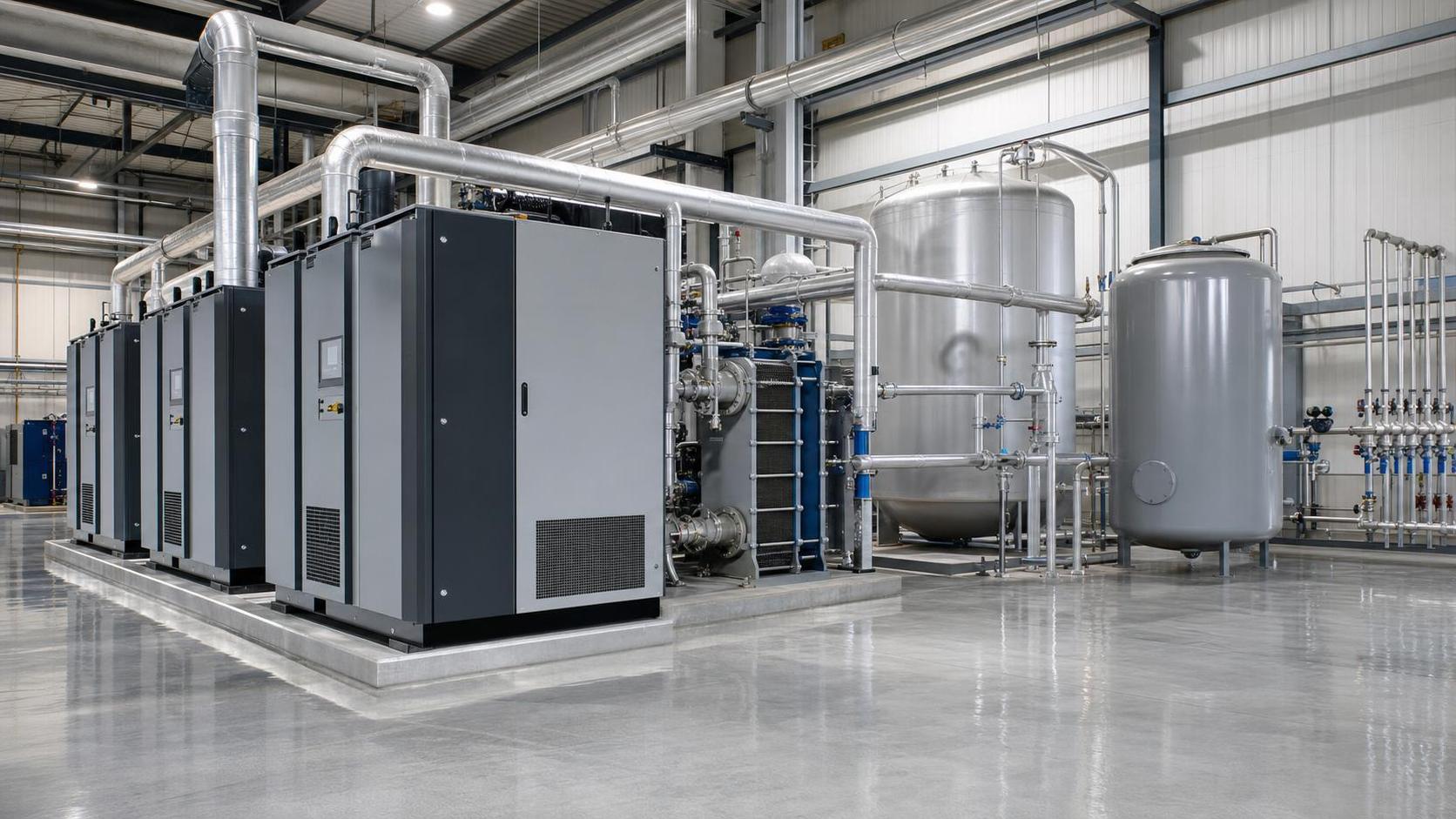
Recovered heat can support boiler feedwater preheating, washing systems, warehouse heating, process water, or low-temperature thermal loops.
The best applications match steady compressor runtime with continuous heat demand. Intermittent demand requires storage or bypass strategies.
In decarbonization planning, heat recovery transforms screw compressors from isolated utilities into connected thermal assets.
Application Notes Across Industrial Scenarios
General manufacturing
General manufacturing usually faces variable air demand. The priority is stable pressure with minimal unloaded running.
Variable speed screw compressors, adequate storage, and leak management produce the strongest compression technology results in this environment.
Pharmaceutical and food production
Air quality, condensate control, and documentation are decisive. Oil-free compression technology can reduce validation complexity and contamination exposure.
Dryer selection should consider dew point stability, microbial risk, cleaning cycles, and seasonal humidity changes.
Semiconductor and electronics
Electronics processes demand stable, clean, and precisely controlled compressed air. Pressure fluctuation can affect tools, yields, and process repeatability.
Here, compression technology evaluation should include redundancy, particle control, oil vapor risk, and integration with facility monitoring systems.
Heavy industry and continuous process plants
Continuous plants value reliability and maintainability. Downtime costs often exceed energy savings from marginal efficiency improvements.
Robust bearings, accessible service design, cooling margin, and predictive diagnostics should guide compression technology selection.
Common Overlooked Risks in Screw Compressor Planning
Ignoring leaks: Air leaks can consume a large portion of generated capacity. Repair programs often deliver faster savings than equipment replacement.
Raising pressure to hide distribution problems: Higher pressure may mask blocked filters, undersized pipes, or poor storage, but it increases energy cost.
Undervaluing dryers and filtration: Poor air treatment causes corrosion, product defects, valve failures, and unstable downstream performance.
Separating energy and maintenance data: Compression technology decisions improve when service history, alarms, runtime, and power consumption are reviewed together.
Missing ambient conditions: High inlet temperature, dust, poor ventilation, or restricted cooling airflow can reduce efficiency and shorten component life.
Practical Execution Guide for 2026 Upgrades
- Start with a compressed air audit covering demand profile, pressure bands, leaks, storage, air quality, and compressor sequencing.
- Build an energy baseline using measured kilowatts, operating hours, production output, and seasonal demand changes.
- Set target pressure by process requirement, not habit, then correct distribution bottlenecks before increasing compressor capacity.
- Model lifecycle cost across energy, service, downtime risk, air treatment, heat recovery, and carbon reporting value.
- Select compression technology that can scale with production changes through modular control, remote monitoring, and flexible sequencing.
- Review heat recovery feasibility early, because piping layout and thermal users influence payback more than equipment brochures.
- Define maintenance triggers using condition data rather than fixed intervals alone, especially for bearings, oil, filters, and coolers.
What GTC-Matrix Observes in the Market
GTC-Matrix tracks the intersection of industrial cooling, compressed air, vacuum processes, and heat exchange technologies.
From this wider view, compression technology is converging with thermal intelligence, energy economics, and green manufacturing requirements.
Oil-free compression, microchannel cooling, low-loss motors, and adaptive controllers are becoming part of one integrated efficiency conversation.
The market is rewarding systems that prove performance with data, not only technical claims or isolated efficiency ratings.
Summary and Action Direction
In 2026, screw compressor progress will be defined by measurable efficiency, cleaner air, smarter control, and recoverable thermal value.
The most useful compression technology checklist starts with demand measurement, then moves through control logic, cooling, purity, maintenance, and heat recovery.
The next practical step is to map the compressed air system as an energy network, not a standalone utility.
With disciplined data and thermodynamic insight, compression technology can reduce cost, support decarbonization, and strengthen industrial resilience.
Ready when you are. Send us a message to get started.
Related News
- When does variable gas flow justify a custom screw compressor system?Author :Pneumatic Power Engineer

- How to size compressed air equipment for pneumatic toolsAuthor :Pneumatic Power Engineer

- How Should Energy Management Systems Handle Compressor Load Changes?Author :Pneumatic Power Engineer

- Which Maintenance Issues Reduce Air Compressor Efficiency?Author :Pneumatic Power Engineer

- How Much Energy Can Variable-Speed Screw Compressors Save?Author :Pneumatic Power Engineer

- Industrial Compressor Selection: Matching Flow, Pressure, and Duty CycleAuthor :Pneumatic Power Engineer

- China Expands Cross-Border RMB and FX Cash Pooling NationwideAuthor :Pneumatic Power Engineer

- How to Size Air Compressor Systems for Pneumatics by Flow and Pressure DemandAuthor :Pneumatic Power Engineer

- How Energy Recovery Systems for Compressors Cut Power CostsAuthor :Pneumatic Power Engineer

- How to Evaluate Screw Compressors in Industrial Refrigeration EquipmentAuthor :Pneumatic Power Engineer

- India Makes BIS Certification Mandatory for Screw CompressorsAuthor :Pneumatic Power Engineer

- China Tightens Export Filing for Screw CompressorsAuthor :Pneumatic Power Engineer

- SABIC Sets IoT Interface Rule for Screw CompressorsAuthor :Pneumatic Power Engineer

- Industrial Heat Recovery Systems for Compressors: When Do Energy Savings Pay Back?Author :Pneumatic Power Engineer

- EU Tightens REACH Limit for Screw Compressor LubricantsAuthor :Pneumatic Power Engineer

- EU Opens China Screw Compressor Review With Carbon RuleAuthor :Pneumatic Power Engineer

- DOE Mandates AHRI 1000-2026 for Screw CompressorsAuthor :Pneumatic Power Engineer

- VDMA Filing Signals EU Risk for Chinese Oil Screw CompressorsAuthor :Pneumatic Power Engineer
![]()
- Screw vs Piston Air Compressors for Stable Plant OutputAuthor :Pneumatic Power Engineer

- Saudi SASO Tightens Refrigerant Limits in IEC 60335-2-40:2026Author :Pneumatic Power Engineer

- IIR Warns of 18-Week Lead Times for Screw CompressorsAuthor :Pneumatic Power Engineer

- Welded Compressed Air Manifold Selection Guide for Pressure Stability and LeaksAuthor :Pneumatic Power Engineer

- India BIS Rule Adds IS 16830 Requirement for Imported Screw CompressorsAuthor :Pneumatic Power Engineer

- What to Check Before Choosing a Compressed Air FactoryAuthor :Pneumatic Power Engineer

- China Tightens Export Checks on Screw CompressorsAuthor :Pneumatic Power Engineer

- Screw Compressor Lead Times Reach 22 WeeksAuthor :Pneumatic Power Engineer

- Vietnam Requires QR Labels on Imported Screw CompressorsAuthor :Pneumatic Power Engineer

- Compressed Air Technologies Filtration: How to Reduce Pressure Drop and Energy LossAuthor :Pneumatic Power Engineer

- STSPIN830 Lead Time Tops 32 Weeks in Screw CompressorsAuthor :Pneumatic Power Engineer

- IGBT Shortage Extends Screw Compressor Lead TimesAuthor :Pneumatic Power Engineer

- Compressed Air Systems: 7 Hidden Costs That Raise Total Operating ExpenseAuthor :Pneumatic Power Engineer

- Compressed Air Efficiency: 7 Hidden Losses That Raise Operating CostsAuthor :Pneumatic Power Engineer

- How to Compare Screw vs Oil-Free Air Compression SystemsAuthor :Pneumatic Power Engineer

- Compressed Air Leaks: What They Really Cost in Daily OperationsAuthor :Pneumatic Power Engineer

- DOE Moves Up R449A Chiller Deadline to March 2027Author :Pneumatic Power Engineer

- How Compression Technology Cuts Energy Use in Modern PlantsAuthor :Pneumatic Power Engineer