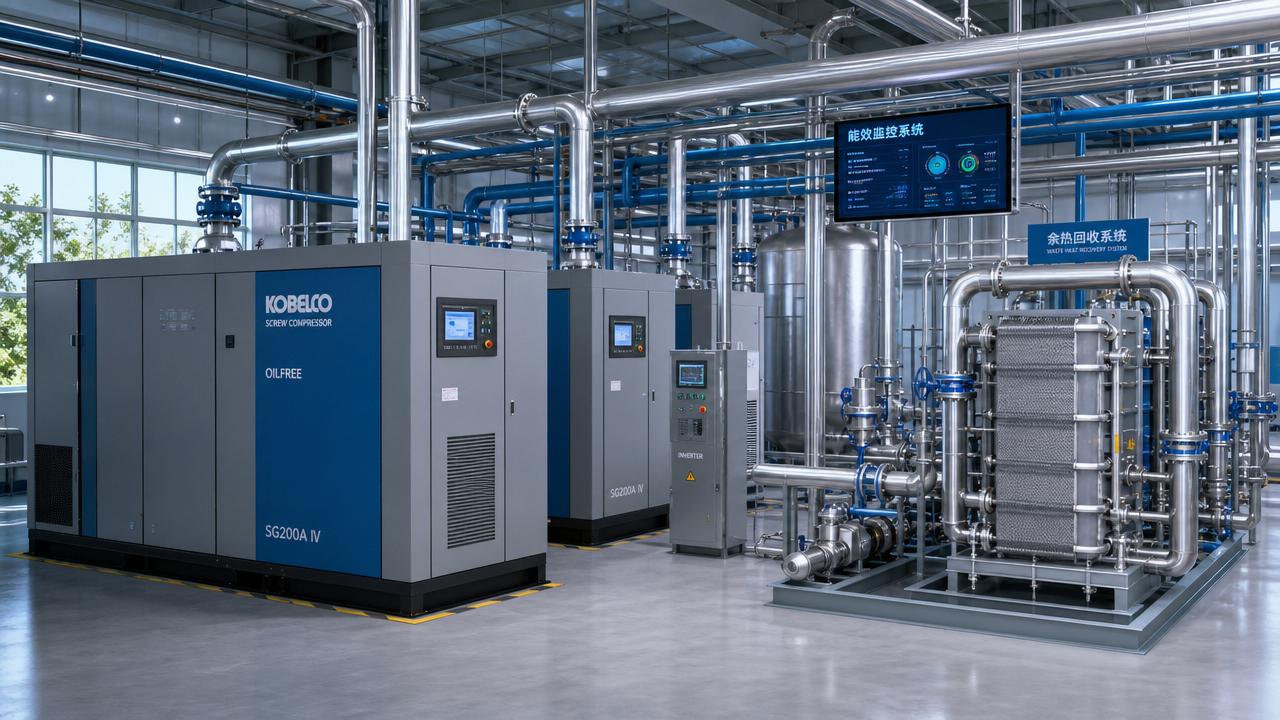
Air Compression Costs: Screw vs Oil-Free Systems




Choosing the right air compression system is now a long-term energy, compliance, and quality decision.
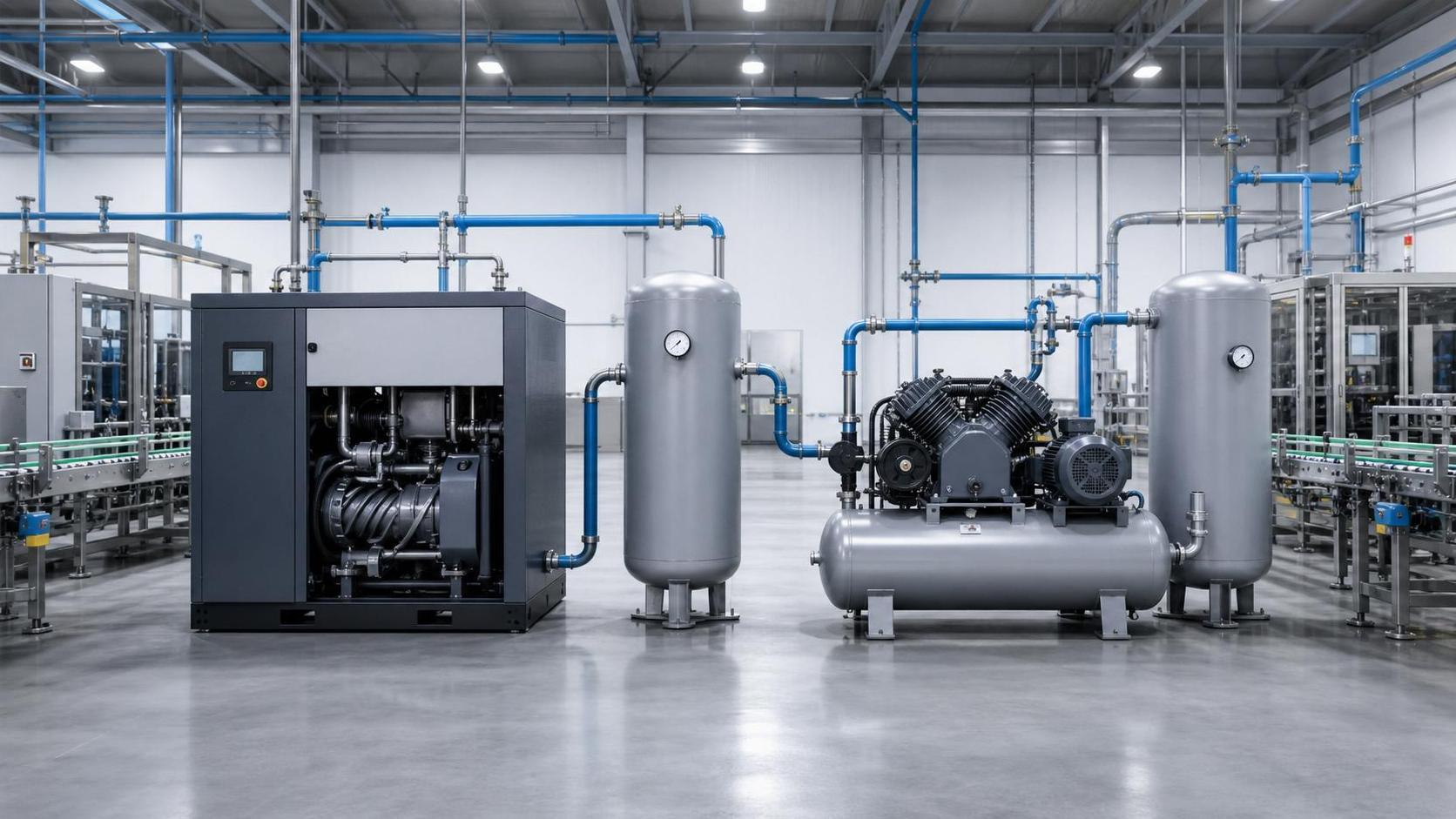
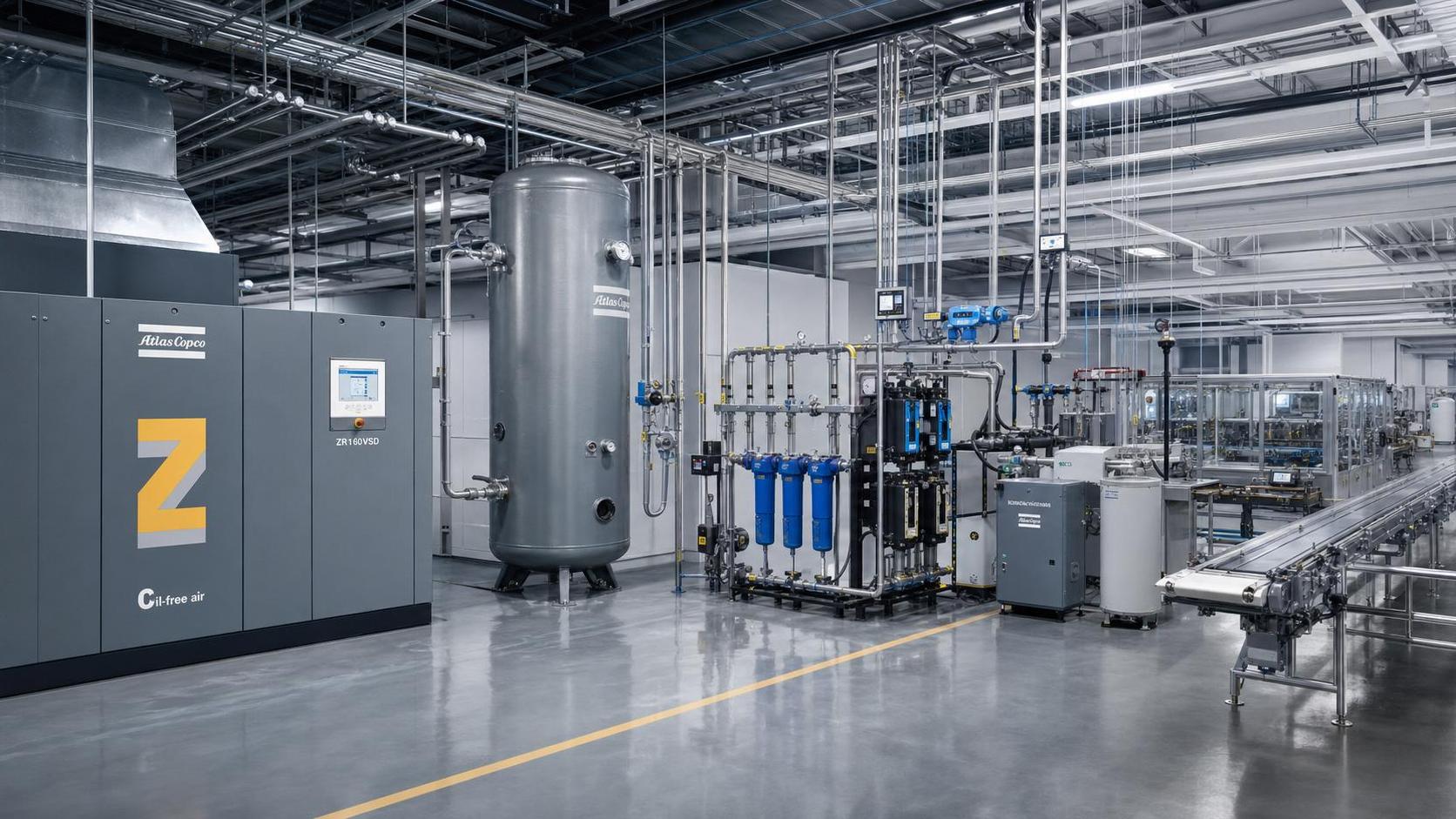
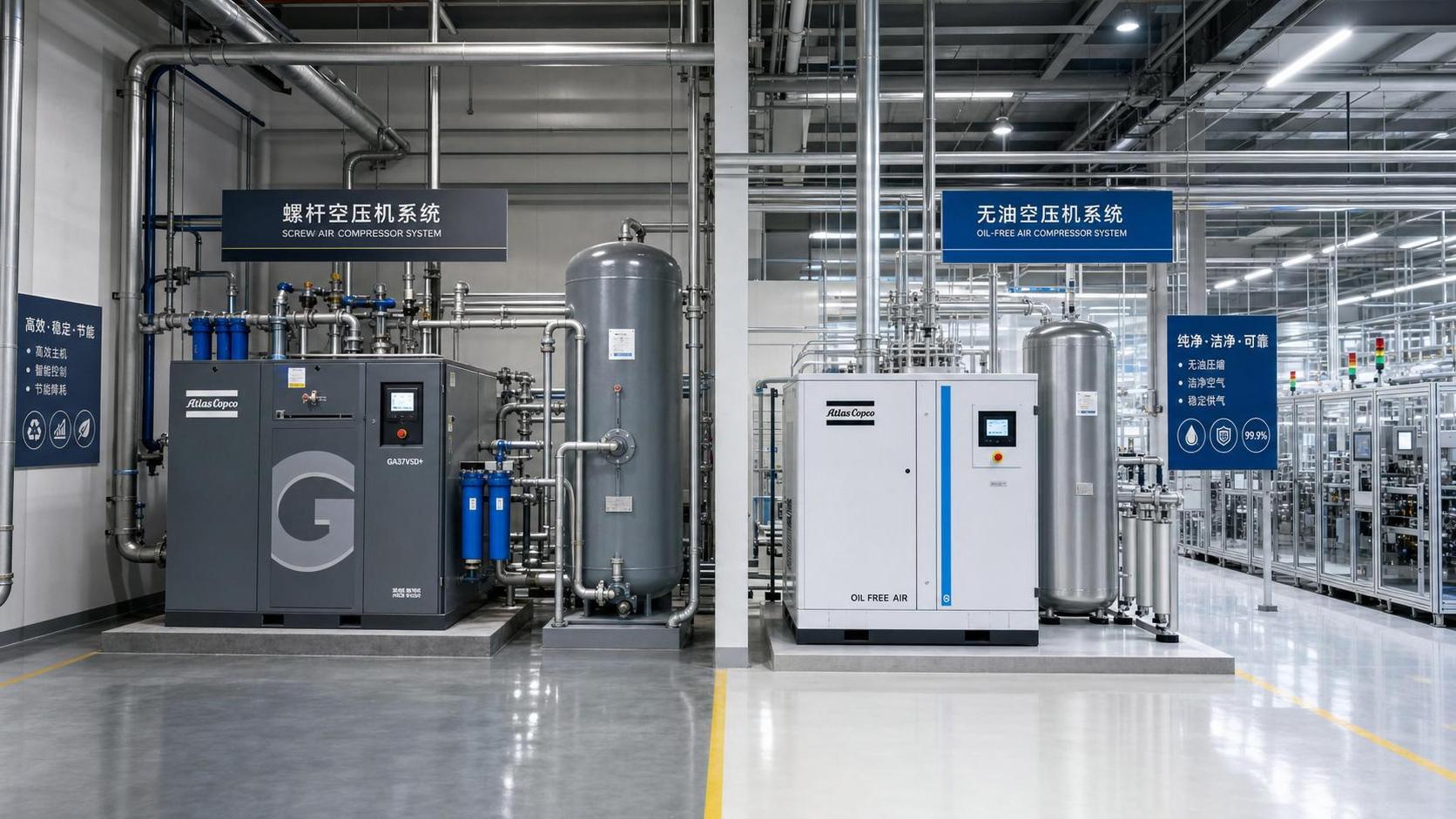
Screw compressors and oil-free systems differ far beyond purchase price.
The real cost includes power demand, maintenance cycles, product purity, downtime risk, and sustainability expectations.
This guide explains how to compare lifecycle value and match air compression choices with efficient, future-ready operations.
Why Air Compression Cost Needs a Checklist Approach
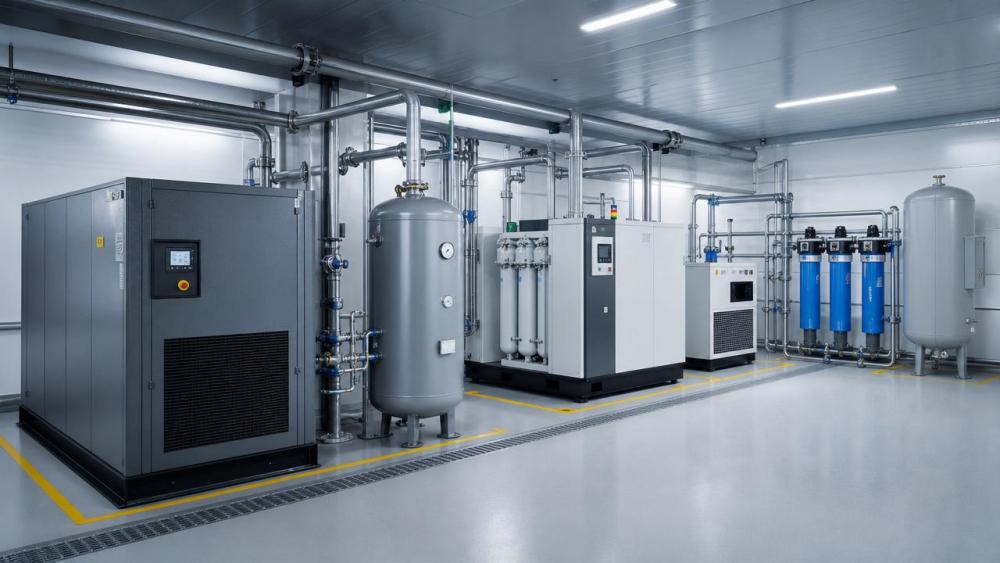
Air compression often consumes more electricity than expected because compressors run for long hours under changing demand.
A low purchase price can become expensive if leakage, pressure loss, or poor controls increase energy waste.
A checklist prevents narrow decisions based only on catalogue power, oil-free labels, or initial quotations.
It also connects compressor selection with air quality, heat recovery, spare parts availability, and regulatory pressure.
For many facilities, air compression is a utility platform, not a standalone machine.
That is why lifecycle economics must guide every comparison between screw compressors and oil-free air systems.
Core Air Compression Cost Checklist
Use the following checklist before finalizing any screw or oil-free air compression investment.
- Calculate annual energy cost using actual operating hours, loaded power, local electricity tariffs, and expected demand variation across shifts.
- Compare specific power in kW per flow unit, not only motor rating, because efficiency changes under part-load conditions.
- Verify required air purity class before selecting oil-injected screw units or oil-free air compression technology.
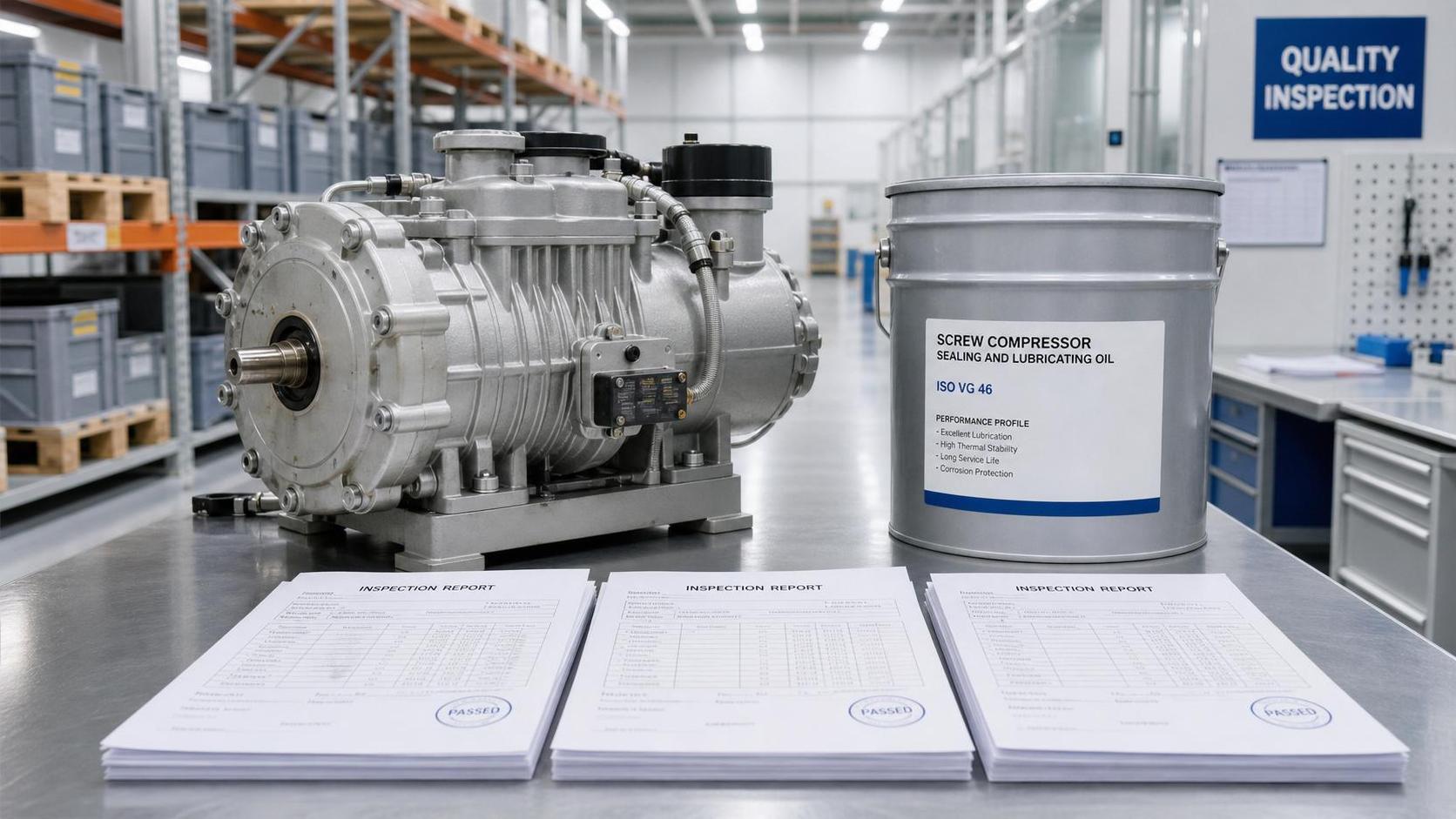
- Estimate maintenance cost by including oil, filters, separators, bearings, service labor, and planned overhaul intervals.
- Check pressure stability because excessive discharge pressure increases energy consumption across the complete air compression network.
- Assess downtime cost by mapping critical processes, backup capacity, spare parts lead time, and service response capability.
- Evaluate cooling and ventilation requirements, since compressor room temperature directly affects reliability and operating efficiency.
- Review condensate treatment obligations, especially where oil carryover or strict wastewater compliance affects total ownership cost.
- Confirm control compatibility with variable speed drives, master controllers, remote monitoring, and energy management platforms.
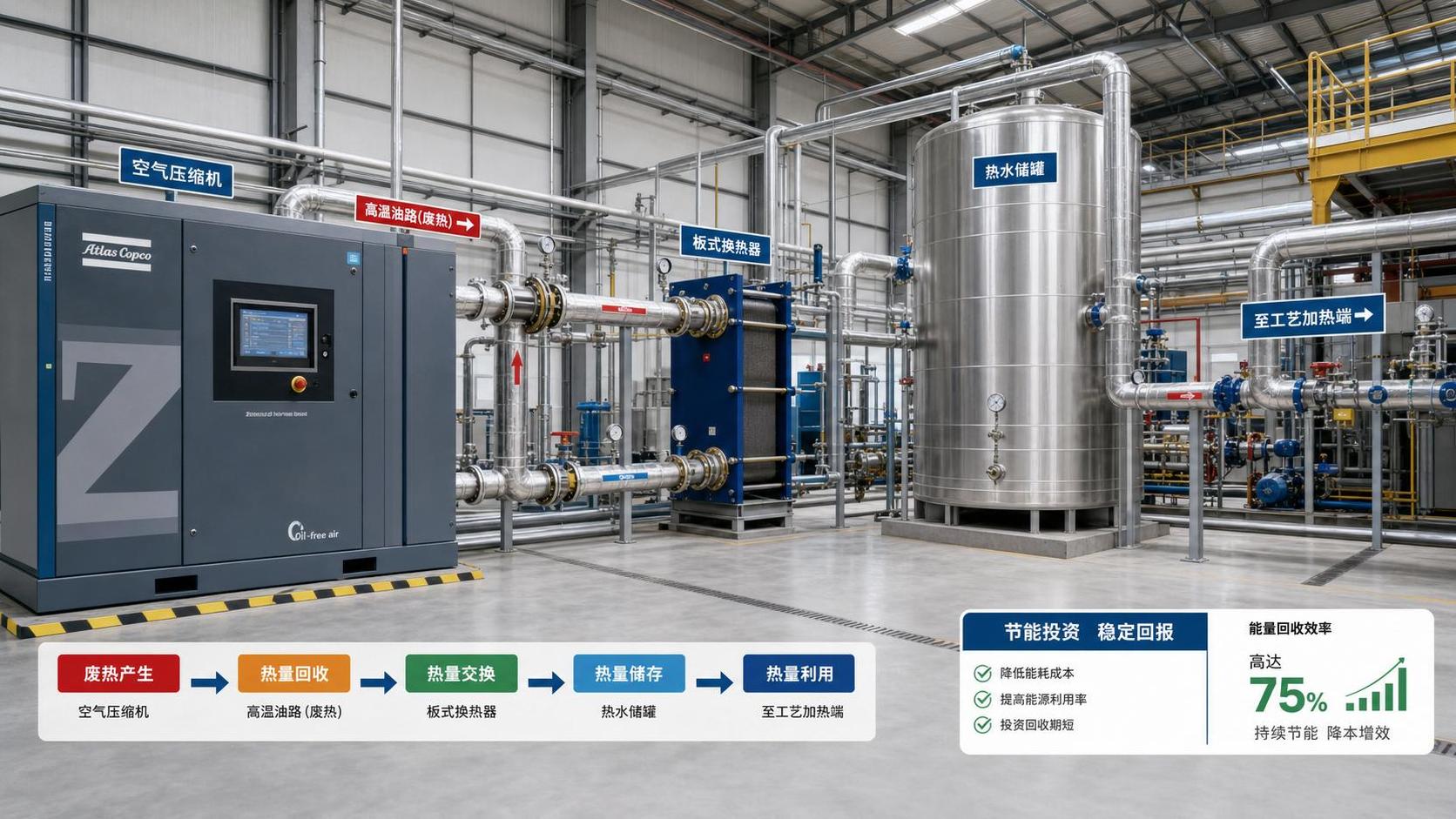
- Include heat recovery value when hot water, space heating, or process preheating can reuse compressor waste heat.
Screw Compressors: Cost Strengths and Trade-Offs
Oil-injected screw compressors remain popular because they deliver reliable air compression for broad industrial applications.
They usually offer attractive initial cost, compact design, stable operation, and mature service networks.
For general manufacturing, workshops, packaging, metalworking, and utility air, screw technology can be cost-effective.
However, oil management must be counted carefully.
Oil, separator elements, filtration stages, and condensate disposal can raise total lifecycle cost.
If air purity requirements increase later, extra filtration may reduce pressure and increase power consumption.
Variable speed screw compressors can reduce energy waste when demand fluctuates strongly.
Still, the selection must match the demand profile.
Oversized variable speed units may operate inefficiently at very low load or cycle unnecessarily.
When Screw Air Compression Makes Economic Sense
- Use screw systems where air quality is moderate and downstream filtration can safely meet process requirements.
- Select fixed-speed units for stable base load, then add variable speed capacity for demand swings.
- Plan oil and filter replacement schedules around production calendars to reduce unplanned stoppage risk.
- Monitor separator pressure drop because neglected components increase compressor power without visible output gains.
Oil-Free Systems: Cost Drivers Beyond the Premium
Oil-free air compression often costs more upfront, yet it can protect high-value processes.
The core advantage is avoiding oil contamination inside the compression chamber.
This matters in food, beverage, pharmaceuticals, electronics, medical devices, coating, and precision instrumentation.
Oil-free systems can reduce contamination risk, simplify certain compliance discussions, and protect brand-critical products.
Their cost structure depends on compression technology, cooling method, maintenance complexity, and operating pressure.
Some oil-free designs require specialized service skills or tighter environmental control inside the compressor room.
Energy performance should be evaluated with real demand data, not assumptions based on oil-free status.
In sensitive processes, avoided contamination can outweigh the higher capital cost.
When Oil-Free Air Compression Justifies the Cost
- Choose oil-free systems where product contact, sterile environments, or regulatory audits make contamination unacceptable.
- Quantify rejected batches, cleaning events, and recall exposure when comparing oil-free cost against screw alternatives.
- Check certification needs, including ISO 8573-1 Class 0 claims, validation documents, and air quality testing routines.
- Budget for specialist service and critical spare parts to avoid extended downtime in controlled production areas.
Cost Comparison Table for Faster Evaluation
Application Scenarios That Change the Decision
General Industrial Utility Air
For pneumatic tools, cleaning, actuators, and basic plant services, oil-injected screw air compression often provides strong value.
The key is controlling leaks, pressure bands, and maintenance quality rather than overspending on purity.
Food, Beverage, and Pharmaceutical Lines
Where compressed air touches product, packaging, or sterile zones, oil-free air compression becomes a risk-management tool.
The cost comparison should include audit confidence, validation work, rejected production, and contamination control.
Electronics and Precision Manufacturing
Semiconductors, displays, batteries, and sensors may require dry, clean, stable compressed air.
Oil-free equipment, advanced dryers, and monitoring systems may be justified by yield protection.
Facilities With Strong Sustainability Targets
Carbon reduction goals shift attention toward energy efficiency, heat recovery, and intelligent controls.
In these cases, the lowest lifecycle air compression cost may come from system optimization, not equipment type alone.
Commonly Ignored Costs and Risk Warnings
Leakage is silent profit loss. Even small leaks can run continuously and force compressors to work beyond useful demand.
Pressure creep increases energy bills. Raising system pressure to solve one local problem wastes power across the whole network.
Dryer and filter pressure drops matter. Poorly selected treatment equipment can erase compressor efficiency gains.
Condensate disposal is not optional. Oil-contaminated condensate can create compliance cost, especially under stricter environmental rules.
Redundancy affects real cost. A single efficient machine may still be expensive if one failure stops critical production.
Air quality testing should be budgeted. Clean air claims need verification through sampling, monitoring, and documented maintenance.
Practical Execution Plan for Better Air Compression Decisions
- Measure demand with data logging for at least one representative production cycle before sizing new equipment.
- Map all air users, pressure requirements, air quality needs, and critical downtime consequences.
- Request lifecycle cost calculations including electricity, maintenance, consumables, overhaul, filtration, and treatment equipment.
- Compare screw and oil-free air compression options under identical pressure, flow, and operating-hour assumptions.
- Run a leakage survey and fix obvious losses before installing larger compressor capacity.
- Review heat recovery feasibility where compressor waste heat can support water heating or process preheating.
- Set monitoring routines for pressure, flow, dew point, oil carryover, energy use, and service alarms.
A disciplined execution plan turns air compression from a reactive expense into a managed energy asset.
It also supports clearer communication between engineering, quality, finance, and sustainability functions.
Summary and Action Guide
Screw compressors usually win on purchase cost, service familiarity, and utility-air flexibility.
Oil-free systems win when contamination risk, validation requirements, and product protection dominate the decision.
Neither option is automatically cheaper.
The best air compression choice depends on lifecycle energy, maintenance, air quality, downtime exposure, and compliance cost.
Start with measured demand, define air purity requirements, then compare total ownership cost over the expected service life.
For deeper evaluation, combine compressor data with thermodynamic analysis, utility pricing, and process risk modeling.
That approach aligns with the GTC-Matrix view of efficient power conversion and intelligent industrial energy management.
The next step is simple: audit current air compression performance before requesting the next compressor quotation.
Ready when you are. Send us a message to get started.
Related News
- When does variable gas flow justify a custom screw compressor system?Author :Pneumatic Power Engineer

- How to size compressed air equipment for pneumatic toolsAuthor :Pneumatic Power Engineer

- How Should Energy Management Systems Handle Compressor Load Changes?Author :Pneumatic Power Engineer

- Which Maintenance Issues Reduce Air Compressor Efficiency?Author :Pneumatic Power Engineer

- How Much Energy Can Variable-Speed Screw Compressors Save?Author :Pneumatic Power Engineer

- Industrial Compressor Selection: Matching Flow, Pressure, and Duty CycleAuthor :Pneumatic Power Engineer

- China Expands Cross-Border RMB and FX Cash Pooling NationwideAuthor :Pneumatic Power Engineer

- How to Size Air Compressor Systems for Pneumatics by Flow and Pressure DemandAuthor :Pneumatic Power Engineer

- How Energy Recovery Systems for Compressors Cut Power CostsAuthor :Pneumatic Power Engineer

- How to Evaluate Screw Compressors in Industrial Refrigeration EquipmentAuthor :Pneumatic Power Engineer

- India Makes BIS Certification Mandatory for Screw CompressorsAuthor :Pneumatic Power Engineer

- China Tightens Export Filing for Screw CompressorsAuthor :Pneumatic Power Engineer

- SABIC Sets IoT Interface Rule for Screw CompressorsAuthor :Pneumatic Power Engineer

- Industrial Heat Recovery Systems for Compressors: When Do Energy Savings Pay Back?Author :Pneumatic Power Engineer

- EU Tightens REACH Limit for Screw Compressor LubricantsAuthor :Pneumatic Power Engineer

- EU Opens China Screw Compressor Review With Carbon RuleAuthor :Pneumatic Power Engineer

- DOE Mandates AHRI 1000-2026 for Screw CompressorsAuthor :Pneumatic Power Engineer

- VDMA Filing Signals EU Risk for Chinese Oil Screw CompressorsAuthor :Pneumatic Power Engineer
![]()
- Screw vs Piston Air Compressors for Stable Plant OutputAuthor :Pneumatic Power Engineer

- Saudi SASO Tightens Refrigerant Limits in IEC 60335-2-40:2026Author :Pneumatic Power Engineer

- IIR Warns of 18-Week Lead Times for Screw CompressorsAuthor :Pneumatic Power Engineer

- Welded Compressed Air Manifold Selection Guide for Pressure Stability and LeaksAuthor :Pneumatic Power Engineer

- India BIS Rule Adds IS 16830 Requirement for Imported Screw CompressorsAuthor :Pneumatic Power Engineer

- What to Check Before Choosing a Compressed Air FactoryAuthor :Pneumatic Power Engineer

- China Tightens Export Checks on Screw CompressorsAuthor :Pneumatic Power Engineer

- Screw Compressor Lead Times Reach 22 WeeksAuthor :Pneumatic Power Engineer

- Vietnam Requires QR Labels on Imported Screw CompressorsAuthor :Pneumatic Power Engineer

- Compressed Air Technologies Filtration: How to Reduce Pressure Drop and Energy LossAuthor :Pneumatic Power Engineer

- STSPIN830 Lead Time Tops 32 Weeks in Screw CompressorsAuthor :Pneumatic Power Engineer

- IGBT Shortage Extends Screw Compressor Lead TimesAuthor :Pneumatic Power Engineer

- Compressed Air Systems: 7 Hidden Costs That Raise Total Operating ExpenseAuthor :Pneumatic Power Engineer

- Compressed Air Efficiency: 7 Hidden Losses That Raise Operating CostsAuthor :Pneumatic Power Engineer

- How to Compare Screw vs Oil-Free Air Compression SystemsAuthor :Pneumatic Power Engineer

- Compressed Air Leaks: What They Really Cost in Daily OperationsAuthor :Pneumatic Power Engineer

- DOE Moves Up R449A Chiller Deadline to March 2027Author :Pneumatic Power Engineer

- How Compression Technology Cuts Energy Use in Modern PlantsAuthor :Pneumatic Power Engineer