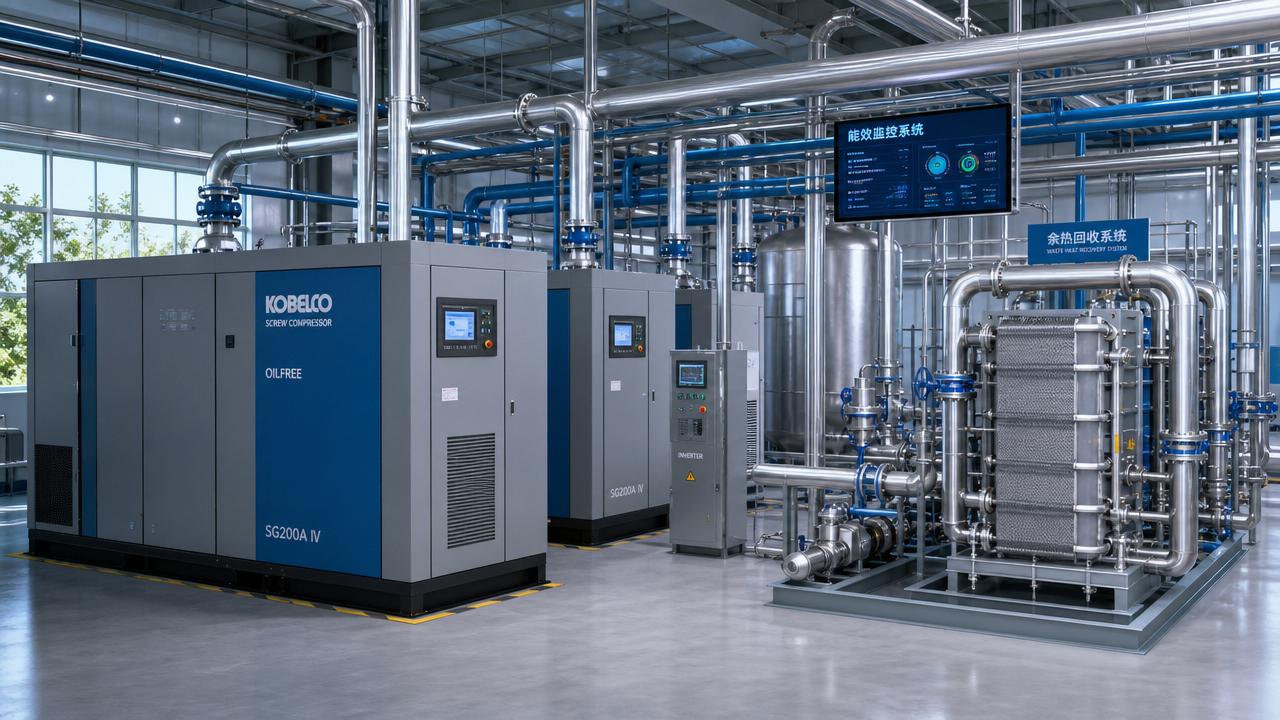
Compression Technology Guide for Lower Energy Loss




In energy-intensive operations, compression technology shapes efficiency more than many operators expect. It influences power draw, pressure stability, heat generation, maintenance frequency, and overall system resilience.
When compression technology is selected or operated poorly, energy loss grows quietly. Leaks increase, discharge temperatures rise, controls hunt, and downstream equipment receives unstable air or gas conditions.
This guide explains how compression technology reduces waste across broad industrial settings. It also highlights practical checkpoints supported by the intelligence perspective of GTC-Matrix.
What does compression technology include, and why does it affect energy loss so strongly?
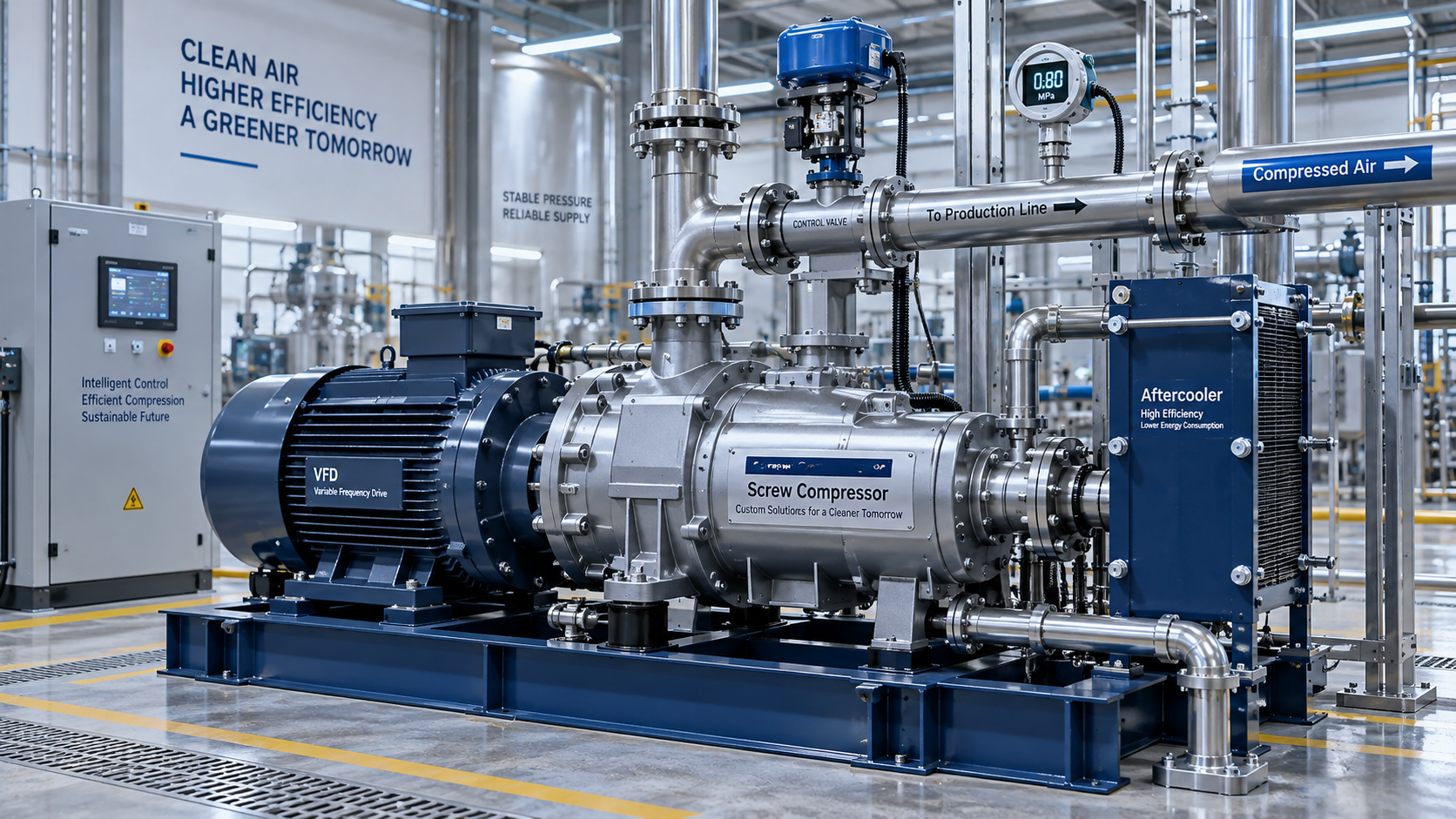
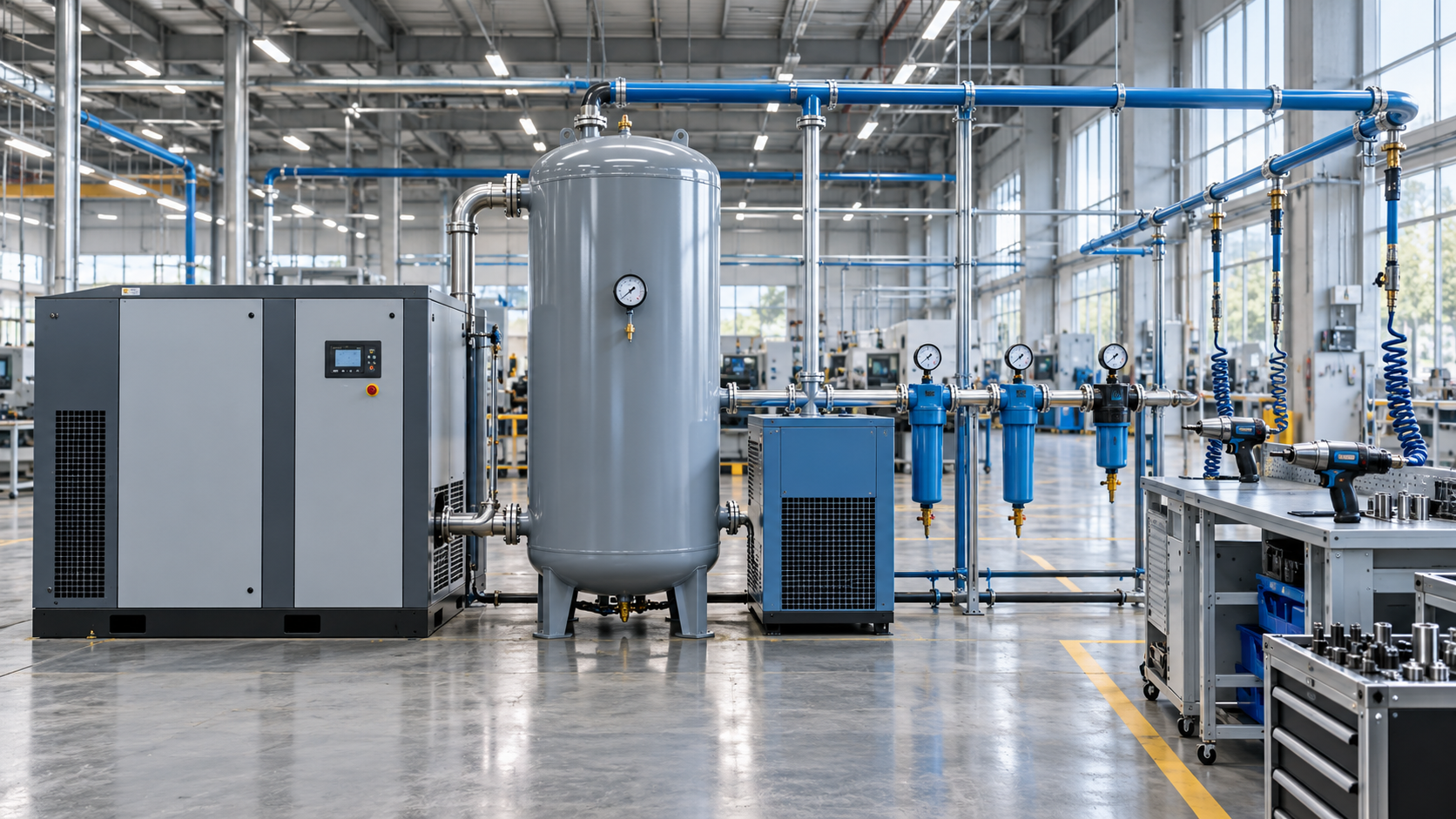
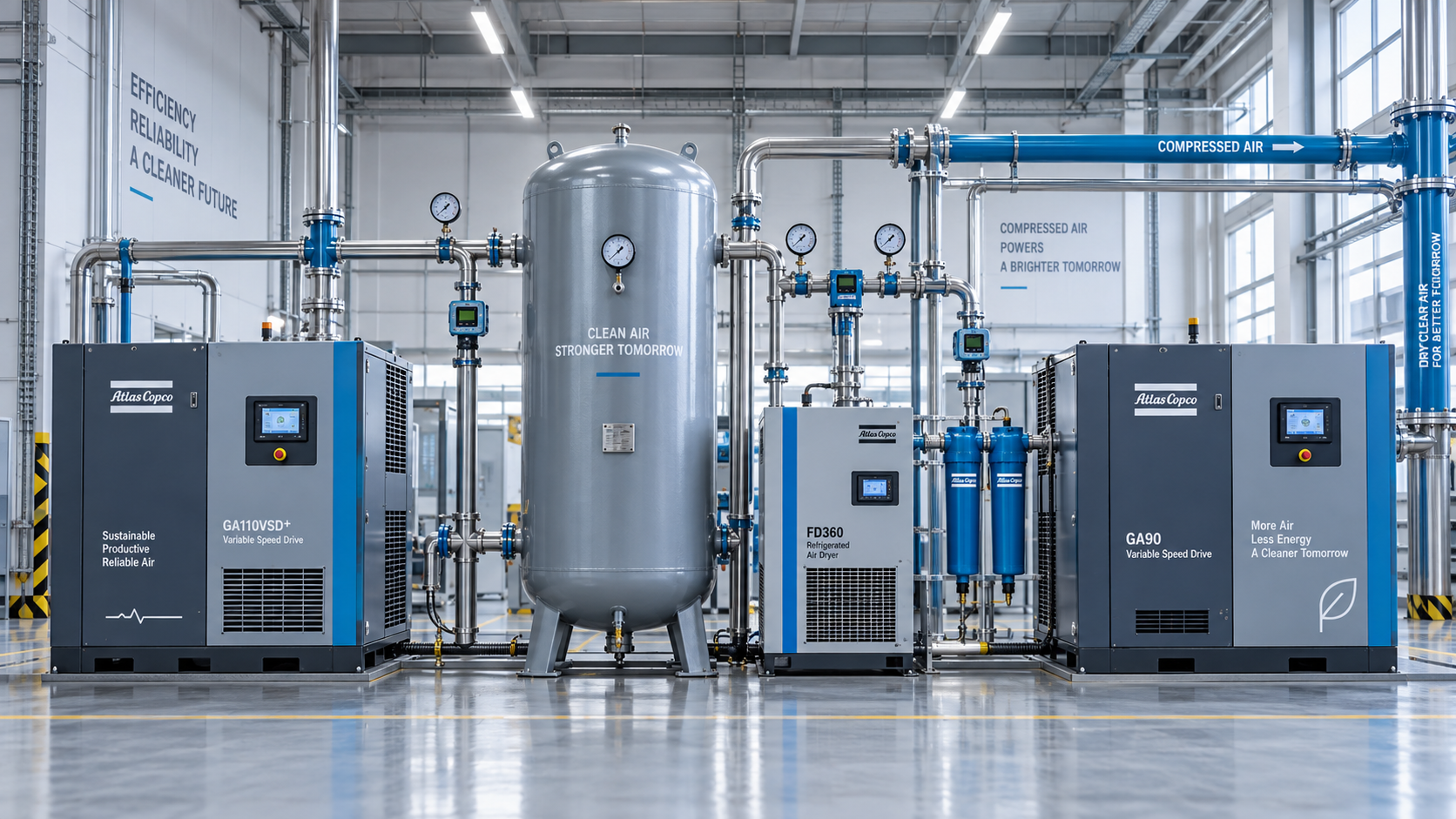
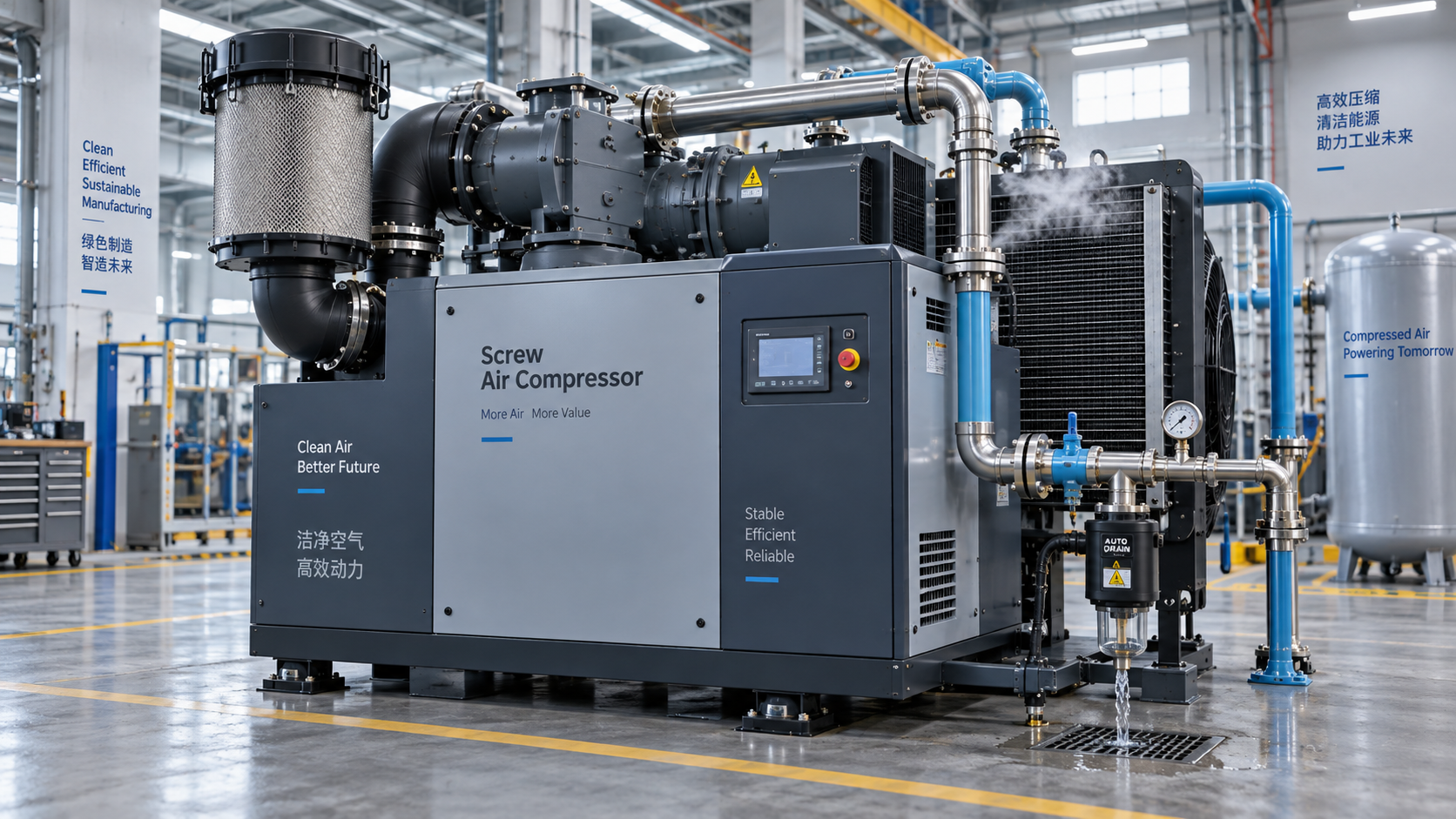
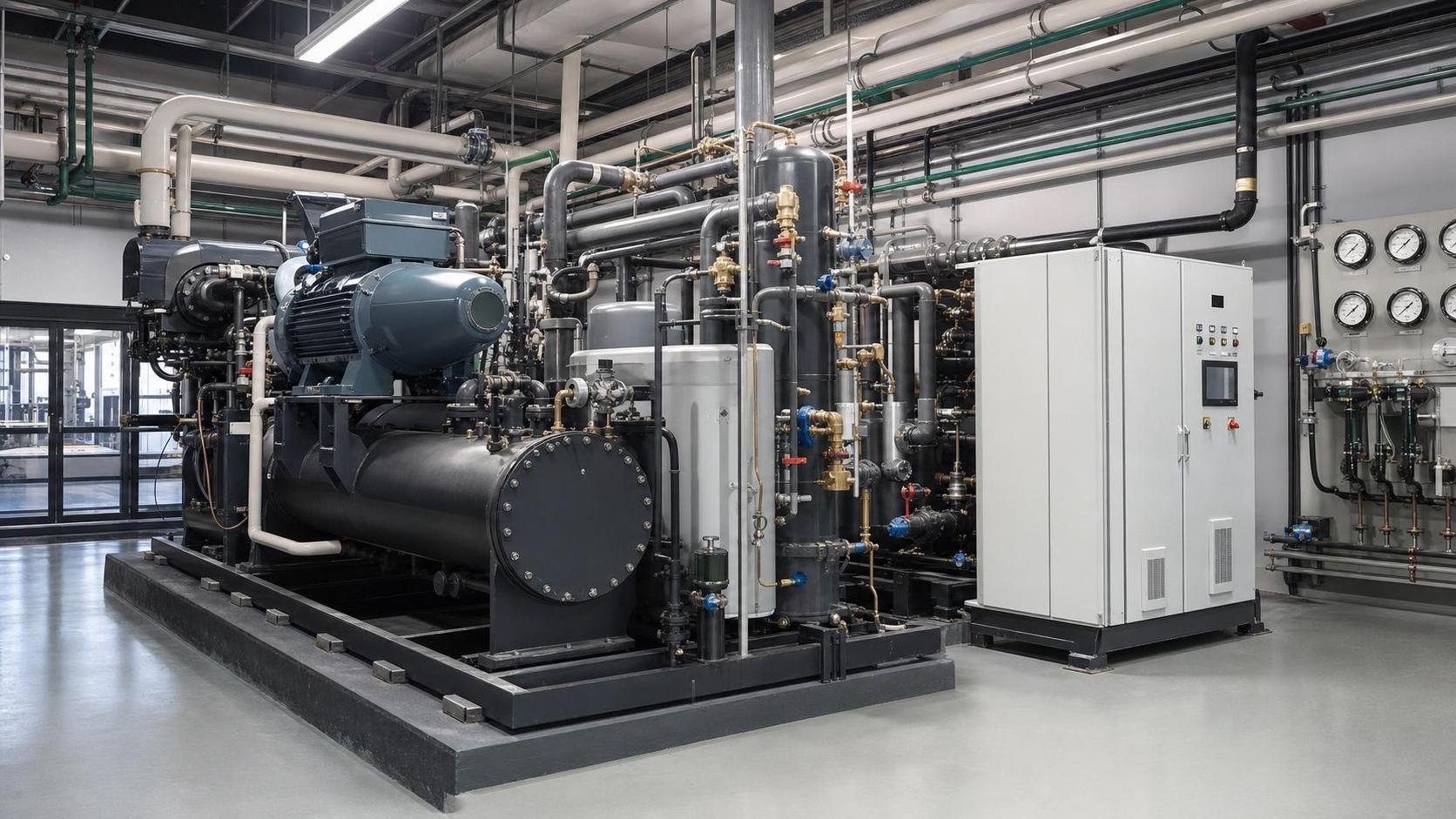
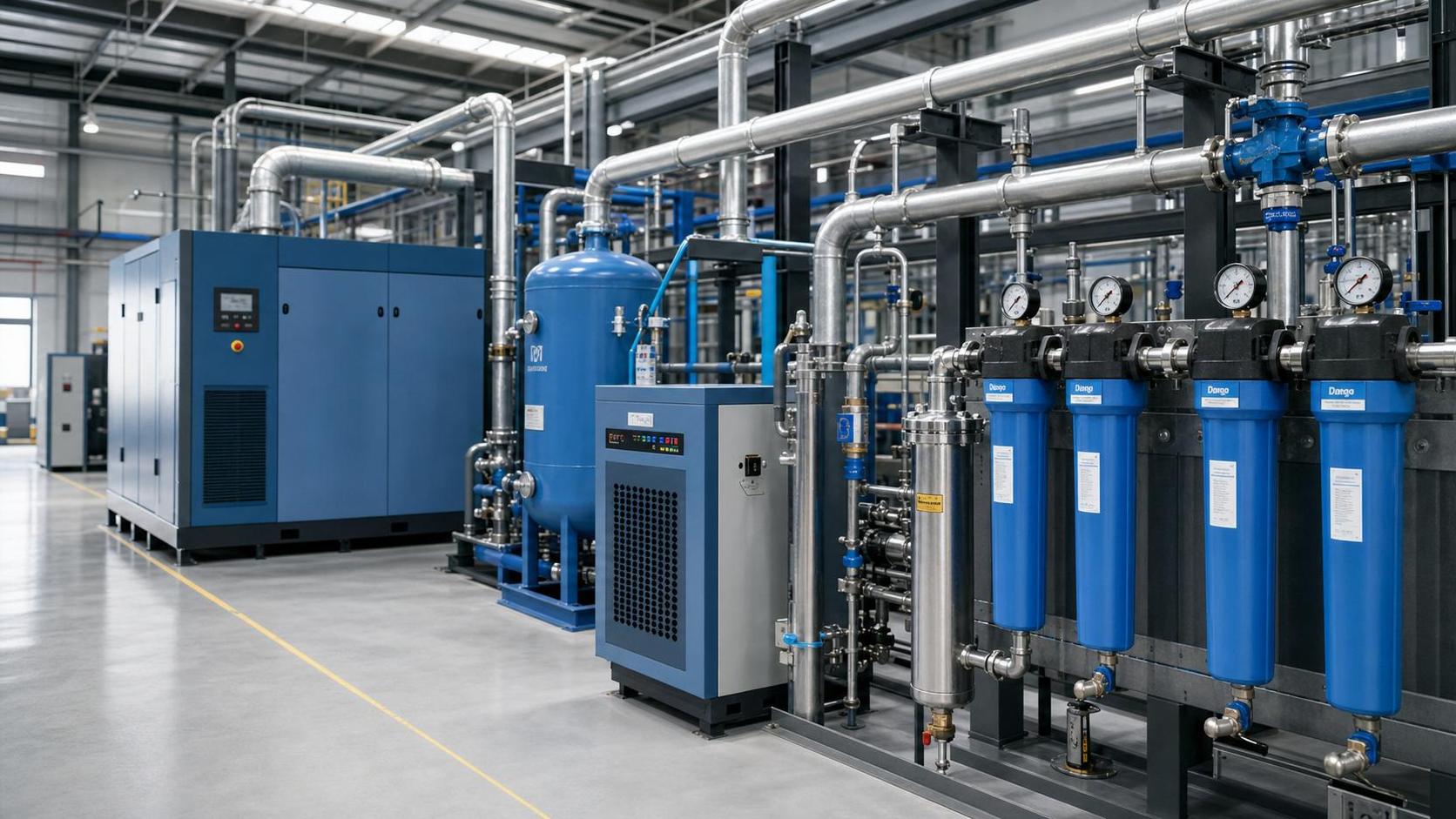
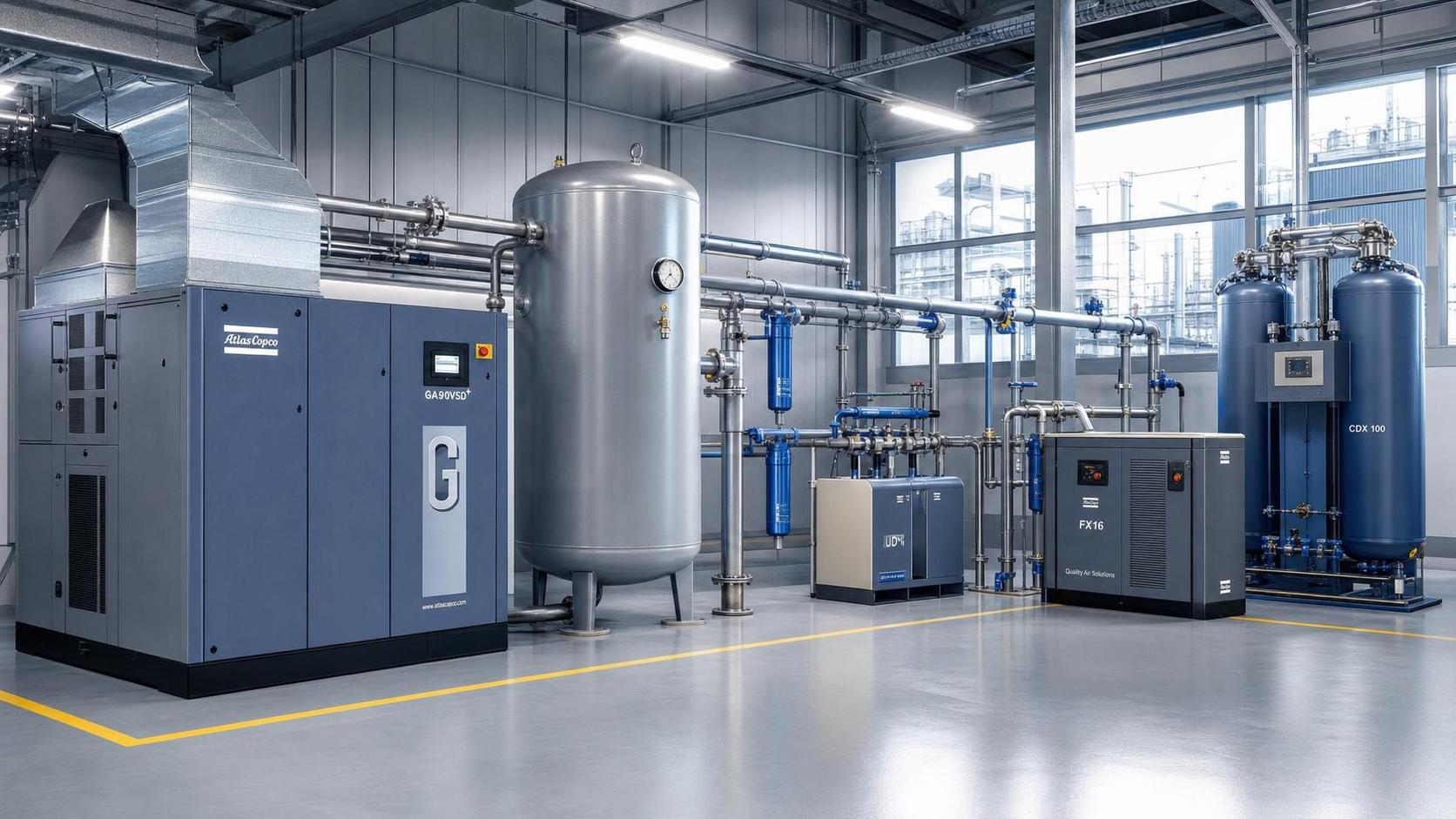
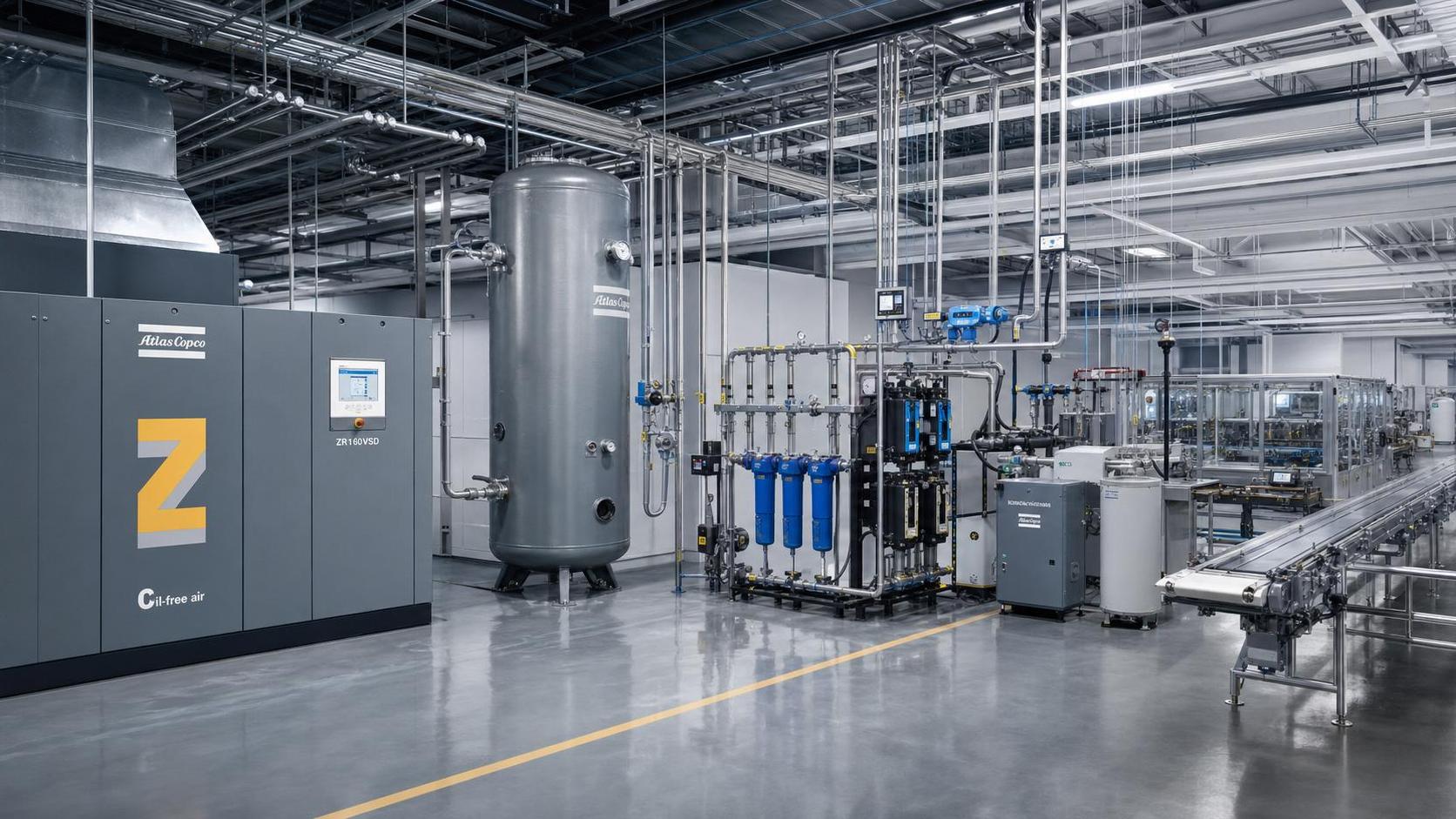
Compression technology covers compressors, drives, control systems, cooling stages, filtration, air treatment, piping, and monitoring tools. It is not only a machine. It is a working system.
Energy loss appears at several points. Mechanical friction consumes power. Pressure drop forces higher discharge pressure. Heat rejection wastes usable energy. Poor sequencing causes machines to run unloaded.
In many facilities, compressed air and process gas are among the most expensive utilities. Small inefficiencies compound every hour, especially in continuous production environments.
Good compression technology balances thermodynamics and control logic. It matches actual demand, limits excess pressure, removes heat effectively, and avoids unnecessary cycling.
GTC-Matrix often frames this issue through the relationship between the industrial “Power Heart” and “Thermal Center.” Compression performance depends on both power delivery and heat management.
The main sources of hidden loss
- Operating at pressure higher than process needs
- Poor compressor sequencing during variable demand
- Undetected leaks in piping, valves, and connections
- Inadequate cooling that raises discharge temperature
- Oversized equipment running inefficiently at part load
- Clogged filters and excessive pressure drop
How can compression technology be evaluated in real operating conditions?
A useful evaluation starts with measured demand, not nameplate assumptions. Facilities often discover that peak load is short, while average load is far lower.
That difference matters because compression technology performs differently across load ranges. Some systems remain efficient when turndown is deep. Others waste energy during partial operation.
Start by recording power consumption, pressure profile, flow variation, discharge temperature, ambient conditions, and maintenance events. Data over several shifts is better than a single snapshot.
Next, compare supplied pressure with required pressure at the point of use. If the gap is wide, the system may be compensating for poor distribution design.
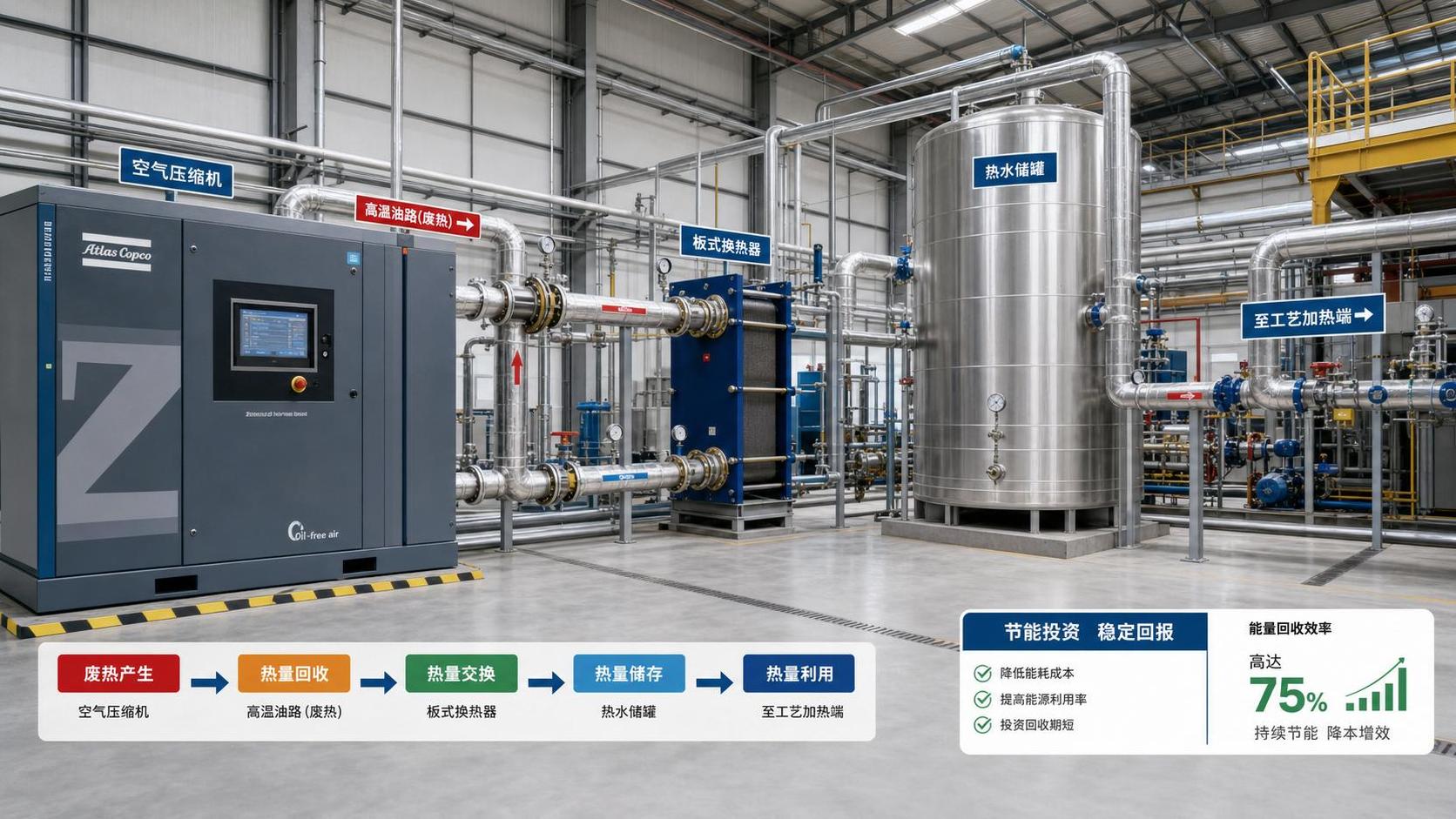
Thermal performance should be reviewed carefully. Compression creates heat by nature. If coolers, heat exchangers, or ventilation perform poorly, energy loss expands and reliability declines.
A practical review checklist
- Measure base load, average load, and peak demand.
- Track specific energy against actual delivered flow.
- Identify pressure drop across filters, dryers, and piping.
- Review unload time, idle time, and restart frequency.
- Check cooling efficiency and seasonal temperature effects.
- Estimate leak rate during non-production periods.
Which compression technology choices lower energy loss most effectively?
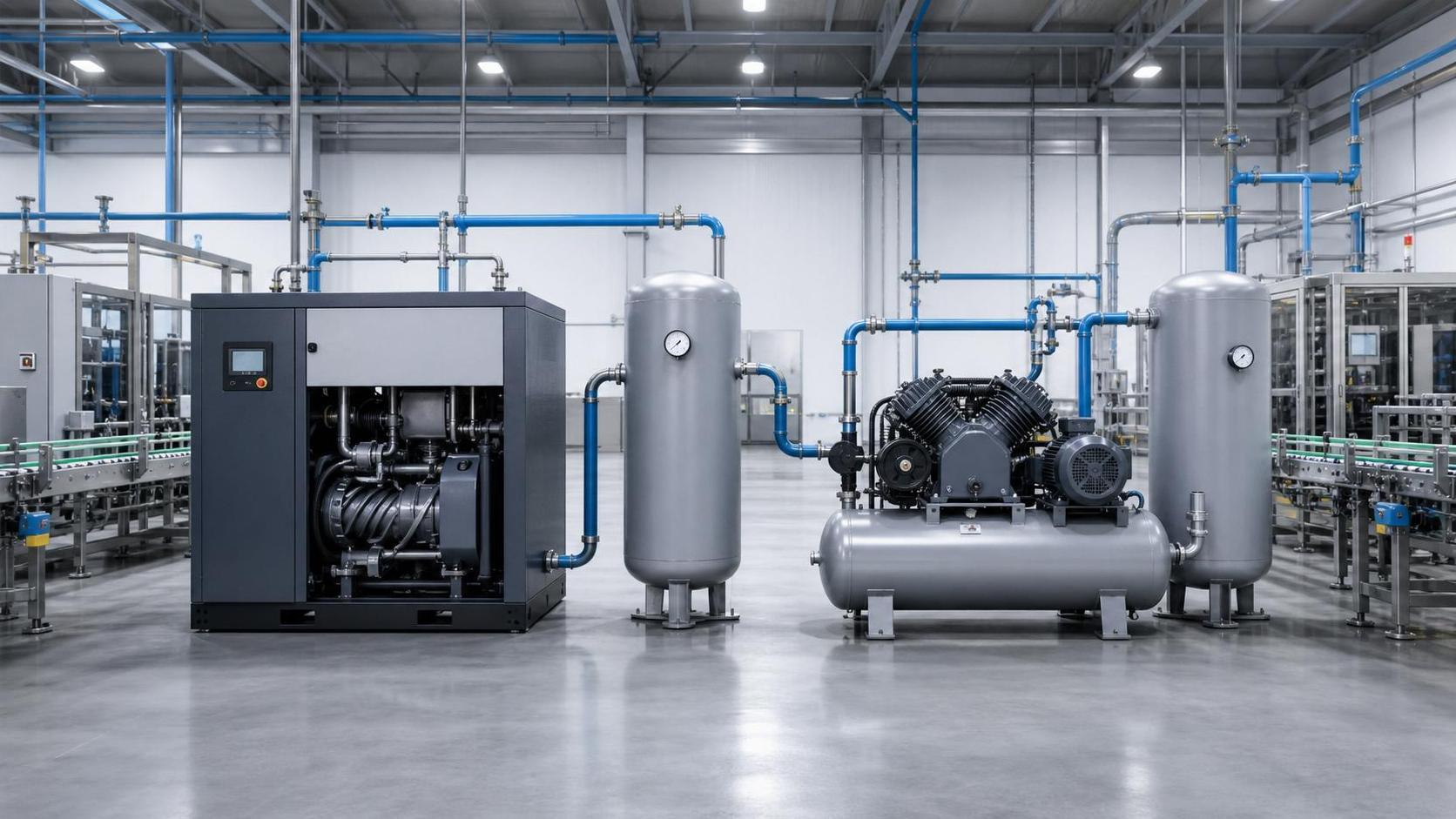
There is no universal best option. Effective compression technology depends on load profile, gas quality needs, environmental conditions, and heat recovery potential.
Variable speed control is often valuable where demand fluctuates. It helps avoid blow-off and unload waste. Still, it must be sized correctly and integrated with smart sequencing.
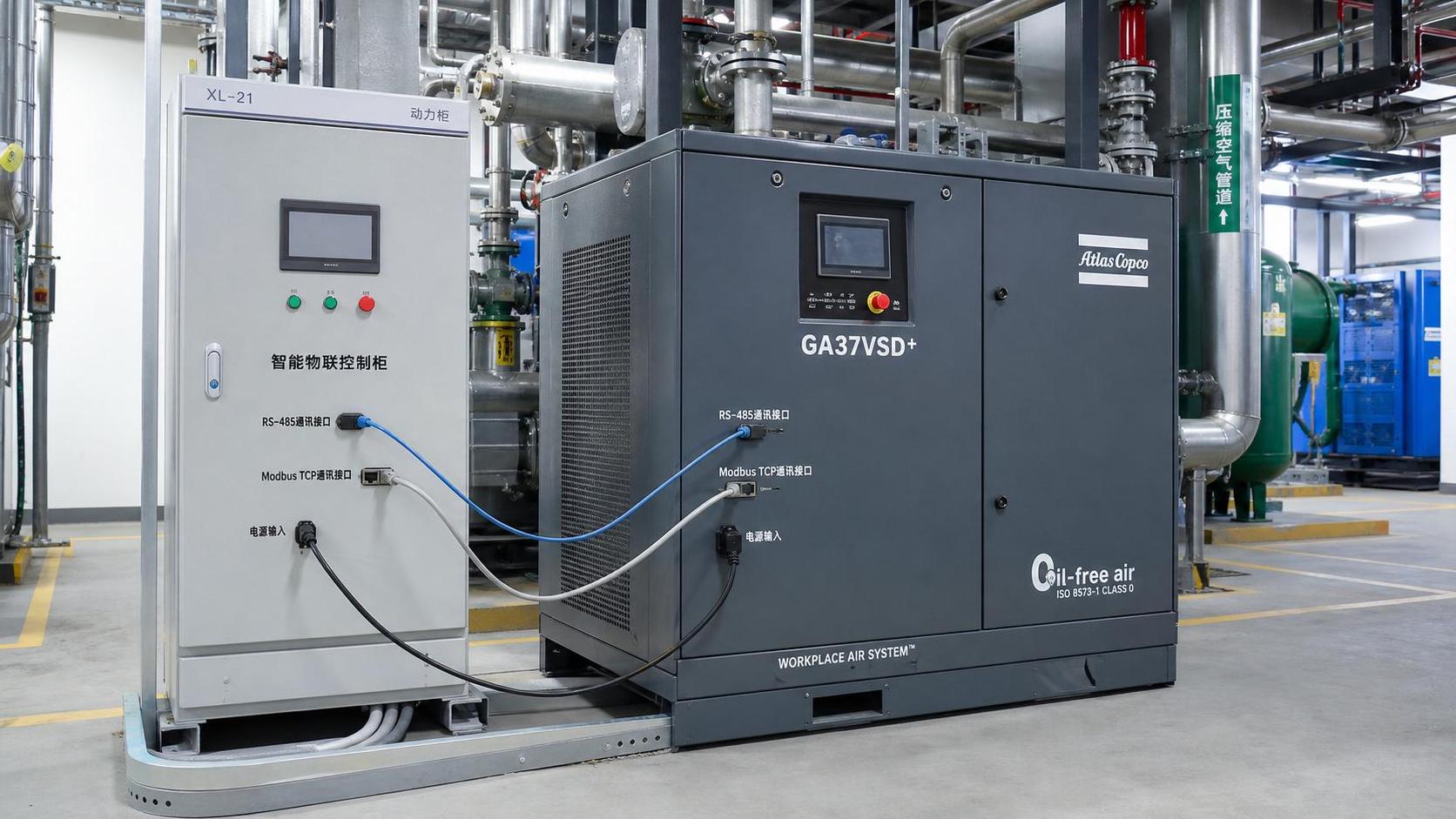
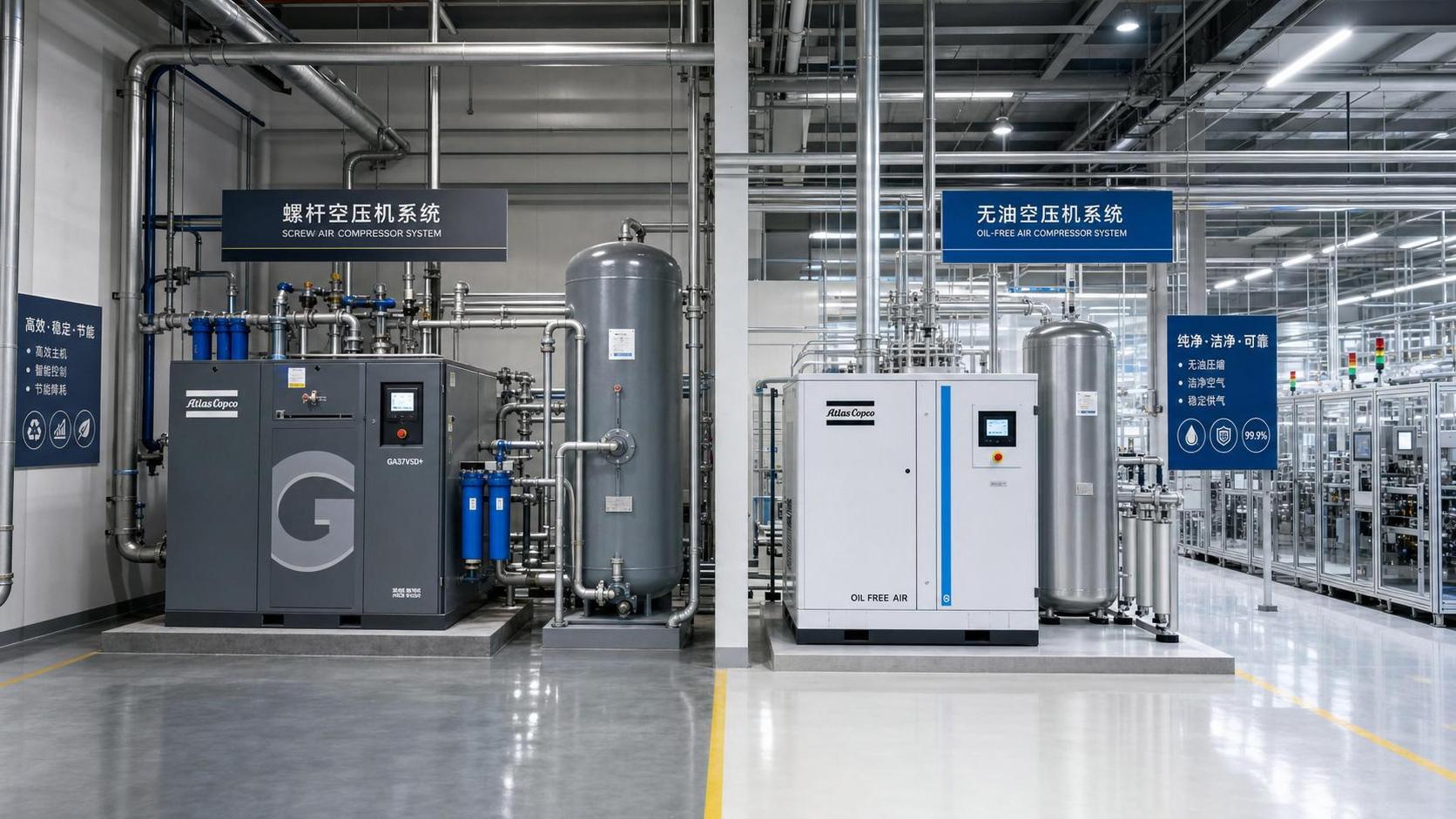
Oil-free compression technology may be preferred where product purity is critical. Pharmaceutical, semiconductor, and food operations often value contamination control as much as energy savings.
Multi-stage compression can improve thermodynamic efficiency in higher-pressure applications. Intercooling lowers work between stages and limits thermal stress on the system.
Advanced heat exchangers also matter. Better heat rejection supports stable operating temperatures, protects components, and improves the full efficiency profile of compression technology.
Selection priorities by operating need
What common mistakes cause compression technology to waste power?
One common mistake is chasing pressure instead of solving flow restrictions. Raising setpoints may hide the symptom, but it usually increases energy loss across the whole system.
Another mistake is oversizing. A large unit may seem safer, yet frequent part-load operation often reduces efficiency and worsens control behavior.
Neglecting thermal interactions is equally costly. Compression technology cannot be assessed only through motor efficiency. Cooler fouling, poor ventilation, and unstable ambient temperatures change performance significantly.
Leak management is often treated as a maintenance issue only. In reality, it is a strategic energy issue. Even moderate leaks can consume substantial annual electricity.
A final mistake is using outdated control logic. Multiple compressors without coordinated sequencing often create overlap, idle time, and unstable pressure bands.
Warning signs worth immediate attention
- Pressure setpoints keep increasing over time
- Frequent temperature alarms in warm seasons
- Large power bills without production growth
- Multiple machines cycling rapidly
- Downstream users reporting unstable pressure quality
How should implementation costs, payback, and upgrade timing be judged?
The cheapest upgrade is not always the best. Strong compression technology decisions compare lifecycle cost, not only purchase price.
Start with no-regret actions. Leak repair, pressure optimization, filter management, and controls tuning often deliver fast savings with limited disruption.
Then review larger investments such as variable speed retrofits, heat recovery, advanced dryers, or redesigned heat exchange sections. These need clearer baseline data.
Upgrade timing should match production stability, utility prices, and maintenance windows. Energy market volatility can shorten payback periods more than expected.
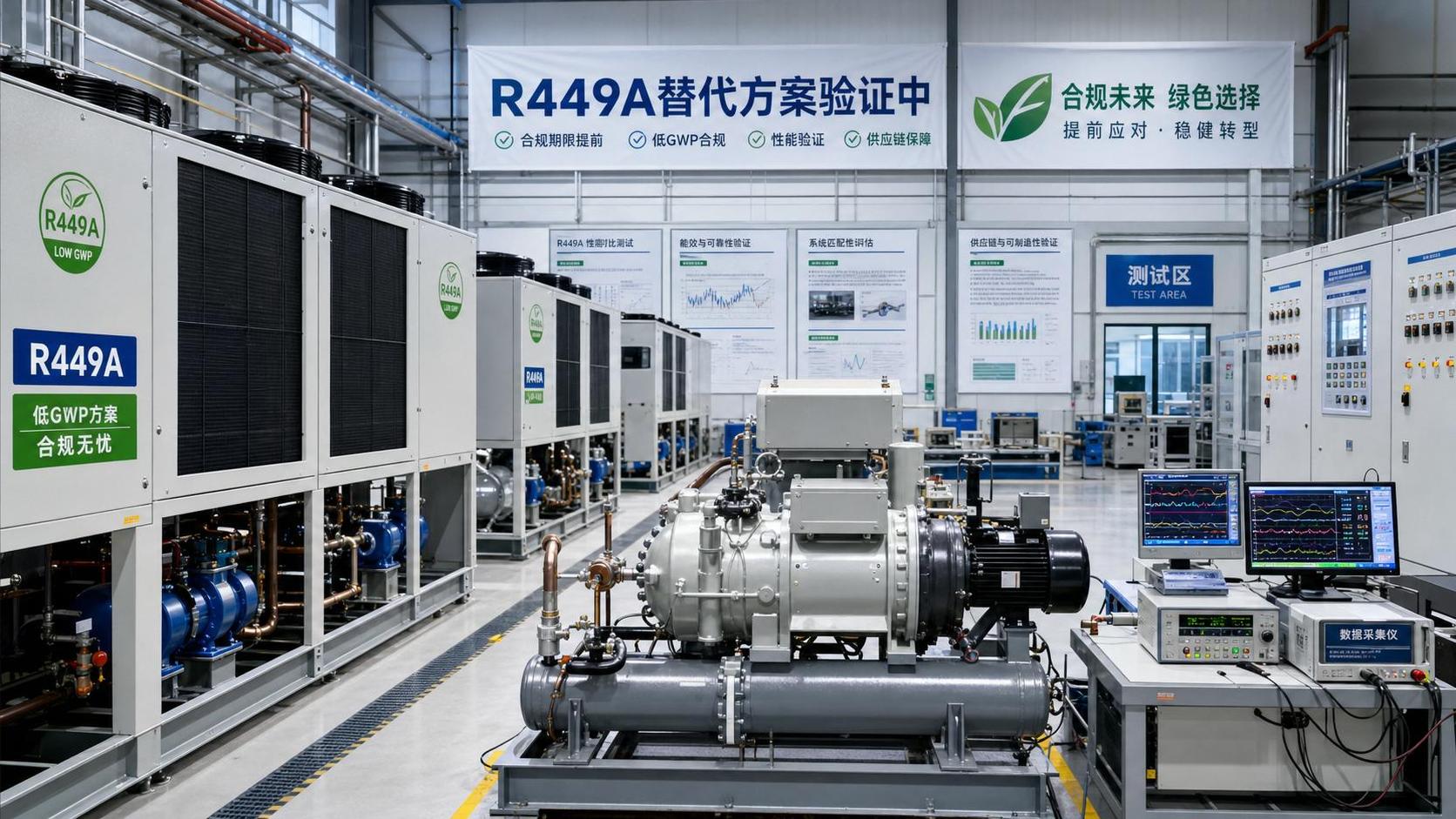
GTC-Matrix emphasizes that policy shifts, refrigerant changes, and decarbonization targets increasingly affect thermal and compression strategy. Efficiency upgrades should be future-aware, not merely corrective.
FAQ summary table
What is the smartest next step for reducing energy loss?
The smartest step is a structured system review. Effective compression technology improvement begins with evidence, not assumptions or isolated equipment changes.
Map demand, pressure, temperature, and control behavior together. That combined view reveals where thermodynamic losses and operational losses overlap.
Prioritize actions by savings potential, implementation ease, and reliability impact. Quick wins should support long-term modernization, not distract from it.
For broader industrial environments, compression technology works best when linked with cooling, vacuum, and heat exchange intelligence. That is where deeper performance gains become visible.
Use this guide as a starting framework, then build a data-backed roadmap. Better compression technology decisions can lower energy loss, stabilize output, and strengthen operational efficiency over time.
Ready when you are. Send us a message to get started.
Related News
- When does variable gas flow justify a custom screw compressor system?Author :Pneumatic Power Engineer

- How to size compressed air equipment for pneumatic toolsAuthor :Pneumatic Power Engineer

- How Should Energy Management Systems Handle Compressor Load Changes?Author :Pneumatic Power Engineer

- Which Maintenance Issues Reduce Air Compressor Efficiency?Author :Pneumatic Power Engineer

- How Much Energy Can Variable-Speed Screw Compressors Save?Author :Pneumatic Power Engineer

- Industrial Compressor Selection: Matching Flow, Pressure, and Duty CycleAuthor :Pneumatic Power Engineer

- China Expands Cross-Border RMB and FX Cash Pooling NationwideAuthor :Pneumatic Power Engineer

- How to Size Air Compressor Systems for Pneumatics by Flow and Pressure DemandAuthor :Pneumatic Power Engineer

- How Energy Recovery Systems for Compressors Cut Power CostsAuthor :Pneumatic Power Engineer

- How to Evaluate Screw Compressors in Industrial Refrigeration EquipmentAuthor :Pneumatic Power Engineer

- India Makes BIS Certification Mandatory for Screw CompressorsAuthor :Pneumatic Power Engineer

- China Tightens Export Filing for Screw CompressorsAuthor :Pneumatic Power Engineer

- SABIC Sets IoT Interface Rule for Screw CompressorsAuthor :Pneumatic Power Engineer

- Industrial Heat Recovery Systems for Compressors: When Do Energy Savings Pay Back?Author :Pneumatic Power Engineer

- EU Tightens REACH Limit for Screw Compressor LubricantsAuthor :Pneumatic Power Engineer

- EU Opens China Screw Compressor Review With Carbon RuleAuthor :Pneumatic Power Engineer

- DOE Mandates AHRI 1000-2026 for Screw CompressorsAuthor :Pneumatic Power Engineer

- VDMA Filing Signals EU Risk for Chinese Oil Screw CompressorsAuthor :Pneumatic Power Engineer
![]()
- Screw vs Piston Air Compressors for Stable Plant OutputAuthor :Pneumatic Power Engineer

- Saudi SASO Tightens Refrigerant Limits in IEC 60335-2-40:2026Author :Pneumatic Power Engineer

- IIR Warns of 18-Week Lead Times for Screw CompressorsAuthor :Pneumatic Power Engineer

- Welded Compressed Air Manifold Selection Guide for Pressure Stability and LeaksAuthor :Pneumatic Power Engineer

- India BIS Rule Adds IS 16830 Requirement for Imported Screw CompressorsAuthor :Pneumatic Power Engineer

- What to Check Before Choosing a Compressed Air FactoryAuthor :Pneumatic Power Engineer

- China Tightens Export Checks on Screw CompressorsAuthor :Pneumatic Power Engineer

- Screw Compressor Lead Times Reach 22 WeeksAuthor :Pneumatic Power Engineer

- Vietnam Requires QR Labels on Imported Screw CompressorsAuthor :Pneumatic Power Engineer

- Compressed Air Technologies Filtration: How to Reduce Pressure Drop and Energy LossAuthor :Pneumatic Power Engineer

- STSPIN830 Lead Time Tops 32 Weeks in Screw CompressorsAuthor :Pneumatic Power Engineer

- IGBT Shortage Extends Screw Compressor Lead TimesAuthor :Pneumatic Power Engineer

- Compressed Air Systems: 7 Hidden Costs That Raise Total Operating ExpenseAuthor :Pneumatic Power Engineer

- Compressed Air Efficiency: 7 Hidden Losses That Raise Operating CostsAuthor :Pneumatic Power Engineer

- How to Compare Screw vs Oil-Free Air Compression SystemsAuthor :Pneumatic Power Engineer

- Compressed Air Leaks: What They Really Cost in Daily OperationsAuthor :Pneumatic Power Engineer

- DOE Moves Up R449A Chiller Deadline to March 2027Author :Pneumatic Power Engineer

- How Compression Technology Cuts Energy Use in Modern PlantsAuthor :Pneumatic Power Engineer