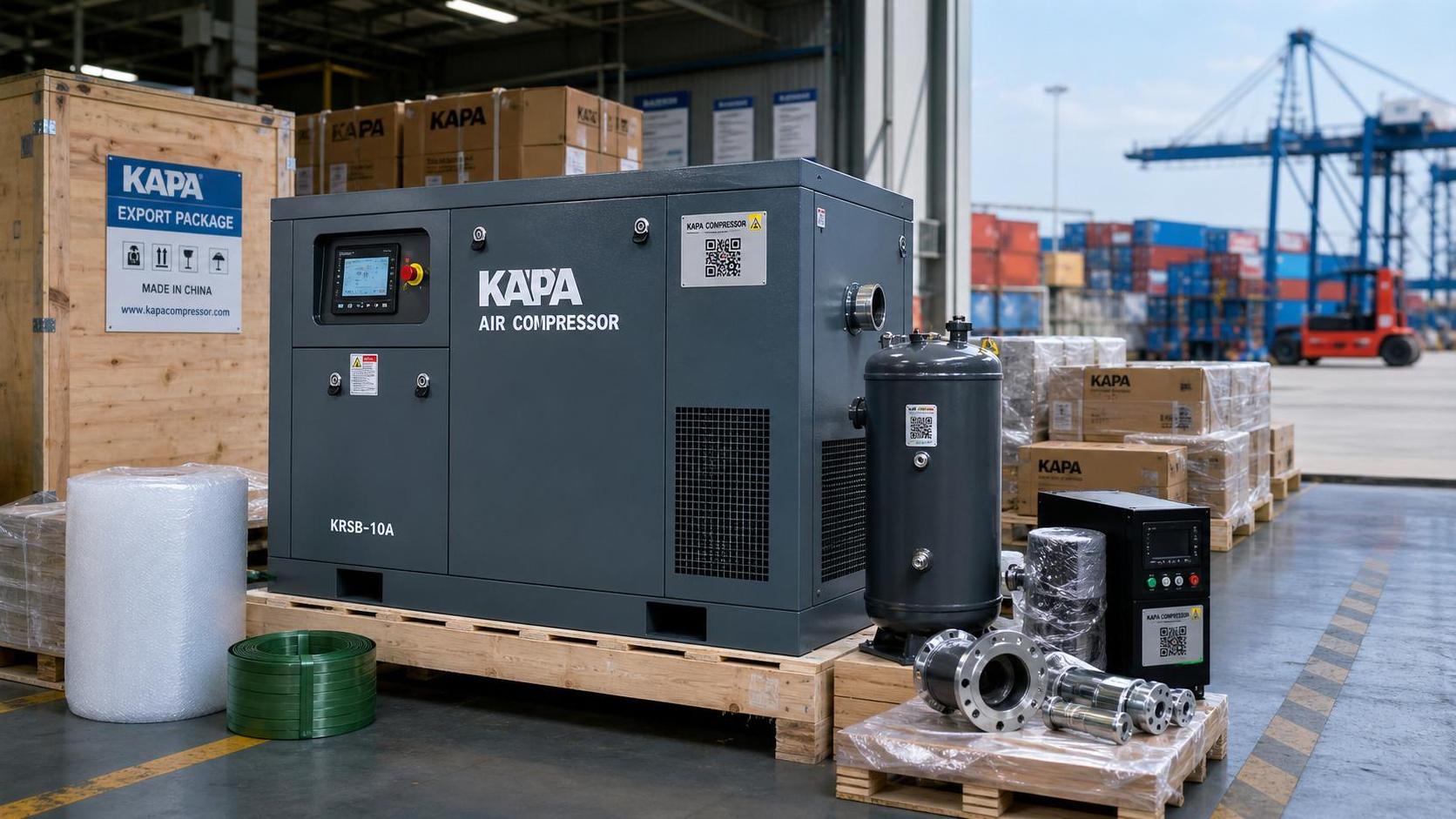
PBOC Pause Tightens Quote Window for Compressor Exports




On June 4, 2026, the People’s Bank of China announced zero volume in its 7-day reverse repo operation, marking the first such pause in nearly 11 months. Against that backdrop, offshore renminbi weakened 0.42% against the U.S. dollar in a single day. For exporters of industrial screw compressors and oil-free systems, especially during June’s traditional shipping peak, the development is drawing attention because it can affect spot settlement timing and trigger renewed discussion over FOB quotes.
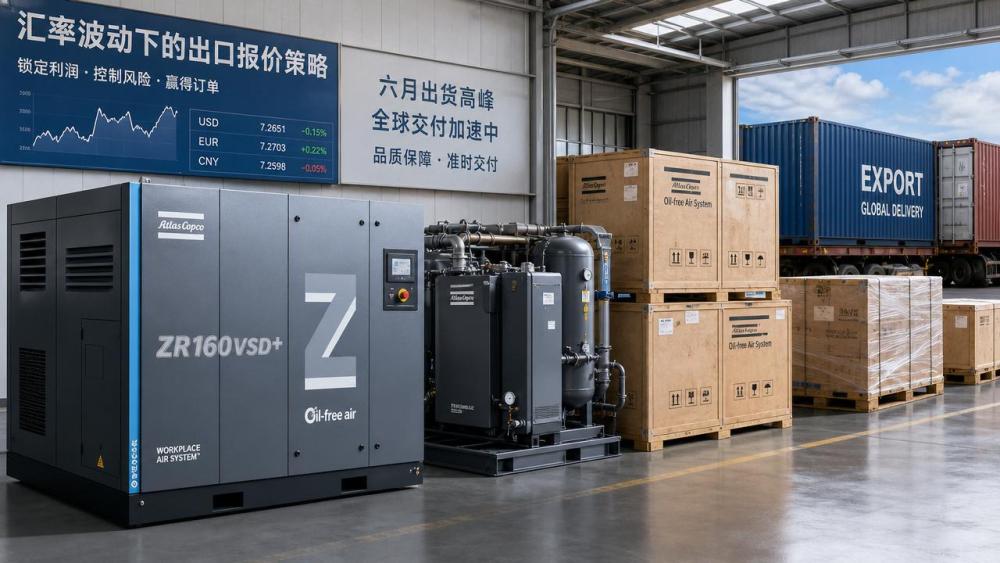
What was confirmed on June 4
The confirmed facts are limited but commercially relevant. The central bank disclosed that the 7-day reverse repo operation volume was zero on June 4, 2026. This was the first suspension in nearly 11 months. Market participants interpreted the move as a signal of marginal liquidity tightening. On the same day, offshore renminbi against the U.S. dollar depreciated by 0.42%.
The timing matters for exporters because it coincides with June, a traditional shipment peak. According to the provided information, exporters of screw compressors and oil-free systems are facing pressure around spot foreign-exchange settlement and the need to revisit FOB pricing discussions.
Where the pressure may show up first
Export sales and quotation teams
From an industry perspective, the most immediate impact may fall on teams responsible for overseas quotations and contract negotiation. When exchange-rate moves happen during a concentrated shipping period, the usable quotation window can narrow. This does not automatically change all orders, but it raises the likelihood that FOB offers will need to be reviewed more carefully before confirmation.
Finance and settlement functions
Analysis shows that finance teams in export-oriented manufacturers may need to pay closer attention to the timing of spot settlement. The issue is not simply currency fluctuation in isolation, but the interaction between exchange-rate movement and the cash-flow rhythm of shipments. What deserves closer attention is whether existing internal settlement arrangements remain aligned with current order timing.
Production and delivery coordination
For manufacturing and order execution teams, the signal matters because pricing, shipment scheduling, and customer confirmation can become more tightly linked. If FOB terms are being reconsidered, delivery planning and commercial communication may need to move in parallel rather than sequentially.
Overseas buyers and channel partners
Buyers, distributors, and channel-side partners may also be affected indirectly. If exporters revisit quotes or settlement timing, counterparties may seek clarification on price validity, shipment windows, and execution terms. The key issue is not a confirmed change in demand, but a higher need for quote discipline and clearer commercial communication.
What companies should watch in practice
Separate policy signal from business execution
Analysis shows that firms should distinguish between a market interpretation of marginal liquidity tightening and the actual commercial effect on individual export orders. The pause itself is a confirmed fact; the business consequence depends on order cycle, currency exposure, and pricing mechanism already in use.
Recheck FOB validity and approval rhythm
For screw compressors and oil-free systems, current attention should focus on how long a quote can remain valid under present market conditions. Companies may need to review internal approval timing for FOB offers so that sales commitments, settlement expectations, and shipment plans remain consistent.
Watch settlement timing during the June shipping peak
Observably, the combination of exchange-rate pressure and peak-season shipment concentration makes settlement timing more sensitive. Enterprises involved in export execution should pay attention to whether invoice issuance, receipt schedules, and settlement actions are still matched to the latest transaction pace.
Prepare for more customer communication, not just price revision
What deserves closer attention is that quote renegotiation is often also a communication issue. Exporters may need clearer discussions with customers on price validity, shipment timing, and FOB-related terms. For operational teams, this is as much about documentation and coordination as it is about the nominal quote itself.
Why this looks more like a near-term trading signal
This section is an observation rather than a statement of fact. It is more appropriate to understand this development as a short-term market and transaction signal for export businesses, rather than as a confirmed long-term turning point. The central bank’s zero-volume 7-day reverse repo operation and the single-day offshore renminbi move are meaningful, but the lasting effect on industrial compressor exports still requires continued observation.
From an industry perspective, the practical significance lies in timing. June is already a concentrated shipment period, so even limited financial-market shifts can become more visible in quotation and settlement behavior. That is why this event deserves attention from export-facing manufacturers and commercial teams now, even if broader conclusions would be premature.
How the industry may best read this development now
At this stage, the news is most usefully read as a signal that export pricing discipline and settlement management have become more sensitive for certain equipment categories, including screw compressors and oil-free systems. It does not by itself prove a structural shift in export conditions, but it does suggest that the operating window for FOB quotations may be tighter than usual during the current shipping cycle.
A neutral conclusion is that companies should avoid overreading a single event while also avoiding complacency. The immediate relevance lies in foreign-exchange settlement pressure, quote validity, and customer negotiation rhythm.
Basis of this article and what still needs verification
This article is based on the user-provided news title, event date, and event summary. The confirmed inputs include the June 4, 2026 timing, the zero-volume 7-day reverse repo announcement by the People’s Bank of China, the market interpretation of marginal liquidity tightening, the 0.42% single-day offshore renminbi depreciation against the U.S. dollar, and the resulting pressure on spot settlement and FOB quote renegotiation for exporters of screw compressors and oil-free systems.
For this type of industry update, commonly relevant source categories include official central bank announcements, company disclosures, industry association updates, authoritative media reports, and trade-related documentation. A specific official source link was not provided in the input, so continued verification remains necessary. Follow-up attention should focus on subsequent official wording, any further market moves affecting renminbi settlement conditions, and whether quote renegotiation pressure persists through the June shipment cycle.
Ready when you are. Send us a message to get started.
Related News
- How to compare compressor flow ratings using free air deliveryAuthor :Pneumatic Power Engineer

- When does variable gas flow justify a custom screw compressor system?Author :Pneumatic Power Engineer

- How to size compressed air equipment for pneumatic toolsAuthor :Pneumatic Power Engineer

- How Should Energy Management Systems Handle Compressor Load Changes?Author :Pneumatic Power Engineer

- Which Maintenance Issues Reduce Air Compressor Efficiency?Author :Pneumatic Power Engineer

- How Much Energy Can Variable-Speed Screw Compressors Save?Author :Pneumatic Power Engineer

- Industrial Compressor Selection: Matching Flow, Pressure, and Duty CycleAuthor :Pneumatic Power Engineer

- China Expands Cross-Border RMB and FX Cash Pooling NationwideAuthor :Pneumatic Power Engineer

- How to Size Air Compressor Systems for Pneumatics by Flow and Pressure DemandAuthor :Pneumatic Power Engineer

- How Energy Recovery Systems for Compressors Cut Power CostsAuthor :Pneumatic Power Engineer

- How to Evaluate Screw Compressors in Industrial Refrigeration EquipmentAuthor :Pneumatic Power Engineer

- India Makes BIS Certification Mandatory for Screw CompressorsAuthor :Pneumatic Power Engineer

- China Tightens Export Filing for Screw CompressorsAuthor :Pneumatic Power Engineer

- SABIC Sets IoT Interface Rule for Screw CompressorsAuthor :Pneumatic Power Engineer

- Industrial Heat Recovery Systems for Compressors: When Do Energy Savings Pay Back?Author :Pneumatic Power Engineer

- EU Tightens REACH Limit for Screw Compressor LubricantsAuthor :Pneumatic Power Engineer

- EU Opens China Screw Compressor Review With Carbon RuleAuthor :Pneumatic Power Engineer

- DOE Mandates AHRI 1000-2026 for Screw CompressorsAuthor :Pneumatic Power Engineer

- VDMA Filing Signals EU Risk for Chinese Oil Screw CompressorsAuthor :Pneumatic Power Engineer
![]()
- Screw vs Piston Air Compressors for Stable Plant OutputAuthor :Pneumatic Power Engineer

- Saudi SASO Tightens Refrigerant Limits in IEC 60335-2-40:2026Author :Pneumatic Power Engineer

- IIR Warns of 18-Week Lead Times for Screw CompressorsAuthor :Pneumatic Power Engineer

- Welded Compressed Air Manifold Selection Guide for Pressure Stability and LeaksAuthor :Pneumatic Power Engineer

- India BIS Rule Adds IS 16830 Requirement for Imported Screw CompressorsAuthor :Pneumatic Power Engineer

- What to Check Before Choosing a Compressed Air FactoryAuthor :Pneumatic Power Engineer

- China Tightens Export Checks on Screw CompressorsAuthor :Pneumatic Power Engineer

- Screw Compressor Lead Times Reach 22 WeeksAuthor :Pneumatic Power Engineer

- Vietnam Requires QR Labels on Imported Screw CompressorsAuthor :Pneumatic Power Engineer

- Compressed Air Technologies Filtration: How to Reduce Pressure Drop and Energy LossAuthor :Pneumatic Power Engineer

- STSPIN830 Lead Time Tops 32 Weeks in Screw CompressorsAuthor :Pneumatic Power Engineer

- IGBT Shortage Extends Screw Compressor Lead TimesAuthor :Pneumatic Power Engineer

- Compressed Air Systems: 7 Hidden Costs That Raise Total Operating ExpenseAuthor :Pneumatic Power Engineer

- Compressed Air Efficiency: 7 Hidden Losses That Raise Operating CostsAuthor :Pneumatic Power Engineer

- How to Compare Screw vs Oil-Free Air Compression SystemsAuthor :Pneumatic Power Engineer

- Compressed Air Leaks: What They Really Cost in Daily OperationsAuthor :Pneumatic Power Engineer

- DOE Moves Up R449A Chiller Deadline to March 2027Author :Pneumatic Power Engineer