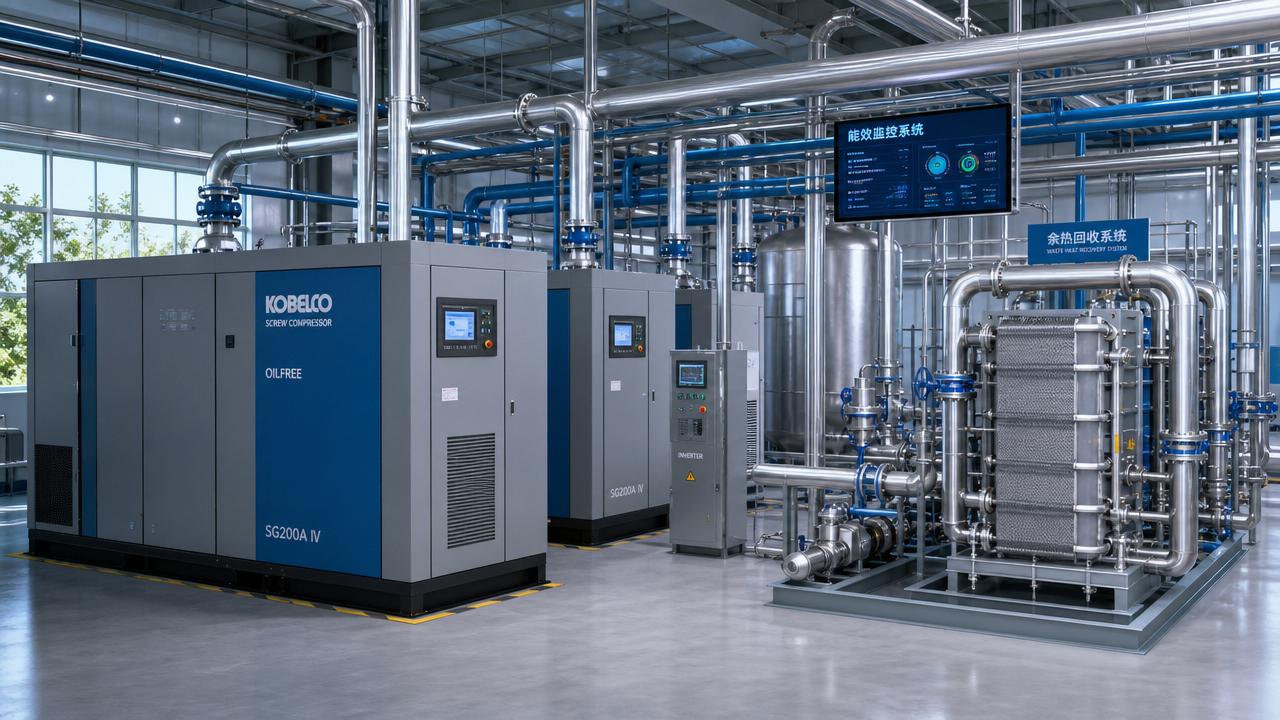
2026 Screw Compressors: Energy Savings Worth the Upgrade?




As energy prices, carbon targets, and uptime demands reshape industrial investment, many decision-makers are asking whether upgrading to 2026 screw compressors truly delivers measurable value.
The short answer is yes, but only when compressed air technology is matched to load profile, controls, maintenance strategy, and site conditions.
This guide explains where modern screw compressors create savings, where expectations should stay realistic, and how to judge upgrade timing with better lifecycle logic.
What makes 2026 screw compressors different from older compressed air technology?

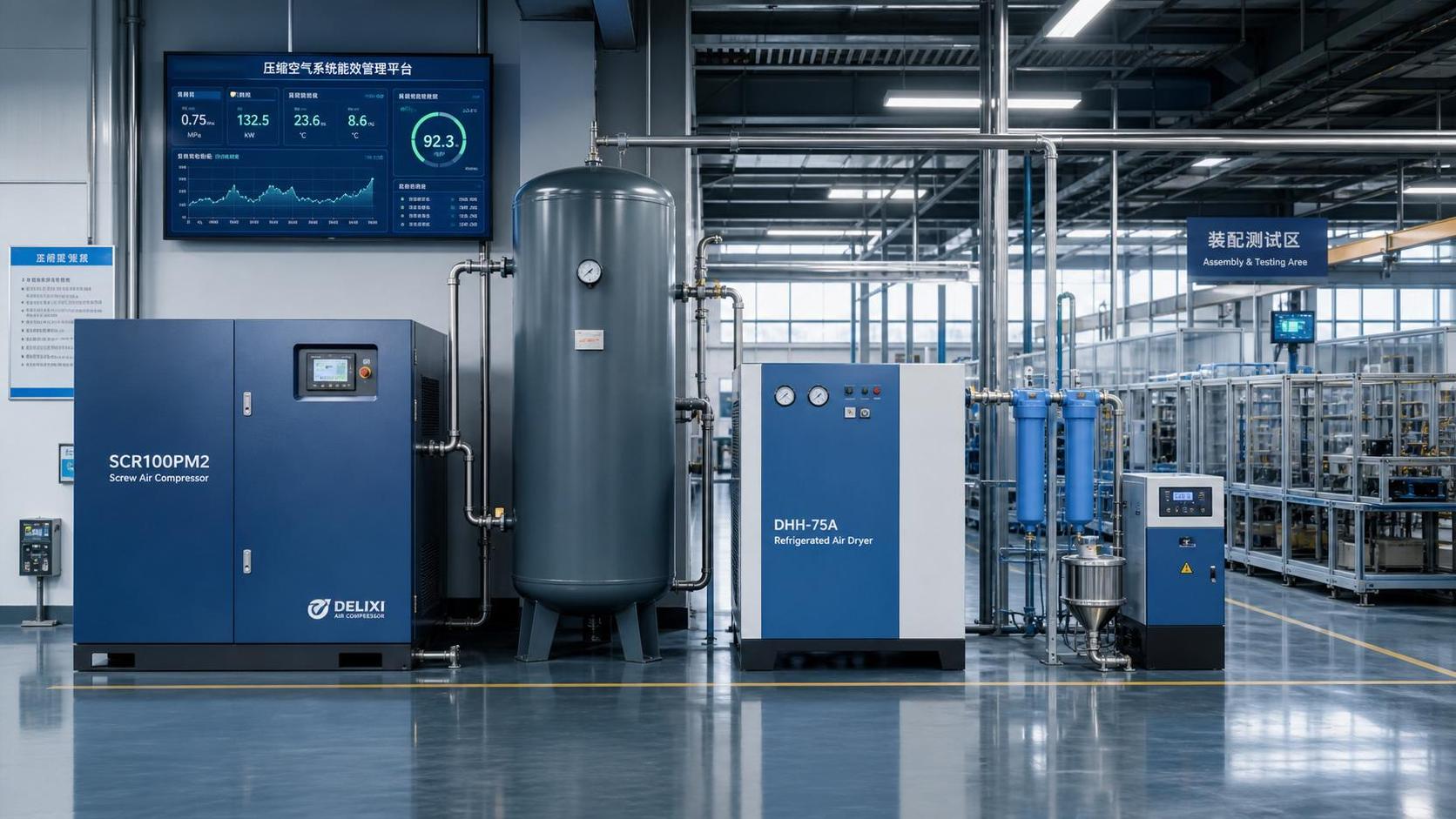
The biggest change is not one breakthrough part. It is system-level improvement across motors, airends, controls, cooling, and digital monitoring.
Newer compressed air technology often combines IE4 or IE5 motors, variable speed drives, lower pressure drops, and smarter sequencing.
Many 2026 models also improve oil separation, thermal stability, and part-load efficiency. Those upgrades matter because many plants rarely run at steady full load.
Integrated controllers now analyze pressure bands, start-stop frequency, temperature patterns, and service intervals. That reduces waste hidden in everyday operation.
In practical terms, modern compressed air technology aims to deliver more usable air per kilowatt while protecting uptime and service predictability.
- Higher motor and drive efficiency
- Better turndown during variable demand
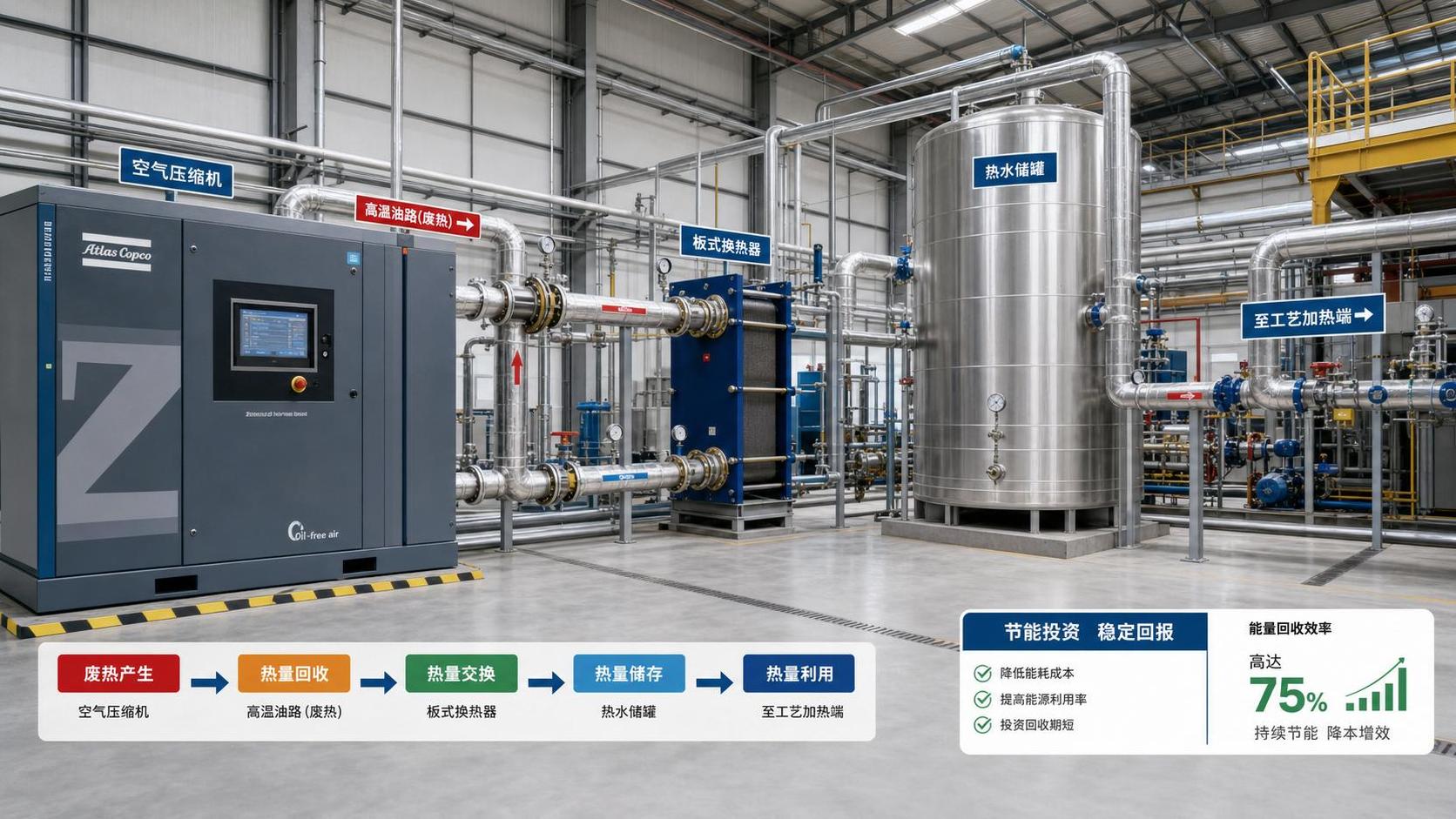
- Improved cooling and heat recovery options
- More accurate pressure control
- Remote diagnostics and predictive maintenance support
Are the energy savings from screw compressor upgrades really significant?
They can be significant, but results depend on the starting point. Replacing a poorly controlled legacy unit usually creates stronger gains than replacing a recent efficient model.
Energy usually represents the largest share of compressor lifecycle cost. That is why compressed air technology should be evaluated beyond purchase price.
Common savings come from four areas: reduced specific power, lower unloaded running, tighter pressure bands, and fewer leaks driven by lower system stress.
A pressure reduction of even 1 bar can produce meaningful savings across compressors, dryers, filters, and downstream air use.
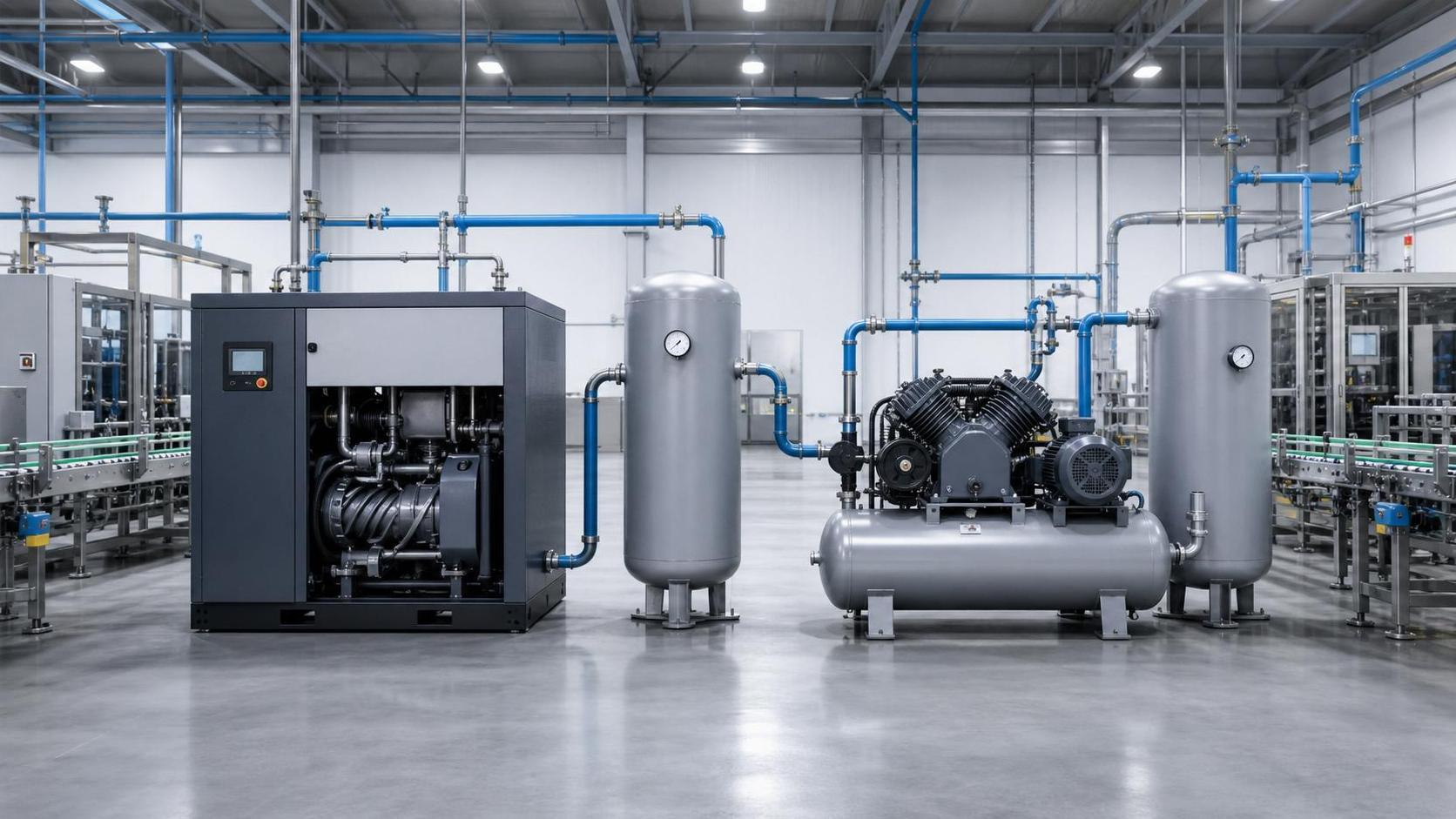
Variable speed screw compressors often help facilities with shifting demand. Fixed-speed machines can still perform well in stable base-load applications.
The real mistake is assuming any new machine guarantees savings without auditing the full compressed air technology ecosystem.
Where savings are usually strongest
- Facilities with wide daily demand swings
- Sites running oversized compressors
- Systems with high unload time
- Plants with unstable pressure requirements
- Operations facing rising electricity tariffs
Which applications benefit most from advanced compressed air technology?
Advanced screw compressors are relevant across the comprehensive industrial landscape, especially where air quality, continuity, and efficiency directly affect output.
Food processing values clean, stable compressed air technology for packaging, conveying, and instrumentation, while also watching utility intensity closely.
Pharmaceutical and electronics environments often require cleaner air, low contamination risk, and reliable dew point control.
General manufacturing, metalworking, logistics, textiles, and automotive support systems benefit when compressed air technology reduces power waste and downtime events.
Service-heavy operations also gain from remote monitoring. Early fault detection can prevent temperature trips, oil carryover, and unplanned shutdowns.
Best-fit operating conditions
- Demand varies by shift, product mix, or season.
- Compressed air is essential to production continuity.
- Energy cost is under rising management pressure.
- Heat recovery can offset water or space heating loads.
- Maintenance history shows recurring reliability losses.
How should an upgrade decision be judged: cost, payback, or total value?
Payback matters, but it should not be the only metric. Strong compressed air technology decisions use total cost of ownership and operational risk together.
Capital cost is visible. Hidden costs are usually larger: electricity, maintenance labor, spare parts, oil, filtration, downtime, and pressure instability.
A credible business case starts with measured airflow, pressure profile, power draw, unload ratio, leak level, and annual runtime.
Then compare upgrade paths, not just machines. Sometimes the best answer is a controller, storage receiver, leak repair, and one right-sized compressor.
In other cases, a full compressed air technology refresh makes sense because the old package creates reliability risk and efficiency penalties at once.
What risks and misconceptions can weaken a compressor upgrade project?
One common misconception is that the compressor alone defines performance. In reality, poor piping, clogged filters, bad drains, and leaks can erase expected gains.
Another risk is oversizing. Too much installed capacity often increases unloaded running and lowers efficiency across the compressed air technology system.
Some sites also overestimate savings from variable speed control. If demand is flat, a fixed-speed base-load unit may be the better answer.
Air quality is another blind spot. Upgrading compression without checking dryer sizing, filtration class, and condensate management can create downstream process issues.
Digital features should be useful, not decorative. Remote dashboards have value only when alarms, service plans, and operating responses are clearly defined.
Practical risk reminders
- Do not size from nameplate assumptions alone.
- Audit leaks before calculating final savings.
- Check pressure drop across filters and dryers.
- Review ambient temperature and ventilation conditions.
- Align maintenance capability with equipment complexity.
How can a site decide if upgrading now is worth it?
Start with evidence. A short energy and performance audit often reveals whether compressed air technology is a major savings opportunity or a secondary one.
Track load variation, real power use, pressure behavior, downtime incidents, and service cost over a representative period.
Then compare three scenarios: maintain current assets, optimize the existing system, or replace with a newer screw compressor package.
If electricity costs are high, reliability is slipping, or decarbonization targets are tightening, advanced compressed air technology often moves higher on the investment list.
If current assets are young and well-controlled, lower-cost optimization may deliver better near-term value than full replacement.
Quick decision checklist
FAQ summary: what should be remembered before upgrading?
2026 screw compressors can absolutely justify an upgrade, but only when compressed air technology is evaluated as a full operating system.
The strongest projects combine efficient equipment, correct sizing, stable controls, low leakage, proper treatment, and measurable performance tracking.
For many industrial sites, the upgrade case strengthens when energy inflation, carbon reporting, and uptime pressure converge.
The smartest next step is not rushing into equipment selection. It is building a fact-based baseline for airflow, pressure, power, and reliability.
With that baseline, compressed air technology decisions become clearer, payback estimates become more credible, and capital planning becomes much more resilient.
For deeper intelligence on industrial thermal systems, energy conversion efficiency, and evolving compressed air technology, use trusted data to turn equipment choices into long-term advantage.
Ready when you are. Send us a message to get started.
Related News
- When does variable gas flow justify a custom screw compressor system?Author :Pneumatic Power Engineer

- How to size compressed air equipment for pneumatic toolsAuthor :Pneumatic Power Engineer

- How Should Energy Management Systems Handle Compressor Load Changes?Author :Pneumatic Power Engineer

- Which Maintenance Issues Reduce Air Compressor Efficiency?Author :Pneumatic Power Engineer

- How Much Energy Can Variable-Speed Screw Compressors Save?Author :Pneumatic Power Engineer

- Industrial Compressor Selection: Matching Flow, Pressure, and Duty CycleAuthor :Pneumatic Power Engineer

- China Expands Cross-Border RMB and FX Cash Pooling NationwideAuthor :Pneumatic Power Engineer

- How to Size Air Compressor Systems for Pneumatics by Flow and Pressure DemandAuthor :Pneumatic Power Engineer

- How Energy Recovery Systems for Compressors Cut Power CostsAuthor :Pneumatic Power Engineer

- How to Evaluate Screw Compressors in Industrial Refrigeration EquipmentAuthor :Pneumatic Power Engineer

- India Makes BIS Certification Mandatory for Screw CompressorsAuthor :Pneumatic Power Engineer

- China Tightens Export Filing for Screw CompressorsAuthor :Pneumatic Power Engineer

- SABIC Sets IoT Interface Rule for Screw CompressorsAuthor :Pneumatic Power Engineer

- Industrial Heat Recovery Systems for Compressors: When Do Energy Savings Pay Back?Author :Pneumatic Power Engineer

- EU Tightens REACH Limit for Screw Compressor LubricantsAuthor :Pneumatic Power Engineer

- EU Opens China Screw Compressor Review With Carbon RuleAuthor :Pneumatic Power Engineer

- DOE Mandates AHRI 1000-2026 for Screw CompressorsAuthor :Pneumatic Power Engineer

- VDMA Filing Signals EU Risk for Chinese Oil Screw CompressorsAuthor :Pneumatic Power Engineer
![]()
- Screw vs Piston Air Compressors for Stable Plant OutputAuthor :Pneumatic Power Engineer

- Saudi SASO Tightens Refrigerant Limits in IEC 60335-2-40:2026Author :Pneumatic Power Engineer

- IIR Warns of 18-Week Lead Times for Screw CompressorsAuthor :Pneumatic Power Engineer

- Welded Compressed Air Manifold Selection Guide for Pressure Stability and LeaksAuthor :Pneumatic Power Engineer

- India BIS Rule Adds IS 16830 Requirement for Imported Screw CompressorsAuthor :Pneumatic Power Engineer

- What to Check Before Choosing a Compressed Air FactoryAuthor :Pneumatic Power Engineer

- China Tightens Export Checks on Screw CompressorsAuthor :Pneumatic Power Engineer

- Screw Compressor Lead Times Reach 22 WeeksAuthor :Pneumatic Power Engineer

- Vietnam Requires QR Labels on Imported Screw CompressorsAuthor :Pneumatic Power Engineer

- Compressed Air Technologies Filtration: How to Reduce Pressure Drop and Energy LossAuthor :Pneumatic Power Engineer

- STSPIN830 Lead Time Tops 32 Weeks in Screw CompressorsAuthor :Pneumatic Power Engineer

- IGBT Shortage Extends Screw Compressor Lead TimesAuthor :Pneumatic Power Engineer

- Compressed Air Systems: 7 Hidden Costs That Raise Total Operating ExpenseAuthor :Pneumatic Power Engineer

- Compressed Air Efficiency: 7 Hidden Losses That Raise Operating CostsAuthor :Pneumatic Power Engineer

- How to Compare Screw vs Oil-Free Air Compression SystemsAuthor :Pneumatic Power Engineer

- Compressed Air Leaks: What They Really Cost in Daily OperationsAuthor :Pneumatic Power Engineer

- DOE Moves Up R449A Chiller Deadline to March 2027Author :Pneumatic Power Engineer

- How Compression Technology Cuts Energy Use in Modern PlantsAuthor :Pneumatic Power Engineer