How to evaluate energy-saving technologies for semiconductor plants




Evaluating energy-saving technologies for semiconductor plants requires more than comparing equipment efficiency ratings. Cooling, compressed air, vacuum systems, and heat exchange must perform reliably under demanding process conditions while limiting energy consumption and operating costs. The strongest option is not necessarily the machine with the lowest rated power; it is the one that reduces verified, plant-wide energy use without compromising production stability.
This guide gives technical evaluators a way to define the baseline, compare competing technologies, challenge supplier claims, and plan a retrofit that operations and process teams can support.
Start with the process boundary, not the equipment catalog
A semiconductor facility contains interconnected utility networks. A change that reduces chiller power, for example, may increase pumping energy or constrain temperature control at a process tool. Before reviewing proposals, agree on the boundary within which savings and risks will be assessed.
- Identify the production constraint. Record the required temperature, pressure, flow, cleanliness, redundancy, and response time at the point of use. Distinguish normal operating limits from alarm and trip limits.
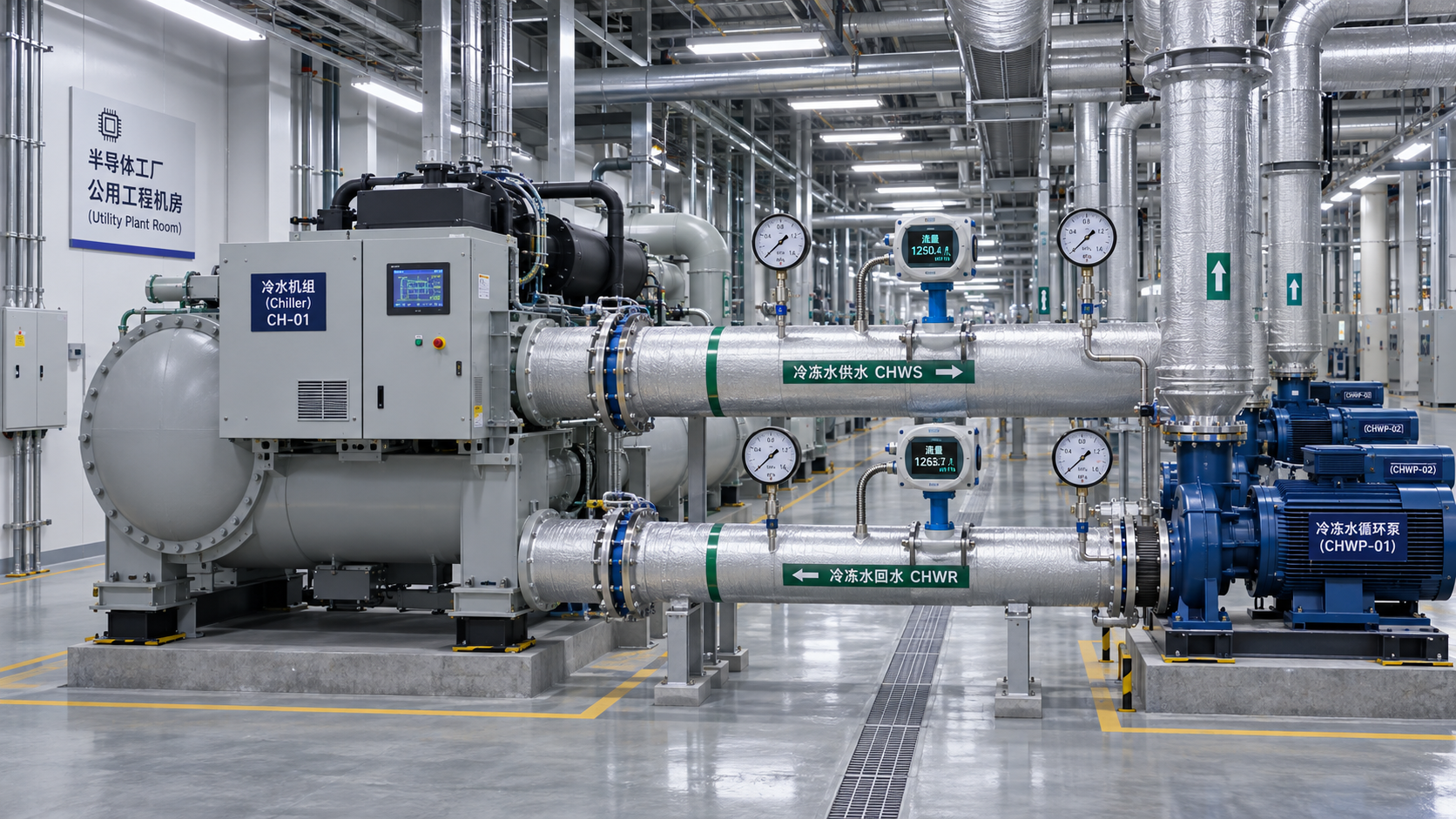
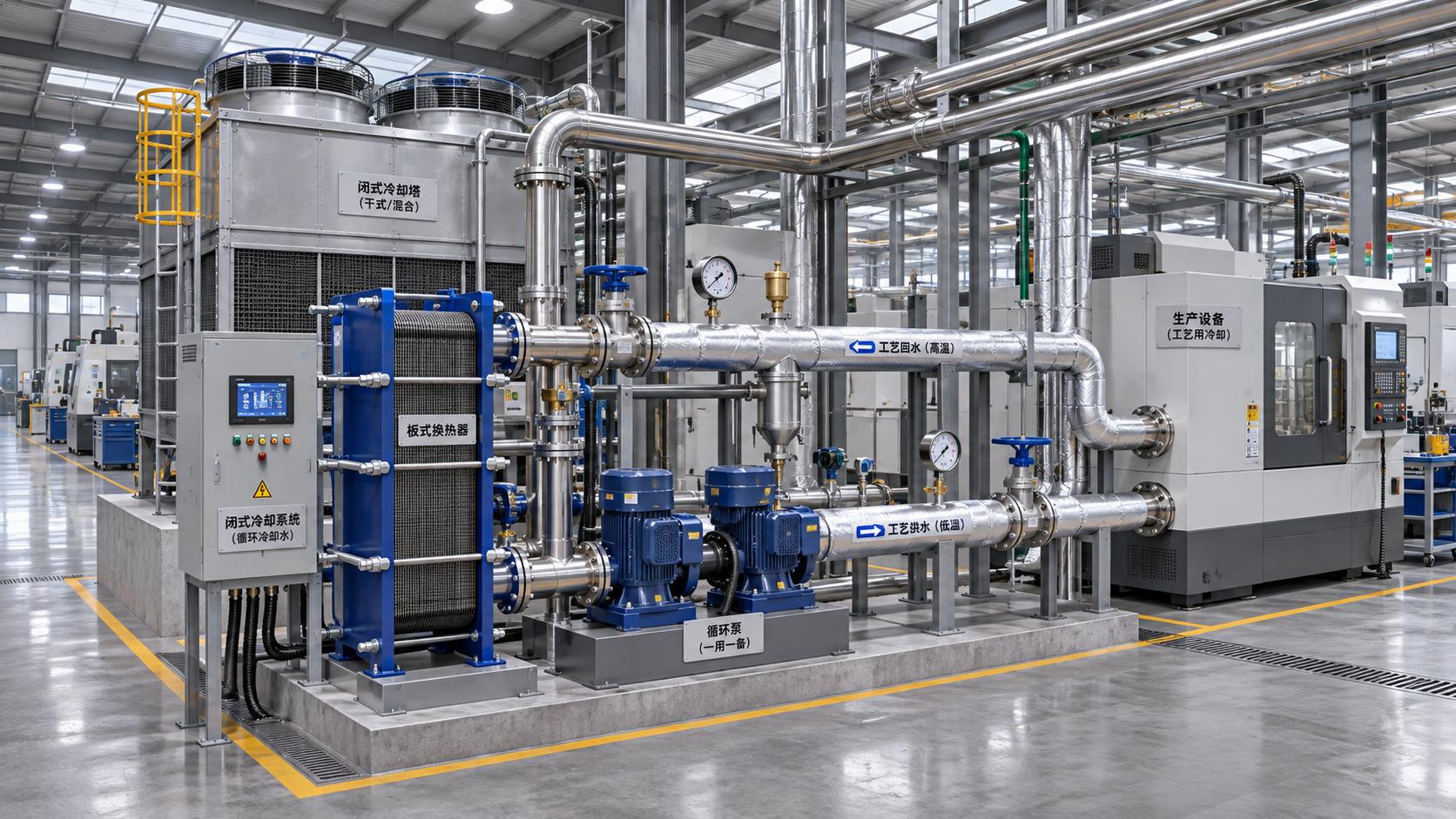
- Map the affected system. Include upstream generation, distribution, controls, and downstream loads. For a cooling project, that may mean chillers, cooling towers, pumps, heat exchangers, and connected process loads.
- Document operating modes. Separate production, idle, maintenance, startup, and upset conditions. A technology that performs well at design load may behave differently during extended partial-load operation.
- Set acceptance criteria. Agree on the energy metric, metering locations, reliability requirements, test duration, and responsibilities before suppliers submit final offers.
Involve facilities engineering, process engineering, production, maintenance, and environmental, health and safety teams early. Their approval criteria can differ: a utility engineer may prioritize power reduction, while a process owner needs evidence that temperature stability or vacuum recovery will not change.
Build a baseline that makes savings defensible
Collect interval data over a period representative of actual operation, including production mix, equipment availability, and relevant seasonal conditions. Short spot measurements are useful for screening, but they can conceal cycling, standby consumption, and changes in load.
- Electrical input: Measure the complete affected system where practical, including auxiliary motors, controls, heaters, and treatment equipment.
- Delivered service: Track useful output such as cooling duty, airflow at a defined reference condition, or vacuum service under a defined process cycle.
- Operating context: Log outdoor conditions, load or production indicators, setpoints, equipment staging, and abnormal events.
- Data quality: Check meter accuracy, time synchronization, missing intervals, and whether sensors are installed in representative locations.
Normalize performance only against variables that materially affect the system. For a chiller plant, useful indicators may include total plant electricity relative to cooling delivered, alongside load and weather. For compressed air, compare power with delivered flow at a specified pressure and air quality. Avoid using a single plant-wide energy-per-wafer figure to evaluate a utility retrofit unless product mix and other major influences are adequately addressed.
Define what would trigger a baseline adjustment: a new production tool, altered operating hours, or a significant setpoint change, for instance. The International Performance Measurement and Verification Protocol provides a framework for defining measurement boundaries, reporting, and adjustments; select an approach appropriate to the project rather than assuming every saving can be isolated with one meter. Source: Efficiency Valuation Organization, IPMVP Core Concepts, https://evo-world.org/en/products-services-mainmenu-en/protocols/ipmvp.
Compare energy-saving technologies for semiconductor plants by system
Use the following comparison to develop a shortlist, not to prescribe a universal winner. The relevant question is whether the technology matches the measured load profile and the process constraints at the proposed installation point.
Cooling: assess the plant, not just the chiller
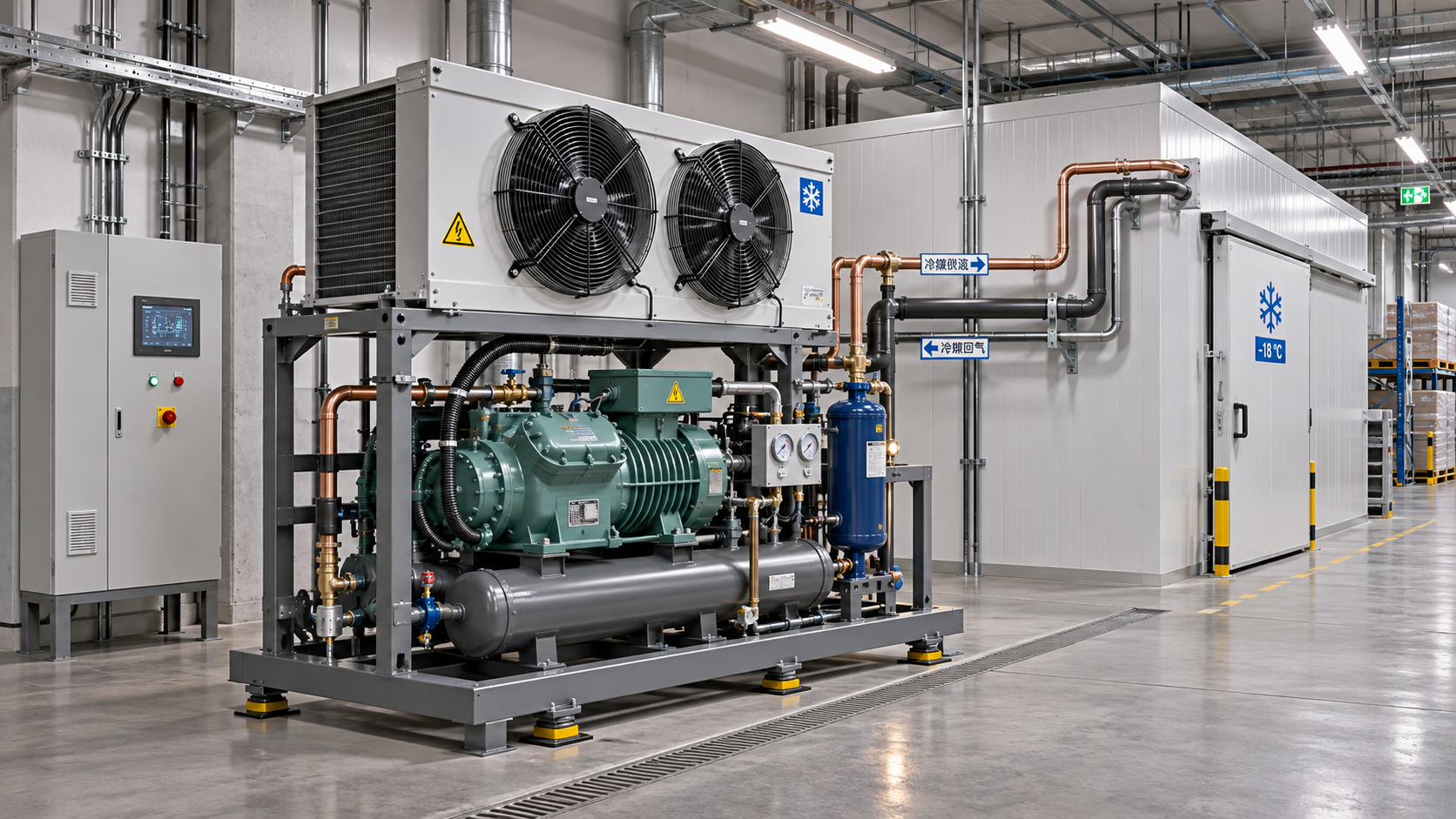
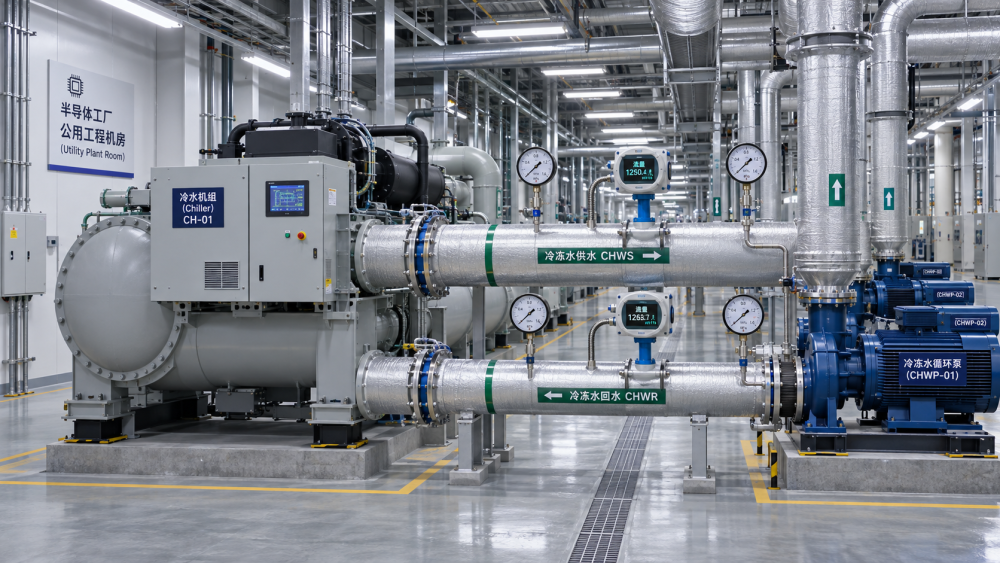
Request performance across the expected operating envelope, including partial load and relevant entering-water temperatures. Compare total power for chillers, pumps, and heat rejection equipment. A lower chilled-water temperature may provide process margin but increase energy use; any setpoint change therefore needs process-owner approval and monitoring at the affected tools.
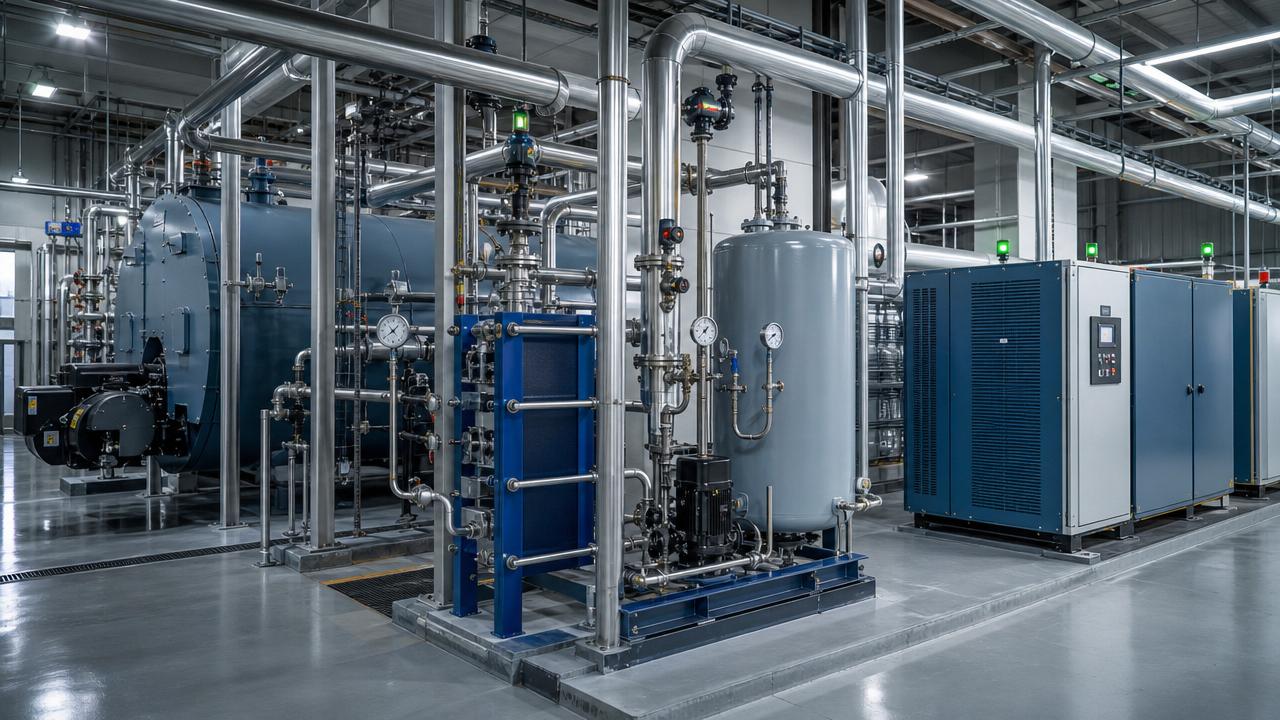
For water-side economization, establish how often ambient and water conditions permit useful operation, whether the required supply temperature remains achievable, and how transitions are controlled. Include water treatment and heat-exchanger maintenance in the assessment.
Compressed air: address demand before adding capacity
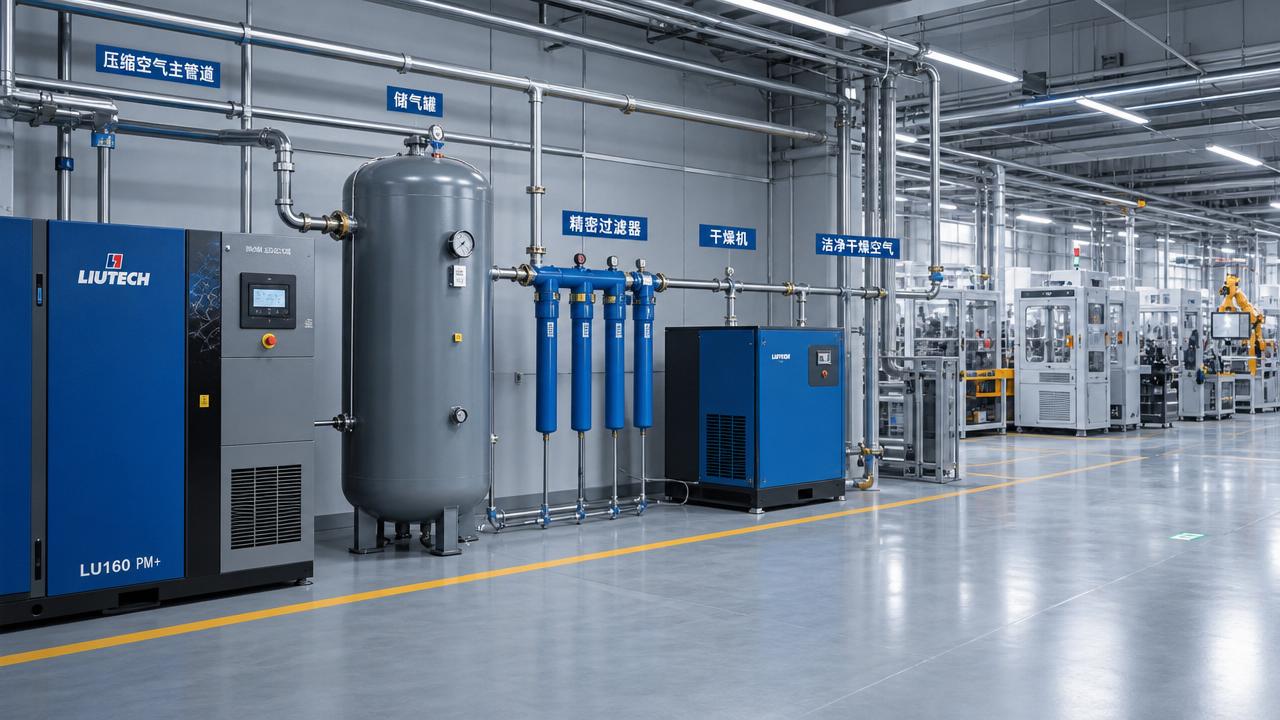
Inspect leaks and inappropriate uses, then review pressure requirements at critical consumers. Lowering header pressure can be attractive, but distribution losses and transient demand may leave a distant tool short of pressure. Measure at the point of use before setting a new limit.
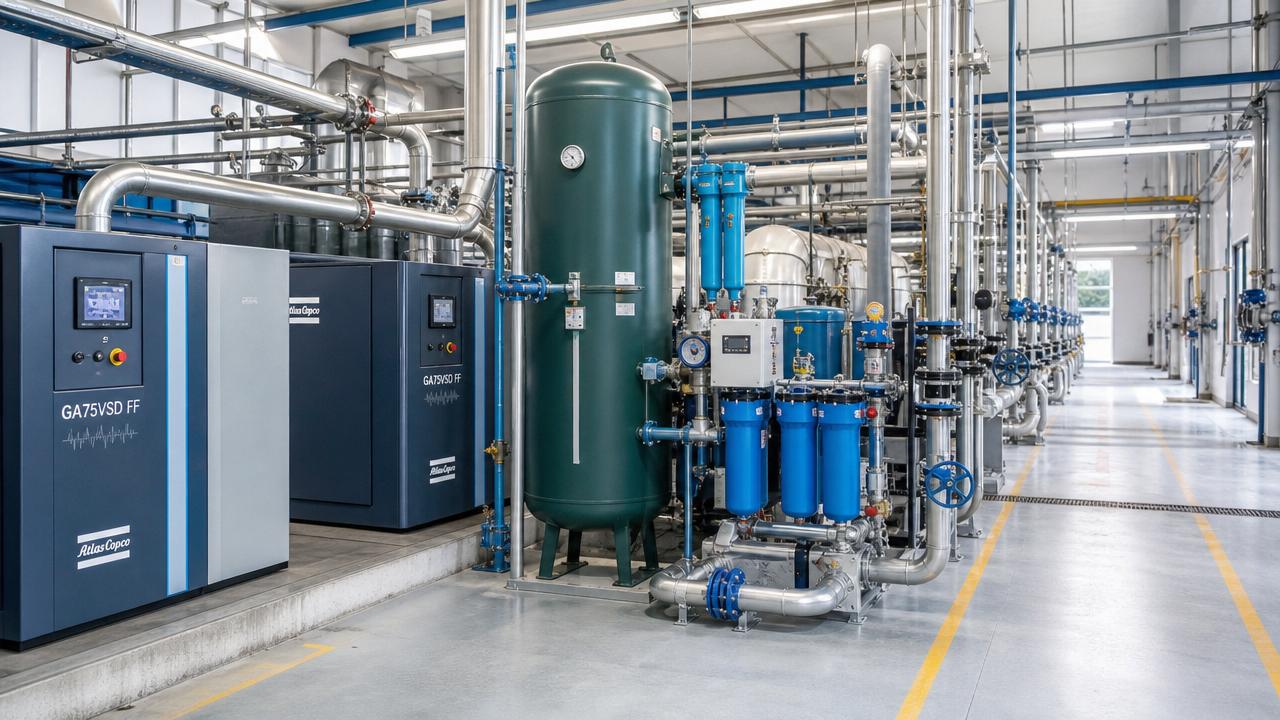
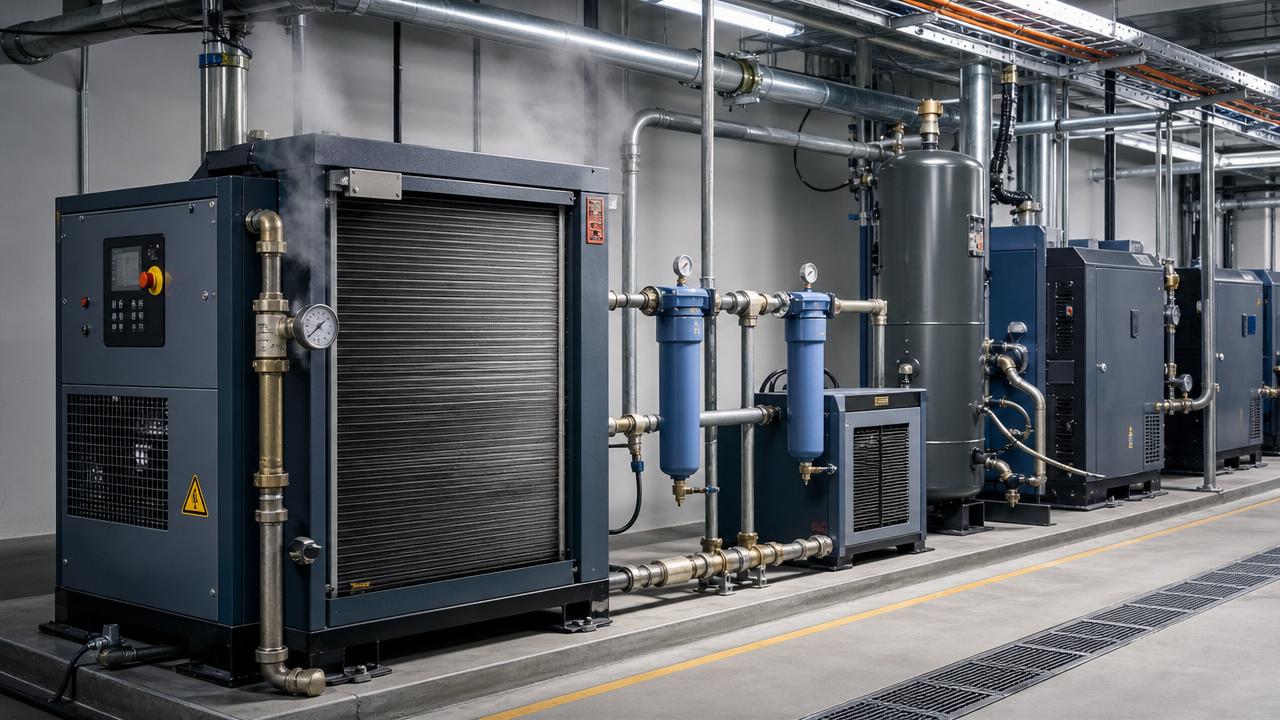
When comparing compressors, ask for power at expected pressures and flows, including unloading, standby, drying, and filtration. If oil-free air is required, define the cleanliness specification and verification method rather than treating “oil-free” as a complete air-quality requirement. ISO 8573-1 describes compressed-air contaminant classes; select the class appropriate to the application. Source: International Organization for Standardization, ISO 8573-1:2010, https://www.iso.org/standard/46418.html.
Vacuum and heat recovery: validate the interaction with the process
Vacuum-pump power cannot be judged independently of the process recipe. Compare alternatives under representative gas loads, duty cycles, and exhaust conditions. Establish whether a proposed standby mode changes pump-down time, chamber pressure control, byproduct handling, or tool availability. Obtain tool-owner approval before modifying controls.
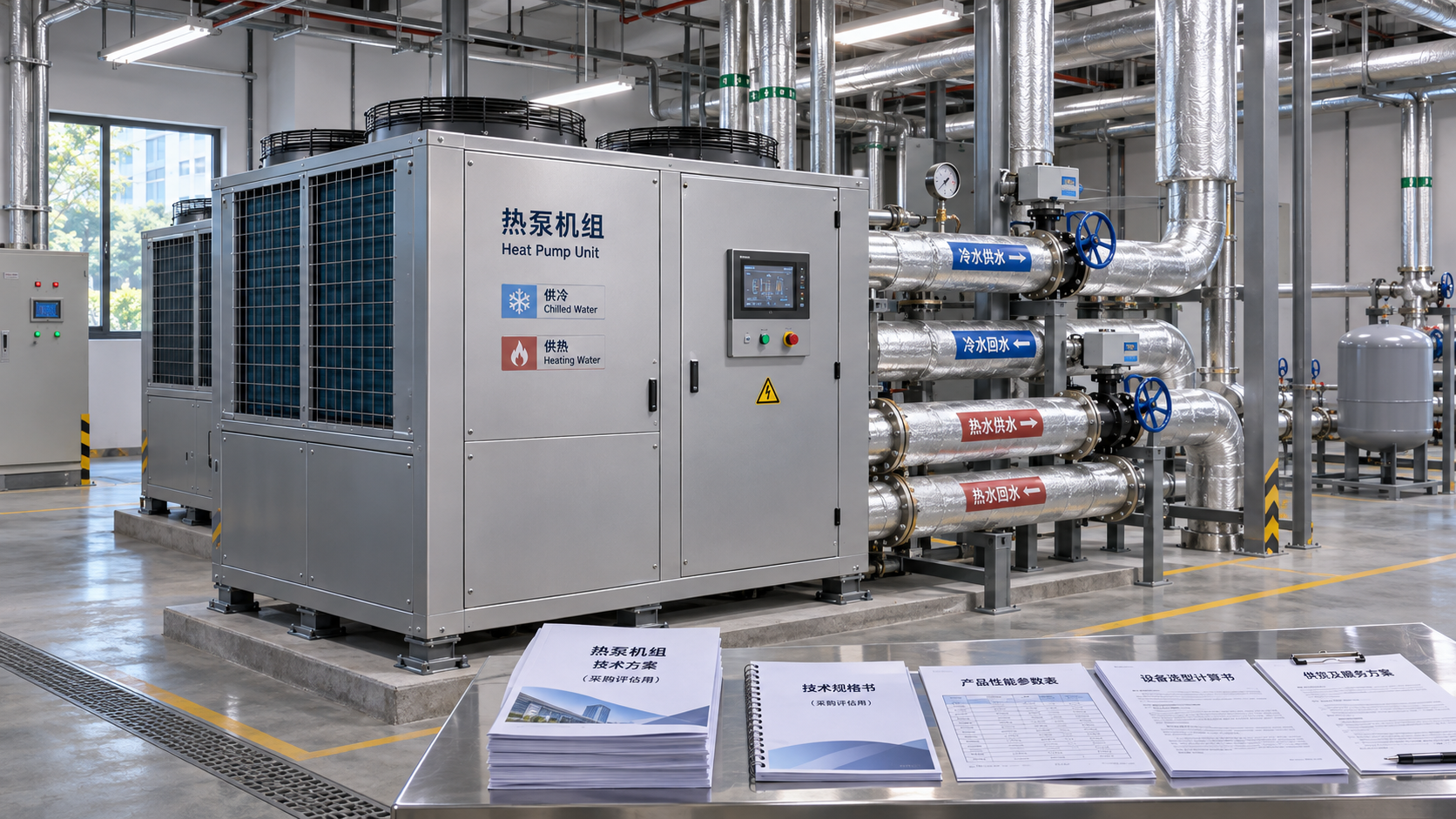
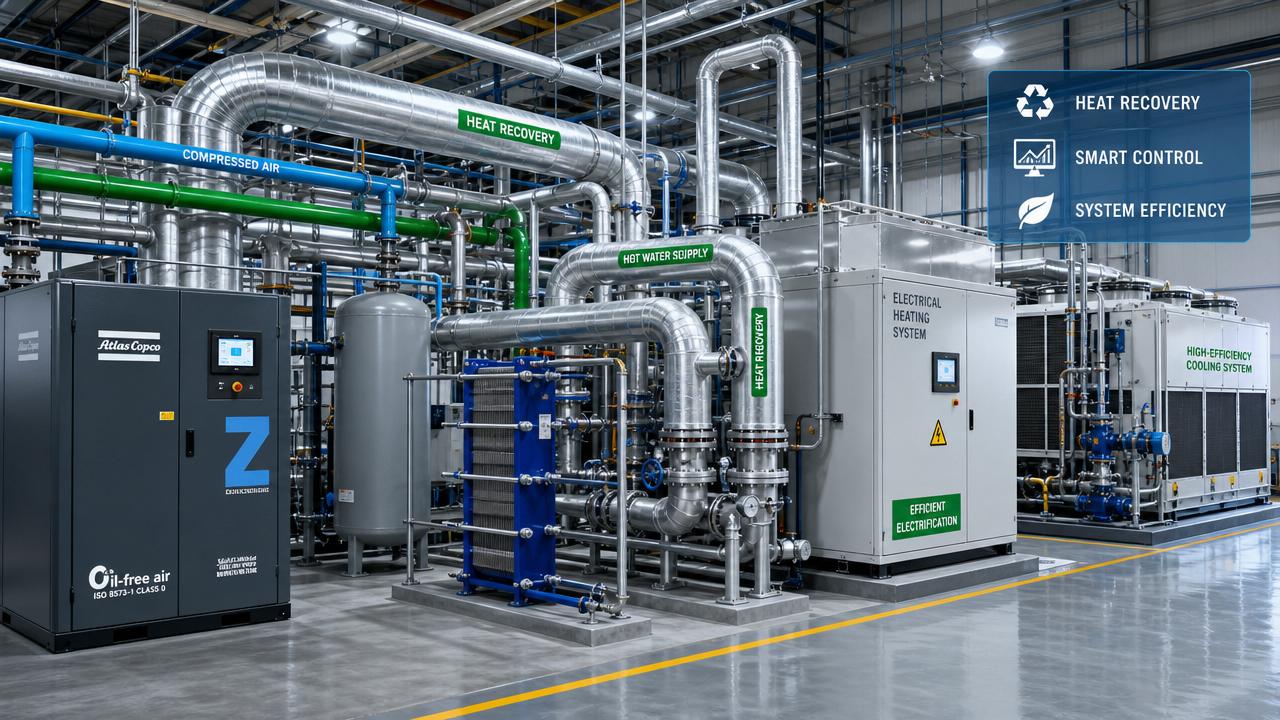
For heat recovery, match the temperature and timing of the heat source to a real demand. Calculate the energy used by added pumps or heat pumps and consider periods when the recovered heat has no useful destination. A thermally attractive source is not automatically a viable project.
Turn supplier claims into a comparable evaluation
Issue the same operating profile and boundary conditions to each supplier. Ask for assumptions, performance curves, auxiliary loads, maintenance requirements, and exclusions. Where a proposal relies on simulations, request the input data and a way to test the prediction after installation.
- Technical fit: Can the solution meet the complete operating envelope, including startup, part load, and fault conditions?
- Energy impact: Are projected savings calculated against the agreed baseline and net of additional loads?
- Production risk: What happens if a sensor, controller, pump, or communication link fails?
- Maintainability: Are service access, spares, cleaning, calibration, and operator training accounted for?
- Evidence: Can the supplier demonstrate performance under conditions relevant to this application, rather than only at a favorable rating point?
A weighted scorecard can make competing priorities visible, but use mandatory pass/fail gates first. A proposal that fails a process cleanliness requirement or removes required redundancy should not win because it scores highly on energy. After those gates, weight energy, lifecycle cost, implementation risk, and maintainability according to site priorities; record the rationale for each score.
Calculate lifecycle value and plan verification together
Compare alternatives over the same study period using consistent assumptions. Include installed cost, controls integration, commissioning, downtime or temporary services, energy, water and treatment where relevant, maintenance, replacement components, and end-of-life costs. Apply the site’s approved discount rate and energy-price assumptions, and disclose any residual value.
Test sensitivity to operating hours, energy prices, production load, maintenance intervals, and realized savings. Simple payback is useful for an initial screen, but it does not capture the timing of later costs or the value of reliability. Treat avoided emissions separately from financial savings unless a defined carbon price or contractual mechanism applies; state the emissions factors and accounting method used.
For a basic estimate, annual net electricity savings equal baseline electricity for the defined service minus post-project electricity for the same service, adjusted for agreed changes in operating conditions. Convert those savings to cost using the applicable tariff, including demand charges only where the load profile and tariff structure support the calculation. Do not add overlapping savings from multiple projects without checking their combined baseline.
Make commissioning the final selection test
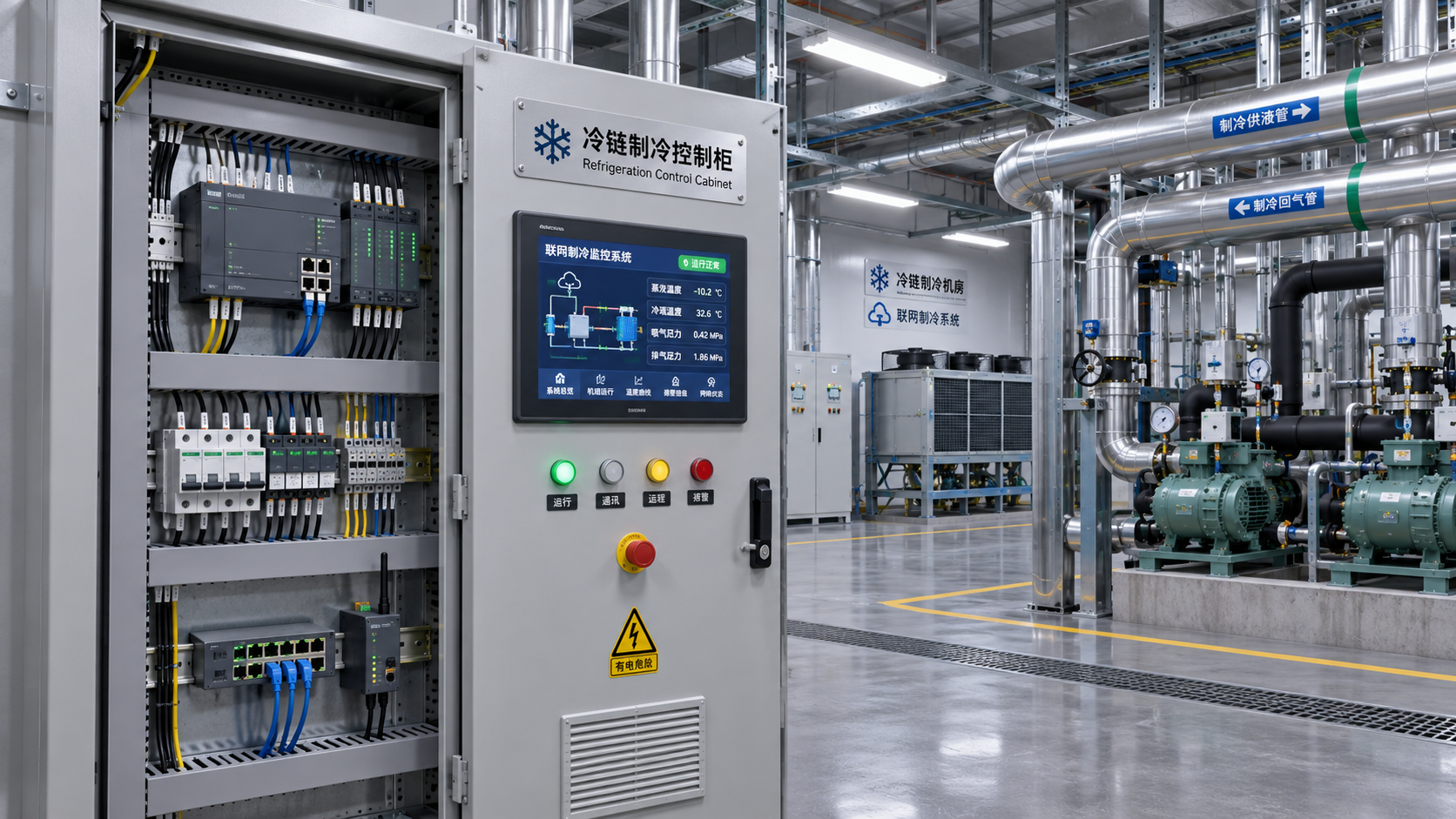
Before authorizing installation, agree on a commissioning and measurement plan. It should identify meters, test conditions, functional checks, responsible parties, acceptance thresholds, and the response if results fall short. Test normal operation and relevant failure modes, including fallback control and restoration after a power or communication interruption.
Trend energy and process variables after handover, compare results against the adjusted baseline, and investigate deviations rather than attributing them immediately to the equipment. A staged pilot can reduce exposure when tool compatibility or site-specific performance remains uncertain, provided the pilot conditions represent the intended deployment.
Frequently asked questions
Should a semiconductor plant replace equipment or optimize controls first?
Establish the baseline and inspect maintenance and control performance before deciding. Sequencing, setpoints, leaks, or fouling may be material contributors, but aging or poorly matched equipment may still justify replacement. Compare the options on the same boundary and account for interactions between them.
How long should an energy-saving pilot run?
There is no universal duration. Run it long enough to cover the operating modes and variability needed to test the claim, or use an agreed model and subsequent monitoring to address conditions not observed during the pilot. Document limitations before extrapolating results.
What is the most important procurement safeguard?
Make process requirements and measurement terms contractual and specific. A clear acceptance test links the promised energy outcome to the required utility service, while defining the data, operating conditions, exclusions, and corrective actions that both parties will use.
Ready when you are. Send us a message to get started.
Related News
- EU Imposes Provisional Anti-Dumping Duties of Up to 51.5% on Chinese Copper TubesAuthor :

- How to evaluate energy-saving technologies for semiconductor plantsAuthor :

- ABB to Acquire German Fan Maker Ziehl-Abegg for $2.65 BillionAuthor :

- How does enclosure design affect heat dissipation in smart devices?Author :

- ABB Announces $2.65 Billion Deal to Acquire EC Fan Maker Ziehl-AbeggAuthor :

- MIIT's Fifth Standards Plan Launches AC Piping Revision to Address Refrigerant LeaksAuthor :

- German Refrigeration Groups Challenge PFAS Study, Urge Application-Based RulesAuthor :

- How to find equipment applications in an industrial knowledge baseAuthor :

- UNEP and U4E Release Sustainable Procurement Guides for Cooling and HeatingAuthor :

- Can skid-mounted thermal integration reduce plant energy use?Author :

- Cybersecurity Firm Detects Login Attempts Targeting Danfoss Refrigeration ControllersAuthor :

- How to choose a cooling solution for a high-power PCBAuthor :

- EU Monitors Cyberattacks on European Supermarket Refrigeration SystemsAuthor :

- How to assess a pure power source manufacturer's voltage stabilityAuthor :

- EHPA Seeks Inclusion of Heat Pumps in €175 Billion EU Research PlanAuthor :

- US to Lift 50% Tariff on Some Canadian Refrigeration EquipmentAuthor :

- Chillventa 2026 Sets Records for Exhibitor and Visitor NumbersAuthor :

- Carrier Plans $600 Million Manufacturing and Engineering Center in Fort WorthAuthor :

- Semiconductor Thermal Management: Low Vibration Design PrioritiesAuthor :

- Thermal Interface Materials: What Drives Real Thermal OptimizationAuthor :
![]()
- Global Energy Costs in Europe: What Changed in 2026Author :

- Smart Device Thermal Management: Common Failures and FixesAuthor :

- Thermal Efficiency Optimization: 5 Signs Your System Is Losing HeatAuthor :

- How Precision Temperature Control Systems Improve Process StabilityAuthor :

- How Intellectualization Improves Process Visibility in Modern PlantsAuthor :

- Global Energy Costs in 2026: What Rising Prices Mean for Plant PlanningAuthor :

- Carbon Neutrality Roadmaps: Common Gaps in Industrial PlanningAuthor :

- Heat Transfer Basics: What Affects Efficiency in Industrial EquipmentAuthor :

- Industrial Thermal Systems: Common Failure Risks in Continuous OperationAuthor :

- Global Energy Costs: 2026 Risk Signals to WatchAuthor :

- Pneumatic Power Systems: Common Sizing Mistakes to AvoidAuthor :

- How Thermal Power Systems Cut Downtime in 2026Author :

- Clean Energy Technology Trends Reshaping Industry in 2026Author :

- Pneumatic Power Systems: Key Checks Before Equipment SelectionAuthor :

- Compression Technology Mistakes That Raise Maintenance RiskAuthor :

- Clean Energy Technology Risks to Watch in 2026 ProjectsAuthor :