ABB to Acquire German Fan Maker Ziehl-Abegg for $2.65 Billion




ABB has signed an agreement to acquire German fan manufacturer Ziehl-Abegg for an enterprise value of $2.65 billion, in a move focused on more efficient cooling for applications including data centers. The event date was not specified in the information provided. No change to a policy, regulation, standard, certification or trade rule was identified in that information. For equipment suppliers, buyers and system integrators, the announcement is therefore best considered a commercial signal that may influence future product specifications and procurement decisions, subject to further confirmation.
EC Fan Technology Set to Join ABB’s Motion Portfolio
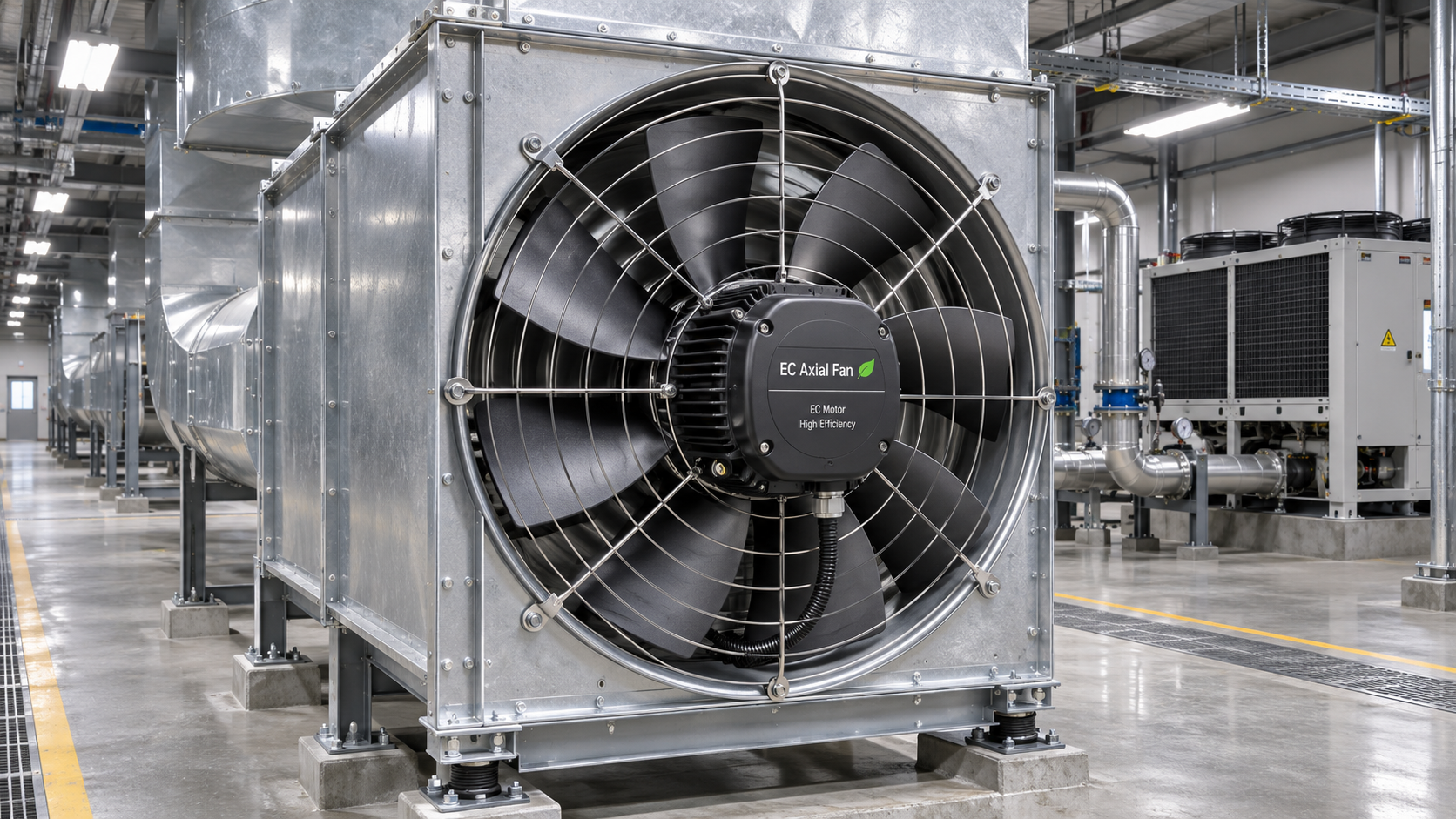
ABB is a multinational technology company. It has announced an agreement to acquire Ziehl-Abegg, a German manufacturer of high-efficiency electronically commutated, or EC, fans, motors and ventilation control systems. The stated enterprise value of the transaction is $2.65 billion.
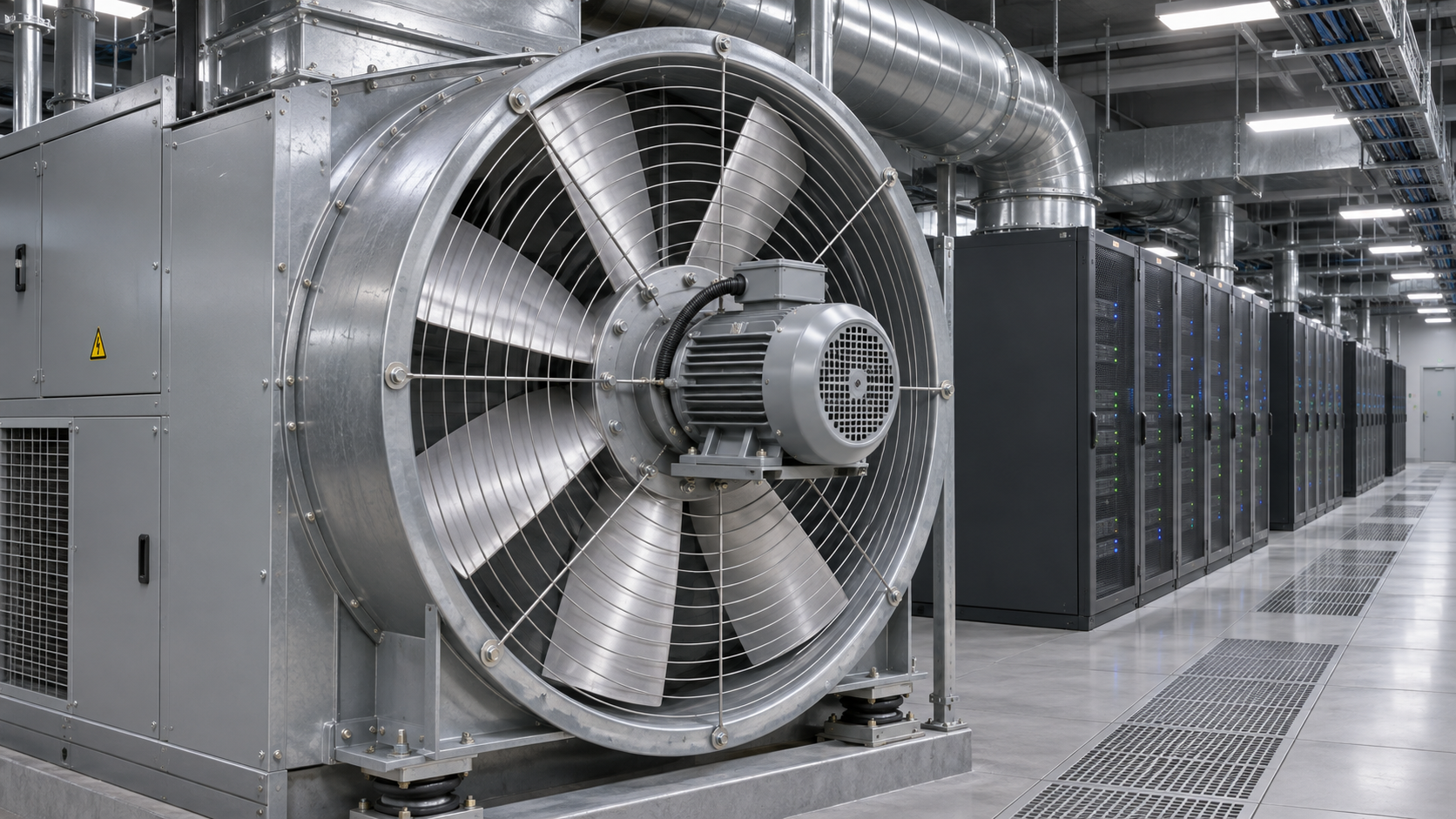
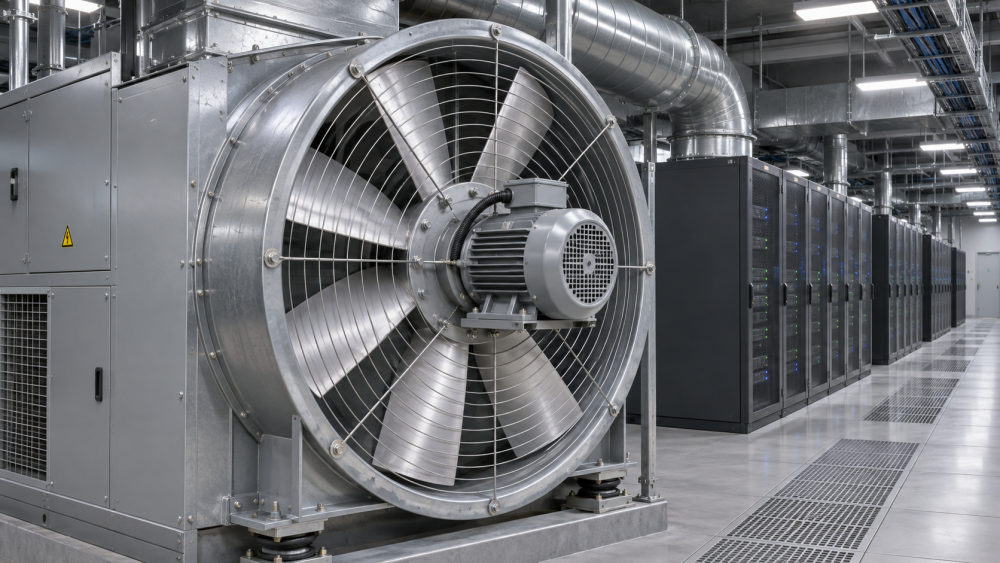
ABB intends to add Ziehl-Abegg’s EC fan technology to its motion business portfolio and combine it with ABB’s motor and drive expertise. The stated objective is to improve the overall energy efficiency of heating, ventilation and air conditioning (HVAC) and industrial cooling systems, while addressing growing demand for efficient cooling from applications such as data centers.
Where System Efficiency Could Reshape Purchasing Decisions
Cooling Equipment Manufacturers and Integrators
From an industry perspective, the proposed combination draws attention to how fans, motors, drives and controls perform together. Manufacturers and integrators may need to assess whether a future product offering changes the options available when designing HVAC or industrial cooling equipment. That assessment would depend on technical details that have not been provided in the announcement summary.
For a system integrator, a relevant question is whether performance information can be evaluated at the level of the complete cooling system as well as the individual component. Buyers may find it useful to compare the conditions under which efficiency figures are measured, the compatibility of controls and drives, and the documentation available for the configuration being considered. These are analytical considerations, not newly announced requirements.
Equipment makers may also want to distinguish between a component substitution and a redesign of the wider system. Even if a future fan, motor or control option appears suitable on its own, its effect on the complete installation would need to be assessed against the intended operating conditions. The input does not establish that ABB has released a combined product or changed any existing specification.
Data Center and Industrial Cooling Buyers
Analysis suggests that buyers seeking efficient cooling may pay closer attention to supplier proposals that describe the interaction between fans, drives and controls. In a procurement process, that could affect the questions asked during technical evaluation and the evidence requested to support an efficiency claim. The announcement itself does not establish any new purchasing obligation or guarantee a particular efficiency improvement.
Prospective buyers could ask suppliers to identify the equipment configuration behind their performance statements and explain how it relates to the proposed installation. Where alternative solutions are being compared, using consistent operating assumptions would help make the comparison meaningful. Any acceptance criteria would remain dependent on the buyer’s own specifications and the applicable requirements for the project.
Suppliers, Channels and Service Providers
Suppliers and distribution partners may want to monitor whether the transaction eventually leads to changes in product availability, technical support or commercial arrangements. Service providers could similarly be affected if future equipment configurations require different documentation, replacement parts or support procedures. None of those changes is confirmed by the information supplied.
For existing procurement and service planning, the practical issue is to establish what the relevant supplier has actually communicated for the products involved. A signed acquisition agreement alone does not identify a change in delivery terms, supplier qualifications, warranty arrangements or service responsibilities. Businesses should therefore verify any proposed change before incorporating it into customer commitments.
Questions to Put to Suppliers Before Specifications Change
Confirm the Transaction and Product Scope
As a precaution, buyers and business partners can seek updated statements from the companies about the status of the agreement and any intended effect on the products they purchase or specify. The information provided confirms that an agreement was signed; it does not state that the acquisition has closed or describe an integration schedule.
When reviewing a future proposal, a buyer could ask which fan, motor, drive and control products are included, whether they are offered as individual components or as a configured system, and who is responsible for technical support. This would help distinguish an announced strategic objective from a product offer available for a particular project.
Review Technical Evidence and Certification
Before accepting a new or revised configuration, procurement and engineering teams may wish to request current technical documents, relevant test evidence and details of any applicable certifications. The appropriate documents will depend on the equipment, intended use and project requirements. The supplied information does not identify a new certification, a revised standard or a change in regulatory compliance status.
It may also be useful to check whether certificates and reports apply to the exact product and configuration under consideration. If a project specification refers to performance at particular operating conditions, buyers can ask how the supplier’s evidence corresponds to those conditions. Such checks are proposed due diligence, not obligations created by this announcement.
Protect Delivery and Traceability Assumptions
Procurement teams could review whether future quotations clearly identify lead times, product versions, documentation and the party responsible for delivery. Where a project depends on continuity of supply, asking suppliers to confirm any planned changes would provide a basis for adjusting procurement schedules if necessary. The input does not report a disruption or a change to delivery commitments.
For maintenance planning, buyers may also consider confirming how the supplied configuration will be identified and how replacement components and technical records can be requested. If a supplier proposes an alternative product, its suitability should be evaluated against the project’s technical and contractual requirements before adoption. No specific replacement or transition plan has been provided.
Check Tender Language Against Verified Offers
Organizations preparing tenders may want to keep performance and documentation criteria clear enough to evaluate competing configurations consistently. If a future offer combines EC fans with motors, drives or controls in a different way, the tender team could check whether the submitted evidence addresses the complete scope of supply.
Analysis suggests that this is particularly relevant where a purchasing decision depends on overall cooling-system efficiency rather than a single component claim. The announcement does not say that tender rules have changed. Any revision to tender language would be a buyer decision, informed by verified product information and the requirements applicable to that project.
A Commercial Signal, with Rule Changes Still Unconfirmed
At this stage, it is more appropriate to understand the announcement as a proposed business transaction and a signal of ABB’s intended product direction than as an implemented policy or regulatory change. The information supplied identifies no new law, standard, certification requirement or trade measure. It also does not establish that procurement practices across the industry have already changed.
What deserves closer attention is whether subsequent company communications describe a completed transaction, a specific combined offering or changes to technical documentation and customer support. If those details emerge, buyers and integrators can assess their relevance to existing specifications and projects. Until then, claims about particular products, timing or market effects remain unconfirmed.
Industry feedback may also clarify whether system-level efficiency becomes a more prominent factor in actual tenders or supplier evaluations. That would be a matter for observation, not a conclusion that can be drawn from the agreement alone. Any regulatory, certification or trade implications would likewise need to be checked against relevant official information and the circumstances of the product and market concerned.
How to Treat the Announcement in Current Projects
The proposed acquisition connects EC fan technology with ABB’s stated motor and drive expertise in pursuit of more efficient HVAC and industrial cooling. For the industry, its immediate practical value lies in identifying questions to ask about future product configurations, supporting evidence and supplier arrangements.
Businesses can continue to evaluate projects against their existing specifications while monitoring verified updates. The announcement provides a basis for preparation and supplier dialogue; it does not by itself establish new compliance duties, confirmed delivery changes or a measurable improvement in a particular installation.
Basis for This Report and Further Verification
This article is based on the user-provided news title, event-time information and event summary. The event date was not specified, and no specific official source link was provided in the input. The transaction and any subsequent developments should therefore continue to be verified against reliable information.
Relevant material for follow-up may include company announcements, statements from regulatory authorities, standards organization documents and authoritative media reports. Depending on what is subsequently published, businesses may also need to monitor any relevant policy details, certification interpretations, tender changes, trade implementation, industry feedback and company execution. No specific change in those areas is established by the information provided.
Ready when you are. Send us a message to get started.
Related News
- ABB to Acquire German Fan Maker Ziehl-Abegg for $2.65 BillionAuthor :

- How does enclosure design affect heat dissipation in smart devices?Author :

- ABB Announces $2.65 Billion Deal to Acquire EC Fan Maker Ziehl-AbeggAuthor :

- MIIT's Fifth Standards Plan Launches AC Piping Revision to Address Refrigerant LeaksAuthor :

- German Refrigeration Groups Challenge PFAS Study, Urge Application-Based RulesAuthor :

- How to find equipment applications in an industrial knowledge baseAuthor :

- UNEP and U4E Release Sustainable Procurement Guides for Cooling and HeatingAuthor :

- Can skid-mounted thermal integration reduce plant energy use?Author :

- Cybersecurity Firm Detects Login Attempts Targeting Danfoss Refrigeration ControllersAuthor :

- How to choose a cooling solution for a high-power PCBAuthor :

- EU Monitors Cyberattacks on European Supermarket Refrigeration SystemsAuthor :

- How to assess a pure power source manufacturer's voltage stabilityAuthor :

- EHPA Seeks Inclusion of Heat Pumps in €175 Billion EU Research PlanAuthor :

- US to Lift 50% Tariff on Some Canadian Refrigeration EquipmentAuthor :

- Chillventa 2026 Sets Records for Exhibitor and Visitor NumbersAuthor :

- Carrier Plans $600 Million Manufacturing and Engineering Center in Fort WorthAuthor :

- Semiconductor Thermal Management: Low Vibration Design PrioritiesAuthor :

- Thermal Interface Materials: What Drives Real Thermal OptimizationAuthor :
![]()
- Global Energy Costs in Europe: What Changed in 2026Author :

- Smart Device Thermal Management: Common Failures and FixesAuthor :

- Thermal Efficiency Optimization: 5 Signs Your System Is Losing HeatAuthor :

- How Precision Temperature Control Systems Improve Process StabilityAuthor :

- How Intellectualization Improves Process Visibility in Modern PlantsAuthor :

- Global Energy Costs in 2026: What Rising Prices Mean for Plant PlanningAuthor :

- Carbon Neutrality Roadmaps: Common Gaps in Industrial PlanningAuthor :

- Heat Transfer Basics: What Affects Efficiency in Industrial EquipmentAuthor :

- Industrial Thermal Systems: Common Failure Risks in Continuous OperationAuthor :

- Global Energy Costs: 2026 Risk Signals to WatchAuthor :

- Pneumatic Power Systems: Common Sizing Mistakes to AvoidAuthor :

- How Thermal Power Systems Cut Downtime in 2026Author :

- Clean Energy Technology Trends Reshaping Industry in 2026Author :

- Pneumatic Power Systems: Key Checks Before Equipment SelectionAuthor :

- Compression Technology Mistakes That Raise Maintenance RiskAuthor :

- Clean Energy Technology Risks to Watch in 2026 ProjectsAuthor :

- Smart Thermal Systems: 5 Signals Your Controls Are Wasting HeatAuthor :

- How to Size Pneumatic Power Systems for Stable OutputAuthor :