CRPI Up 12.7% in April: R32 & R134a Supply Tightens Globally




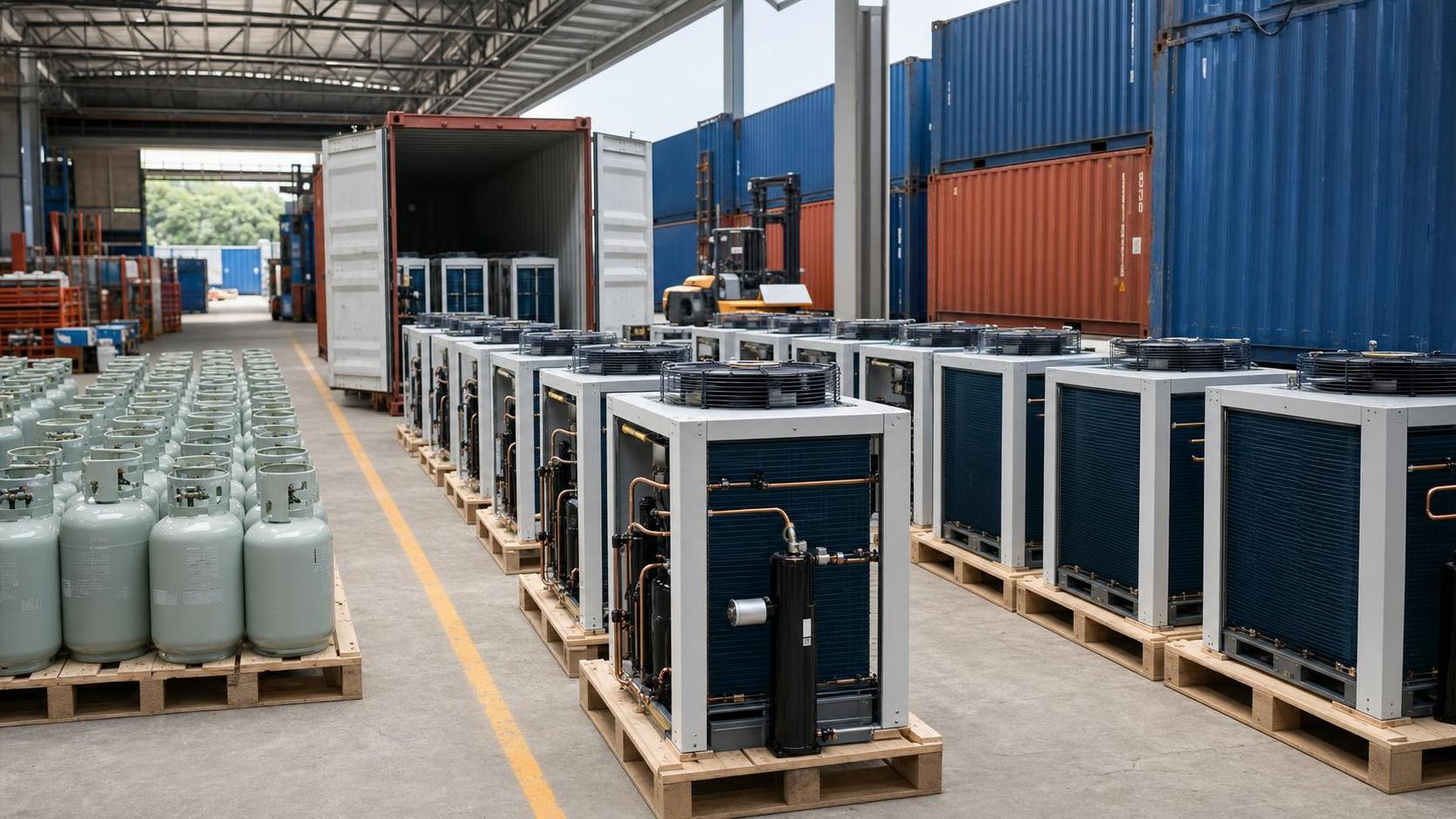
Global refrigerant prices rose significantly in April 2026, with the Composite Refrigerant Price Index (CRPI) increasing 12.7% month-on-month — driven primarily by tightening supply of R32 and R134a. Released on May 4, 2026 by the International Refrigerant Industry Association (IRIA), the data signals emerging cost pressures for industrial chillers and cold storage system exporters. Stakeholders in HVAC&R manufacturing, cold chain logistics, and international procurement should monitor developments closely, as pricing volatility may affect Q2 2026 procurement planning and landed costs.
Event Overview
According to the IRIA’s CRPI report published on May 4, 2026, the global average price of R32 reached $28.3/kg in April 2026 — a 14.2% increase from March. R134a averaged $22.1/kg, up 11.6% month-on-month. The IRIA attributes this rise to two confirmed factors: tightened HFC production quotas in China and heightened pre-monsoon inventory building in India.
Impact on Specific Industry Segments
Direct Trading Enterprises
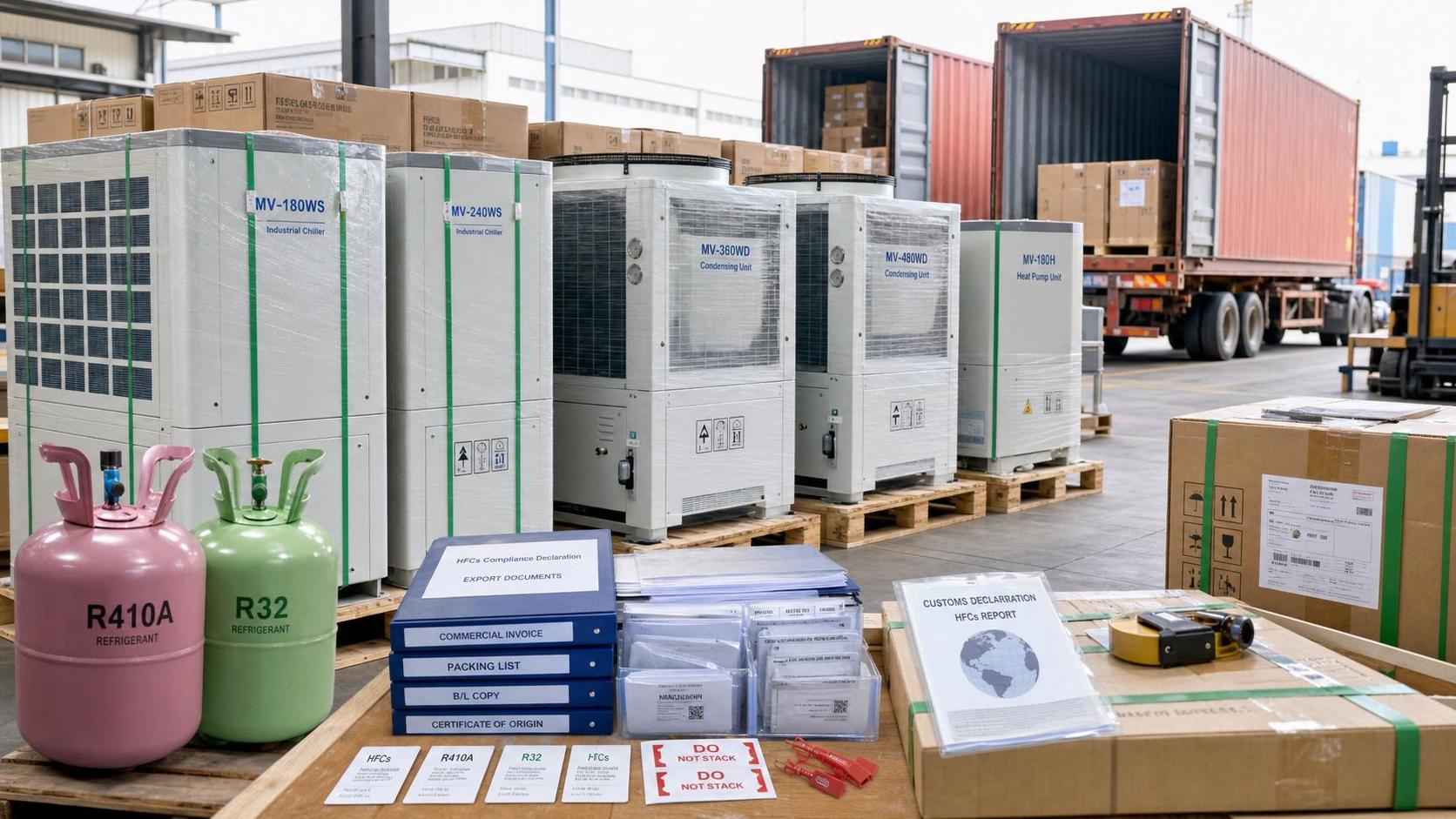
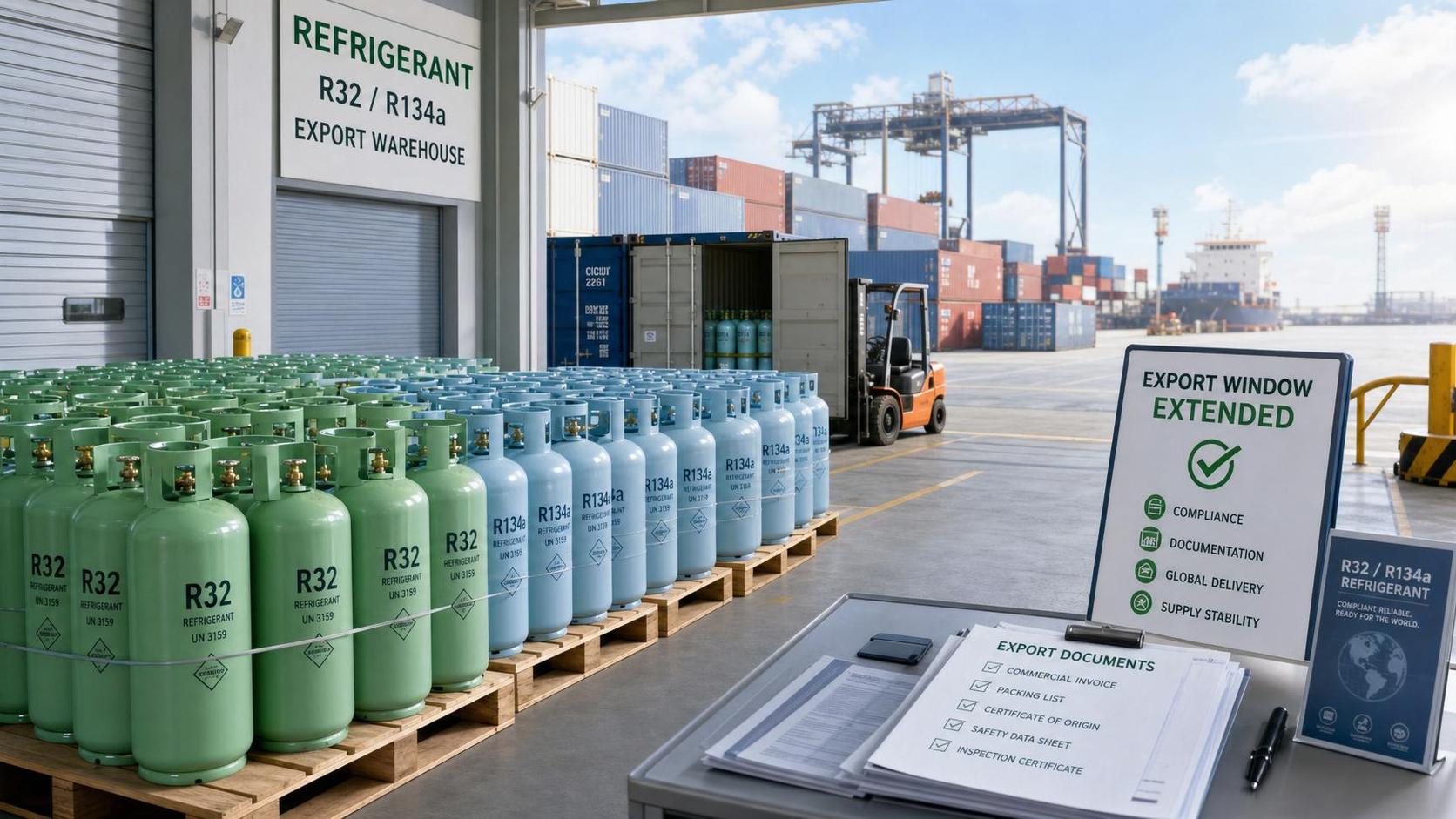
Trading firms handling spot or contract-based refrigerant exports face compressed margins due to rapid price appreciation. Since R32 and R134a are widely used in OEM chiller charging and aftermarket servicing, rising input costs directly affect quotation stability and order fulfillment timelines — especially for cross-border shipments requiring customs clearance and quality certification.
Raw Material Procurement Teams
Procurement departments sourcing refrigerants for downstream assembly (e.g., compressor or chiller OEMs) encounter reduced visibility into mid-term cost predictability. With no official indication of quota relaxation or new capacity ramp-up in China, forward pricing windows have narrowed — making traditional quarterly bidding cycles less reliable.
Equipment Manufacturing Firms
Manufacturers of industrial chillers and cold storage systems — particularly those exporting to Asia-Pacific and Middle Eastern markets — face higher bill-of-materials (BOM) costs. Since R32 is commonly used in high-efficiency air-cooled chillers and R134a remains prevalent in transport refrigeration units, even modest volume increases in these gases raise per-unit production costs and may delay shipment schedules if alternative blends require re-certification.
Distribution & Channel Operators
Regional distributors holding inventory in India, Southeast Asia, and the Gulf Cooperation Council (GCC) countries report accelerated stock turnover ahead of monsoon season. However, they also observe tighter credit terms from upstream suppliers and longer lead times for containerized shipments — suggesting potential short-term liquidity pressure and channel margin compression.
What Relevant Enterprises or Practitioners Should Monitor and Act On
Track official policy updates from China’s Ministry of Ecology and Environment
The April price surge coincides with enforcement of the 2026 HFC production quota allocation under China’s HFC Phase-down Management Measures. Observably, any revision to provincial allocation plans or early release of Q3 quotas would signal near-term supply relief — but no such update has been issued as of May 4, 2026.
Focus on R32 and R134a pricing trends in key export destinations
India’s pre-monsoon procurement cycle typically peaks between April and June. Analysis shows that regional price premiums for these grades often widen during this window — meaning overseas buyers importing into India may face additional landed cost surcharges beyond base CRPI figures.
Lock in delivery commitments for orders scheduled between May and October 2026
The IRIA’s advisory explicitly recommends securing firm delivery terms within six months. From an operational standpoint, this implies finalizing contracts with clear INCOTERMS (e.g., CIF or DAP), agreed-upon refrigerant charge specifications, and documented liability clauses covering price adjustment triggers — rather than relying on open-ended purchase orders.
Review refrigerant blend alternatives against certification timelines
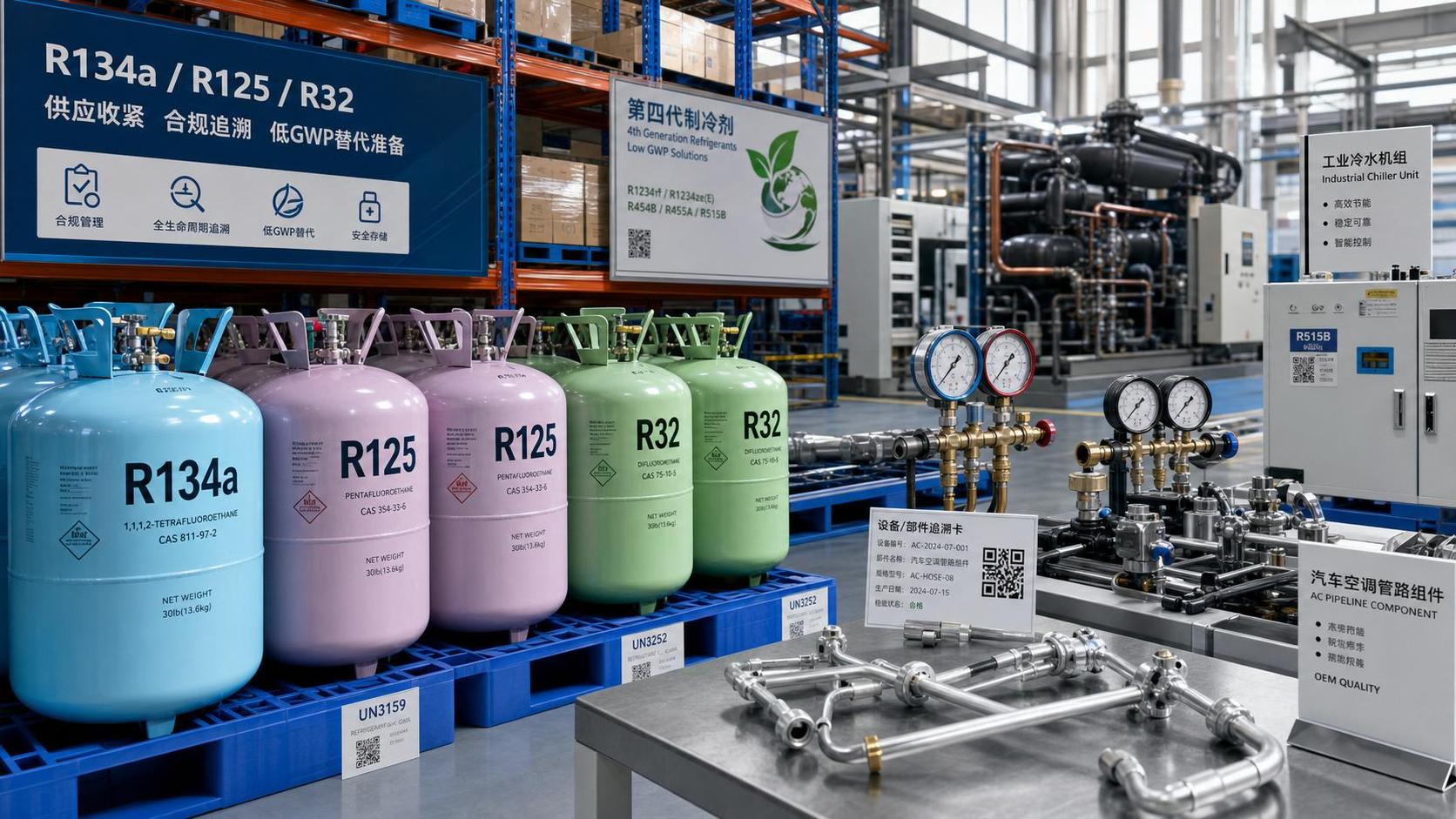
While R32 and R134a remain dominant, some manufacturers are evaluating low-GWP alternatives (e.g., R1234yf, R513A). However, analysis shows that full system revalidation — including safety testing, component compatibility, and regional regulatory approvals — typically requires 6–9 months. Therefore, switching blends is not a near-term mitigation option for current production lines.
Editorial Perspective / Industry Observation
This CRPI update is better understood as an early signal of structural supply constraint — not merely cyclical price fluctuation. Observably, the confluence of China’s regulatory enforcement and India’s seasonal demand pattern reflects growing alignment between environmental policy and regional infrastructure cycles. From an industry perspective, it marks the first time since 2023 that both R32 and R134a moved upward simultaneously amid unchanged global demand forecasts — suggesting underlying capacity limitations rather than speculative trading. Continued monitoring is warranted, particularly around Q3 quota announcements and Indian monsoon onset timing, which historically influence inventory drawdown rates.
Conclusion
This April CRPI increase underscores how climate policy implementation — even when nationally scoped — can rapidly propagate across global HVAC&R value chains. It does not yet indicate a broad-based shortage, but rather a localized tightening affecting two critical workhorse refrigerants. Current conditions favor proactive procurement discipline over reactive cost absorption, especially for firms with exposure to Indian or Chinese-sourced components. More broadly, the episode highlights the growing interdependence between environmental regulation, regional weather patterns, and industrial cost structures — a dynamic likely to intensify through the 2026–2027 compliance horizon.
Information Sources
Main source: International Refrigerant Industry Association (IRIA), CRPI Monthly Report, released May 4, 2026.
Note: Ongoing observation is recommended for China’s HFC quota reallocation decisions (expected by late June 2026) and India’s monsoon onset date (typically June 1–10, subject to India Meteorological Department updates).
Related News
- EU PFAS Curbs Raise Compliance Review for Cooling ExportsAuthor :Cryogenic Systems Expert

- EU PFAS Proposal Puts Refrigerant and Vacuum Exports Under ReviewAuthor :Cryogenic Systems Expert

- EU REACH PFAS Draft Raises New Export ChecksAuthor :Cryogenic Systems Expert

- EU Cuts High-GWP Refrigerant Import Quotas by 35%Author :Cryogenic Systems Expert

- EU Cuts Q4 2026 Quotas for High-GWP RefrigerantsAuthor :Cryogenic Systems Expert

- EU F-Gas Revision Cuts R410A Quotas 40%Author :Cryogenic Systems Expert

- EPA Freezes R-410A Quotas, Fast-Tracks R-32Author :Cryogenic Systems Expert

- Low GWP Refrigerants HFO Blends: Key Stability and Safety FactorsAuthor :Cryogenic Systems Expert

- R-32 Price Spike Reshapes Chiller ProcurementAuthor :Cryogenic Systems Expert

- How to Compare Environmentally Friendly Refrigerants by GWP, Safety, and CostAuthor :Cryogenic Systems Expert

- R-454B Export Quota Cut 18% as Lead Times DoubleAuthor :Cryogenic Systems Expert

- Japan Cuts R32 and R290 Import Quotas From July 10Author :Cryogenic Systems Expert

- EPA Cuts R-134a Import Quotas 42% From July 2026Author :Cryogenic Systems Expert
![]()
- Low GWP Refrigerants HFO Blends: Performance and Compliance in 2026Author :Cryogenic Systems Expert

- R-513A Jumps 23% as China Tightens Export QuotasAuthor :Cryogenic Systems Expert

- Environmentally Friendly Refrigerants in 2026: Compliance Risks and Upgrade PrioritiesAuthor :Cryogenic Systems Expert

- Pharmaceutical Temperature Control Systems: Common Compliance RisksAuthor :Cryogenic Systems Expert

- China Tightens Q3 R32 Export QuotasAuthor :Cryogenic Systems Expert

- California EPR Deadline Nears for Refrigeration MakersAuthor :Cryogenic Systems Expert

- Resource Circularity Trends Reshaping Refrigerants and Cooling SystemsAuthor :Cryogenic Systems Expert

- HFCs Filing Rules Enter Full EnforcementAuthor :Cryogenic Systems Expert

- How Environmentally Friendly Refrigerants Affect Chiller ComplianceAuthor :Cryogenic Systems Expert

- EU REACH Tightens Refrigerant Impurity Limits for R134a ExportsAuthor :Cryogenic Systems Expert

- China Seeks Feedback on 2027 Refrigerant QuotasAuthor :Cryogenic Systems Expert

- EU to Ban High-GWP ACs in 2029 as R410A Exits HomesAuthor :Cryogenic Systems Expert

- US, UK Delay HFC Phaseout, Extending R32/R134a Export WindowAuthor :Cryogenic Systems Expert

- EU HFC Cut Tightens by 2029 as Gen-3 Output Falls 10%Author :Cryogenic Systems Expert

- Kuwait Bans HCFC AC Imports as Shift to R32/R290 Speeds UpAuthor :Cryogenic Systems Expert

- Saudi SASO Rules Tighten AC Imports in DecemberAuthor :Cryogenic Systems Expert

- Environmentally Friendly Refrigerants: Compliance, Safety, and Retrofit RisksAuthor :Cryogenic Systems Expert

- SABIC Force Majeure Keeps Chiller Refrigerant Supply TightAuthor :Cryogenic Systems Expert

- SABIC Force Majeure Tightens Refrigerant FeedstocksAuthor :Cryogenic Systems Expert

- UL 60335-2-89 Tightens R290 Leak Test RulesAuthor :Cryogenic Systems Expert
![]()
- UL 60335-2-89 Adds R290 Vacuum Leak TestAuthor :Cryogenic Systems Expert

- Global Refrigerant Price Index Falls 8.3% MoM in MayAuthor :Cryogenic Systems Expert
![]()
- PSA Jurong Island Launches Mandatory Cold-Chain Traceability for RefrigerantsAuthor :Cryogenic Systems Expert
![]()