EU PFAS Ban on Refrigeration Equipment Takes Effect May 2026




Starting 1 May 2026, the European Union will enforce new restrictions under REACH prohibiting the import of industrial refrigeration equipment containing per- and polyfluoroalkyl substances (PFAS). This measure directly affects manufacturers and exporters of industrial chillers, cold storage systems, and related refrigerants — particularly those supplying the EU market from China and other third countries.
Event Overview
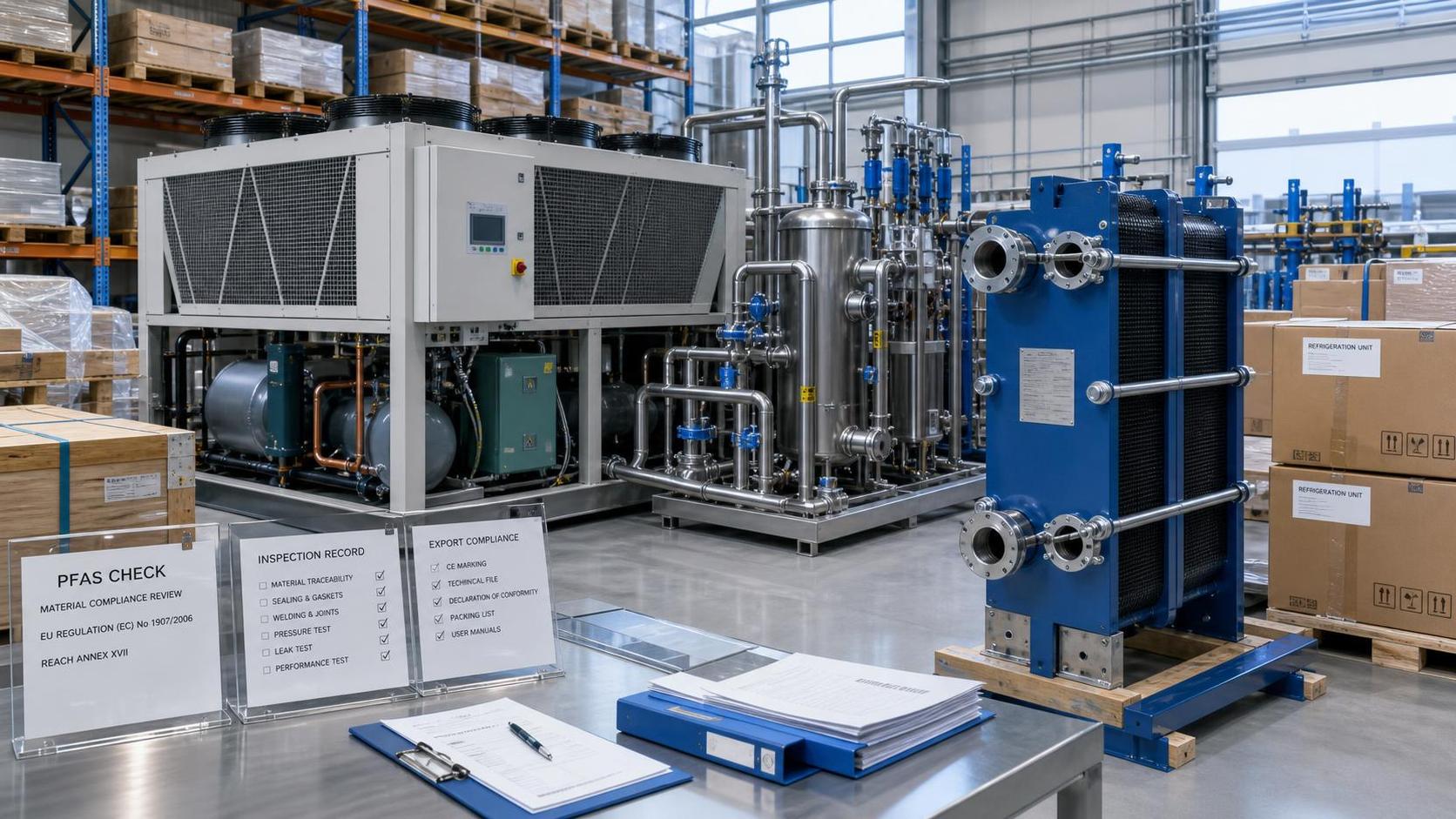
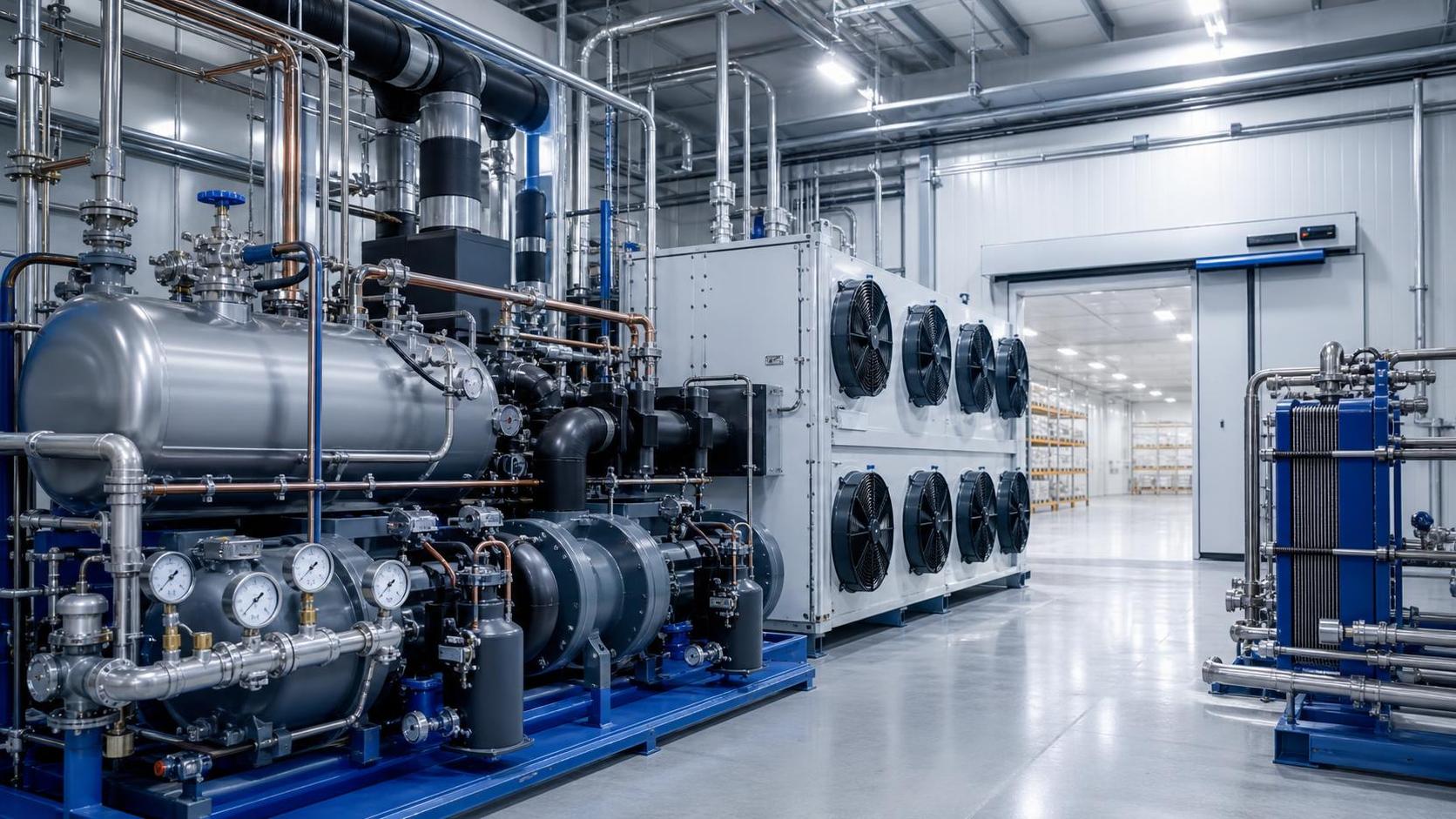
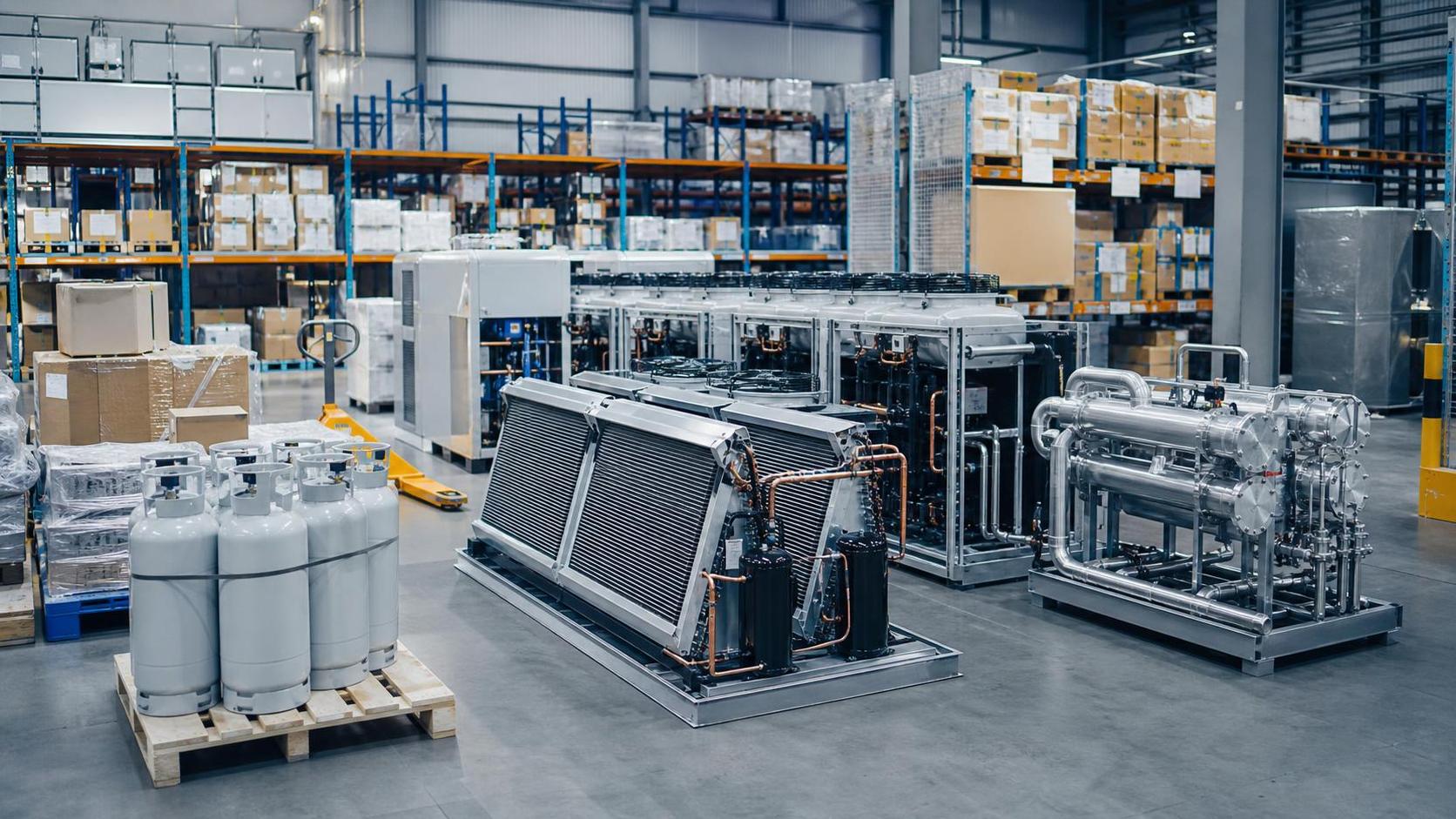
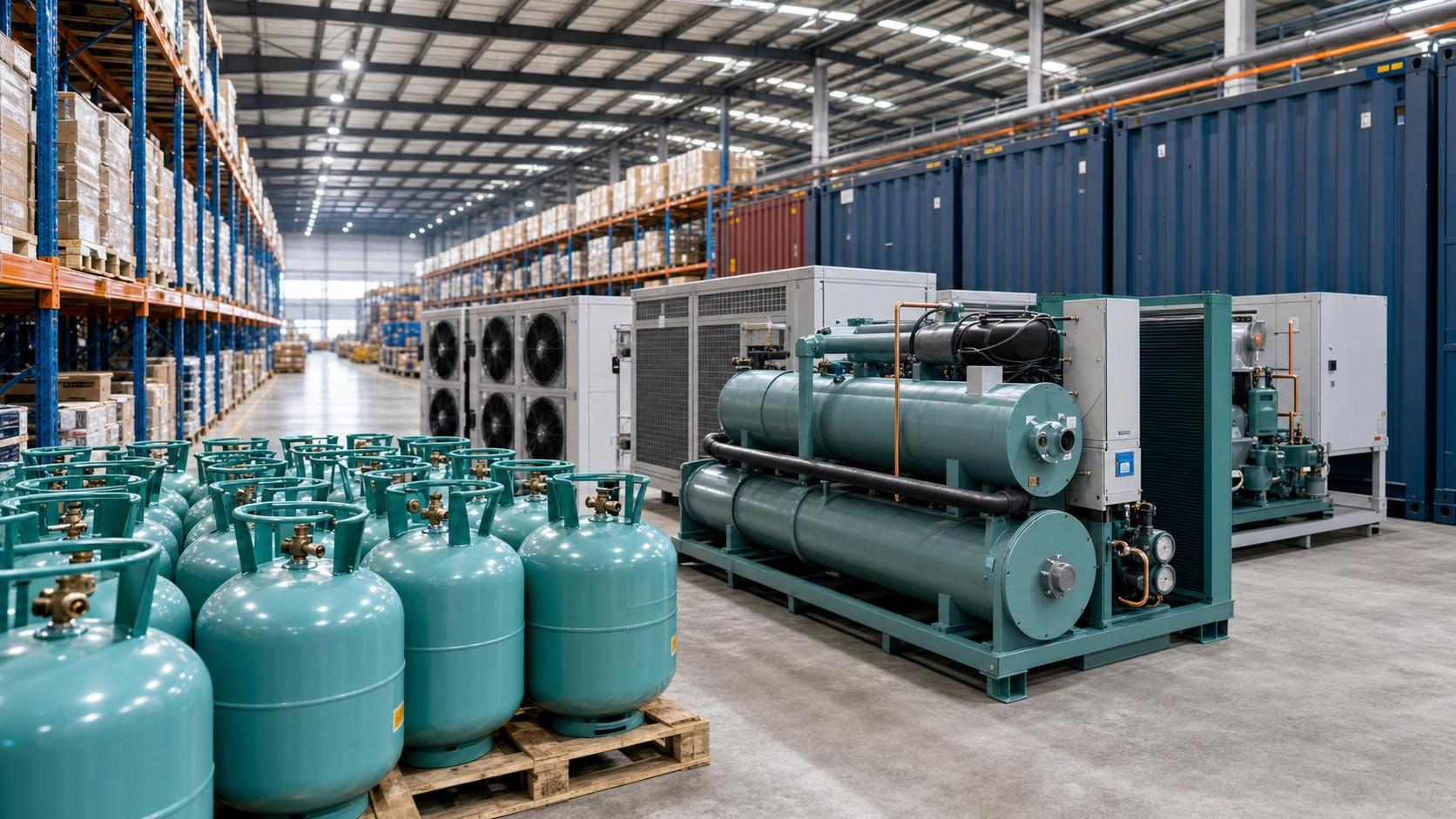
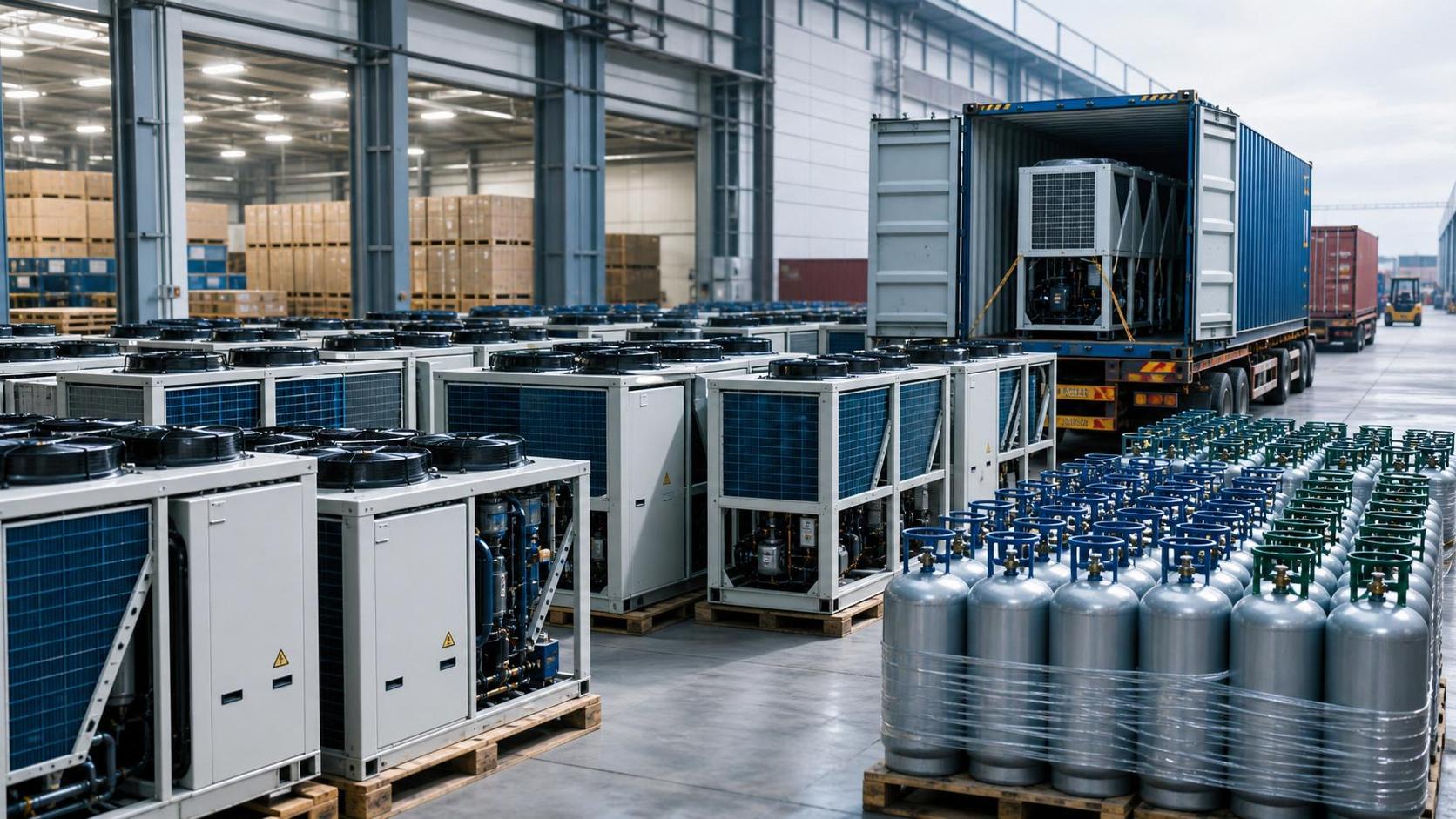
Effective 1 May 2026, the EU’s REACH Regulation introduces a comprehensive import ban on industrial refrigeration equipment containing PFAS. Covered equipment includes condensing units, industrial chillers, and low-temperature storage and transport systems. The restriction applies to all such devices placed on the EU market, regardless of origin. Official documentation confirms this is a binding regulatory amendment published under the REACH framework, with no transitional period for affected product categories.
Industries Affected
Direct Exporters & Trading Companies
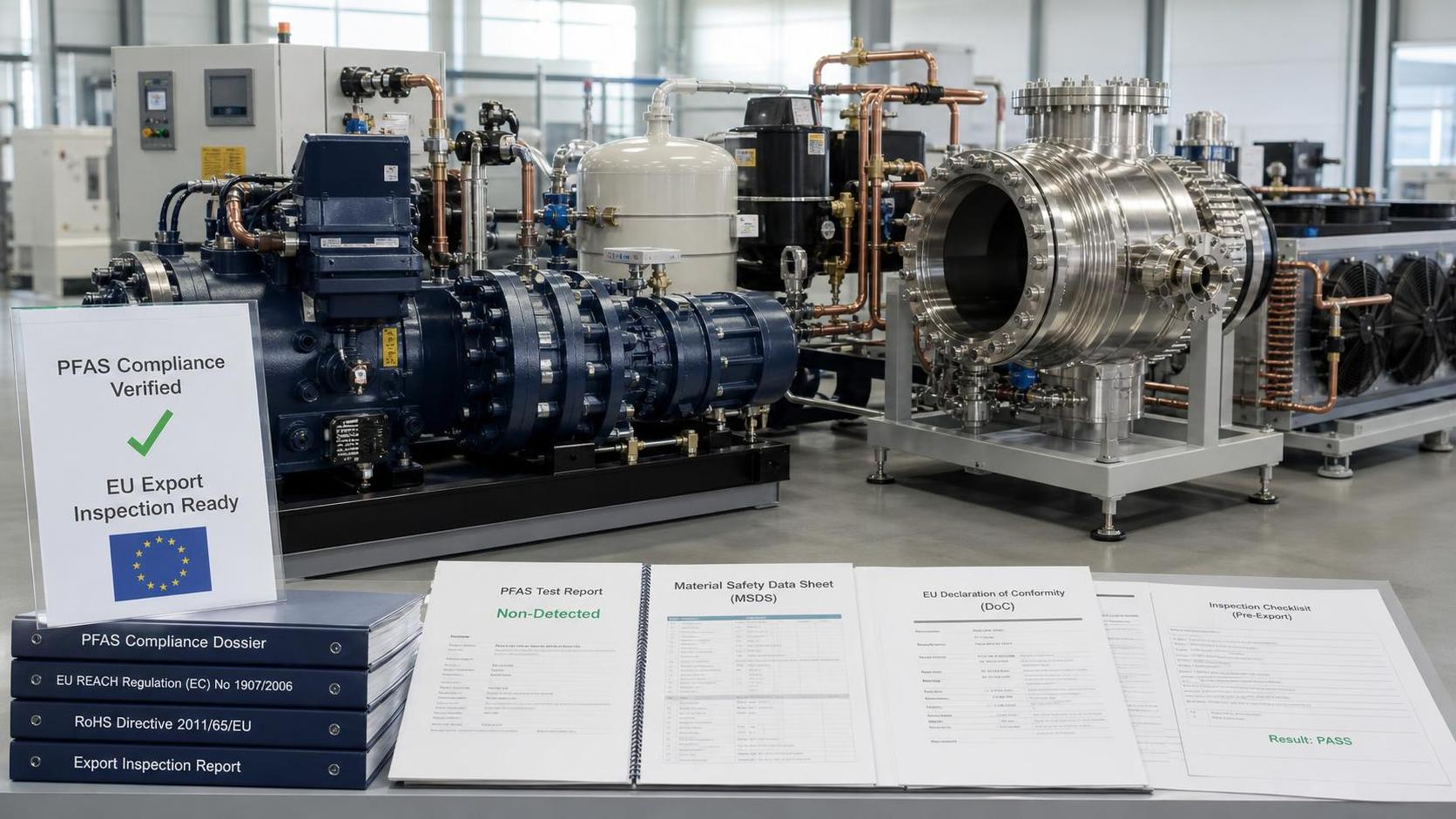
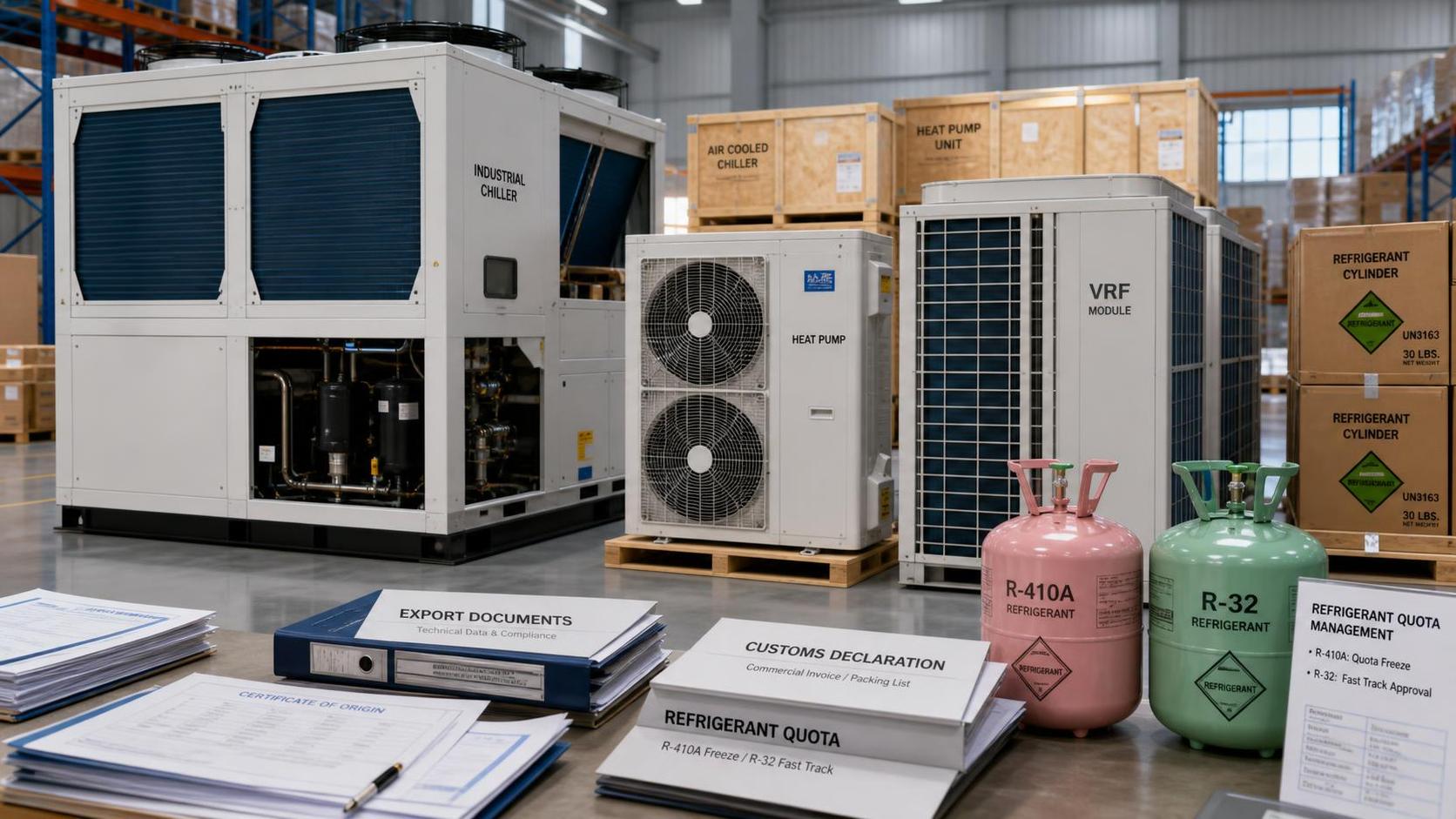
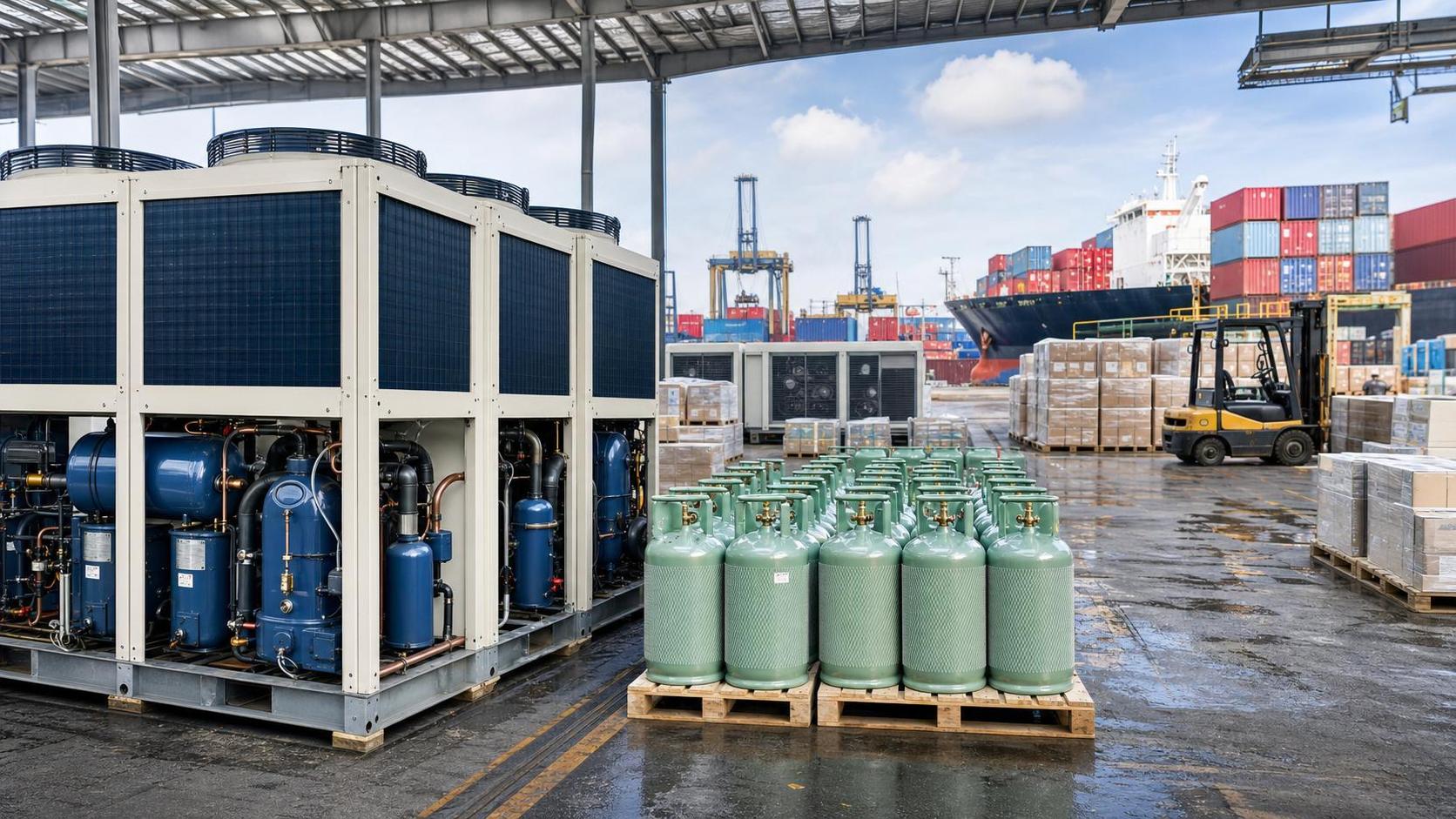
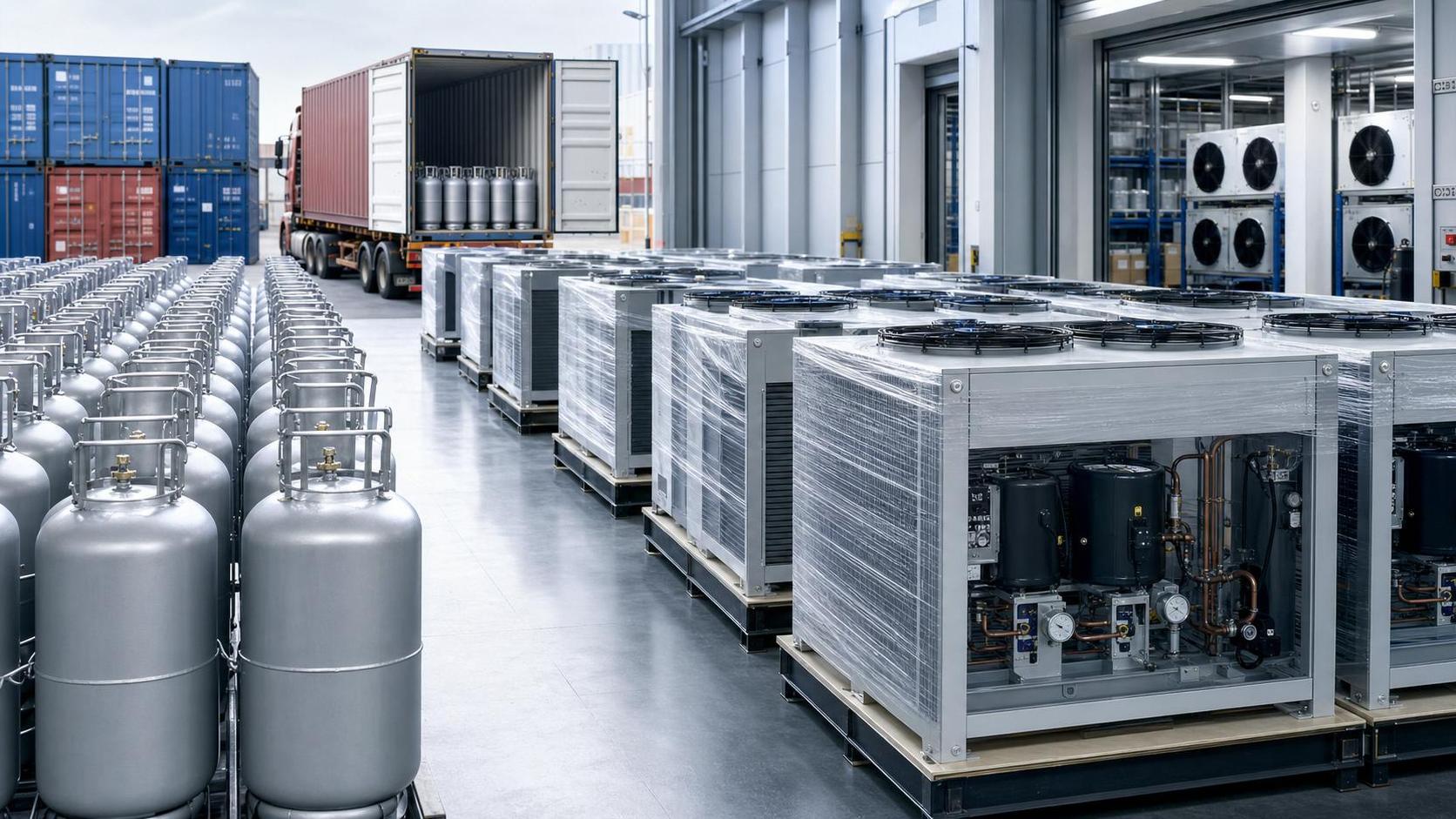
Companies exporting industrial chillers, cold storage units, or refrigerant-containing systems to the EU will face immediate customs rejection if products contain PFAS-based refrigerants (e.g., certain HFCs, HFEs, or legacy blends with fluorinated components). Compliance verification — including technical dossiers, safety data sheets (SDS), and substance declarations — becomes mandatory prior to shipment.
Equipment Manufacturers & OEMs
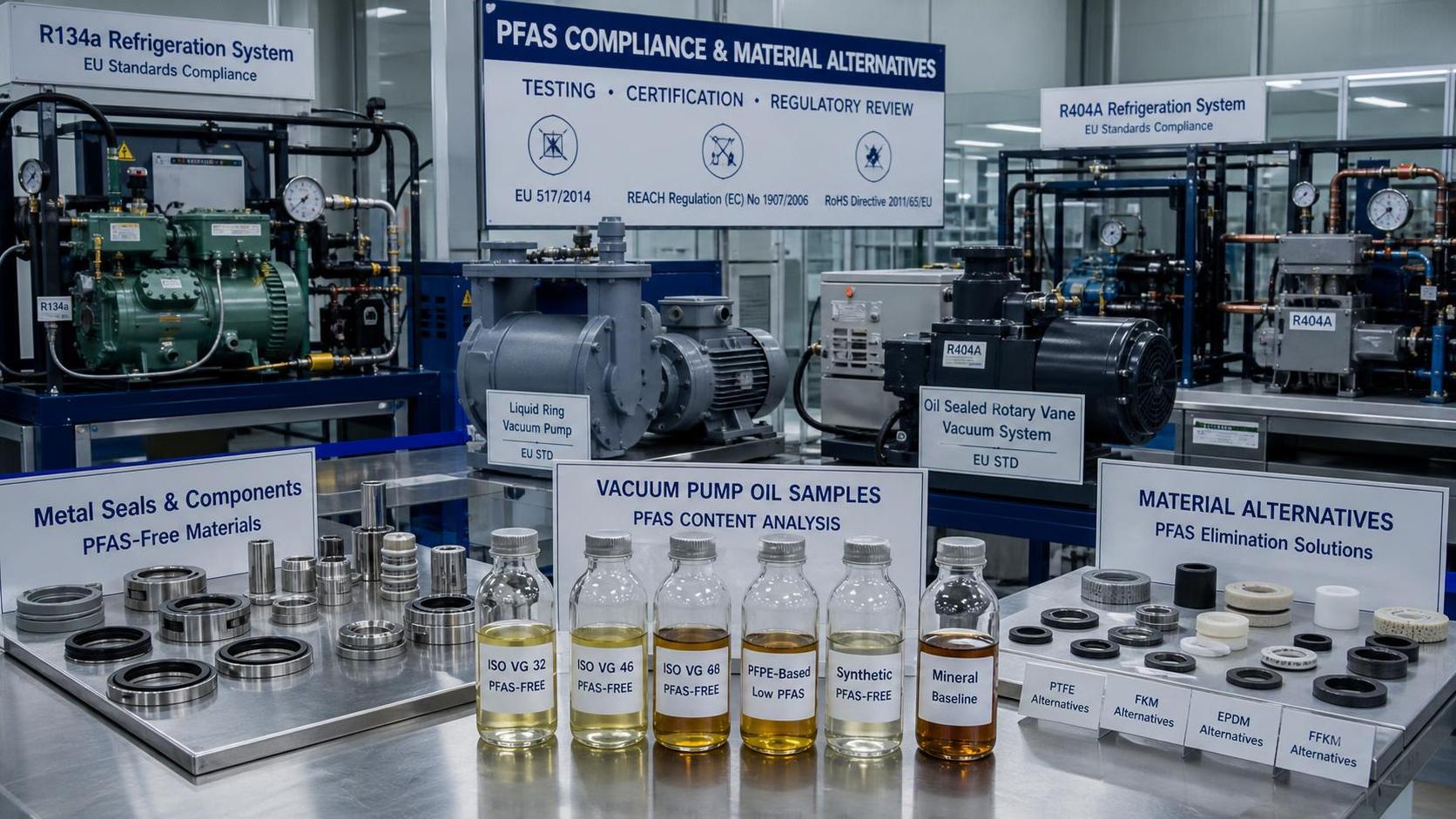
Manufacturers producing refrigeration systems for EU-bound export must review refrigerant selection, component specifications (e.g., seals, lubricants, heat exchangers), and certification pathways. PFAS may be present not only in refrigerants but also in secondary materials — requiring full bill-of-materials (BOM) screening.
Refrigerant Producers & Distributors
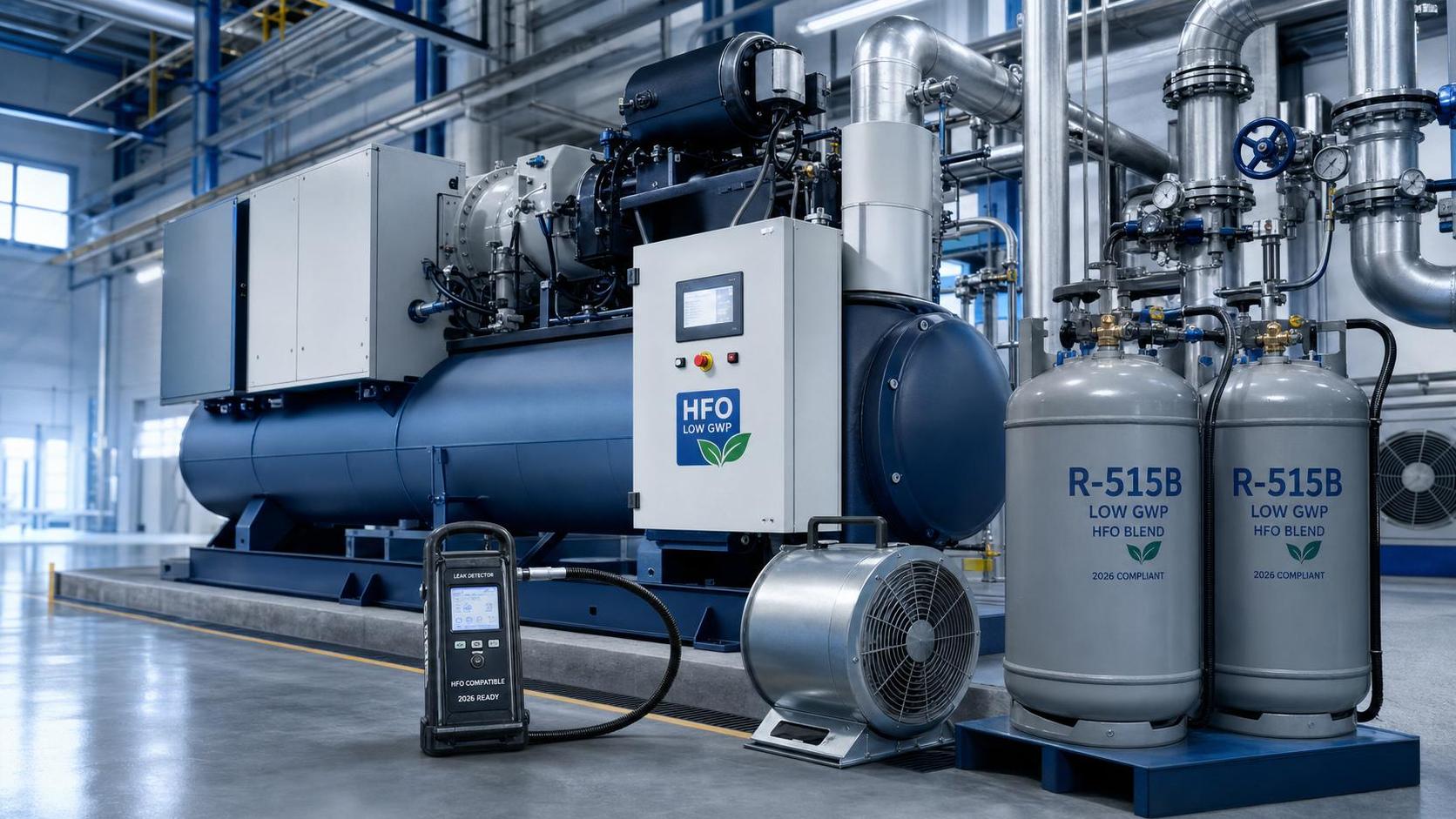
Suppliers of refrigerants used in industrial chillers and cold storage must confirm whether their formulations fall under the PFAS definition as interpreted by ECHA. Certain hydrofluoroolefins (HFOs) and newer low-GWP alternatives may still qualify as PFAS depending on molecular structure — necessitating precise chemical classification.
Supply Chain & Certification Service Providers
Third-party testing labs, REACH compliance consultants, and logistics providers handling EU-bound refrigeration shipments will see increased demand for PFAS-specific analytical testing (e.g., OECD 495-compliant methods), declaration support, and pre-clearance documentation review.
What Enterprises Should Monitor and Do Now
Track official ECHA guidance and enforcement clarifications
ECHA has not yet published detailed annexes listing prohibited substances or exempted applications. Companies should monitor ECHA’s REACH Annex XVII updates and upcoming Q&A documents — especially regarding borderline cases (e.g., short-chain vs. long-chain PFAS, polymer-bound fluorinated additives).
Verify refrigerant composition and equipment certification status
Exporters must obtain updated SDS and substance declarations from refrigerant suppliers and equipment OEMs. Where internal reformulation is underway, traceability of refrigerant batches and supporting test reports (e.g., 19F-NMR or LC-MS/MS analysis) should be secured before Q4 2025.
Distinguish between regulatory signal and operational impact
This restriction targets *import* — not use or sale within the EU — meaning existing installed equipment remains unaffected. However, spare parts, retrofits, and service contracts involving PFAS-containing components may require re-evaluation under national enforcement policies.
Prepare documentation, procurement, and communication plans
Procurement teams should engage refrigerant suppliers now to confirm alternative formulations; quality departments should update internal compliance checklists; and sales teams should proactively inform EU buyers about revised timelines and documentation requirements to mitigate order cancellation risk.
Editorial Perspective / Industry Observation
Observably, this regulation represents a policy signal with near-term operational consequences — not merely a long-term environmental target. It reflects tightening alignment between EU chemical policy and climate goals, as many PFAS-based refrigerants overlap with high-GWP substances targeted under the F-Gas Regulation. Analysis shows that while the legal trigger is REACH, enforcement will likely intersect with customs controls and market surveillance under the EU Market Surveillance Regulation (EU) 2019/1020. From an industry perspective, this is less a standalone ban and more a convergence point: PFAS restrictions are increasingly acting as a de facto accelerator for low-GWP, non-fluorinated, and natural-refrigerant system adoption — especially in industrial chilling and cold chain infrastructure.
Conclusion
While the May 2026 effective date provides a defined timeline, the practical challenge lies in verifying PFAS presence across complex equipment systems — where fluorinated compounds may reside beyond the refrigerant itself. This restriction does not eliminate PFAS-related trade but shifts compliance responsibility upstream, making technical due diligence and supply chain transparency essential. Currently, it is more accurate to understand this measure as a binding regulatory milestone requiring proactive verification — rather than a distant policy horizon.
Information Sources
Primary source: European Chemicals Agency (ECHA), REACH Annex XVII amendment published in Official Journal of the European Union (OJEU), reference pending formal entry into force. Note: Final annex language, implementation guidance, and substance-specific thresholds remain subject to ongoing ECHA consultation and are expected to be updated through 2025.
Related News
- EU PFAS Curbs Raise Compliance Review for Cooling ExportsAuthor :Cryogenic Systems Expert

- EU PFAS Proposal Puts Refrigerant and Vacuum Exports Under ReviewAuthor :Cryogenic Systems Expert

- EU REACH PFAS Draft Raises New Export ChecksAuthor :Cryogenic Systems Expert

- EU Cuts High-GWP Refrigerant Import Quotas by 35%Author :Cryogenic Systems Expert

- EU Cuts Q4 2026 Quotas for High-GWP RefrigerantsAuthor :Cryogenic Systems Expert

- EU F-Gas Revision Cuts R410A Quotas 40%Author :Cryogenic Systems Expert

- EPA Freezes R-410A Quotas, Fast-Tracks R-32Author :Cryogenic Systems Expert

- Low GWP Refrigerants HFO Blends: Key Stability and Safety FactorsAuthor :Cryogenic Systems Expert

- R-32 Price Spike Reshapes Chiller ProcurementAuthor :Cryogenic Systems Expert

- How to Compare Environmentally Friendly Refrigerants by GWP, Safety, and CostAuthor :Cryogenic Systems Expert

- R-454B Export Quota Cut 18% as Lead Times DoubleAuthor :Cryogenic Systems Expert

- Japan Cuts R32 and R290 Import Quotas From July 10Author :Cryogenic Systems Expert

- EPA Cuts R-134a Import Quotas 42% From July 2026Author :Cryogenic Systems Expert
![]()
- Low GWP Refrigerants HFO Blends: Performance and Compliance in 2026Author :Cryogenic Systems Expert

- R-513A Jumps 23% as China Tightens Export QuotasAuthor :Cryogenic Systems Expert

- Environmentally Friendly Refrigerants in 2026: Compliance Risks and Upgrade PrioritiesAuthor :Cryogenic Systems Expert

- Pharmaceutical Temperature Control Systems: Common Compliance RisksAuthor :Cryogenic Systems Expert

- China Tightens Q3 R32 Export QuotasAuthor :Cryogenic Systems Expert

- California EPR Deadline Nears for Refrigeration MakersAuthor :Cryogenic Systems Expert

- Resource Circularity Trends Reshaping Refrigerants and Cooling SystemsAuthor :Cryogenic Systems Expert

- HFCs Filing Rules Enter Full EnforcementAuthor :Cryogenic Systems Expert

- How Environmentally Friendly Refrigerants Affect Chiller ComplianceAuthor :Cryogenic Systems Expert

- EU REACH Tightens Refrigerant Impurity Limits for R134a ExportsAuthor :Cryogenic Systems Expert

- China Seeks Feedback on 2027 Refrigerant QuotasAuthor :Cryogenic Systems Expert

- EU to Ban High-GWP ACs in 2029 as R410A Exits HomesAuthor :Cryogenic Systems Expert

- US, UK Delay HFC Phaseout, Extending R32/R134a Export WindowAuthor :Cryogenic Systems Expert

- EU HFC Cut Tightens by 2029 as Gen-3 Output Falls 10%Author :Cryogenic Systems Expert

- Kuwait Bans HCFC AC Imports as Shift to R32/R290 Speeds UpAuthor :Cryogenic Systems Expert

- Saudi SASO Rules Tighten AC Imports in DecemberAuthor :Cryogenic Systems Expert

- Environmentally Friendly Refrigerants: Compliance, Safety, and Retrofit RisksAuthor :Cryogenic Systems Expert

- SABIC Force Majeure Keeps Chiller Refrigerant Supply TightAuthor :Cryogenic Systems Expert

- SABIC Force Majeure Tightens Refrigerant FeedstocksAuthor :Cryogenic Systems Expert

- UL 60335-2-89 Tightens R290 Leak Test RulesAuthor :Cryogenic Systems Expert
![]()
- UL 60335-2-89 Adds R290 Vacuum Leak TestAuthor :Cryogenic Systems Expert

- Global Refrigerant Price Index Falls 8.3% MoM in MayAuthor :Cryogenic Systems Expert
![]()
- PSA Jurong Island Launches Mandatory Cold-Chain Traceability for RefrigerantsAuthor :Cryogenic Systems Expert
![]()