India BIS to Mandate Low-GWP Verification for R449A in Cold Storage




India’s Bureau of Indian Standards (BIS) has initiated a public consultation on Draft IS 18722 — a proposed standard governing the use of R449A refrigerant in cold storage systems. Announced on May 13, 2026, the draft introduces mandatory verification requirements that could reshape supply chain practices across South Asia’s cold chain and refrigeration equipment sectors.
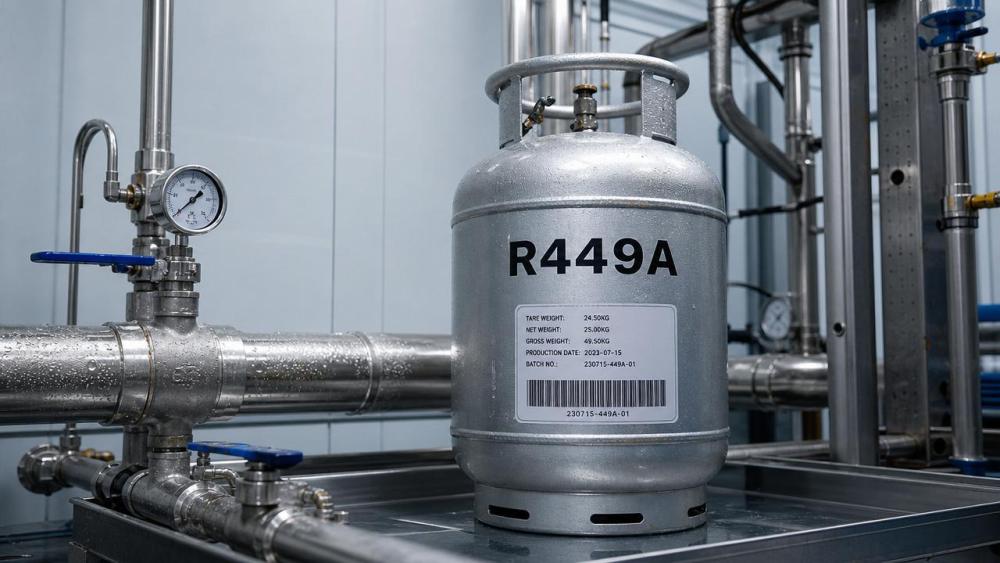
Event Overview
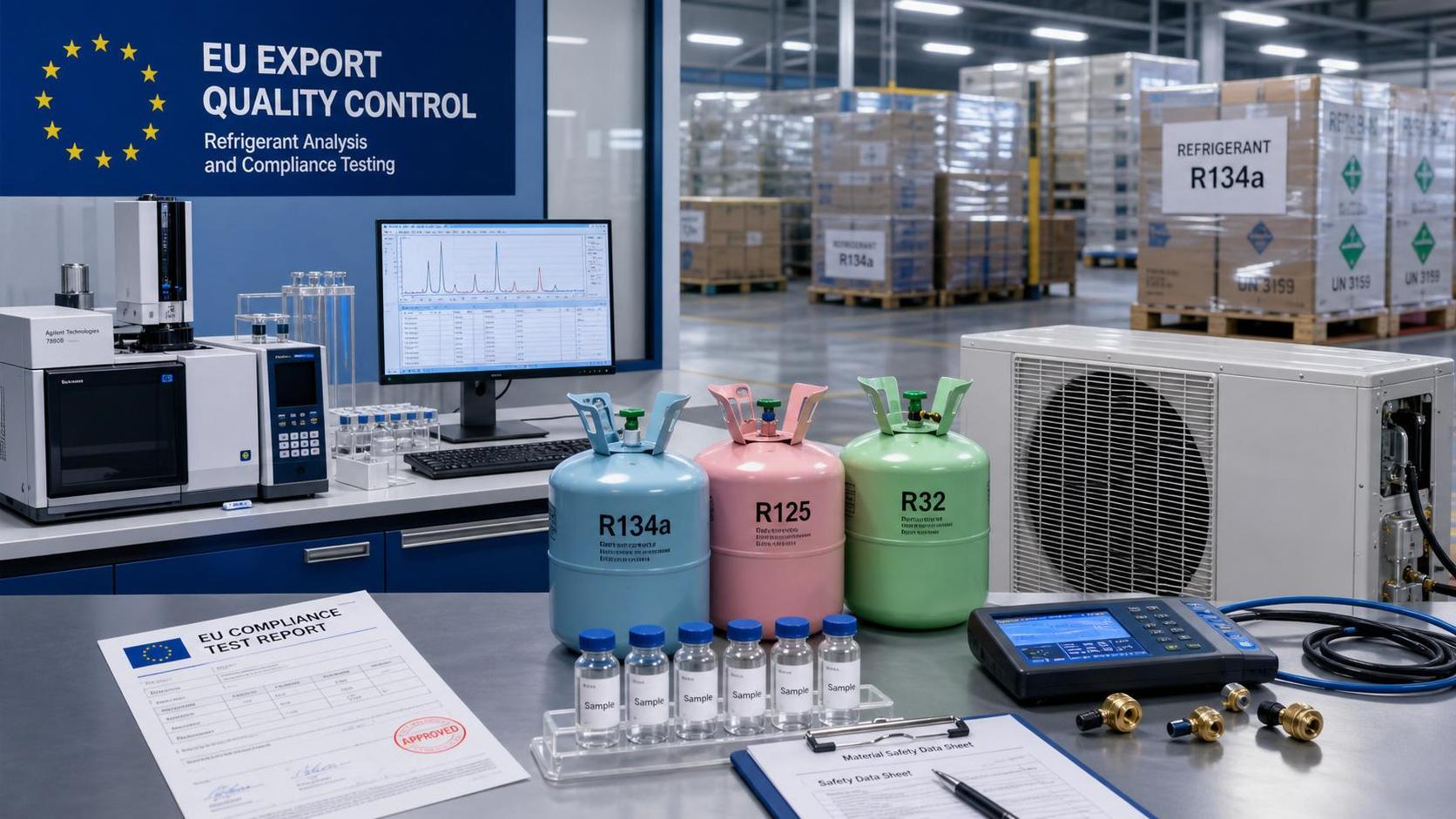
On May 13, 2026, the Bureau of Indian Standards (BIS) launched a 30-day public consultation on Draft IS 18722, titled ‘Specification for Refrigerant R449A for Use in Cold Storage Systems’. The draft stipulates that all R449A refrigerant supplied for cold storage applications in India must be tested by BIS-recognized laboratories to confirm a Global Warming Potential (GWP) value ≤1397 — below its currently published value of 1427. Each batch must also carry a traceable batch code. If adopted in June 2026, this would become the first binding GWP-based certification requirement for HFC blend refrigerants in South Asia.
Industries Affected
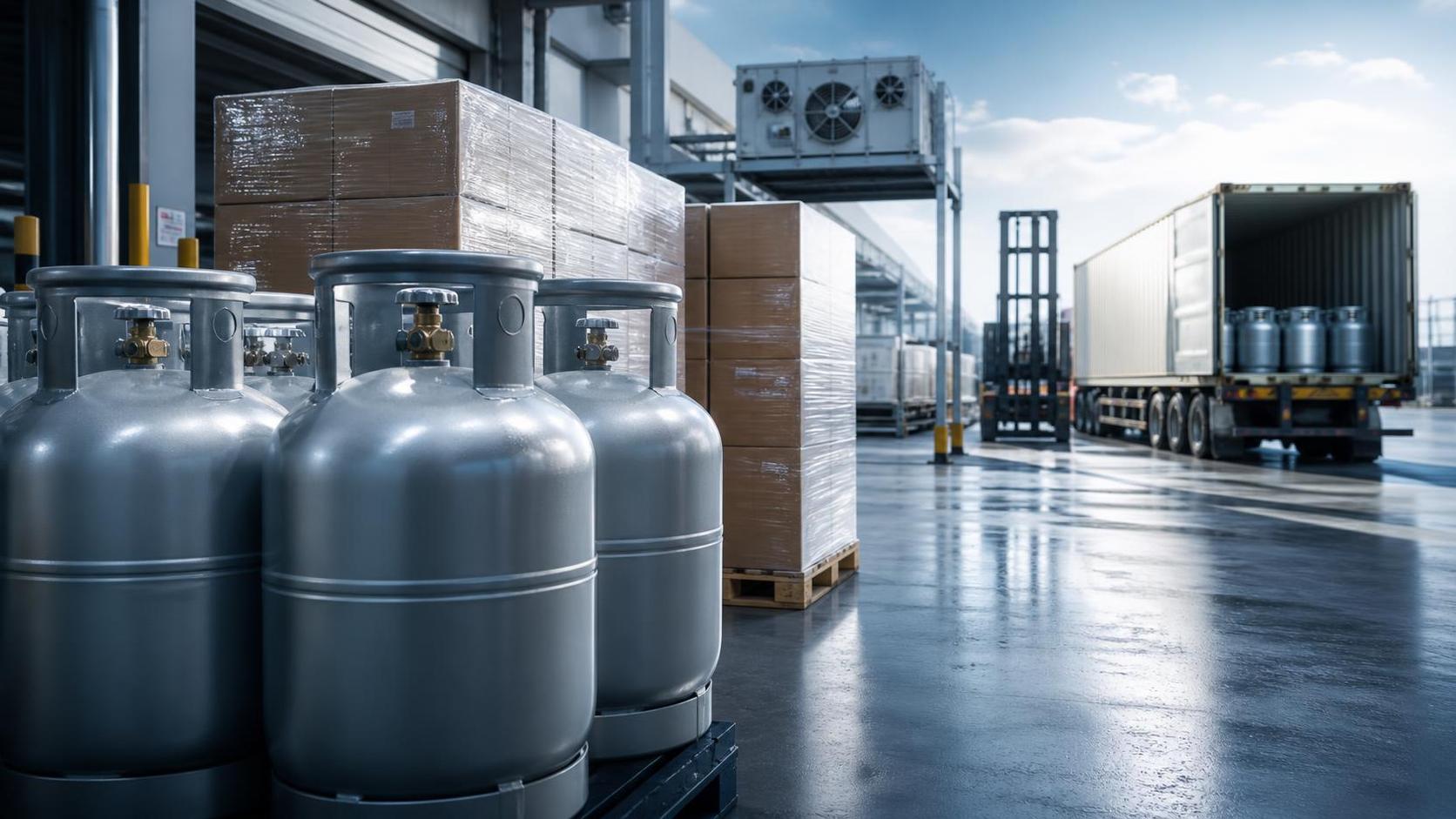
Direct trading enterprises: Exporters and distributors supplying R449A from China or other manufacturing hubs into India will face new compliance gateways. Certification delays, lab testing costs, and batch-level documentation may extend lead times and increase landed cost. Non-compliant stock may be barred from customs clearance post-implementation.
Raw material procurement enterprises: Companies sourcing R449A components (e.g., R32, R125, R134a) or pre-blended formulations must now verify upstream blending consistency and analytical reproducibility — not just composition but GWP-relevant impurity profiles. Suppliers lacking ISO/IEC 17025-accredited test reports may lose eligibility as approved sources.
Equipment manufacturing enterprises: Cold storage system integrators and OEMs using R449A as a charge refrigerant must update technical dossiers, revise service manuals, and potentially revalidate system performance under the revised GWP-bound specification. This may trigger recalibration of charge weights, pressure settings, or oil compatibility assessments — especially where blends are sourced from multiple vendors.
Supply chain service enterprises: Third-party logistics providers, customs brokers, and certification support firms will need to incorporate GWP verification status and batch traceability into documentation workflows. Digital traceability platforms — including QR-coded batch labels linked to BIS-authorized lab reports — may become operational prerequisites for import declarations.
Key Focus Areas and Recommended Actions
Verify current R449A batch GWP profiles
Manufacturers and exporters should commission GWP retesting (per ISO 14067 or ASTM D6866–22 Annex A5) on existing inventory and upcoming production runs — particularly batches blended before Q1 2026, when analytical methods for low-GWP verification were not yet standardized.
Engage with BIS-recognized laboratories early
As of May 2026, only six Indian labs hold provisional accreditation for GWP verification of HFC blends under BIS’s emerging framework. Pre-qualifying test protocols and turnaround timelines is critical to avoid bottlenecks during the anticipated June adoption window.
Update labeling and traceability infrastructure
Batch-specific traceability codes must be machine-readable and linked to verified GWP data. Enterprises should assess ERP or MES upgrades to support real-time batch reporting — including origin, date of blend, analytical certificate ID, and lab accreditation number.
Review contractual terms with Indian partners
Supply agreements should explicitly allocate responsibility for GWP verification costs, liability for non-conformance, and recourse mechanisms if certified batches fail field audits. Force majeure clauses may need revision to cover regulatory transition periods.
Editorial Perspective / Industry Observation
Observably, this move signals a strategic pivot by BIS — shifting from compositional conformity to climate-relevant functional performance as a basis for market access. Analysis shows that while R449A remains widely accepted globally as a transitional low-GWP alternative to R404A, India’s threshold of ≤1397 appears calibrated to exclude marginal batches affected by common impurities (e.g., residual R143a), rather than targeting full reformulation. From an industry standpoint, the requirement is better understood not as a technical barrier per se, but as a catalyst for quality discipline across the HFC blend value chain. Current more pressing concerns include inter-lab variability in GWP measurement and the absence of harmonized uncertainty thresholds in the draft — both of which remain open for comment during the consultation period.
Conclusion
This proposal marks a consequential step in India’s broader refrigerant phase-down trajectory — one that extends regulatory scrutiny beyond pure HFC volume controls to embedded environmental metrics at the product level. While not yet law, its potential adoption underscores a growing regional expectation: climate performance must be verifiable, traceable, and enforceable — not merely declared. For global suppliers, readiness hinges less on reformulation and more on analytical rigor, documentation transparency, and supply chain agility.
Source Attribution
Draft IS 18722 is publicly available via the BIS e-Consultation Portal (https://econsultation.bis.gov.in) until June 12, 2026. Official notice No. BIS/ECO/2026/047 references the scope and timeline. Stakeholders are advised to monitor updates from BIS’s Chemical Division and the Ministry of Environment, Forest and Climate Change — particularly regarding final GWP tolerance bands, lab accreditation criteria, and transitional provisions for existing stock. These elements remain subject to change pending consultation outcomes.
Related News
- China R410A Export Quotes Rise to RMB 60,000/TonAuthor :Cryogenic Systems Expert

- EU PFAS Curbs Raise Compliance Review for Cooling ExportsAuthor :Cryogenic Systems Expert

- EU PFAS Proposal Puts Refrigerant and Vacuum Exports Under ReviewAuthor :Cryogenic Systems Expert

- EU REACH PFAS Draft Raises New Export ChecksAuthor :Cryogenic Systems Expert

- EU Cuts High-GWP Refrigerant Import Quotas by 35%Author :Cryogenic Systems Expert

- EU Cuts Q4 2026 Quotas for High-GWP RefrigerantsAuthor :Cryogenic Systems Expert

- EU F-Gas Revision Cuts R410A Quotas 40%Author :Cryogenic Systems Expert

- EPA Freezes R-410A Quotas, Fast-Tracks R-32Author :Cryogenic Systems Expert

- Low GWP Refrigerants HFO Blends: Key Stability and Safety FactorsAuthor :Cryogenic Systems Expert

- R-32 Price Spike Reshapes Chiller ProcurementAuthor :Cryogenic Systems Expert

- How to Compare Environmentally Friendly Refrigerants by GWP, Safety, and CostAuthor :Cryogenic Systems Expert

- R-454B Export Quota Cut 18% as Lead Times DoubleAuthor :Cryogenic Systems Expert

- Japan Cuts R32 and R290 Import Quotas From July 10Author :Cryogenic Systems Expert

- EPA Cuts R-134a Import Quotas 42% From July 2026Author :Cryogenic Systems Expert
![]()
- Low GWP Refrigerants HFO Blends: Performance and Compliance in 2026Author :Cryogenic Systems Expert

- R-513A Jumps 23% as China Tightens Export QuotasAuthor :Cryogenic Systems Expert

- Environmentally Friendly Refrigerants in 2026: Compliance Risks and Upgrade PrioritiesAuthor :Cryogenic Systems Expert

- Pharmaceutical Temperature Control Systems: Common Compliance RisksAuthor :Cryogenic Systems Expert

- China Tightens Q3 R32 Export QuotasAuthor :Cryogenic Systems Expert

- California EPR Deadline Nears for Refrigeration MakersAuthor :Cryogenic Systems Expert

- Resource Circularity Trends Reshaping Refrigerants and Cooling SystemsAuthor :Cryogenic Systems Expert

- HFCs Filing Rules Enter Full EnforcementAuthor :Cryogenic Systems Expert

- How Environmentally Friendly Refrigerants Affect Chiller ComplianceAuthor :Cryogenic Systems Expert

- EU REACH Tightens Refrigerant Impurity Limits for R134a ExportsAuthor :Cryogenic Systems Expert

- China Seeks Feedback on 2027 Refrigerant QuotasAuthor :Cryogenic Systems Expert

- EU to Ban High-GWP ACs in 2029 as R410A Exits HomesAuthor :Cryogenic Systems Expert

- US, UK Delay HFC Phaseout, Extending R32/R134a Export WindowAuthor :Cryogenic Systems Expert

- EU HFC Cut Tightens by 2029 as Gen-3 Output Falls 10%Author :Cryogenic Systems Expert

- Kuwait Bans HCFC AC Imports as Shift to R32/R290 Speeds UpAuthor :Cryogenic Systems Expert

- Saudi SASO Rules Tighten AC Imports in DecemberAuthor :Cryogenic Systems Expert

- Environmentally Friendly Refrigerants: Compliance, Safety, and Retrofit RisksAuthor :Cryogenic Systems Expert

- SABIC Force Majeure Keeps Chiller Refrigerant Supply TightAuthor :Cryogenic Systems Expert

- SABIC Force Majeure Tightens Refrigerant FeedstocksAuthor :Cryogenic Systems Expert

- UL 60335-2-89 Tightens R290 Leak Test RulesAuthor :Cryogenic Systems Expert
![]()
- UL 60335-2-89 Adds R290 Vacuum Leak TestAuthor :Cryogenic Systems Expert

- Global Refrigerant Price Index Falls 8.3% MoM in MayAuthor :Cryogenic Systems Expert
![]()