Environmentally Friendly Refrigerants: Cost, Compliance, and Retrofit Risk




For procurement teams, choosing environmentally friendly refrigerants is no longer just a sustainability decision—it directly affects lifecycle cost, regulatory compliance, and retrofit risk. As global policies tighten and equipment compatibility becomes more complex, buyers need clear intelligence to compare options, avoid hidden expenses, and protect long-term operational value. This article explores how to evaluate refrigerant choices with greater confidence.
How should buyers evaluate environmentally friendly refrigerants beyond the headline price?
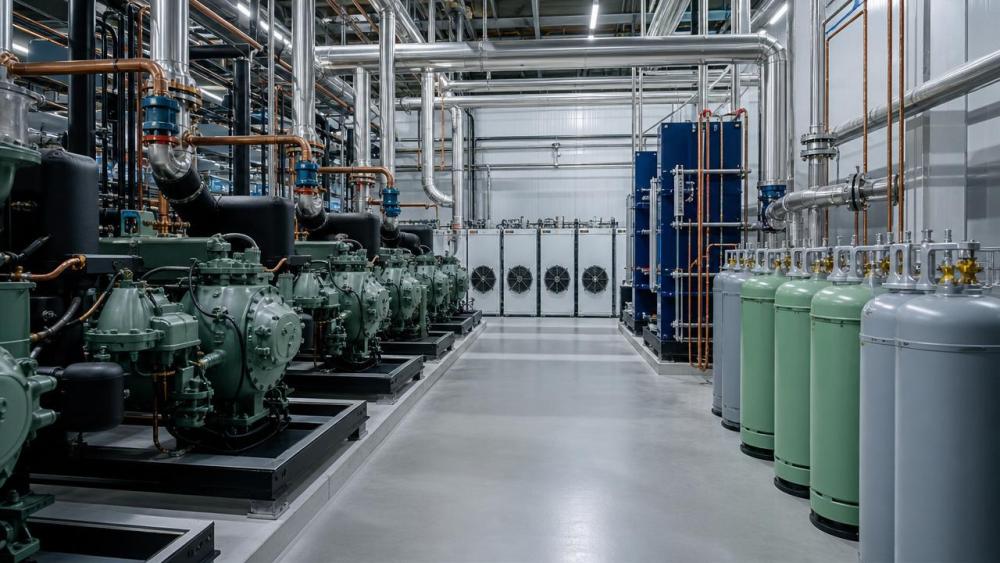
In industrial cooling and thermal management, the purchase price of a refrigerant rarely reflects its true business impact. Procurement teams must look at system efficiency, future regulatory exposure, lubricant compatibility, retrofit scope, servicing complexity, and supply stability.
That is why environmentally friendly refrigerants have become a strategic purchasing topic across food processing, pharmaceuticals, cold storage, electronics, logistics, and general manufacturing. The wrong choice can lock a plant into high operating costs or trigger premature equipment modification.
For buyers, the goal is not to chase the newest gas on the market. The goal is to secure a refrigerant pathway that balances compliance, total cost of ownership, and plant reliability over the equipment lifecycle.
- Check whether the refrigerant aligns with current and expected F-gas, HFC phasedown, or local quota restrictions in your operating region.
- Review discharge temperature, pressure envelope, volumetric capacity, and energy efficiency under actual load conditions rather than catalog points.
- Confirm material compatibility with seals, elastomers, oils, valves, heat exchangers, compressors, and existing safety controls.
- Estimate the retrofit burden, including downtime, technician training, leak detection changes, charge limits, and possible recertification requirements.
This decision framework is central to the work of GTC-Matrix. By combining policy tracking, thermodynamic analysis, and market intelligence, the platform helps industrial buyers connect refrigerant selection with energy cost exposure and long-term asset planning.
Why are environmentally friendly refrigerants reshaping industrial procurement?
The shift is not driven by one factor alone. Carbon reduction policy, refrigerant quotas, serviceability concerns, and end-user sustainability targets are all converging. As a result, procurement teams are being asked to justify refrigerant choices with more rigor than before.
Many industrial operators still run assets built around legacy refrigerants. Some systems remain technically viable, yet the refrigerant supply outlook is deteriorating because of phasedown schedules and price volatility. That creates a budgeting problem as much as a technical one.
Environmentally friendly refrigerants usually offer lower global warming potential, but lower GWP alone does not guarantee a better procurement outcome. Performance under high ambient temperature, safety classification, maintenance requirements, and spare-parts availability all matter in practice.
Key market pressures affecting buyers
- Quota and phasedown mechanisms can tighten supply and change pricing unexpectedly.
- Corporate decarbonization programs are extending from reporting teams to procurement specifications.
- OEMs are redesigning platforms around lower-GWP options, which affects future service and replacement paths.
- Insurers and site safety teams are paying closer attention to flammability classification and plant risk controls.
Which refrigerant families should procurement teams compare?
The most practical comparison starts with refrigerant family, because family characteristics often determine retrofit effort, compliance exposure, and safety design needs. The table below summarizes common decision dimensions for environmentally friendly refrigerants in industrial applications.
The table shows why environmentally friendly refrigerants cannot be judged by GWP in isolation. A lower-GWP gas may still be a poor fit if the retrofit burden is high or if site safety modifications erase the expected savings.
GTC-Matrix helps buyers read these trade-offs in context. A refrigerated warehouse, a pharmaceutical clean utility loop, and a process chiller for semiconductor support systems do not share the same risk tolerance or performance priorities.
What does total cost really include when switching to environmentally friendly refrigerants?
Procurement teams often receive proposals that emphasize refrigerant unit price or estimated energy savings. That view is incomplete. The real financial impact includes transition cost, operating cost, service cost, and the cost of future regulatory disruption.
A structured lifecycle cost review is essential, especially when comparing retrofit-friendly blends with natural refrigerant conversions or full equipment replacement. The following table can serve as a purchasing checklist.
A sound procurement decision often comes from comparing three scenarios: continue with the current refrigerant until forced change, retrofit to a lower-disruption alternative, or replace the system with a platform optimized for environmentally friendly refrigerants from the start.
Where procurement teams usually miss cost
- They compare refrigerant purchase price but ignore energy penalties at part load.
- They budget for conversion labor but not for production downtime or weekend installation premiums.
- They overlook training, leak detection upgrades, ventilation changes, or updated operating procedures.
- They do not model the cost of another transition if a stopgap refrigerant loses attractiveness later.
How can buyers reduce retrofit risk before approving a switch?
Retrofit risk is where many environmentally friendly refrigerants projects succeed or fail. Even when a refrigerant appears technically suitable, system-specific details such as compressor envelope, expansion device behavior, oil return, heat exchanger sizing, and control logic can alter the outcome.
Procurement should never approve a conversion on the basis of a generic “drop-in” claim alone. Industrial systems differ by operating temperature, load cycling, ambient profile, and maintenance quality. Validation must be linked to the actual asset.
Pre-approval retrofit checklist
- Document the current system: compressor model, oil type, design pressure, control sequence, charge level, and historical fault records.
- Confirm the target refrigerant’s pressure-temperature behavior across the plant’s full seasonal operating range.
- Review whether expansion valves, pressure switches, sensors, and superheat settings require replacement or recalibration.
- Assess whether lubrication, oil return, and discharge temperature remain within acceptable limits after conversion.
- Define restart testing, leak checks, operator training, and spare refrigerant stocking before plant shutdown.
In many plants, the lowest-risk route is not a direct refrigerant change but a staged plan. One phase may stabilize current assets. A second phase may convert selected loops. A third phase may introduce new equipment designed around a lower-GWP architecture.
This staged logic is especially relevant in facilities with mixed assets, such as older cold rooms, process chillers, HVAC support units, and packaged systems sourced from different OEMs over many years.
What compliance questions should procurement ask early?
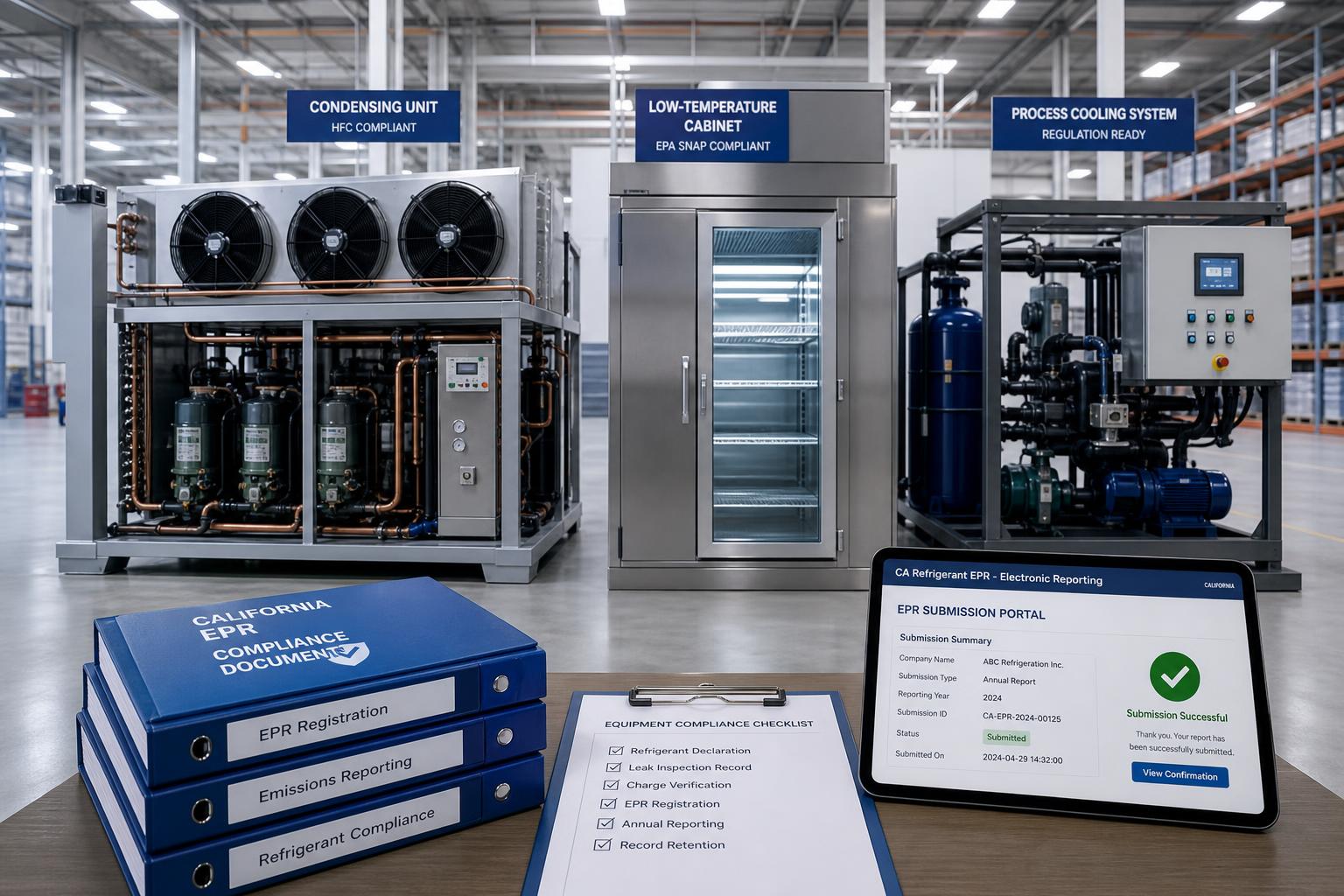
Compliance should be addressed at the start of supplier engagement, not after technical selection. Environmentally friendly refrigerants can still create compliance complications if flammability class, charge limits, transport rules, site ventilation, or technician handling requirements are not understood in advance.
Buyers do not need to become regulatory specialists, but they do need a structured due-diligence process. That process should cover the refrigerant itself, the system design, and the installation environment.
Common reference points may include regional F-gas rules, general safety standards, pressure equipment obligations, and installation practices used for refrigeration and air-conditioning systems. The exact mix depends on geography and application, so procurement should require suppliers to state assumptions clearly.
Which industrial scenarios require different refrigerant strategies?
A single refrigerant strategy does not fit every plant. Temperature range, hygiene requirements, uptime sensitivity, utility cost structure, and maintenance resources all influence whether environmentally friendly refrigerants should be introduced through retrofit, replacement, or new-build specification.
Scenario-based guidance
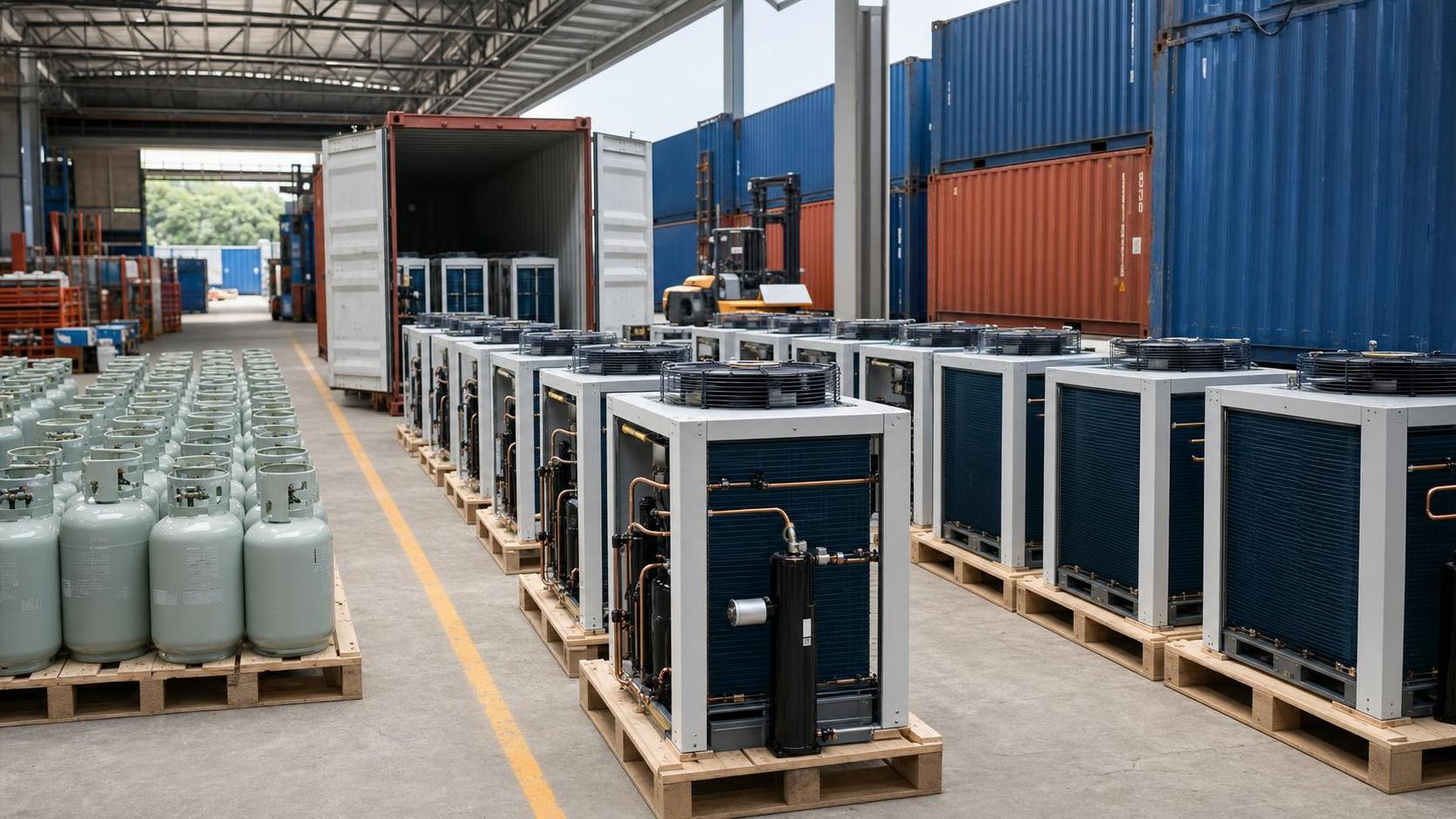
- Food and cold chain facilities usually focus on reliability, energy use, and refrigerant availability because unplanned downtime can damage inventory rapidly.
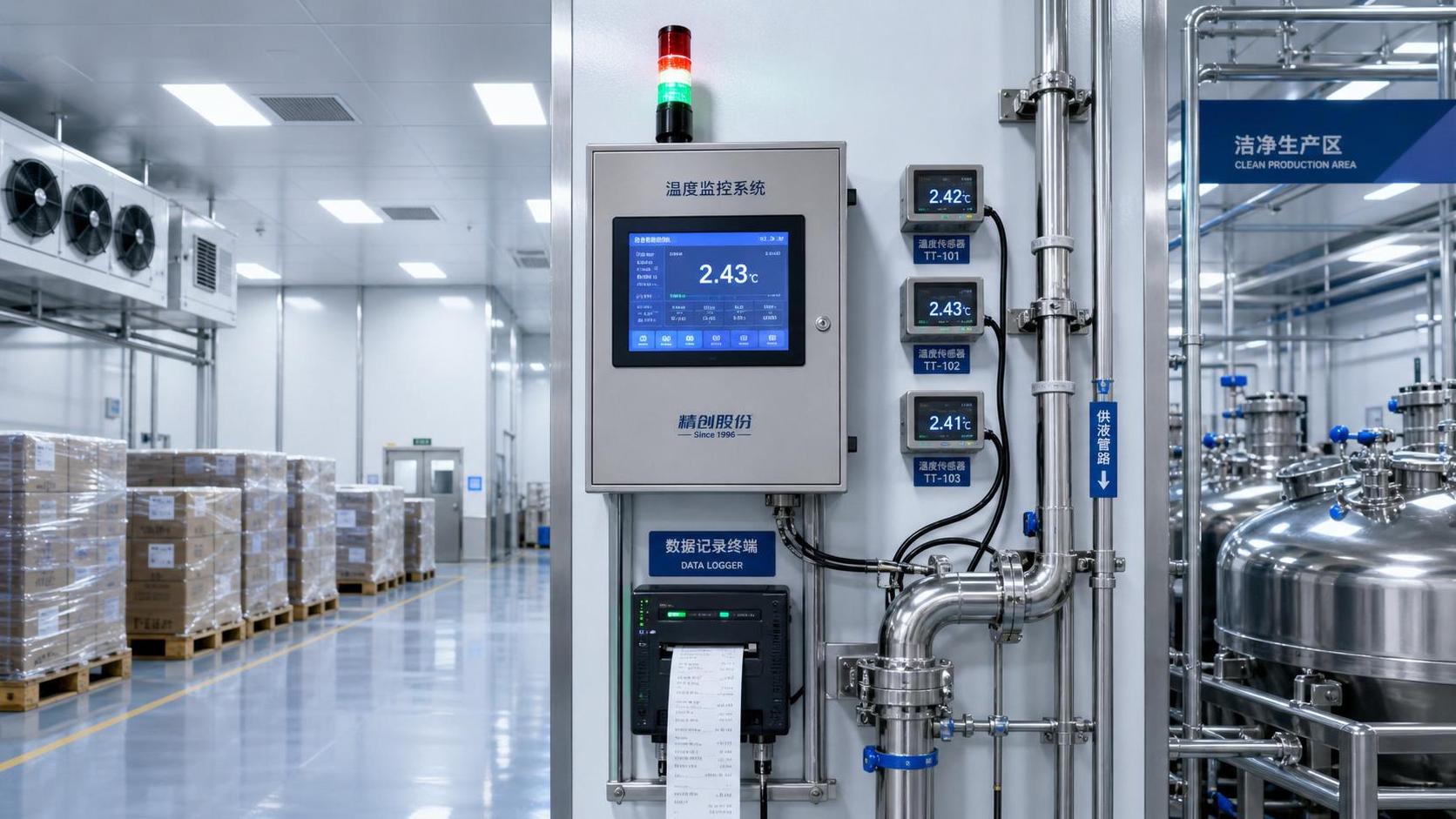
- Pharmaceutical and life science operations must also consider validated environments, temperature stability, maintenance control, and documented change management.
- Electronics and semiconductor support systems often prioritize high-precision thermal control, clean utility coordination, and stable part-load performance.
- General manufacturing sites may favor phased transition plans that align with budget cycles and scheduled shutdown windows.
This is where GTC-Matrix adds value for purchasing teams. Its cross-sector intelligence helps buyers compare thermal system decisions through the lenses of policy, energy cost trends, process demands, and equipment evolution rather than isolated product claims.
Common misconceptions about environmentally friendly refrigerants
“Lower GWP automatically means lower cost.”
Not always. A lower-GWP option can reduce future compliance exposure, yet energy performance, system modifications, and downtime may outweigh that advantage in the short term. Procurement must model the full operating case.
“If a supplier says drop-in, no engineering review is needed.”
That is risky. Even minor differences in mass flow, discharge temperature, or control settings can affect compressor life and cooling stability. Installed assets should be assessed case by case.
“The cheapest bridge option is always the safest procurement choice.”
A temporary solution may preserve short-term budget but create another conversion event later. Buyers should compare bridge strategies with long-life platform strategies before awarding a project.
FAQ: what do buyers ask most often?
How do I compare environmentally friendly refrigerants for an existing plant?
Start with current equipment condition, operating temperature, annual runtime, energy tariff, compliance horizon, and shutdown tolerance. Then compare at least three paths: continue, retrofit, or replace. The best option usually emerges from lifecycle cost and risk, not refrigerant price alone.
What is the biggest retrofit risk?
The biggest risk is assuming compatibility without verifying system-specific behavior. Compressor limits, control settings, lubricant chemistry, safety systems, and restart stability are frequent sources of hidden failure or performance loss.
When is full equipment replacement better than refrigerant conversion?
Replacement becomes more attractive when the asset is near end of life, energy cost is high, compliance pressure is rising, or the existing design cannot safely or efficiently support the target refrigerant. Plants with major expansion plans should also examine replacement more seriously.
What should be included in a supplier RFQ?
Include current refrigerant, equipment list, design pressures, load profile, ambient range, maintenance history, safety constraints, required certifications, preferred shutdown window, and expected commissioning support. Clear RFQs reduce variation and improve proposal comparability.
Why choose us for refrigerant intelligence and procurement support?
GTC-Matrix supports procurement teams that need more than generic product descriptions. Our strength lies in connecting refrigerant policy movements, thermal system performance logic, and commercial decision pressure across industrial cooling, compressed air, vacuum processes, and heat exchange technologies.
If you are reviewing environmentally friendly refrigerants, we can help you clarify the questions that matter before budget approval or supplier award. That includes parameter confirmation, option screening, compliance direction, retrofit risk framing, and scenario comparison based on your operating context.
- Request support for refrigerant pathway comparison across retrofit, replacement, and phased transition strategies.
- Ask for procurement-oriented review points covering compatibility, lifecycle cost, and likely implementation constraints.
- Discuss delivery timing, supplier evaluation criteria, regional compliance concerns, and practical documentation requirements.
- Open a focused conversation on quotation scope, technical assumptions, maintenance readiness, and long-term sourcing resilience.
For buyers facing complex thermal system decisions, informed selection is the real cost saver. A well-chosen refrigerant strategy can protect uptime, control compliance exposure, and preserve long-term operational value.
Related News
- China R410A Export Quotes Rise to RMB 60,000/TonAuthor :Cryogenic Systems Expert

- EU PFAS Curbs Raise Compliance Review for Cooling ExportsAuthor :Cryogenic Systems Expert

- EU PFAS Proposal Puts Refrigerant and Vacuum Exports Under ReviewAuthor :Cryogenic Systems Expert

- EU REACH PFAS Draft Raises New Export ChecksAuthor :Cryogenic Systems Expert

- EU Cuts High-GWP Refrigerant Import Quotas by 35%Author :Cryogenic Systems Expert

- EU Cuts Q4 2026 Quotas for High-GWP RefrigerantsAuthor :Cryogenic Systems Expert

- EU F-Gas Revision Cuts R410A Quotas 40%Author :Cryogenic Systems Expert

- EPA Freezes R-410A Quotas, Fast-Tracks R-32Author :Cryogenic Systems Expert

- Low GWP Refrigerants HFO Blends: Key Stability and Safety FactorsAuthor :Cryogenic Systems Expert

- R-32 Price Spike Reshapes Chiller ProcurementAuthor :Cryogenic Systems Expert

- How to Compare Environmentally Friendly Refrigerants by GWP, Safety, and CostAuthor :Cryogenic Systems Expert

- R-454B Export Quota Cut 18% as Lead Times DoubleAuthor :Cryogenic Systems Expert

- Japan Cuts R32 and R290 Import Quotas From July 10Author :Cryogenic Systems Expert

- EPA Cuts R-134a Import Quotas 42% From July 2026Author :Cryogenic Systems Expert
![]()
- Low GWP Refrigerants HFO Blends: Performance and Compliance in 2026Author :Cryogenic Systems Expert

- R-513A Jumps 23% as China Tightens Export QuotasAuthor :Cryogenic Systems Expert

- Environmentally Friendly Refrigerants in 2026: Compliance Risks and Upgrade PrioritiesAuthor :Cryogenic Systems Expert

- Pharmaceutical Temperature Control Systems: Common Compliance RisksAuthor :Cryogenic Systems Expert

- China Tightens Q3 R32 Export QuotasAuthor :Cryogenic Systems Expert

- California EPR Deadline Nears for Refrigeration MakersAuthor :Cryogenic Systems Expert

- Resource Circularity Trends Reshaping Refrigerants and Cooling SystemsAuthor :Cryogenic Systems Expert

- HFCs Filing Rules Enter Full EnforcementAuthor :Cryogenic Systems Expert

- How Environmentally Friendly Refrigerants Affect Chiller ComplianceAuthor :Cryogenic Systems Expert

- EU REACH Tightens Refrigerant Impurity Limits for R134a ExportsAuthor :Cryogenic Systems Expert

- China Seeks Feedback on 2027 Refrigerant QuotasAuthor :Cryogenic Systems Expert

- EU to Ban High-GWP ACs in 2029 as R410A Exits HomesAuthor :Cryogenic Systems Expert

- US, UK Delay HFC Phaseout, Extending R32/R134a Export WindowAuthor :Cryogenic Systems Expert

- EU HFC Cut Tightens by 2029 as Gen-3 Output Falls 10%Author :Cryogenic Systems Expert

- Kuwait Bans HCFC AC Imports as Shift to R32/R290 Speeds UpAuthor :Cryogenic Systems Expert

- Saudi SASO Rules Tighten AC Imports in DecemberAuthor :Cryogenic Systems Expert

- Environmentally Friendly Refrigerants: Compliance, Safety, and Retrofit RisksAuthor :Cryogenic Systems Expert

- SABIC Force Majeure Keeps Chiller Refrigerant Supply TightAuthor :Cryogenic Systems Expert

- SABIC Force Majeure Tightens Refrigerant FeedstocksAuthor :Cryogenic Systems Expert

- UL 60335-2-89 Tightens R290 Leak Test RulesAuthor :Cryogenic Systems Expert
![]()
- UL 60335-2-89 Adds R290 Vacuum Leak TestAuthor :Cryogenic Systems Expert

- Global Refrigerant Price Index Falls 8.3% MoM in MayAuthor :Cryogenic Systems Expert
![]()