



Global R32 Quota Cut Tightens Pressure on China's Industrial Chiller Exports




On May 11, 2026, the United Nations Environment Programme (UNEP) announced a 12.7% reduction in the global production quota for R32 refrigerant — a move driven by accelerated national-phase-down schedules for hydrofluorocarbons (HFCs) under the Kigali Amendment. This policy shift directly impacts manufacturers of industrial water-cooled chillers in China, intensifying supply uncertainty and cost volatility for R32 while reinforcing regulatory urgency around the phase-out of hydrochlorofluorocarbons (HCFCs), as domestic enforcement by China’s Ministry of Ecology and Environment advances.
Event Overview
According to UNEP’s official notification issued on May 11, 2026, the global production quota for R32 refrigerant has been reduced by 12.7% compared to the 2025 level. The adjustment reflects coordinated early action by multiple parties to the Montreal Protocol’s Kigali Amendment. Concurrently, China’s Ministry of Ecology and Environment is stepping up on-site verification activities targeting HCFC use and reporting compliance among export-oriented enterprises.
Industries Affected
Direct Export Trading Enterprises
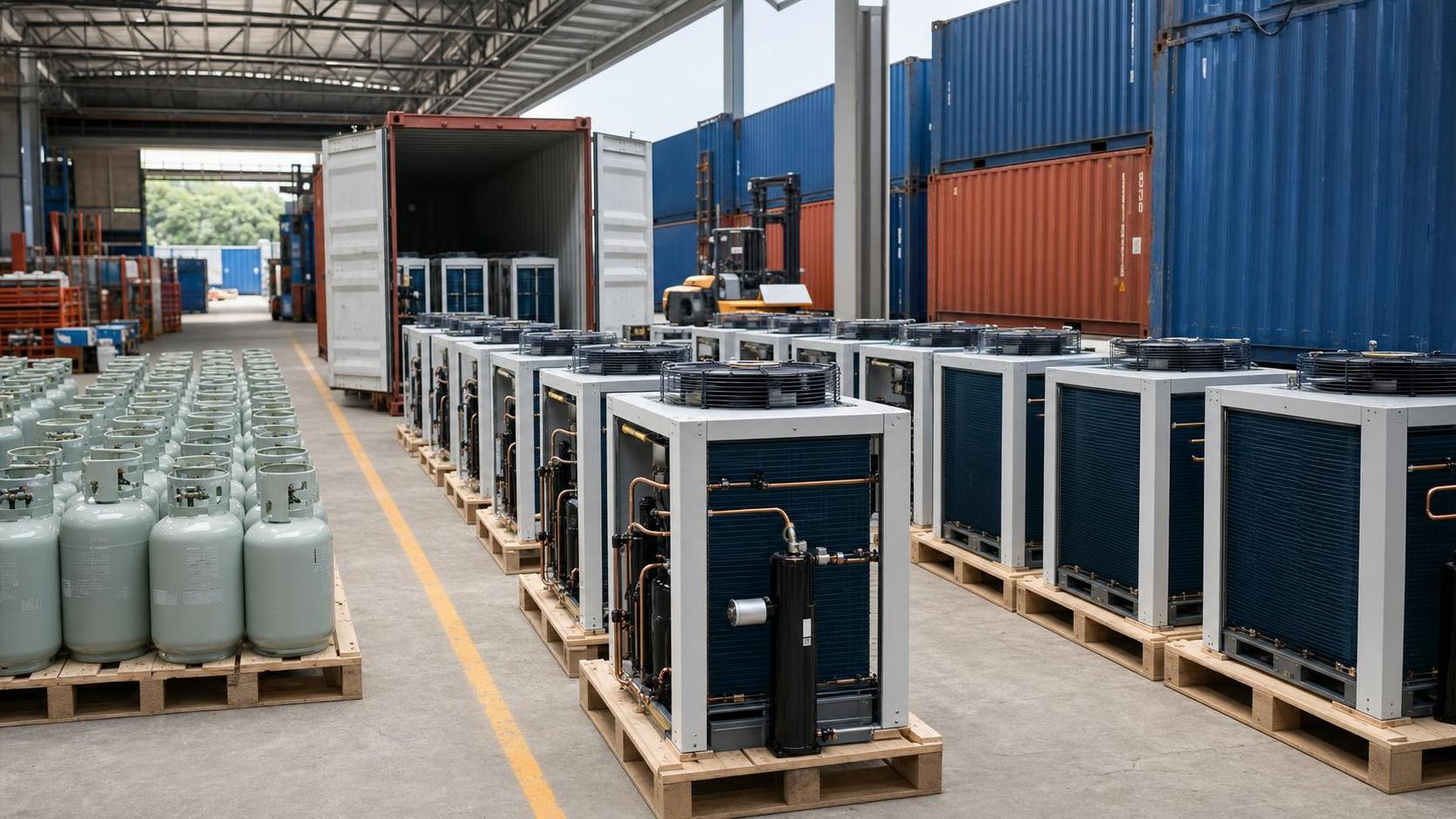
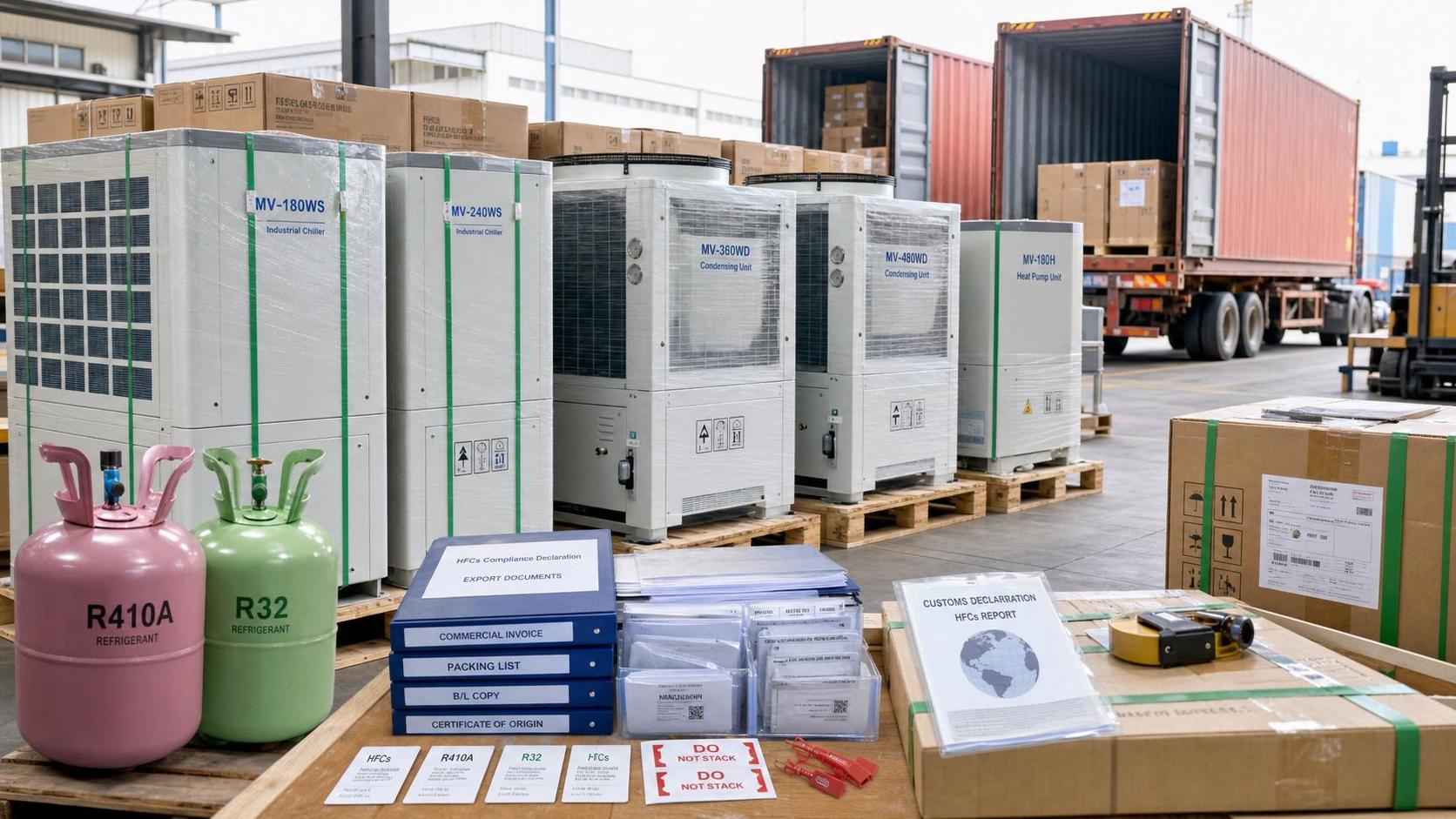
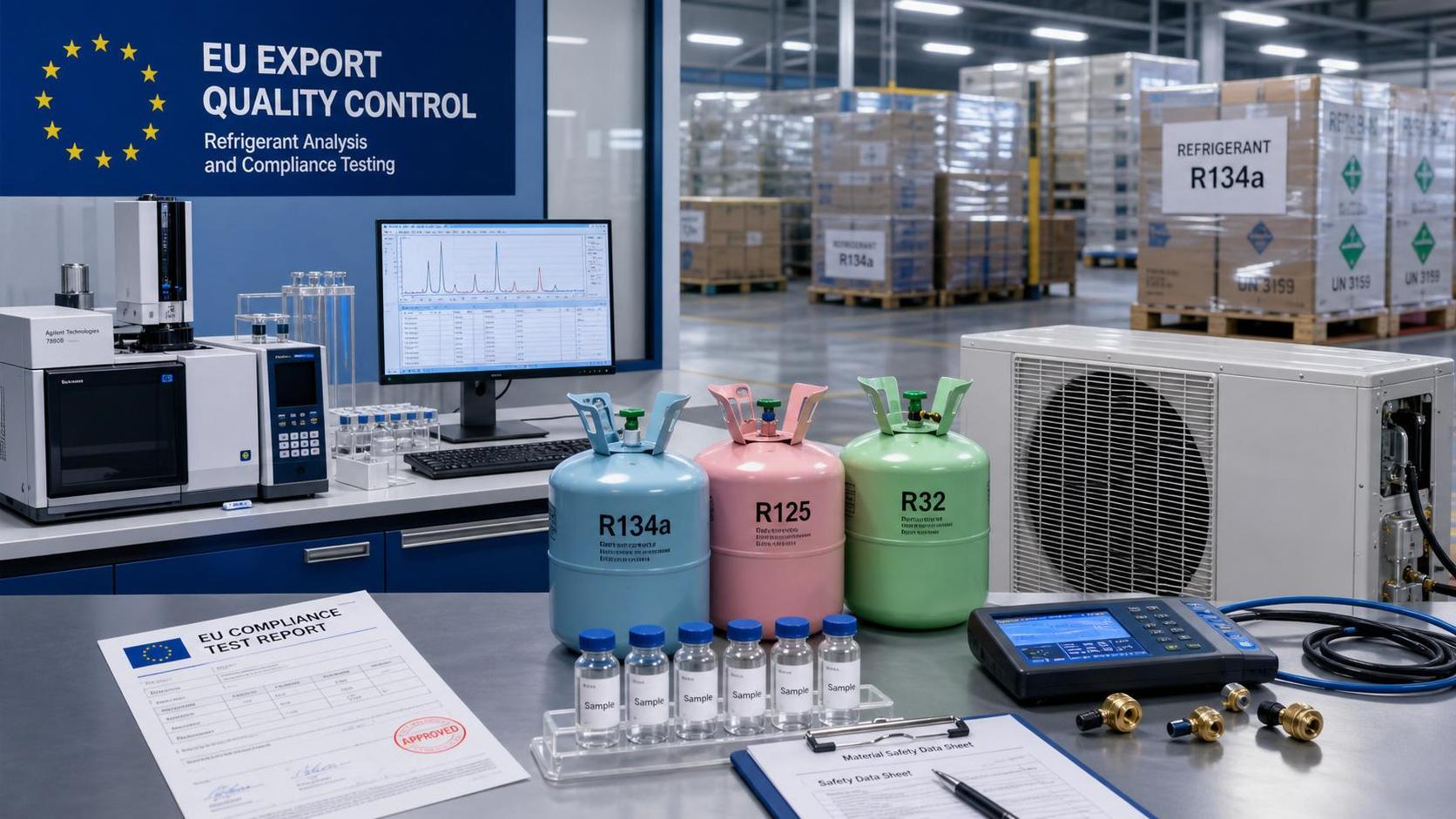
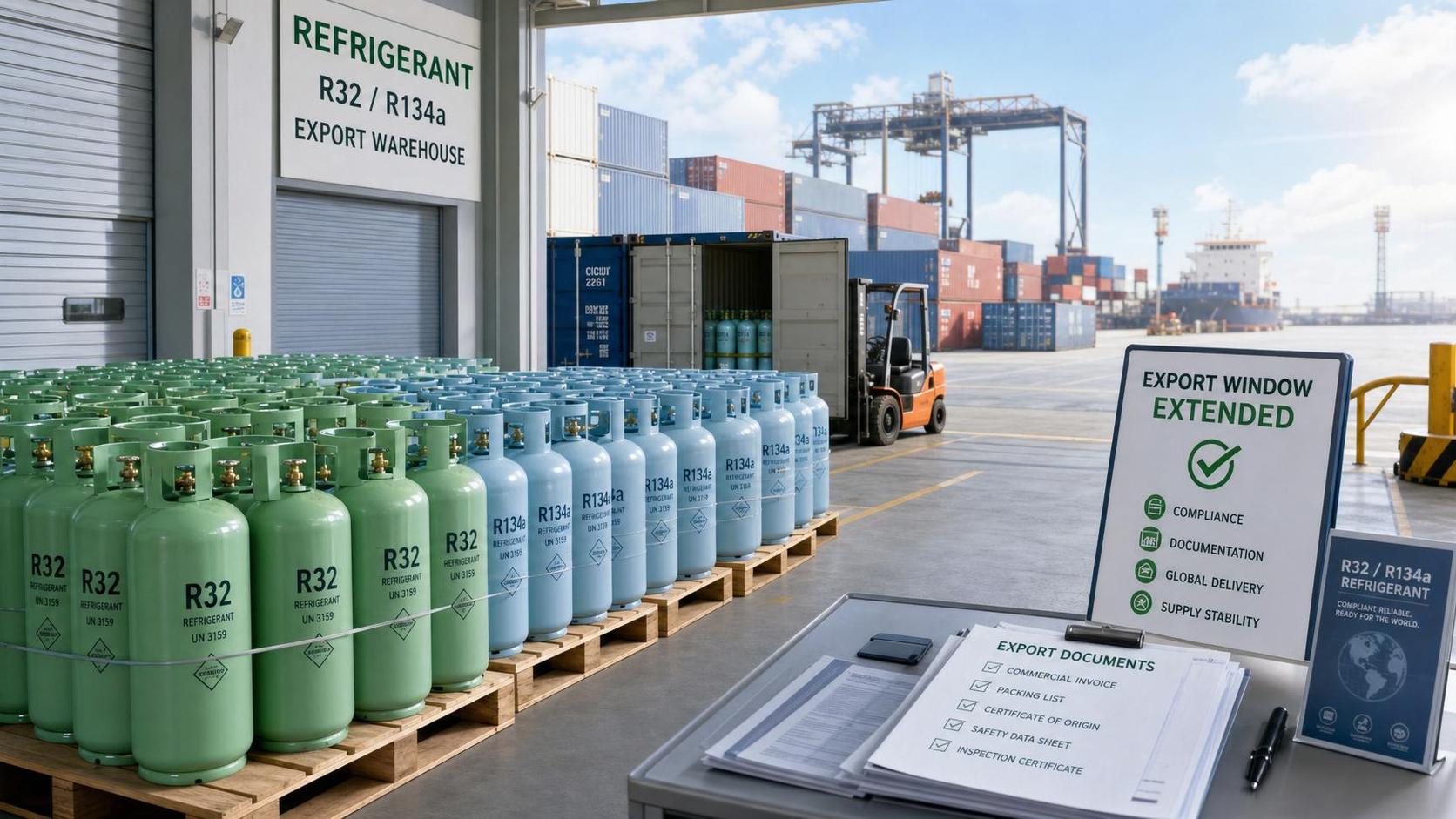
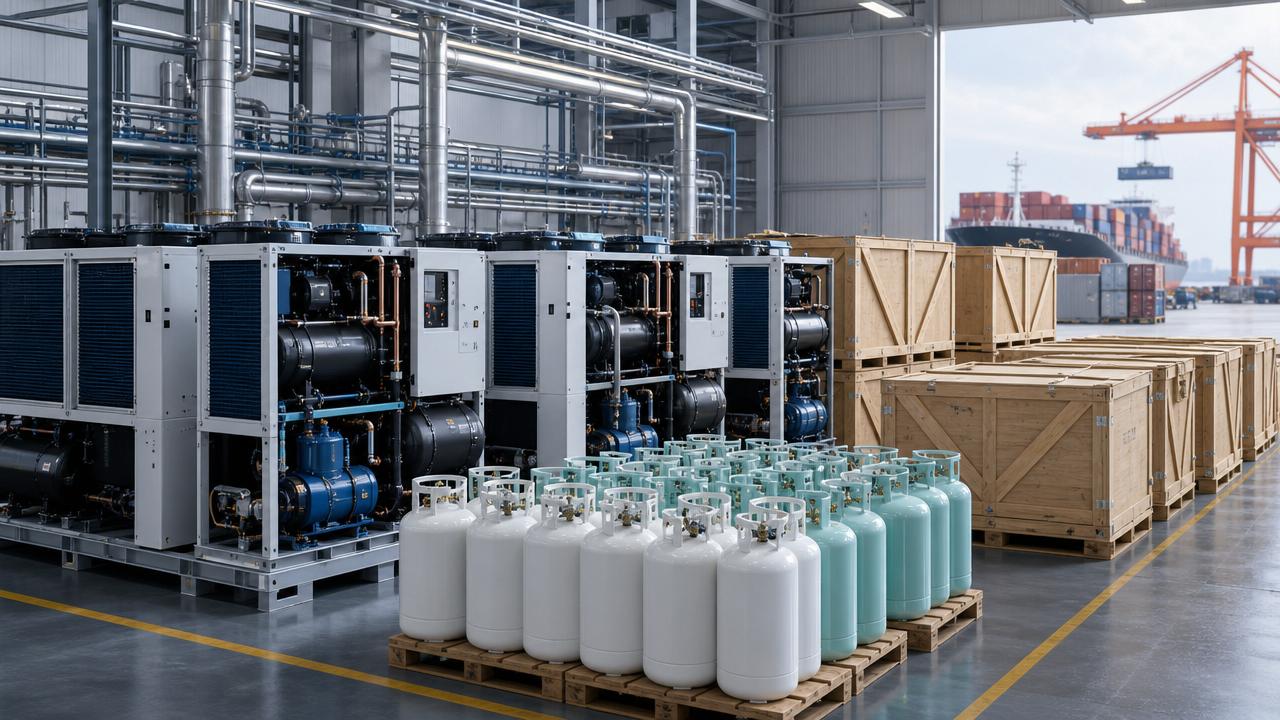
Export trading firms specializing in industrial chillers face heightened compliance risk and margin pressure. With R32 now subject to tighter global allocation and rising procurement costs, buyers in key markets (e.g., EU, ASEAN, Middle East) are increasingly requesting low-GWP alternatives in tender specifications. Contract renegotiations, delayed shipments due to refrigerant certification delays, and increased pre-shipment testing requirements have already been reported by several Tier-2 exporters.
Raw Material Procurement Enterprises
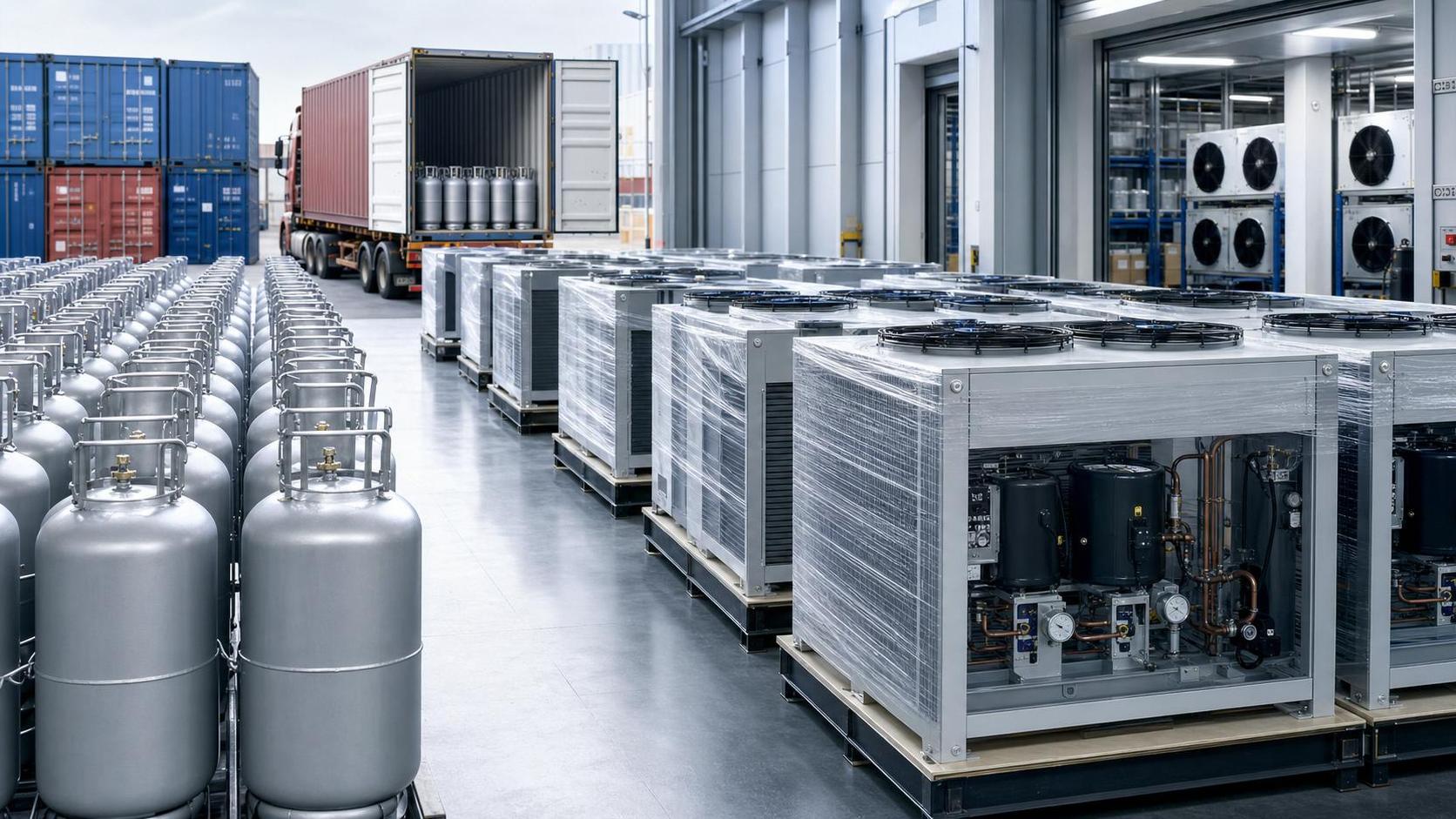
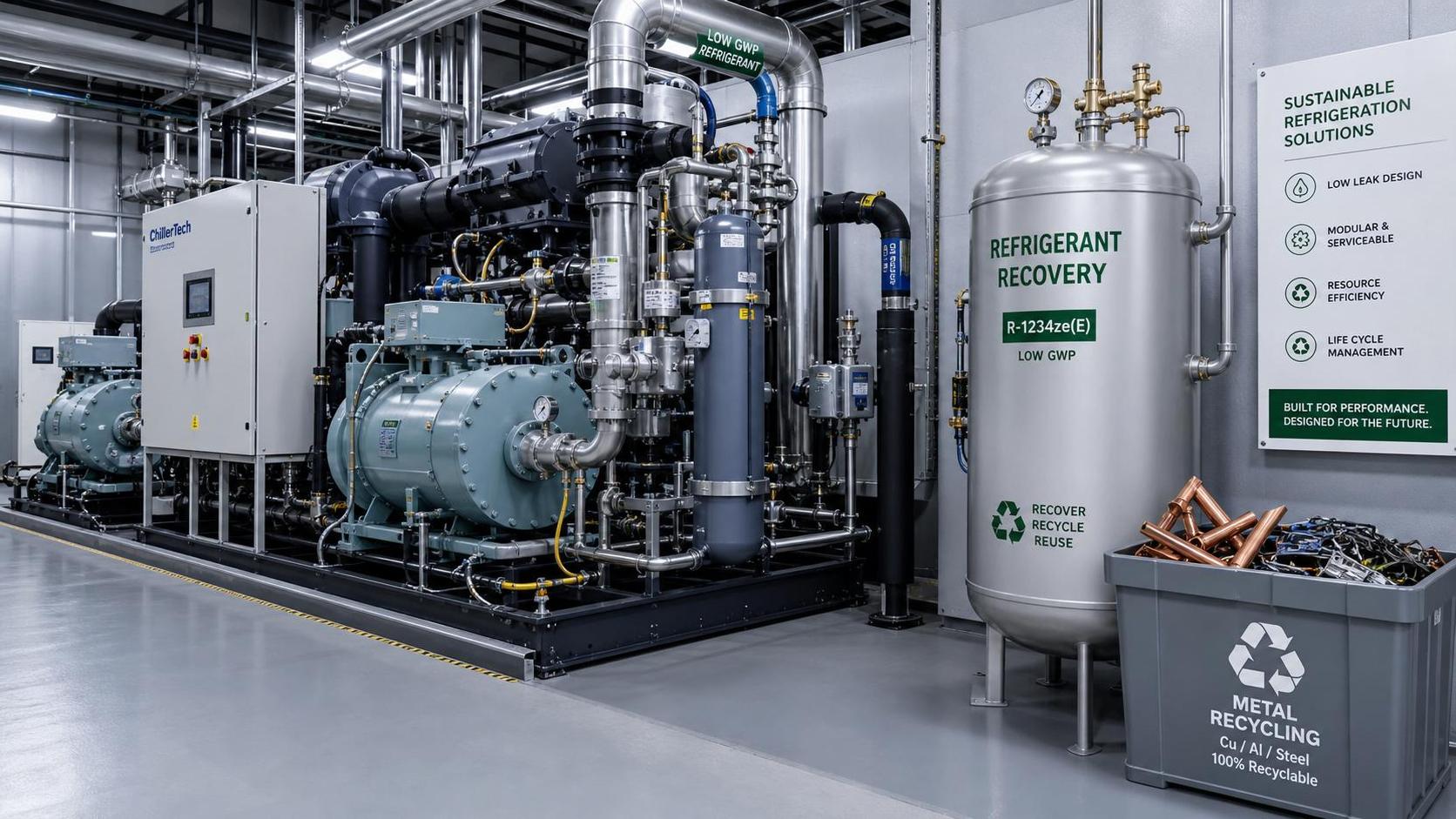
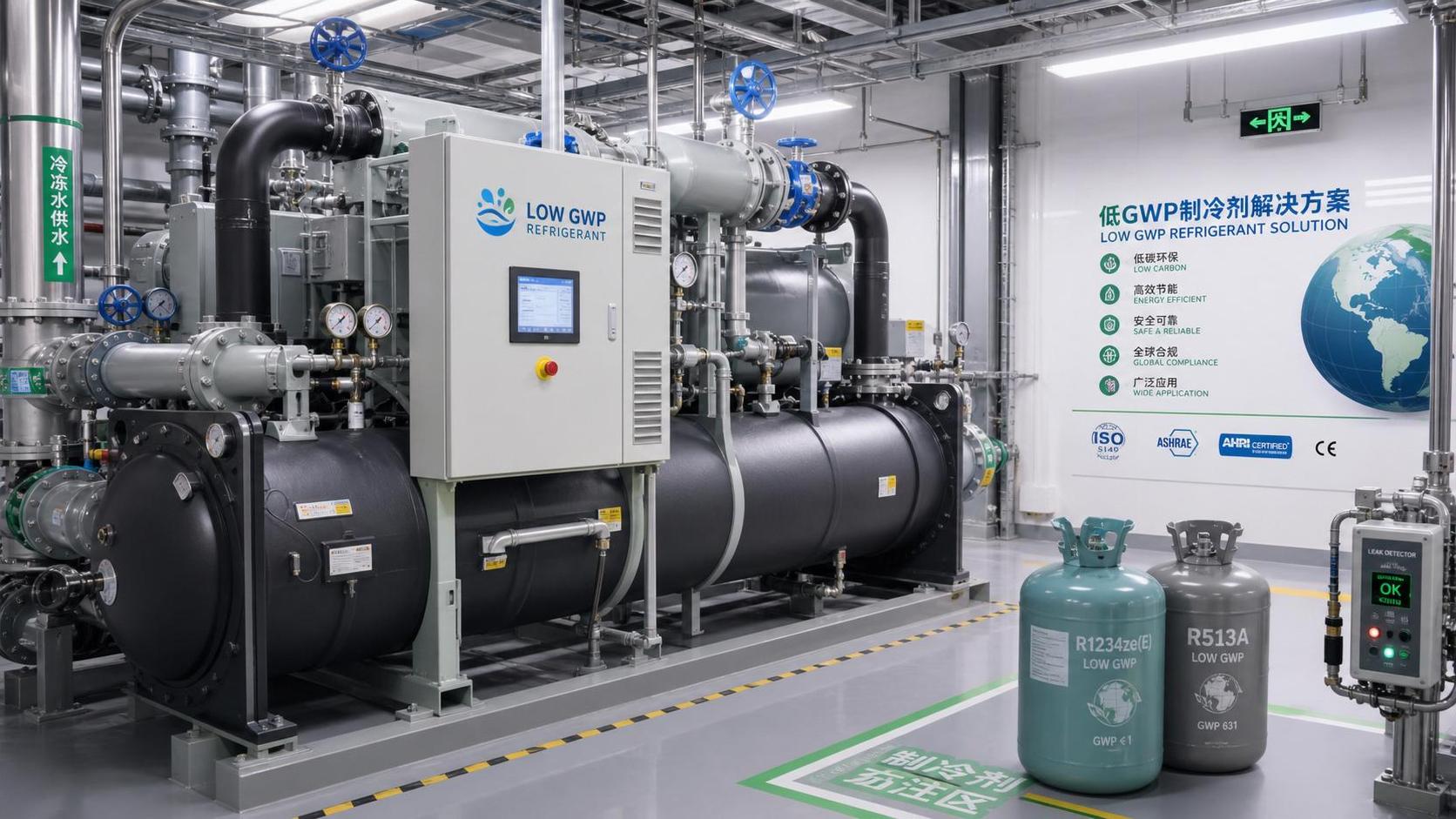
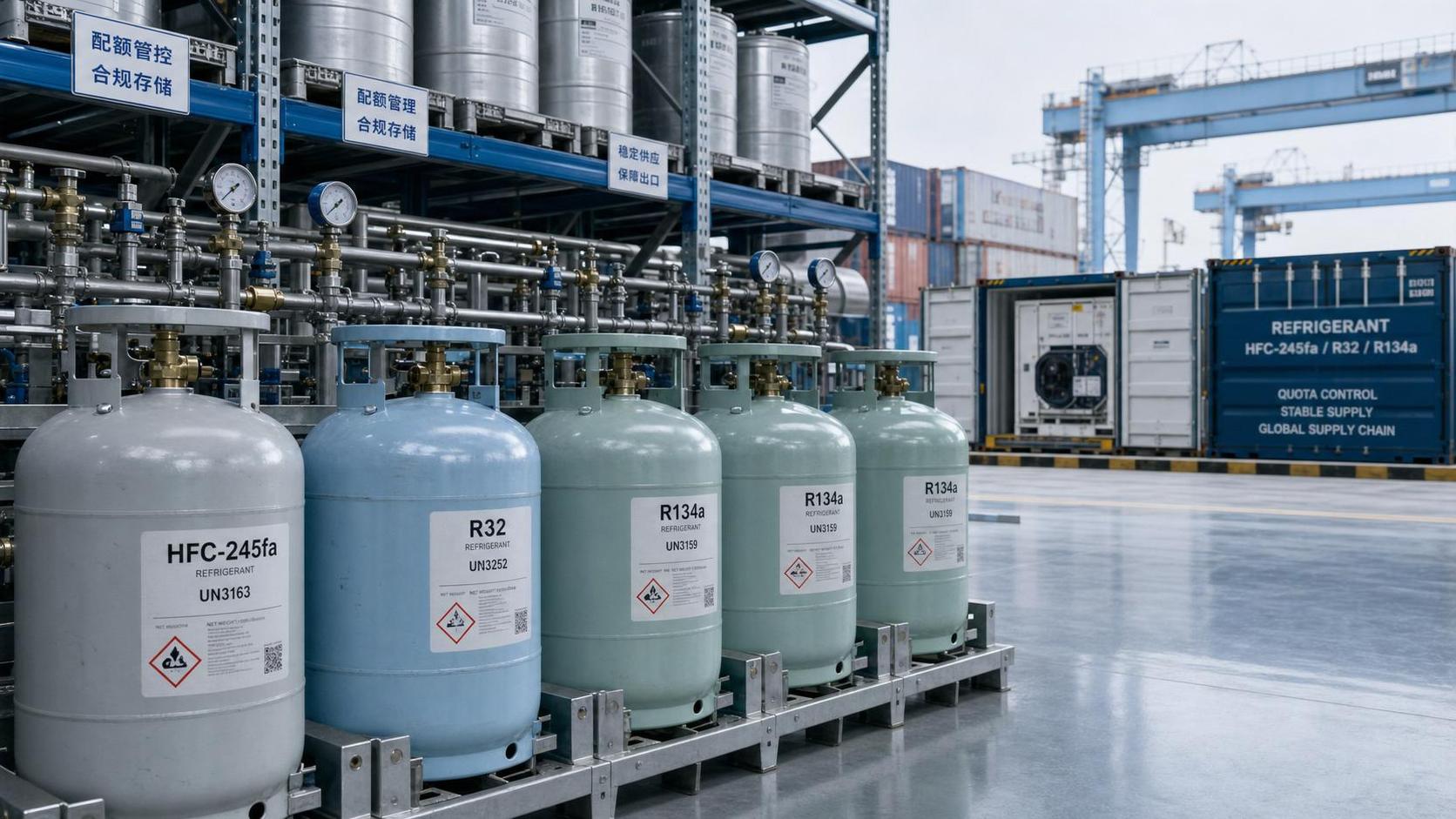
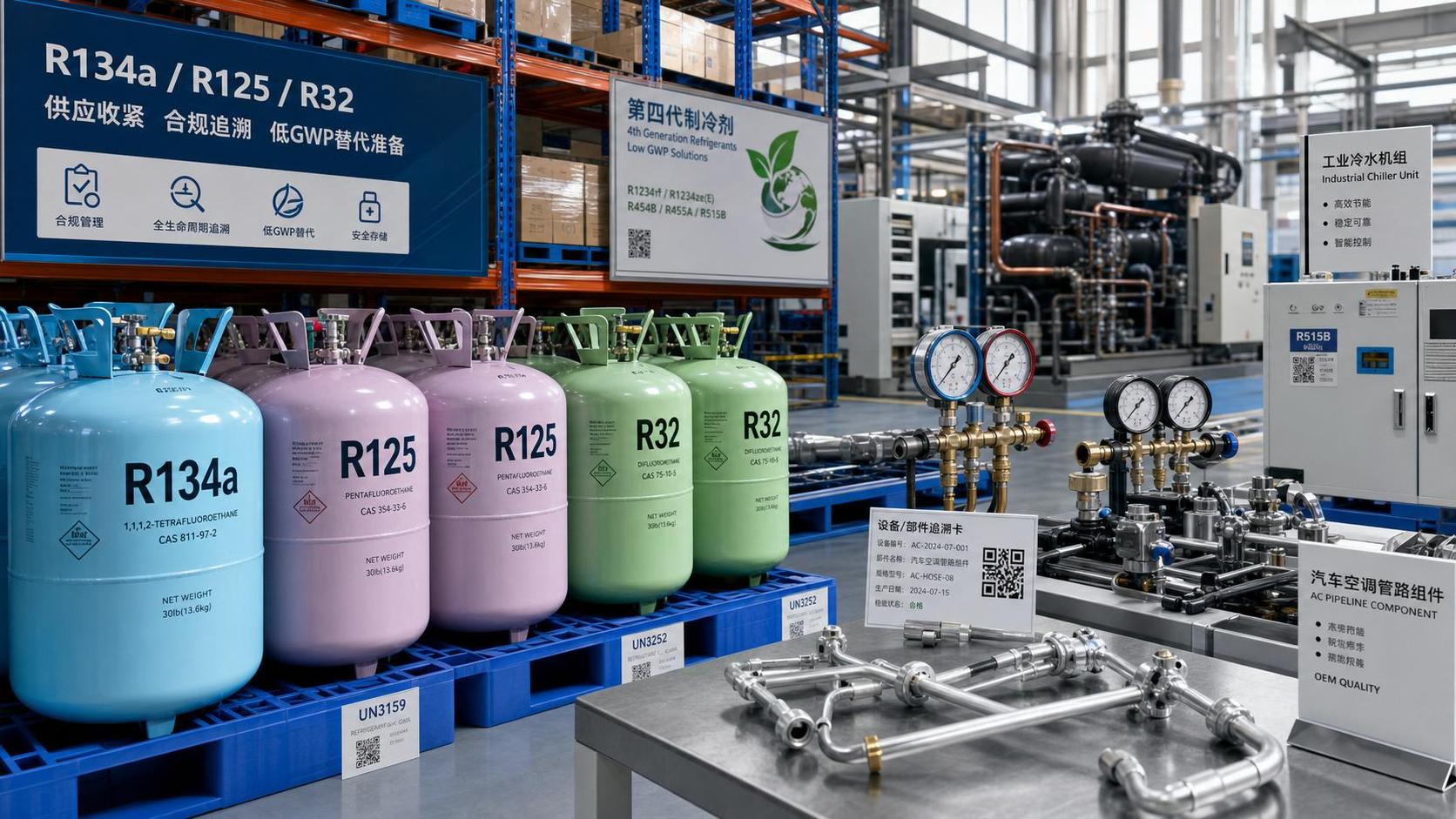
Companies responsible for sourcing refrigerants and related components must now manage dual-track procurement strategies: maintaining limited R32 inventories for legacy equipment support while qualifying alternative refrigerants (e.g., R290, R1234ze) with new safety certifications, transport classifications, and storage protocols. Lead times for certified R290 cylinders have extended from 4 to 8 weeks in Q2 2026, according to industry procurement surveys.
Manufacturing Enterprises
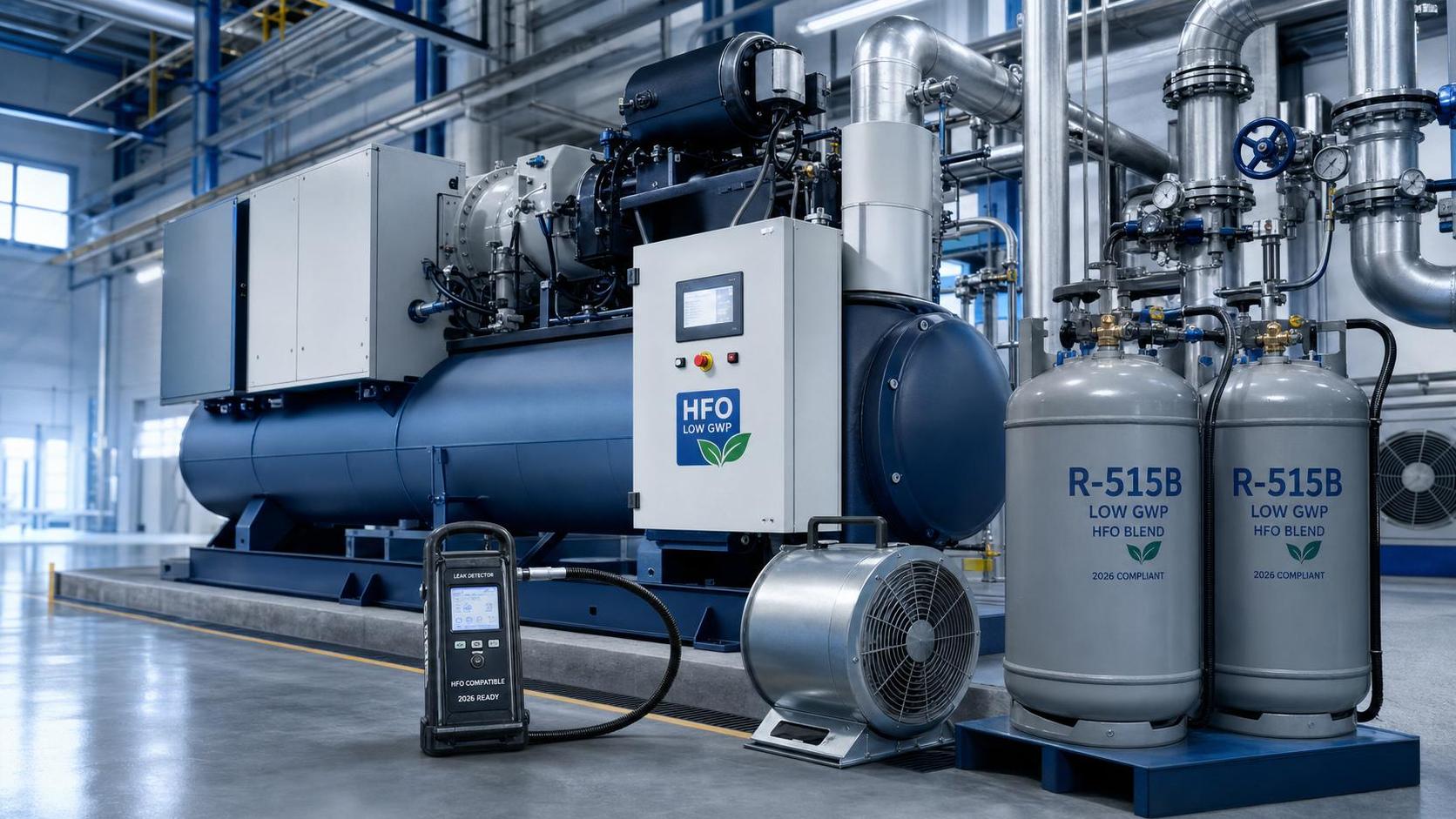
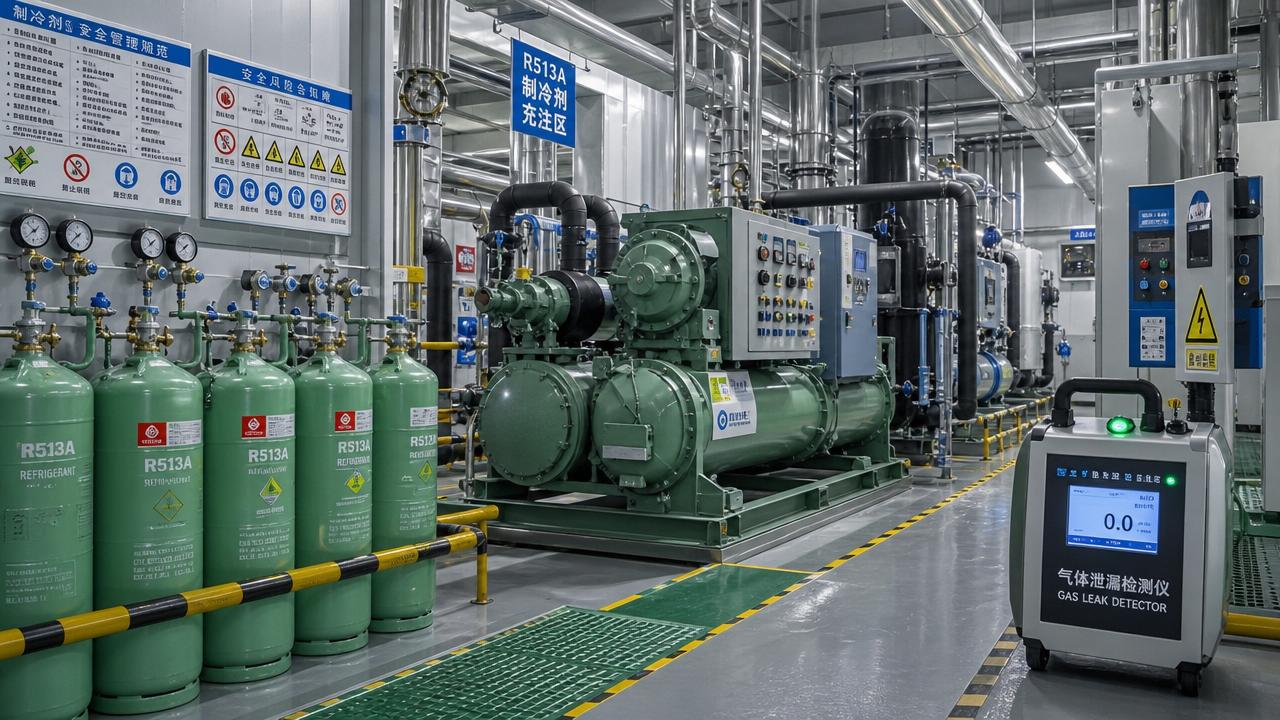
Industrial chiller OEMs are undergoing technical recalibration across design, safety validation, and factory assembly lines. R290 adoption requires redesign of charge sizes, explosion-proof electrical enclosures, and leak detection systems; R1234ze integration demands revised oil compatibility testing and compressor revalidation. These changes extend time-to-market by an average of 3–5 months per model series, per interviews with three major Guangdong-based manufacturers.
Supply Chain Service Providers
Third-party logistics providers, certification bodies (e.g., TÜV, SGS), and customs brokers report surging demand for GWP-compliance documentation audits, ADR/IMDG classification support, and regional labeling verification (e.g., EU F-Gas Regulation Annex IV updates). Some labs have introduced premium-tier expedited testing packages for low-GWP refrigerant system validation — pricing up 22% year-on-year.
Key Considerations and Response Measures
Verify Refrigerant-Specific Export Compliance Pathways
Enterprises must map each destination market’s current refrigerant import rules — including quota-linked licensing (e.g., EU’s F-Gas quota registry), mandatory GWP thresholds (e.g., Japan’s 2026 cap of 750 GWP for new chillers), and local safety standards (e.g., ASHRAE 15-2022 revisions for flammable refrigerants). Relying on generic “low-GWP” claims without jurisdiction-specific validation carries increasing legal exposure.
Accelerate Dual-Refrigerant Platform Development
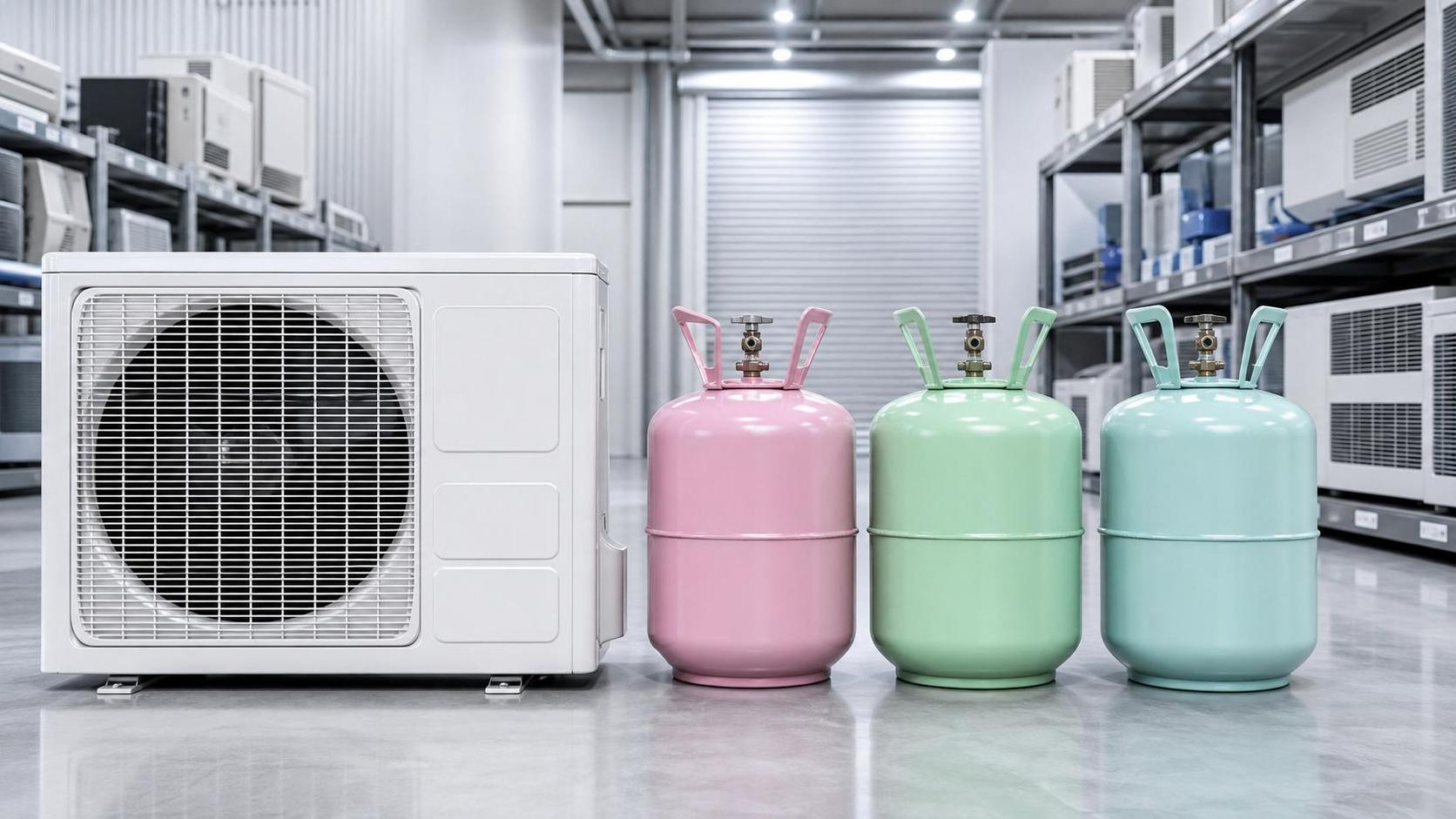
Rather than full-platform replacement, leading manufacturers are adopting modular platform architectures that allow interchangeable refrigerant circuits (R32/R290/R1234ze) within shared chassis and control logic. This approach reduces R&D duplication and supports staggered regional rollout — critical given uneven global adoption timelines for flammability standards.
Engage Early with Certification and Testing Partners
Pre-certification alignment with accredited labs on test protocols (e.g., UL 60335-2-40 Annex BB for R290 charge limits) helps avoid late-stage design rejection. Several firms now co-develop test plans with certification bodies during concept phase — reducing total validation cycle time by up to 35%.
Editorial Perspective / Industry Observation
Observably, the R32 quota cut functions less as an isolated regulatory event and more as a structural signal: the era of ‘drop-in’ HFC replacements is ending. Analysis shows that while R32 offered transitional simplicity, its declining quota signals tightening global tolerance for even mid-GWP options. From an industry perspective, the real inflection point lies not in refrigerant chemistry alone, but in the convergence of three pressures — tightening quotas, accelerated HCFC enforcement, and fragmented regional safety regulations. Current more relevant strategic question is no longer which low-GWP refrigerant to choose, but how quickly companies can decouple refrigerant selection from core product architecture.
Conclusion
This quota adjustment does not mark the beginning of the low-GWP transition — it confirms its irreversible acceleration. For China’s industrial chiller sector, the implication is clear: competitiveness will increasingly hinge on agility in regulatory navigation, modularity in engineering, and transparency in environmental footprint reporting — not just refrigerant substitution alone.
Source Attribution
Primary source: United Nations Environment Programme (UNEP), Kigali Amendment Implementation Update – Global HFC Production Quotas for 2026, issued May 11, 2026. Secondary source: Ministry of Ecology and Environment of the People’s Republic of China, 2026 HCFC Phase-Out On-Site Verification Guidelines (Trial), effective April 1, 2026.
Areas under active monitoring: EU Commission’s upcoming revision of F-Gas Regulation (expected Q3 2026); ASEAN Harmonized Standards for Flammable Refrigerants (draft consultation open until July 2026); U.S. EPA SNAP Program updates for R1234ze in industrial chillers (docket EPA-HQ-OAR-2025-0442).
Related News
- EU PFAS Curbs Raise Compliance Review for Cooling ExportsAuthor :Cryogenic Systems Expert

- EU PFAS Proposal Puts Refrigerant and Vacuum Exports Under ReviewAuthor :Cryogenic Systems Expert

- EU REACH PFAS Draft Raises New Export ChecksAuthor :Cryogenic Systems Expert

- EU Cuts High-GWP Refrigerant Import Quotas by 35%Author :Cryogenic Systems Expert

- EU Cuts Q4 2026 Quotas for High-GWP RefrigerantsAuthor :Cryogenic Systems Expert

- EU F-Gas Revision Cuts R410A Quotas 40%Author :Cryogenic Systems Expert

- EPA Freezes R-410A Quotas, Fast-Tracks R-32Author :Cryogenic Systems Expert

- Low GWP Refrigerants HFO Blends: Key Stability and Safety FactorsAuthor :Cryogenic Systems Expert

- R-32 Price Spike Reshapes Chiller ProcurementAuthor :Cryogenic Systems Expert

- How to Compare Environmentally Friendly Refrigerants by GWP, Safety, and CostAuthor :Cryogenic Systems Expert

- R-454B Export Quota Cut 18% as Lead Times DoubleAuthor :Cryogenic Systems Expert

- Japan Cuts R32 and R290 Import Quotas From July 10Author :Cryogenic Systems Expert

- EPA Cuts R-134a Import Quotas 42% From July 2026Author :Cryogenic Systems Expert
![]()
- Low GWP Refrigerants HFO Blends: Performance and Compliance in 2026Author :Cryogenic Systems Expert

- R-513A Jumps 23% as China Tightens Export QuotasAuthor :Cryogenic Systems Expert

- Environmentally Friendly Refrigerants in 2026: Compliance Risks and Upgrade PrioritiesAuthor :Cryogenic Systems Expert

- Pharmaceutical Temperature Control Systems: Common Compliance RisksAuthor :Cryogenic Systems Expert

- China Tightens Q3 R32 Export QuotasAuthor :Cryogenic Systems Expert

- California EPR Deadline Nears for Refrigeration MakersAuthor :Cryogenic Systems Expert

- Resource Circularity Trends Reshaping Refrigerants and Cooling SystemsAuthor :Cryogenic Systems Expert

- HFCs Filing Rules Enter Full EnforcementAuthor :Cryogenic Systems Expert

- How Environmentally Friendly Refrigerants Affect Chiller ComplianceAuthor :Cryogenic Systems Expert

- EU REACH Tightens Refrigerant Impurity Limits for R134a ExportsAuthor :Cryogenic Systems Expert

- China Seeks Feedback on 2027 Refrigerant QuotasAuthor :Cryogenic Systems Expert

- EU to Ban High-GWP ACs in 2029 as R410A Exits HomesAuthor :Cryogenic Systems Expert

- US, UK Delay HFC Phaseout, Extending R32/R134a Export WindowAuthor :Cryogenic Systems Expert

- EU HFC Cut Tightens by 2029 as Gen-3 Output Falls 10%Author :Cryogenic Systems Expert

- Kuwait Bans HCFC AC Imports as Shift to R32/R290 Speeds UpAuthor :Cryogenic Systems Expert

- Saudi SASO Rules Tighten AC Imports in DecemberAuthor :Cryogenic Systems Expert

- Environmentally Friendly Refrigerants: Compliance, Safety, and Retrofit RisksAuthor :Cryogenic Systems Expert

- SABIC Force Majeure Keeps Chiller Refrigerant Supply TightAuthor :Cryogenic Systems Expert

- SABIC Force Majeure Tightens Refrigerant FeedstocksAuthor :Cryogenic Systems Expert

- UL 60335-2-89 Tightens R290 Leak Test RulesAuthor :Cryogenic Systems Expert
![]()
- UL 60335-2-89 Adds R290 Vacuum Leak TestAuthor :Cryogenic Systems Expert

- Global Refrigerant Price Index Falls 8.3% MoM in MayAuthor :Cryogenic Systems Expert
![]()
- PSA Jurong Island Launches Mandatory Cold-Chain Traceability for RefrigerantsAuthor :Cryogenic Systems Expert
![]()