R32 Refrigerant Supply Tightens Globally; CRPI Up 4.2% in First Week of May 2026




Global refrigerant supply conditions tightened significantly in early May 2026, as the Composite Refrigerant Price Index (CRPI) rose 4.2% week-on-week — driven primarily by constrained R32 production capacity and accelerated pre-season procurement from Southeast Asian air conditioning markets. This development is especially relevant for industrial chiller manufacturers, cold storage system integrators, HVAC equipment exporters, and international procurement teams sourcing fluorinated refrigerants.
Event Overview
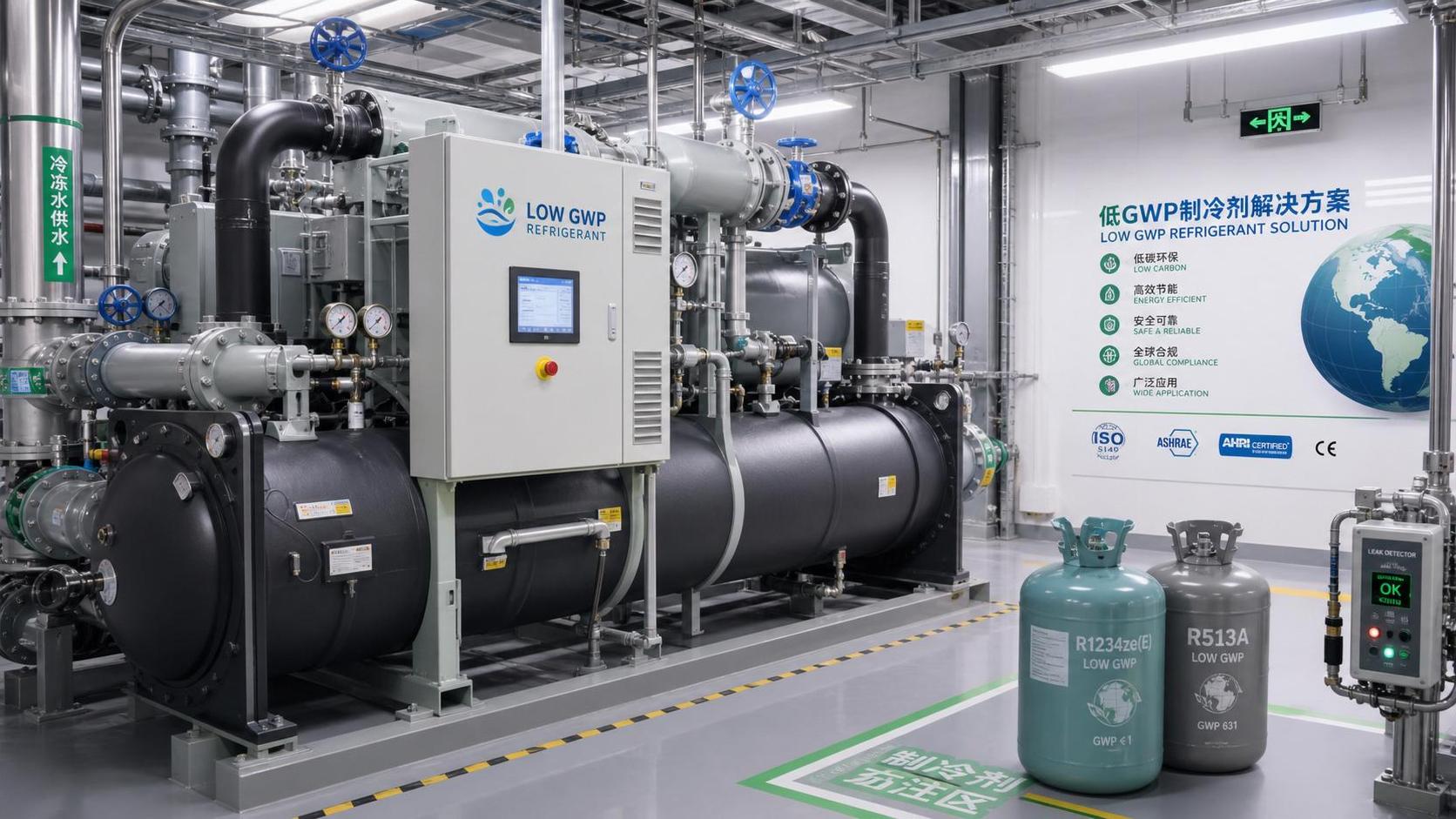
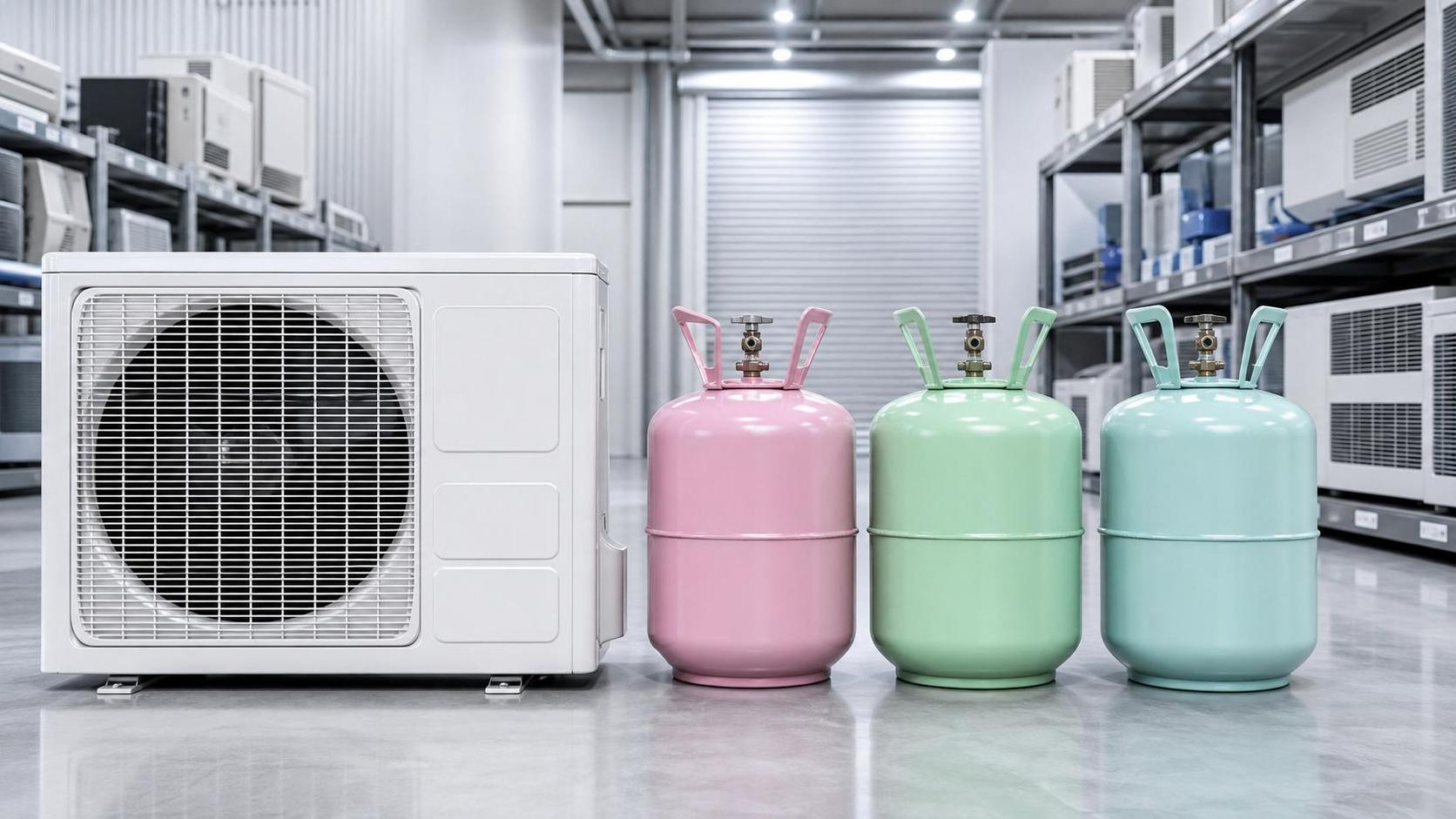
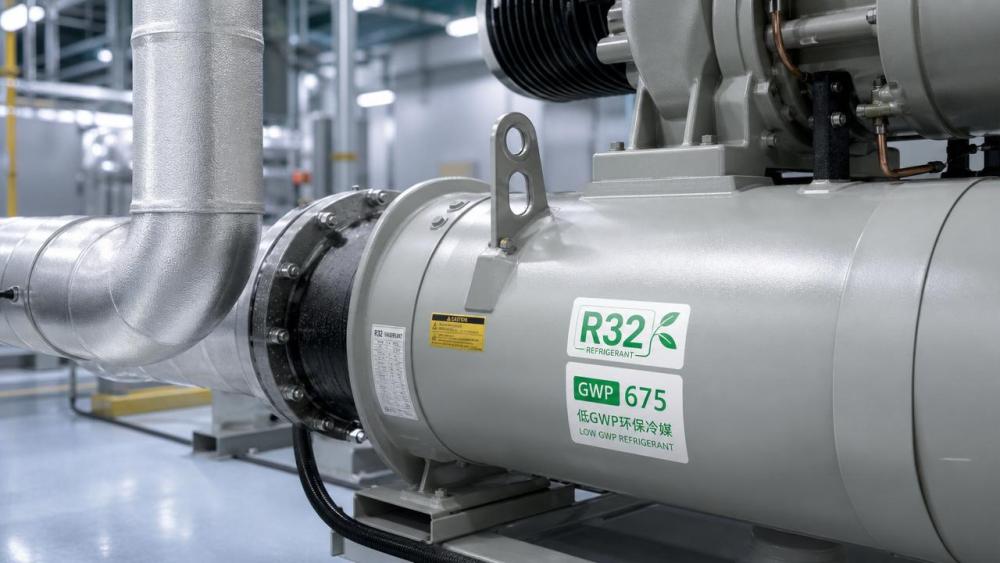
In the first week of May 2026, the Composite Refrigerant Price Index (CRPI) increased by 4.2% compared to the prior week. The rise was attributed to two confirmed factors: (1) limited global R32 production capacity, and (2) earlier-than-usual inventory build-up by air conditioning buyers in Southeast Asia. R32 is widely used in industrial chillers and cold storage applications as a low-global-warming-potential (GWP) alternative refrigerant. Its price increase has already begun affecting FOB quotations and lead times for end-use equipment shipments.
Impact on Specific Industry Segments
Direct Trading Enterprises
Companies engaged in cross-border refrigerant trading face narrower margins and heightened volatility in contract pricing. Since R32 is often traded under short-term agreements tied to index-linked benchmarks, the CRPI surge directly affects settlement terms and hedging feasibility.
Raw Material Procurement Teams
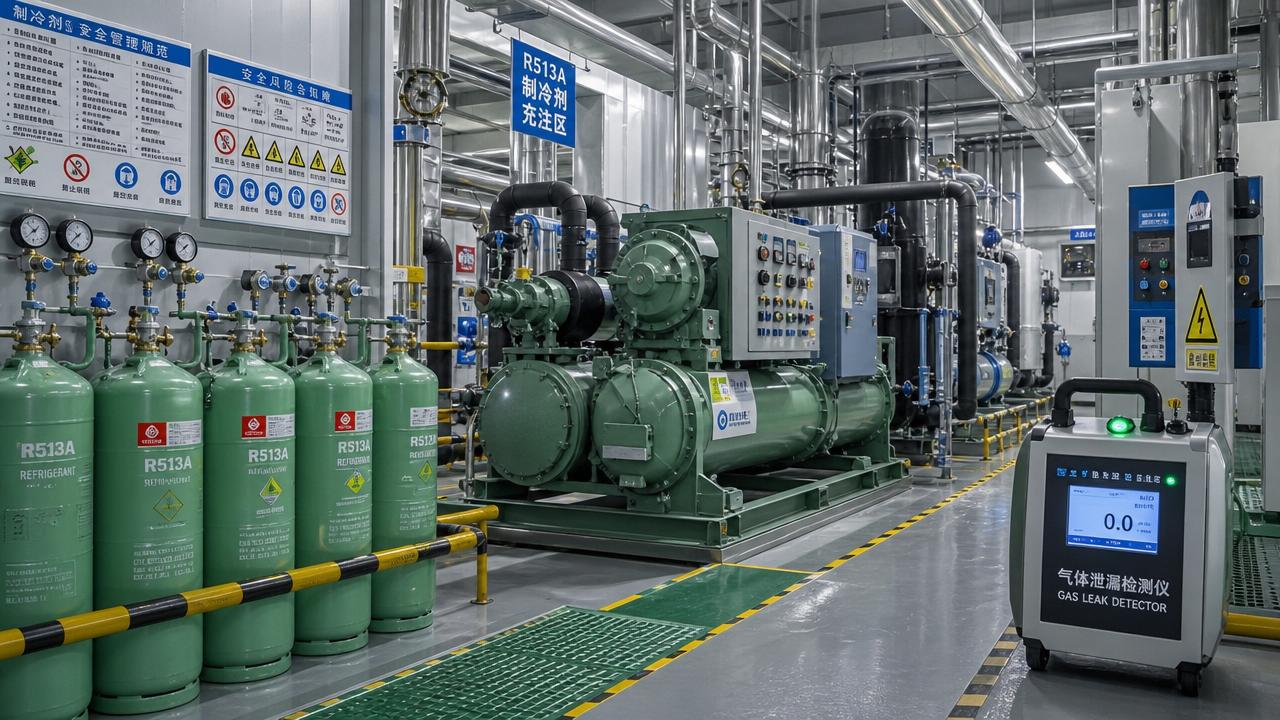
Procurement units sourcing R32 for OEM equipment assembly or refrigerant blending are encountering longer confirmation cycles and stricter allocation policies from Chinese producers. This reflects tightening domestic production quotas — a factor that constrains volume availability even before export licensing stages.
Equipment Manufacturing Firms
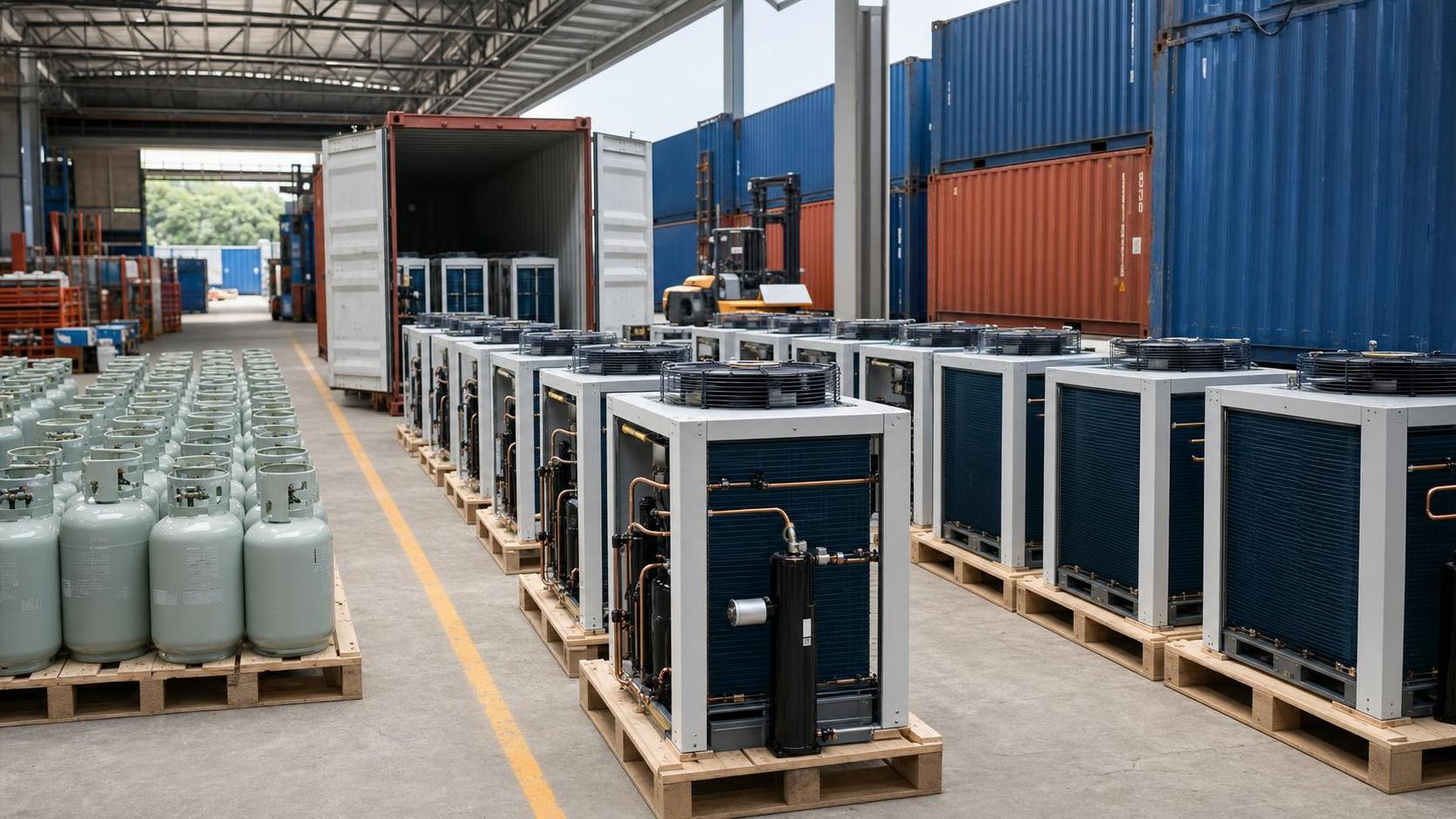
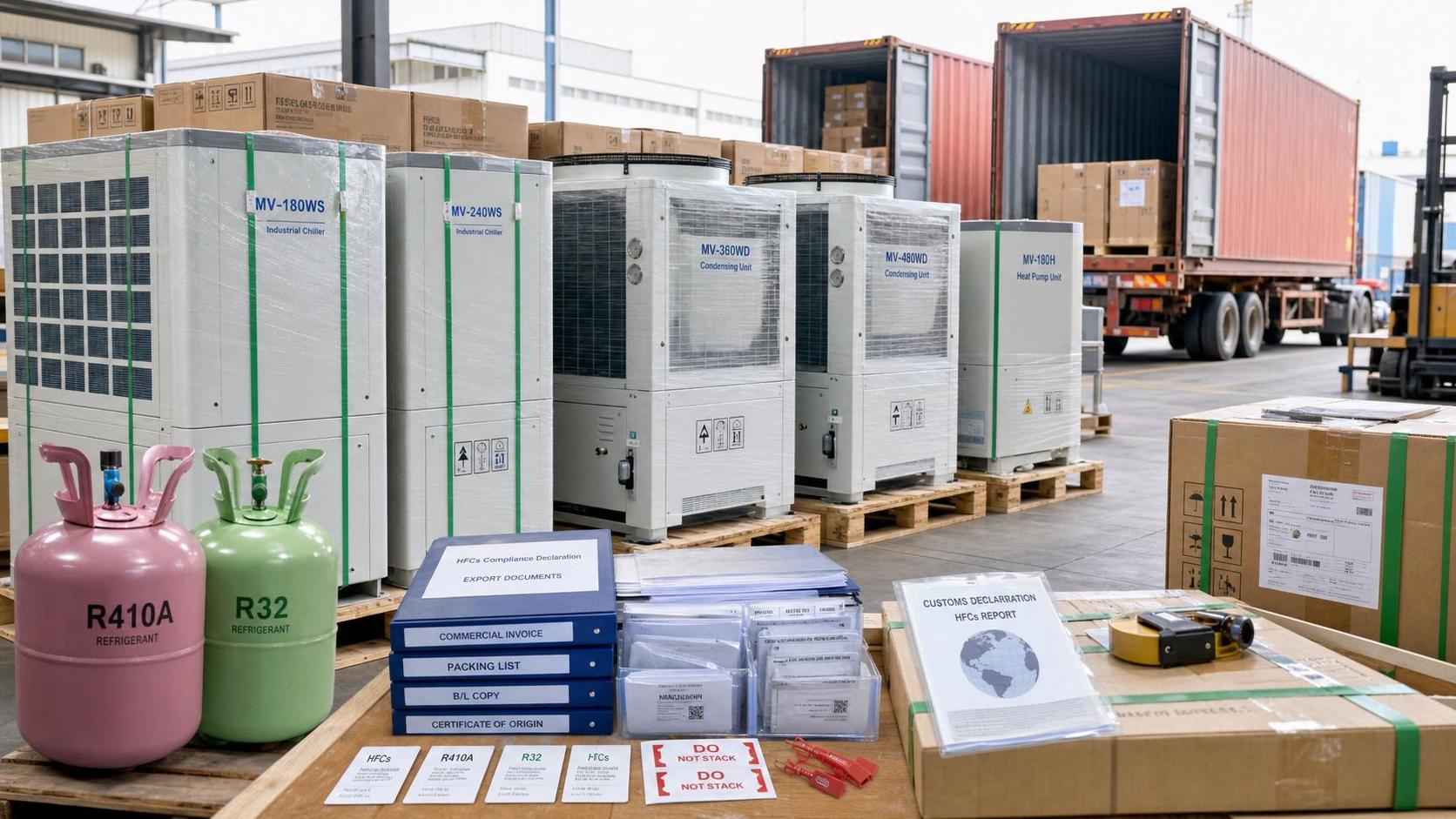
Manufacturers of industrial chillers and cold storage systems report upward pressure on both unit cost and delivery timelines. R32’s role as a primary charge gas means its scarcity cascades into final product pricing and order scheduling — particularly for export-bound units requiring certified refrigerant charging.
Distribution & Channel Operators
Regional distributors handling refrigerant logistics and regulatory compliance (e.g., import permits, safety documentation) are observing tighter inventory buffers and more frequent allocation adjustments from upstream suppliers — increasing operational complexity in demand forecasting and stock rotation.
What Relevant Enterprises or Practitioners Should Monitor and Do Now
Track Quota Release Patterns from Major Chinese Producers
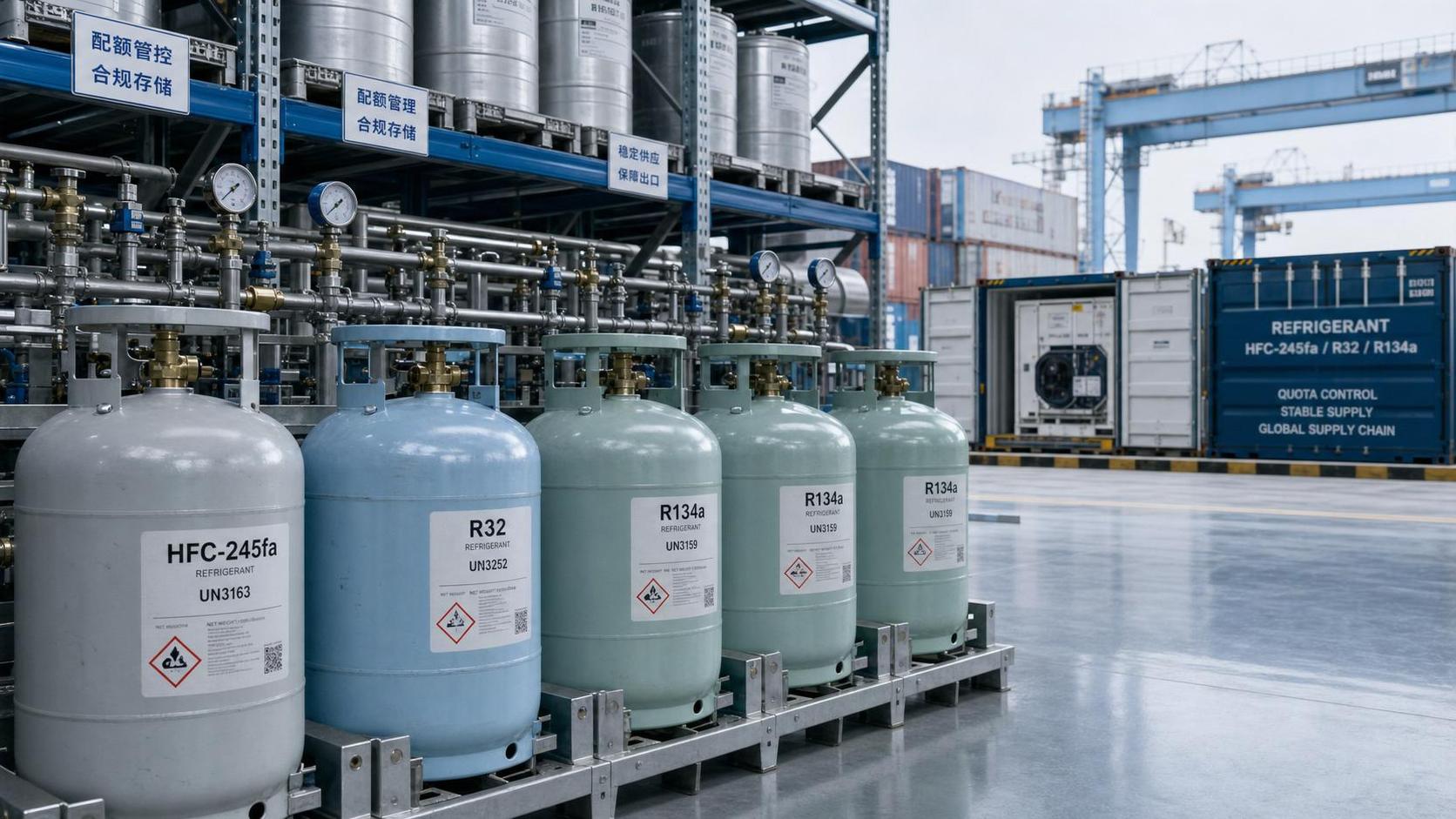
Chinese refrigerant manufacturers operate under annual production quotas set by national environmental authorities. Observably, quota release timing — not just total volume — is now a critical lead indicator for near-term supply availability. Procurement teams should monitor official announcements and quarterly allocation updates from top-tier producers rather than relying solely on spot market signals.
Verify R454B Compatibility Status for Key Product Lines
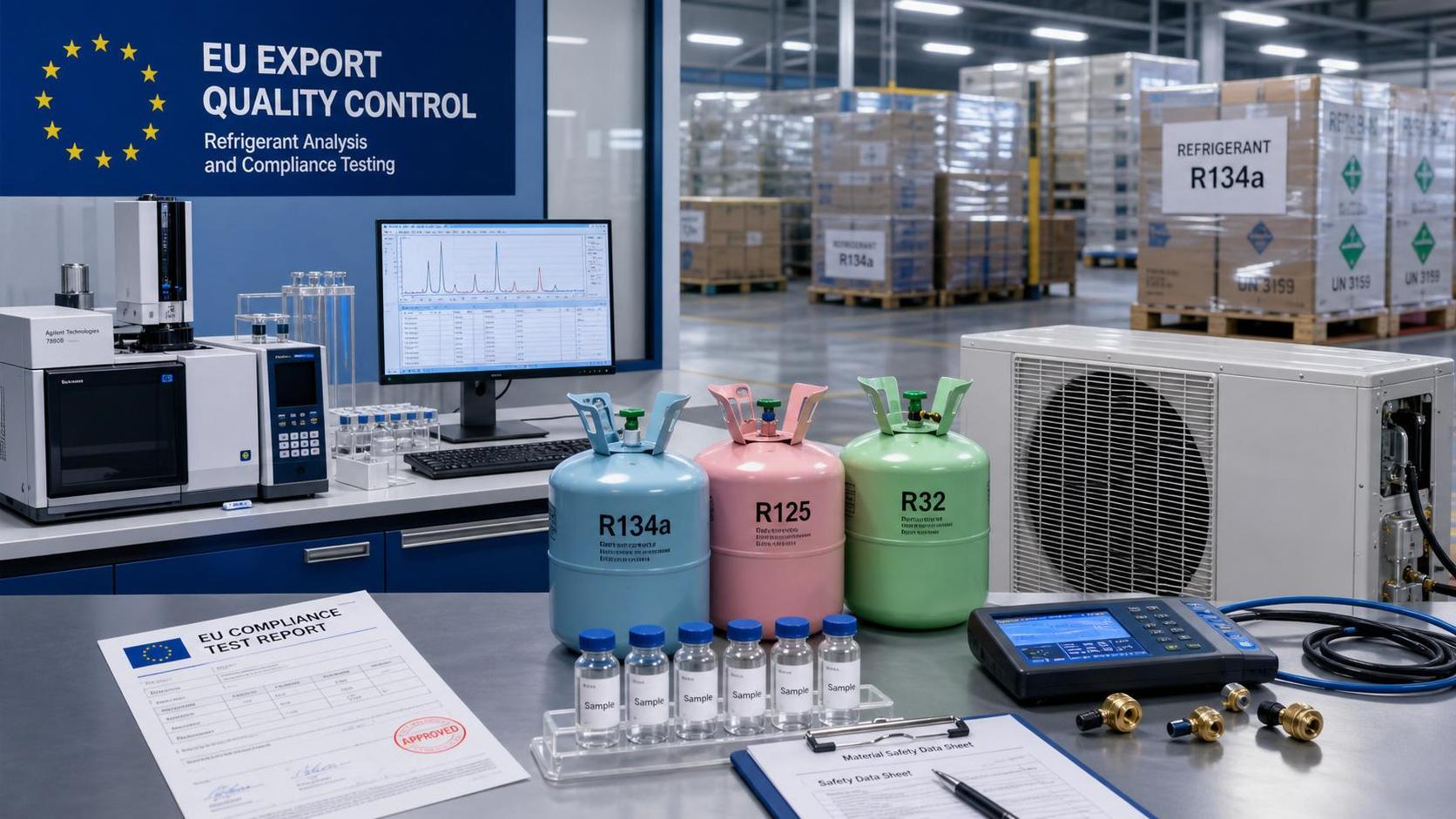
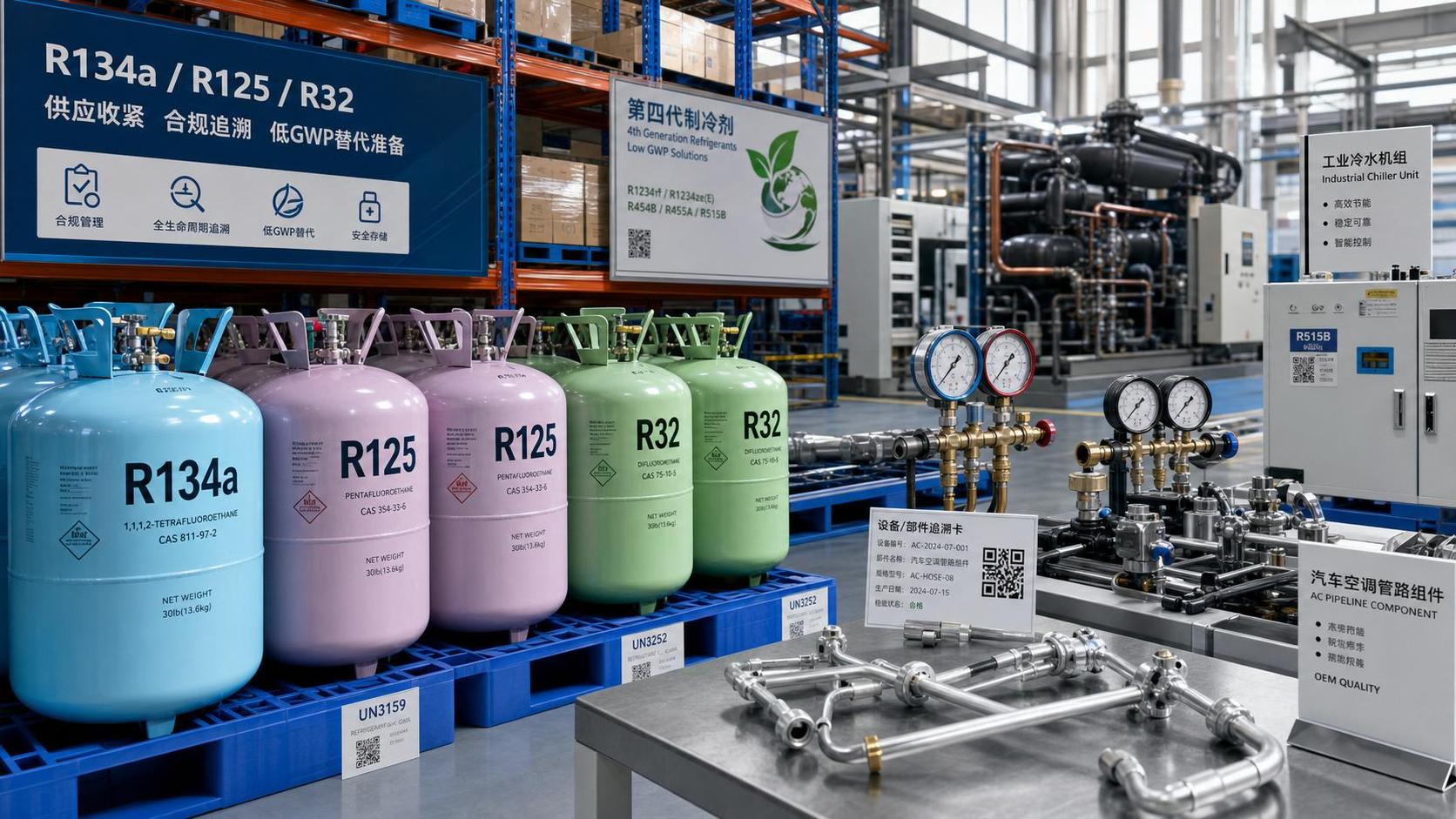
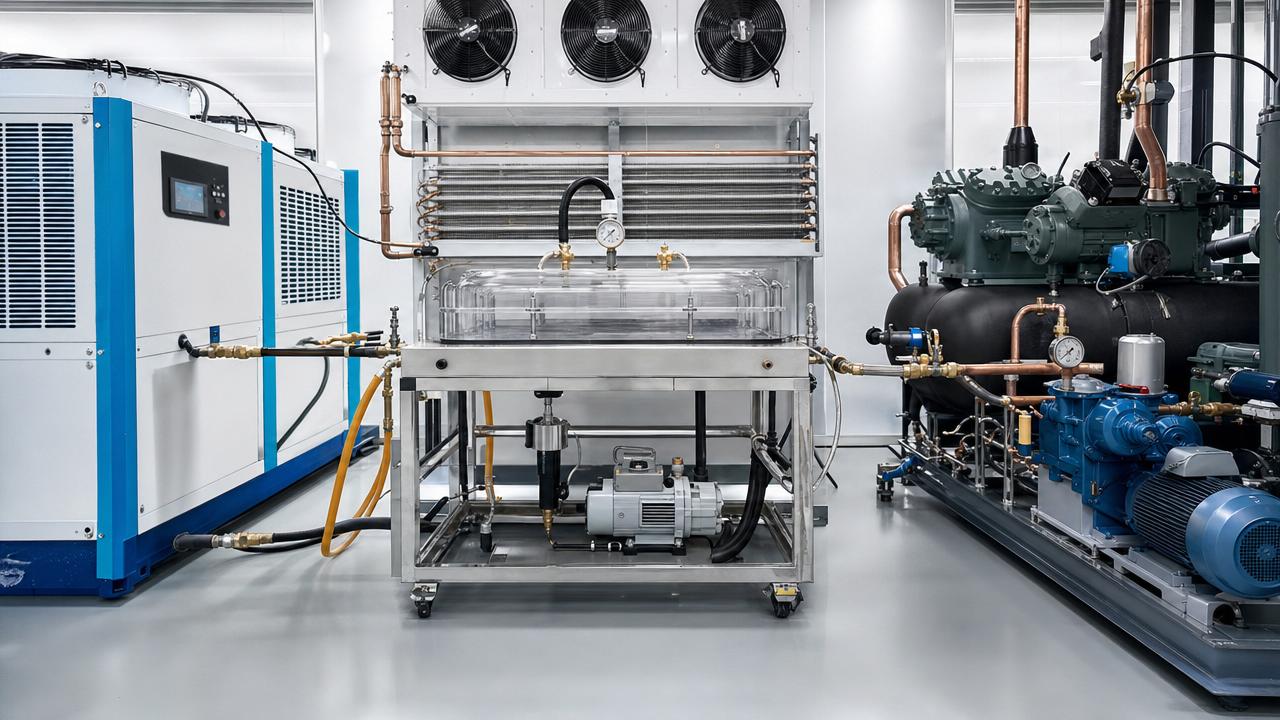
Analysis shows R454B is emerging as the most viable near-term alternative to R32 in many chiller and cold storage applications — but compatibility validation remains device- and compressor-specific. Engineering and compliance teams should prioritize reviewing existing R454B test reports from OEM partners and confirm whether retrofitting or re-certification would be required for current platforms.
Adjust Lead-Time Assumptions for Export Orders
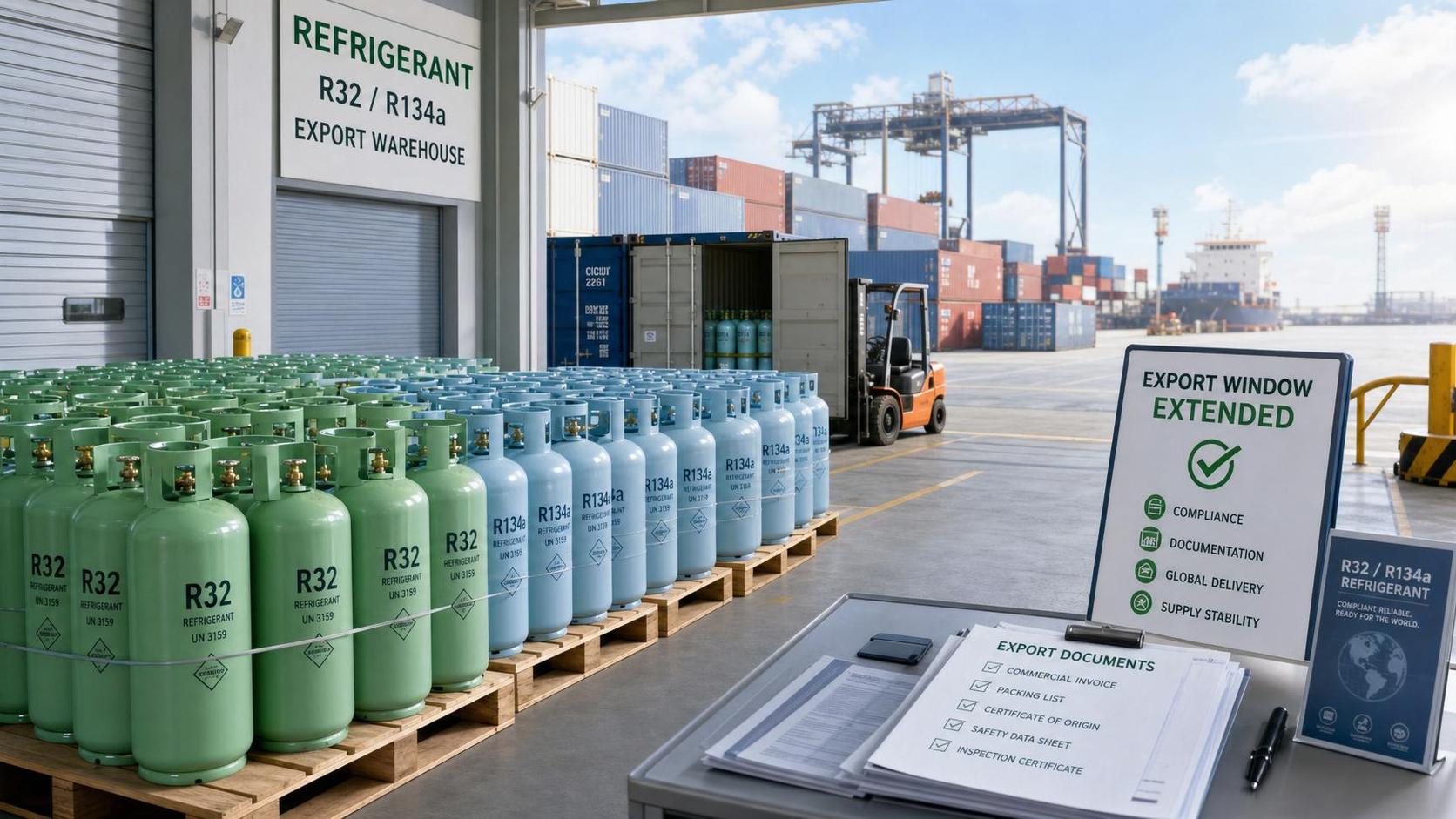
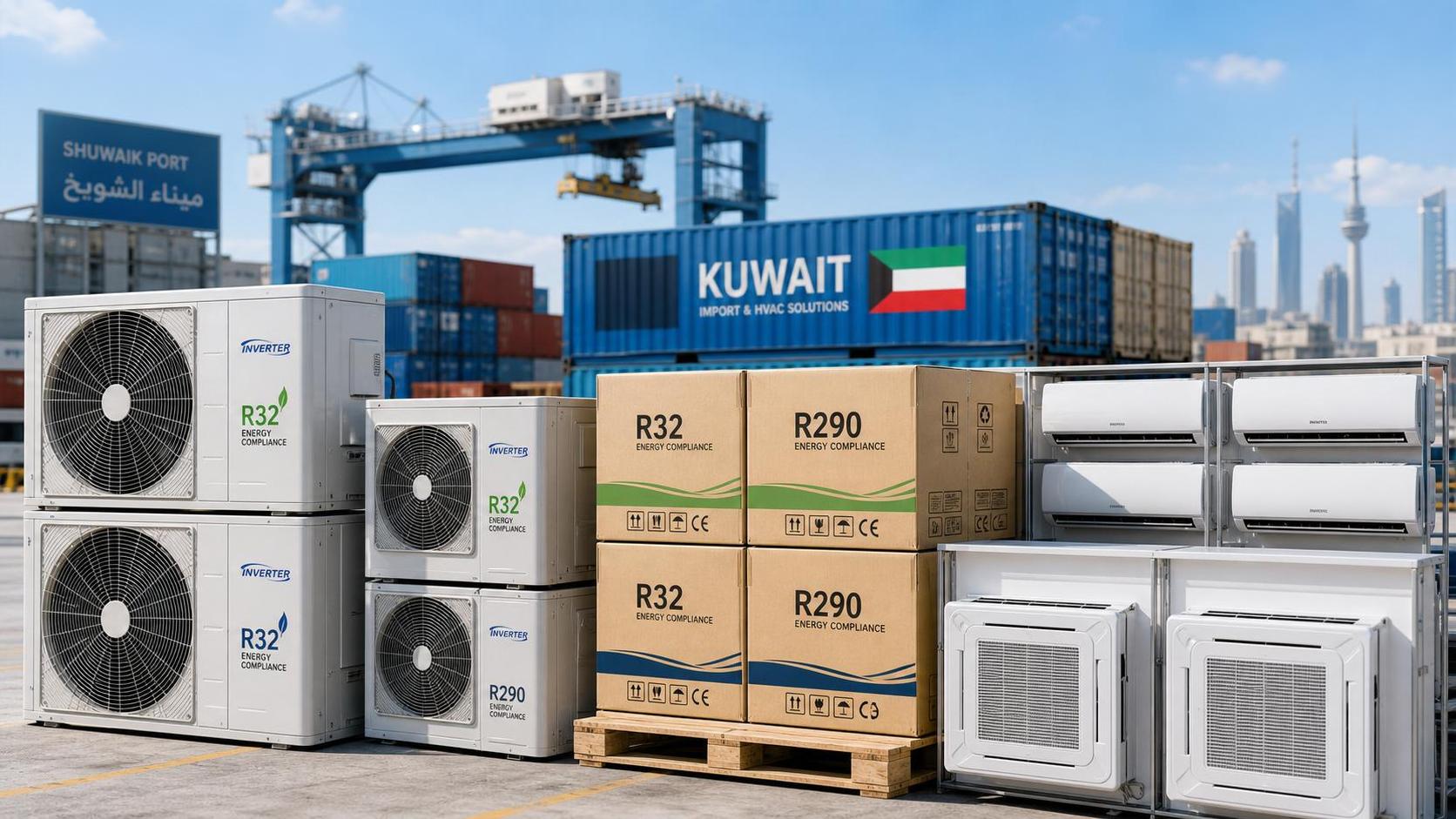
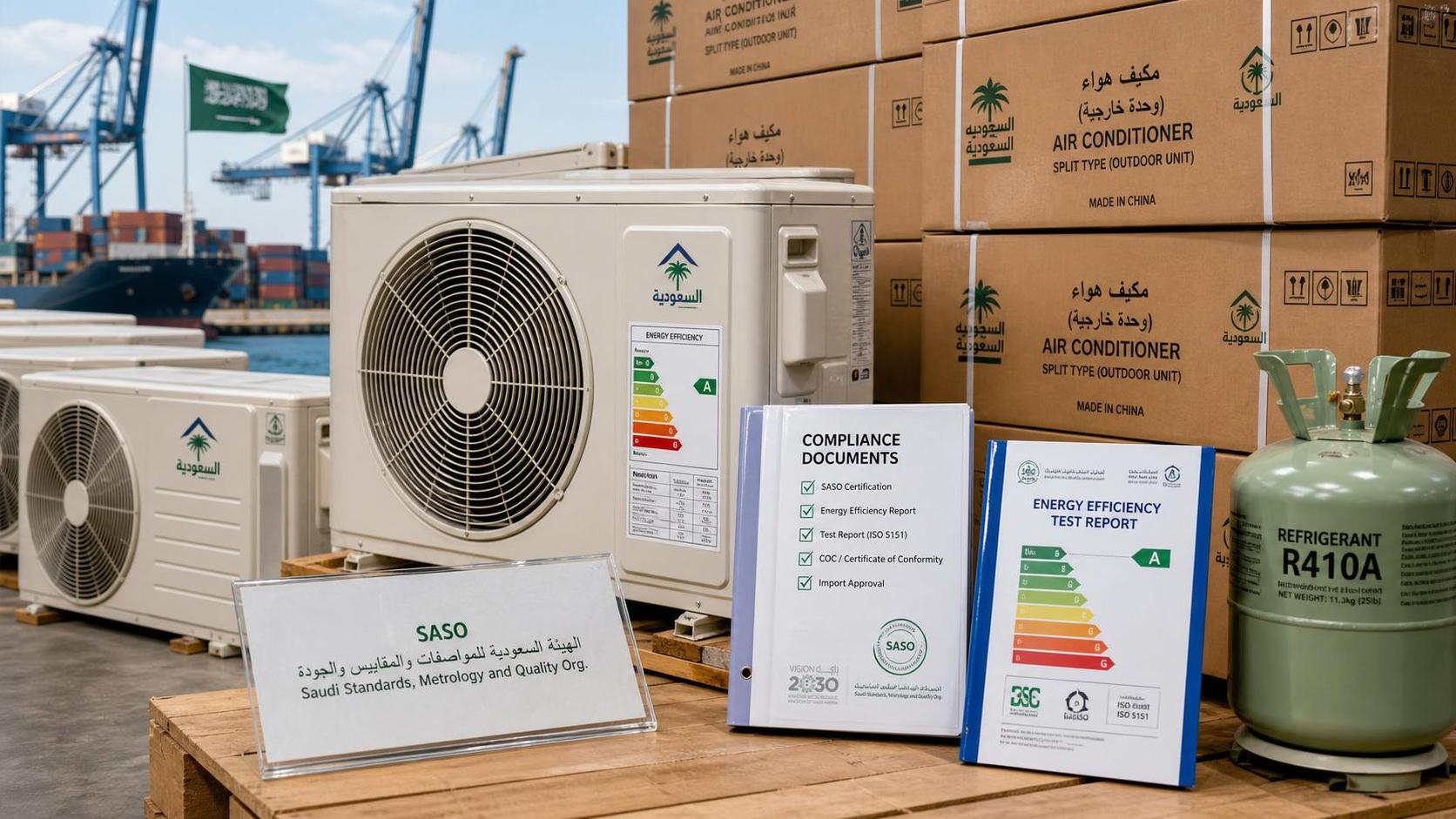
Current data indicates extended delivery windows for R32-charged equipment destined for overseas markets. From an operational standpoint, it is advisable to revise internal lead-time models by +7–10 days for orders placed after mid-May 2026 — especially those targeting ASEAN and Middle Eastern markets where seasonal demand peaks earlier.
Distinguish Between Index Movement and Physical Availability
The CRPI reflects weighted average transaction prices across major trading hubs — not real-time physical stock levels. Therefore, a rising index does not automatically imply zero inventory; however, it does signal reduced flexibility in negotiation and higher probability of allocation-based sales. Purchasing managers should treat index trends as early-warning signals, not definitive constraints — and maintain parallel communication with multiple supplier tiers.
Editorial Perspective / Industry Observation
This CRPI increase is best understood not as an isolated price fluctuation, but as a structural inflection point in the post-Kigali Adjustment Phase. Observably, it reflects growing tension between phased HFC phase-down schedules and actual manufacturing scalability — particularly for R32, which lacks the infrastructure scale of legacy refrigerants. Analysis suggests this is currently functioning more as a policy-implementation signal than a fully matured market outcome: while prices have risen, widespread substitution or technology shift has not yet occurred at scale. Continued monitoring is warranted — especially around Q3 2026 quota reviews and regional refrigerant certification updates in key export destinations.
Conclusion
This CRPI movement underscores how regulatory-driven capacity management — rather than raw demand spikes — is now the dominant influence on refrigerant market dynamics. It is not yet evidence of systemic shortage, but rather a marker of tightening operational headroom within existing compliance frameworks. For industry stakeholders, it is more appropriately interpreted as a prompt to reassess refrigerant dependency assumptions, verify alternative-spec readiness, and align procurement cadence with quota-cycle visibility — rather than as an immediate trigger for emergency action.
Source Disclosure
Main source: Publicly reported Composite Refrigerant Price Index (CRPI) data for the first week of May 2026, cited in conjunction with verified market commentary on R32 supply constraints and Southeast Asian pre-season procurement behavior.
Note: Ongoing observation is recommended regarding official quota release schedules from China’s Ministry of Ecology and Environment and third-party verification of R454B compatibility claims across chiller OEMs.
Related News
- EU PFAS Curbs Raise Compliance Review for Cooling ExportsAuthor :Cryogenic Systems Expert

- EU PFAS Proposal Puts Refrigerant and Vacuum Exports Under ReviewAuthor :Cryogenic Systems Expert

- EU REACH PFAS Draft Raises New Export ChecksAuthor :Cryogenic Systems Expert

- EU Cuts High-GWP Refrigerant Import Quotas by 35%Author :Cryogenic Systems Expert

- EU Cuts Q4 2026 Quotas for High-GWP RefrigerantsAuthor :Cryogenic Systems Expert

- EU F-Gas Revision Cuts R410A Quotas 40%Author :Cryogenic Systems Expert

- EPA Freezes R-410A Quotas, Fast-Tracks R-32Author :Cryogenic Systems Expert

- Low GWP Refrigerants HFO Blends: Key Stability and Safety FactorsAuthor :Cryogenic Systems Expert

- R-32 Price Spike Reshapes Chiller ProcurementAuthor :Cryogenic Systems Expert

- How to Compare Environmentally Friendly Refrigerants by GWP, Safety, and CostAuthor :Cryogenic Systems Expert

- R-454B Export Quota Cut 18% as Lead Times DoubleAuthor :Cryogenic Systems Expert

- Japan Cuts R32 and R290 Import Quotas From July 10Author :Cryogenic Systems Expert

- EPA Cuts R-134a Import Quotas 42% From July 2026Author :Cryogenic Systems Expert
![]()
- Low GWP Refrigerants HFO Blends: Performance and Compliance in 2026Author :Cryogenic Systems Expert

- R-513A Jumps 23% as China Tightens Export QuotasAuthor :Cryogenic Systems Expert

- Environmentally Friendly Refrigerants in 2026: Compliance Risks and Upgrade PrioritiesAuthor :Cryogenic Systems Expert

- Pharmaceutical Temperature Control Systems: Common Compliance RisksAuthor :Cryogenic Systems Expert

- China Tightens Q3 R32 Export QuotasAuthor :Cryogenic Systems Expert

- California EPR Deadline Nears for Refrigeration MakersAuthor :Cryogenic Systems Expert

- Resource Circularity Trends Reshaping Refrigerants and Cooling SystemsAuthor :Cryogenic Systems Expert

- HFCs Filing Rules Enter Full EnforcementAuthor :Cryogenic Systems Expert

- How Environmentally Friendly Refrigerants Affect Chiller ComplianceAuthor :Cryogenic Systems Expert

- EU REACH Tightens Refrigerant Impurity Limits for R134a ExportsAuthor :Cryogenic Systems Expert

- China Seeks Feedback on 2027 Refrigerant QuotasAuthor :Cryogenic Systems Expert

- EU to Ban High-GWP ACs in 2029 as R410A Exits HomesAuthor :Cryogenic Systems Expert

- US, UK Delay HFC Phaseout, Extending R32/R134a Export WindowAuthor :Cryogenic Systems Expert

- EU HFC Cut Tightens by 2029 as Gen-3 Output Falls 10%Author :Cryogenic Systems Expert

- Kuwait Bans HCFC AC Imports as Shift to R32/R290 Speeds UpAuthor :Cryogenic Systems Expert

- Saudi SASO Rules Tighten AC Imports in DecemberAuthor :Cryogenic Systems Expert

- Environmentally Friendly Refrigerants: Compliance, Safety, and Retrofit RisksAuthor :Cryogenic Systems Expert

- SABIC Force Majeure Keeps Chiller Refrigerant Supply TightAuthor :Cryogenic Systems Expert

- SABIC Force Majeure Tightens Refrigerant FeedstocksAuthor :Cryogenic Systems Expert

- UL 60335-2-89 Tightens R290 Leak Test RulesAuthor :Cryogenic Systems Expert
![]()
- UL 60335-2-89 Adds R290 Vacuum Leak TestAuthor :Cryogenic Systems Expert

- Global Refrigerant Price Index Falls 8.3% MoM in MayAuthor :Cryogenic Systems Expert
![]()
- PSA Jurong Island Launches Mandatory Cold-Chain Traceability for RefrigerantsAuthor :Cryogenic Systems Expert
![]()