Carbon Neutrality Targets and What They Mean for Refrigerants




As carbon neutrality targets tighten across global industry, refrigerants are becoming a strategic issue, not just a technical specification. Rules on emissions, energy performance, and refrigerant phase-down now directly affect asset value, lifecycle cost, and operational resilience.
For industrial cooling, HVAC, heat pumps, cold chain, and process systems, carbon neutrality changes how refrigerants are selected, managed, and replaced. The key question is no longer only what works today, but what remains compliant and efficient tomorrow.
This article explains what carbon neutrality means for refrigerants, why a structured review is necessary, and which practical checkpoints support better decisions across mixed industrial applications.
Why carbon neutrality requires a structured refrigerant review
Carbon neutrality is not limited to direct fuel switching. It also includes indirect emissions from electricity use and direct emissions from refrigerant leakage, servicing losses, and end-of-life handling.
That means refrigerant decisions now sit at the intersection of climate policy, energy efficiency, safety codes, and capital planning. A low-GWP option may reduce reporting risk, but poor system matching can increase power use.
A structured review prevents narrow choices. It helps compare carbon neutrality goals against real system duty, ambient conditions, maintenance capability, retrofit complexity, and total cost of ownership.
Key checks before selecting or replacing refrigerants
Use the following points to align refrigerant strategy with carbon neutrality requirements, operational efficiency, and future regulatory exposure.
- Map direct and indirect emissions together, because carbon neutrality depends on both refrigerant leakage impact and the electricity consumed throughout system operation.
- Check current and expected GWP limits in target markets, since carbon neutrality policy often advances through phased quotas, bans, reporting rules, and service restrictions.
- Verify real efficiency under actual load profiles, because a refrigerant with lower climate impact can still increase annual emissions if system performance declines.
- Review safety classification and site constraints early, especially for flammable or high-pressure refrigerants that may require redesign of equipment rooms and controls.
- Assess compatibility with compressors, valves, lubricants, heat exchangers, seals, and piping, because carbon neutrality transitions fail when retrofit assumptions ignore component limits.
- Estimate refrigerant availability and future price volatility, as quota tightening can turn a technically acceptable option into a costly operational burden.
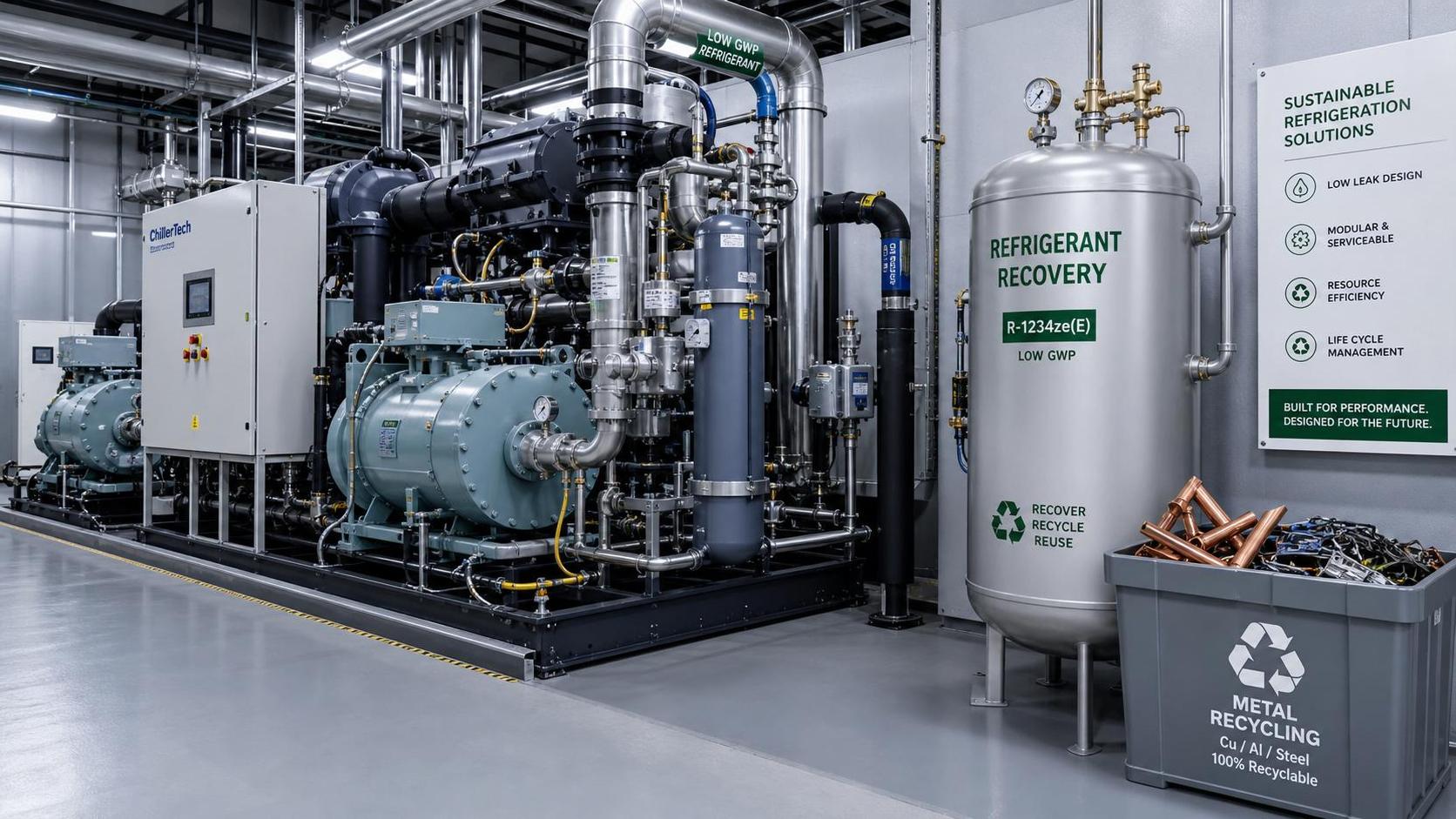
- Include leak detection, recovery, reclaim, and end-of-life handling in project scope, since carbon neutrality performance depends on the full refrigerant lifecycle.
- Compare new equipment replacement with retrofit pathways, because the lowest-carbon decision may differ depending on system age, efficiency baseline, and service history.
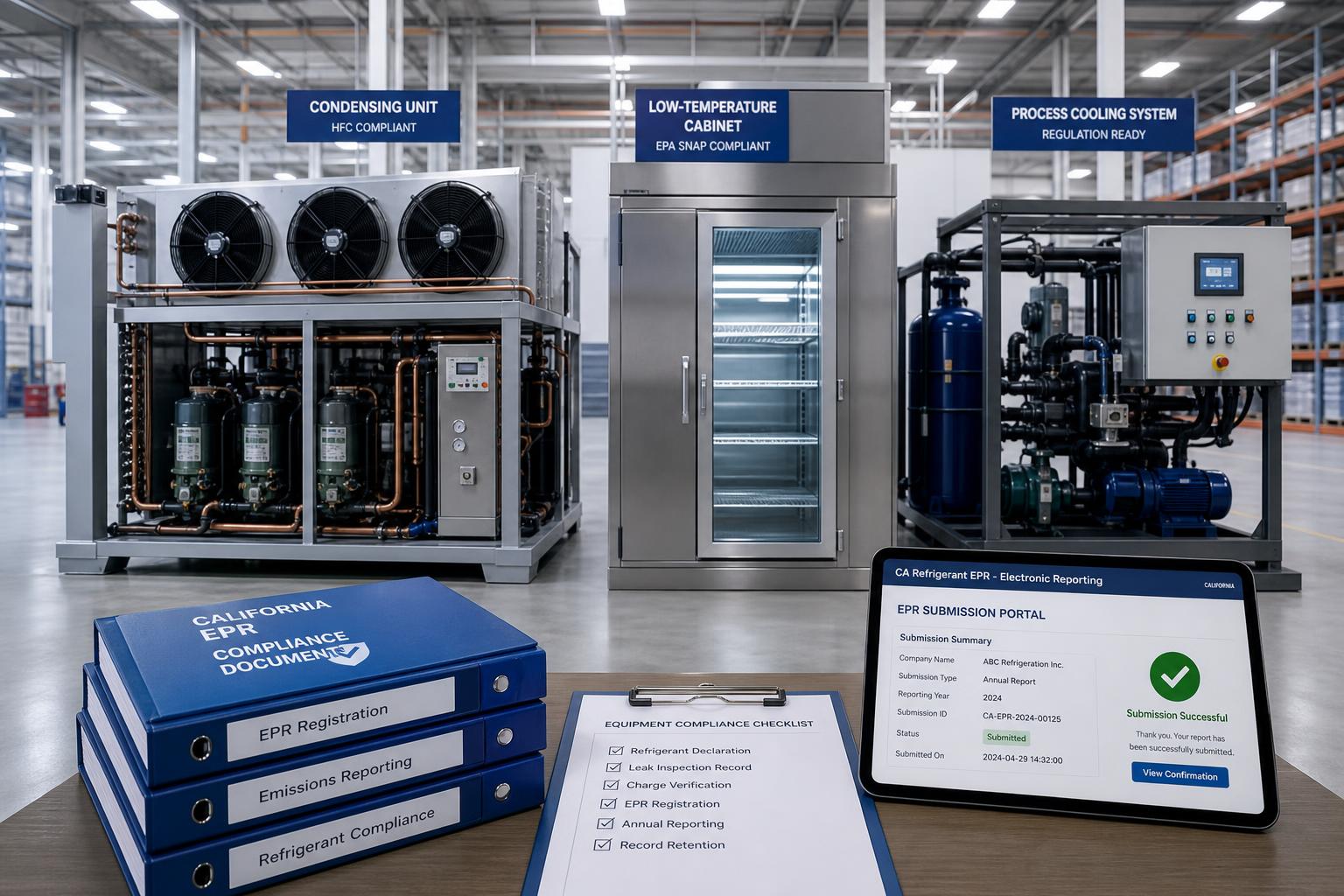
- Document regulatory evidence and refrigerant data clearly, so carbon neutrality reporting can support audits, ESG disclosures, and customer compliance requirements.
- Test the strategy against expansion plans, because refrigerants chosen today should remain viable as production capacity, temperatures, or regional footprints change.
How refrigerants affect carbon neutrality performance
Refrigerants influence carbon neutrality in two main ways. First, leaked refrigerant creates direct greenhouse gas emissions. Second, refrigerant thermodynamics affect compressor work, heat transfer, and total electricity demand.
This is why low-GWP alone is not a complete answer. Carbon neutrality requires balancing GWP, energy efficiency, charge size, leak probability, service practices, and expected operating hours.
In many industrial systems, the long-term emissions from power consumption exceed the one-time emissions impact of refrigerant charge. In leak-prone or distributed systems, direct refrigerant emissions may dominate.
The most effective carbon neutrality strategy therefore depends on application. There is no universal best refrigerant without system context.
Application-specific considerations across industry
Industrial process cooling
Process cooling often runs continuously and carries high energy loads. For carbon neutrality, annual efficiency under partial load and seasonal variation matters more than nameplate performance alone.
Review refrigerant choice together with compressor staging, heat recovery potential, microchannel heat exchanger design, and control logic. These linked factors can materially reduce total emissions.
Cold chain and food storage
Cold storage systems face rising pressure from energy cost volatility and refrigerant compliance rules. Carbon neutrality planning should prioritize leak management, standby efficiency, and reliable low-temperature performance.
Where natural refrigerants are evaluated, site safety design and technician readiness become essential checkpoints. The climate benefit only holds if uptime and safe operation remain stable.
Commercial buildings and district systems
For larger comfort cooling or district networks, carbon neutrality is closely tied to retrofit timing, refrigerant phase-down schedules, and future efficiency standards for chillers and heat pumps.
A delayed decision can increase stranded asset risk. Systems using refrigerants facing tighter quotas may encounter service cost inflation before equipment reaches planned replacement age.
Pharmaceutical and semiconductor environments
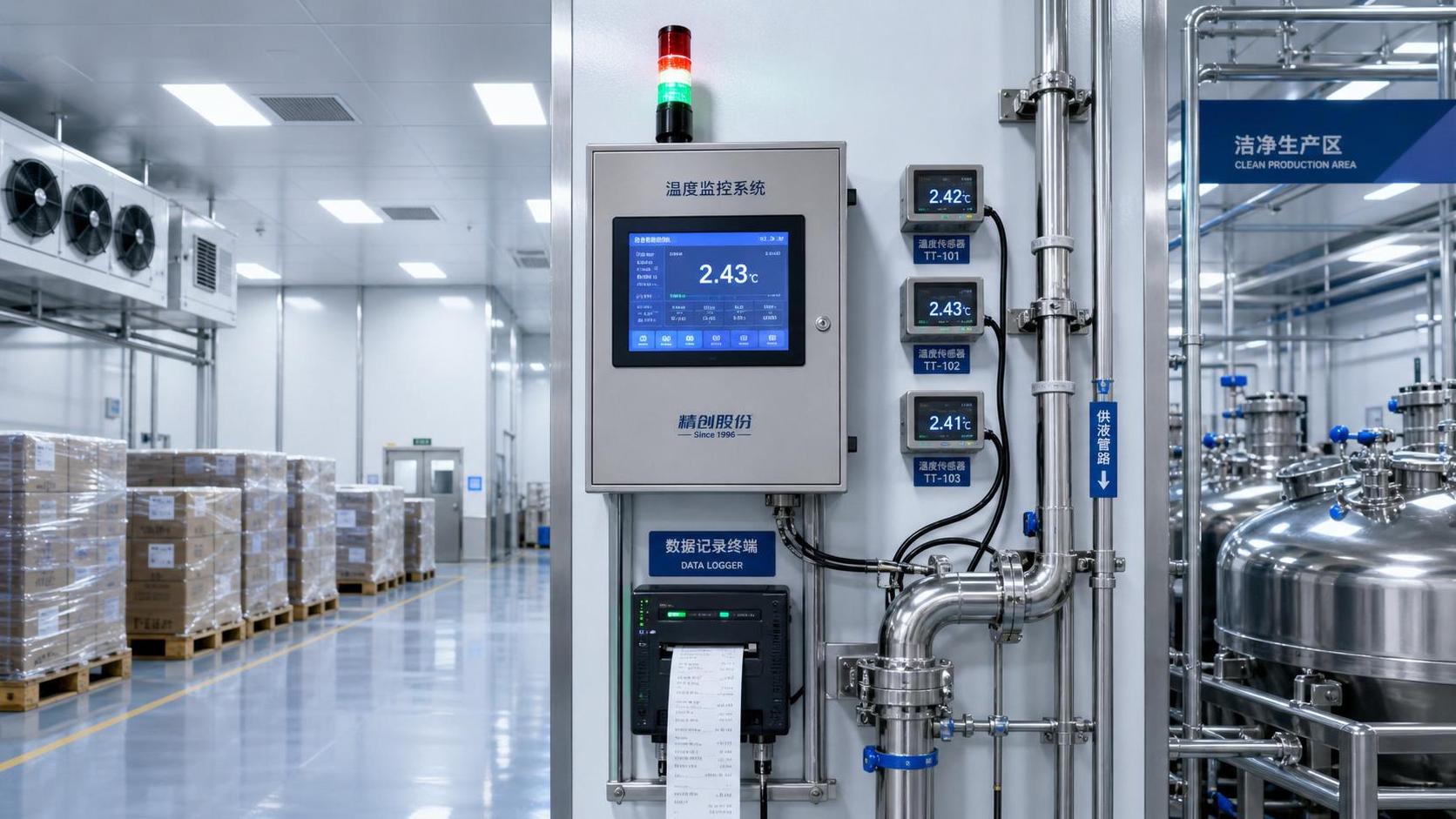
Precision temperature control environments need stable performance and clean process conditions. Carbon neutrality decisions must therefore evaluate reliability, contamination risk, and tight tolerance control.
In these applications, a lower-GWP refrigerant that adds process instability may create hidden carbon costs through rejected output, unplanned downtime, or oversized backup systems.
Common oversights that weaken carbon neutrality outcomes
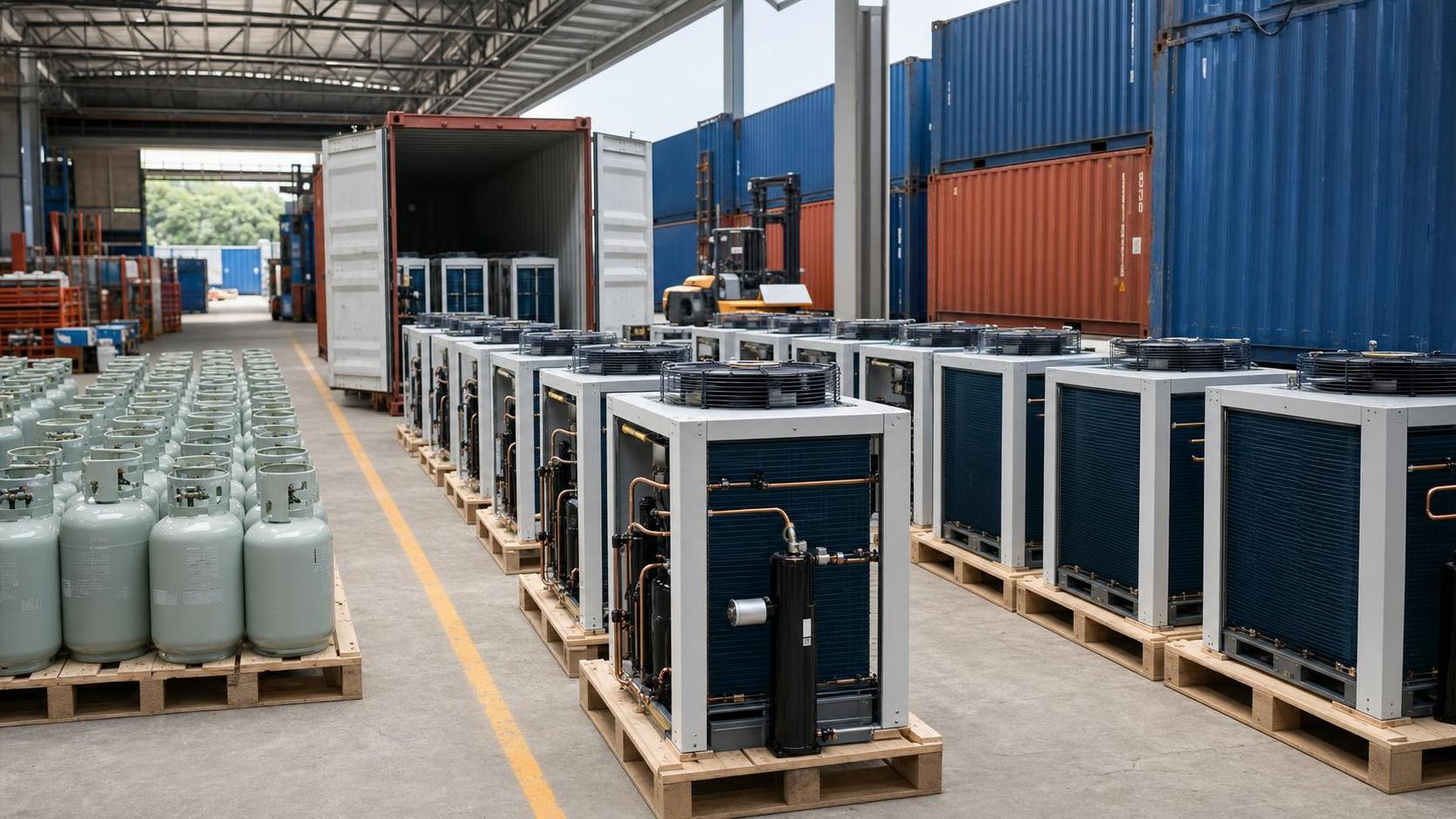
Ignoring service infrastructure. Some refrigerants look attractive on paper, but local support, recovery capability, and parts availability may be limited. That can increase leaks, downtime, and compliance risk.
Focusing only on initial cost. Carbon neutrality performance is heavily shaped by electricity use, maintenance frequency, refrigerant loss, and future regulatory changes, not just project entry price.
Assuming every retrofit is simple. Pressure characteristics, oil compatibility, expansion devices, and safety requirements can turn a planned drop-in change into a partial redesign.
Underestimating data needs. Without baseline leakage rates, energy intensity, and refrigerant inventory records, carbon neutrality claims become difficult to verify or improve over time.
Separating refrigerants from broader thermal strategy. Compressors, condensers, heat exchangers, controls, and waste heat recovery all influence refrigerant effectiveness and total emissions.
Practical execution steps for the next 12 months
- Build a refrigerant asset map covering charge size, refrigerant type, age, leak history, efficiency, and criticality for every major cooling or heat pump system.
- Rank systems by carbon neutrality exposure, combining GWP, annual energy use, service difficulty, and regional policy pressure into one priority list.
- Run side-by-side scenarios for retrofit, staged replacement, and full redesign, using lifecycle emissions and total cost rather than upfront price alone.
- Strengthen leak prevention through sensors, maintenance routines, proper charging practices, and recovery procedures to cut direct emissions immediately.
- Create a refrigerant governance process that links engineering, compliance, and capital planning, ensuring carbon neutrality targets influence every system decision.
Frequently asked questions
Does carbon neutrality mean every system must switch to natural refrigerants?
No. Carbon neutrality is outcome-based. Natural refrigerants can be strong options, but the best result depends on safety, efficiency, climate, operating profile, and retrofit feasibility.
Is low GWP always the top priority?
Not always. Low GWP is important, but carbon neutrality also depends on annual power use, leakage rate, and full lifecycle management.
Can older systems still support carbon neutrality goals?
Sometimes. Older assets may improve through controls, leak reduction, refrigerant recovery, or selective retrofit. Others may justify replacement if efficiency or compliance risk is too high.
Conclusion and next action
Carbon neutrality is reshaping refrigerant strategy across the broader industrial landscape. The strongest decisions balance climate impact, energy efficiency, safety, regulation, and service practicality.
A disciplined review turns refrigerants from a compliance burden into a source of operational advantage. Better data, better system matching, and better lifecycle planning reduce risk while supporting efficiency targets.
For organizations tracking carbon neutrality across thermal systems, the next step is clear: audit refrigerant exposure, prioritize high-impact assets, and align future equipment choices with long-term emissions and performance goals.
This is where intelligence matters. Platforms such as GTC-Matrix help connect refrigerant policy, thermodynamic performance, and industrial equipment evolution into decisions that remain competitive under tightening carbon neutrality expectations.
Related News
- China R410A Export Quotes Rise to RMB 60,000/TonAuthor :Cryogenic Systems Expert

- EU PFAS Curbs Raise Compliance Review for Cooling ExportsAuthor :Cryogenic Systems Expert

- EU PFAS Proposal Puts Refrigerant and Vacuum Exports Under ReviewAuthor :Cryogenic Systems Expert

- EU REACH PFAS Draft Raises New Export ChecksAuthor :Cryogenic Systems Expert

- EU Cuts High-GWP Refrigerant Import Quotas by 35%Author :Cryogenic Systems Expert

- EU Cuts Q4 2026 Quotas for High-GWP RefrigerantsAuthor :Cryogenic Systems Expert

- EU F-Gas Revision Cuts R410A Quotas 40%Author :Cryogenic Systems Expert

- EPA Freezes R-410A Quotas, Fast-Tracks R-32Author :Cryogenic Systems Expert

- Low GWP Refrigerants HFO Blends: Key Stability and Safety FactorsAuthor :Cryogenic Systems Expert

- R-32 Price Spike Reshapes Chiller ProcurementAuthor :Cryogenic Systems Expert

- How to Compare Environmentally Friendly Refrigerants by GWP, Safety, and CostAuthor :Cryogenic Systems Expert

- R-454B Export Quota Cut 18% as Lead Times DoubleAuthor :Cryogenic Systems Expert

- Japan Cuts R32 and R290 Import Quotas From July 10Author :Cryogenic Systems Expert

- EPA Cuts R-134a Import Quotas 42% From July 2026Author :Cryogenic Systems Expert
![]()
- Low GWP Refrigerants HFO Blends: Performance and Compliance in 2026Author :Cryogenic Systems Expert

- R-513A Jumps 23% as China Tightens Export QuotasAuthor :Cryogenic Systems Expert

- Environmentally Friendly Refrigerants in 2026: Compliance Risks and Upgrade PrioritiesAuthor :Cryogenic Systems Expert

- Pharmaceutical Temperature Control Systems: Common Compliance RisksAuthor :Cryogenic Systems Expert

- China Tightens Q3 R32 Export QuotasAuthor :Cryogenic Systems Expert

- California EPR Deadline Nears for Refrigeration MakersAuthor :Cryogenic Systems Expert

- Resource Circularity Trends Reshaping Refrigerants and Cooling SystemsAuthor :Cryogenic Systems Expert

- HFCs Filing Rules Enter Full EnforcementAuthor :Cryogenic Systems Expert

- How Environmentally Friendly Refrigerants Affect Chiller ComplianceAuthor :Cryogenic Systems Expert

- EU REACH Tightens Refrigerant Impurity Limits for R134a ExportsAuthor :Cryogenic Systems Expert

- China Seeks Feedback on 2027 Refrigerant QuotasAuthor :Cryogenic Systems Expert

- EU to Ban High-GWP ACs in 2029 as R410A Exits HomesAuthor :Cryogenic Systems Expert

- US, UK Delay HFC Phaseout, Extending R32/R134a Export WindowAuthor :Cryogenic Systems Expert

- EU HFC Cut Tightens by 2029 as Gen-3 Output Falls 10%Author :Cryogenic Systems Expert

- Kuwait Bans HCFC AC Imports as Shift to R32/R290 Speeds UpAuthor :Cryogenic Systems Expert

- Saudi SASO Rules Tighten AC Imports in DecemberAuthor :Cryogenic Systems Expert

- Environmentally Friendly Refrigerants: Compliance, Safety, and Retrofit RisksAuthor :Cryogenic Systems Expert

- SABIC Force Majeure Keeps Chiller Refrigerant Supply TightAuthor :Cryogenic Systems Expert

- SABIC Force Majeure Tightens Refrigerant FeedstocksAuthor :Cryogenic Systems Expert

- UL 60335-2-89 Tightens R290 Leak Test RulesAuthor :Cryogenic Systems Expert
![]()
- UL 60335-2-89 Adds R290 Vacuum Leak TestAuthor :Cryogenic Systems Expert

- Global Refrigerant Price Index Falls 8.3% MoM in MayAuthor :Cryogenic Systems Expert
![]()