R32 Refrigerant Global Supply Tightens, CRPI Up 4.2% in First Week of May




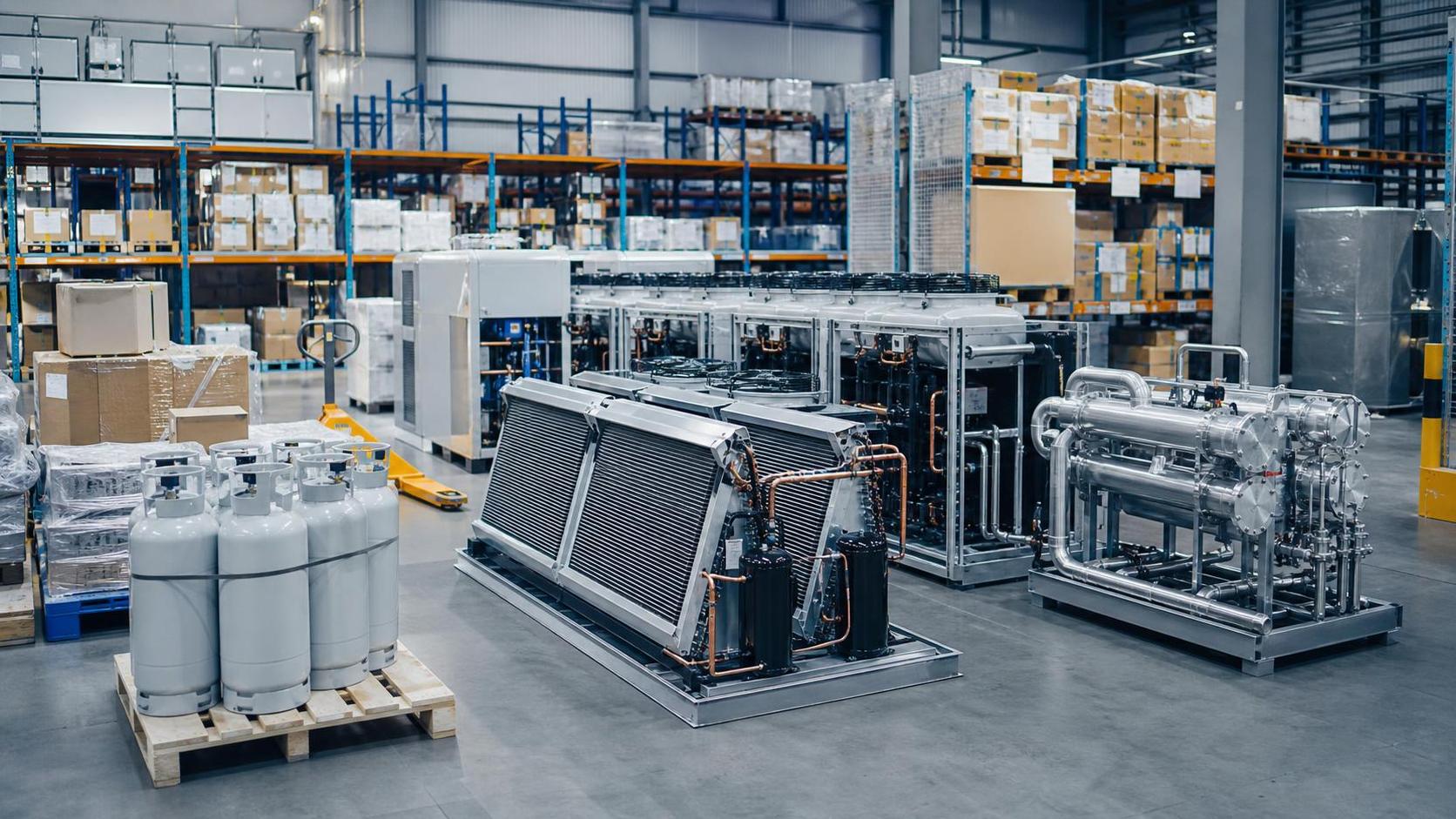
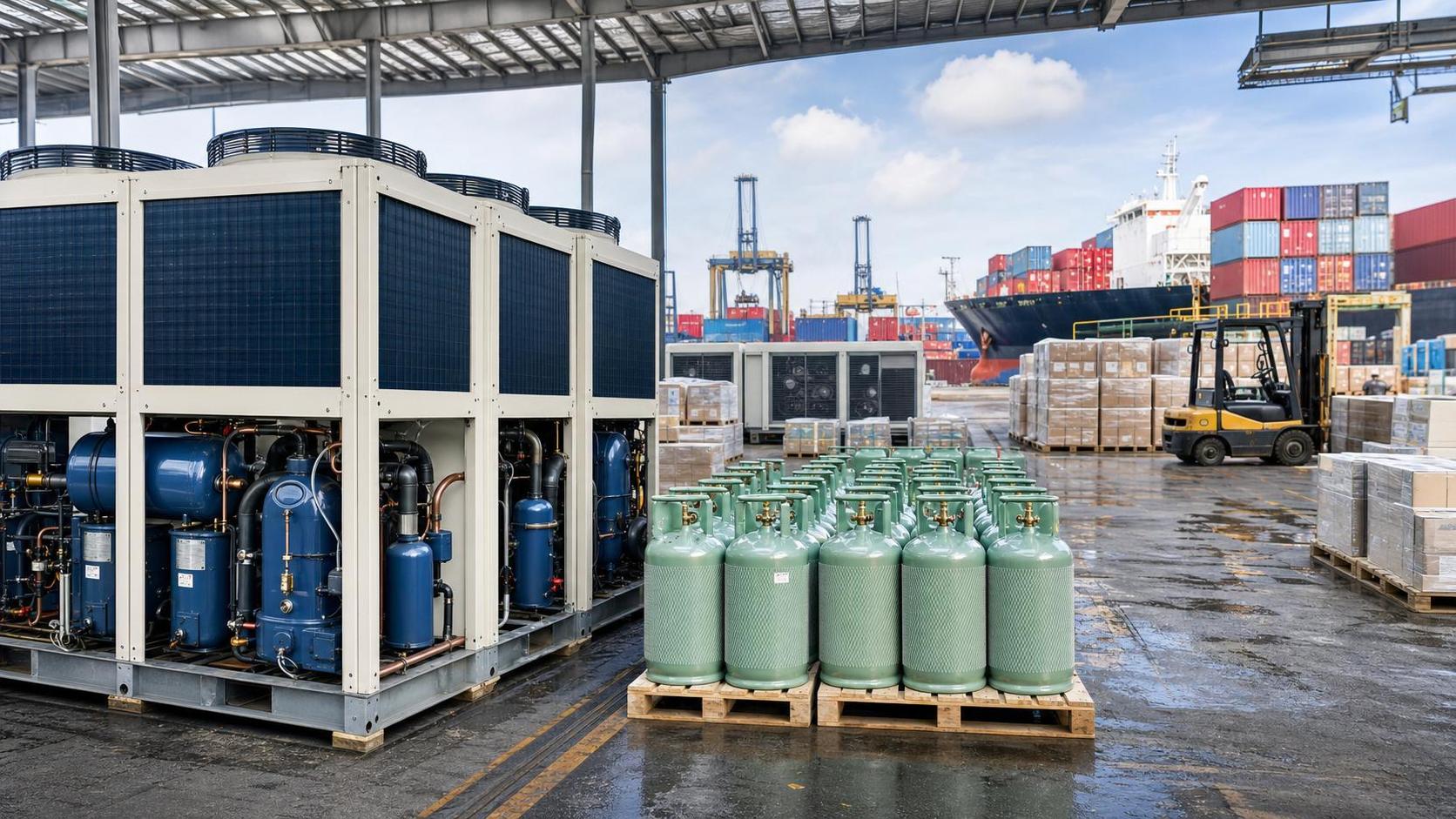
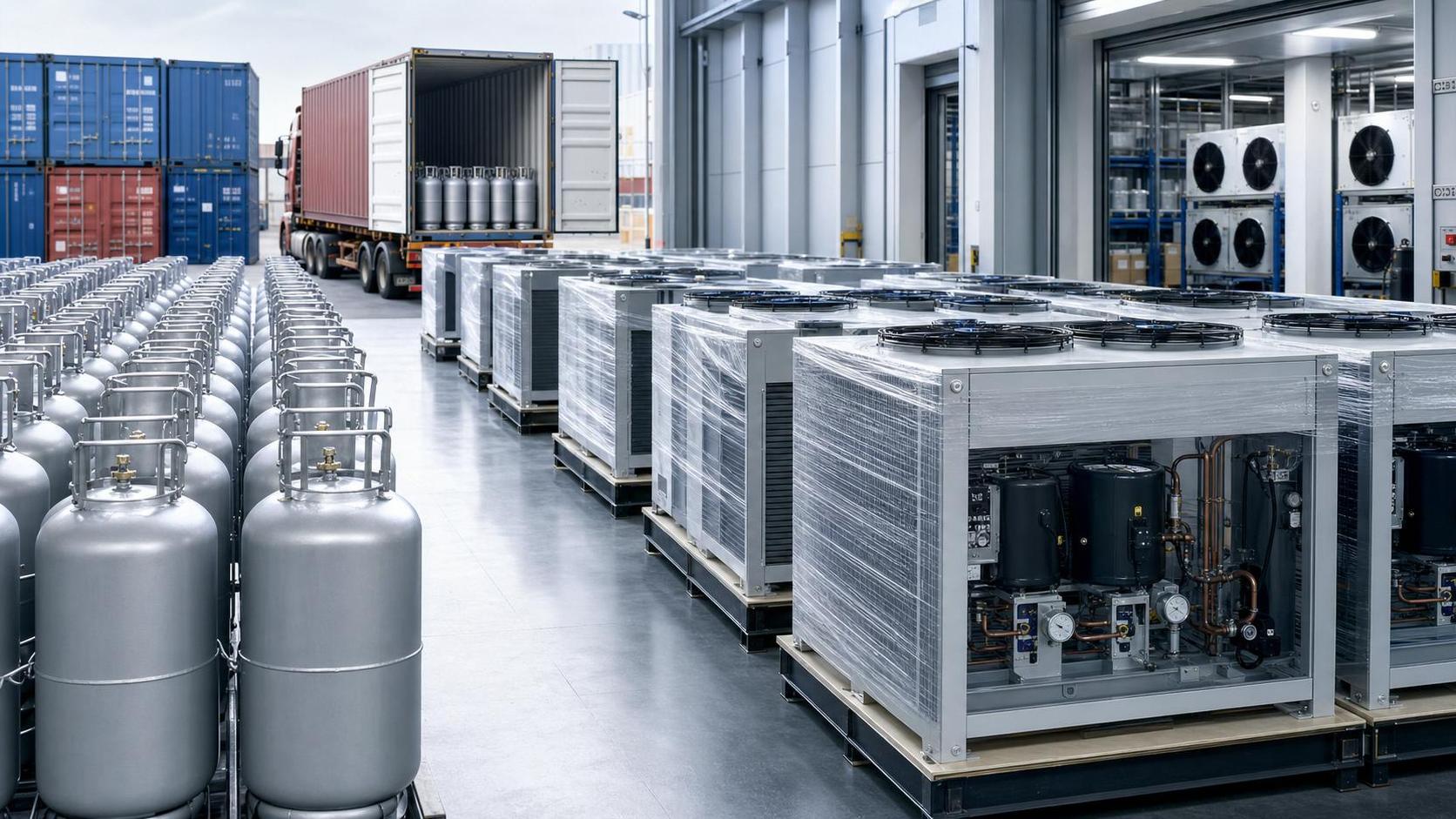
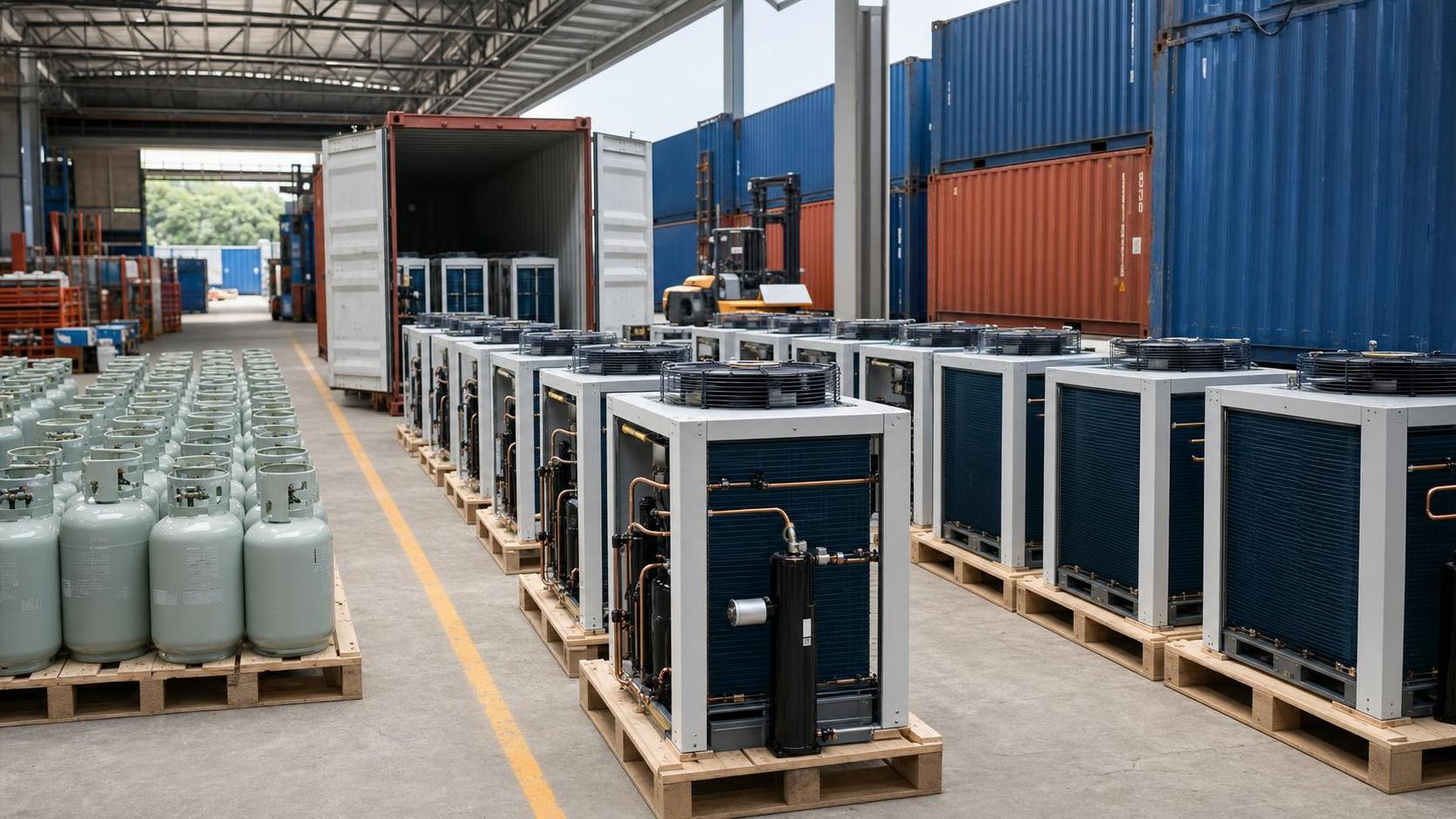
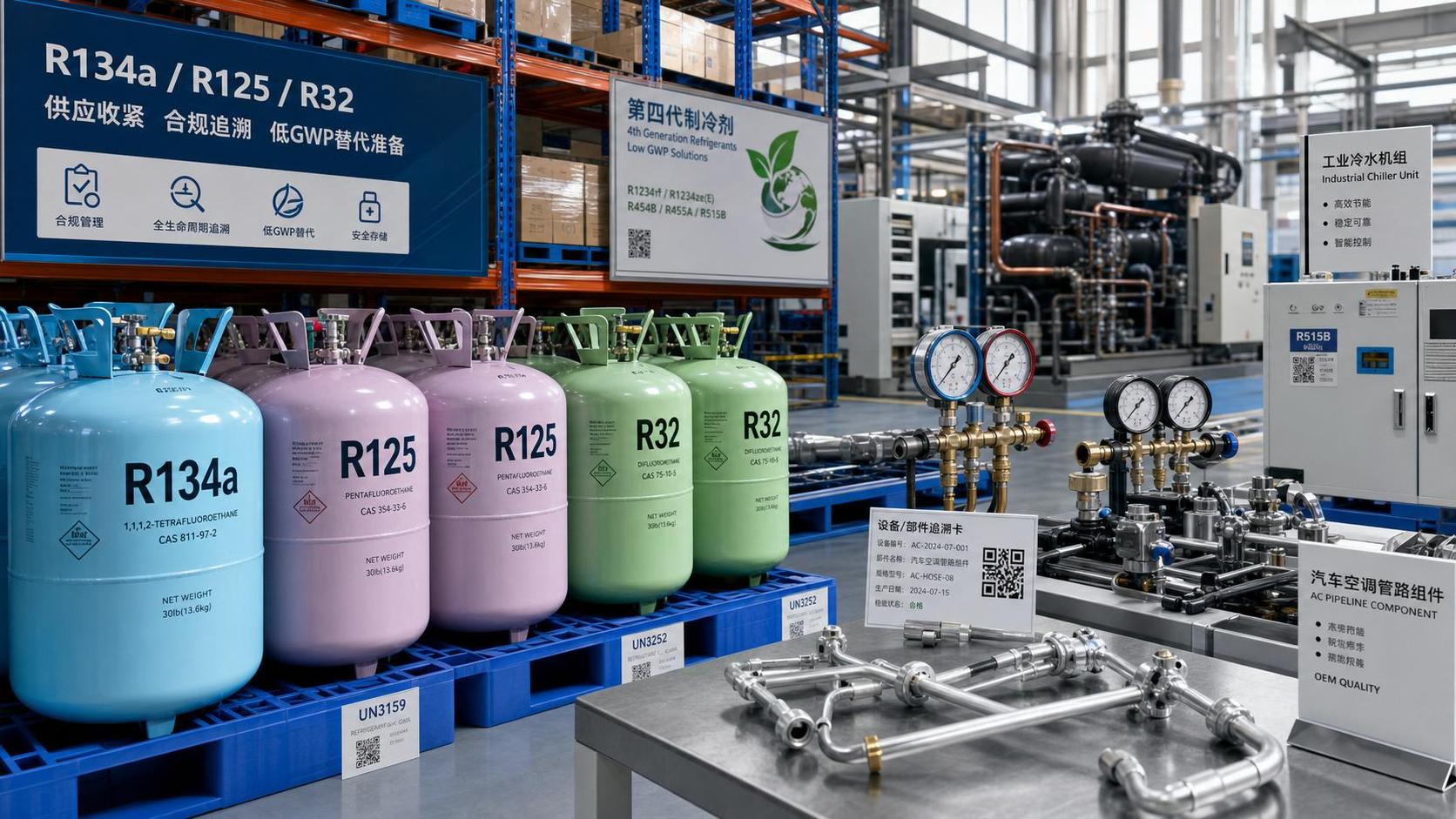
Global supply of R32 refrigerant has further tightened between May 6–10, 2026, driving a 4.2% week-on-week increase in the CRPI (Chlorofluorocarbon Refrigerant Price Index). This development is especially relevant for manufacturers and exporters of industrial chillers, heat pumps, and commercial air-conditioning units — as well as procurement teams and supply chain planners serving these sectors — due to its direct impact on material cost structures, quotation validity, and delivery commitments.
Event Overview
Between May 6 and May 10, 2026, the CRPI rose by 4.2% week-on-week, reflecting intensified global supply constraints for R32 refrigerant. Confirmed contributing factors include: environmental compliance inspections leading to production curbs at select Chinese synthesis facilities; concentrated order releases from Southeast Asian markets; and early-season high-temperature demand in the Middle East prompting accelerated inventory building. These dynamics are now affecting cost quotations and lead-time assurances for export-oriented equipment manufacturers.
Industries Affected
Direct Trading Enterprises
Trading firms handling R32 refrigerant or R32-equipped equipment face narrowing margins and heightened pricing volatility. The index uptick signals reduced buffer for fixed-price contracts signed earlier in Q2, particularly those with extended delivery windows or indexed-to-market clauses.
Raw Material Procurement Teams
Procurement departments sourcing R32 for OEM assembly or system charging are encountering tighter allocations and longer booking lead times. Spot availability is declining, and forward purchase windows are shortening — increasing exposure to price revisions before shipment confirmation.
Equipment Manufacturing Enterprises
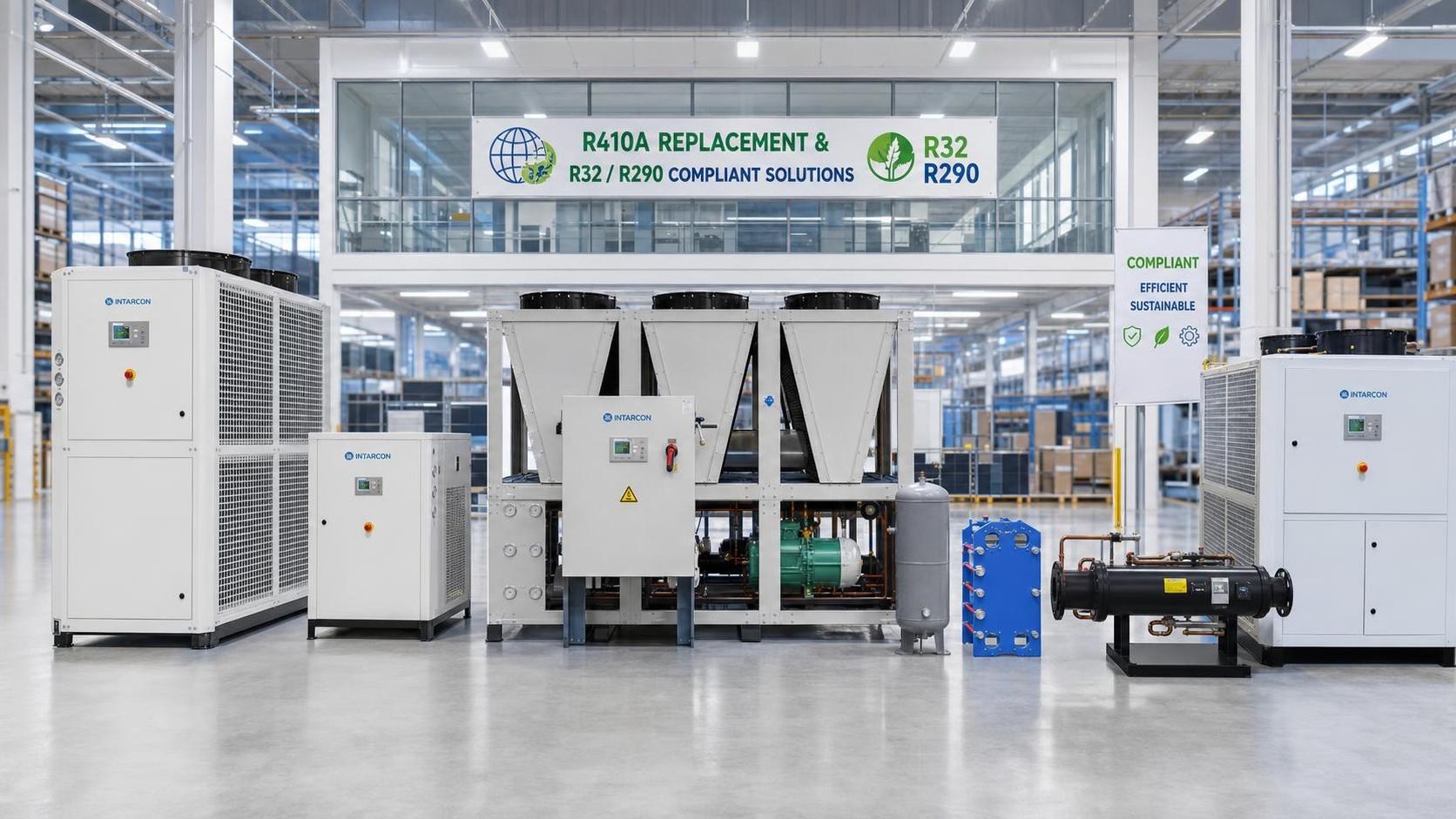
Manufacturers of industrial chillers, heat pumps, and commercial AC units must reassess Q2 cost models and delivery timelines. Rising R32 input costs may trigger renegotiation of existing export orders or require revised quotations for new tenders — especially where refrigerant charge volume is contractually specified.
Supply Chain & Logistics Service Providers
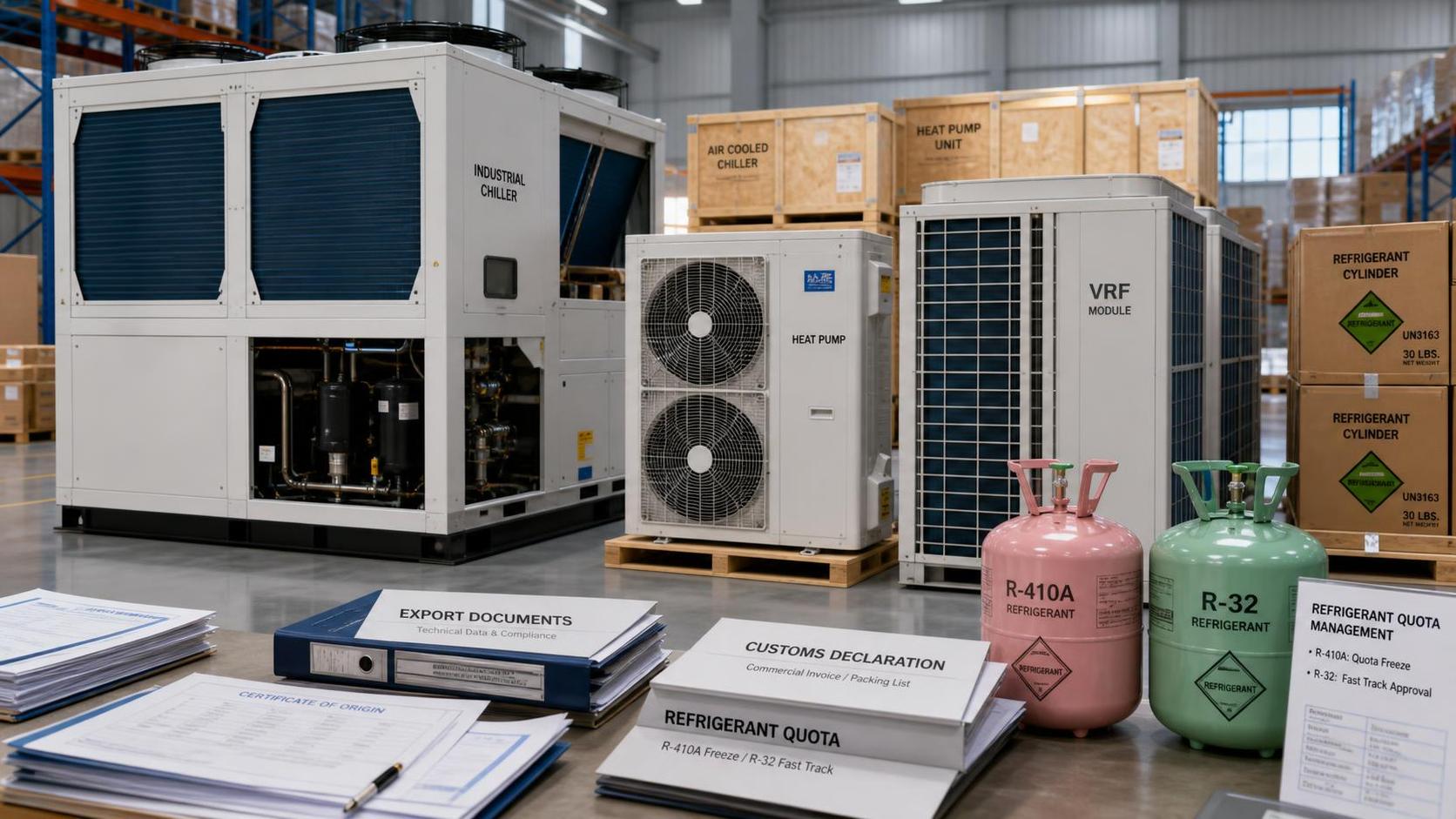
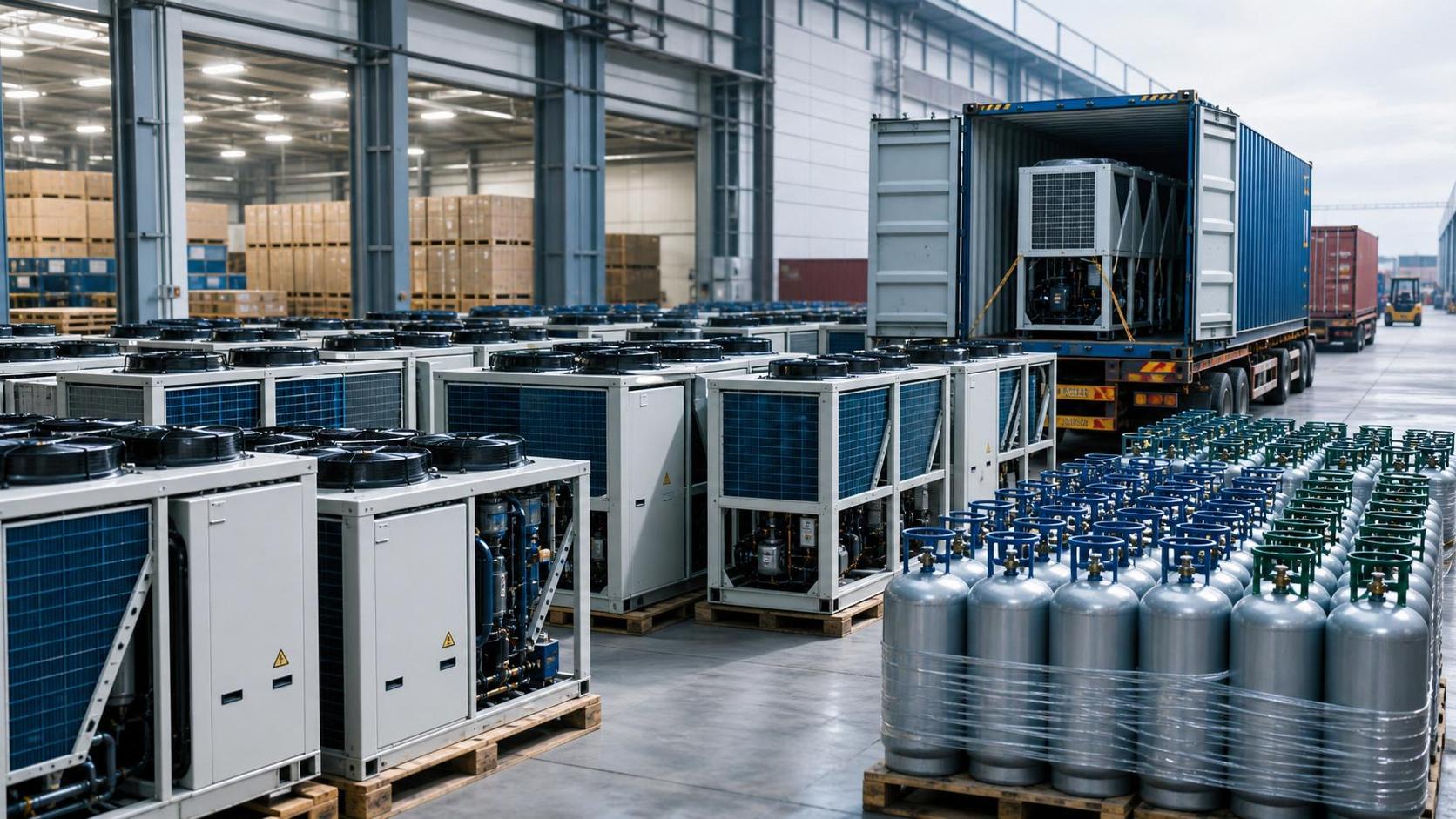
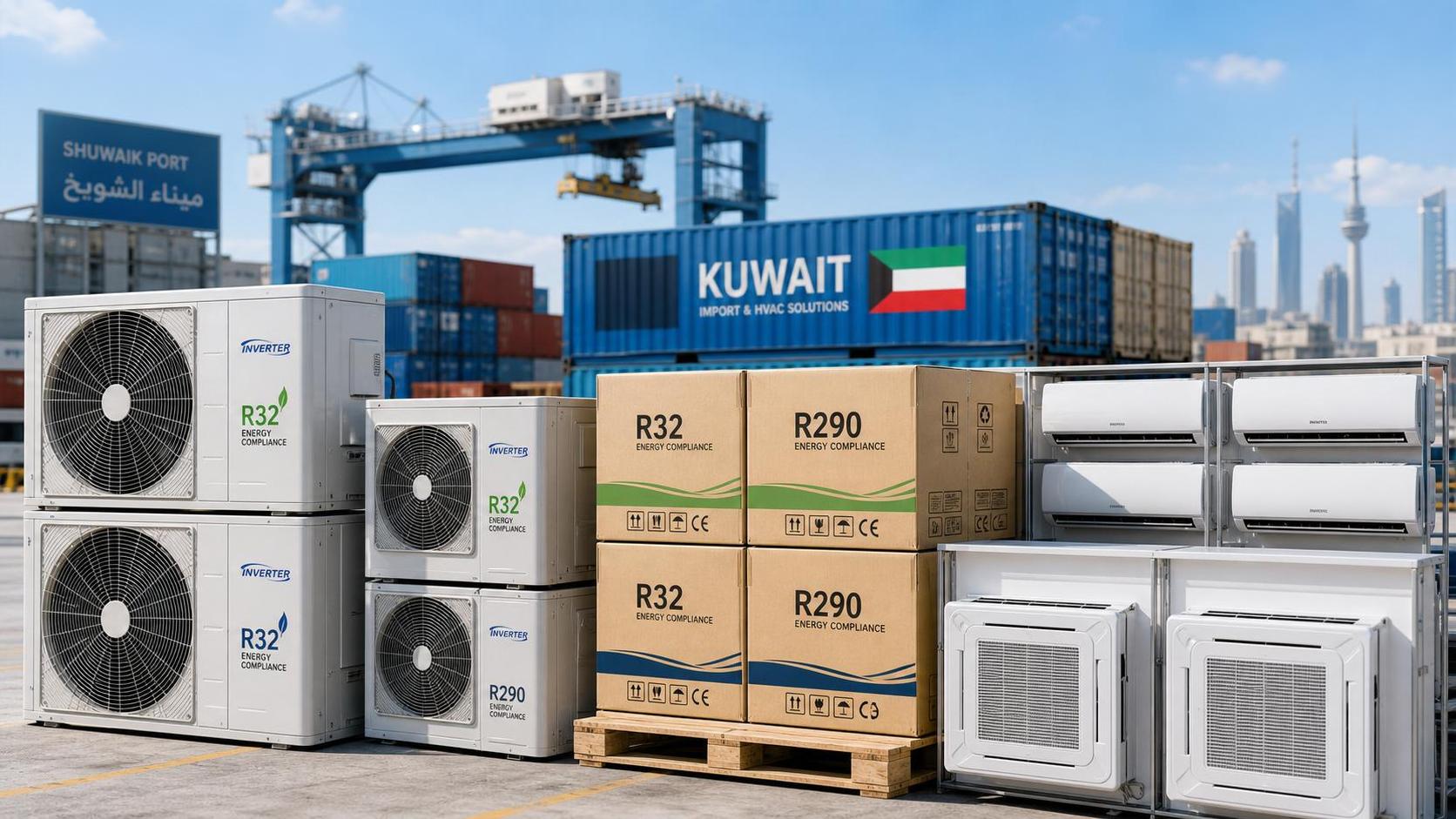
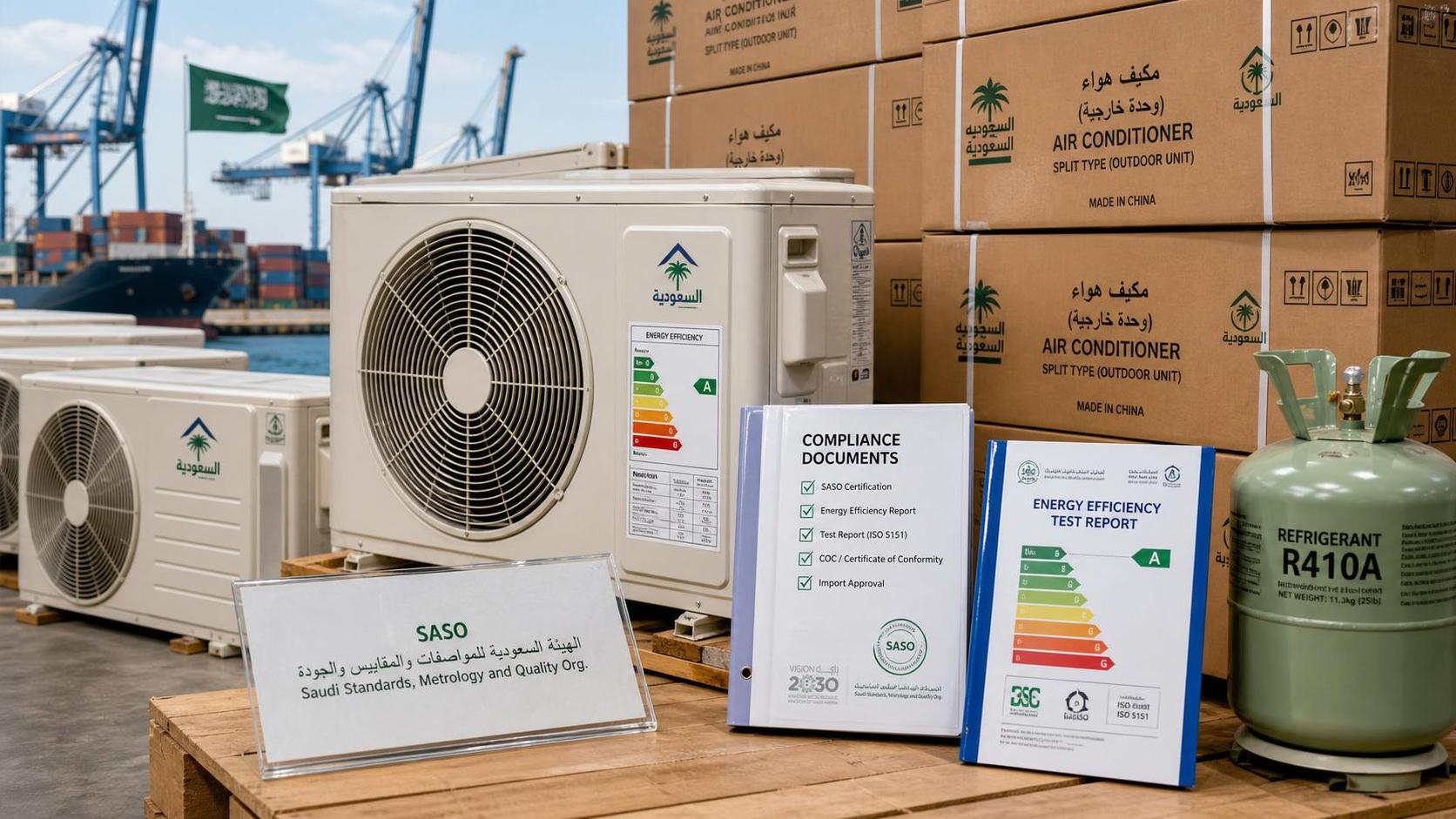
Third-party logistics and customs brokerage firms supporting cross-border movement of refrigerant-charged equipment report increased documentation scrutiny and longer port clearance cycles — particularly for shipments transiting through ASEAN or GCC jurisdictions amid tightening environmental compliance enforcement.
What Enterprises and Practitioners Should Monitor and Do Now
Track official updates on environmental inspection outcomes in China
Analysis shows that the current supply restriction stems largely from temporary, localized production limits tied to regulatory reviews. Continued monitoring of provincial-level announcements — especially from Jiangsu, Shandong, and Zhejiang — will help gauge duration and geographic scope of output constraints.
Review R32 dependency across product lines and regional portfolios
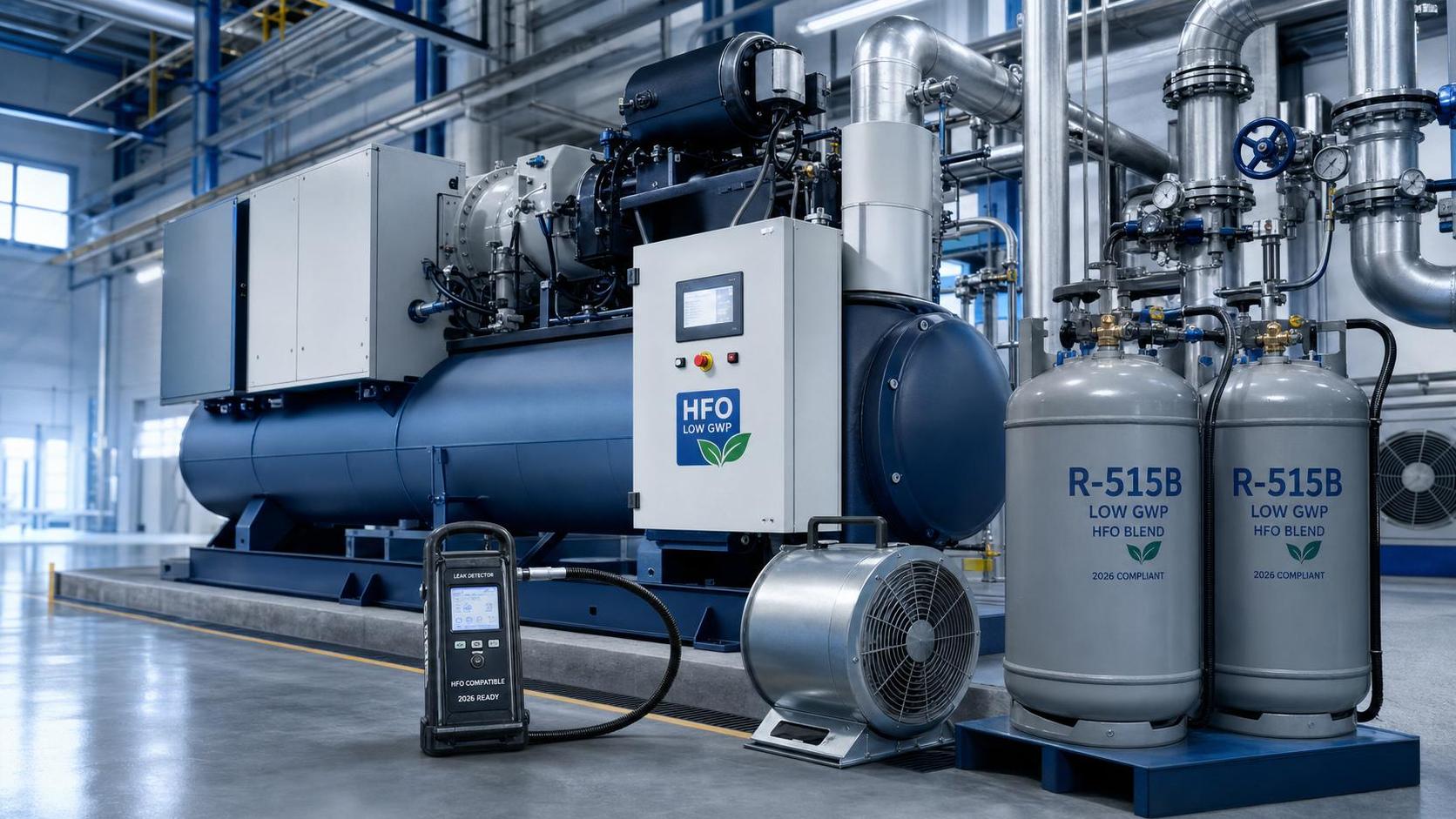
Observably, not all export markets apply identical refrigerant specifications. Prioritize assessment of R32 usage intensity per unit in key destination regions (e.g., Southeast Asia vs. GCC), and map alternatives already certified for local regulatory acceptance — such as R454B or R32/R1234yf blends — where technically feasible.
Reassess inventory planning and safety stock levels for R32-charged assemblies
From industry perspective, the CRPI surge reflects both structural tightness and seasonal demand acceleration. Companies with lean inventory policies should evaluate whether holding additional finished-goods buffer — especially for high-volume, low-substitution products — mitigates Q2 delivery risk better than absorbing higher procurement costs later.
Update contractual terms for new quotations and open orders
Current more appropriate practice is to incorporate explicit R32 price adjustment clauses or material cost pass-through mechanisms in new contracts — particularly for orders with delivery beyond June 2026. For open orders without such provisions, initiate proactive communication with buyers regarding potential timeline or cost implications.
Editorial Insight / Industry Observation
This CRPI movement is best understood not as an isolated price spike, but as an early indicator of tightening upstream capacity discipline and shifting regional demand timing. Analysis shows that the 4.2% weekly gain exceeds typical seasonal variance for May, suggesting policy-driven supply inflexibility is now intersecting with climate-accelerated procurement behavior. Observably, this trend does not yet signal a structural shift away from R32, but it does elevate urgency around contingency planning — especially for firms relying on single-source or unbuffered supply chains. The index remains sensitive to near-term operational developments rather than long-term phaseout timelines.
Conclusion: The CRPI increase reflects a confluence of regulatory, geographic, and seasonal pressures — not a broad-based market failure or irreversible shortage. It underscores the growing importance of dynamic material cost tracking, jurisdiction-specific compliance awareness, and flexible contract design in refrigerant-dependent equipment manufacturing. Current evidence supports treating this as a near-term operational signal requiring tactical recalibration — rather than a strategic pivot point.
Source: CRPI data published by the Global Refrigerant Monitoring Initiative (GRMI); verified reports from regional trade associations in China, ASEAN, and the GCC covering production status and order activity between May 6–10, 2026.
Noted for ongoing observation: Duration and geographic expansion of environmental compliance inspections in China; finalization of updated refrigerant import licensing rules in key GCC countries.
Related News
- EU PFAS Curbs Raise Compliance Review for Cooling ExportsAuthor :Cryogenic Systems Expert

- EU PFAS Proposal Puts Refrigerant and Vacuum Exports Under ReviewAuthor :Cryogenic Systems Expert

- EU REACH PFAS Draft Raises New Export ChecksAuthor :Cryogenic Systems Expert

- EU Cuts High-GWP Refrigerant Import Quotas by 35%Author :Cryogenic Systems Expert

- EU Cuts Q4 2026 Quotas for High-GWP RefrigerantsAuthor :Cryogenic Systems Expert

- EU F-Gas Revision Cuts R410A Quotas 40%Author :Cryogenic Systems Expert

- EPA Freezes R-410A Quotas, Fast-Tracks R-32Author :Cryogenic Systems Expert

- Low GWP Refrigerants HFO Blends: Key Stability and Safety FactorsAuthor :Cryogenic Systems Expert

- R-32 Price Spike Reshapes Chiller ProcurementAuthor :Cryogenic Systems Expert

- How to Compare Environmentally Friendly Refrigerants by GWP, Safety, and CostAuthor :Cryogenic Systems Expert

- R-454B Export Quota Cut 18% as Lead Times DoubleAuthor :Cryogenic Systems Expert

- Japan Cuts R32 and R290 Import Quotas From July 10Author :Cryogenic Systems Expert

- EPA Cuts R-134a Import Quotas 42% From July 2026Author :Cryogenic Systems Expert
![]()
- Low GWP Refrigerants HFO Blends: Performance and Compliance in 2026Author :Cryogenic Systems Expert

- R-513A Jumps 23% as China Tightens Export QuotasAuthor :Cryogenic Systems Expert

- Environmentally Friendly Refrigerants in 2026: Compliance Risks and Upgrade PrioritiesAuthor :Cryogenic Systems Expert

- Pharmaceutical Temperature Control Systems: Common Compliance RisksAuthor :Cryogenic Systems Expert

- China Tightens Q3 R32 Export QuotasAuthor :Cryogenic Systems Expert

- California EPR Deadline Nears for Refrigeration MakersAuthor :Cryogenic Systems Expert

- Resource Circularity Trends Reshaping Refrigerants and Cooling SystemsAuthor :Cryogenic Systems Expert

- HFCs Filing Rules Enter Full EnforcementAuthor :Cryogenic Systems Expert

- How Environmentally Friendly Refrigerants Affect Chiller ComplianceAuthor :Cryogenic Systems Expert

- EU REACH Tightens Refrigerant Impurity Limits for R134a ExportsAuthor :Cryogenic Systems Expert

- China Seeks Feedback on 2027 Refrigerant QuotasAuthor :Cryogenic Systems Expert

- EU to Ban High-GWP ACs in 2029 as R410A Exits HomesAuthor :Cryogenic Systems Expert

- US, UK Delay HFC Phaseout, Extending R32/R134a Export WindowAuthor :Cryogenic Systems Expert

- EU HFC Cut Tightens by 2029 as Gen-3 Output Falls 10%Author :Cryogenic Systems Expert

- Kuwait Bans HCFC AC Imports as Shift to R32/R290 Speeds UpAuthor :Cryogenic Systems Expert

- Saudi SASO Rules Tighten AC Imports in DecemberAuthor :Cryogenic Systems Expert

- Environmentally Friendly Refrigerants: Compliance, Safety, and Retrofit RisksAuthor :Cryogenic Systems Expert

- SABIC Force Majeure Keeps Chiller Refrigerant Supply TightAuthor :Cryogenic Systems Expert

- SABIC Force Majeure Tightens Refrigerant FeedstocksAuthor :Cryogenic Systems Expert

- UL 60335-2-89 Tightens R290 Leak Test RulesAuthor :Cryogenic Systems Expert
![]()
- UL 60335-2-89 Adds R290 Vacuum Leak TestAuthor :Cryogenic Systems Expert

- Global Refrigerant Price Index Falls 8.3% MoM in MayAuthor :Cryogenic Systems Expert
![]()
- PSA Jurong Island Launches Mandatory Cold-Chain Traceability for RefrigerantsAuthor :Cryogenic Systems Expert
![]()