EIA Urges Investment in Resilient Supermarket Refrigeration Amid Cyberattack Risks




The Environmental Investigation Agency (EIA) is urging investment in more resilient supermarket refrigeration after recent cyberattacks exposed vulnerabilities in refrigeration infrastructure. The timing of the events was not specified in the information provided. Its report is best understood as a call for industry action rather than an announced regulation, but it could influence how retailers, equipment suppliers and service providers assess purchasing, system design and operational continuity. EIA also points to reported investment payback periods of approximately four to ten years at two retailers using natural refrigerant systems, adding an economic dimension to the discussion.
Cyberattacks Put Refrigeration Resilience in Focus
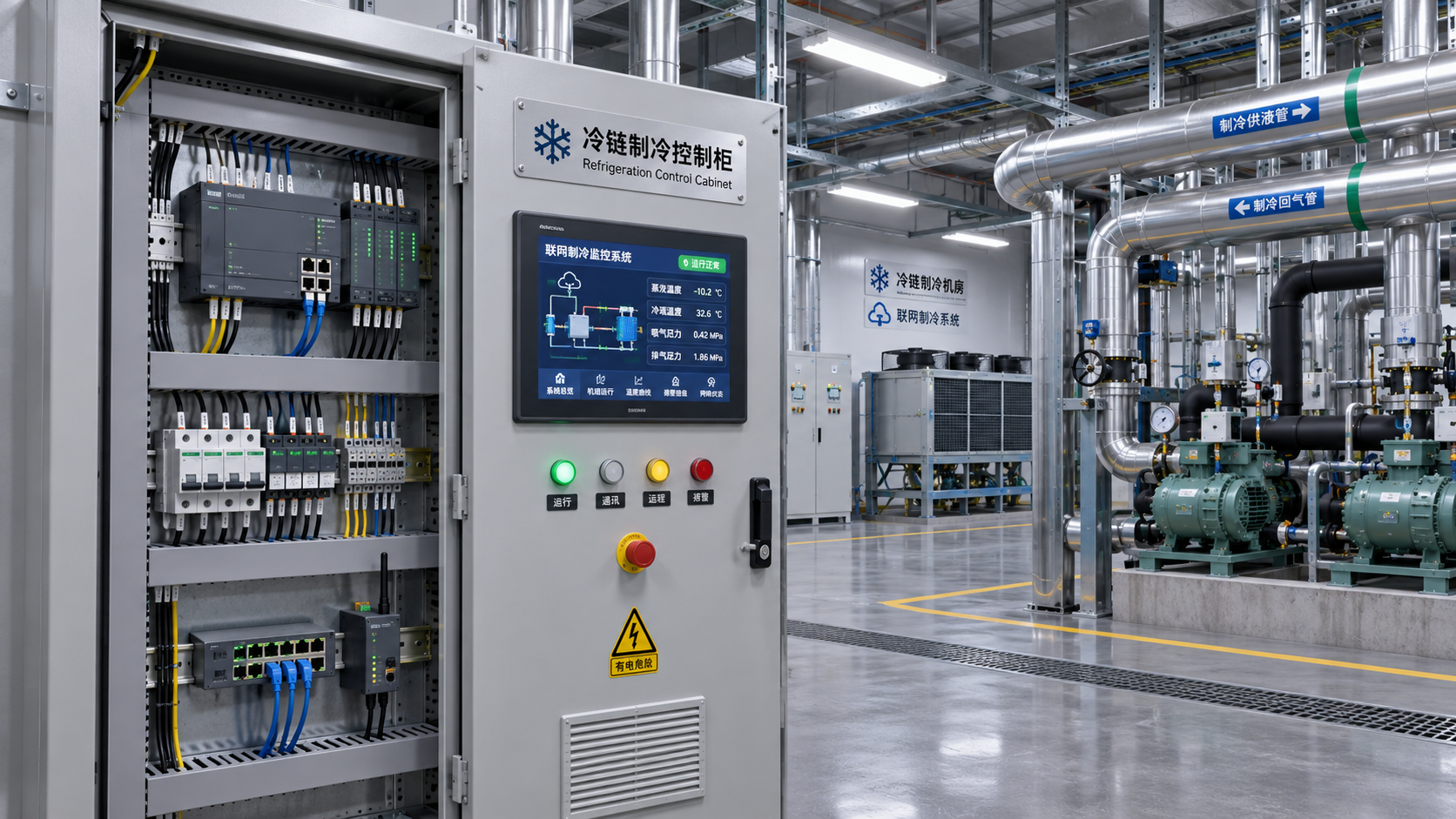
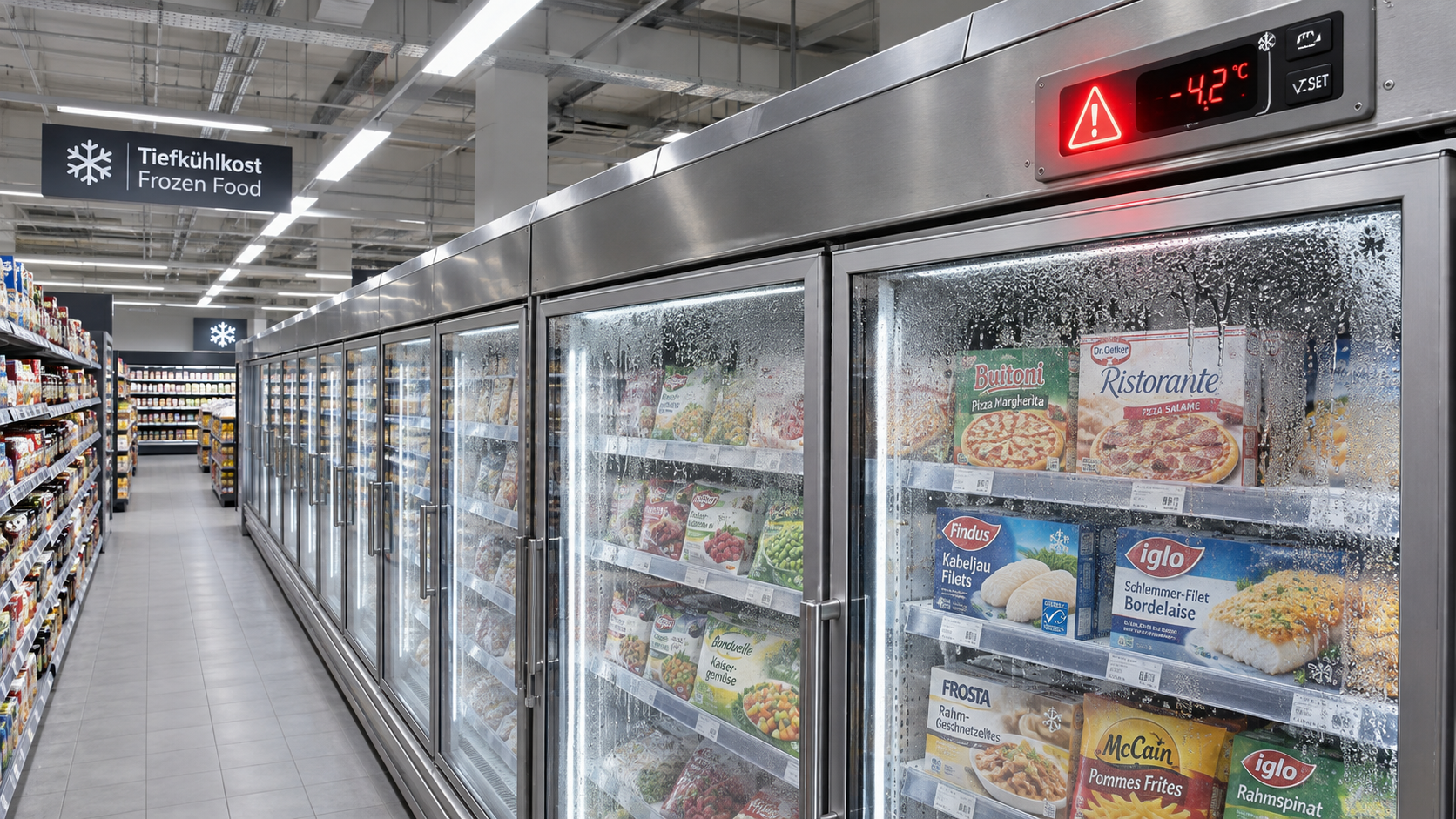
EIA's latest report says recent cyberattacks targeting supermarket refrigeration infrastructure have highlighted system vulnerabilities. It calls on the industry to invest in more resilient refrigeration solutions and emphasizes the urgency of moving toward natural refrigerants and highly resilient system architectures in the face of cyber threats.
The report also states that two retailers using natural refrigerant systems achieved investment payback periods of approximately four to ten years. The information provided does not identify the retailers or specify the dates of the attacks or the report.

Where Purchasing and Delivery Decisions Could Change
Retailers May Reassess What They Buy
From an industry perspective, the report could encourage supermarket operators to consider cyber resilience alongside refrigeration performance when purchasing or upgrading equipment. A purchasing decision might cover more than the choice of refrigerant: buyers may also want to understand how a proposed system is controlled, how disruptions would be handled and what support would be available if normal operation were interrupted.
That does not mean EIA has introduced a purchasing obligation. The practical question is whether retailers choose to incorporate its concerns into internal specifications or future tenders. If they do, suppliers could be asked to provide clearer descriptions of system architecture, maintenance responsibilities and recovery arrangements. The content of any such request would depend on the buyer; the supplied information does not establish a common specification.
Equipment Suppliers and Integrators Face Broader Questions
Analysis suggests that manufacturers and system integrators may encounter closer scrutiny of how refrigeration equipment, controls and service arrangements work together. A proposal centered on natural refrigerants could be assessed against the buyer's wider resilience objectives, while a proposal emphasizing resilience could be examined for its suitability for the intended refrigerant system.
For suppliers, this could affect technical documentation and the time needed to align a solution with a customer's requirements. It may also affect delivery planning if a buyer seeks additional design reviews or asks for evidence supporting performance claims. These are possible commercial responses, not confirmed changes to certification, testing or delivery rules.
Service Providers Could Become Part of the Evaluation
Refrigeration service providers and contractors may also be affected if retailers give greater weight to the ability to maintain and restore systems during disruptions. In that scenario, the scope of a contract could receive as much attention as the equipment itself: buyers might ask who is responsible for responding to an incident, what information is available to service personnel and how communication will work across the parties involved.
Such questions could influence supplier selection and handover discussions. The input does not establish that service obligations have changed, however, or that a particular recovery method is required. Any new commitments would need to be checked against the relevant procurement documents and agreements.
Turning the Report Into Practical Project Questions
Separate Refrigerant Choice From Resilience Claims
For a retailer considering an investment, one useful first step is to ask suppliers to explain both the refrigerant choice and the proposed resilience measures. The EIA report connects natural refrigerants and resilient architecture in its call for transition, but the supplied summary does not say that the use of a natural refrigerant alone prevents a cyberattack or guarantees continued operation.
Buyers could therefore evaluate each proposal on its stated design and supporting evidence, including how controls are managed and how the system would be operated or restored after a disruption. Suppliers, in turn, may wish to state the boundaries of their claims clearly. This is an evaluation approach, not a new technical standard established by the report.
Test the Payback Assumptions Against Each Project
The reported four-to-ten-year payback range provides a reason to examine the economics of natural refrigerant systems, but it is based on two retailers and should not be treated as a forecast for every installation. The supplied information does not describe the calculation methods, project costs, operating conditions or the individual result for either retailer.
Analysis suggests that buyers should request project-specific calculations and identify the assumptions behind them before comparing offers. They could also ask whether a quoted payback estimate covers the proposed resilience features and their ongoing support. Until the underlying report and relevant project details are reviewed, the reported range is an indicative finding rather than a purchasing guarantee.
Review Documents Before Committing to Delivery
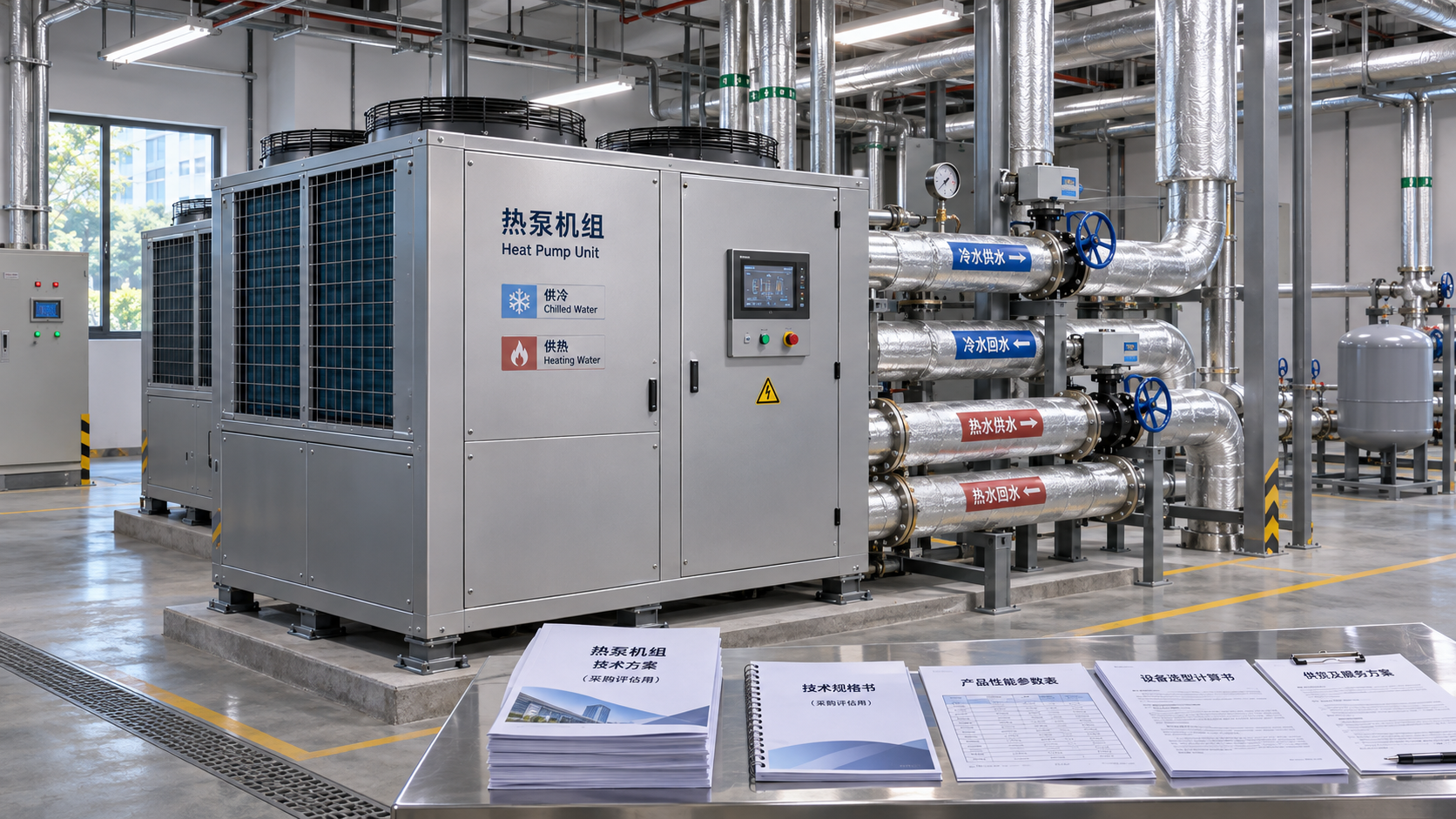
Where a purchase or upgrade is being considered, retailers and suppliers could review technical specifications, proposed service terms and handover documents together. The aim would be to identify what each party is expected to deliver, what evidence supports the proposed solution and how responsibilities are divided after installation.
It would also be prudent to verify any applicable certification or compliance requirements for the actual project. The information supplied does not identify a new certification, testing protocol or regulatory deadline, so none should be inferred from EIA's recommendation. If a tender introduces resilience-related criteria, businesses should assess the wording of that tender directly rather than assume that the report itself creates those criteria.
Check Support and Alternative Designs
Before selecting a system, buyers may wish to compare alternative designs and confirm whether suppliers can support the chosen architecture throughout the planned service period. Questions could cover the availability of technical information, the proposed response process and the coordination expected among equipment suppliers, integrators and maintenance providers.
For contractors, early discussion of these matters could make responsibilities clearer during delivery and handover. The need for particular arrangements will depend on the installation and contract. The report summary does not provide enough detail to prescribe a single architecture or establish that one supplier arrangement is suitable for all supermarkets.
A Market Signal, With Rule Changes Still to Be Verified
Editorial assessment suggests that the report is currently best understood as an industry signal: EIA is advocating investment and presenting evidence from two retailers, while the supplied information does not describe a binding policy, a revised standard or an enforcement decision. Its immediate relevance lies in the questions it may put before purchasers and suppliers.
Whether those questions become common procurement conditions remains to be seen. Future tender language, retailer responses and supplier documentation could show how far the recommendation is being translated into commercial practice. If a regulator, standards body or certification organization later publishes a related measure, its scope and effective date would need separate verification.
Market feedback on actual project costs, system performance and service arrangements would also help businesses judge the report's economic argument. The two reported payback outcomes are relevant observations, but the limited details available here do not show how representative they are or how the costs of cyber resilience were accounted for.
Resilience Enters the Refrigeration Investment Discussion
EIA's call links cyberattack exposure, natural refrigerant systems and investment decisions in supermarket refrigeration. For industry participants, the practical response is to examine resilience and economics together while keeping the evidence for each claim distinct. Retailers can assess proposals against their own operating needs; suppliers can prepare clear technical and service documentation for those assessments.
At this stage, the report should be treated as a prompt for review and further verification, not as proof that a new mandatory rule has taken effect. The significance for any business will depend on subsequent customer requirements, applicable rules and the performance of the solutions under consideration.
Basis for This Report and What to Verify Next
This article is based on the user-provided news title, event timing and event summary. No specific official source link was provided in the input, and the underlying report and its detailed findings require continued verification. Relevant material to check may include EIA's report, official announcements, regulatory publications, standards documents and industry feedback, where available.
Further review should focus on the report's payback methodology, the scope of the systems examined and any later changes to procurement documents, certification interpretations or regulatory requirements. These details could affect how businesses apply the report's recommendations in specific projects.
Ready when you are. Send us a message to get started.
Related News
- EIA Urges Investment in Resilient Supermarket Refrigeration Amid Cyberattack RisksAuthor :

- As Gas Prices Rise, European Heat Pump Association Urges Simpler InstallationsAuthor :

- EU Imposes Provisional Anti-Dumping Duties of Up to 51.5% on Chinese Copper TubesAuthor :

- How to evaluate energy-saving technologies for semiconductor plantsAuthor :

- ABB to Acquire German Fan Maker Ziehl-Abegg for $2.65 BillionAuthor :

- How does enclosure design affect heat dissipation in smart devices?Author :

- ABB Announces $2.65 Billion Deal to Acquire EC Fan Maker Ziehl-AbeggAuthor :

- MIIT's Fifth Standards Plan Launches AC Piping Revision to Address Refrigerant LeaksAuthor :

- German Refrigeration Groups Challenge PFAS Study, Urge Application-Based RulesAuthor :

- How to find equipment applications in an industrial knowledge baseAuthor :

- UNEP and U4E Release Sustainable Procurement Guides for Cooling and HeatingAuthor :

- Can skid-mounted thermal integration reduce plant energy use?Author :

- Cybersecurity Firm Detects Login Attempts Targeting Danfoss Refrigeration ControllersAuthor :

- How to choose a cooling solution for a high-power PCBAuthor :

- EU Monitors Cyberattacks on European Supermarket Refrigeration SystemsAuthor :

- How to assess a pure power source manufacturer's voltage stabilityAuthor :

- EHPA Seeks Inclusion of Heat Pumps in €175 Billion EU Research PlanAuthor :

- US to Lift 50% Tariff on Some Canadian Refrigeration EquipmentAuthor :

- Chillventa 2026 Sets Records for Exhibitor and Visitor NumbersAuthor :

- Carrier Plans $600 Million Manufacturing and Engineering Center in Fort WorthAuthor :

- Semiconductor Thermal Management: Low Vibration Design PrioritiesAuthor :

- Thermal Interface Materials: What Drives Real Thermal OptimizationAuthor :
![]()
- Global Energy Costs in Europe: What Changed in 2026Author :

- Smart Device Thermal Management: Common Failures and FixesAuthor :

- Thermal Efficiency Optimization: 5 Signs Your System Is Losing HeatAuthor :

- How Precision Temperature Control Systems Improve Process StabilityAuthor :

- How Intellectualization Improves Process Visibility in Modern PlantsAuthor :

- Global Energy Costs in 2026: What Rising Prices Mean for Plant PlanningAuthor :

- Carbon Neutrality Roadmaps: Common Gaps in Industrial PlanningAuthor :

- Heat Transfer Basics: What Affects Efficiency in Industrial EquipmentAuthor :

- Industrial Thermal Systems: Common Failure Risks in Continuous OperationAuthor :

- Global Energy Costs: 2026 Risk Signals to WatchAuthor :

- Pneumatic Power Systems: Common Sizing Mistakes to AvoidAuthor :

- How Thermal Power Systems Cut Downtime in 2026Author :

- Clean Energy Technology Trends Reshaping Industry in 2026Author :

- Pneumatic Power Systems: Key Checks Before Equipment SelectionAuthor :