U.S. Plans 12.5% Tariff on China Cooling Towers




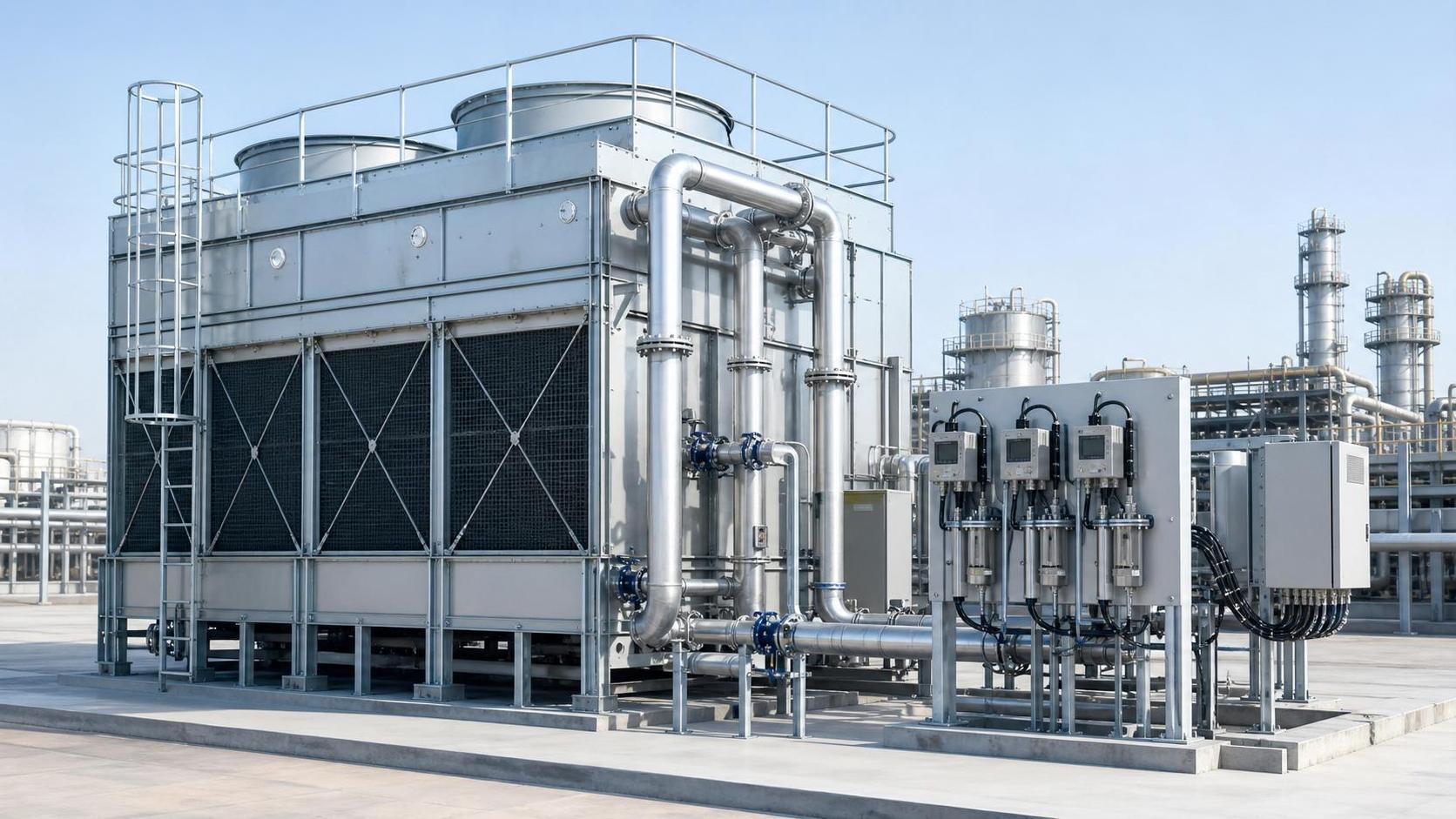
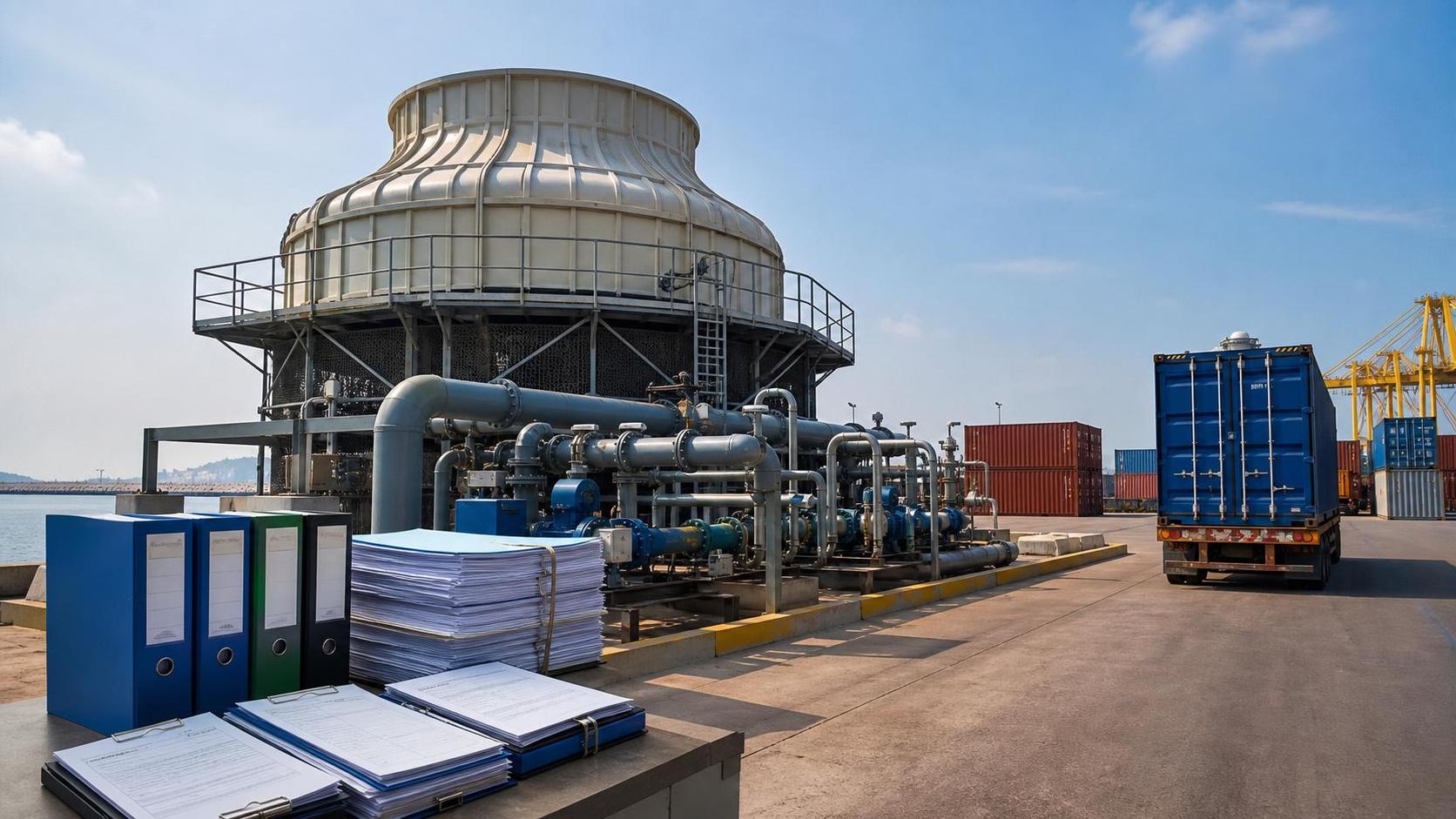
On June 3, 2026, the Office of the United States Trade Representative (USTR) issued a proposed rule notice that could add up to 12.5% in extra tariffs on 60 categories of Chinese industrial equipment exported to the United States, including mechanical draft cooling towers. For companies involved in industrial cooling equipment, project procurement, cross-border distribution, and supply chain coordination across North America, this development matters because it may raise landed costs, disrupt bid assumptions, and prompt wider policy review beyond the U.S. market.
Event Overview
According to the information disclosed on June 3, 2026, the USTR published a Federal Register Notice proposing additional tariffs of up to 12.5% on 60 categories of Chinese industrial equipment entering the U.S. market. Mechanical draft cooling towers are included in the proposed scope. The stated reason is risk related to forced labor links.
The current public comment period runs until July 15, 2026. Export-oriented companies are able to submit response comments jointly with overseas customers during this period. Based on the confirmed information available so far, this is a proposed measure rather than a finalized rule.
Which Industry Segments Could Be Affected
Direct exporters of cooling towers and related industrial equipment
These companies face the most immediate exposure because the proposed measure directly targets Chinese industrial equipment exported to the United States. If the rule is implemented, the main impact would likely appear in export pricing, quotation validity, and contract negotiations with U.S. buyers. From an industry perspective, the issue is not only the tariff level itself, but also whether existing offers, ongoing tenders, or future order discussions can still proceed under the same commercial terms.
Project procurement teams and end users in North America
Industrial projects that rely on imported cooling towers may see higher procurement costs if additional tariffs take effect. This is especially relevant for buyers, EPC participants, and project owners that are still in the budgeting or supplier selection phase. Analysis shows that the practical pressure point is likely to be total delivered cost rather than product list price alone, because tariff changes can alter procurement comparisons and approval timelines.
Distributors, channels, and cross-border trading companies
Companies positioned between manufacturers and end customers may be affected through order timing, inventory planning, and customer communication. They may need to reassess whether current sourcing arrangements remain competitive in the U.S. market. Observably, channel players could also face increased requests from customers for tariff clarification, price revision, and delivery risk assessment.
Supply chain service providers supporting North American trade
Freight coordinators, customs-related service providers, and supply chain management teams may not be the direct target of the proposal, but they could still be affected by changes in shipment scheduling, documentation review, and customer advisory needs. Current attention should focus on whether clients begin adjusting shipping plans or delaying orders while waiting for policy clarity before the July 15 comment deadline.
Companies serving Canada and Mexico alongside the U.S. market
The summary indicates that the measure could trigger parallel review by allies such as Canada and Mexico. Observably, this does not mean synchronized action has already occurred, but it does raise the relevance of North American regional planning for companies that sell the same equipment across multiple markets. The potential impact would be greater for businesses using one pricing model or one supply structure for the broader region.
What Companies and Industry Professionals Should Watch and How to Respond Now
Track official language and timeline changes closely
Companies should follow the USTR notice and any subsequent official updates through the end of the comment period on July 15, 2026. More suitable understanding at this stage is that policy wording, scope, and implementation details remain a live issue. Teams handling sales to the U.S. should avoid treating the proposal as a finalized result before official confirmation.
Review affected product categories and active U.S.-bound business
Exporters and distributors should identify whether ongoing quotations, pending tenders, and confirmed orders involve mechanical draft cooling towers or other equipment categories covered by the proposal. From an industry perspective, this is a practical screening step: businesses need to know which projects could face margin pressure, repricing discussions, or contract adjustment requests if the tariff measure moves forward.
Separate policy signaling from immediate business execution
Current attention should focus on distinguishing between a policy signal and an operationally effective tariff change. Companies should not assume that every U.S.-related project must be halted, but they should prepare internal scenarios for pricing, lead-time communication, and commercial terms. Analysis shows that firms able to explain this distinction clearly to overseas customers may be better positioned in negotiations during the comment window.
Use the comment period for coordinated customer communication and response preparation
The disclosed information notes that exporters can submit comments jointly with overseas customers. Businesses affected by the proposal should organize product scope, transaction context, and customer-facing implications in a structured way for possible submission. Observably, this is one of the few immediate actions directly linked to the event itself, and it may also help companies align externally with buyers while reducing uncertainty in ongoing discussions.
Editorial View / Industry Observation
Observably, this development should be understood first as a high-impact policy signal rather than a completed market outcome. The proposal has not yet become a final rule, but its scope is significant enough for industrial cooling equipment suppliers and North American buyers to reassess cost assumptions and sourcing conversations now.
From an industry perspective, the most important point is not limited to a single product category. Mechanical draft cooling towers are part of a broader list of industrial equipment, which means the proposal may influence how market participants evaluate risk across related procurement chains. Current attention should focus on whether the measure remains confined to the U.S. review process or begins shaping parallel scrutiny in other North American markets.
Analysis shows that the industry should continue monitoring this case because it sits at the intersection of trade compliance, equipment procurement, and project execution. More suitable understanding at this stage is that the proposal creates planning pressure before it creates a confirmed tariff burden.
In summary, the proposed U.S. tariff on Chinese cooling towers is an important development for industrial cooling equipment exporters, North American project buyers, distributors, and supply chain service providers. Its significance lies in the possibility of cost escalation and broader regional review, not yet in a finalized trade outcome. Current attention should focus on policy tracking, affected-business screening, and coordinated communication during the public comment period, as this is the most rational and practical way to interpret the situation for now.
Sources
Main source: Office of the United States Trade Representative (USTR) proposed rule notice / Federal Register Notice released on June 3, 2026.
Item requiring continued observation: whether the proposed additional tariff of up to 12.5% is finalized after the public comment period ending July 15, 2026, and whether related review actions emerge in Canada or Mexico.
Ready when you are. Send us a message to get started.
Related News
- Kentucky Regulators Approve $191 Million Cooling Tower at Mitchell Coal PlantAuthor :Thermodynamics Analyst

- Cooling Tower Market Trends Reshaping Replacement Plans and Capital BudgetsAuthor :Thermodynamics Analyst

- Field-Erected Cooling Tower Market: Why Utility Projects Favor Custom DesignsAuthor :Thermodynamics Analyst

- Evaporative Cooling Tower Market Outlook: Demand Drivers, Risks, and Growth AreasAuthor :Thermodynamics Analyst

- When does an industrial cooling radiator outperform a cooling tower?Author :Thermodynamics Analyst

- EU Cooling Tower Standard EN 13771:2026 Takes EffectAuthor :Thermodynamics Analyst

- EU REACH SVHC Update Triggers Cooling Tower DisclosureAuthor :Thermodynamics Analyst

- SASO Adds Bio-Durability Test for Cooling Tower FillAuthor :Thermodynamics Analyst

- EU REACH Update Bars Phthalates in Cooling Tower PVC FillAuthor :Thermodynamics Analyst

- EU Tightens CE Rules for Cooling Tower Steel PartsAuthor :Thermodynamics Analyst

- Shanghai-Rotterdam Cooling Tower Space TightensAuthor :Thermodynamics Analyst

- Hamburg Port Strike Delays Cooling Tower Parts ClearanceAuthor :Thermodynamics Analyst

- ASHRAE 188-2026 Makes Cooling Tower Microbial Control MandatoryAuthor :Thermodynamics Analyst

- India Enforces BIS IS 17842:2026 for Cooling TowersAuthor :Thermodynamics Analyst

- EU REACH Restricts Zinc Inhibitors in Cooling TowersAuthor :Thermodynamics Analyst

- TUV Rheinland Switches Cooling Tower Labels to IEC 61800-9-2Author :Thermodynamics Analyst

- EU REACH Rule Takes Effect for Cooling Tower CoatingsAuthor :Thermodynamics Analyst

- Vietnam to Require IoT Modules in Imported Cooling TowersAuthor :Thermodynamics Analyst

- How to Compare Industrial Cooling Equipment Dry Coolers for Year-Round EfficiencyAuthor :Thermodynamics Analyst

- SASO Tightens Cooling Tower Import Rules for 2027Author :Thermodynamics Analyst

- REACH SVHC Update Limits Copper Corrosion InhibitorsAuthor :Thermodynamics Analyst

- SASO Starts Cooling Tower Data Rule for CoCAuthor :Thermodynamics Analyst

- Saudi SASO Portal Adds Corrosion Data RuleAuthor :Thermodynamics Analyst

- SASO Adds Corrosion Report Rule for Cooling TowersAuthor :Thermodynamics Analyst

- RDHx Prices Rise as AI Demand Lifts Premium ModelsAuthor :Thermodynamics Analyst

- EU EN 13859-2:2026 Mandates Extreme Humidity Heat-Loss TestsAuthor :Thermodynamics Analyst

- VDE Tightens Cooling Tower Test ScopeAuthor :Thermodynamics Analyst

- SASO Tightens Cooling Tower Test Proof for SaberAuthor :Thermodynamics Analyst

- Saudi SABER Cooling Tower Rule Takes Effect EarlyAuthor :Thermodynamics Analyst

- EU Carbon Labels to Cover Cooling Tower ExportsAuthor :Thermodynamics Analyst

- Saudi SABER Cooling Tower Rule Takes Effect EarlyAuthor :Thermodynamics Analyst

- EU Carbon Label Rule Hits Cooling Tower ExportsAuthor :Thermodynamics Analyst

- Saudi SABER Cooling Tower Rule Adds EN 13859-2 TestAuthor :Thermodynamics Analyst

- Saudi SABER Tightens Cooling Tower Energy Report RulesAuthor :Thermodynamics Analyst

- Saudi SASO Tightens Cooling Tower Efficiency FilingAuthor :Thermodynamics Analyst

- Saudi SABER Tightens Cooling Tower Energy Report ChecksAuthor :Thermodynamics Analyst