EU Law Tightens Cooling Imports for Data Centers




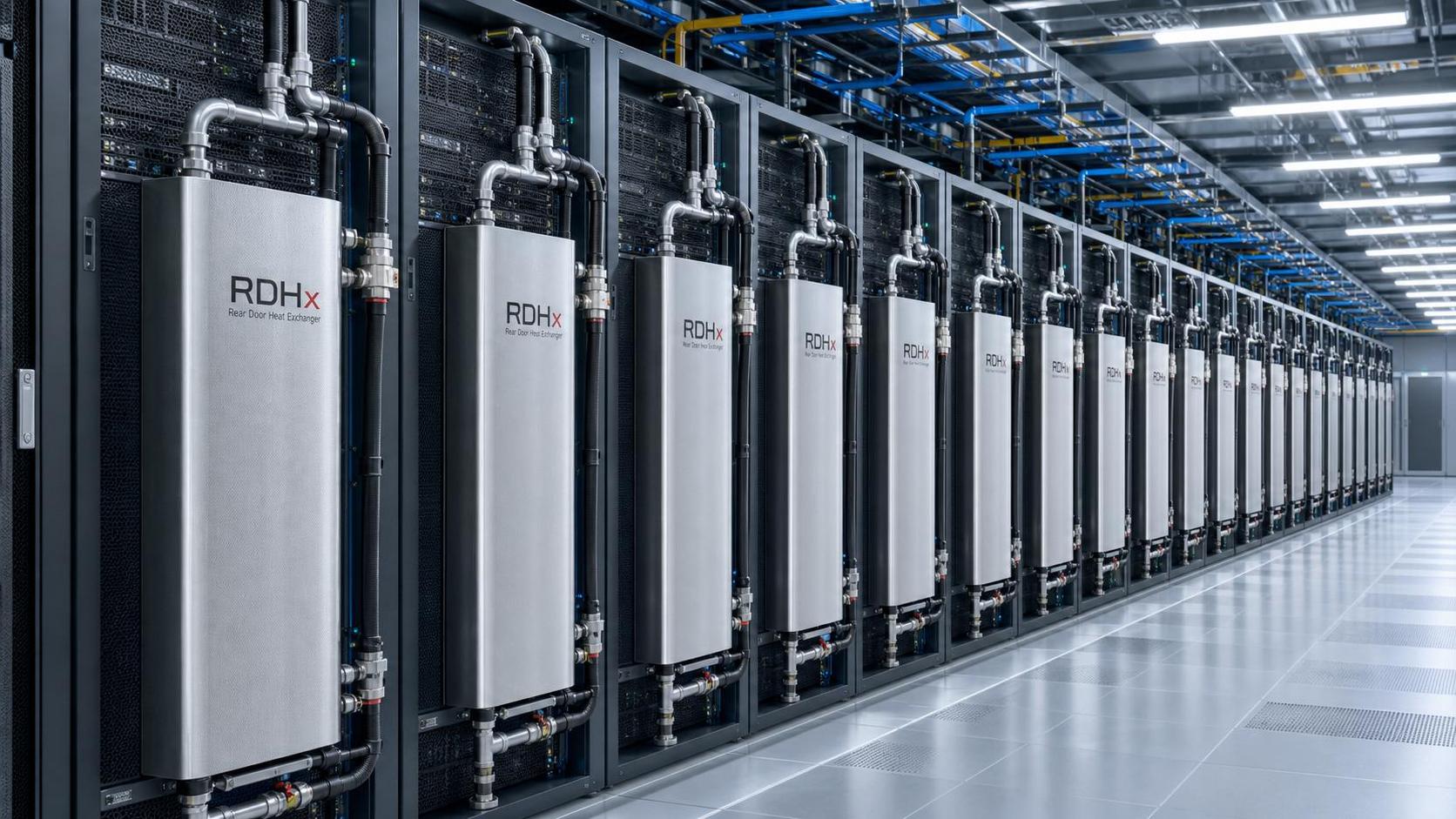
On June 15, 2026, the European Commission formally announced the Cloud and Artificial Intelligence Development Act, bringing data center cooling systems including closed-circuit cooling towers and industrial chillers into a mandatory compliance category for high-efficiency infrastructure. For exporters, importers, project planners, and supply chain teams serving the EU market, the development matters because equipment imported from January 2027 will need to meet upgraded certification requirements tied to energy efficiency and low-GWP refrigerants, with direct implications for delivery timing and technical documentation readiness.
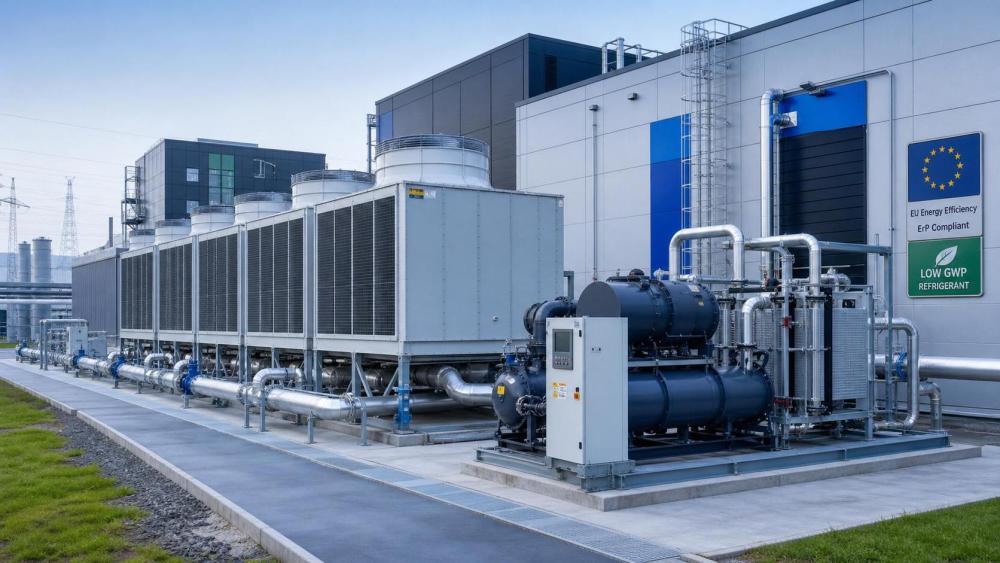
What the new requirement formally covers
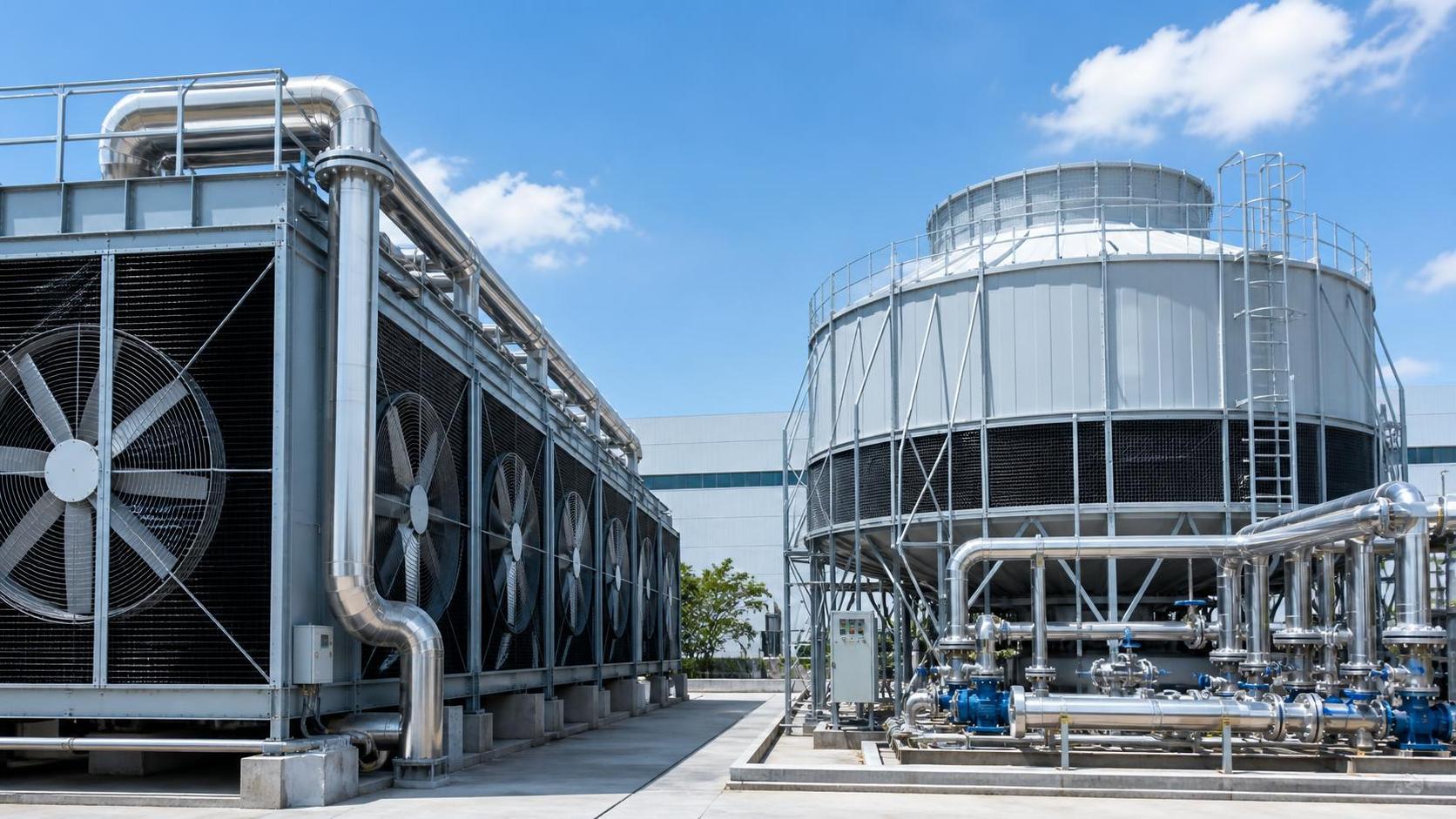
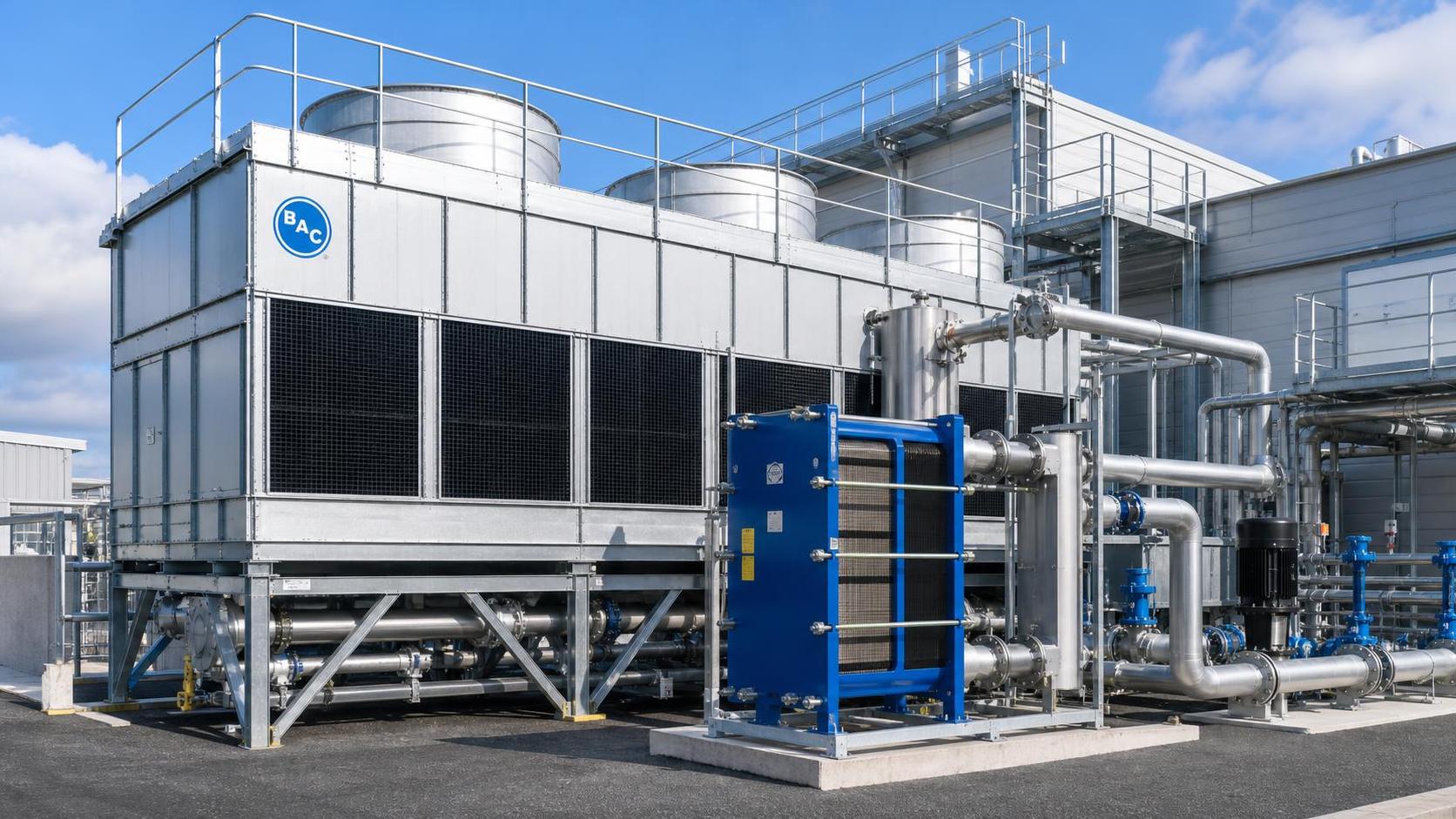
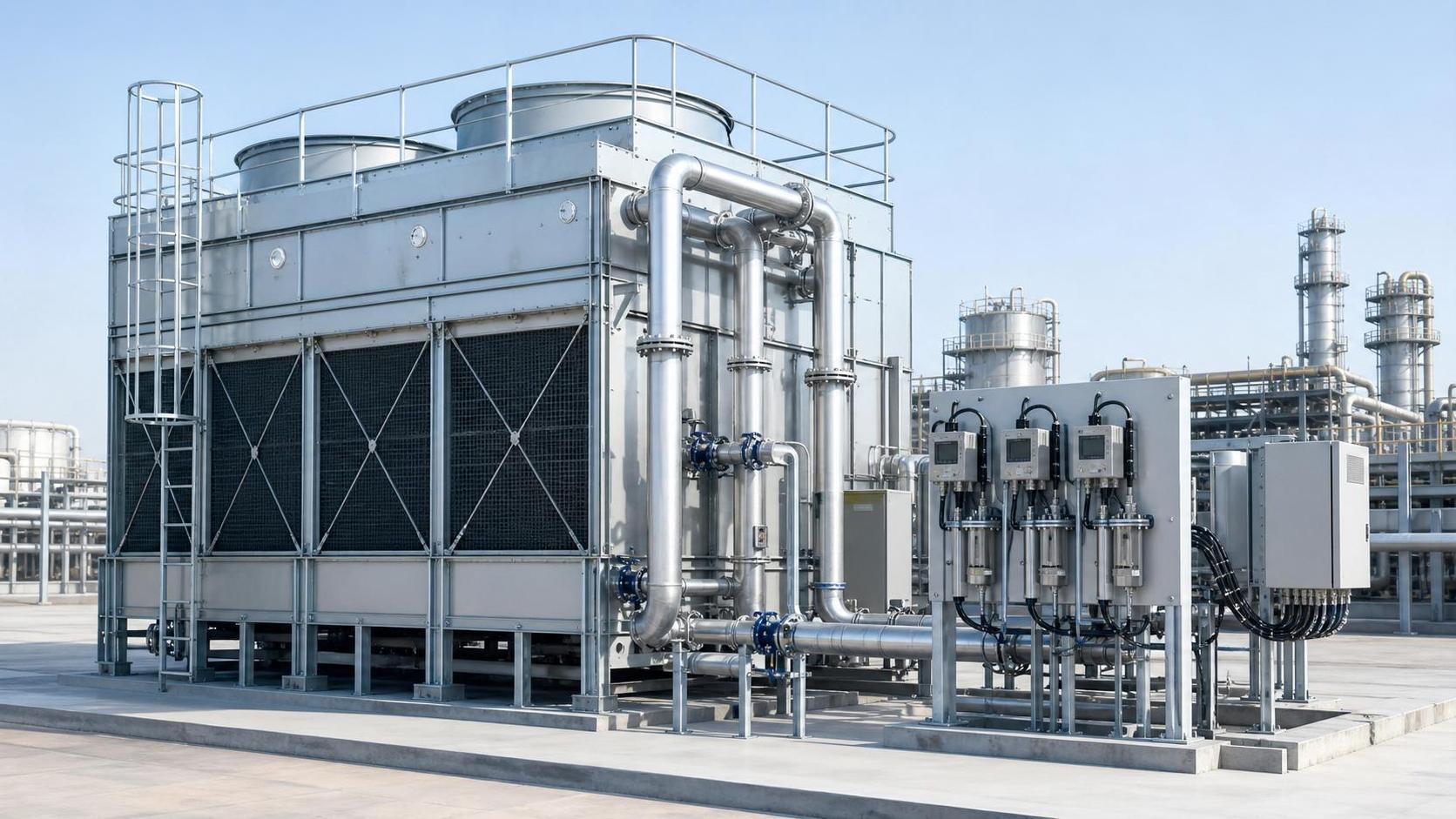
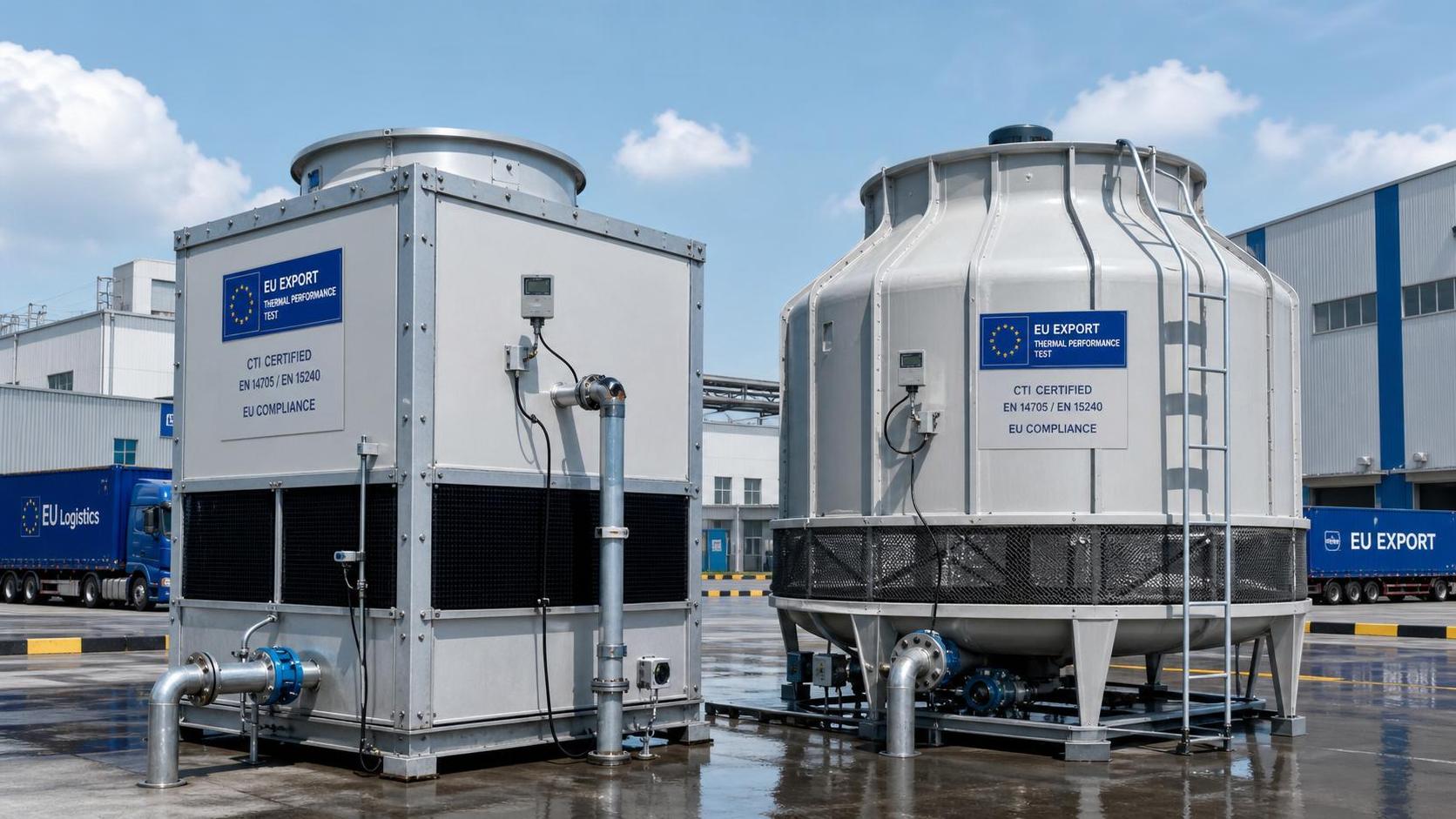
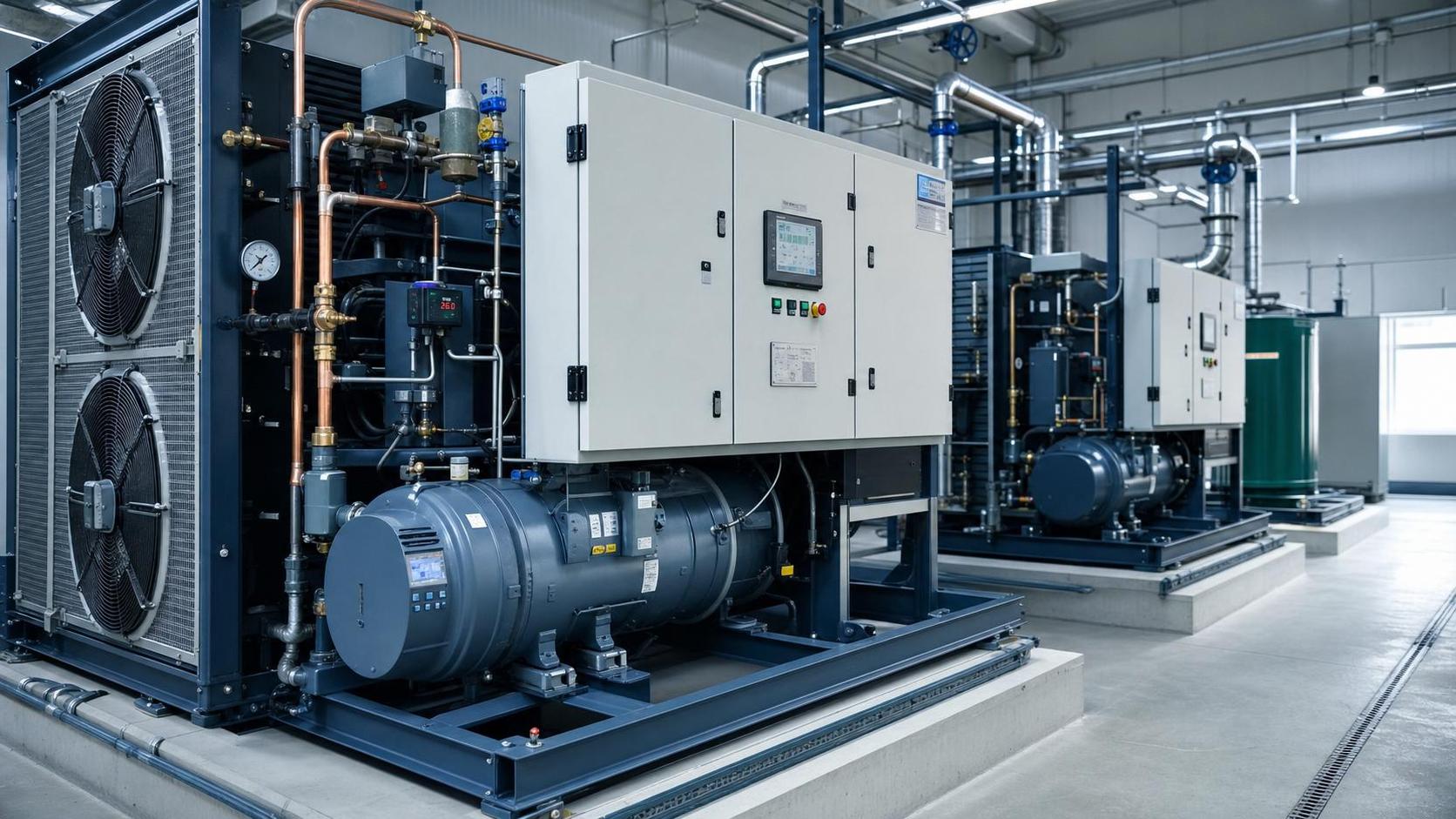
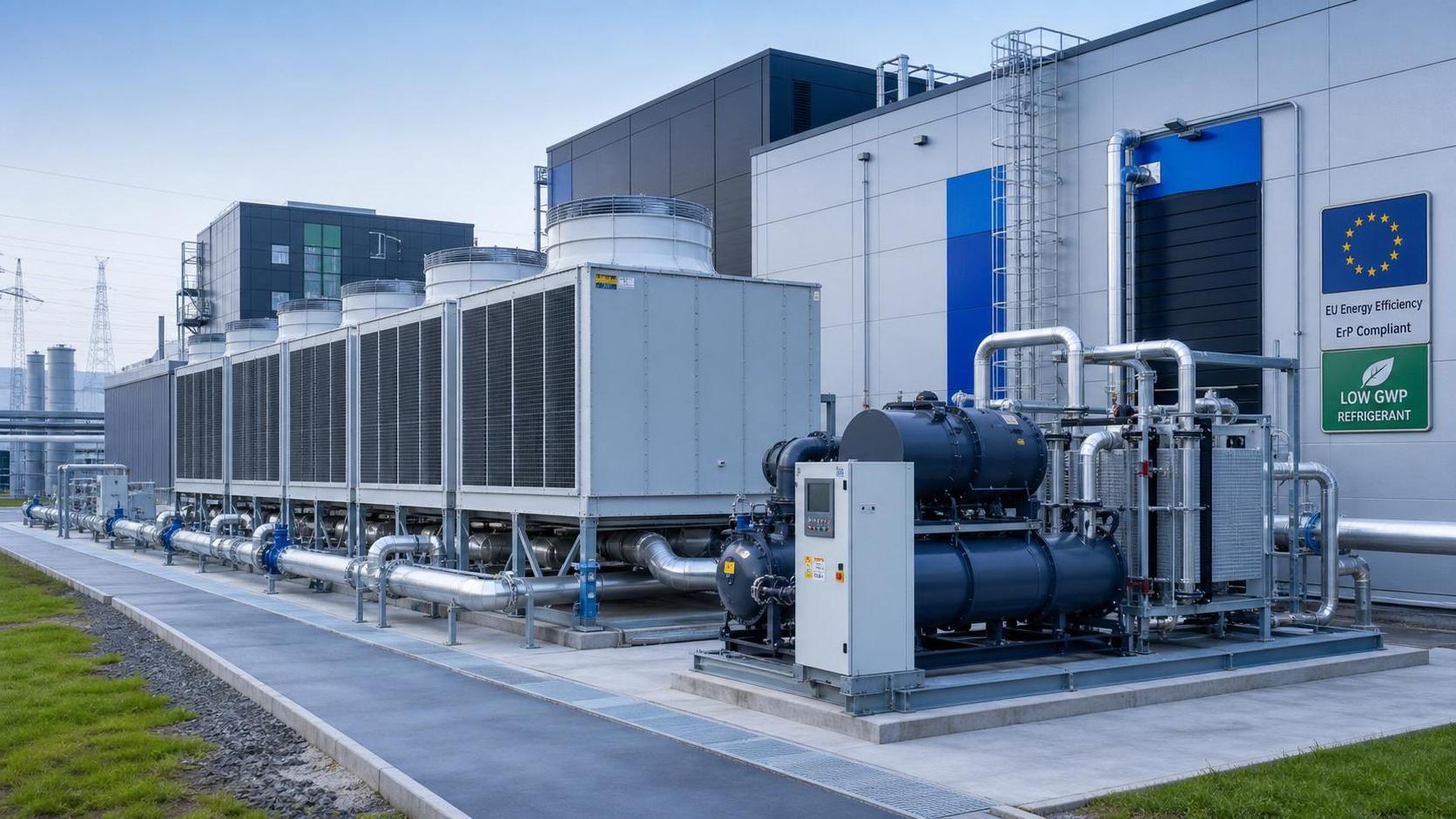
The confirmed information indicates that the new EU act places supporting cooling systems used for data centers within a mandatory compliance framework for high-efficiency infrastructure. The covered equipment explicitly includes closed-circuit cooling towers and industrial-grade chillers.
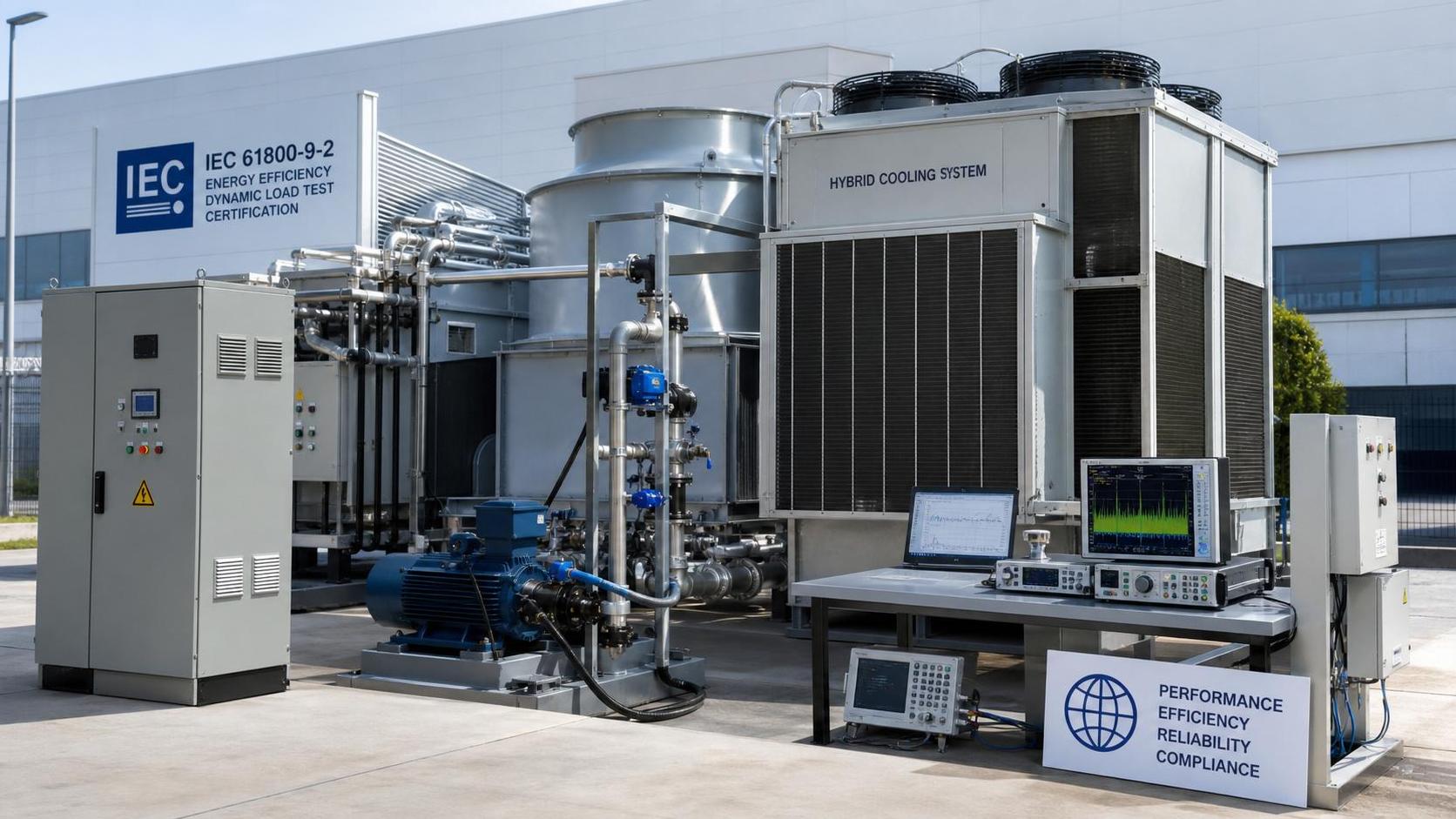
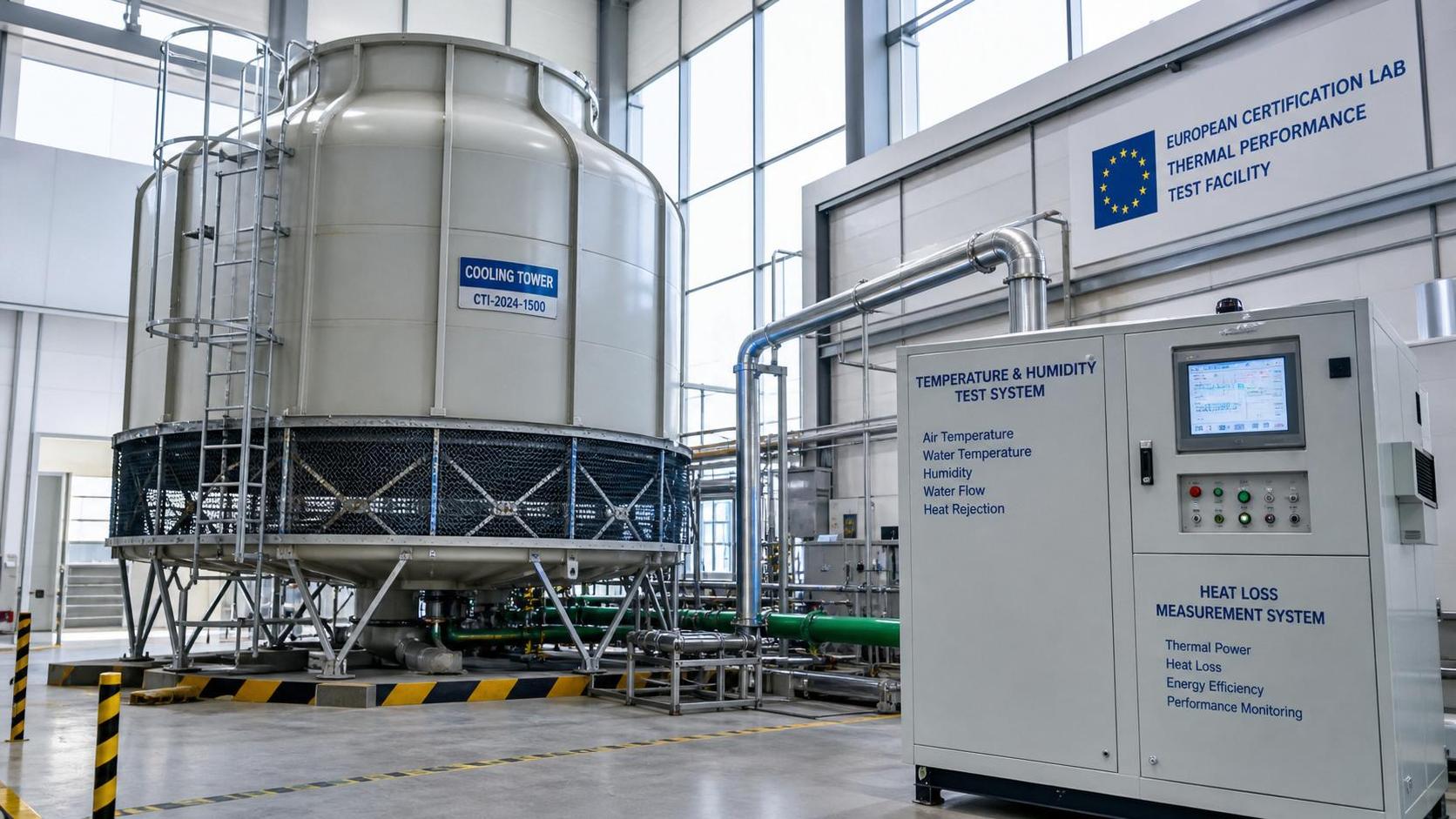
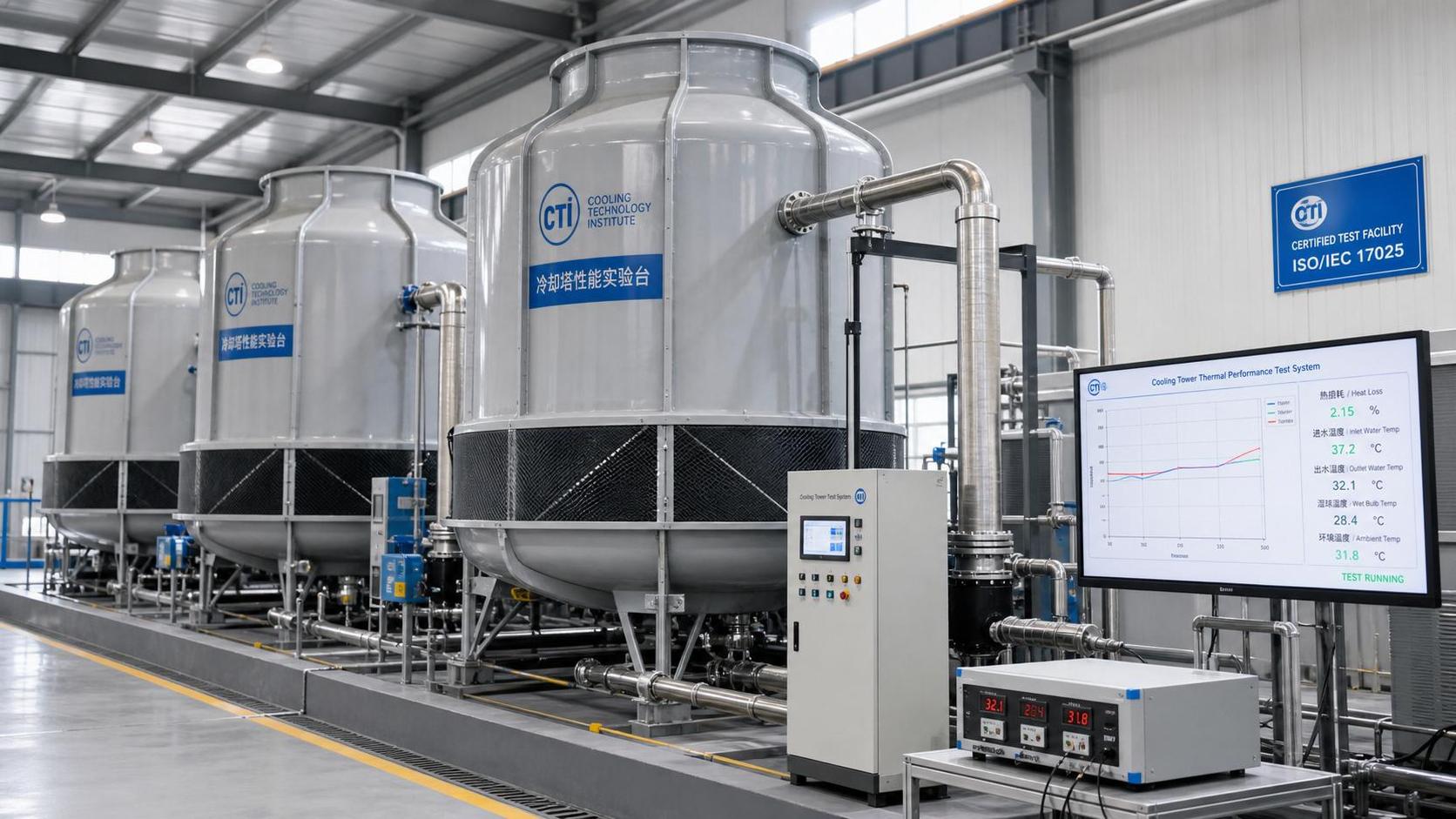
The same information states that, starting in January 2027, all imported equipment in this scope must pass dual certification under the revised EN 13779-2026 requirements, covering both energy efficiency and low-GWP refrigerants.
The input also makes clear that this change directly affects Chinese exporters of cooling towers and industrial chillers, especially in relation to delivery schedules into Europe and preparation of technical documents.
Where the pressure is likely to appear first
Export transactions into the EU
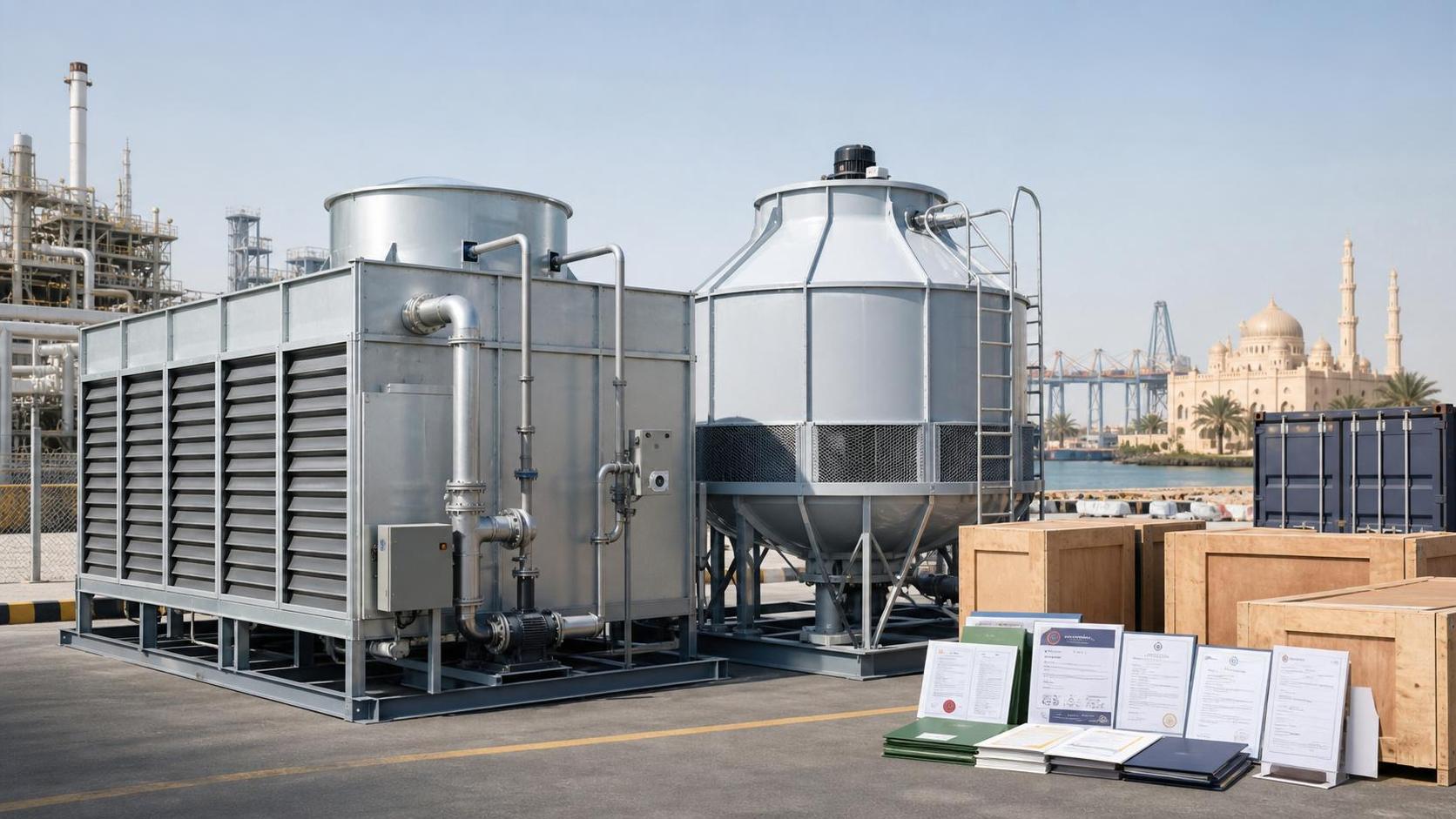
From an industry perspective, exporters and trading companies are likely to feel the impact first because the rule is tied directly to imported equipment. The main pressure points are likely to be whether a product can enter the EU market on schedule, whether supporting compliance files are complete, and whether customer-facing commitments remain aligned with the January 2027 requirement.
Manufacturing and product configuration decisions
Analysis shows that manufacturers of closed-circuit cooling towers and industrial chillers may need to focus closely on how product specifications align with the revised certification requirements. The practical impact is likely to center on equipment configuration, refrigerant selection, and document consistency between product design and export submission materials.
Delivery coordination and supply chain services
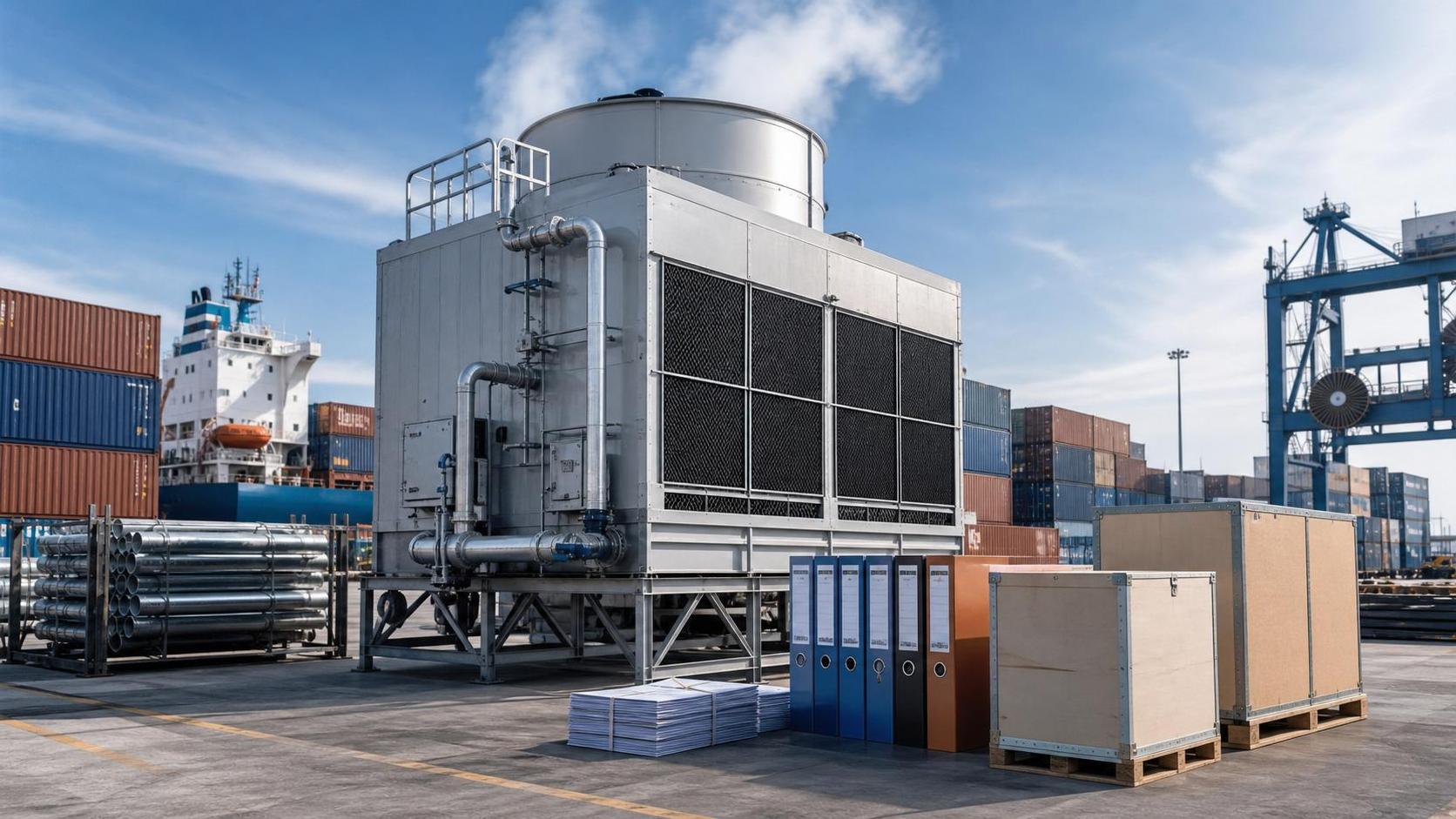
Observably, logistics coordinators, documentation teams, and other supply chain service providers may also be affected because compliance-related timing can influence shipment release, handover sequencing, and cross-border delivery coordination. What deserves closer attention is the connection between technical certification progress and the overall export timetable.
Buyers and project-side procurement
For EU-facing buyers and procurement teams, the issue is not only product selection but also whether the imported equipment can satisfy the new compliance threshold within project timelines. The business impact is likely to appear in supplier screening, document review, and communication around acceptable delivery windows.
What companies should watch now
Track any follow-up wording around implementation
What deserves closer attention is the difference between the core policy signal already announced and any later clarification on implementation details. Companies involved in EU shipments should follow how the announced requirement is described in subsequent official wording, especially where certification scope and practical documentation expectations are concerned.
Review technical files before order execution
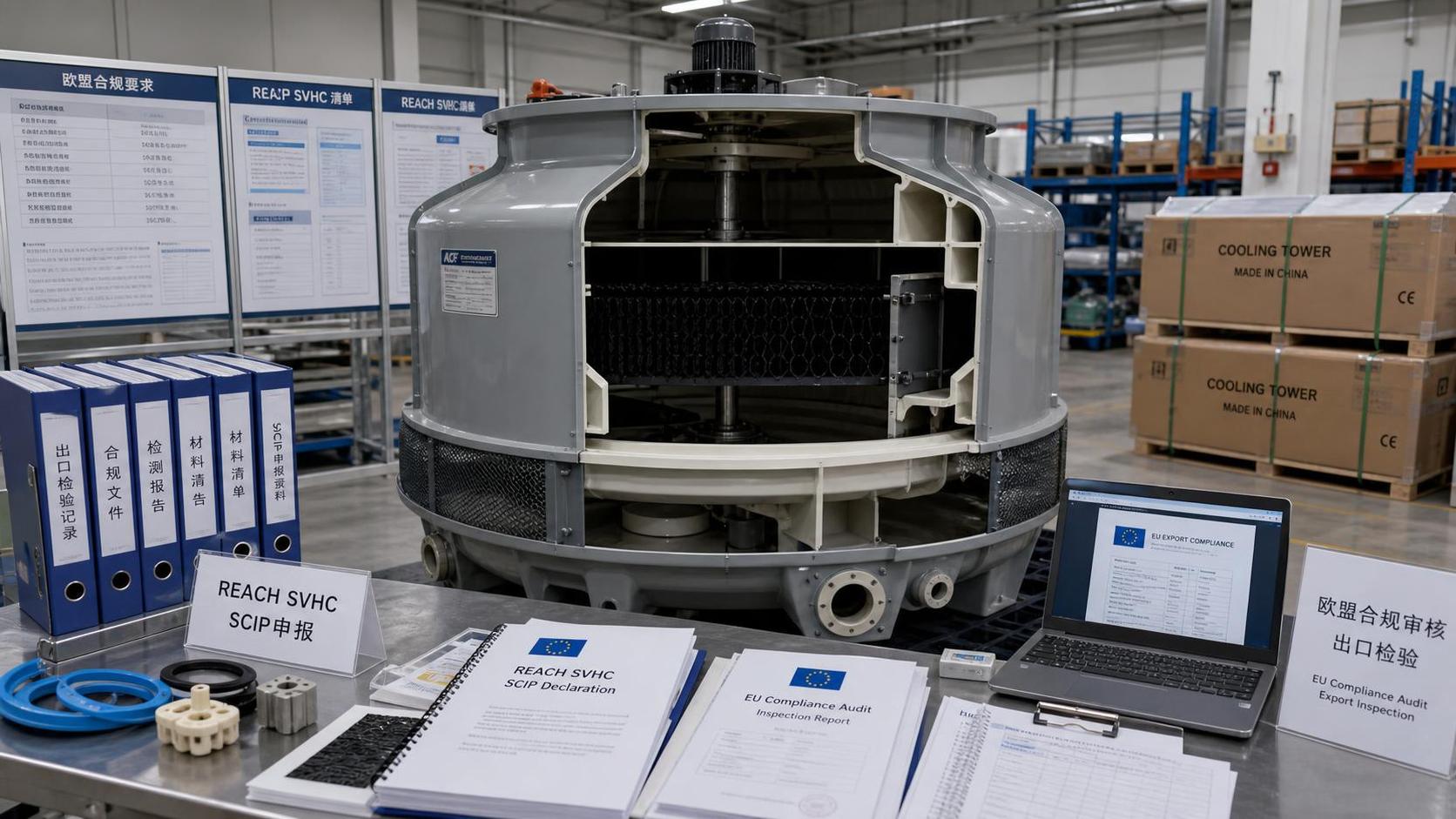
Analysis shows that technical document readiness is not a secondary issue in this case. Since the input specifically points to delivery cycles and technical documentation, companies should pay particular attention to whether product files, certification materials, and customer submission packages are prepared early enough for projects targeting the 2027 import window.
Align refrigerant and efficiency claims with compliance work
Because the requirement combines energy-efficiency certification with low-GWP refrigerant certification, businesses should avoid treating those as separate commercial talking points. A more practical focus is to ensure that product claims, internal specifications, and external compliance materials remain consistent.
Prepare customer communication around lead time risk
Observably, customer communication may become a key operational issue where orders are planned close to the effective date. Exporters, distributors, and project teams should pay attention to how they explain certification status, expected documentation timing, and any delivery risks linked to the new import condition.
Why this looks like more than a short-term notice
As an editorial observation, this development is more appropriately understood as a concrete regulatory signal rather than a routine market update. The reason is that the announcement links market access for specific cooling equipment to a defined compliance path and a stated implementation time starting in January 2027.
At the same time, it should not yet be overstated as a fully resolved operating framework for every business scenario. Analysis shows that the market still needs to watch how implementation language, certification practice, and transaction-level execution are reflected in follow-up materials and real project workflows.
How the market may best read this update
The immediate significance of this development lies in compliance preparation, not in speculative market conclusions. For companies shipping cooling towers and industrial chillers into Europe, the update is best read as an actionable change in market-entry requirements that can affect scheduling and documentation discipline well before the January 2027 threshold arrives.
More broadly, it is more appropriate to understand this as a regulatory development with both near-term operational consequences and longer-term signaling value for suppliers connected to data center cooling infrastructure. The next phase of industry attention should remain focused on execution details rather than assumptions beyond the confirmed information.
Basis of this article
This article is generated based on the user-provided news title, event date, and event summary concerning the EU Cloud and Artificial Intelligence Development Act and the upgraded mandatory certification requirements for imported cooling towers and industrial chillers.
For this type of industry update, commonly relevant source categories may include official announcements, corporate statements, industry association information, authoritative media coverage, and standards organization documents. The specific official source link was not provided in the input, so further verification remains necessary. Continued attention should focus on any subsequent official clarification, certification interpretation, and implementation-related updates affecting delivery and documentation practice.
Related News
- When does an industrial cooling radiator outperform a cooling tower?Author :Thermodynamics Analyst

- EU Cooling Tower Standard EN 13771:2026 Takes EffectAuthor :Thermodynamics Analyst

- EU REACH SVHC Update Triggers Cooling Tower DisclosureAuthor :Thermodynamics Analyst

- SASO Adds Bio-Durability Test for Cooling Tower FillAuthor :Thermodynamics Analyst

- EU REACH Update Bars Phthalates in Cooling Tower PVC FillAuthor :Thermodynamics Analyst

- EU Tightens CE Rules for Cooling Tower Steel PartsAuthor :Thermodynamics Analyst

- Shanghai-Rotterdam Cooling Tower Space TightensAuthor :Thermodynamics Analyst

- Hamburg Port Strike Delays Cooling Tower Parts ClearanceAuthor :Thermodynamics Analyst

- ASHRAE 188-2026 Makes Cooling Tower Microbial Control MandatoryAuthor :Thermodynamics Analyst

- India Enforces BIS IS 17842:2026 for Cooling TowersAuthor :Thermodynamics Analyst

- EU REACH Restricts Zinc Inhibitors in Cooling TowersAuthor :Thermodynamics Analyst

- TUV Rheinland Switches Cooling Tower Labels to IEC 61800-9-2Author :Thermodynamics Analyst

- EU REACH Rule Takes Effect for Cooling Tower CoatingsAuthor :Thermodynamics Analyst

- Vietnam to Require IoT Modules in Imported Cooling TowersAuthor :Thermodynamics Analyst

- How to Compare Industrial Cooling Equipment Dry Coolers for Year-Round EfficiencyAuthor :Thermodynamics Analyst

- SASO Tightens Cooling Tower Import Rules for 2027Author :Thermodynamics Analyst

- REACH SVHC Update Limits Copper Corrosion InhibitorsAuthor :Thermodynamics Analyst

- SASO Starts Cooling Tower Data Rule for CoCAuthor :Thermodynamics Analyst

- Saudi SASO Portal Adds Corrosion Data RuleAuthor :Thermodynamics Analyst

- SASO Adds Corrosion Report Rule for Cooling TowersAuthor :Thermodynamics Analyst

- RDHx Prices Rise as AI Demand Lifts Premium ModelsAuthor :Thermodynamics Analyst

- EU EN 13859-2:2026 Mandates Extreme Humidity Heat-Loss TestsAuthor :Thermodynamics Analyst

- VDE Tightens Cooling Tower Test ScopeAuthor :Thermodynamics Analyst

- SASO Tightens Cooling Tower Test Proof for SaberAuthor :Thermodynamics Analyst

- Saudi SABER Cooling Tower Rule Takes Effect EarlyAuthor :Thermodynamics Analyst

- EU Carbon Labels to Cover Cooling Tower ExportsAuthor :Thermodynamics Analyst

- Saudi SABER Cooling Tower Rule Takes Effect EarlyAuthor :Thermodynamics Analyst

- EU Carbon Label Rule Hits Cooling Tower ExportsAuthor :Thermodynamics Analyst

- Saudi SABER Cooling Tower Rule Adds EN 13859-2 TestAuthor :Thermodynamics Analyst

- Saudi SABER Tightens Cooling Tower Energy Report RulesAuthor :Thermodynamics Analyst

- Saudi SASO Tightens Cooling Tower Efficiency FilingAuthor :Thermodynamics Analyst

- Saudi SABER Tightens Cooling Tower Energy Report ChecksAuthor :Thermodynamics Analyst

- Thermal Management Problems That Cause Equipment DowntimeAuthor :Thermodynamics Analyst

- Saudi Rule Requires Local Certification for Imported Cooling TowersAuthor :Thermodynamics Analyst

- EU Law Tightens Cooling Imports for Data CentersAuthor :Thermodynamics Analyst

- India Extends FRP Duty Relief for Cooling TowersAuthor :Thermodynamics Analyst