SASO Tightens Cooling Tower Import Rules for 2027




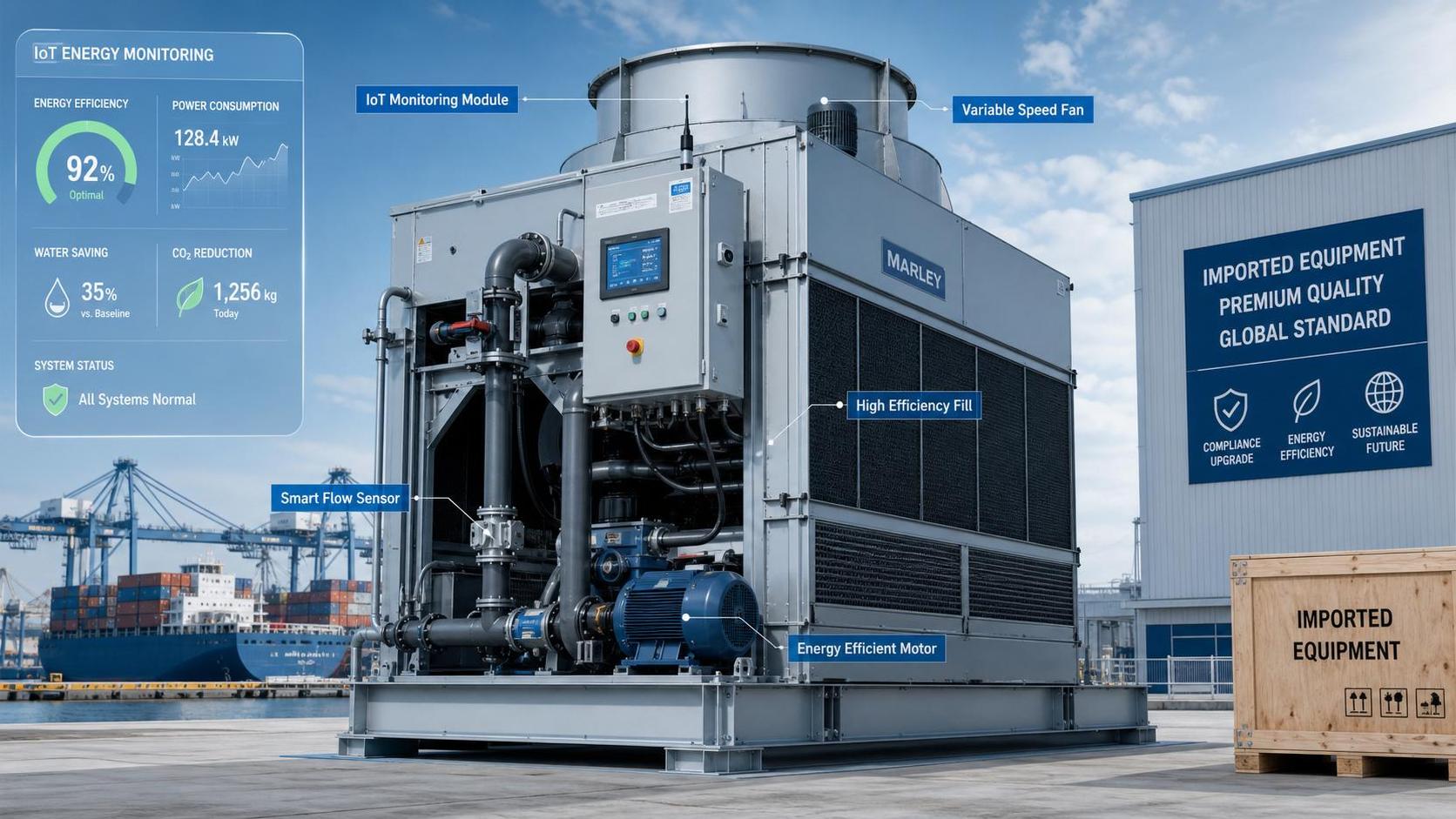
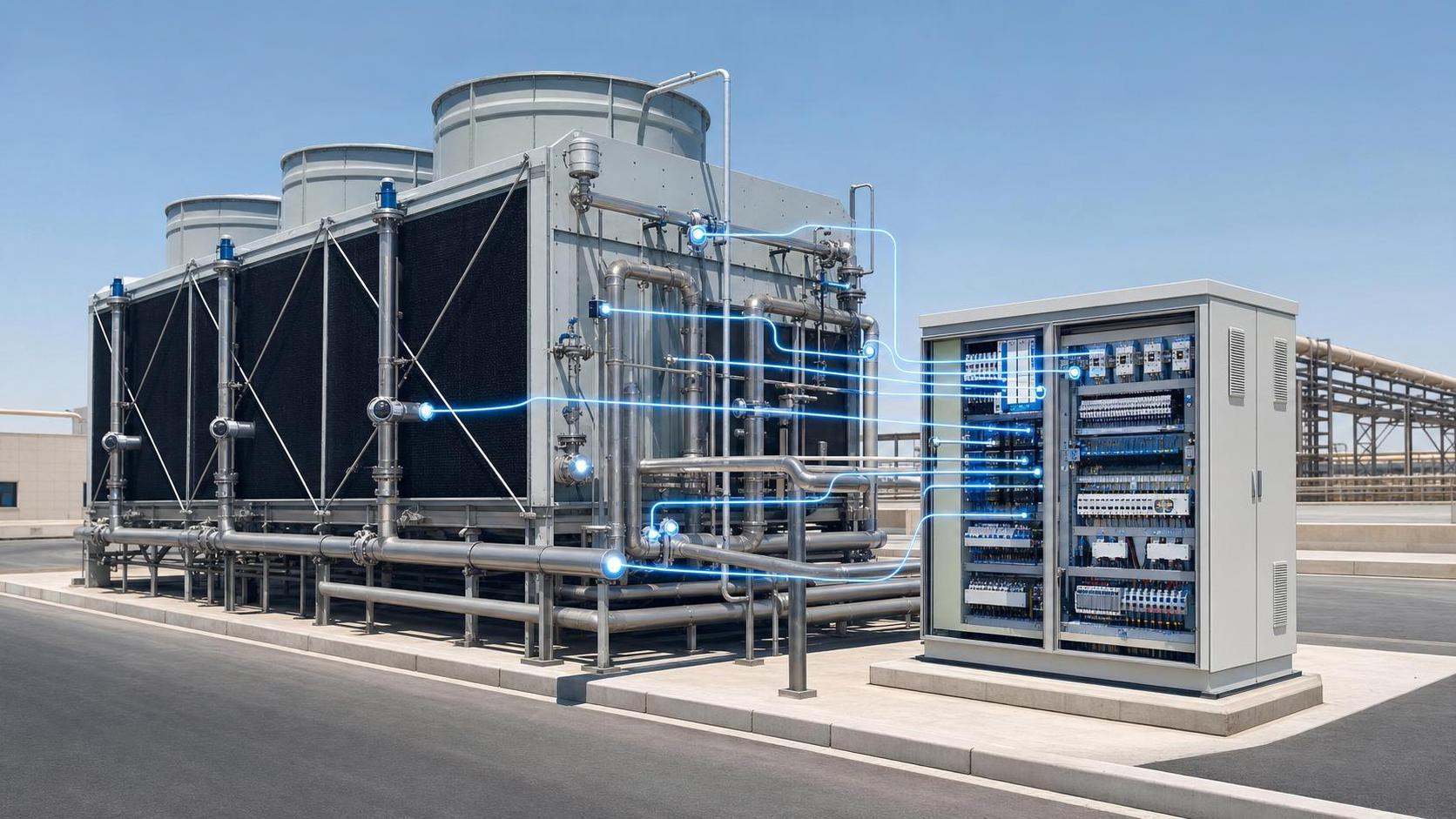
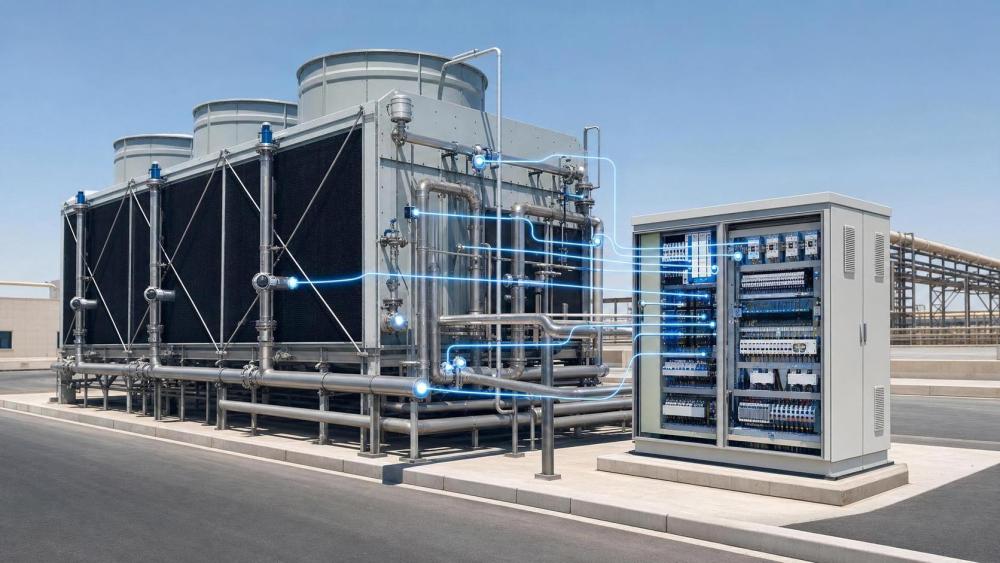
On June 29, 2026, Saudi Arabia’s Standards, Metrology and Quality Organization (SASO) issued a supplementary technical notice under SASO IEC 60335-2-40:2026 that changes the compliance baseline for imported cooling towers. From January 1, 2027, imported units will need to integrate an intelligent linked controller meeting IEC 61508 SIL2 requirements so that cooling water temperature and fan speed can be adjusted in real time together. For cooling tower manufacturers, exporters, importers, buyers, and compliance service providers, this is worth close attention because it shifts the market focus from conventional equipment supply to control integration, functional safety, and documentation readiness.
What the New Requirement Clearly States
According to the information provided, SASO released the supplementary technical notice on June 29, 2026. The notice requires all imported cooling towers to include an intelligent linked controller compliant with IEC 61508 SIL2 starting on January 1, 2027. The function specified is real-time coordinated adjustment between cooling water temperature and fan speed. The same information also indicates that the new rule raises market access thresholds and is favorable to Chinese complete-unit suppliers that have already obtained TUV Rheinland functional safety certification.
Where the Immediate Pressure Will Appear
For complete-unit manufacturers shipping to Saudi Arabia
From an industry perspective, these suppliers are likely to feel the impact first because the new requirement is tied directly to the imported product itself. The main pressure point is no longer limited to mechanical performance; it extends to embedded control capability, functional safety alignment, and proof that the integrated solution meets the stated requirement. What deserves closer attention is whether existing product configurations for the Saudi market already include the required linked control function and corresponding certification basis.
For trading companies and import-facing sales teams
Observably, the effect on this group is concentrated in quotation, contract review, and shipment planning. If product specifications, technical files, or customer commitments do not reflect the new control requirement before the 2027 effective date, the risk is likely to appear in order confirmation and delivery coordination. The practical issue is not only whether a unit can be supplied, but whether it can be supplied with the right compliance narrative and supporting documents.
For buyers and project procurement parties
Analysis shows that procurement teams may need to pay closer attention to controller configuration and functional safety status during supplier screening. The requirement creates a clearer distinction between equipment that is merely available and equipment that is import-ready for Saudi Arabia under the updated rule. In business terms, this could affect vendor selection, technical clarification, and acceptance expectations.
For certification and supply chain service providers
For service providers involved in testing, certification support, customs preparation, or technical file coordination, the change matters because compliance work may move earlier in the sales and delivery cycle. The points to watch are how clearly the controller requirement is reflected in product documents and whether customers and suppliers interpret the functional safety threshold in the same way.
What Companies Should Track Now
Check whether the product definition already matches the rule
Companies serving Saudi-bound orders should review whether their cooling tower configuration already integrates an intelligent controller capable of linking cooling water temperature and fan speed in real time. This is a product-definition issue first, not only a paperwork issue.
Separate certification status from general market claims
What deserves closer attention is the difference between broad claims of control capability and documented functional safety alignment. The input information specifically mentions IEC 61508 SIL2 and notes an advantage for Chinese complete-unit suppliers that have already passed TUV Rheinland functional safety certification. In practical terms, companies should distinguish between products that can technically perform the function and products that can present the required compliance evidence in a market-facing context.
Prepare customer communication before the effective date
Exporters, distributors, and account teams should align their communication with customers before January 1, 2027. The key issue is to avoid late-stage confusion over whether an offered model is still acceptable for import after the rule takes effect. This is especially relevant in long-cycle orders where technical confirmation and delivery may span the transition period.
Continue watching for further official clarification
Analysis shows that companies should continue monitoring how SASO and related compliance channels describe implementation details over time. The current information confirms the rule direction and core requirement, but day-to-day execution in business often depends on how authorities, customers, and documentation reviewers interpret scope and proof requirements in practice.
Why This Looks Like More Than a Routine Update
Observably, this development is more than a narrow technical adjustment because it links market access to a specific control architecture and a stated functional safety level. That changes the discussion from product efficiency alone to system intelligence and certifiable control integrity. At the same time, it is more appropriate to understand this as a confirmed regulatory signal with implementation implications, rather than as a fully settled end state for every commercial detail. The rule itself is clear in direction, while its business impact will depend on how quickly suppliers, buyers, and channel partners align product specifications and compliance documentation.
How This News Is Best Understood at Present
At this stage, the Saudi update should be read as a concrete compliance change with near-term operational consequences for cooling tower trade into the market. It does not justify broad claims about market outcomes beyond the facts provided, but it does clearly indicate a higher entry threshold from 2027 onward. A neutral reading is that the rule favors suppliers already positioned with functional safety credentials, while others may need to close product and documentation gaps before the effective date.
Basis of This Article and What Still Needs Verification
This article is based on the user-provided news title, event date, and event summary. For this type of development, commonly relevant source categories include official notices, standard-related documents, company statements, industry association updates, and reporting by authoritative trade media. A specific official source link was not provided in the input, so the exact source document path still requires continued verification. Further follow-up should focus on any later official clarification regarding implementation details, document expectations, and how the requirement is applied in actual import and procurement practice.
Ready when you are. Send us a message to get started.
Related News
- Kentucky Regulators Approve $191 Million Cooling Tower at Mitchell Coal PlantAuthor :Thermodynamics Analyst

- Cooling Tower Market Trends Reshaping Replacement Plans and Capital BudgetsAuthor :Thermodynamics Analyst

- Field-Erected Cooling Tower Market: Why Utility Projects Favor Custom DesignsAuthor :Thermodynamics Analyst

- Evaporative Cooling Tower Market Outlook: Demand Drivers, Risks, and Growth AreasAuthor :Thermodynamics Analyst

- When does an industrial cooling radiator outperform a cooling tower?Author :Thermodynamics Analyst

- EU Cooling Tower Standard EN 13771:2026 Takes EffectAuthor :Thermodynamics Analyst

- EU REACH SVHC Update Triggers Cooling Tower DisclosureAuthor :Thermodynamics Analyst

- SASO Adds Bio-Durability Test for Cooling Tower FillAuthor :Thermodynamics Analyst

- EU REACH Update Bars Phthalates in Cooling Tower PVC FillAuthor :Thermodynamics Analyst

- EU Tightens CE Rules for Cooling Tower Steel PartsAuthor :Thermodynamics Analyst

- Shanghai-Rotterdam Cooling Tower Space TightensAuthor :Thermodynamics Analyst

- Hamburg Port Strike Delays Cooling Tower Parts ClearanceAuthor :Thermodynamics Analyst

- ASHRAE 188-2026 Makes Cooling Tower Microbial Control MandatoryAuthor :Thermodynamics Analyst

- India Enforces BIS IS 17842:2026 for Cooling TowersAuthor :Thermodynamics Analyst

- EU REACH Restricts Zinc Inhibitors in Cooling TowersAuthor :Thermodynamics Analyst

- TUV Rheinland Switches Cooling Tower Labels to IEC 61800-9-2Author :Thermodynamics Analyst

- EU REACH Rule Takes Effect for Cooling Tower CoatingsAuthor :Thermodynamics Analyst

- Vietnam to Require IoT Modules in Imported Cooling TowersAuthor :Thermodynamics Analyst

- How to Compare Industrial Cooling Equipment Dry Coolers for Year-Round EfficiencyAuthor :Thermodynamics Analyst

- SASO Tightens Cooling Tower Import Rules for 2027Author :Thermodynamics Analyst

- REACH SVHC Update Limits Copper Corrosion InhibitorsAuthor :Thermodynamics Analyst

- SASO Starts Cooling Tower Data Rule for CoCAuthor :Thermodynamics Analyst

- Saudi SASO Portal Adds Corrosion Data RuleAuthor :Thermodynamics Analyst

- SASO Adds Corrosion Report Rule for Cooling TowersAuthor :Thermodynamics Analyst

- RDHx Prices Rise as AI Demand Lifts Premium ModelsAuthor :Thermodynamics Analyst

- EU EN 13859-2:2026 Mandates Extreme Humidity Heat-Loss TestsAuthor :Thermodynamics Analyst

- VDE Tightens Cooling Tower Test ScopeAuthor :Thermodynamics Analyst

- SASO Tightens Cooling Tower Test Proof for SaberAuthor :Thermodynamics Analyst

- Saudi SABER Cooling Tower Rule Takes Effect EarlyAuthor :Thermodynamics Analyst

- EU Carbon Labels to Cover Cooling Tower ExportsAuthor :Thermodynamics Analyst

- Saudi SABER Cooling Tower Rule Takes Effect EarlyAuthor :Thermodynamics Analyst

- EU Carbon Label Rule Hits Cooling Tower ExportsAuthor :Thermodynamics Analyst

- Saudi SABER Cooling Tower Rule Adds EN 13859-2 TestAuthor :Thermodynamics Analyst

- Saudi SABER Tightens Cooling Tower Energy Report RulesAuthor :Thermodynamics Analyst

- Saudi SASO Tightens Cooling Tower Efficiency FilingAuthor :Thermodynamics Analyst

- Saudi SABER Tightens Cooling Tower Energy Report ChecksAuthor :Thermodynamics Analyst