How to Compare Industrial Cooling Equipment Dry Coolers for Year-Round Efficiency




Choosing among industrial cooling equipment dry coolers takes more than matching a design duty to a catalog line. Year-round efficiency depends on how well a unit handles changing ambient temperatures, fluctuating process loads, fan energy, control response, and maintenance realities across an entire operating cycle.
That is why comparison work has become more important across general industry. Energy costs remain volatile, water use is under closer scrutiny, and many facilities now expect thermal systems to support both efficiency targets and operational resilience.
In this context, industrial cooling equipment dry coolers are no longer evaluated as simple heat rejection devices. They are part of a wider thermal strategy, connected to pumps, compressors, heat exchangers, controls, and plant-level decarbonization plans.
What a Dry Cooler Comparison Should Really Measure
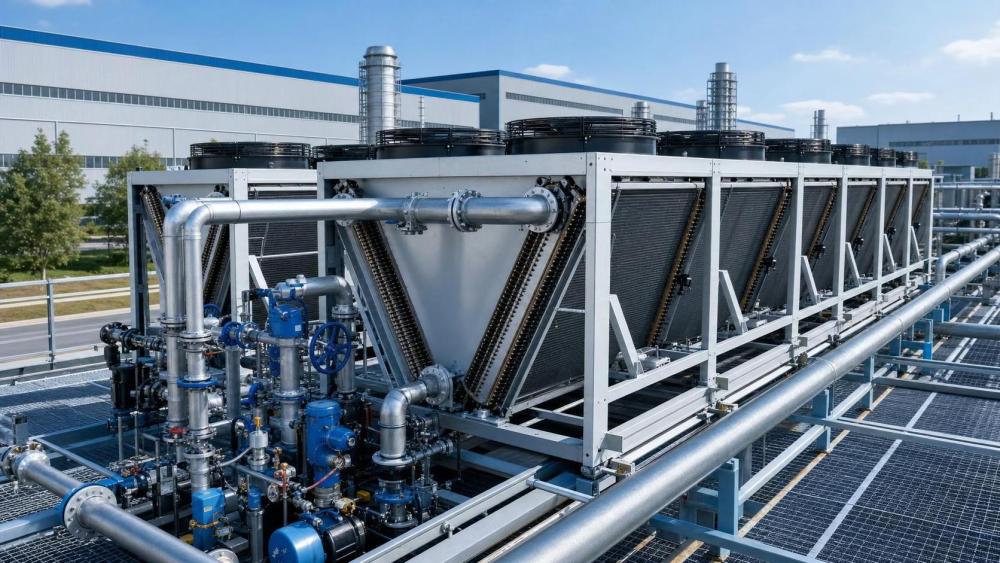
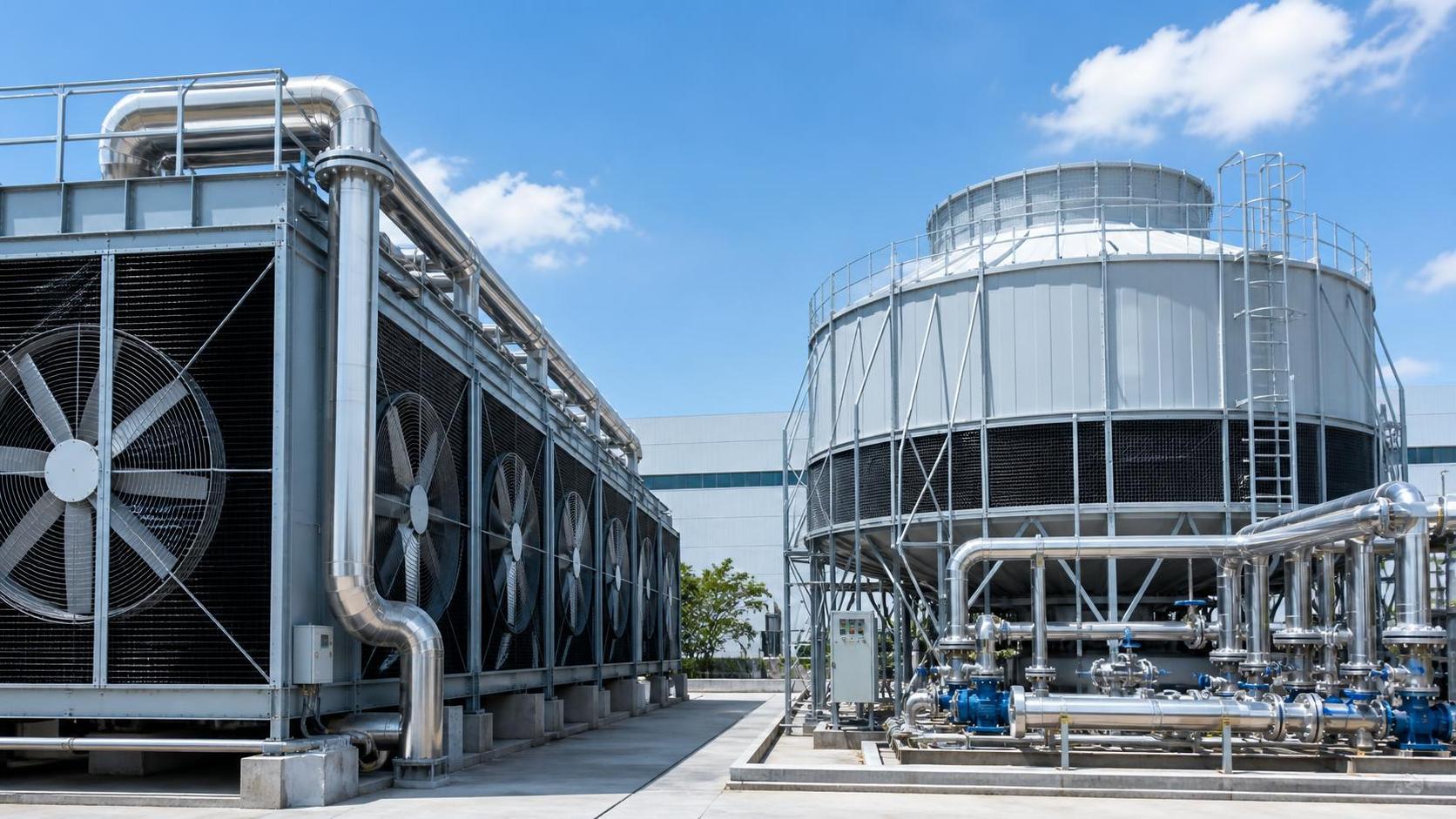
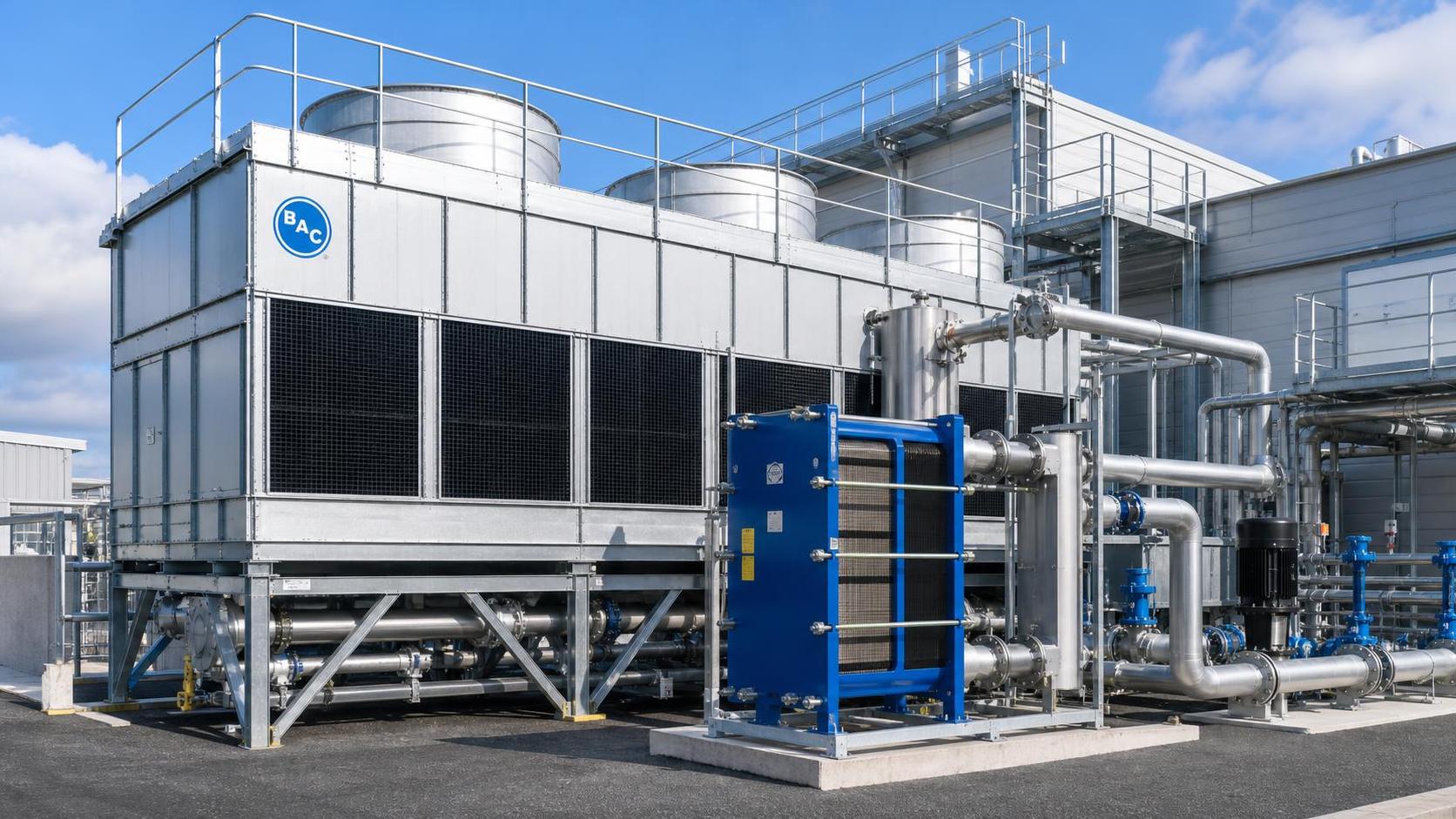
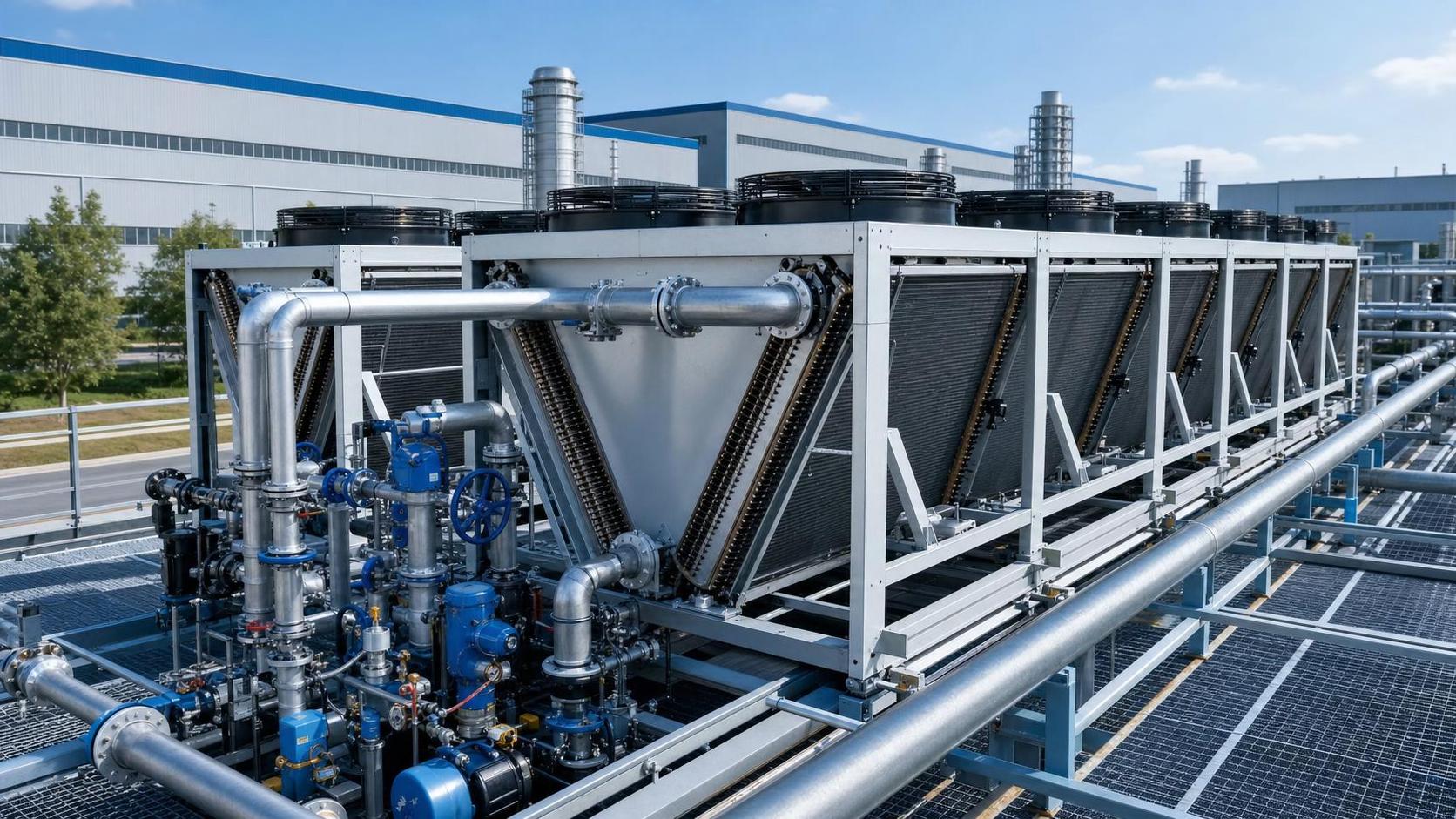
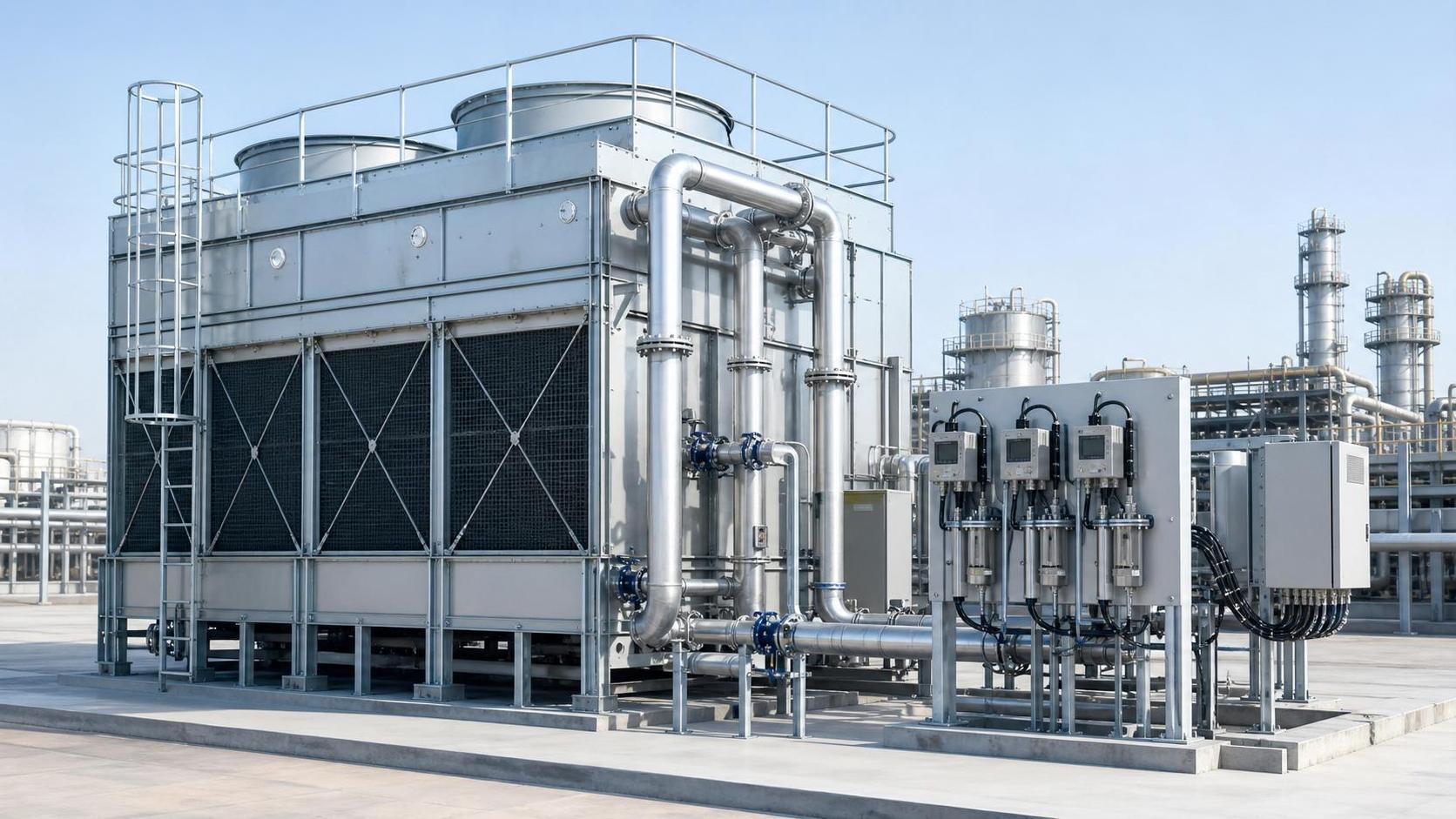
A dry cooler rejects process heat to ambient air without evaporating water in normal operation. Warm fluid passes through coils, and fans move air across the heat transfer surface.
That sounds straightforward, but actual performance depends on more than nominal capacity. Coil geometry, fin spacing, fan selection, approach temperature, fluid type, fouling tolerance, and control logic all affect useful efficiency.
For industrial cooling equipment dry coolers, the most valuable comparison is not peak summer output alone. It is the ability to sustain acceptable process temperatures through hot, mild, and cold conditions without wasting power.
A good evaluation therefore starts with seasonal operating profiles. If a plant spends most hours at part load, then full-load summer data tells only part of the story.
Why Year-Round Efficiency Matters More Now
Dry cooler selection used to focus heavily on worst-case design days. That remains necessary, but current operating economics reward systems that perform intelligently across the remaining thousands of annual hours.
Facilities in pharmaceuticals, semiconductors, food processing, logistics, chemicals, and general manufacturing increasingly need stable thermal control with lower energy intensity. Even small control improvements can produce meaningful annual savings.
This is also where market intelligence becomes useful. GTC-Matrix tracks shifts in energy pricing, refrigerant policy, oil-free compression, and heat exchange technology, all of which shape how thermal infrastructure is compared and justified.
Industrial cooling equipment dry coolers sit inside that broader efficiency conversation. They can reduce water dependency, support hybrid thermal strategies, and complement plants seeking more circular, lower-carbon cooling architectures.
The Core Parameters Behind a Meaningful Comparison
Not every specification carries equal decision value. Some numbers look attractive in brochures but reveal little about annual behavior.
Heat Rejection at Real Operating Conditions
Check rated capacity against the actual entering fluid temperature, leaving fluid temperature, ambient dry bulb, and fluid composition. Glycol concentration, altitude, and seasonal dirt loading can change real performance significantly.
A narrow approach temperature may improve process control, but it often increases coil size, fan energy, or both. The efficient choice is usually the one that balances thermal margin with operating cost.
Fan Power and Turndown Behavior
Fan motors deserve close attention because annual electricity use often accumulates at part load. Variable speed control usually outperforms simple on-off staging when load profiles vary throughout the day.
Ask how the unit behaves at 30%, 50%, and 70% load. Industrial cooling equipment dry coolers with smooth turndown can maintain stable temperatures while avoiding unnecessary fan cycling.
Coil Construction and Airside Design
Tube material, fin material, fin pitch, and coil circuiting affect both efficiency and service life. High-performance coils may look strong on paper but can lose value in dusty, corrosive, or difficult-to-clean environments.
Where process uptime is critical, robust cleanability and corrosion resistance can matter as much as thermal density. A slightly larger coil may provide better long-term efficiency if it maintains performance more reliably.
Hydraulic and Integration Effects
Pressure drop is often underestimated. If a dry cooler creates excessive hydraulic resistance, pump energy rises and the apparent thermal gain may be offset elsewhere in the system.
This is why industrial cooling equipment dry coolers should be assessed in relation to the full loop. Pumps, plate heat exchangers, buffer tanks, chillers, and compressors all influence net efficiency.
A Practical Comparison Table
A compact scoring matrix helps keep the review disciplined. It also makes vendor proposals easier to compare without reducing the decision to price alone.
Where Selection Errors Usually Happen
Several recurring mistakes distort dry cooler comparisons. Most of them come from evaluating a thermal component in isolation.
- Using only peak ambient data and ignoring annual operating hours.
- Comparing capacities at different fluid temperatures or glycol percentages.
- Overlooking fan control strategy and assuming all EC or VFD options behave similarly.
- Prioritizing compact footprint while accepting higher pressure drop and harder cleaning access.
- Treating lifecycle cost as a purchase-price exercise rather than a system-efficiency calculation.
For industrial cooling equipment dry coolers, small mismatches can amplify across an entire cooling loop. That is especially true in facilities where process temperature excursions carry production or quality risk.
How Application Context Changes the Best Choice
The right dry cooler for a data-driven clean process may differ sharply from the right unit for a heavy-duty outdoor manufacturing line. Context shapes efficiency.
Clean and Stable Process Environments
Facilities with tight temperature tolerance often value precise control, low vibration, and predictable part-load response. Here, control sophistication and redundancy planning usually deserve extra weight.
Dusty or Harsh Outdoor Installations
Airside fouling, corrosion, and access constraints become more important. Industrial cooling equipment dry coolers in these settings should be judged by maintainable performance, not just clean-coil rating data.
Energy-Integrated Thermal Plants
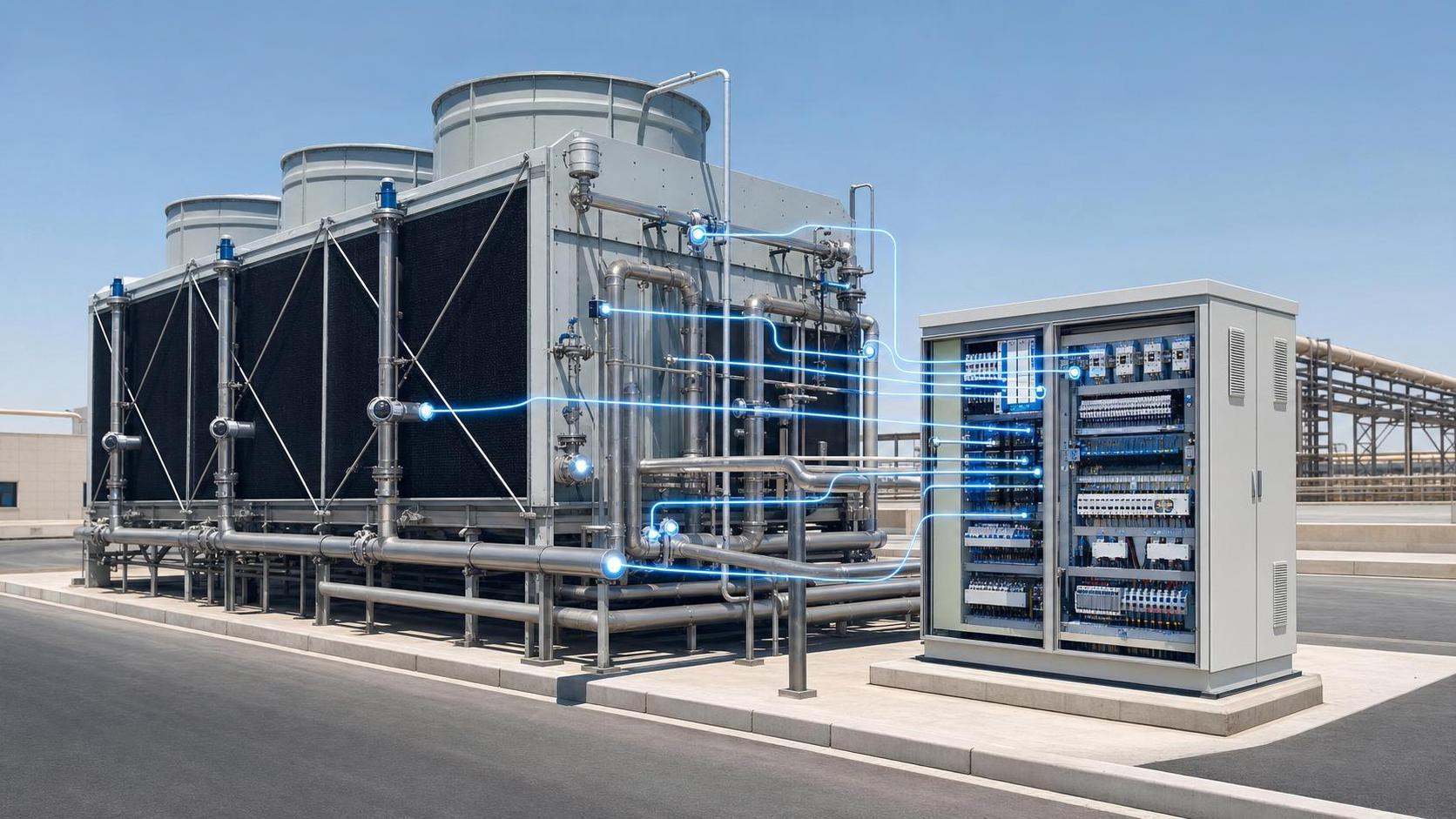
Where dry coolers interact with heat recovery, free cooling, or hybrid chiller strategies, control integration becomes central. The best unit is often the one that supports flexible operating modes across seasons.
Reading the Market Through a Wider Thermal Lens
Dry cooler comparison is increasingly tied to broader industrial transitions. Plants are being asked to cut water risk, reduce carbon intensity, and operate with more transparent energy data.
That explains the growing relevance of platforms such as GTC-Matrix. By combining thermodynamic analysis, commercial insight, and technology tracking, the platform helps frame cooling decisions as part of energy conversion strategy.
Seen this way, industrial cooling equipment dry coolers are not a niche hardware choice. They are part of the thermal center of industrial performance, alongside compression systems, heat exchangers, and intelligent control architectures.
A Useful Next Step for Evaluation
A stronger comparison starts with a simple discipline: map the real annual load profile, define acceptable leaving fluid temperatures, and document ambient conditions by season rather than by design day alone.
Then compare industrial cooling equipment dry coolers against the same operating assumptions. Include fan energy, pressure drop, control logic, cleaning practicality, and expected performance drift in the review.
That approach usually produces a clearer shortlist and a more defensible decision. It also creates a better foundation for later checks on free cooling potential, lifecycle cost, and plant-wide thermal optimization.
Ready when you are. Send us a message to get started.
Related News
- Kentucky Regulators Approve $191 Million Cooling Tower at Mitchell Coal PlantAuthor :Thermodynamics Analyst

- Cooling Tower Market Trends Reshaping Replacement Plans and Capital BudgetsAuthor :Thermodynamics Analyst

- Field-Erected Cooling Tower Market: Why Utility Projects Favor Custom DesignsAuthor :Thermodynamics Analyst

- Evaporative Cooling Tower Market Outlook: Demand Drivers, Risks, and Growth AreasAuthor :Thermodynamics Analyst

- When does an industrial cooling radiator outperform a cooling tower?Author :Thermodynamics Analyst

- EU Cooling Tower Standard EN 13771:2026 Takes EffectAuthor :Thermodynamics Analyst

- EU REACH SVHC Update Triggers Cooling Tower DisclosureAuthor :Thermodynamics Analyst

- SASO Adds Bio-Durability Test for Cooling Tower FillAuthor :Thermodynamics Analyst

- EU REACH Update Bars Phthalates in Cooling Tower PVC FillAuthor :Thermodynamics Analyst

- EU Tightens CE Rules for Cooling Tower Steel PartsAuthor :Thermodynamics Analyst

- Shanghai-Rotterdam Cooling Tower Space TightensAuthor :Thermodynamics Analyst

- Hamburg Port Strike Delays Cooling Tower Parts ClearanceAuthor :Thermodynamics Analyst

- ASHRAE 188-2026 Makes Cooling Tower Microbial Control MandatoryAuthor :Thermodynamics Analyst

- India Enforces BIS IS 17842:2026 for Cooling TowersAuthor :Thermodynamics Analyst

- EU REACH Restricts Zinc Inhibitors in Cooling TowersAuthor :Thermodynamics Analyst

- TUV Rheinland Switches Cooling Tower Labels to IEC 61800-9-2Author :Thermodynamics Analyst

- EU REACH Rule Takes Effect for Cooling Tower CoatingsAuthor :Thermodynamics Analyst

- Vietnam to Require IoT Modules in Imported Cooling TowersAuthor :Thermodynamics Analyst

- How to Compare Industrial Cooling Equipment Dry Coolers for Year-Round EfficiencyAuthor :Thermodynamics Analyst

- SASO Tightens Cooling Tower Import Rules for 2027Author :Thermodynamics Analyst

- REACH SVHC Update Limits Copper Corrosion InhibitorsAuthor :Thermodynamics Analyst

- SASO Starts Cooling Tower Data Rule for CoCAuthor :Thermodynamics Analyst

- Saudi SASO Portal Adds Corrosion Data RuleAuthor :Thermodynamics Analyst

- SASO Adds Corrosion Report Rule for Cooling TowersAuthor :Thermodynamics Analyst

- RDHx Prices Rise as AI Demand Lifts Premium ModelsAuthor :Thermodynamics Analyst

- EU EN 13859-2:2026 Mandates Extreme Humidity Heat-Loss TestsAuthor :Thermodynamics Analyst

- VDE Tightens Cooling Tower Test ScopeAuthor :Thermodynamics Analyst

- SASO Tightens Cooling Tower Test Proof for SaberAuthor :Thermodynamics Analyst

- Saudi SABER Cooling Tower Rule Takes Effect EarlyAuthor :Thermodynamics Analyst

- EU Carbon Labels to Cover Cooling Tower ExportsAuthor :Thermodynamics Analyst

- Saudi SABER Cooling Tower Rule Takes Effect EarlyAuthor :Thermodynamics Analyst

- EU Carbon Label Rule Hits Cooling Tower ExportsAuthor :Thermodynamics Analyst

- Saudi SABER Cooling Tower Rule Adds EN 13859-2 TestAuthor :Thermodynamics Analyst

- Saudi SABER Tightens Cooling Tower Energy Report RulesAuthor :Thermodynamics Analyst

- Saudi SASO Tightens Cooling Tower Efficiency FilingAuthor :Thermodynamics Analyst

- Saudi SABER Tightens Cooling Tower Energy Report ChecksAuthor :Thermodynamics Analyst