India Extends FRP Duty Relief for Cooling Towers




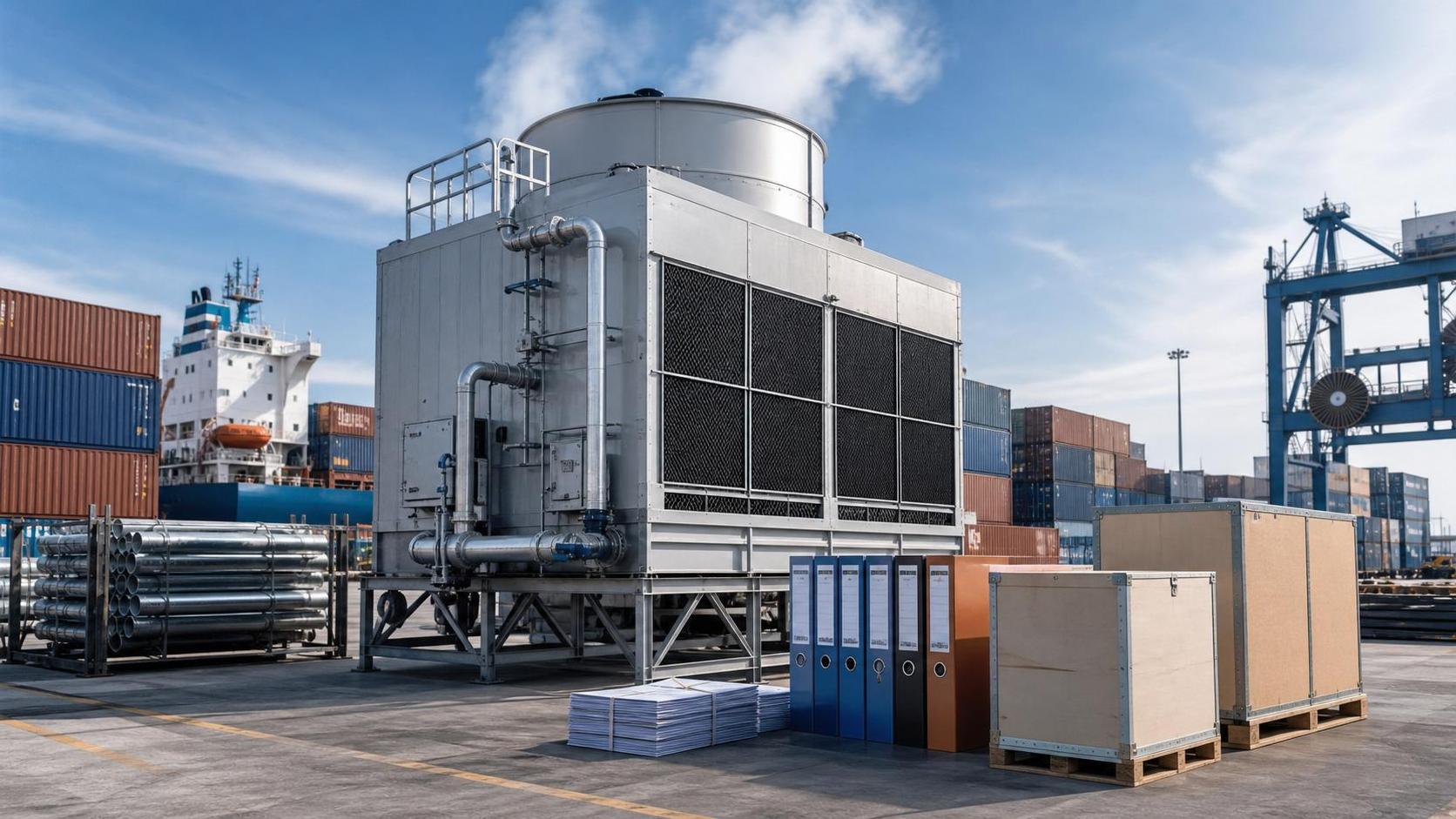
On June 11, 2026, India signaled continuity rather than a new one-off concession by extending the validity of Notification No. 52/2025-Customs through March 31, 2027, keeping import duty at zero for FRP panels, structural parts, and connecting fittings used in cooling tower manufacturing. For cooling tower assemblers, OEM suppliers, and cross-border procurement teams, the development matters because it directly changes landed material economics and may reshape sourcing, quotation, and delivery decisions tied to cooling tower production.
The tariff exemption now runs to March 2027
The confirmed change is limited but commercially significant. India’s Ministry of Finance issued a notice on June 11 extending the effective period of Notification No. 52/2025-Customs until March 31, 2027.
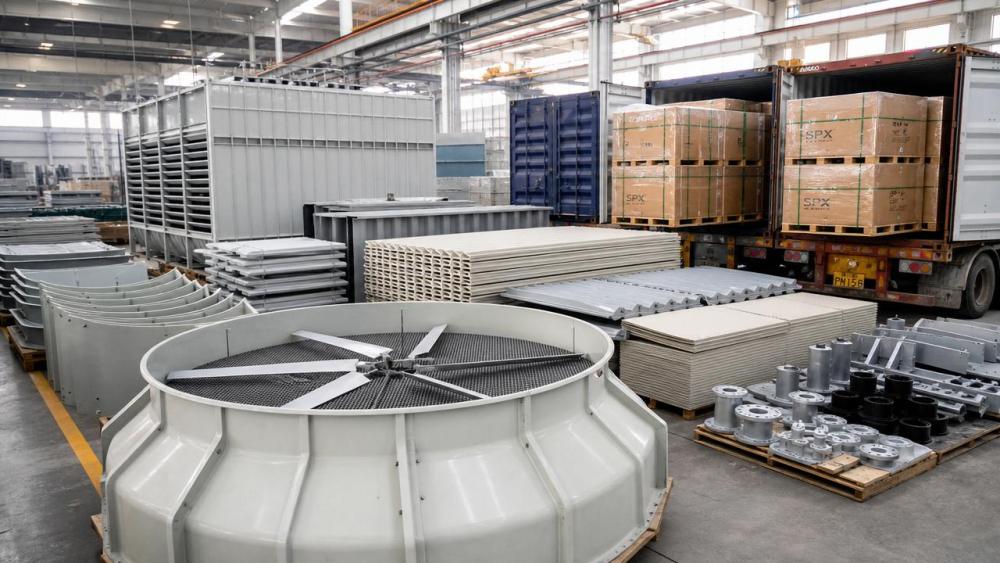
Under that extension, FRP panels, structural components, and connecting accessories used for cooling tower manufacturing continue to receive zero import duty treatment. The event summary also states that this lowers the overall procurement cost of Chinese FRP materials for local cooling tower assembly plants by 12% and has stimulated higher OEM demand for complete cooling towers and core components.
Where the rule change may be felt first
Imported material purchasing becomes more price-sensitive
From an industry perspective, the most immediate effect is likely on companies purchasing FRP inputs for cooling tower production. Because the duty-free treatment remains in place, procurement teams may need to pay closer attention to product classification, supporting documents, and whether imported items clearly align with the stated manufacturing use covered by the notification.
Assembly plants may revise sourcing and order timing
Local cooling tower assemblers are positioned closest to the direct cost change described in the event summary. Analysis shows that lower imported FRP input costs can influence quotation cycles, BOM decisions, and supplier comparisons, especially where OEM orders for complete units or key components are being negotiated. What deserves closer attention is whether buyers begin asking for clearer technical documentation to support procurement under the continued exemption framework.
OEM and component suppliers may see tighter delivery expectations
Suppliers of complete cooling towers and core parts may be affected not only by demand signals but also by execution requirements. Observably, if OEM demand rises, counterparties may place greater weight on specification alignment, parts traceability, and shipment documentation so that cost assumptions based on duty-free FRP inputs are not disrupted at the import or assembly stage.
Trade and supply-chain service providers need to watch documentation accuracy
Service providers involved in customs handling, freight coordination, and import documentation may also see a practical impact. The relevant business issue is not simply lower cost, but whether the goods, descriptions, and technical files presented in trade paperwork consistently match the exempted FRP categories and their intended use in cooling tower manufacturing.
Practical issues companies should monitor now
Check how product descriptions are presented
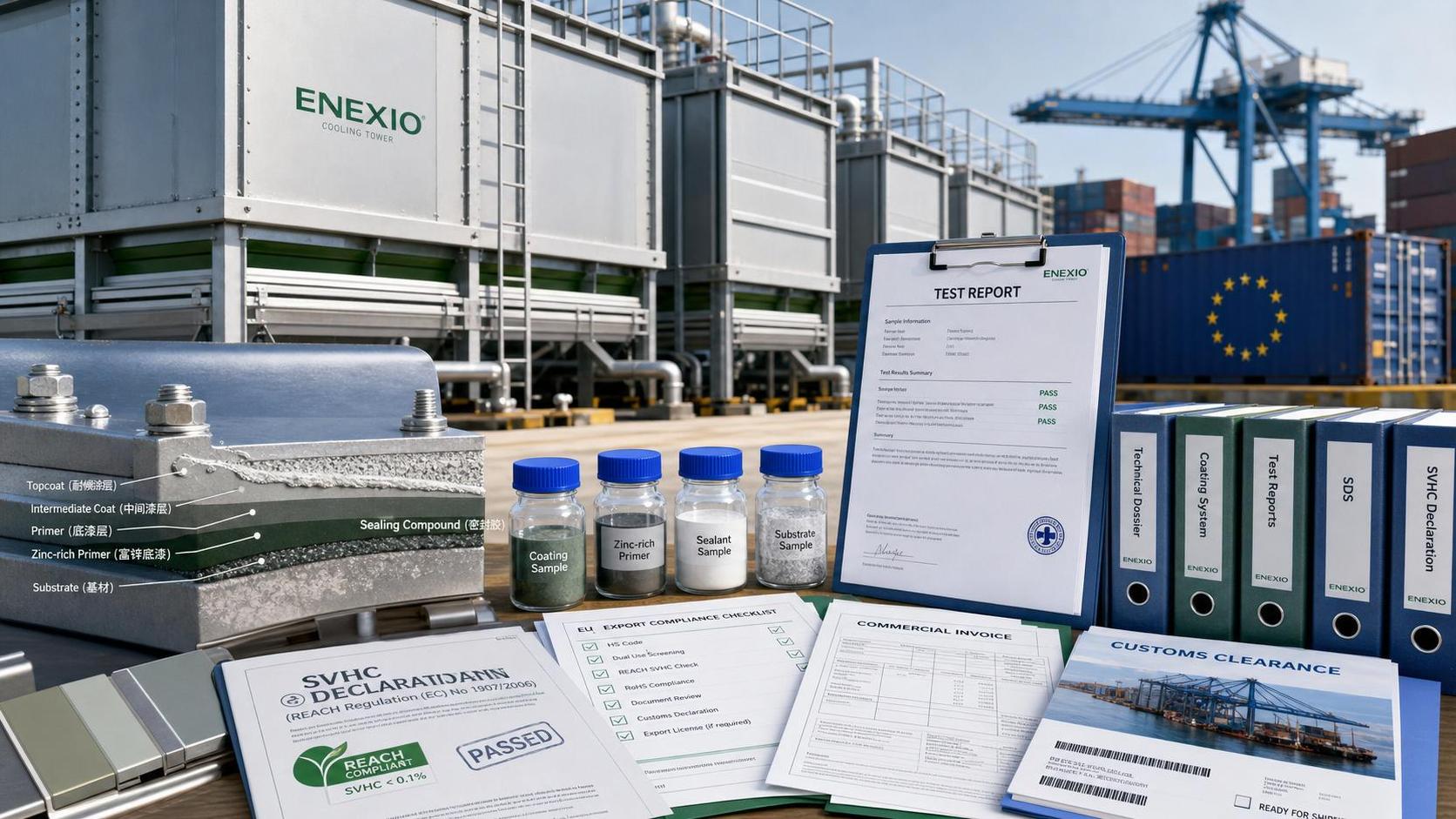
Companies involved in export, import, or local assembly should review whether FRP panels, structural parts, and connecting fittings are described consistently across commercial documents, technical files, and procurement records. This is especially relevant where pricing or bidding assumptions rely on continued zero-duty treatment.
Align technical files with purchasing and bidding activity
Analysis shows that firms pursuing OEM business should pay attention to specification alignment in quotations and tender materials. If buyers increase interest in complete cooling towers or core components, technical documents, part lists, and use-case descriptions may become more important in supporting sourcing decisions linked to imported FRP inputs.
Track later official wording and execution practice
The event summary confirms the extension, but it does not provide detailed execution guidance beyond that point. For that reason, companies should continue monitoring any later official wording, implementation interpretation, or trade-processing practice that could affect how the exemption is applied in day-to-day import activity.
Prepare for delivery and after-sales follow-through
Where procurement plans expand on the expectation of lower FRP input cost, firms should also keep an eye on delivery scheduling, supplier qualification review, and quality traceability. This is not because a new compliance regime has been confirmed, but because lower-cost sourcing often puts greater pressure on documentation discipline and post-delivery accountability.
Why this looks like an execution signal, not just a headline
Observably, this development is better understood as an implemented rule continuation rather than a speculative policy direction, because the notification’s validity has been formally extended to a defined date. At the same time, it is more appropriate to understand the market impact with caution: the confirmed facts establish the tariff treatment and the reported cost effect, but the pace and breadth of downstream response still depend on procurement behavior, bidding practice, and how market participants operationalize the rule in actual transactions.
From an industry perspective, the more useful reading is that this is a concrete execution signal for cooling-tower-related sourcing and OEM discussions, while detailed commercial outcomes still require observation through later tenders, supplier negotiations, and trade documentation practice.
What this development most reasonably means
In practical terms, the June 11 notice keeps a specific cost advantage in place for imported FRP materials used in cooling tower manufacturing and therefore deserves attention from traders, assemblers, OEM suppliers, and supply-chain operators connected to that segment. Analysis shows that the news should not be read as a broad sector-wide reset, but as a targeted rule extension with immediate relevance to procurement economics and possible follow-on effects in component and equipment ordering.
For now, it is more appropriate to understand this as a landed policy change with real commercial implications, while continuing to watch how consistently it is reflected in customs handling, tender documents, sourcing decisions, and industry feedback.
Basis of this article and what still needs verification
This article is generated from the user-provided news title, event date, and event summary. For developments of this type, commonly relevant source categories include official notices, releases from regulatory authorities, customs or trade administration information, industry association updates, standards-related documents, and reporting by established business or industrial media.
No specific official source link was provided in the input, so the exact source document path still requires follow-up verification. What deserves continued attention is any later clarification on policy wording, implementation interpretation, bidding document changes, market feedback, and how companies actually execute procurement and delivery under the extended exemption period.
Ready when you are. Send us a message to get started.
Related News
- Kentucky Regulators Approve $191 Million Cooling Tower at Mitchell Coal PlantAuthor :Thermodynamics Analyst

- Cooling Tower Market Trends Reshaping Replacement Plans and Capital BudgetsAuthor :Thermodynamics Analyst

- Field-Erected Cooling Tower Market: Why Utility Projects Favor Custom DesignsAuthor :Thermodynamics Analyst

- Evaporative Cooling Tower Market Outlook: Demand Drivers, Risks, and Growth AreasAuthor :Thermodynamics Analyst

- When does an industrial cooling radiator outperform a cooling tower?Author :Thermodynamics Analyst

- EU Cooling Tower Standard EN 13771:2026 Takes EffectAuthor :Thermodynamics Analyst

- EU REACH SVHC Update Triggers Cooling Tower DisclosureAuthor :Thermodynamics Analyst

- SASO Adds Bio-Durability Test for Cooling Tower FillAuthor :Thermodynamics Analyst

- EU REACH Update Bars Phthalates in Cooling Tower PVC FillAuthor :Thermodynamics Analyst

- EU Tightens CE Rules for Cooling Tower Steel PartsAuthor :Thermodynamics Analyst

- Shanghai-Rotterdam Cooling Tower Space TightensAuthor :Thermodynamics Analyst

- Hamburg Port Strike Delays Cooling Tower Parts ClearanceAuthor :Thermodynamics Analyst

- ASHRAE 188-2026 Makes Cooling Tower Microbial Control MandatoryAuthor :Thermodynamics Analyst

- India Enforces BIS IS 17842:2026 for Cooling TowersAuthor :Thermodynamics Analyst

- EU REACH Restricts Zinc Inhibitors in Cooling TowersAuthor :Thermodynamics Analyst

- TUV Rheinland Switches Cooling Tower Labels to IEC 61800-9-2Author :Thermodynamics Analyst

- EU REACH Rule Takes Effect for Cooling Tower CoatingsAuthor :Thermodynamics Analyst

- Vietnam to Require IoT Modules in Imported Cooling TowersAuthor :Thermodynamics Analyst

- How to Compare Industrial Cooling Equipment Dry Coolers for Year-Round EfficiencyAuthor :Thermodynamics Analyst

- SASO Tightens Cooling Tower Import Rules for 2027Author :Thermodynamics Analyst

- REACH SVHC Update Limits Copper Corrosion InhibitorsAuthor :Thermodynamics Analyst

- SASO Starts Cooling Tower Data Rule for CoCAuthor :Thermodynamics Analyst

- Saudi SASO Portal Adds Corrosion Data RuleAuthor :Thermodynamics Analyst

- SASO Adds Corrosion Report Rule for Cooling TowersAuthor :Thermodynamics Analyst

- RDHx Prices Rise as AI Demand Lifts Premium ModelsAuthor :Thermodynamics Analyst

- EU EN 13859-2:2026 Mandates Extreme Humidity Heat-Loss TestsAuthor :Thermodynamics Analyst

- VDE Tightens Cooling Tower Test ScopeAuthor :Thermodynamics Analyst

- SASO Tightens Cooling Tower Test Proof for SaberAuthor :Thermodynamics Analyst

- Saudi SABER Cooling Tower Rule Takes Effect EarlyAuthor :Thermodynamics Analyst

- EU Carbon Labels to Cover Cooling Tower ExportsAuthor :Thermodynamics Analyst

- Saudi SABER Cooling Tower Rule Takes Effect EarlyAuthor :Thermodynamics Analyst

- EU Carbon Label Rule Hits Cooling Tower ExportsAuthor :Thermodynamics Analyst

- Saudi SABER Cooling Tower Rule Adds EN 13859-2 TestAuthor :Thermodynamics Analyst

- Saudi SABER Tightens Cooling Tower Energy Report RulesAuthor :Thermodynamics Analyst

- Saudi SASO Tightens Cooling Tower Efficiency FilingAuthor :Thermodynamics Analyst

- Saudi SABER Tightens Cooling Tower Energy Report ChecksAuthor :Thermodynamics Analyst