TUV Rheinland Switches Cooling Tower Labels to IEC 61800-9-2




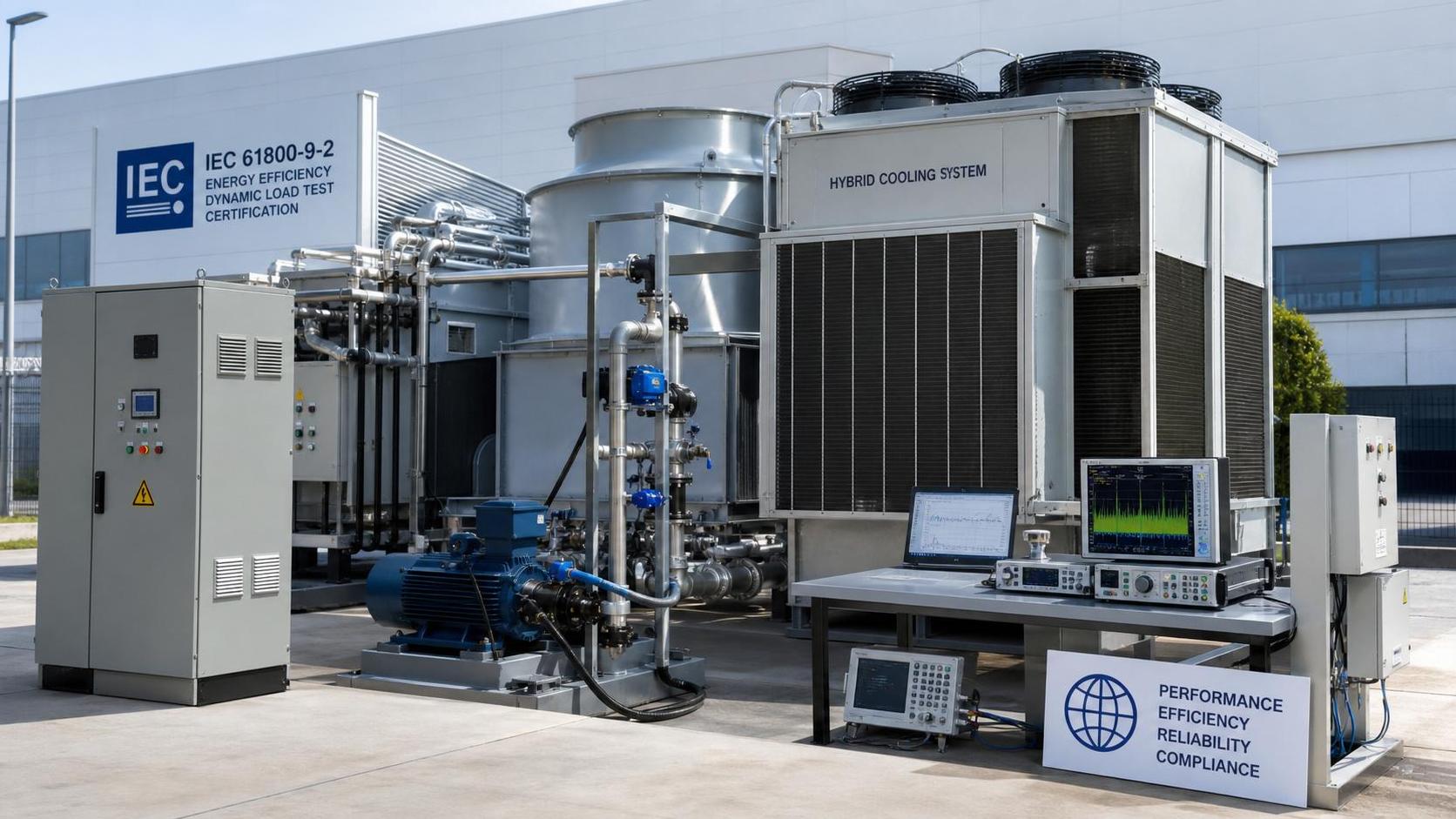
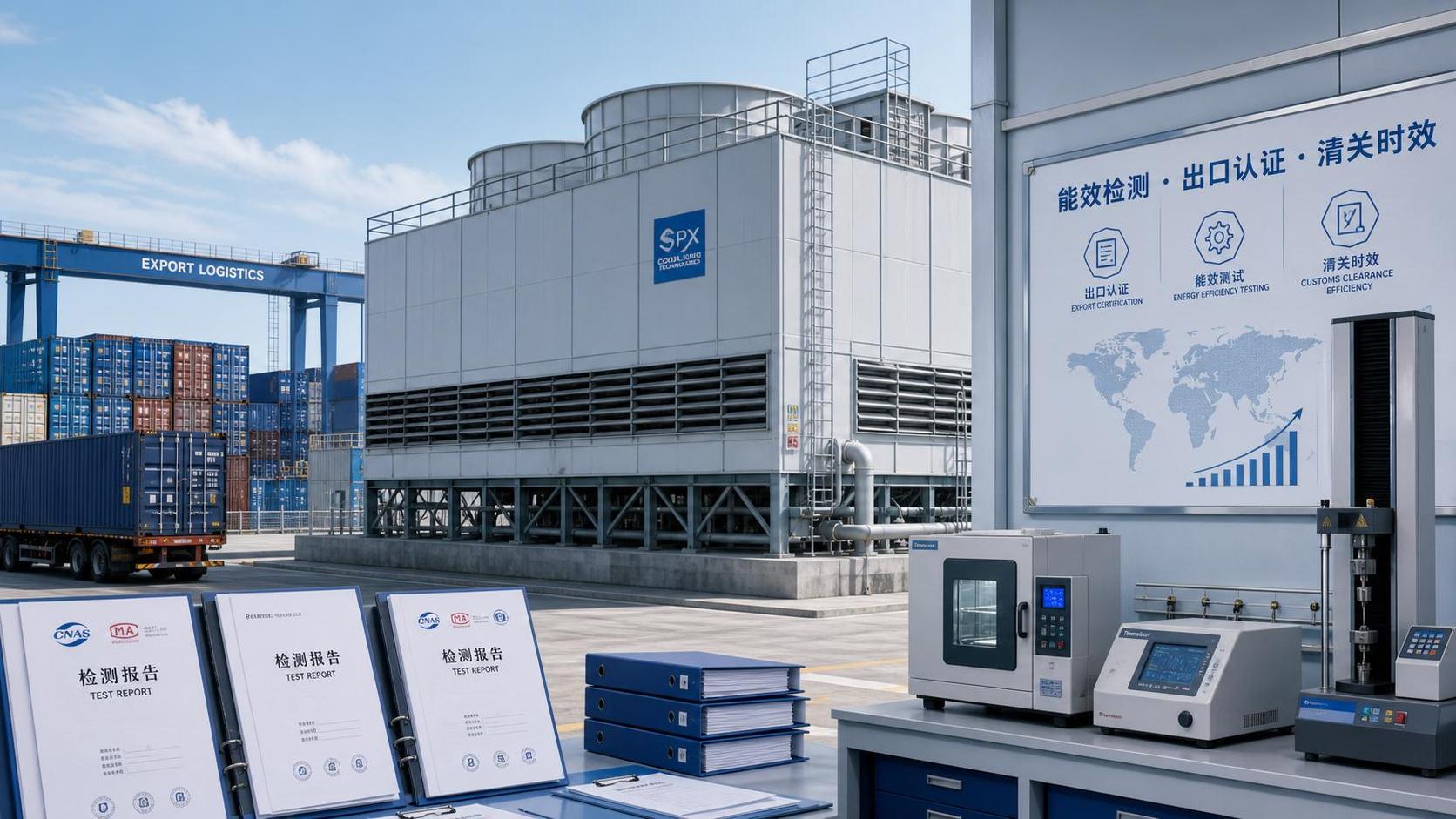
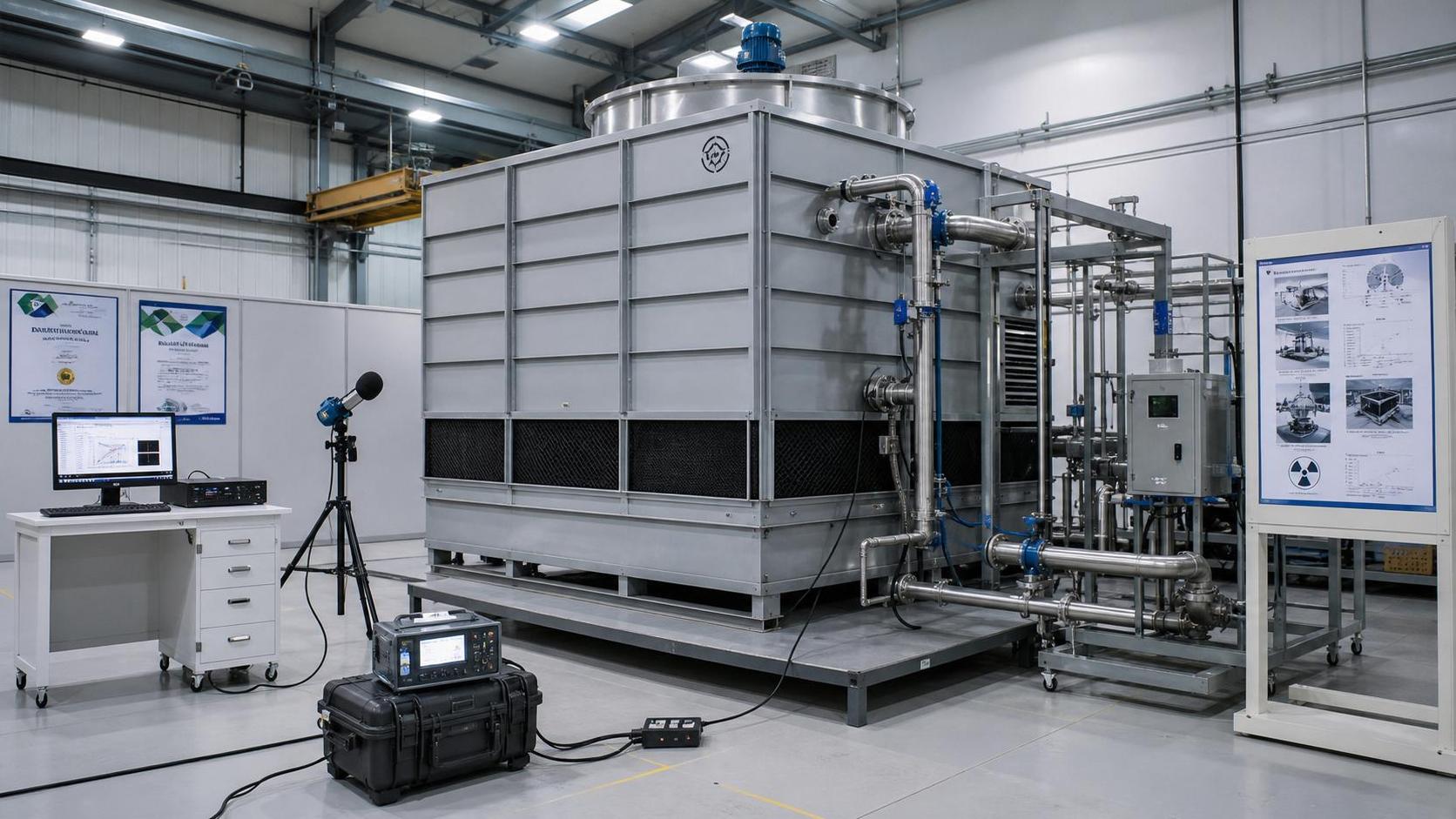
On July 4, 2026, TUV Rheinland in Germany announced that its updated energy efficiency labeling system for cooling towers is now in effect, with IEC 61800-9-2 becoming the only accepted method for dynamic load efficiency testing of variable speed drive systems. For exporters, manufacturers, testing teams, and buyers serving German-speaking markets, the immediate issue is not only a labeling change but also a shift in what technical evidence will be accepted for market access, especially for closed-circuit and hybrid towers equipped with variable frequency motors.
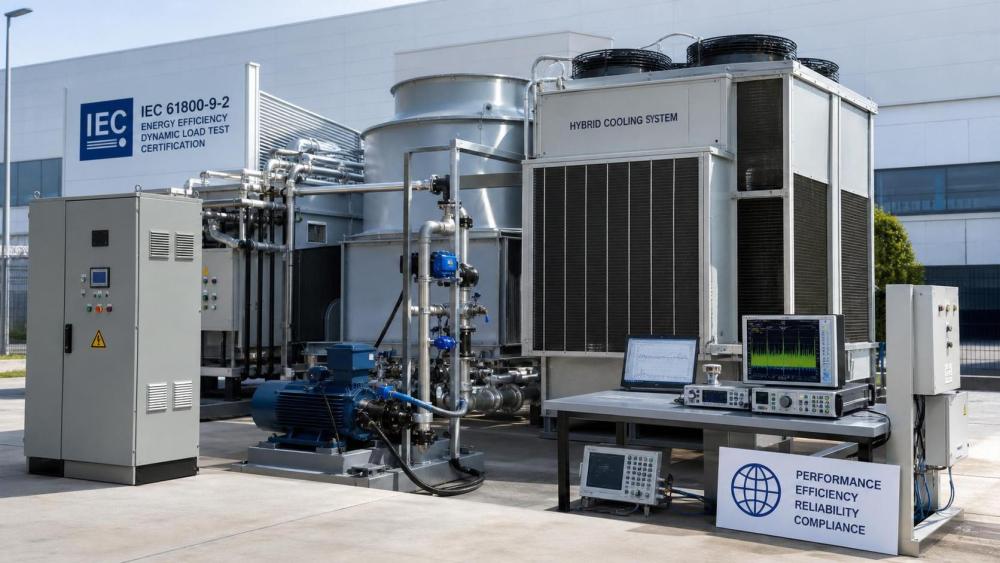
What the New Labeling Requirement Confirms
The confirmed change is that TUV Rheinland has fully adopted a new energy efficiency labeling framework for cooling towers as of July 4, 2026. Under this framework, efficiency testing for variable speed drive systems must follow IEC 61800-9-2 and use a dynamic load approach.
TUV Rheinland also made clear that older test reports based on constant-speed operating conditions will no longer be accepted. The information provided further indicates that this raises the technical threshold for Chinese cooling tower exports to German-speaking markets, with a particularly direct impact on closed-circuit towers and hybrid towers using variable frequency motors.
Where the Pressure Will Likely Appear First
Export-facing product qualification may tighten
From an industry perspective, companies that export cooling towers to German-speaking markets may face the most immediate pressure in product qualification and documentation review. If a product previously relied on constant-speed test reports, that material may no longer support the updated labeling requirement. The key business impact is therefore likely to show up in certification readiness, document acceptance, and customer-facing compliance communication.
Manufacturing teams for VFD-equipped towers need closer test alignment
Manufacturers of closed-circuit and hybrid towers fitted with variable frequency motors deserve closer attention here because the announced change directly concerns variable speed drive system testing. Analysis shows that the effect is less about a generic product update and more about whether existing testing and labeling pathways match the newly required dynamic load method.
Distributors and project intermediaries may see higher document scrutiny
Channel partners, importers, and other commercial intermediaries may also be affected because they often sit between technical files and end-market delivery. Observably, the practical risk for this group is not limited to pricing or sales timing; it may also involve whether submitted reports, labels, and supporting materials are still recognized under the new rule set.
Buyers and specification teams may revisit acceptance criteria
Procurement teams and end users active in German-speaking markets may need to pay closer attention to how product acceptance is documented. What deserves closer attention is whether existing bid, approval, or supplier review processes still rely on older constant-speed evidence that no longer matches the updated labeling basis.
What Companies Should Watch Now
Check whether legacy reports remain embedded in active business
The first practical issue is to identify where older constant-speed test reports are still being used in quotations, technical submissions, catalog materials, or customer files. Because TUV Rheinland has stated that such reports are no longer accepted, companies need clarity on whether currently active export business still depends on those documents.
Separate labeling rules from broader commercial assumptions
Analysis shows that the announcement should be read carefully as a confirmed change in accepted testing methodology and labeling basis. It should not automatically be treated as proof of every downstream commercial outcome. Companies need to distinguish between the formal rule change itself and its actual effect on orders, approvals, and delivery schedules in each transaction.
Prioritize affected product categories and market exposure
Closed-circuit towers and hybrid towers with variable frequency motors are specifically identified as more exposed. For that reason, businesses with a concentrated product mix in these categories may need to review ongoing projects, target customers, and pending submissions more quickly than suppliers whose offerings are less dependent on variable speed configurations.
Prepare for tighter communication around compliance evidence
Service providers, exporters, and sales teams should also pay attention to how they explain compliance status to customers. The immediate operational issue is likely to be the acceptability of test records and related technical paperwork, so communication with buyers, certification contacts, and supply chain partners may become more document-focused in the near term.
Why This Looks Like More Than a Routine Label Update
Observably, this development is better understood as a technical gatekeeping signal rather than a cosmetic label revision. The accepted test basis has changed, and the older constant-speed route has been explicitly closed by the announcing body. That gives the update practical weight for any company whose market access depends on recognized efficiency evidence.
At the same time, it is more appropriate to understand this as a confirmed compliance shift with broader commercial implications still unfolding, rather than as a fully measurable market result already established on day one. Industry attention is still needed because the immediate rule is clear, while the scale of its downstream impact will depend on how market participants adjust.
How to Read This Development at This Stage
At this stage, the announcement points to a higher technical compliance threshold for cooling tower products entering German-speaking markets through channels that rely on TUV Rheinland energy efficiency labeling. The clearest near-term meaning is that variable speed drive system testing now has to align with IEC 61800-9-2 dynamic load requirements if companies want their documentation to remain acceptable under the updated framework.
A neutral reading is that this is both an immediate operational change and a longer-term signal about how efficiency claims may be judged for relevant cooling tower products. It should not be overstated into a fixed market conclusion, but it does deserve close attention from exporters, manufacturers, and buyers working with VFD-equipped systems.
Basis of This Article and What Still Needs Verification
This article is based on the user-provided news title, event date, and event summary regarding TUV Rheinland's updated cooling tower energy efficiency labeling requirements announced on July 4, 2026. Typical source categories for this kind of development may include official announcements, company notices, industry association updates, authoritative trade media reporting, and standard-related documentation.
A specific official source link was not provided in the input, so the exact publication record still requires ongoing verification. Follow-up attention should remain on any further official wording, implementation clarifications, document acceptance details, and market-side responses related to IEC 61800-9-2 testing for cooling towers.
Ready when you are. Send us a message to get started.
Related News
- Kentucky Regulators Approve $191 Million Cooling Tower at Mitchell Coal PlantAuthor :Thermodynamics Analyst

- Cooling Tower Market Trends Reshaping Replacement Plans and Capital BudgetsAuthor :Thermodynamics Analyst

- Field-Erected Cooling Tower Market: Why Utility Projects Favor Custom DesignsAuthor :Thermodynamics Analyst

- Evaporative Cooling Tower Market Outlook: Demand Drivers, Risks, and Growth AreasAuthor :Thermodynamics Analyst

- When does an industrial cooling radiator outperform a cooling tower?Author :Thermodynamics Analyst

- EU Cooling Tower Standard EN 13771:2026 Takes EffectAuthor :Thermodynamics Analyst

- EU REACH SVHC Update Triggers Cooling Tower DisclosureAuthor :Thermodynamics Analyst

- SASO Adds Bio-Durability Test for Cooling Tower FillAuthor :Thermodynamics Analyst

- EU REACH Update Bars Phthalates in Cooling Tower PVC FillAuthor :Thermodynamics Analyst

- EU Tightens CE Rules for Cooling Tower Steel PartsAuthor :Thermodynamics Analyst

- Shanghai-Rotterdam Cooling Tower Space TightensAuthor :Thermodynamics Analyst

- Hamburg Port Strike Delays Cooling Tower Parts ClearanceAuthor :Thermodynamics Analyst

- ASHRAE 188-2026 Makes Cooling Tower Microbial Control MandatoryAuthor :Thermodynamics Analyst

- India Enforces BIS IS 17842:2026 for Cooling TowersAuthor :Thermodynamics Analyst

- EU REACH Restricts Zinc Inhibitors in Cooling TowersAuthor :Thermodynamics Analyst

- TUV Rheinland Switches Cooling Tower Labels to IEC 61800-9-2Author :Thermodynamics Analyst

- EU REACH Rule Takes Effect for Cooling Tower CoatingsAuthor :Thermodynamics Analyst

- Vietnam to Require IoT Modules in Imported Cooling TowersAuthor :Thermodynamics Analyst

- How to Compare Industrial Cooling Equipment Dry Coolers for Year-Round EfficiencyAuthor :Thermodynamics Analyst

- SASO Tightens Cooling Tower Import Rules for 2027Author :Thermodynamics Analyst

- REACH SVHC Update Limits Copper Corrosion InhibitorsAuthor :Thermodynamics Analyst

- SASO Starts Cooling Tower Data Rule for CoCAuthor :Thermodynamics Analyst

- Saudi SASO Portal Adds Corrosion Data RuleAuthor :Thermodynamics Analyst

- SASO Adds Corrosion Report Rule for Cooling TowersAuthor :Thermodynamics Analyst

- RDHx Prices Rise as AI Demand Lifts Premium ModelsAuthor :Thermodynamics Analyst

- EU EN 13859-2:2026 Mandates Extreme Humidity Heat-Loss TestsAuthor :Thermodynamics Analyst

- VDE Tightens Cooling Tower Test ScopeAuthor :Thermodynamics Analyst

- SASO Tightens Cooling Tower Test Proof for SaberAuthor :Thermodynamics Analyst

- Saudi SABER Cooling Tower Rule Takes Effect EarlyAuthor :Thermodynamics Analyst

- EU Carbon Labels to Cover Cooling Tower ExportsAuthor :Thermodynamics Analyst

- Saudi SABER Cooling Tower Rule Takes Effect EarlyAuthor :Thermodynamics Analyst

- EU Carbon Label Rule Hits Cooling Tower ExportsAuthor :Thermodynamics Analyst

- Saudi SABER Cooling Tower Rule Adds EN 13859-2 TestAuthor :Thermodynamics Analyst

- Saudi SABER Tightens Cooling Tower Energy Report RulesAuthor :Thermodynamics Analyst

- Saudi SASO Tightens Cooling Tower Efficiency FilingAuthor :Thermodynamics Analyst

- Saudi SABER Tightens Cooling Tower Energy Report ChecksAuthor :Thermodynamics Analyst