Saudi SASO Portal Adds Corrosion Data Rule




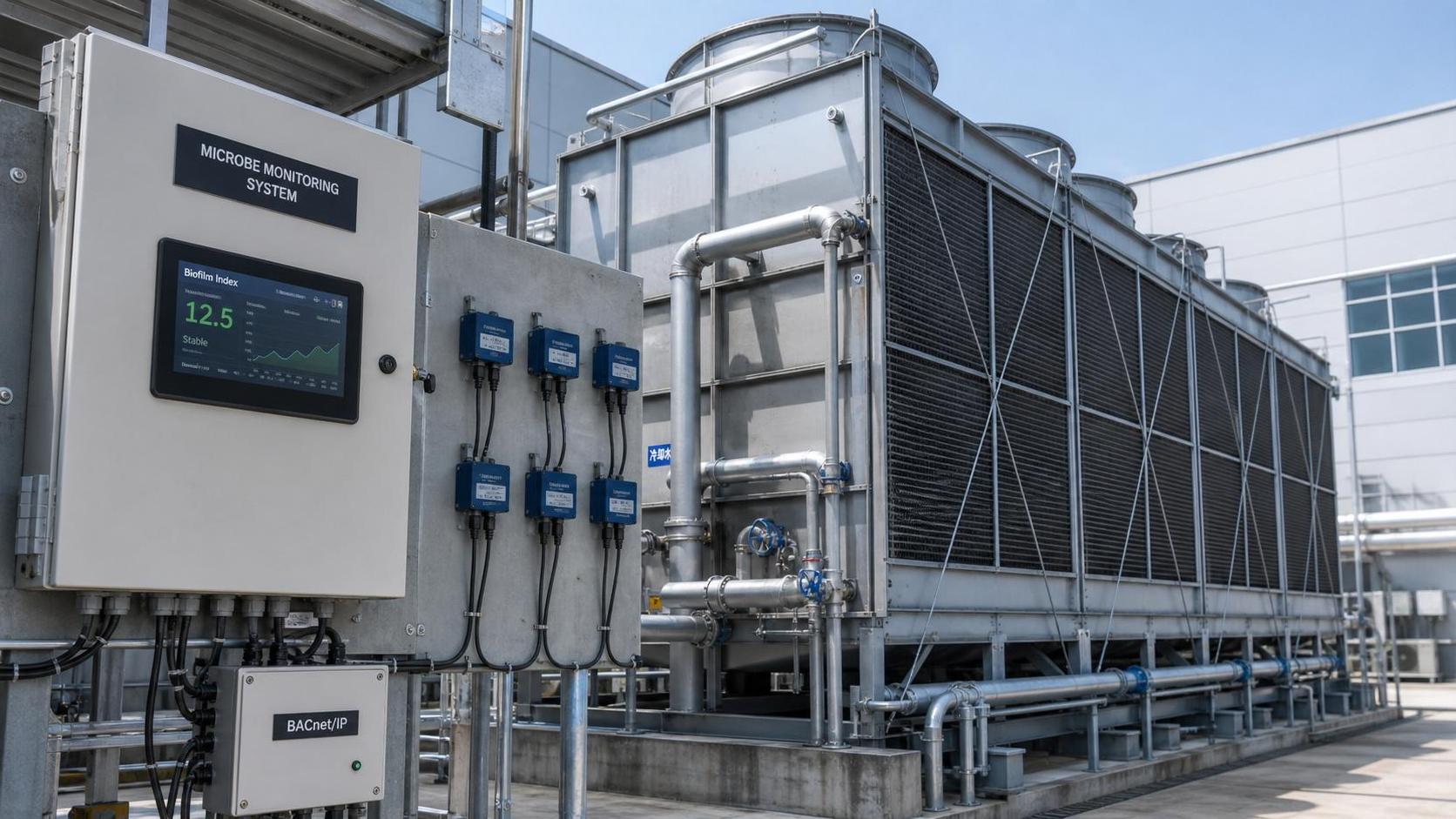
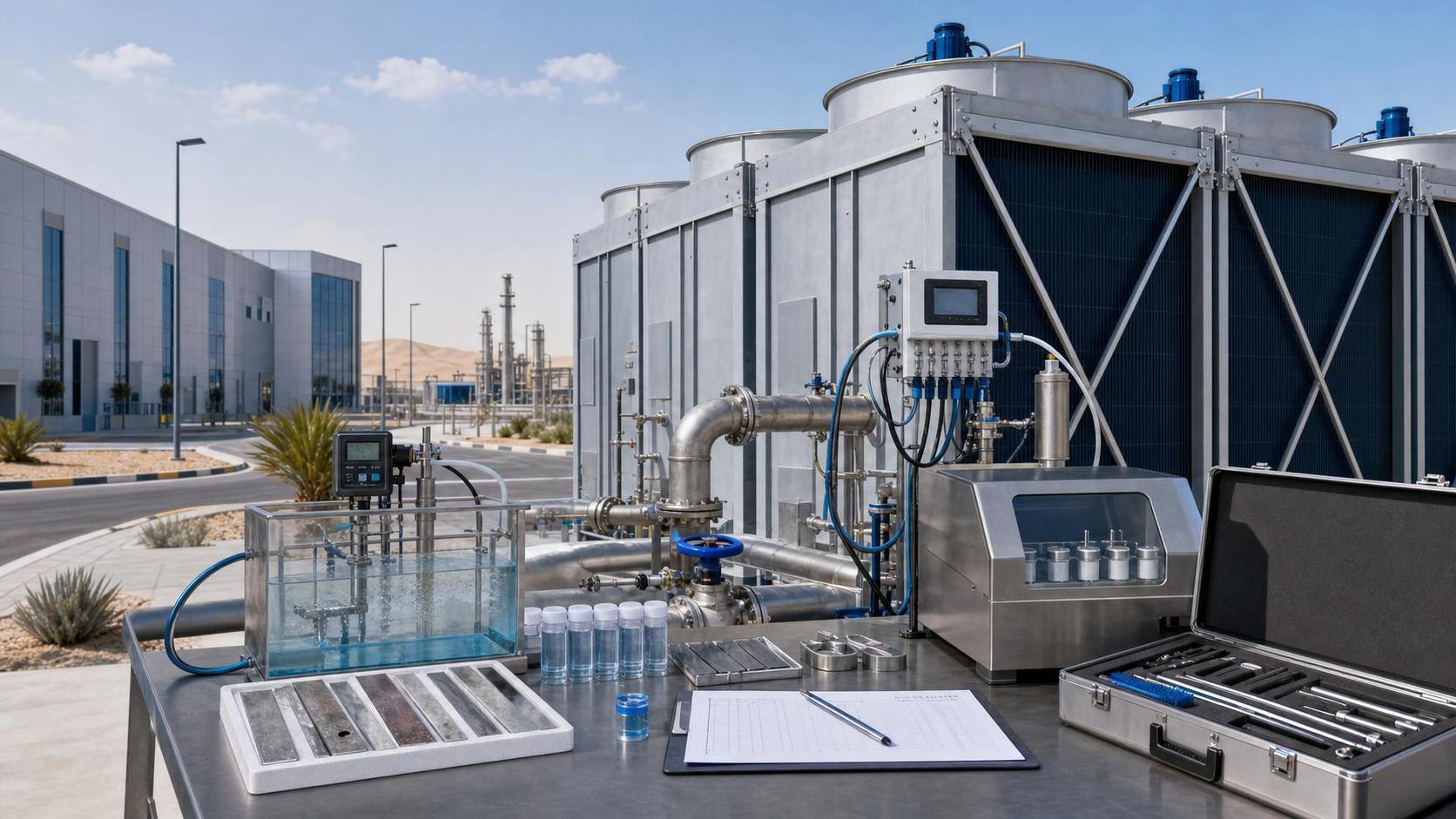
On June 27, 2026, the Saudi Standards authority SASO launched SASO-Energy Portal V3.0 and introduced a new digital compliance requirement for cooling tower imports. From September 1, 2026, importers of cooling towers will need to upload quarterly third-party dynamic monitoring reports covering condensate pH, conductivity, and carbon steel coupon corrosion rate in mm/y. Because the platform is directly connected to the procurement system for NEOM green infrastructure projects, this change is relevant not only for import compliance, but also for bidding access, documentation readiness, and delivery planning across the cooling tower supply chain.
What the new platform requirement confirms
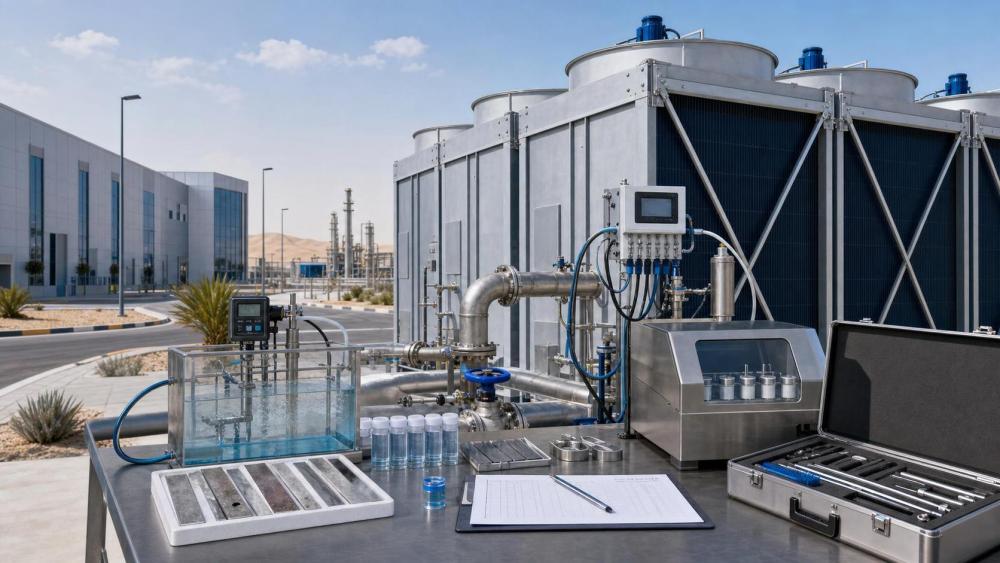
The confirmed facts are limited but commercially significant. SASO put SASO-Energy Portal V3.0 online on June 27, 2026. The new requirement applies to all cooling tower importers. Starting on September 1, 2026, those importers must submit quarterly dynamic monitoring reports issued by third-party institutions through the online platform. The required report items are condensate pH value, conductivity, and the corrosion rate of carbon steel coupons expressed in mm/y. The platform is linked directly to the procurement system for NEOM green infrastructure projects, and entities that are not connected to the platform automatically lose bidding eligibility.
Where the pressure will appear first in the supply chain
Import-side compliance is moving closer to bid qualification
For importers and trading companies, the immediate effect is that compliance documentation is no longer only a customs or market-entry matter. The reported data must be uploaded online on a quarterly basis and is tied to access to a project procurement system. From an operational perspective, this means importer readiness may affect tender participation, document timing, and internal compliance review before shipment or project engagement.
Manufacturers may face tighter document coordination
Manufacturers supplying cooling towers into the Saudi market may not be the named upload party, but they are likely to feel the impact through customer requests for test support, technical records, and report coordination. What deserves closer attention is whether suppliers can align product files, corrosion-related technical information, and third-party testing arrangements with importer submission schedules, especially where project-linked procurement depends on platform connectivity.
Testing and certification service providers become more central
Third-party institutions are explicitly built into the new reporting requirement. For testing, inspection, and certification-related service providers, the practical issue is not only report issuance, but also whether their reporting formats, timing, and traceability can support quarterly online submission. Analysis shows that documentation quality and turnaround time may become more visible commercial factors in transactions involving cooling towers destined for Saudi projects.
Project buyers and procurement teams gain a harder screening gate
For procurement functions connected to major infrastructure purchasing, the new platform appears to create a more direct precondition for supplier participation. Buyers and bid managers will need to pay closer attention to whether importers are already connected to the system and whether the required quarterly reports are available when tenders are being evaluated. The impact is likely to be strongest where procurement qualification and technical compliance review happen in parallel.
Practical points companies should track now
Check who owns the upload obligation
The confirmed rule names cooling tower importers as the responsible party for online submission. Companies involved in export, manufacturing, distribution, or project delivery should therefore verify early who will manage account access, report collection, and quarterly submission on the platform. Where responsibilities are split across affiliates or local partners, the risk is less about the technical data itself and more about gaps in process ownership.
Prepare for quarterly report rhythm, not one-time filing
The requirement is framed around quarterly third-party dynamic monitoring reports. Observably, this is different from a one-off certificate model and may affect recurring compliance workflows. Businesses should pay attention to how testing cycles, reporting issuance dates, and tender deadlines interact, because the summary provided does not clarify any grace periods, corrective windows, or alternate filing arrangements.
Review tender and technical document alignment
Since non-connected entities automatically lose bidding eligibility in the linked procurement system, bid teams should review whether tender files, technical submissions, and supplier qualification documents need to reference platform connection status or the required monitoring reports. This should be treated as a live document-control issue rather than only a regulatory update.
Watch for further clarification in execution language
The current information confirms the launch date, the reporting items, the submission frequency, the September 1, 2026 start date, and the bidding consequence for non-connection. It does not provide additional execution detail. Companies should therefore continue to monitor for any further official wording on report format, acceptance criteria, institution recognition, or handling of missing or delayed submissions.
Why this looks like an execution signal rather than a distant policy note
From an industry perspective, this development is more appropriate to understand as an operational compliance signal with immediate procurement relevance, rather than as a general policy statement awaiting practical use. The direct link between the SASO platform and the NEOM green infrastructure procurement system means the rule sits at the intersection of regulatory reporting and commercial access. At the same time, analysis should remain measured: the available information is sufficient to confirm the reporting obligation and bidding consequence, but not enough to define the full enforcement path, market response, or documentation practice that will emerge after implementation.
How the market is likely to read this update
The significance of this update lies in the way digital reporting, third-party monitoring, and project procurement are being brought together around a specific imported product category. For companies active in cooling towers, the message is not simply that another platform has gone live, but that compliance records may now play a more direct role in maintaining project access. At this stage, the most balanced reading is that the rule change has already crossed into implementation, while the detailed execution standard still deserves close observation.
Basis of this article and what still needs verification
This article is based on the user-provided news title, event date, and event summary. For developments of this kind, source types commonly reviewed include official notices, regulator releases, trade or customs authority information, industry association updates, standard-setting documents, and reporting by established industry media. No specific official source link was provided in the input, so the exact official publication path still needs to be verified on an ongoing basis. Further observation should focus on any detailed implementation rules, certification or reporting interpretations, tender document changes, industry feedback, and how companies carry out the quarterly submission requirement in practice.
Related News
- Field-Erected Cooling Tower Market: Why Utility Projects Favor Custom DesignsAuthor :Thermodynamics Analyst

- Evaporative Cooling Tower Market Outlook: Demand Drivers, Risks, and Growth AreasAuthor :Thermodynamics Analyst

- When does an industrial cooling radiator outperform a cooling tower?Author :Thermodynamics Analyst

- EU Cooling Tower Standard EN 13771:2026 Takes EffectAuthor :Thermodynamics Analyst

- EU REACH SVHC Update Triggers Cooling Tower DisclosureAuthor :Thermodynamics Analyst

- SASO Adds Bio-Durability Test for Cooling Tower FillAuthor :Thermodynamics Analyst

- EU REACH Update Bars Phthalates in Cooling Tower PVC FillAuthor :Thermodynamics Analyst

- EU Tightens CE Rules for Cooling Tower Steel PartsAuthor :Thermodynamics Analyst

- Shanghai-Rotterdam Cooling Tower Space TightensAuthor :Thermodynamics Analyst

- Hamburg Port Strike Delays Cooling Tower Parts ClearanceAuthor :Thermodynamics Analyst

- ASHRAE 188-2026 Makes Cooling Tower Microbial Control MandatoryAuthor :Thermodynamics Analyst

- India Enforces BIS IS 17842:2026 for Cooling TowersAuthor :Thermodynamics Analyst

- EU REACH Restricts Zinc Inhibitors in Cooling TowersAuthor :Thermodynamics Analyst

- TUV Rheinland Switches Cooling Tower Labels to IEC 61800-9-2Author :Thermodynamics Analyst

- EU REACH Rule Takes Effect for Cooling Tower CoatingsAuthor :Thermodynamics Analyst

- Vietnam to Require IoT Modules in Imported Cooling TowersAuthor :Thermodynamics Analyst

- How to Compare Industrial Cooling Equipment Dry Coolers for Year-Round EfficiencyAuthor :Thermodynamics Analyst

- SASO Tightens Cooling Tower Import Rules for 2027Author :Thermodynamics Analyst

- REACH SVHC Update Limits Copper Corrosion InhibitorsAuthor :Thermodynamics Analyst

- SASO Starts Cooling Tower Data Rule for CoCAuthor :Thermodynamics Analyst

- Saudi SASO Portal Adds Corrosion Data RuleAuthor :Thermodynamics Analyst

- SASO Adds Corrosion Report Rule for Cooling TowersAuthor :Thermodynamics Analyst

- RDHx Prices Rise as AI Demand Lifts Premium ModelsAuthor :Thermodynamics Analyst

- EU EN 13859-2:2026 Mandates Extreme Humidity Heat-Loss TestsAuthor :Thermodynamics Analyst

- VDE Tightens Cooling Tower Test ScopeAuthor :Thermodynamics Analyst

- SASO Tightens Cooling Tower Test Proof for SaberAuthor :Thermodynamics Analyst

- Saudi SABER Cooling Tower Rule Takes Effect EarlyAuthor :Thermodynamics Analyst

- EU Carbon Labels to Cover Cooling Tower ExportsAuthor :Thermodynamics Analyst

- Saudi SABER Cooling Tower Rule Takes Effect EarlyAuthor :Thermodynamics Analyst

- EU Carbon Label Rule Hits Cooling Tower ExportsAuthor :Thermodynamics Analyst

- Saudi SABER Cooling Tower Rule Adds EN 13859-2 TestAuthor :Thermodynamics Analyst

- Saudi SABER Tightens Cooling Tower Energy Report RulesAuthor :Thermodynamics Analyst

- Saudi SASO Tightens Cooling Tower Efficiency FilingAuthor :Thermodynamics Analyst

- Saudi SABER Tightens Cooling Tower Energy Report ChecksAuthor :Thermodynamics Analyst

- Thermal Management Problems That Cause Equipment DowntimeAuthor :Thermodynamics Analyst

- Saudi Rule Requires Local Certification for Imported Cooling TowersAuthor :Thermodynamics Analyst