RDHx Prices Rise as AI Demand Lifts Premium Models




The timing of the underlying market shift is not clearly specified in the provided information, but the latest monitored change points to a pricing and delivery adjustment that matters beyond equipment cost alone. For data center cooling procurement, technical bidding, cross-border sourcing, and compliance review, the increase in Rear Door Heat Exchanger (RDHx) prices signals that higher-density AI deployment is beginning to reshape practical requirements around specifications, material availability, lead times, and contract execution.
What the latest monitored figures confirm
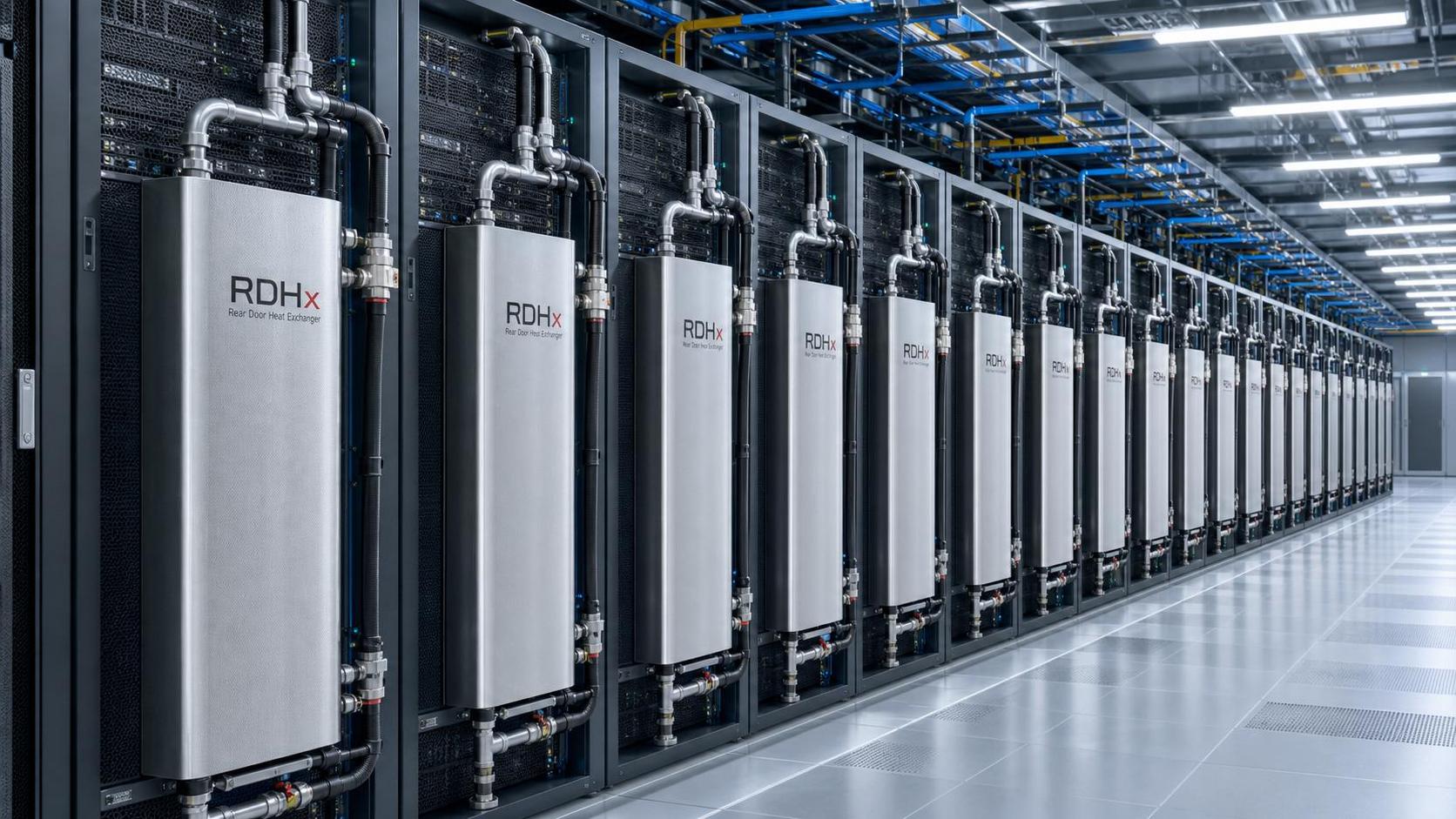
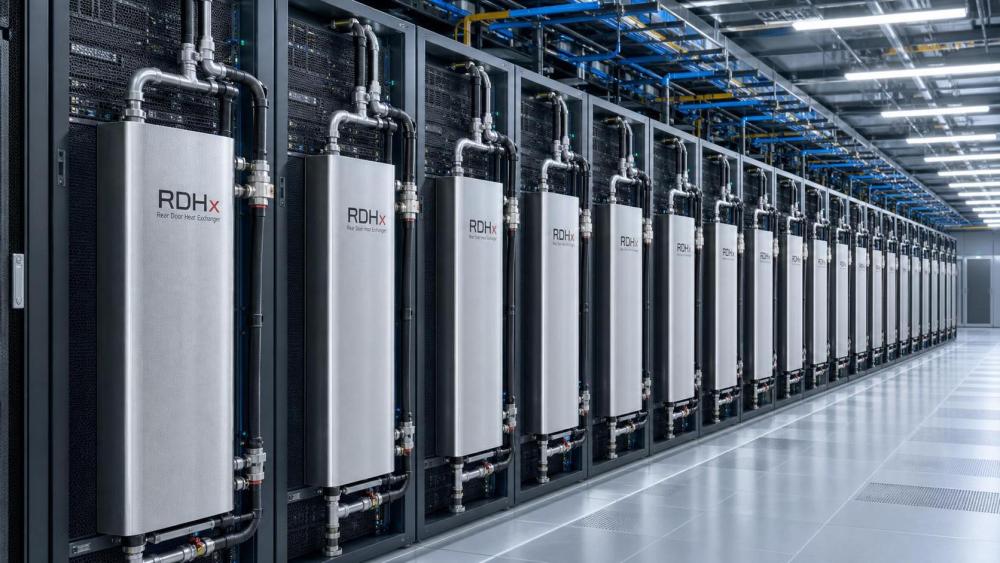
According to the provided QYResearch monitoring dated June 25, 2026, the global average price of data center RDHx products has increased by 15.3%. The change is linked to server rack power moving above 25kW and to a shortage of nickel-copper composite materials used in liquid-cooling coils.
The same information states that high-end RDHx models supporting 40Gbps heat density and compatible with the NVIDIA Blackwell architecture are now quoted at USD 6,850 per unit. That level is 22% higher than the 2025 average price referenced in the input.
For the Asia-Pacific market, the reported delivery cycle has been extended to 14 to 18 weeks.
Why procurement and execution teams may feel the change first
Specification-driven buyers face a tighter purchasing threshold
From an industry perspective, buyers procuring RDHx for higher-density AI racks may be affected first because the reported price increase is concentrated in models tied to stronger thermal performance. The direct impact is likely to appear in budget approval, technical specification alignment, and tender evaluation, especially where procurement documents were prepared using older price assumptions or less demanding cooling thresholds.
What deserves closer attention is whether internal purchasing files, technical schedules, and bid documents clearly define the required performance range, material expectations, and compatibility basis, so that later disputes over substitution, redesign, or delivery acceptance can be reduced.
Manufacturing and assembly participants may face material and lead-time pressure
For manufacturers and system integrators, the reported shortage in nickel-copper composite materials suggests pressure on upstream sourcing and downstream delivery commitments. The effect is not only a higher component cost, but also a greater need to manage production planning, supplier qualification records, and material traceability in projects where cooling performance is tied closely to operating conditions.
Analysis shows that teams involved in assembly and project execution should pay closer attention to whether procurement specifications, incoming material documentation, and product technical files remain consistent once substitutions, phased delivery, or revised production windows are considered.
Channel and supply-chain service providers may need stronger contract control
Distributors, sourcing agents, and supply-chain service providers may be affected through quote validity, delivery scheduling, and customer communication. When average prices rise and Asia-Pacific lead times stretch to 14 to 18 weeks, the risk increases that earlier commercial terms no longer match current supply conditions.
Observably, these participants should focus on quote expiration periods, specification confirmation records, delivery clauses, and after-sales coordination documents, particularly in transactions where products are selected for high-density AI deployment rather than general cooling replacement.
Practical issues companies should now review
Recheck technical and compliance documentation
Analysis shows that companies should review whether current technical documents, bid attachments, and product descriptions accurately reflect the thermal density and architecture compatibility actually being purchased. Where procurement or sales documents still rely on outdated specification assumptions, execution risk may rise even before delivery begins.
Update purchasing timelines against longer lead times
With Asia-Pacific delivery reportedly extending to 14 to 18 weeks, companies involved in procurement, installation, or resale should review planning cycles and milestone arrangements. It is more appropriate to understand this as a scheduling and execution warning, not only a pricing issue.
Track supplier qualification and material consistency
Because the provided information links price pressure to shortages in nickel-copper composite materials, companies should pay closer attention to supplier qualification files, material declarations, product consistency records, and any technical evidence used during acceptance or project handover. The input does not provide a formal regulatory decision, so this should be treated as a practical compliance checkpoint rather than a confirmed new rule.
Prepare for changes in tender and contract language
What deserves closer attention is whether future tender documents, commercial appendices, and service commitments begin to reflect stricter wording on delivery windows, specification equivalence, or approved alternatives. The provided information does not confirm such changes have already been adopted, but it suggests where execution language may tighten next.
How this signal should be read at this stage
Observably, this development is less a standalone price story and more a market signal that technical thresholds in AI-oriented deployments are starting to influence procurement discipline and delivery management. The confirmed facts show higher prices, premium expansion in top-end models, and longer lead times, but they do not by themselves establish a new formal regulation or mandatory certification rule.
From an industry perspective, it is more appropriate to understand this as an execution signal that may later affect specification practice, sourcing standards, supplier review, and tender language. That is why companies should continue watching how procurement documents, technical acceptance criteria, and market feedback evolve around high-density cooling products.
What the market change means for the near term
At this stage, the reported RDHx price increase points to a more demanding operating environment for buyers, suppliers, and project teams serving AI-related data center builds. The most immediate significance lies in procurement accuracy, contract execution, delivery planning, and document consistency rather than in any confirmed policy announcement.
Analysis shows that the event should currently be read as a practical warning from the market: higher-performance cooling equipment is becoming more sensitive to material constraints and scheduling pressure. Whether that develops into broader rule changes in tender practice, compliance review, or specification control still requires continued observation.
Basis of this article and what still needs verification
This article is generated from the user-provided news title, event timing, and event summary. The specific official source link was not provided in the input, so it still needs further verification against future disclosures and market documentation.
For this type of development, commonly relevant source categories may include official notices, regulatory releases, customs or trade authority information, industry association updates, standard-setting documents, and reporting by authoritative media. Further observation is still needed regarding possible changes in implementation language, certification interpretation, tender documentation, industry feedback, and how companies execute procurement and delivery under the new pricing conditions.
Related News
- When does an industrial cooling radiator outperform a cooling tower?Author :Thermodynamics Analyst

- EU Cooling Tower Standard EN 13771:2026 Takes EffectAuthor :Thermodynamics Analyst

- EU REACH SVHC Update Triggers Cooling Tower DisclosureAuthor :Thermodynamics Analyst

- SASO Adds Bio-Durability Test for Cooling Tower FillAuthor :Thermodynamics Analyst

- EU REACH Update Bars Phthalates in Cooling Tower PVC FillAuthor :Thermodynamics Analyst

- EU Tightens CE Rules for Cooling Tower Steel PartsAuthor :Thermodynamics Analyst

- Shanghai-Rotterdam Cooling Tower Space TightensAuthor :Thermodynamics Analyst

- Hamburg Port Strike Delays Cooling Tower Parts ClearanceAuthor :Thermodynamics Analyst

- ASHRAE 188-2026 Makes Cooling Tower Microbial Control MandatoryAuthor :Thermodynamics Analyst

- India Enforces BIS IS 17842:2026 for Cooling TowersAuthor :Thermodynamics Analyst

- EU REACH Restricts Zinc Inhibitors in Cooling TowersAuthor :Thermodynamics Analyst

- TUV Rheinland Switches Cooling Tower Labels to IEC 61800-9-2Author :Thermodynamics Analyst

- EU REACH Rule Takes Effect for Cooling Tower CoatingsAuthor :Thermodynamics Analyst

- Vietnam to Require IoT Modules in Imported Cooling TowersAuthor :Thermodynamics Analyst

- How to Compare Industrial Cooling Equipment Dry Coolers for Year-Round EfficiencyAuthor :Thermodynamics Analyst

- SASO Tightens Cooling Tower Import Rules for 2027Author :Thermodynamics Analyst

- REACH SVHC Update Limits Copper Corrosion InhibitorsAuthor :Thermodynamics Analyst

- SASO Starts Cooling Tower Data Rule for CoCAuthor :Thermodynamics Analyst

- Saudi SASO Portal Adds Corrosion Data RuleAuthor :Thermodynamics Analyst

- SASO Adds Corrosion Report Rule for Cooling TowersAuthor :Thermodynamics Analyst

- RDHx Prices Rise as AI Demand Lifts Premium ModelsAuthor :Thermodynamics Analyst

- EU EN 13859-2:2026 Mandates Extreme Humidity Heat-Loss TestsAuthor :Thermodynamics Analyst

- VDE Tightens Cooling Tower Test ScopeAuthor :Thermodynamics Analyst

- SASO Tightens Cooling Tower Test Proof for SaberAuthor :Thermodynamics Analyst

- Saudi SABER Cooling Tower Rule Takes Effect EarlyAuthor :Thermodynamics Analyst

- EU Carbon Labels to Cover Cooling Tower ExportsAuthor :Thermodynamics Analyst

- Saudi SABER Cooling Tower Rule Takes Effect EarlyAuthor :Thermodynamics Analyst

- EU Carbon Label Rule Hits Cooling Tower ExportsAuthor :Thermodynamics Analyst

- Saudi SABER Cooling Tower Rule Adds EN 13859-2 TestAuthor :Thermodynamics Analyst

- Saudi SABER Tightens Cooling Tower Energy Report RulesAuthor :Thermodynamics Analyst

- Saudi SASO Tightens Cooling Tower Efficiency FilingAuthor :Thermodynamics Analyst

- Saudi SABER Tightens Cooling Tower Energy Report ChecksAuthor :Thermodynamics Analyst

- Thermal Management Problems That Cause Equipment DowntimeAuthor :Thermodynamics Analyst

- Saudi Rule Requires Local Certification for Imported Cooling TowersAuthor :Thermodynamics Analyst

- EU Law Tightens Cooling Imports for Data CentersAuthor :Thermodynamics Analyst

- India Extends FRP Duty Relief for Cooling TowersAuthor :Thermodynamics Analyst