Food Rules Affect Cooling Tower Monitor Exports




Image Placement Plan
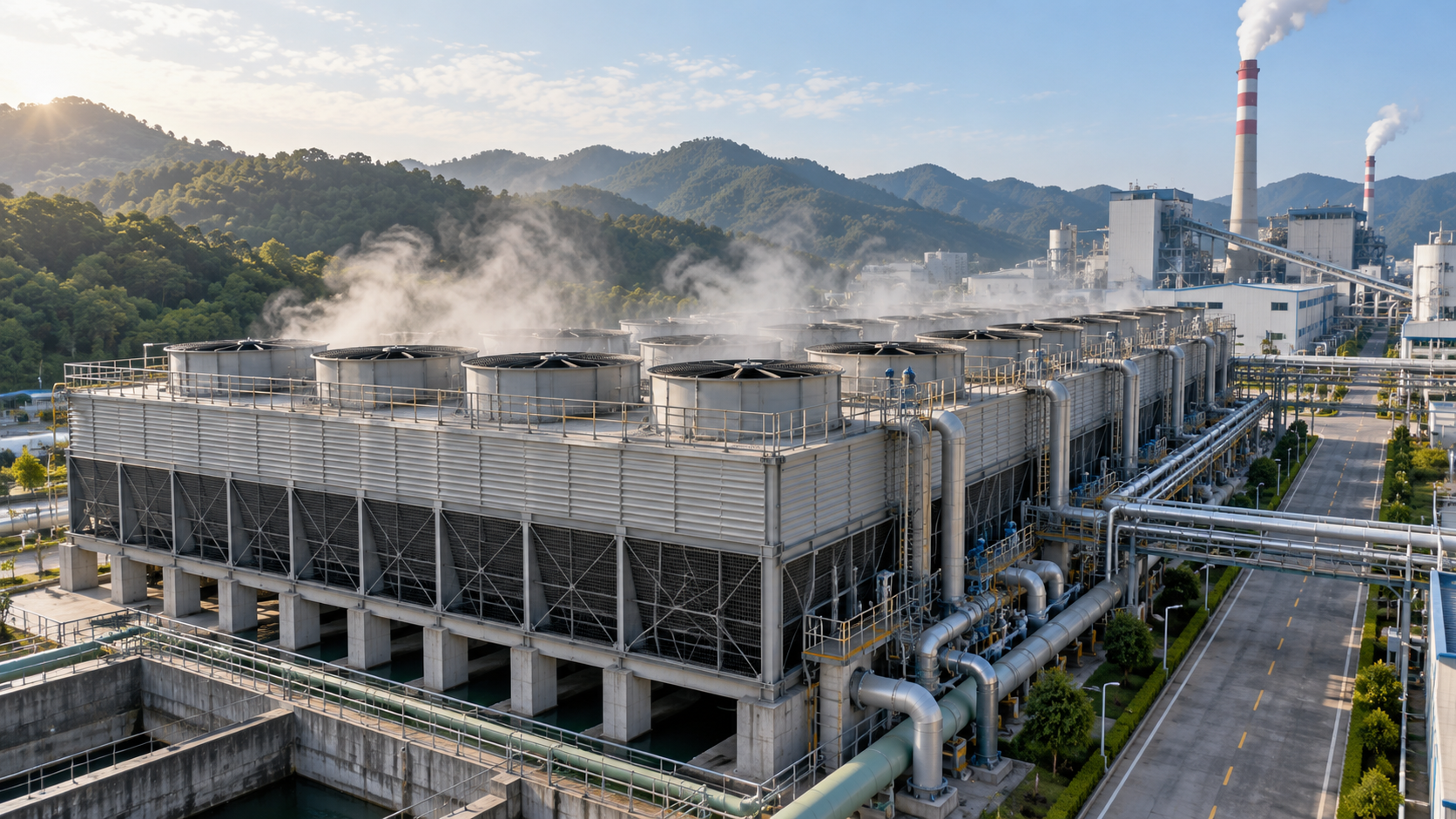
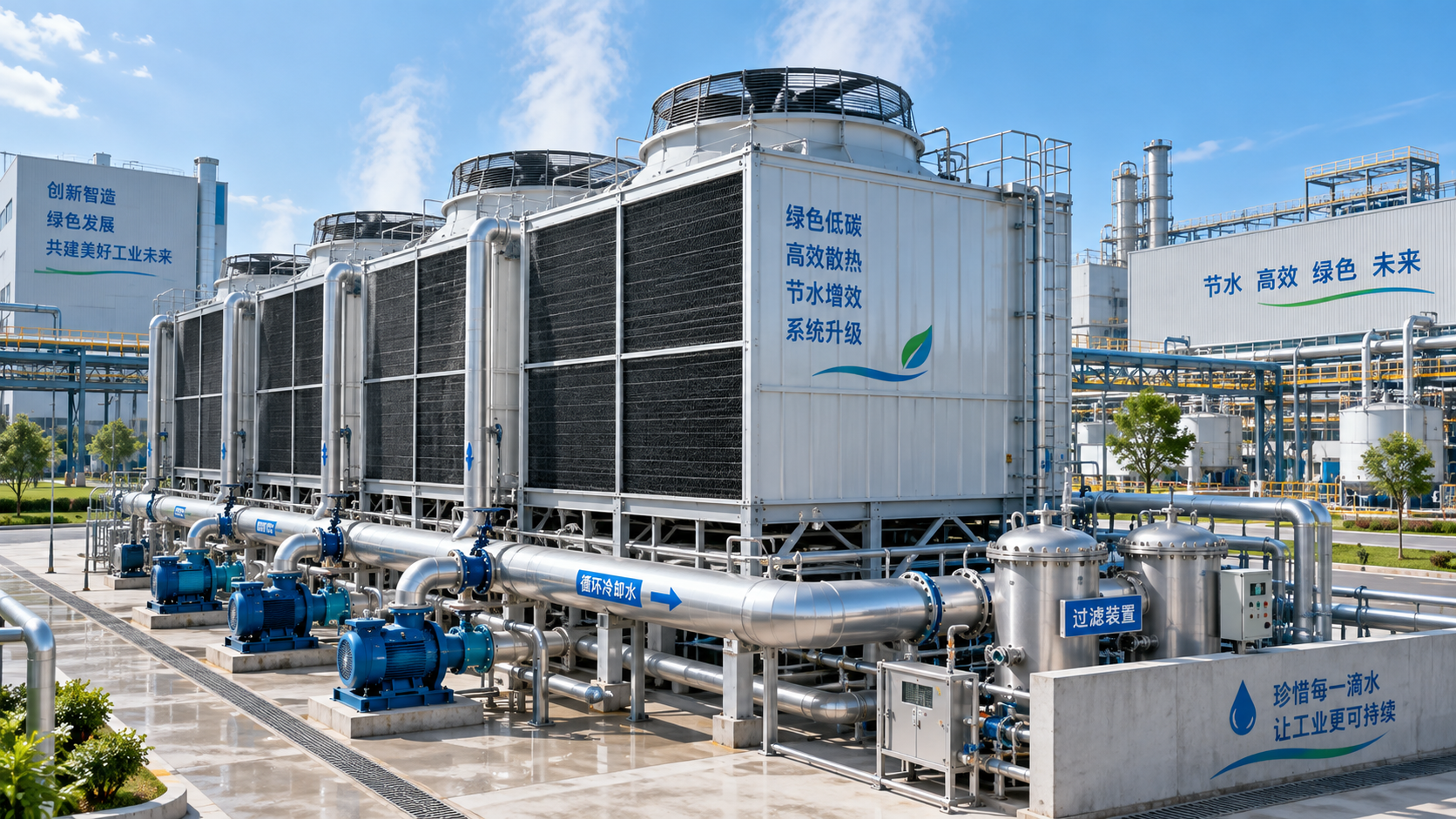
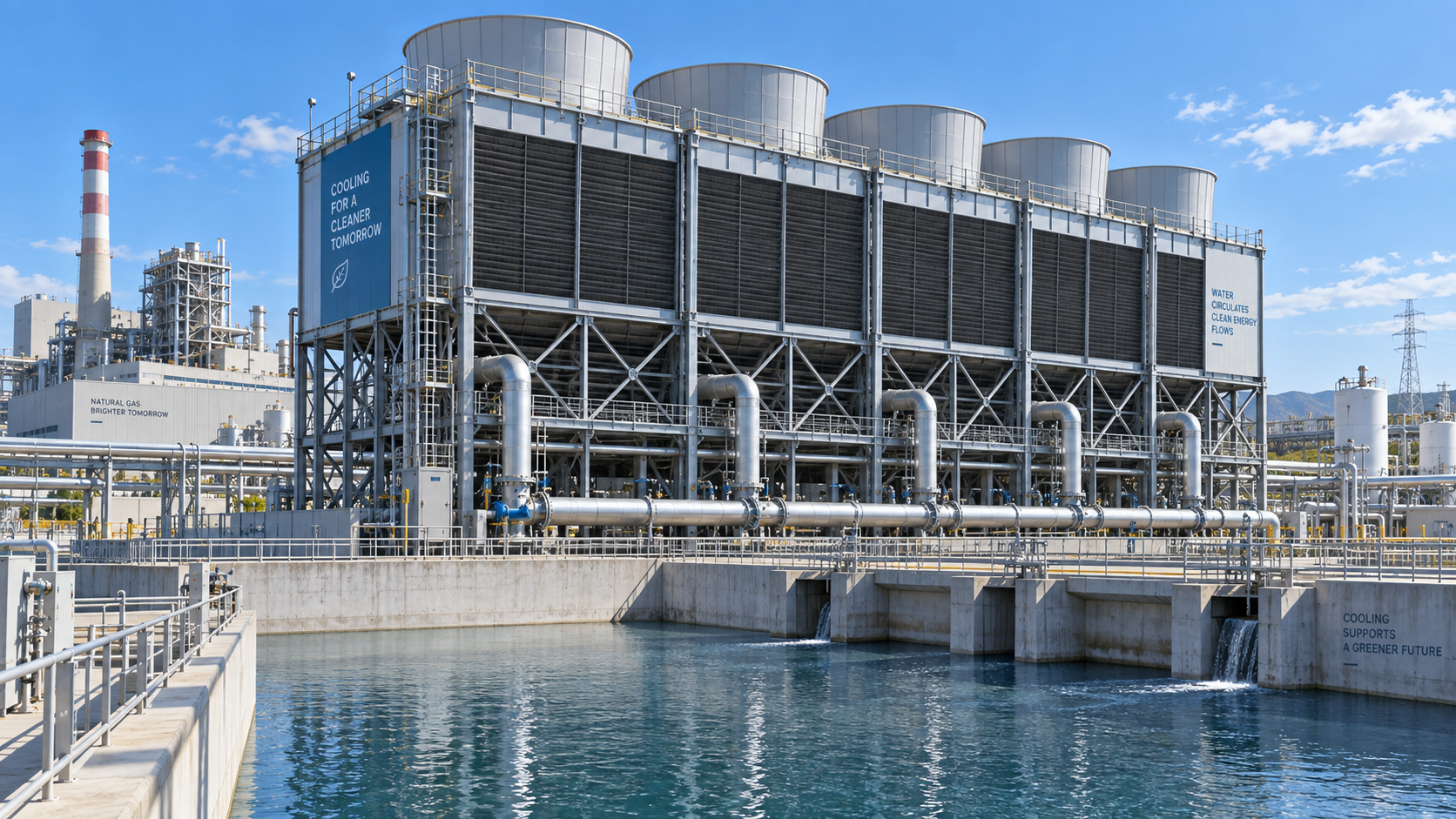
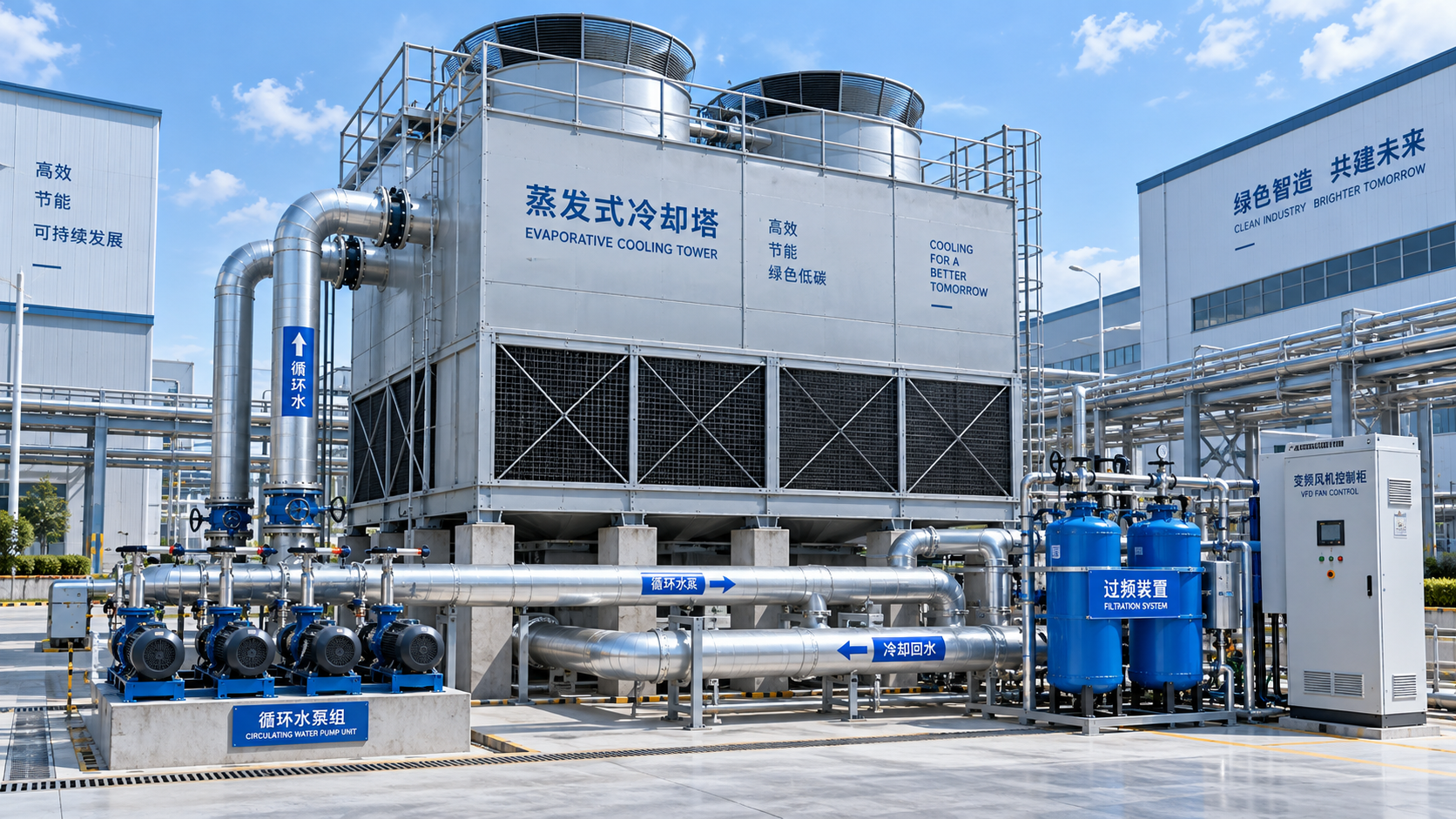
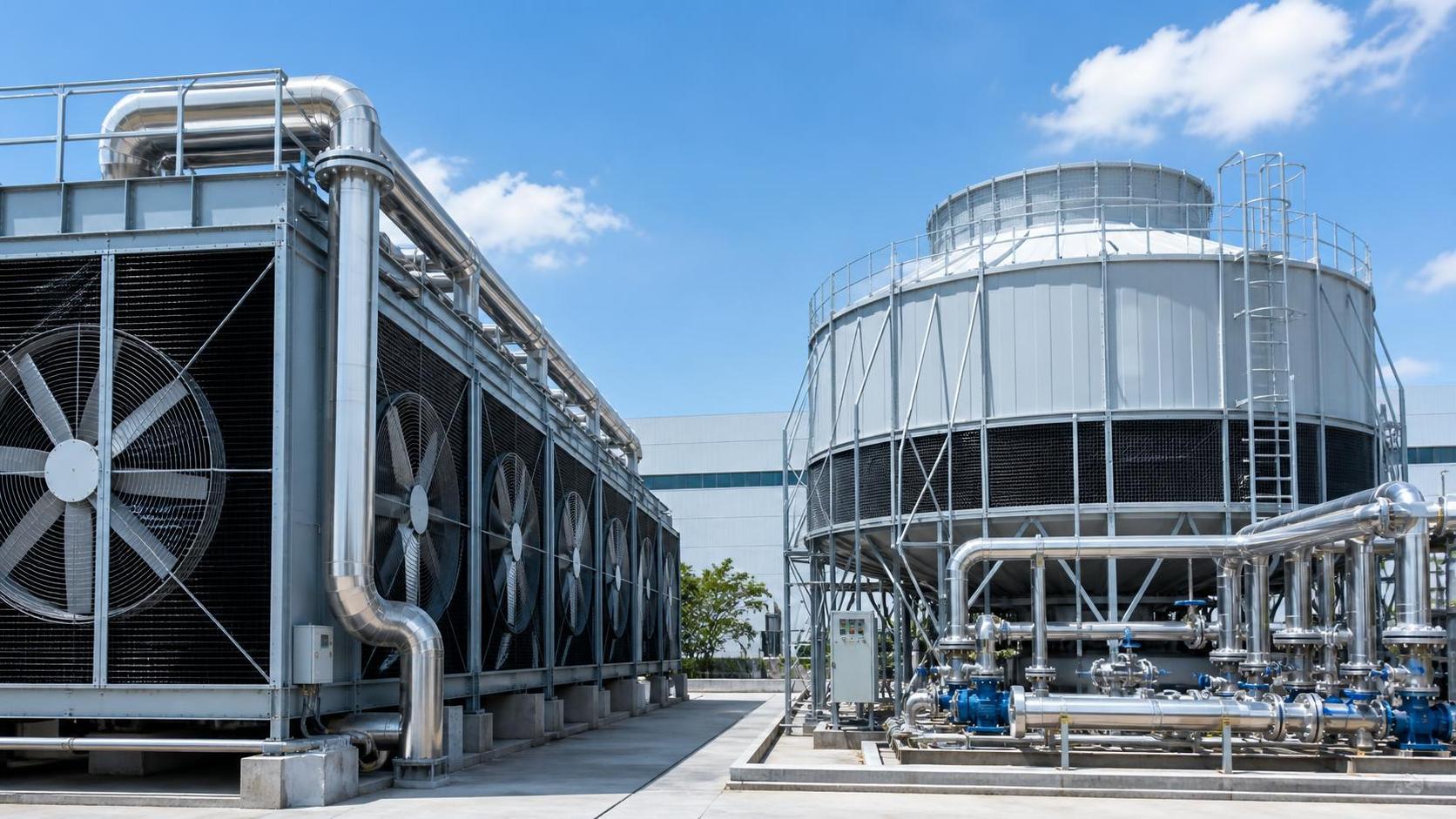
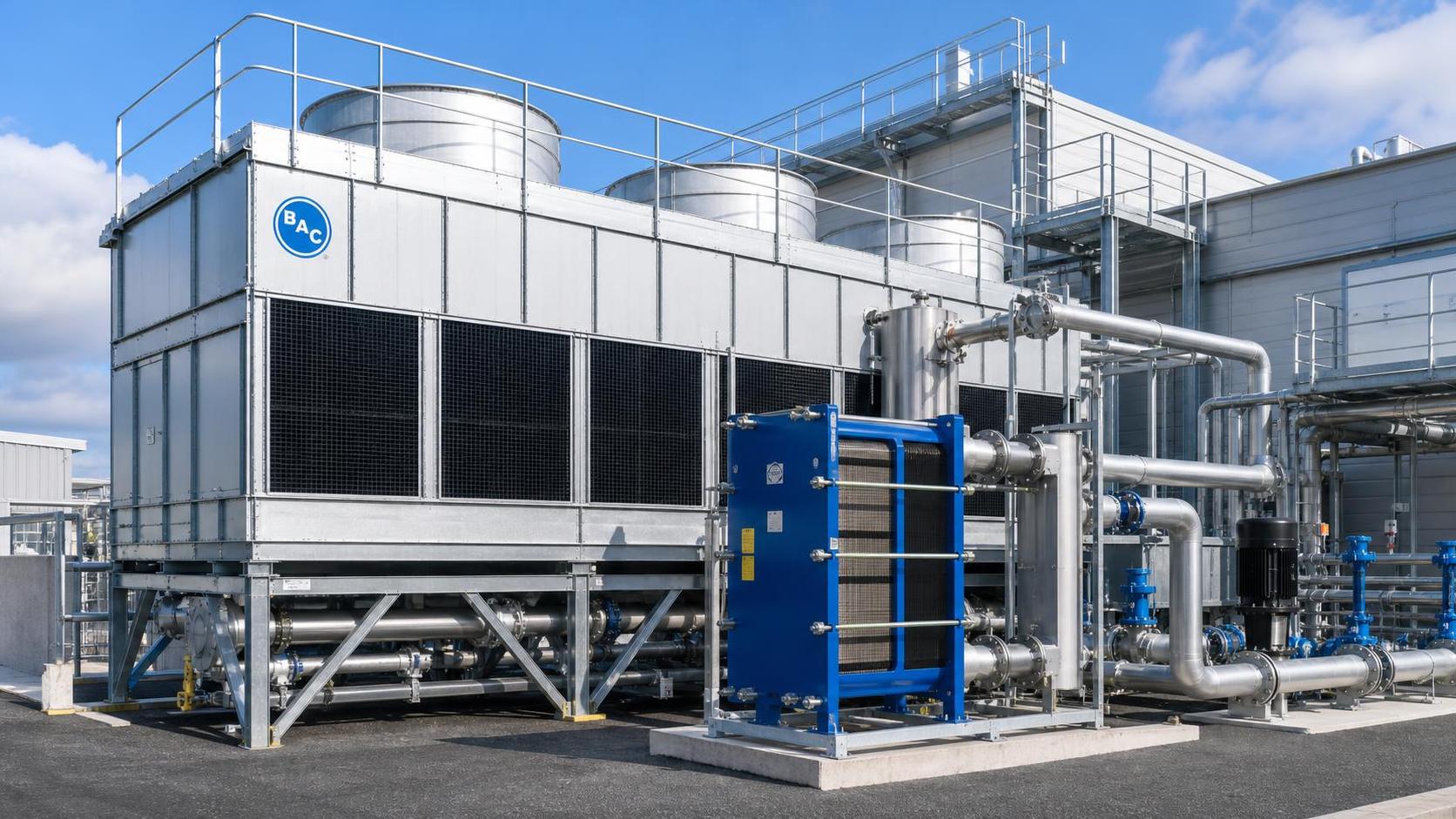
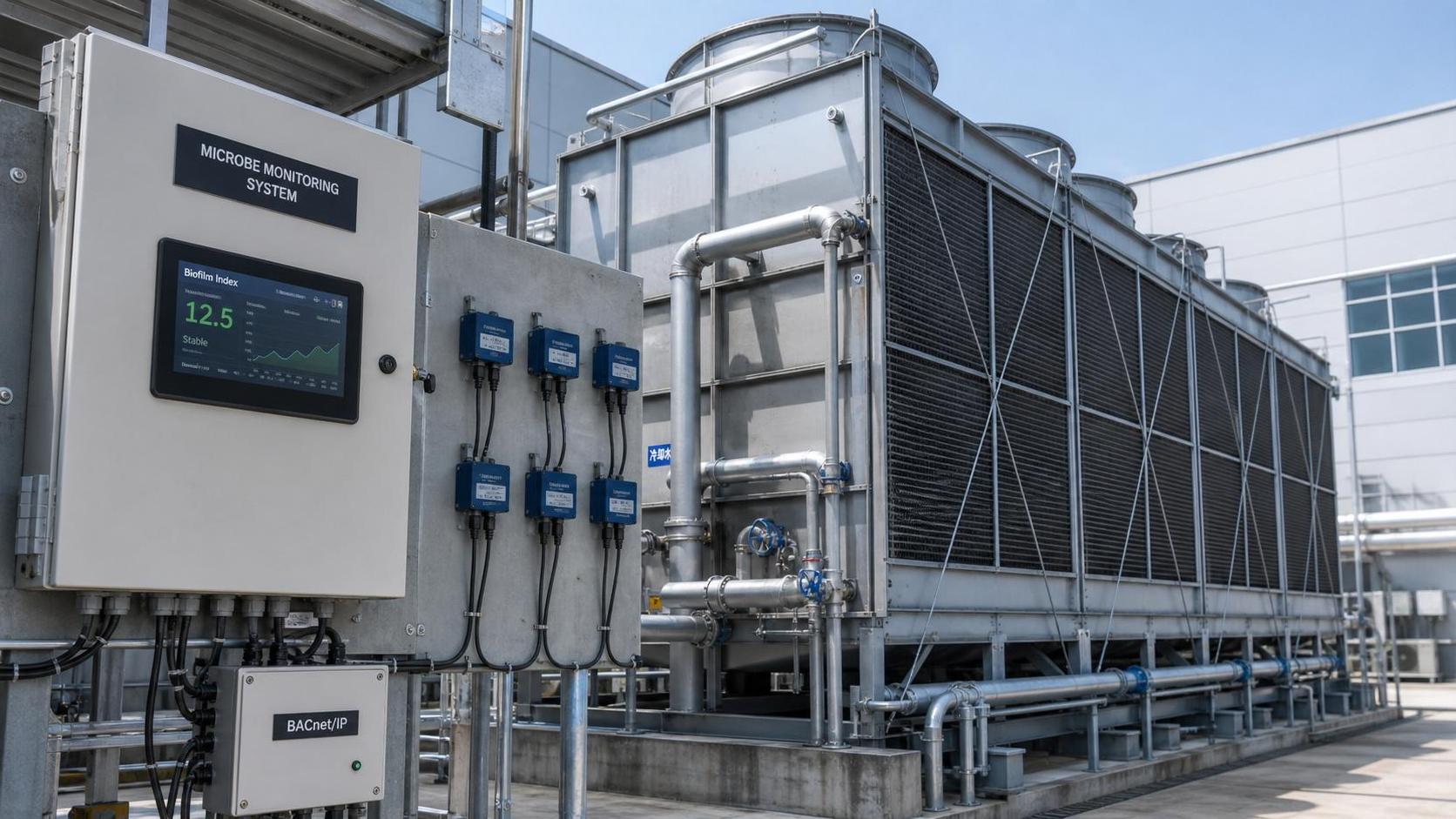
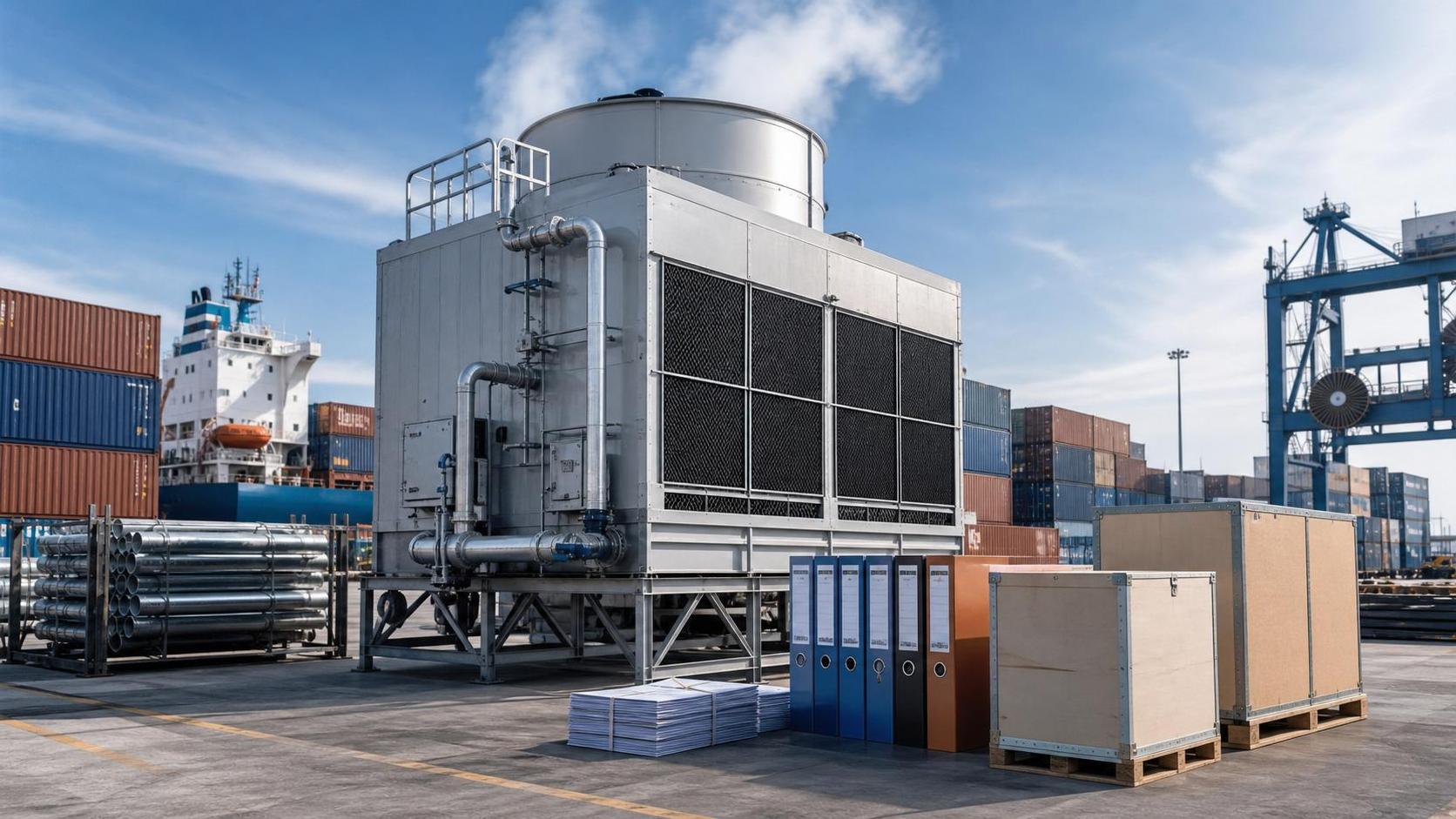
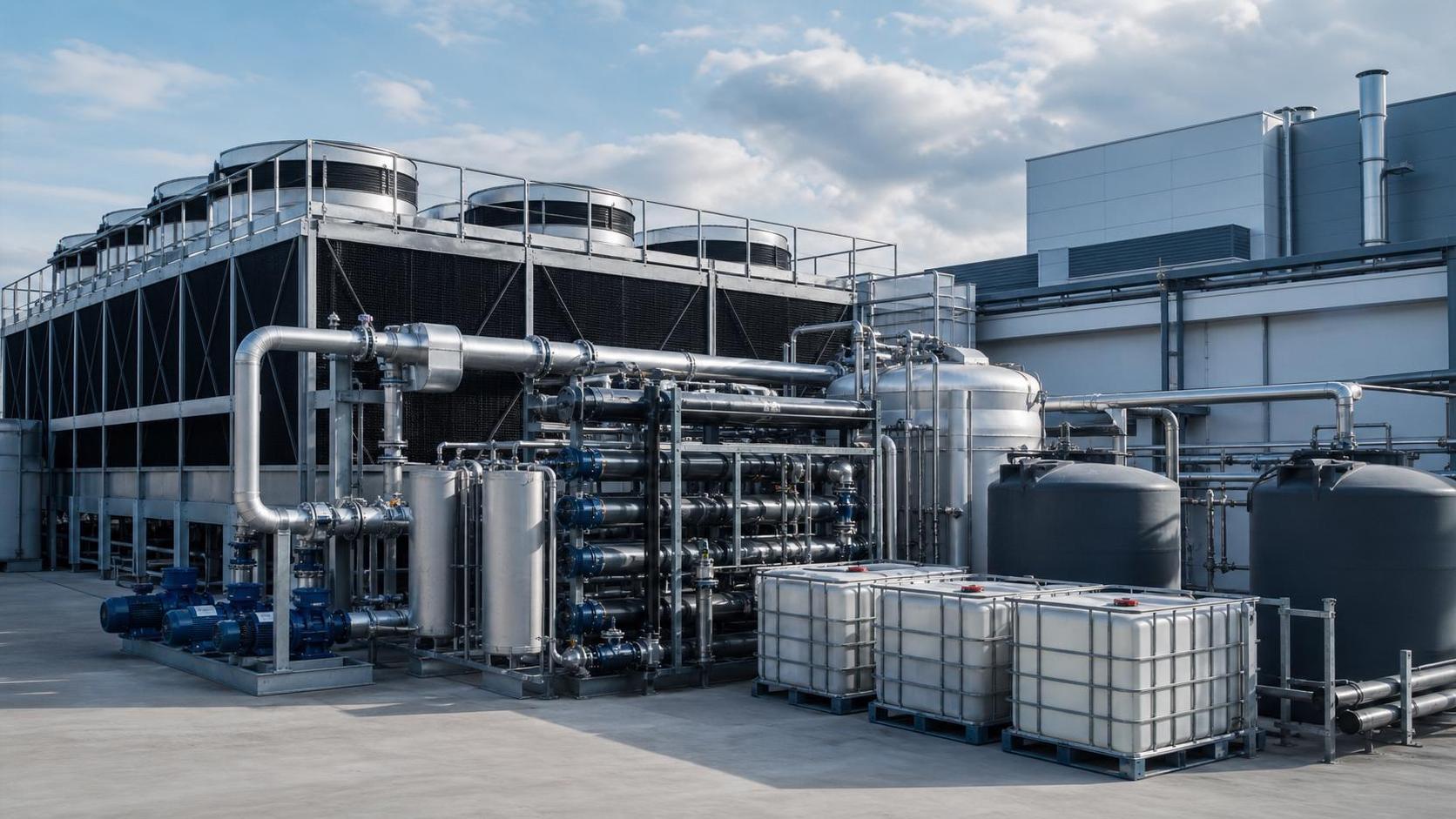
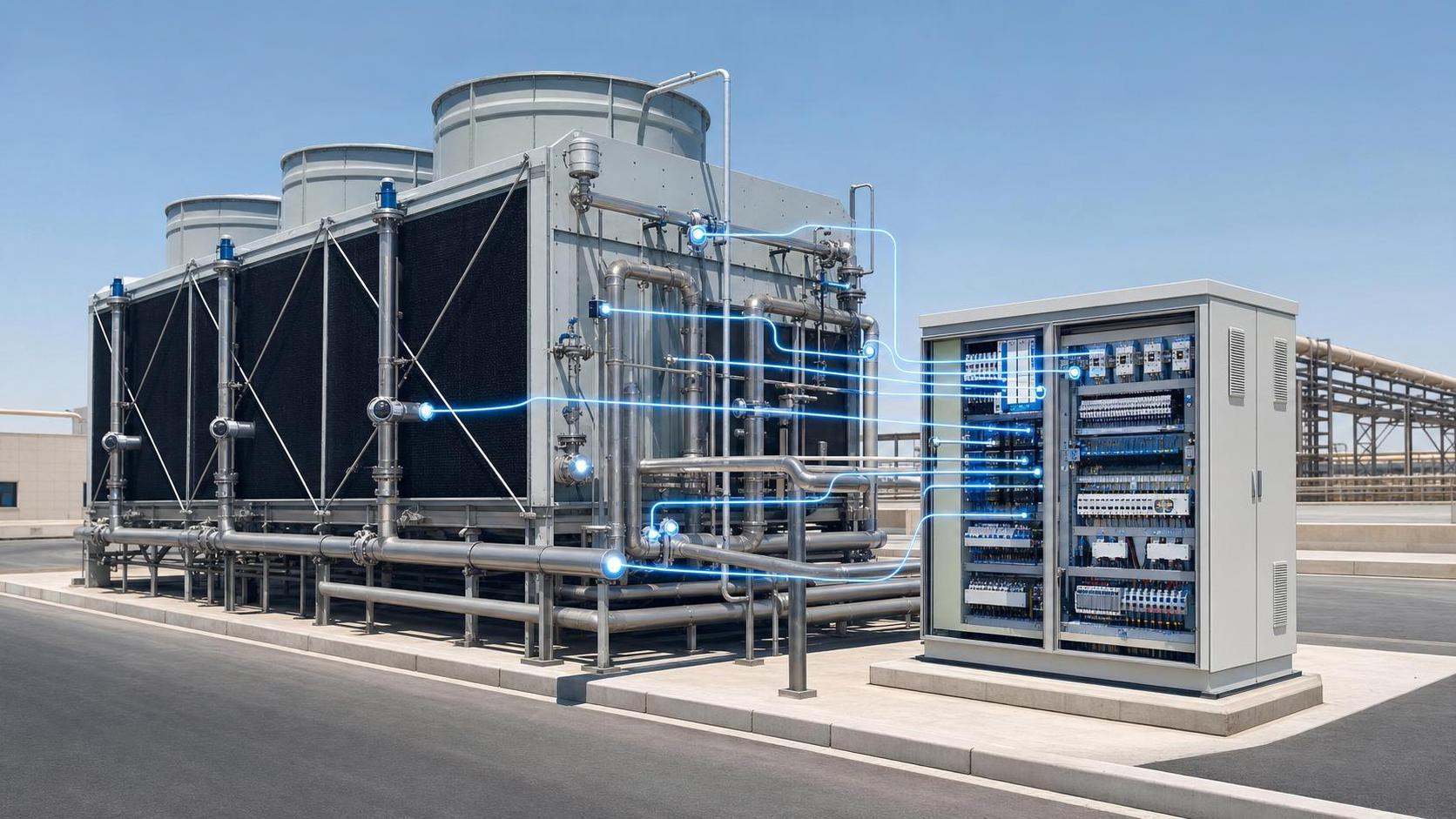
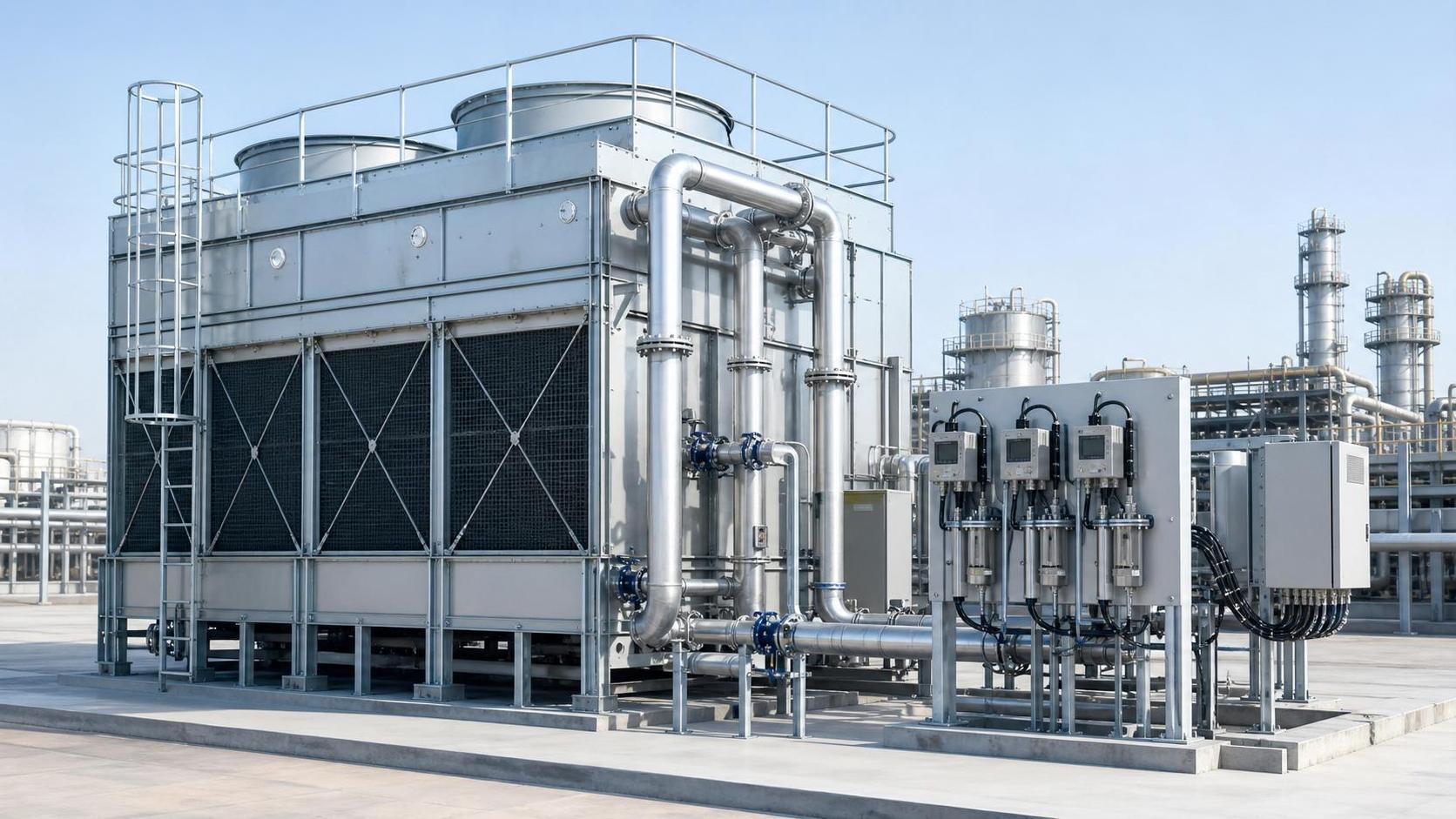
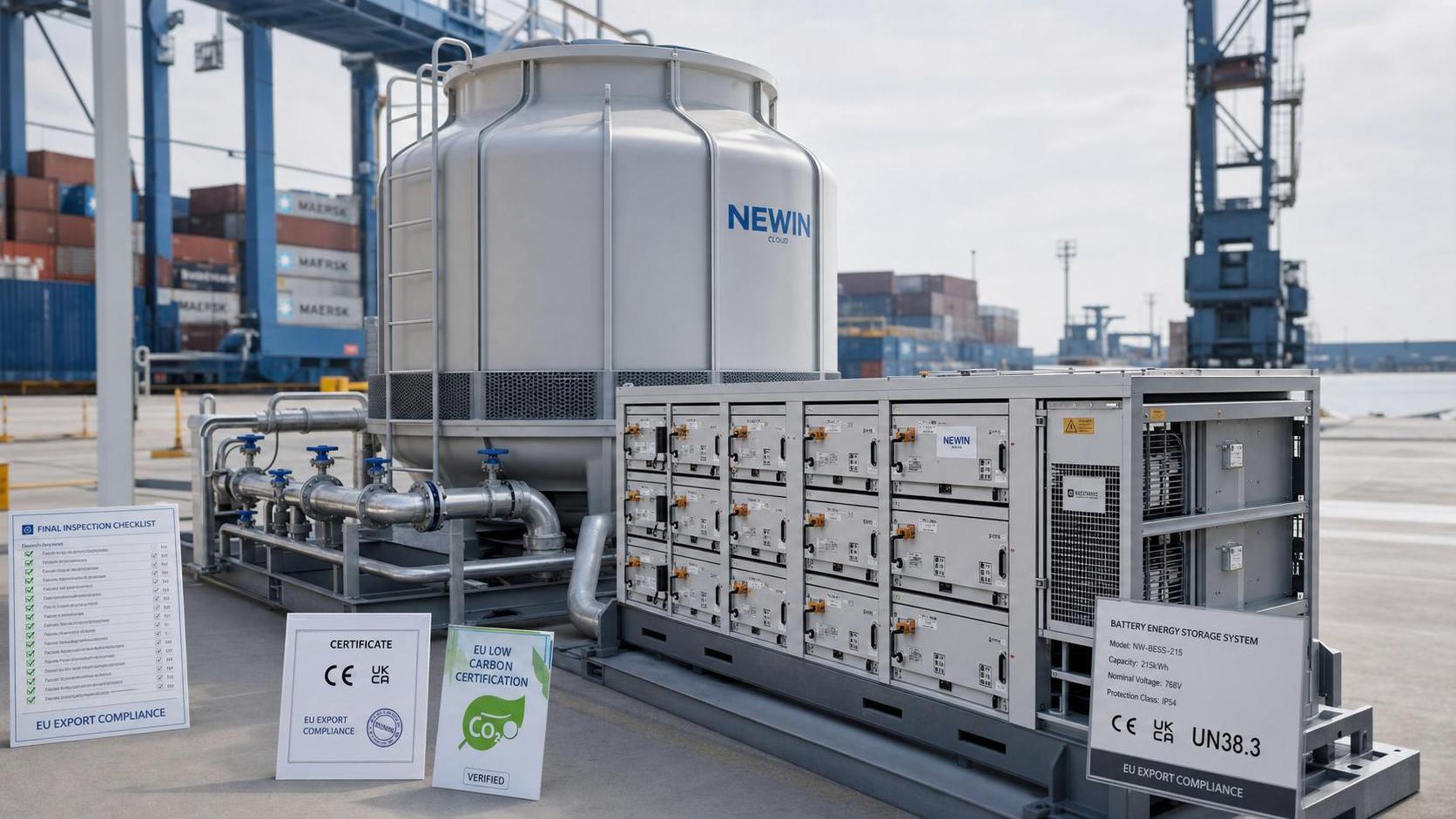
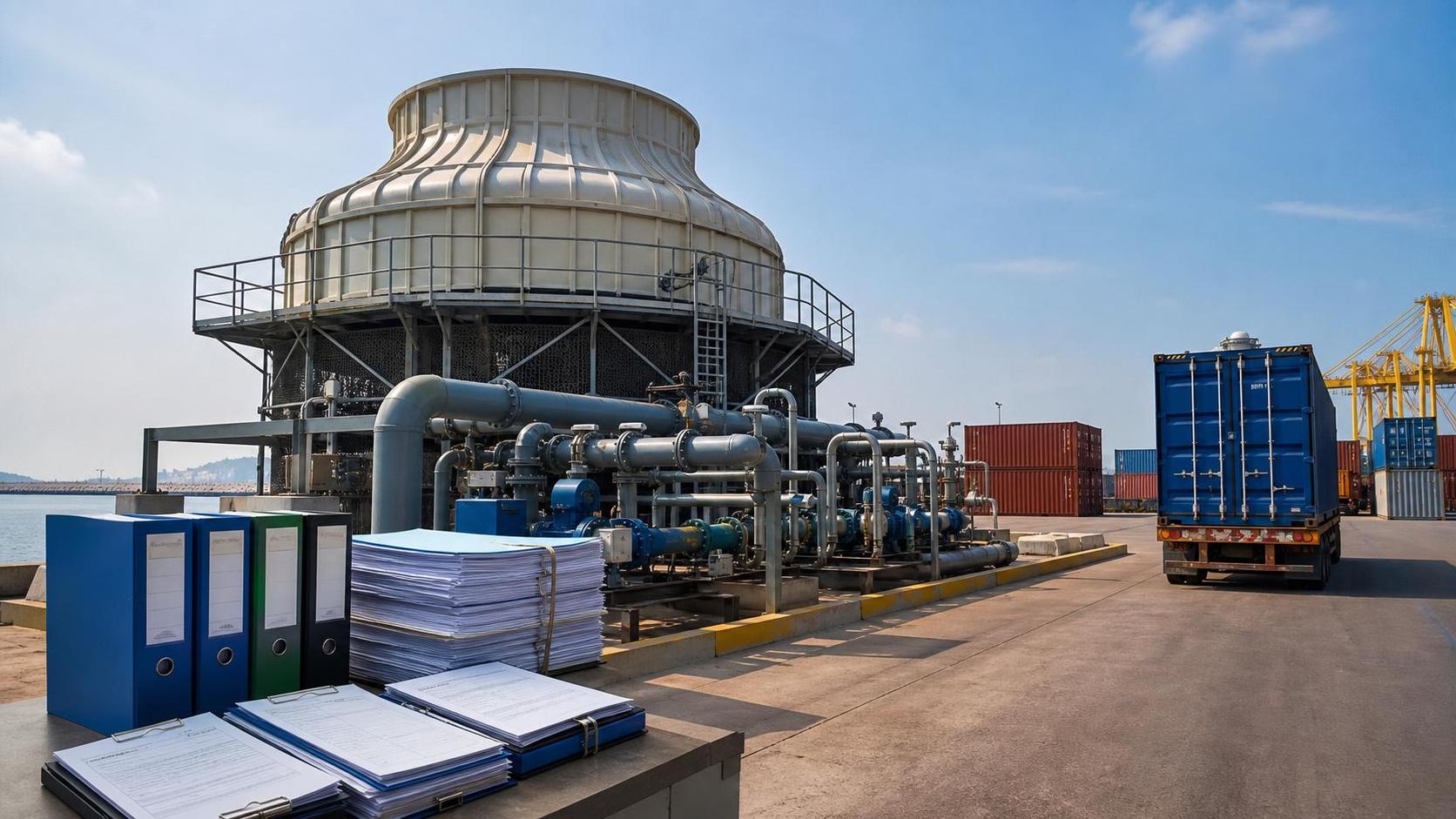
Place one industry image near the opening section to illustrate online water quality monitoring and closed-loop disinfection control in cooling tower systems used around food processing facilities.
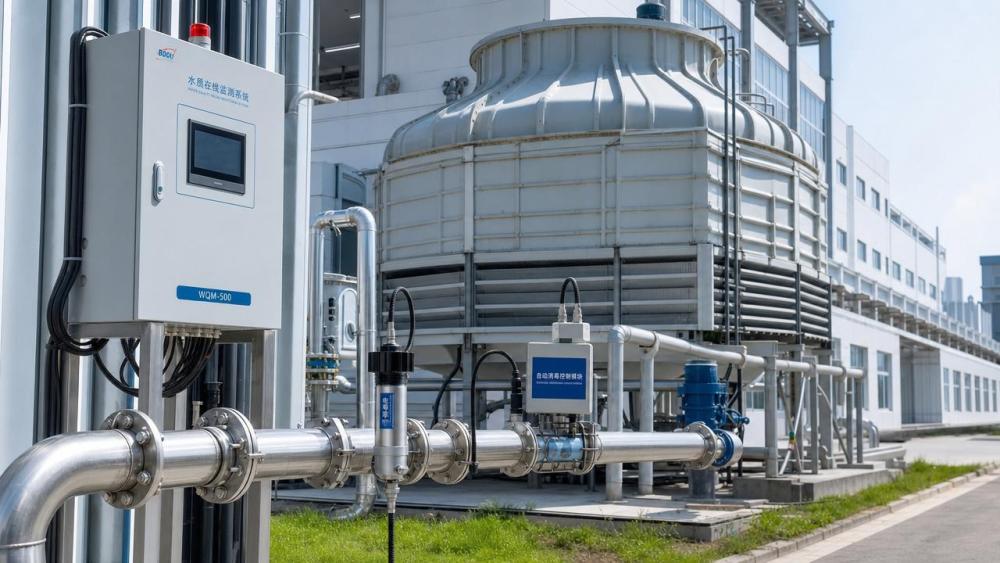
On June 1, 2026, Order No. 280 of the General Administration of Customs came into effect, introducing risk-based registration management for overseas food production enterprises, along with intelligent assisted approval and automatic renewal mechanisms. Although the rule is directed at the food sector, its mandatory requirements for online water quality monitoring and closed-loop disinfection control are affecting exports of cooling tower water quality monitoring modules, especially where cooling towers are supplied to food processing zones in Southeast Asia and the Middle East.
What Has Changed Under the New Registration Rule
The confirmed event is the implementation of Order No. 280 of the General Administration of Customs from June 1, 2026. The rule applies risk-based registration management to overseas food production enterprises.
The provided event summary also confirms that the new rule adds intelligent assisted approval and automatic renewal mechanisms. Its technical provisions include mandatory online water quality monitoring and closed-loop disinfection control requirements.
While the rule focuses on imported food enterprises, the event summary states that these technical clauses have become practical compliance requirements for cooling tower exports serving food processing zones in Southeast Asia and the Middle East.
How the Rule May Reshape Cooling Tower Export Workflows
Export trading companies face earlier compliance screening
Direct trading companies may be affected because buyers in food processing zones can treat online water quality monitoring and closed-loop disinfection control as part of the purchasing threshold for cooling tower-related equipment. The impact is most visible in quotation review, product matching, contract documentation and pre-shipment compliance confirmation.
From an industry perspective, trading teams may need to verify whether monitoring modules, control logic and supporting documents can respond to food-sector compliance language before accepting orders or submitting bids.
Material and component buyers need tighter specification checks
Raw material and component procurement companies may be affected because monitoring modules depend on sensors, controllers, communication units, disinfection-related components and other supporting parts. If end users require continuous monitoring or closed-loop control, procurement decisions may need to consider compatibility, traceability and documentation readiness.
What deserves closer attention is whether purchased components can support stable monitoring records, disinfection control integration and technical documentation required by downstream customers.
Manufacturers may need to align design and documentation
Processing and manufacturing enterprises are likely to feel the impact in product design, assembly, testing and technical file preparation. Cooling tower systems supplied to food processing environments may need clearer interfaces for online monitoring and closed-loop disinfection control.
Analysis shows that manufacturers may need to review whether existing product configurations can match compliance-oriented specifications, especially when the equipment is positioned for export projects linked to food processing areas.
Supply chain service providers may see more document-driven work
Supply chain service providers may be affected through customs support, logistics coordination, inspection document preparation, after-sales traceability and project delivery scheduling. As technical compliance requirements become embedded in buyer specifications, service providers may need to coordinate more closely with manufacturers and exporters.
Observably, the business impact may move beyond transportation itself and extend to document collection, delivery sequence control, spare parts coordination and post-delivery support records.
Practical Priorities for Companies Preparing Exports
Review compliance evidence before technical bidding
Companies should examine whether product files clearly describe online water quality monitoring functions and closed-loop disinfection control capabilities. For projects connected to food processing zones, technical bid alignment may become more important than a simple equipment quotation.
Prepare modules and components around monitoring continuity
Manufacturers and procurement teams should pay attention to whether sensors, controllers and related modules can support continuous monitoring requirements. It is more appropriate to understand this as a specification readiness issue rather than only a hardware selection issue.
Strengthen supplier qualification and traceability records
Because automatic renewal and intelligent assisted approval mechanisms emphasize structured compliance management in the food registration process, cooling tower suppliers may also face higher expectations for organized technical documents, supplier qualifications and quality traceability records.
Reassess delivery schedules for compliance-related documentation
Exporters should consider the time needed to prepare technical descriptions, test records, inspection materials and after-sales support documents. Where buyers require monitoring and disinfection control evidence before shipment or installation, delivery planning may need more buffer.
Industry Observation: From Product Supply to Compliance Readiness
Analysis shows that the main significance of this event is not that cooling towers have become the direct regulatory target of the food registration rule. Rather, technical clauses in food-sector regulation may influence equipment procurement criteria in related facilities.
From an industry perspective, online water quality monitoring and closed-loop disinfection control are becoming more than optional system features in food processing environments. They may increasingly be treated as compliance-oriented prerequisites during project evaluation, procurement review and supplier selection.
What deserves closer attention is the possible shift from price-led competition to documentation-led and configuration-led competition. Companies able to provide clearer monitoring architecture, disinfection control logic, technical files and after-sales traceability may be better positioned in export negotiations. This is an analytical observation, not a confirmed market outcome.
Measured Takeaway for the Cooling Tower Sector
The implementation of Order No. 280 highlights how food-sector regulatory changes can influence adjacent industrial equipment markets. For cooling tower water quality monitoring modules, the immediate issue is not only product performance but also whether the product can fit into a compliance framework shaped by online monitoring and closed-loop control requirements.
A rational conclusion is that exporters, manufacturers and supply chain partners should monitor specification changes closely and prepare technical documents in advance. The final business impact will still depend on how buyers, certification processes and project tenders interpret and apply these requirements.
Information Basis and Items to Watch
This article is based on the user-provided news title, event date and event summary. It does not add market size data, company cases, country-specific rules or source links beyond the supplied information.
Relevant source types for continued verification may include official regulatory notices, customs registration guidance, certification requirements, tender documents, buyer specifications and industry feedback. Specific official source links were not provided in the input and should be verified continuously.
Further observation should focus on implementation details, certification review practices, changes in technical tender documents, buyer acceptance criteria, supplier documentation requirements and feedback from cooling tower exporters serving food processing zones.
Ready when you are. Send us a message to get started.
Related News
- Kentucky Regulators Approve $191 Million Cooling Tower at Mitchell Coal PlantAuthor :Thermodynamics Analyst

- Cooling Tower Market Trends Reshaping Replacement Plans and Capital BudgetsAuthor :Thermodynamics Analyst

- Field-Erected Cooling Tower Market: Why Utility Projects Favor Custom DesignsAuthor :Thermodynamics Analyst

- Evaporative Cooling Tower Market Outlook: Demand Drivers, Risks, and Growth AreasAuthor :Thermodynamics Analyst

- When does an industrial cooling radiator outperform a cooling tower?Author :Thermodynamics Analyst

- EU Cooling Tower Standard EN 13771:2026 Takes EffectAuthor :Thermodynamics Analyst

- EU REACH SVHC Update Triggers Cooling Tower DisclosureAuthor :Thermodynamics Analyst

- SASO Adds Bio-Durability Test for Cooling Tower FillAuthor :Thermodynamics Analyst

- EU REACH Update Bars Phthalates in Cooling Tower PVC FillAuthor :Thermodynamics Analyst

- EU Tightens CE Rules for Cooling Tower Steel PartsAuthor :Thermodynamics Analyst

- Shanghai-Rotterdam Cooling Tower Space TightensAuthor :Thermodynamics Analyst

- Hamburg Port Strike Delays Cooling Tower Parts ClearanceAuthor :Thermodynamics Analyst

- ASHRAE 188-2026 Makes Cooling Tower Microbial Control MandatoryAuthor :Thermodynamics Analyst

- India Enforces BIS IS 17842:2026 for Cooling TowersAuthor :Thermodynamics Analyst

- EU REACH Restricts Zinc Inhibitors in Cooling TowersAuthor :Thermodynamics Analyst

- TUV Rheinland Switches Cooling Tower Labels to IEC 61800-9-2Author :Thermodynamics Analyst

- EU REACH Rule Takes Effect for Cooling Tower CoatingsAuthor :Thermodynamics Analyst

- Vietnam to Require IoT Modules in Imported Cooling TowersAuthor :Thermodynamics Analyst

- How to Compare Industrial Cooling Equipment Dry Coolers for Year-Round EfficiencyAuthor :Thermodynamics Analyst

- SASO Tightens Cooling Tower Import Rules for 2027Author :Thermodynamics Analyst

- REACH SVHC Update Limits Copper Corrosion InhibitorsAuthor :Thermodynamics Analyst

- SASO Starts Cooling Tower Data Rule for CoCAuthor :Thermodynamics Analyst

- Saudi SASO Portal Adds Corrosion Data RuleAuthor :Thermodynamics Analyst

- SASO Adds Corrosion Report Rule for Cooling TowersAuthor :Thermodynamics Analyst

- RDHx Prices Rise as AI Demand Lifts Premium ModelsAuthor :Thermodynamics Analyst

- EU EN 13859-2:2026 Mandates Extreme Humidity Heat-Loss TestsAuthor :Thermodynamics Analyst

- VDE Tightens Cooling Tower Test ScopeAuthor :Thermodynamics Analyst

- SASO Tightens Cooling Tower Test Proof for SaberAuthor :Thermodynamics Analyst

- Saudi SABER Cooling Tower Rule Takes Effect EarlyAuthor :Thermodynamics Analyst

- EU Carbon Labels to Cover Cooling Tower ExportsAuthor :Thermodynamics Analyst

- Saudi SABER Cooling Tower Rule Takes Effect EarlyAuthor :Thermodynamics Analyst

- EU Carbon Label Rule Hits Cooling Tower ExportsAuthor :Thermodynamics Analyst

- Saudi SABER Cooling Tower Rule Adds EN 13859-2 TestAuthor :Thermodynamics Analyst

- Saudi SABER Tightens Cooling Tower Energy Report RulesAuthor :Thermodynamics Analyst

- Saudi SASO Tightens Cooling Tower Efficiency FilingAuthor :Thermodynamics Analyst

- Saudi SABER Tightens Cooling Tower Energy Report ChecksAuthor :Thermodynamics Analyst