



Saudi Rule Requires Local Certification for Imported Cooling Towers




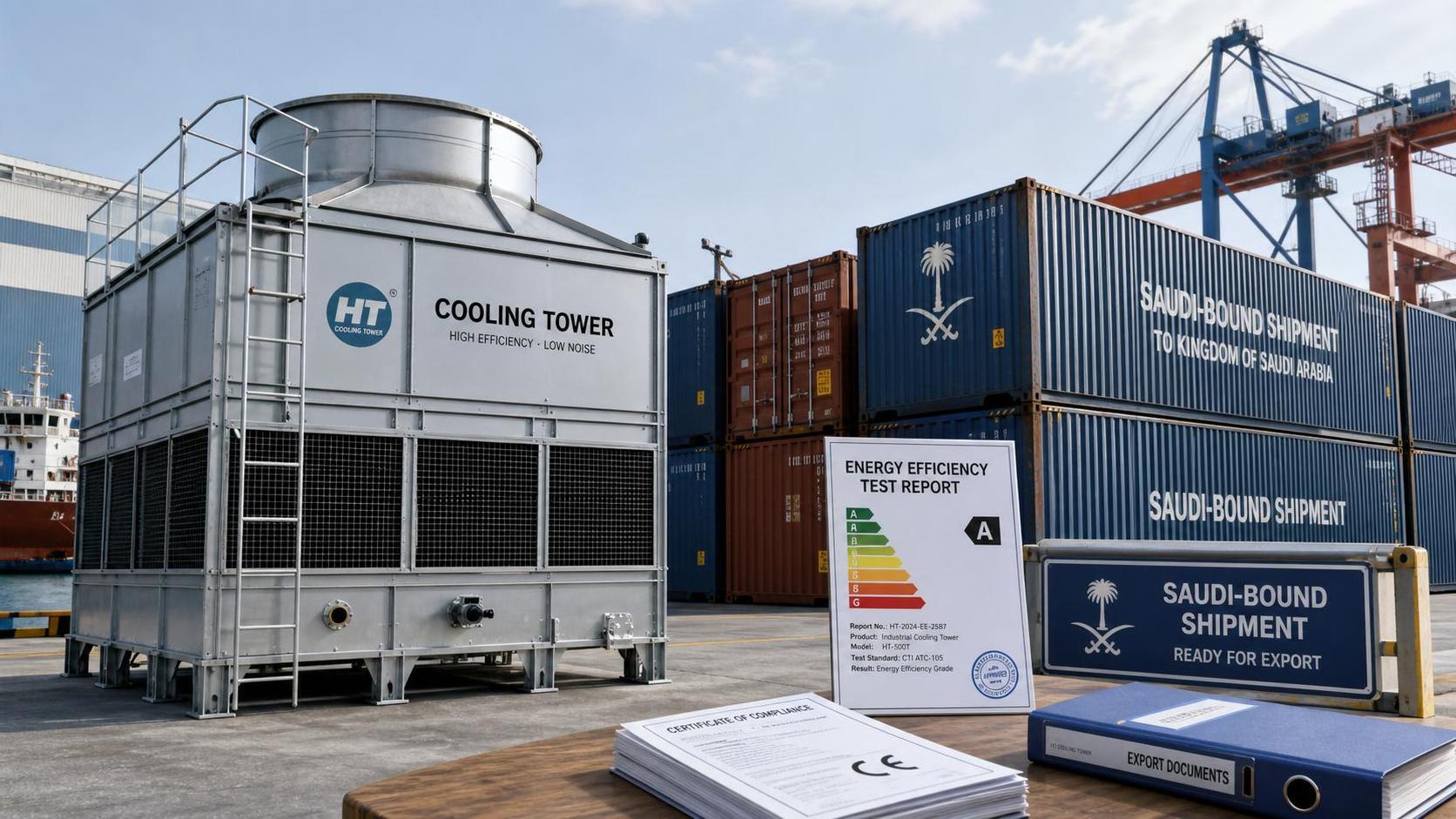
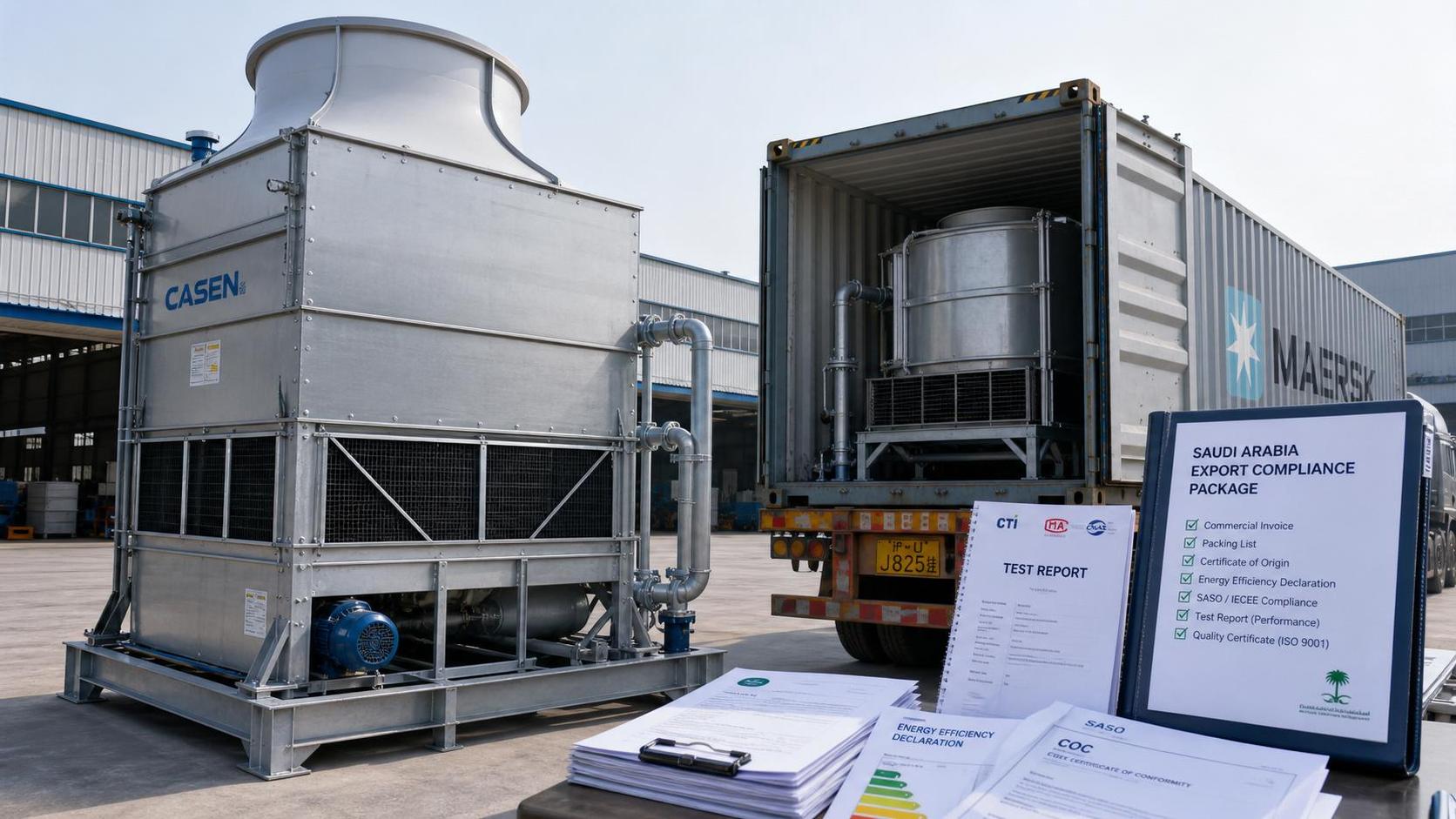
On June 15, 2026, the Saudi Standards, Metrology and Quality Organization (SASO) put a mandatory rule in place for cooling towers that shifts compliance from a document issue to a market-access issue. Starting September 1, 2026, imported cooling towers entering Saudi Arabia will need local energy-efficiency testing through a Saudi-recognized laboratory and a SASO energy label, making this a key development for exporters, manufacturers, importers, procurement teams, and logistics operators involved in deliveries to the Saudi market.
What the new SASO requirement confirms
The confirmed change is tied to the mandatory implementation of the cooling tower energy-efficiency and water-consumption specification identified as SASO IEC 60034-30-2:2026.
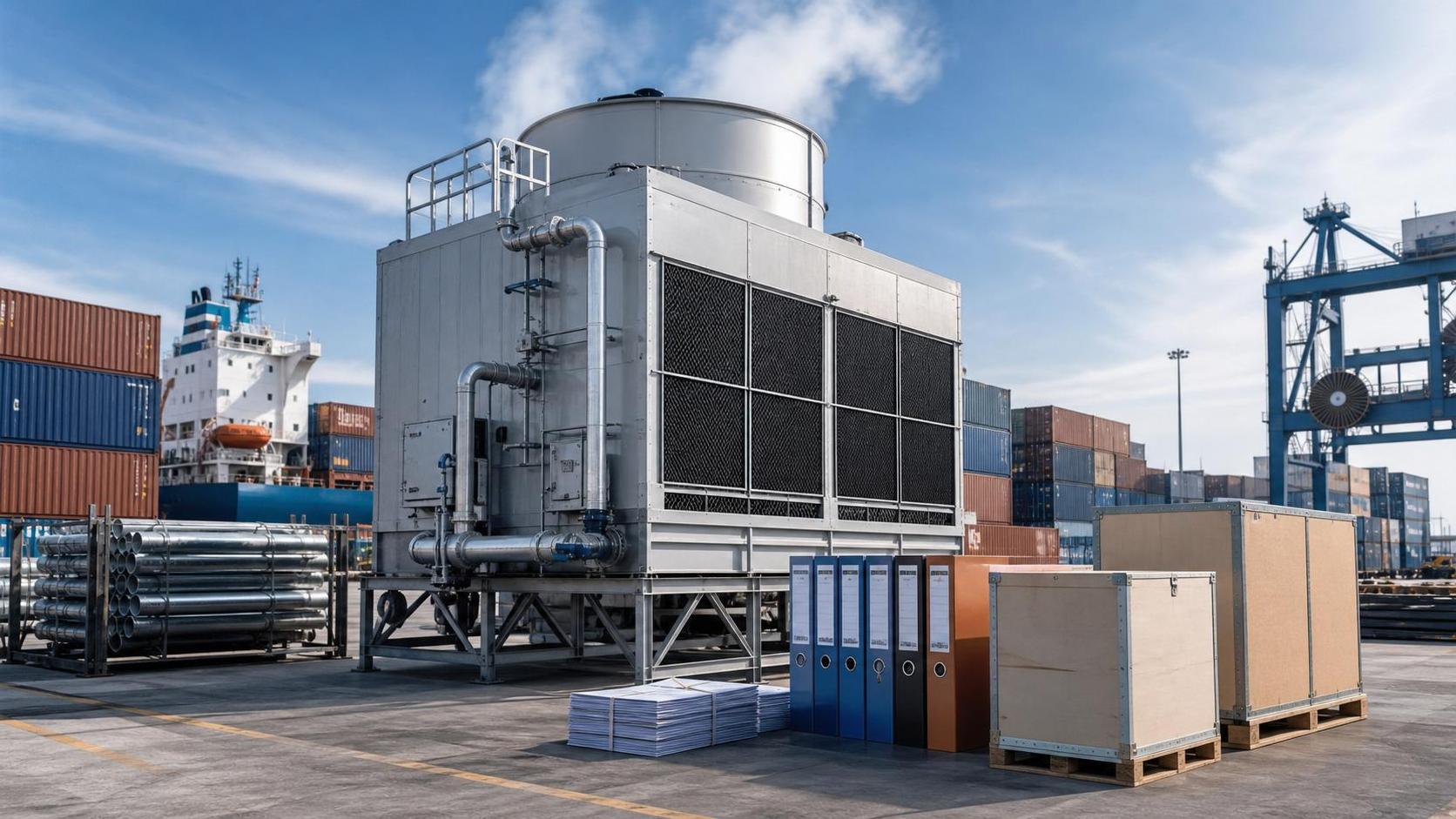
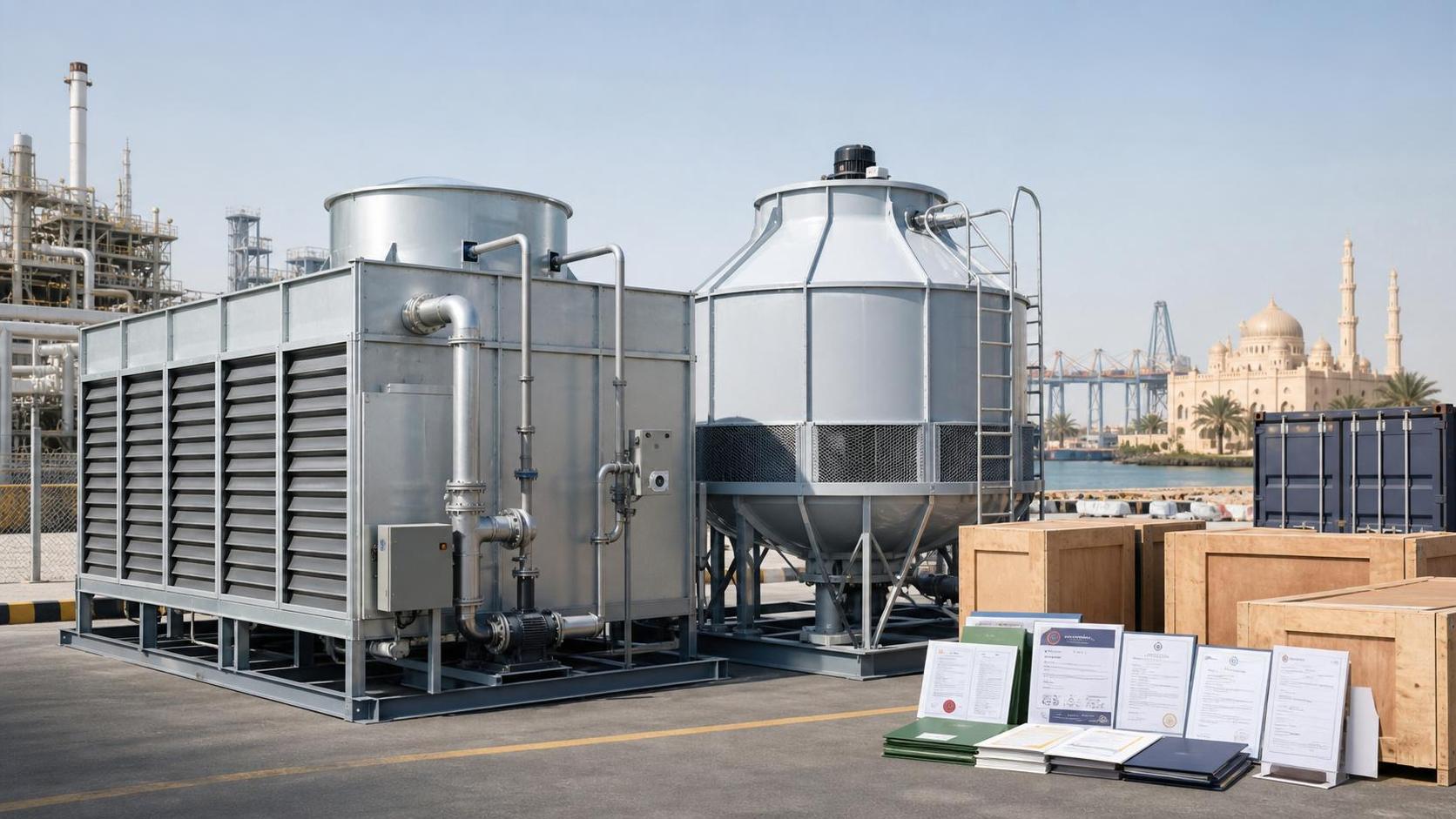
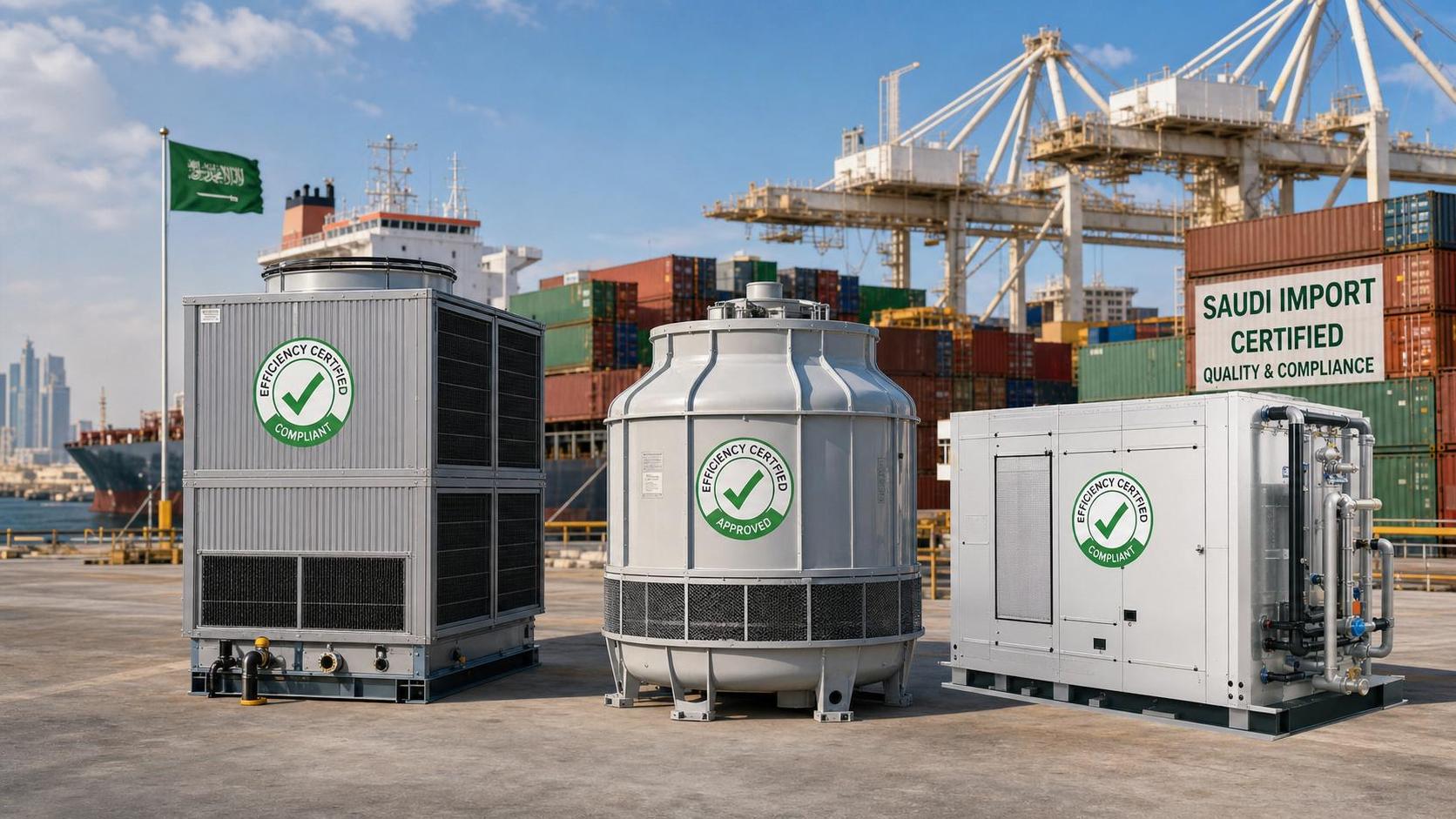
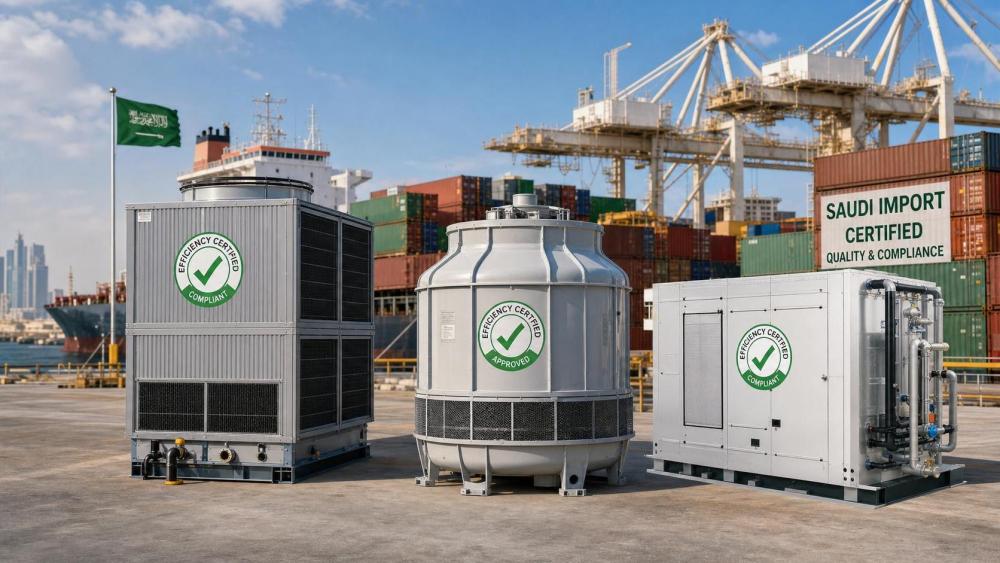
According to the provided information, from September 1, 2026, all imported cooling towers must complete energy-efficiency testing at a Saudi-recognized laboratory and carry a SASO energy label.
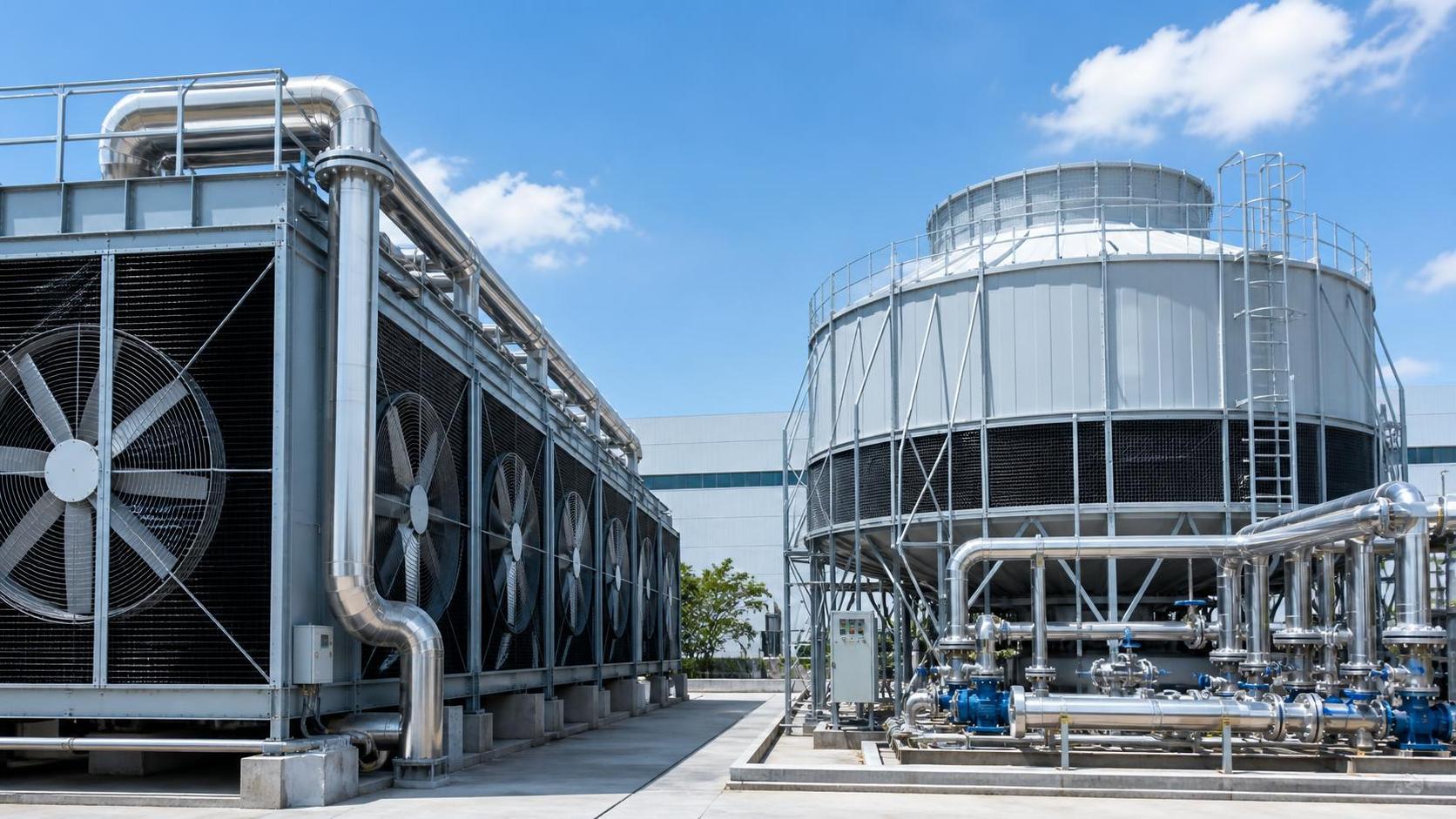
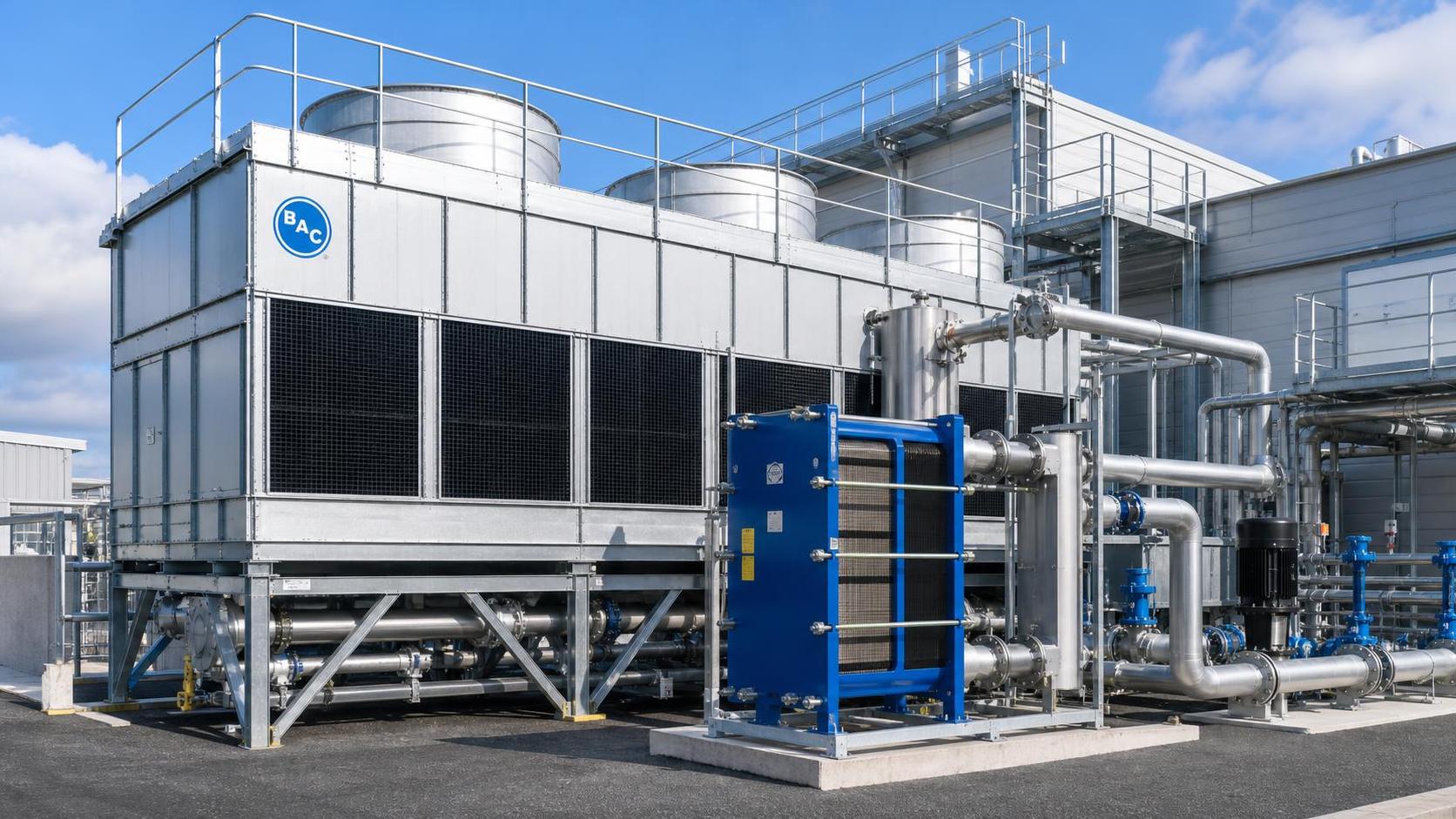
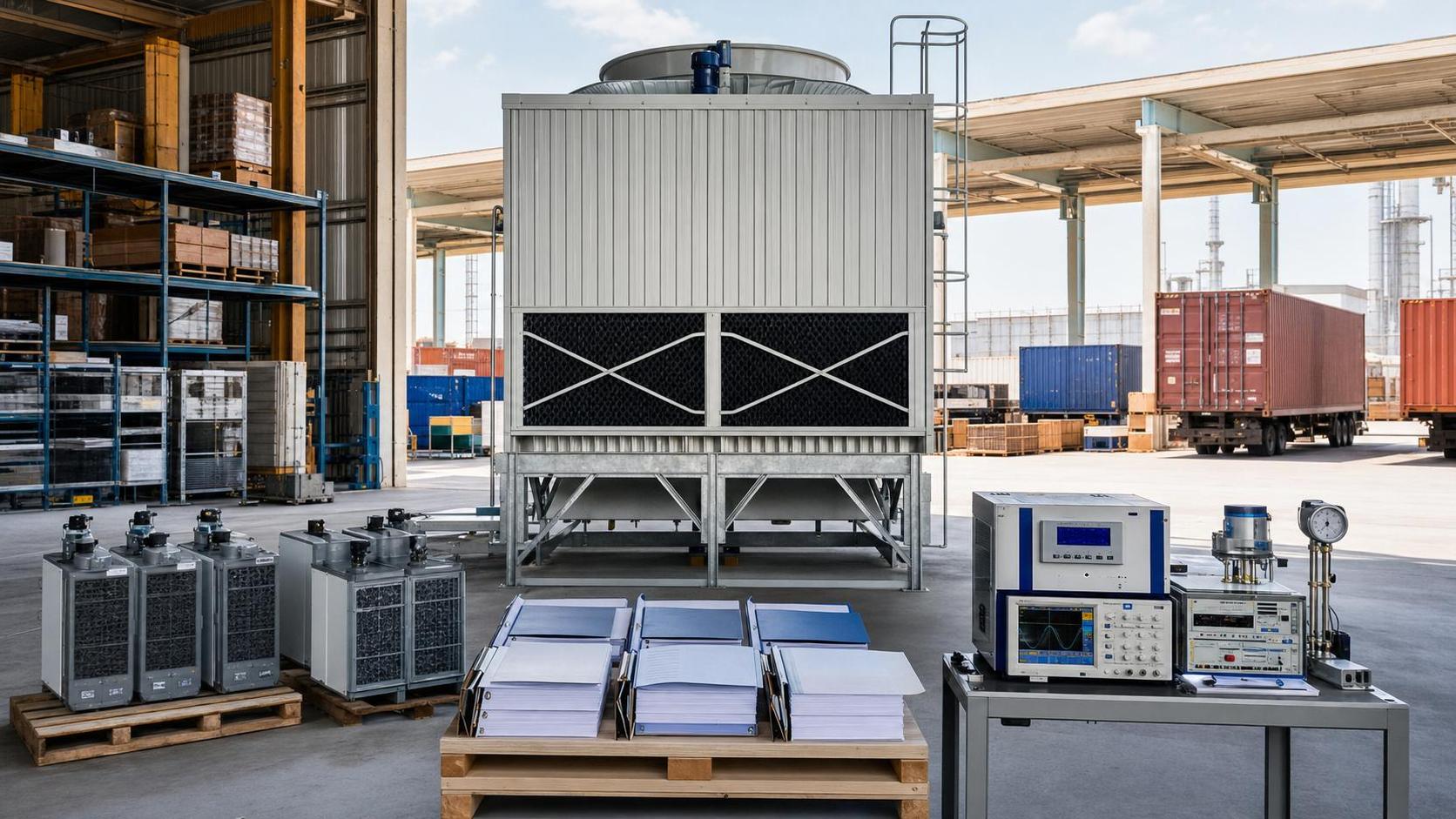
The rule applies across the full product scope stated in the input, including crossflow cooling towers, counterflow cooling towers, and closed-circuit cooling towers.
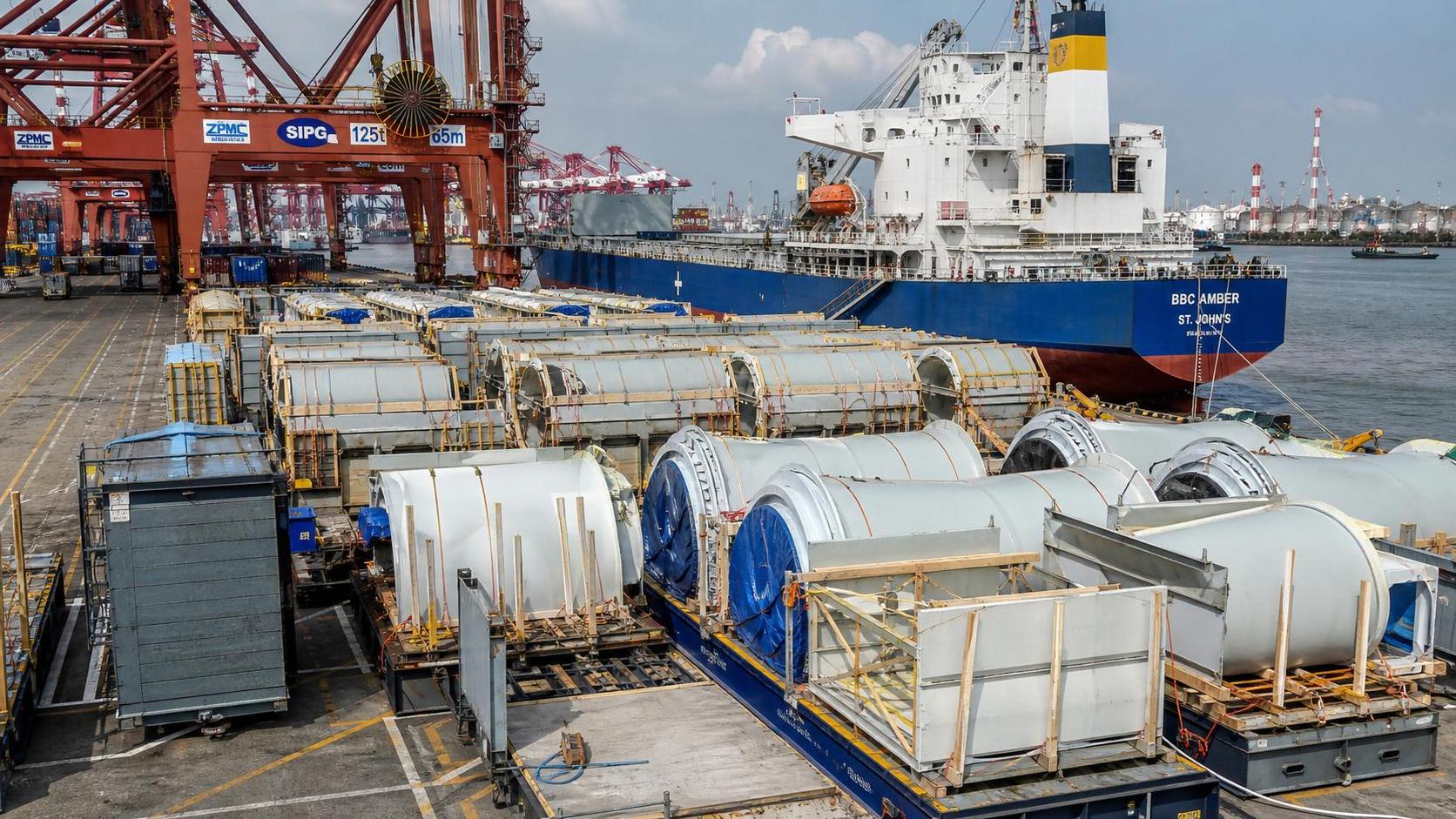
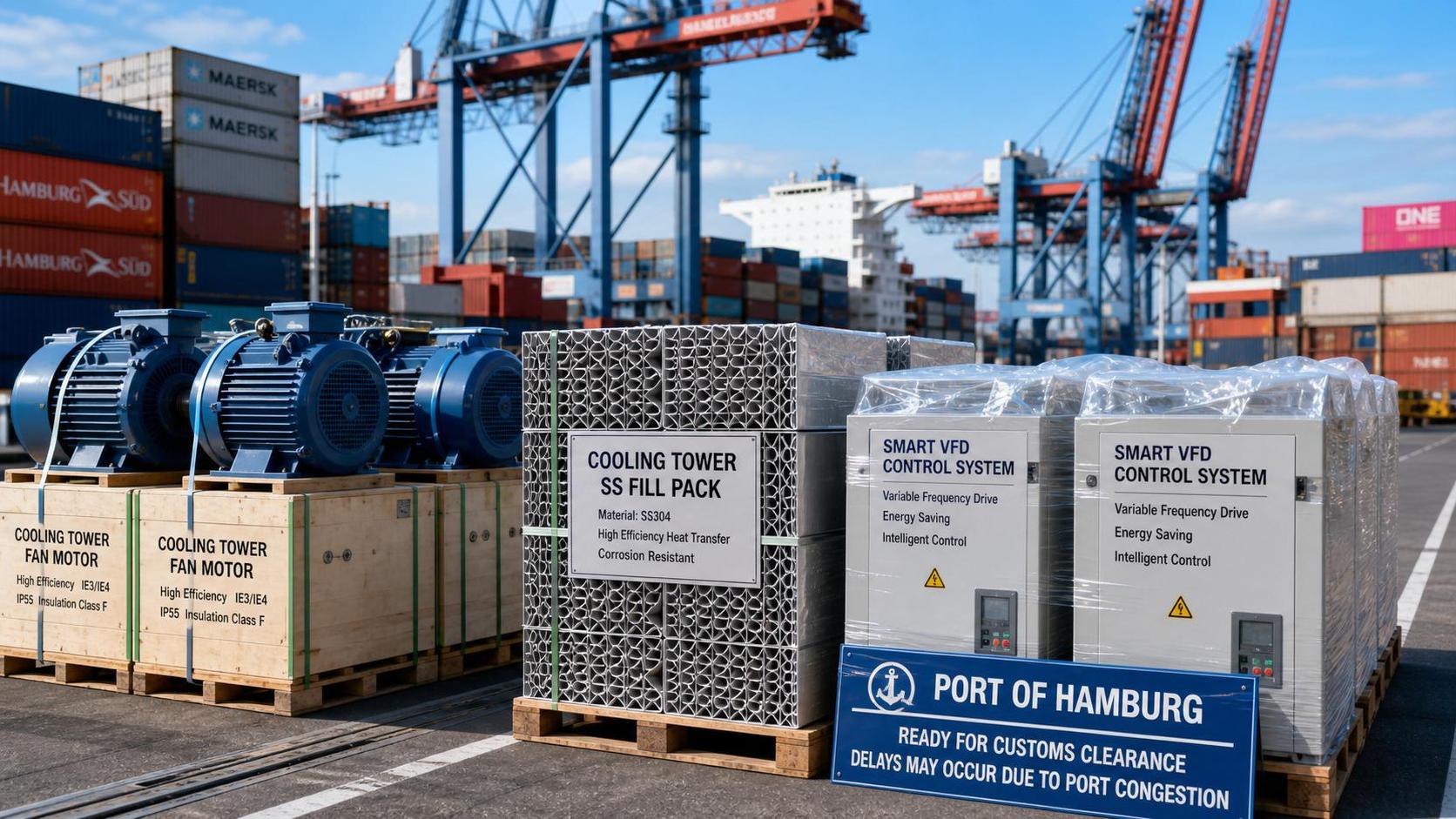
The enforcement consequence provided is also clear: products without certification will be refused at Jeddah Port.
Where the pressure will likely appear first
Export shipments face a direct compliance checkpoint
From an industry perspective, exporters and direct trading companies are likely to feel the impact first because the new rule is tied to import clearance rather than only to product promotion or bidding. The main business exposure is shipment readiness: whether the product has completed testing at a Saudi-recognized laboratory and whether the required SASO energy label is in place before dispatch.
Manufacturers may need earlier document and testing coordination
Analysis shows manufacturers of crossflow, counterflow, and closed-circuit cooling towers may need to align product preparation, technical files, and testing schedules more tightly with Saudi market timelines. The immediate concern is not a confirmed redesign requirement in the provided information, but the operational need to connect production and compliance steps more closely.
Importers and distributors must watch port-risk and delivery timing
For importers, local distributors, and channel operators, the most visible issue is delivery interruption risk. If uncertified products are refused at Jeddah Port, the effect may appear in arrival planning, inventory turnover, and customer delivery commitments. What deserves closer attention is the difference between having a commercial order in place and having import-ready compliance completed.
Procurement and end users may need earlier supplier confirmation
Buyers and end-use project teams that source cooling towers for Saudi-bound projects may also be affected indirectly. Observably, procurement attention may shift toward supplier qualification, certification readiness, and evidence of labeling status, especially where delivery dates fall close to or after September 1, 2026.
What companies should track now
Separate confirmed rules from pending implementation details
The confirmed facts are the effective implementation date, the testing requirement through a Saudi-recognized laboratory, the SASO energy label requirement, the covered product categories, and the refusal risk at Jeddah Port for uncertified goods. Analysis shows companies should avoid assuming additional requirements that are not stated in the provided information and instead track whether any further official wording or procedural clarification is issued.
Review affected product scope shipment by shipment
Because the rule expressly covers crossflow, counterflow, and closed-circuit cooling towers, suppliers should check current and planned Saudi-bound orders against that scope. What deserves closer attention is whether internal product classification, quotation records, and shipping documentation consistently reflect the covered category.
Recheck lead times for testing, labeling, and handover
Observably, the practical business issue may be timing rather than policy awareness alone. Companies involved in supply, export coordination, and delivery should focus on whether testing and labeling steps can be completed before shipment and whether customer handover schedules need adjustment where goods are intended for import after September 1, 2026.
Prepare communication with customers and supply-chain partners
Analysis shows one of the more immediate tasks is commercial coordination. Exporters, service providers, and procurement teams may need to confirm responsibilities for testing arrangements, certification status, labeling, and shipment release conditions so that contract execution is not based on assumptions that no longer match the new import rule.
Why this matters beyond a single compliance update
As an editorial observation, this development is more appropriate to understand as a concrete market-access signal rather than a distant policy headline. The rule has an announced enforcement date and a stated port consequence, which gives it practical weight for businesses already shipping or preparing to ship cooling towers into Saudi Arabia.
At the same time, it is still important to treat some business implications as matters for continued observation rather than settled outcomes. The provided information confirms the rule and its enforcement point, but companies will still need to monitor how implementation details are expressed in practice through compliance procedures and shipment handling.
How the market should read this update
The immediate industry meaning of this news is clear: cooling tower compliance for Saudi imports is becoming a precondition for entry, not a secondary administrative step. For companies across manufacturing, export trade, import distribution, procurement, and logistics, the rational view is to treat this as an actionable near-term requirement and a longer-term compliance signal at the same time.
It is more appropriate to understand this update neither as a short-lived disruption nor as a basis for broad conclusions beyond the provided facts. Instead, it points to a defined compliance threshold that businesses should incorporate into shipment planning, supplier coordination, and customer communication now.
Basis of this article and what still needs verification
This article is generated from the user-provided news title, event date, and event summary. The factual basis used here is limited to the stated SASO rule, the June 15, 2026 timing, the September 1, 2026 import requirement, the need for testing by a Saudi-recognized laboratory, the SASO energy label requirement, the refusal risk at Jeddah Port, and the listed product scope.
For this type of industry update, relevant source categories typically include official notices, company statements, industry association releases, authoritative media coverage, and standard-setting documents. No specific official source link was provided in the input, so the exact official link still needs to be verified on an ongoing basis. Follow-up attention should remain on any later official clarification related to testing procedures, labeling execution, and practical import enforcement.
Related News
- When does an industrial cooling radiator outperform a cooling tower?Author :Thermodynamics Analyst

- EU Cooling Tower Standard EN 13771:2026 Takes EffectAuthor :Thermodynamics Analyst

- EU REACH SVHC Update Triggers Cooling Tower DisclosureAuthor :Thermodynamics Analyst

- SASO Adds Bio-Durability Test for Cooling Tower FillAuthor :Thermodynamics Analyst

- EU REACH Update Bars Phthalates in Cooling Tower PVC FillAuthor :Thermodynamics Analyst

- EU Tightens CE Rules for Cooling Tower Steel PartsAuthor :Thermodynamics Analyst

- Shanghai-Rotterdam Cooling Tower Space TightensAuthor :Thermodynamics Analyst

- Hamburg Port Strike Delays Cooling Tower Parts ClearanceAuthor :Thermodynamics Analyst

- ASHRAE 188-2026 Makes Cooling Tower Microbial Control MandatoryAuthor :Thermodynamics Analyst

- India Enforces BIS IS 17842:2026 for Cooling TowersAuthor :Thermodynamics Analyst

- EU REACH Restricts Zinc Inhibitors in Cooling TowersAuthor :Thermodynamics Analyst

- TUV Rheinland Switches Cooling Tower Labels to IEC 61800-9-2Author :Thermodynamics Analyst

- EU REACH Rule Takes Effect for Cooling Tower CoatingsAuthor :Thermodynamics Analyst

- Vietnam to Require IoT Modules in Imported Cooling TowersAuthor :Thermodynamics Analyst

- How to Compare Industrial Cooling Equipment Dry Coolers for Year-Round EfficiencyAuthor :Thermodynamics Analyst

- SASO Tightens Cooling Tower Import Rules for 2027Author :Thermodynamics Analyst

- REACH SVHC Update Limits Copper Corrosion InhibitorsAuthor :Thermodynamics Analyst

- SASO Starts Cooling Tower Data Rule for CoCAuthor :Thermodynamics Analyst

- Saudi SASO Portal Adds Corrosion Data RuleAuthor :Thermodynamics Analyst

- SASO Adds Corrosion Report Rule for Cooling TowersAuthor :Thermodynamics Analyst

- RDHx Prices Rise as AI Demand Lifts Premium ModelsAuthor :Thermodynamics Analyst

- EU EN 13859-2:2026 Mandates Extreme Humidity Heat-Loss TestsAuthor :Thermodynamics Analyst

- VDE Tightens Cooling Tower Test ScopeAuthor :Thermodynamics Analyst

- SASO Tightens Cooling Tower Test Proof for SaberAuthor :Thermodynamics Analyst

- Saudi SABER Cooling Tower Rule Takes Effect EarlyAuthor :Thermodynamics Analyst

- EU Carbon Labels to Cover Cooling Tower ExportsAuthor :Thermodynamics Analyst

- Saudi SABER Cooling Tower Rule Takes Effect EarlyAuthor :Thermodynamics Analyst

- EU Carbon Label Rule Hits Cooling Tower ExportsAuthor :Thermodynamics Analyst

- Saudi SABER Cooling Tower Rule Adds EN 13859-2 TestAuthor :Thermodynamics Analyst

- Saudi SABER Tightens Cooling Tower Energy Report RulesAuthor :Thermodynamics Analyst

- Saudi SASO Tightens Cooling Tower Efficiency FilingAuthor :Thermodynamics Analyst

- Saudi SABER Tightens Cooling Tower Energy Report ChecksAuthor :Thermodynamics Analyst

- Thermal Management Problems That Cause Equipment DowntimeAuthor :Thermodynamics Analyst

- Saudi Rule Requires Local Certification for Imported Cooling TowersAuthor :Thermodynamics Analyst

- EU Law Tightens Cooling Imports for Data CentersAuthor :Thermodynamics Analyst

- India Extends FRP Duty Relief for Cooling TowersAuthor :Thermodynamics Analyst