EU Carbon Label Rule Hits Cooling Tower Exports




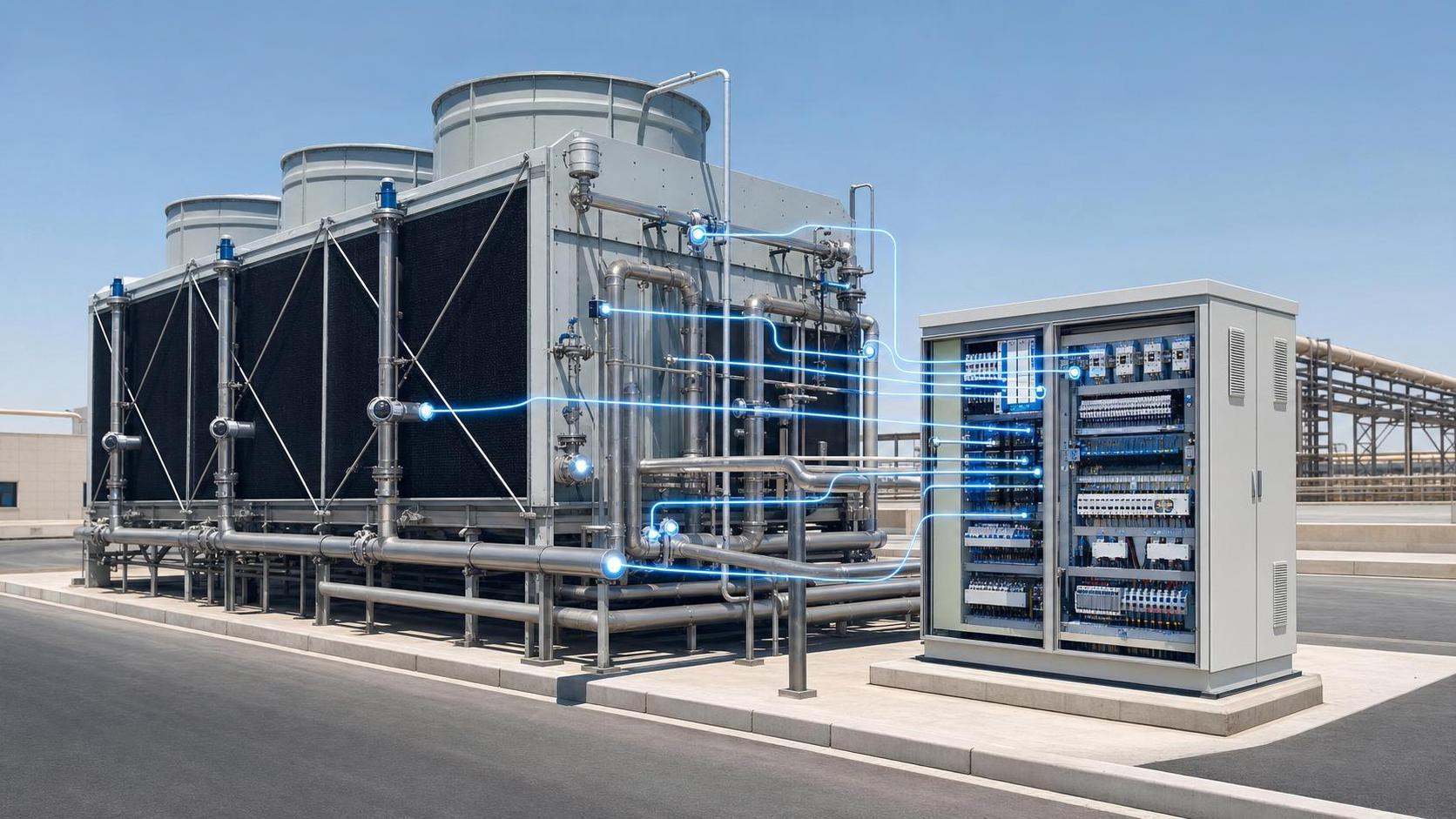
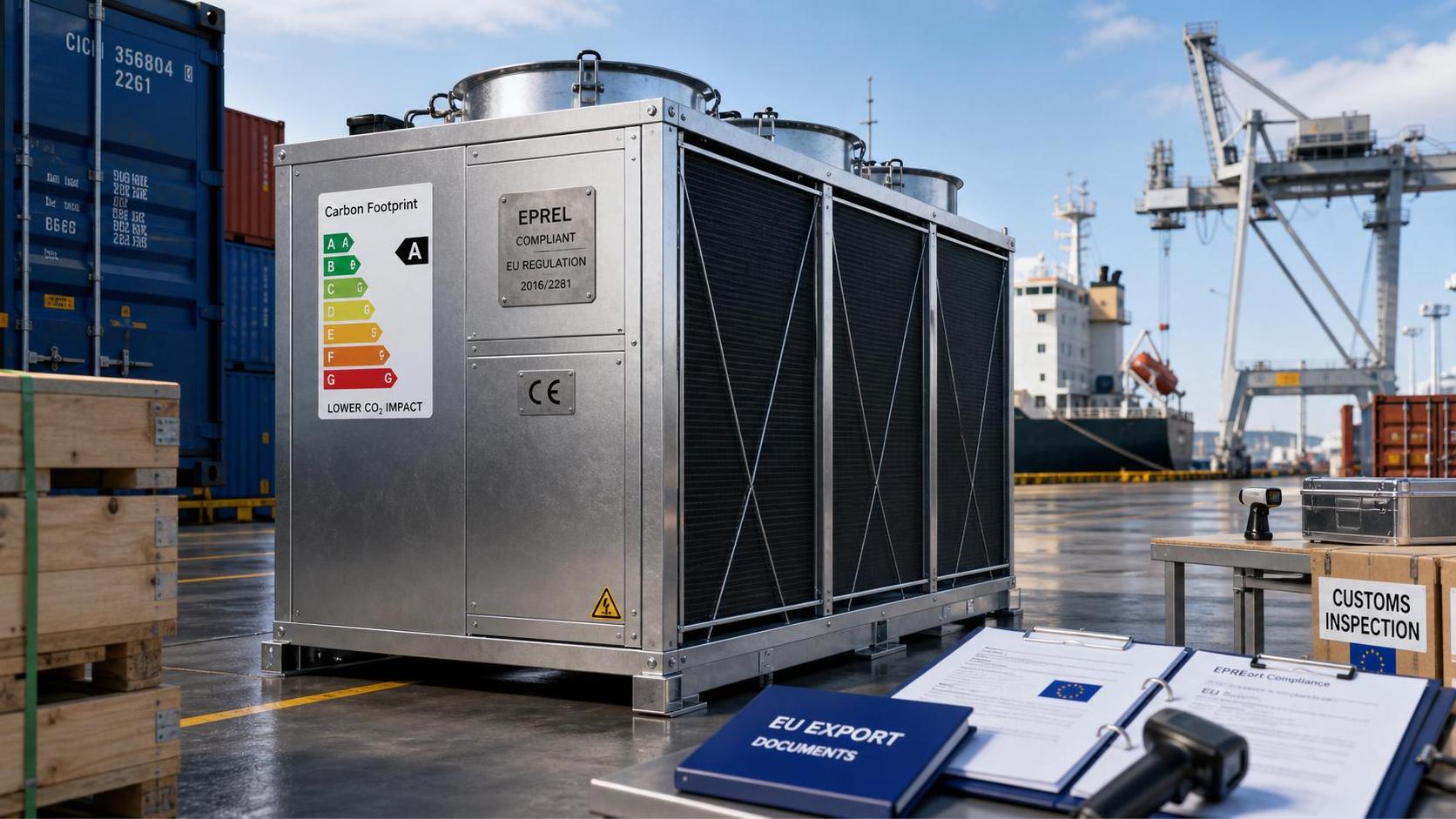
On August 18, 2026, a new EU compliance requirement takes effect for cooling towers exported to the European market when those products include rechargeable energy storage modules, such as intelligent variable-frequency drive systems. Under the expanded application of the EU Batteries and Waste Batteries Regulation to industrial heat exchange and cooling equipment, affected products must carry a certified carbon footprint declaration and a performance grade label, and the requirement has already been tied to the EU EPREL registration process. For manufacturers, exporters, distributors, and compliance teams serving EU channels, this matters because the issue is no longer only technical design, but also document readiness, labeling, and customs clearance eligibility.
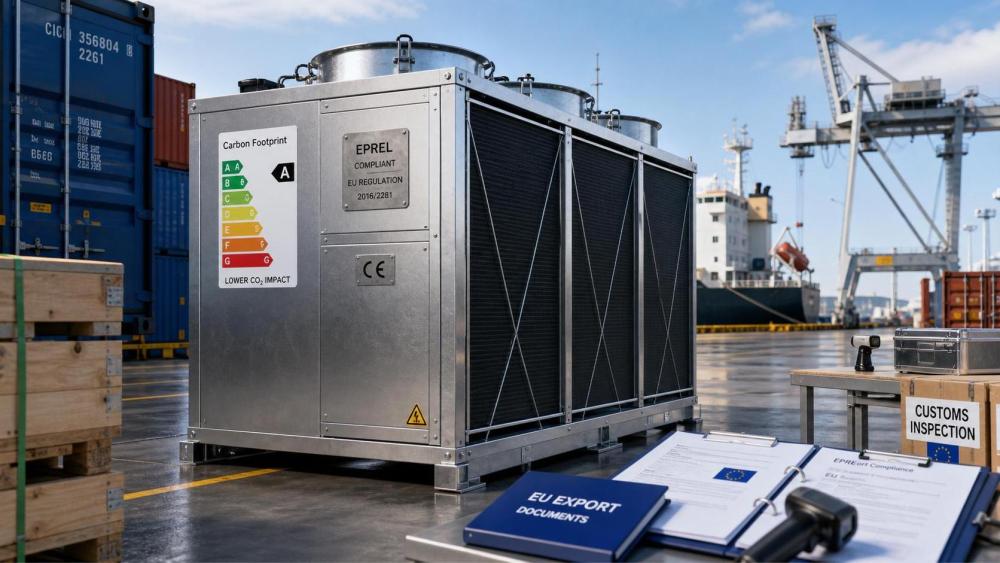
What the new requirement now covers
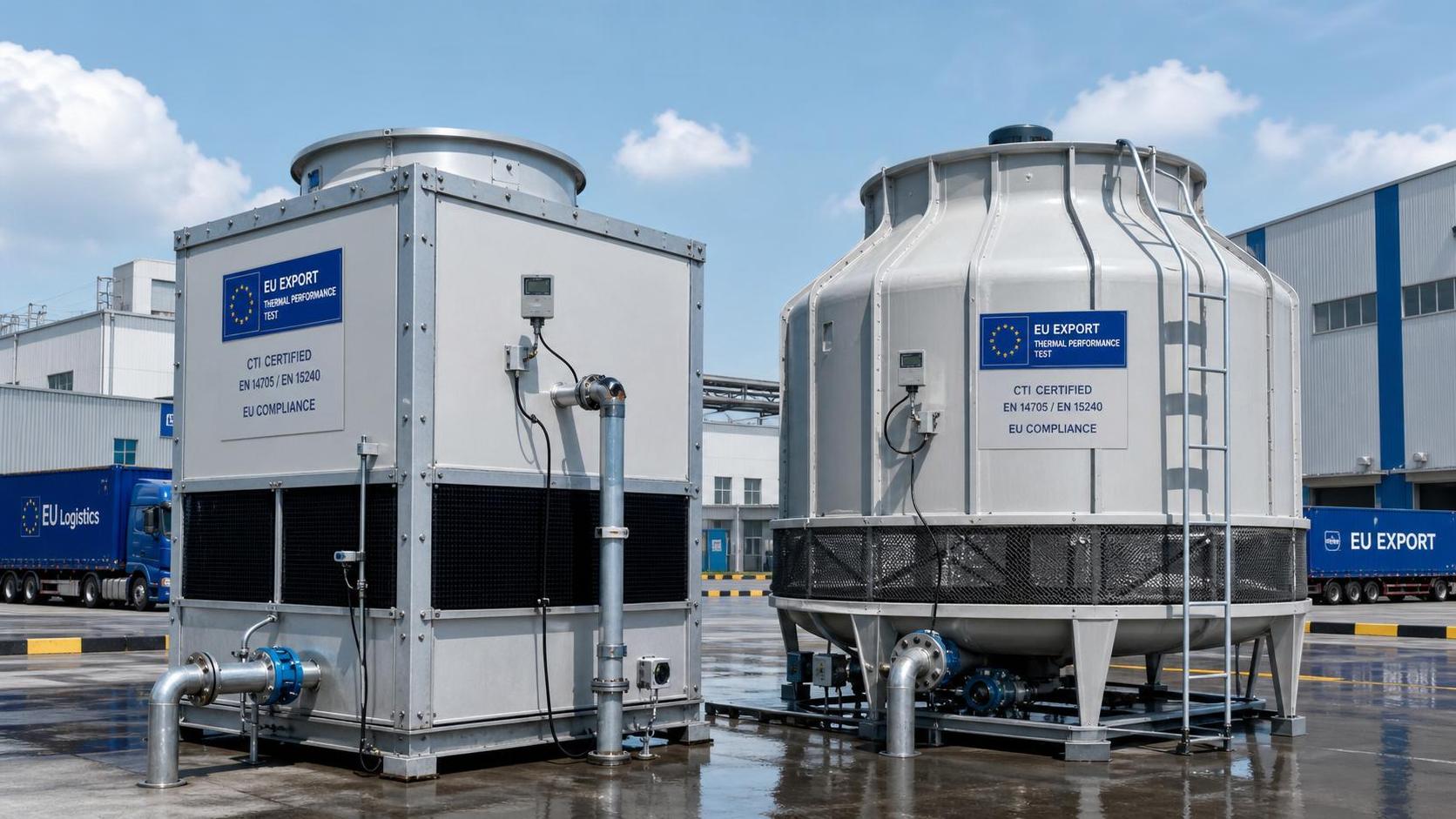
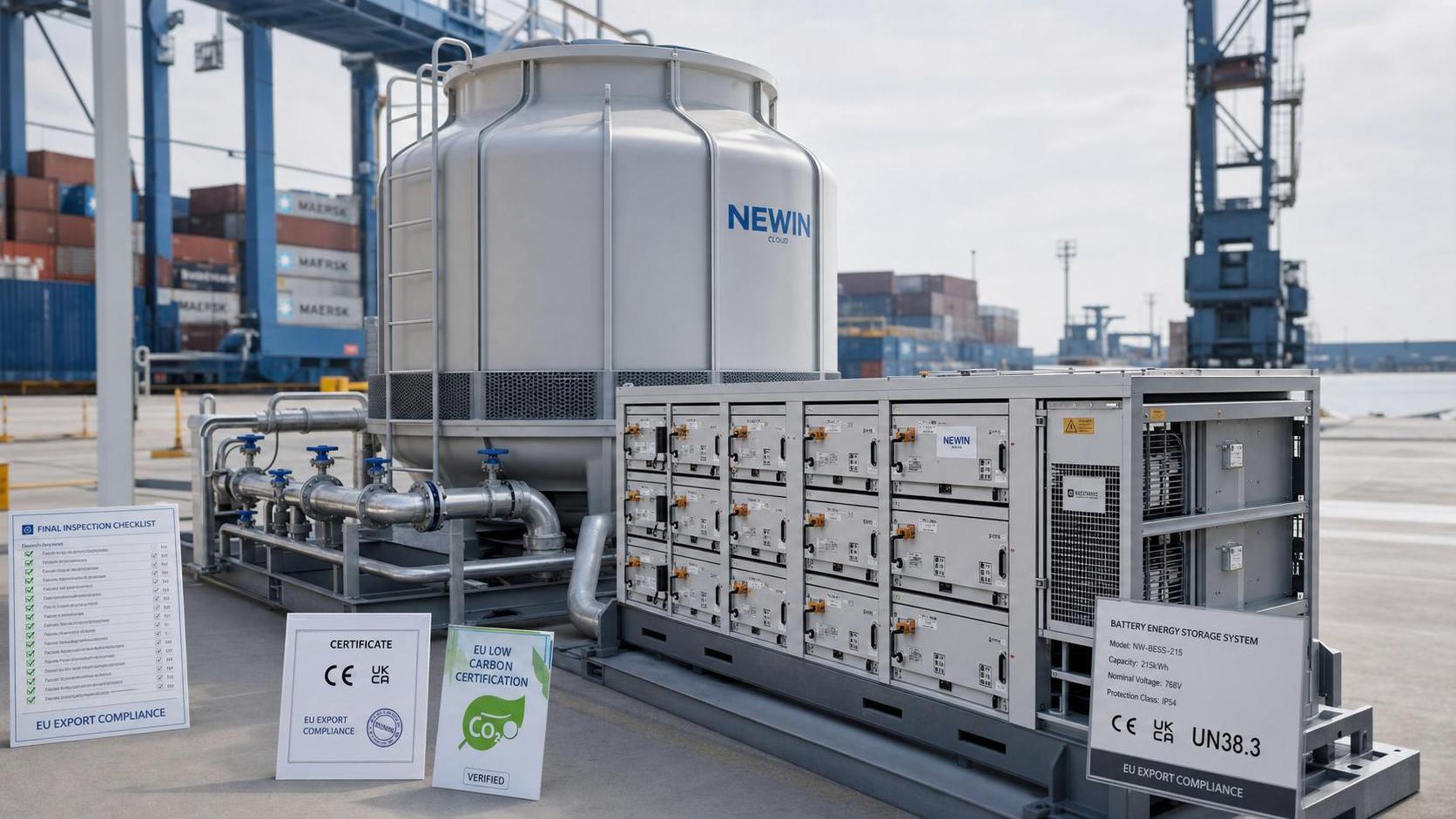
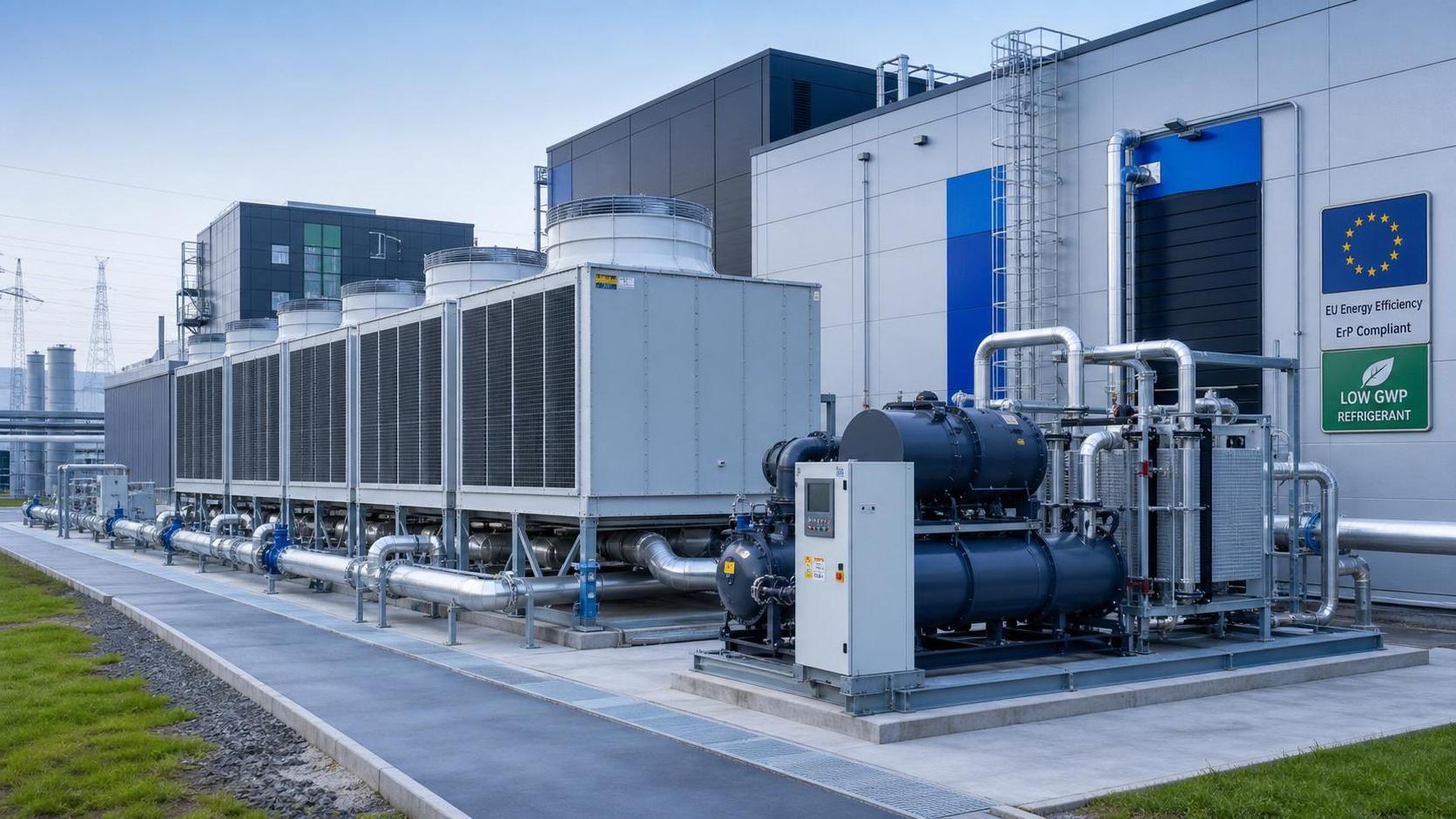
The confirmed change is limited but commercially significant. From August 18, 2026, the relevant EU rule is applied to industrial heat exchange and cooling equipment, and cooling towers exported to the EU fall within that scope when they contain rechargeable energy storage modules. In those cases, the product must be supported by a certified carbon footprint declaration and must display a performance grade label.
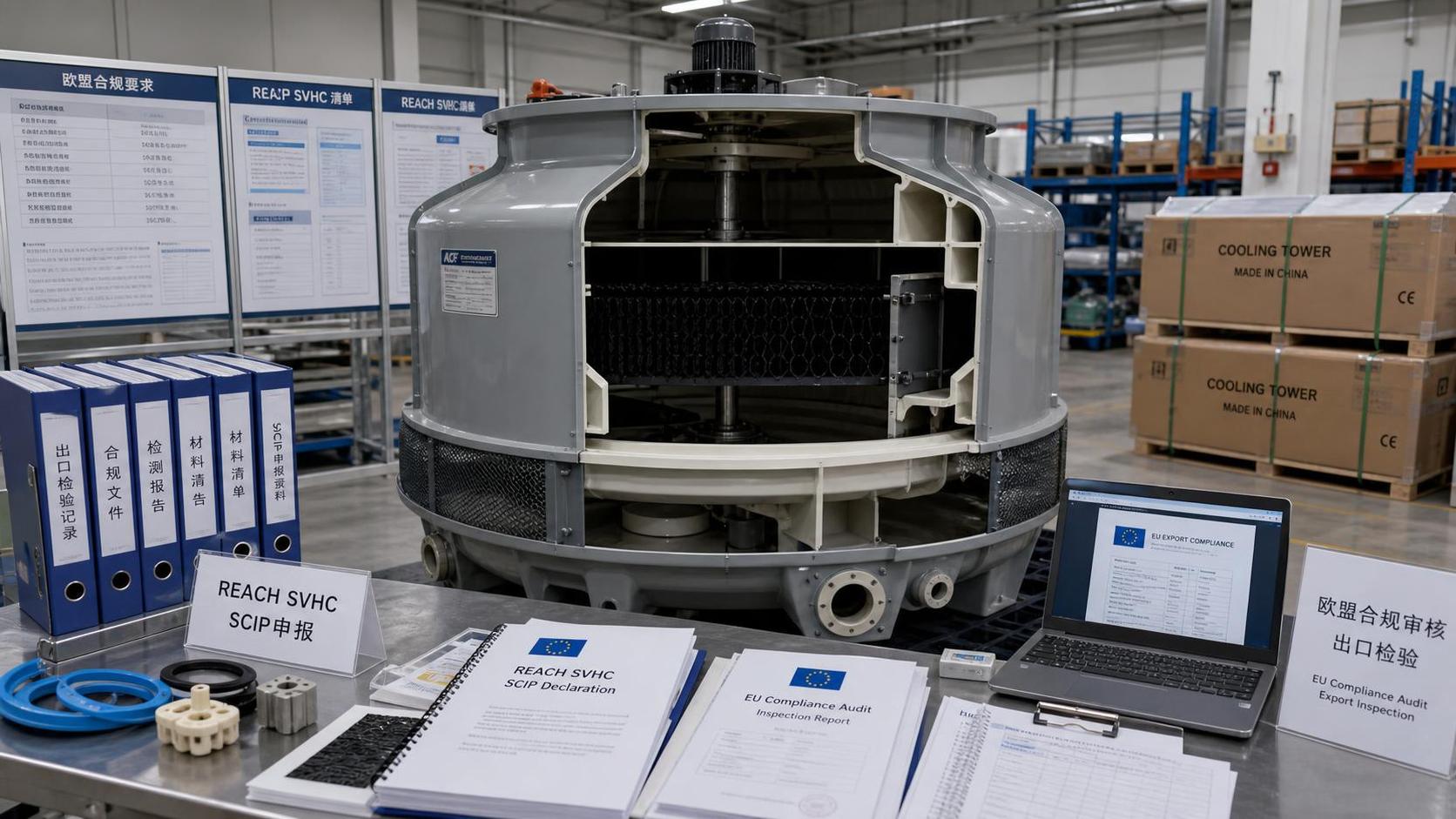
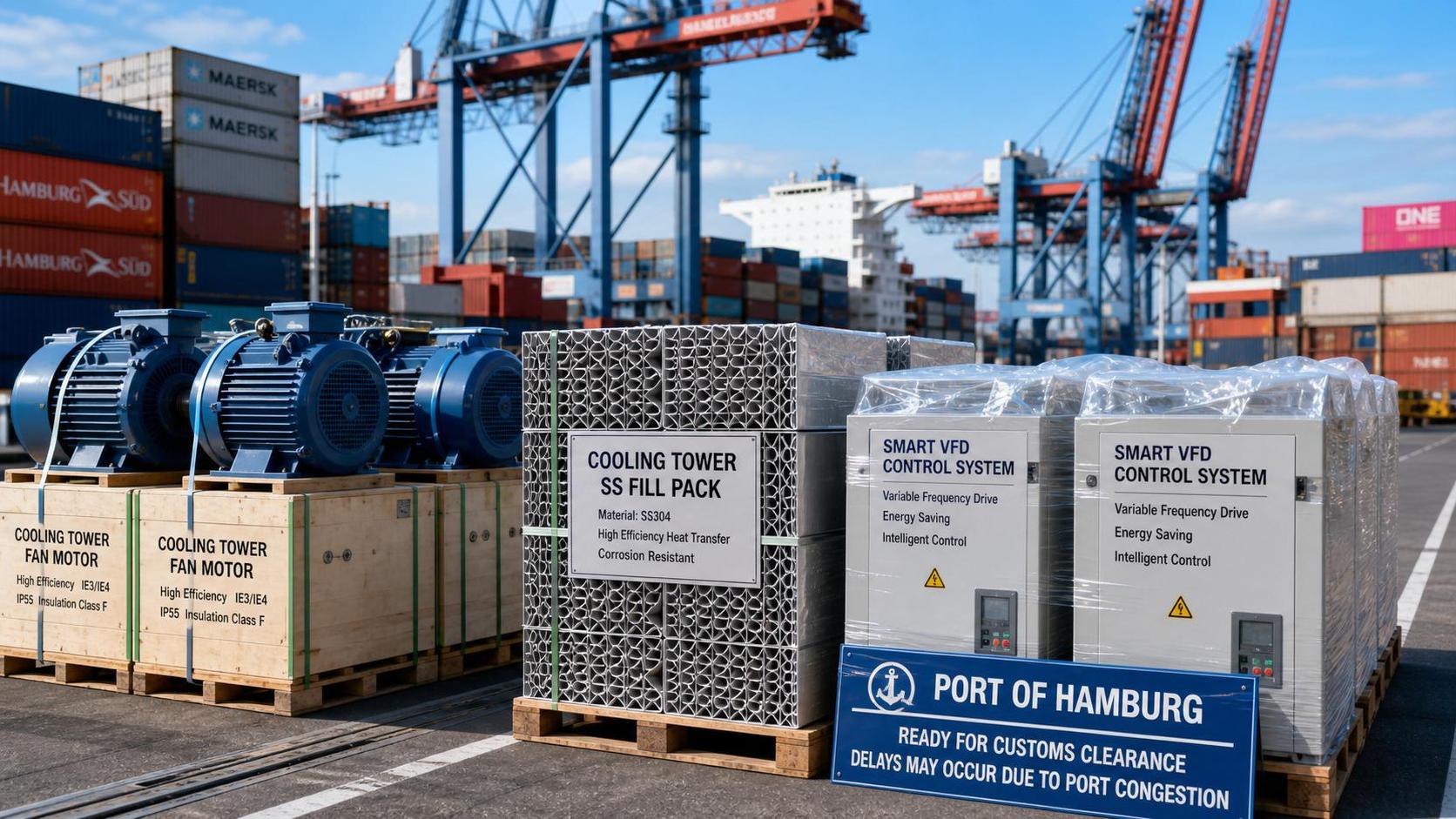
The requirement has also been incorporated into the EU EPREL database filing process. According to the provided information, products that do not meet this requirement will be unable to complete the CE declaration of conformity and will not clear customs. This creates a direct compliance requirement for Chinese cooling tower manufacturers that rely on EU distribution channels.
Where the pressure is likely to appear first
Export-facing manufacturers may face a documentation gate
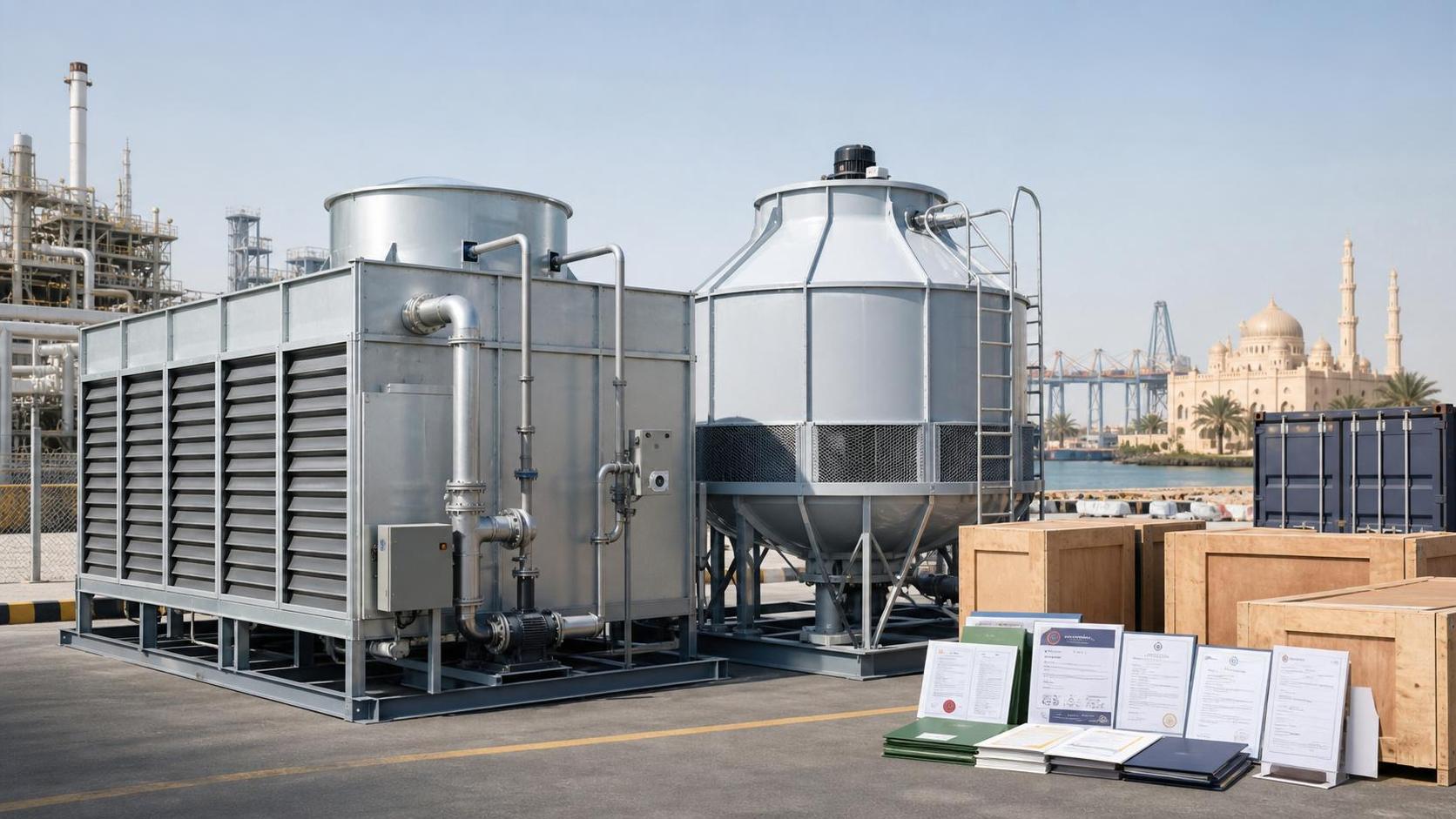
From an industry perspective, the most immediate pressure falls on manufacturers shipping cooling towers into the EU when the product configuration includes rechargeable storage modules. The issue is not only whether the equipment can be sold, but whether the exporter can assemble the certified carbon footprint statement, the required label, and the related filing materials in time for shipment, declaration, and downstream distribution.
Distributors and channel partners may need tighter intake checks
For businesses relying on EU distribution networks, the change can affect product onboarding and channel acceptance. If a model cannot complete EPREL-related filing steps or cannot support CE conformity documentation because of missing carbon footprint or labeling materials, the distribution side may face delays in listing, stock intake, or customs-related handover.
Compliance and certification functions move closer to delivery risk
Certification-related teams and service providers may see their role shift from a supporting function to a shipment-critical checkpoint. What deserves closer attention is that non-compliance is linked not only to labeling, but also to the ability to complete conformity documentation and customs clearance. That raises the operational importance of technical files, declaration packages, and evidence readiness before goods move.
Procurement and project buyers may need earlier specification review
Buyers, especially those sourcing for projects tied to EU delivery, may need to verify earlier whether a cooling tower includes the kind of rechargeable module that triggers the requirement. In practical terms, procurement review may need to look beyond core cooling performance and include label readiness, document completeness, and the supplier’s ability to support EPREL-related compliance steps.
Practical points companies should track now
Confirm which product configurations are in scope
Analysis shows that product classification at the configuration level is an immediate concern. Companies should pay close attention to whether specific cooling tower models include rechargeable energy storage modules, because that appears to be the condition that brings the product into this compliance path under the provided information.
Check whether files and labels can support filing and declaration
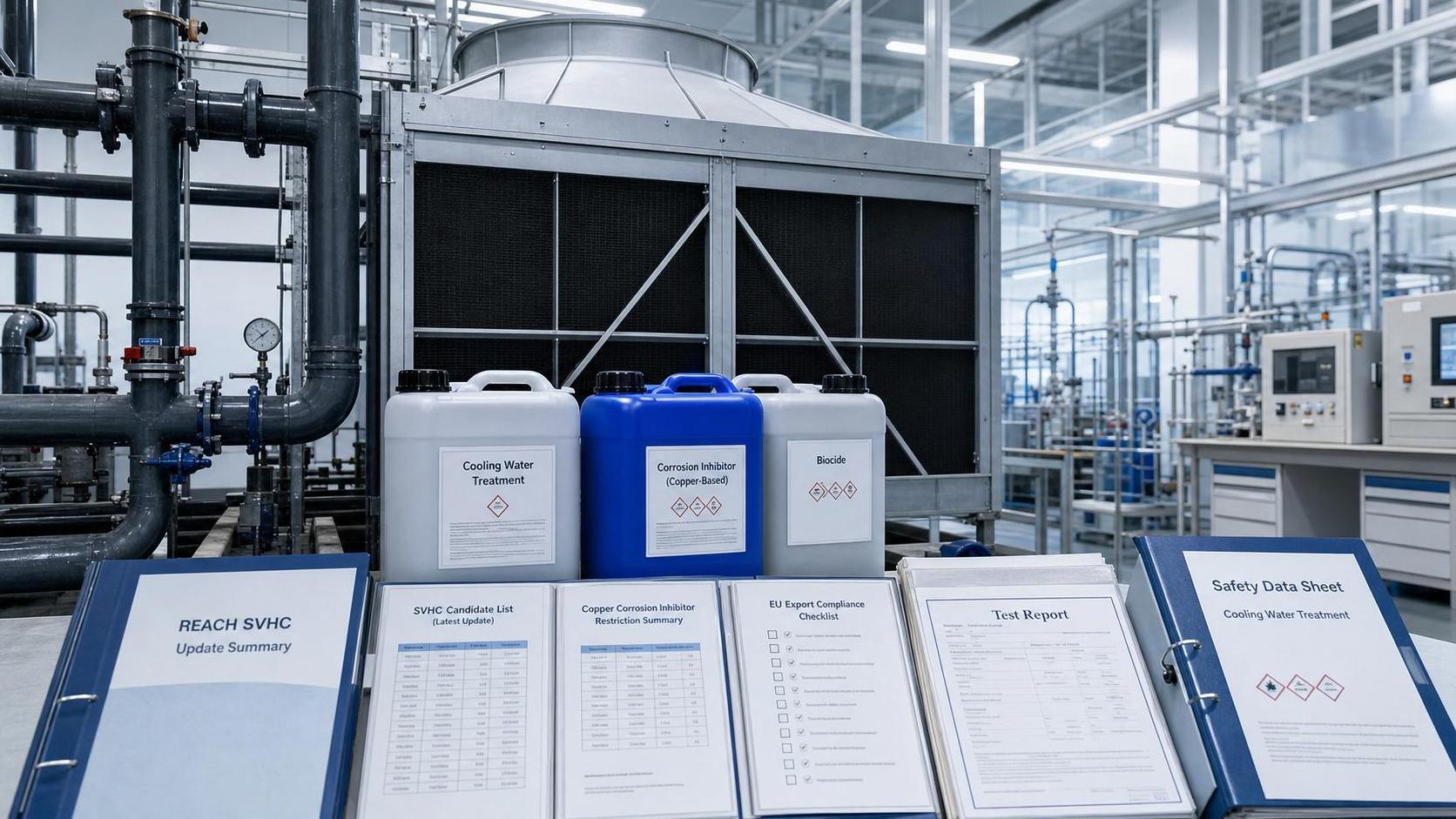
Businesses should review whether existing technical documents, product labels, and compliance files are sufficient for the certified carbon footprint declaration and performance grade labeling requirement. The provided information does not give full execution detail, so this is better treated as a document readiness issue that still requires careful follow-up rather than as a fully settled administrative routine.
Reassess shipment timing and handover dependencies
Observably, the rule touches more than product marking. Because non-compliant products cannot complete CE conformity declaration or customs clearance, companies should watch for possible effects on shipment sequencing, booking timing, and delivery commitments. This is especially relevant where exports depend on distributor acceptance or project deadlines in the EU market.
Watch for changes in tender language and channel requirements
It is more appropriate to understand this stage as one where market documents may begin reflecting the rule more directly. Companies should monitor whether tender specifications, buyer qualification requests, distributor onboarding materials, or after-sales traceability requirements start asking for the carbon footprint declaration, performance label, or related EPREL submission evidence.
Why this reads as an execution signal
As an editorial observation, this development is more than a policy headline because it is connected to EPREL filing, CE conformity completion, and customs clearance. That gives the requirement an operational character. At the same time, the provided information does not include detailed enforcement language, interpretation guidance, or implementation examples, so part of the market response still depends on how certification practice, filing review, and channel-side acceptance develop in execution.
From an industry perspective, the key takeaway is not to treat the issue as a distant sustainability statement alone. The immediate relevance lies in whether export documentation, product labeling, and compliance workflows can move together without delaying shipment into the EU market.
How this news is best understood for now
At this stage, the update is best understood as a landed compliance change with direct trade and delivery consequences for affected cooling towers, rather than as a general policy discussion. The clearest message is that where rechargeable energy storage modules are involved, carbon footprint declaration and performance labeling now sit closer to market access. The broader commercial effect still requires observation, but the compliance threshold itself should not be treated as optional.
Basis of this article and what still needs verification
This article is generated from the user-provided news title, event date, and event summary. For developments of this kind, relevant source types typically include official notices, regulator publications, customs or trade authority information, industry association updates, standard-setting documents, and reporting by authoritative media. No specific official source link was provided in the input, so the exact official source link remains unconfirmed and should be further verified.
Further observation is still needed on detailed implementation language, certification practice, EPREL filing interpretation, changes in tender documents, channel-level acceptance criteria, industry feedback, and how companies are actually executing the requirement in export operations.
Related News
- When does an industrial cooling radiator outperform a cooling tower?Author :Thermodynamics Analyst

- EU Cooling Tower Standard EN 13771:2026 Takes EffectAuthor :Thermodynamics Analyst

- EU REACH SVHC Update Triggers Cooling Tower DisclosureAuthor :Thermodynamics Analyst

- SASO Adds Bio-Durability Test for Cooling Tower FillAuthor :Thermodynamics Analyst

- EU REACH Update Bars Phthalates in Cooling Tower PVC FillAuthor :Thermodynamics Analyst

- EU Tightens CE Rules for Cooling Tower Steel PartsAuthor :Thermodynamics Analyst

- Shanghai-Rotterdam Cooling Tower Space TightensAuthor :Thermodynamics Analyst

- Hamburg Port Strike Delays Cooling Tower Parts ClearanceAuthor :Thermodynamics Analyst

- ASHRAE 188-2026 Makes Cooling Tower Microbial Control MandatoryAuthor :Thermodynamics Analyst

- India Enforces BIS IS 17842:2026 for Cooling TowersAuthor :Thermodynamics Analyst

- EU REACH Restricts Zinc Inhibitors in Cooling TowersAuthor :Thermodynamics Analyst

- TUV Rheinland Switches Cooling Tower Labels to IEC 61800-9-2Author :Thermodynamics Analyst

- EU REACH Rule Takes Effect for Cooling Tower CoatingsAuthor :Thermodynamics Analyst

- Vietnam to Require IoT Modules in Imported Cooling TowersAuthor :Thermodynamics Analyst

- How to Compare Industrial Cooling Equipment Dry Coolers for Year-Round EfficiencyAuthor :Thermodynamics Analyst

- SASO Tightens Cooling Tower Import Rules for 2027Author :Thermodynamics Analyst

- REACH SVHC Update Limits Copper Corrosion InhibitorsAuthor :Thermodynamics Analyst

- SASO Starts Cooling Tower Data Rule for CoCAuthor :Thermodynamics Analyst

- Saudi SASO Portal Adds Corrosion Data RuleAuthor :Thermodynamics Analyst

- SASO Adds Corrosion Report Rule for Cooling TowersAuthor :Thermodynamics Analyst

- RDHx Prices Rise as AI Demand Lifts Premium ModelsAuthor :Thermodynamics Analyst

- EU EN 13859-2:2026 Mandates Extreme Humidity Heat-Loss TestsAuthor :Thermodynamics Analyst

- VDE Tightens Cooling Tower Test ScopeAuthor :Thermodynamics Analyst

- SASO Tightens Cooling Tower Test Proof for SaberAuthor :Thermodynamics Analyst

- Saudi SABER Cooling Tower Rule Takes Effect EarlyAuthor :Thermodynamics Analyst

- EU Carbon Labels to Cover Cooling Tower ExportsAuthor :Thermodynamics Analyst

- Saudi SABER Cooling Tower Rule Takes Effect EarlyAuthor :Thermodynamics Analyst

- EU Carbon Label Rule Hits Cooling Tower ExportsAuthor :Thermodynamics Analyst

- Saudi SABER Cooling Tower Rule Adds EN 13859-2 TestAuthor :Thermodynamics Analyst

- Saudi SABER Tightens Cooling Tower Energy Report RulesAuthor :Thermodynamics Analyst

- Saudi SASO Tightens Cooling Tower Efficiency FilingAuthor :Thermodynamics Analyst

- Saudi SABER Tightens Cooling Tower Energy Report ChecksAuthor :Thermodynamics Analyst

- Thermal Management Problems That Cause Equipment DowntimeAuthor :Thermodynamics Analyst

- Saudi Rule Requires Local Certification for Imported Cooling TowersAuthor :Thermodynamics Analyst

- EU Law Tightens Cooling Imports for Data CentersAuthor :Thermodynamics Analyst

- India Extends FRP Duty Relief for Cooling TowersAuthor :Thermodynamics Analyst