



Saudi SABER Cooling Tower Rule Takes Effect Early




On June 25, 2026, the Saudi market for cooling tower products moved into a tighter compliance window after an emergency notice from SASO brought forward a SABER energy-efficiency certification upgrade that had originally been set for July 1. The immediate point of attention is not only the new filing requirement for newly registered models, but also the short catch-up period for previously registered products that still lack the required documentation, making this a practical issue for exporters, testing providers, certification teams, and customs-related operations.
An earlier compliance date changes the filing timeline
According to the information provided, SASO issued an emergency notice on June 20 stating that the upgraded SABER certification requirement for cooling towers would be implemented on June 25 instead of July 1.
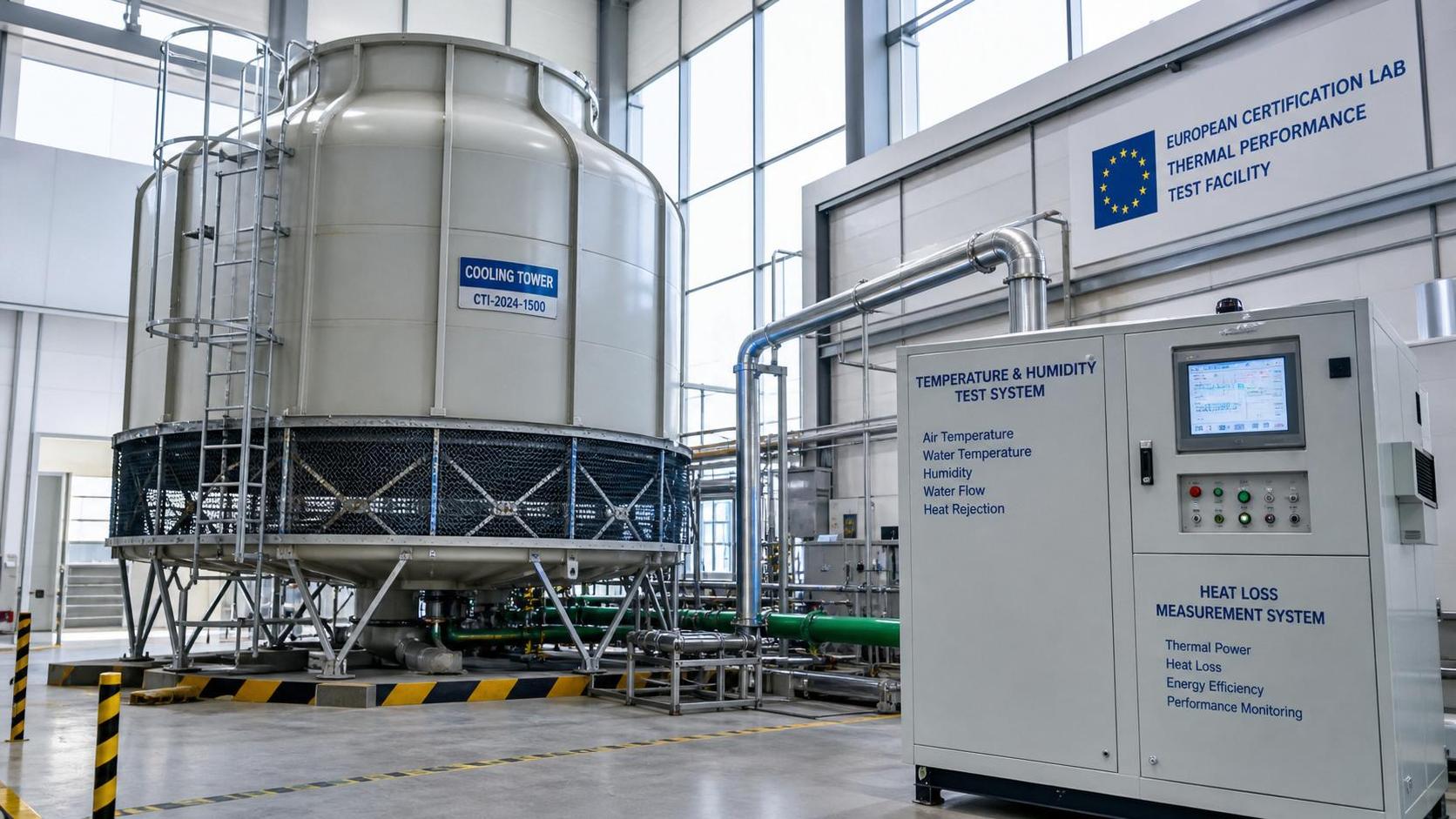
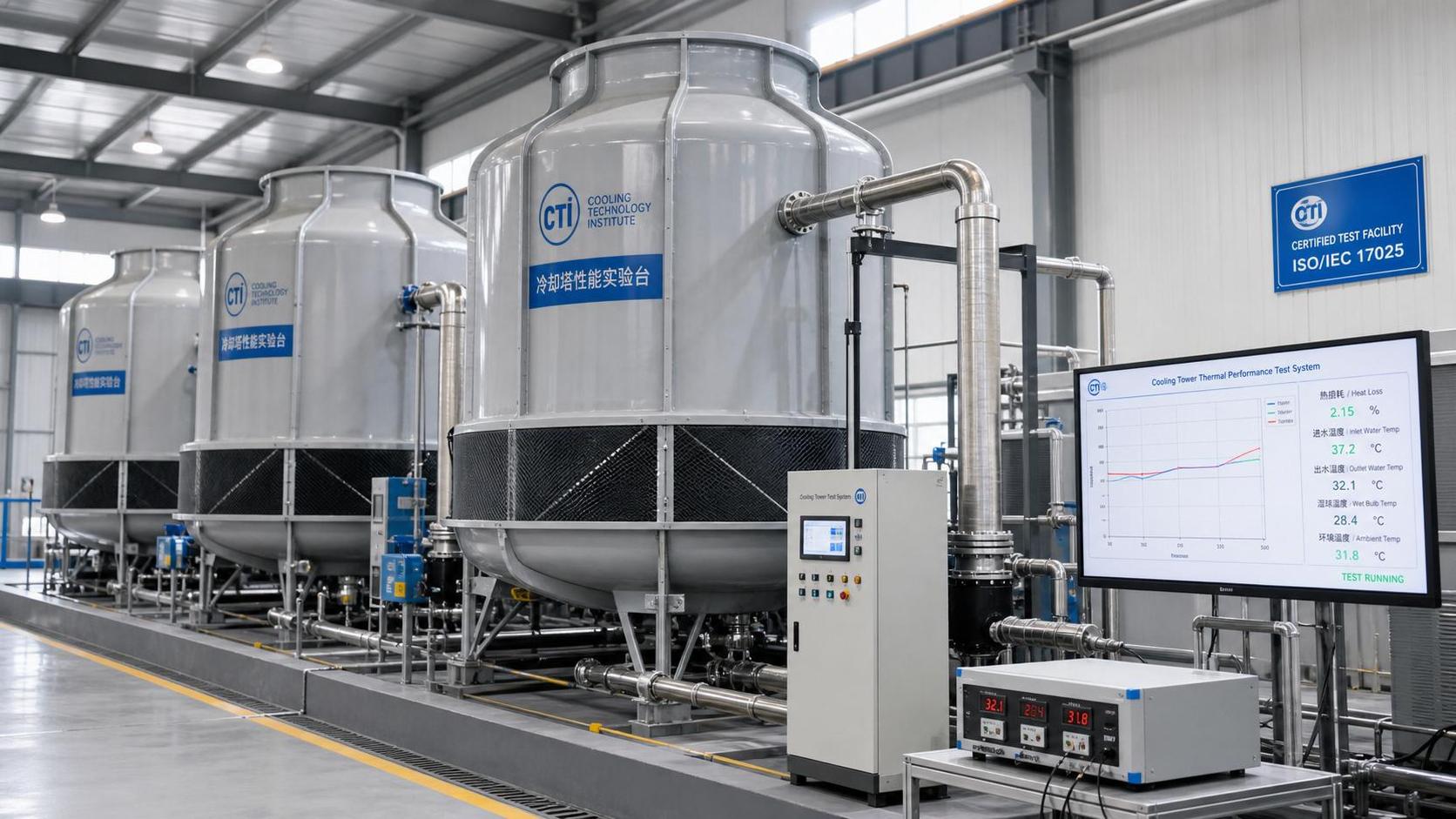
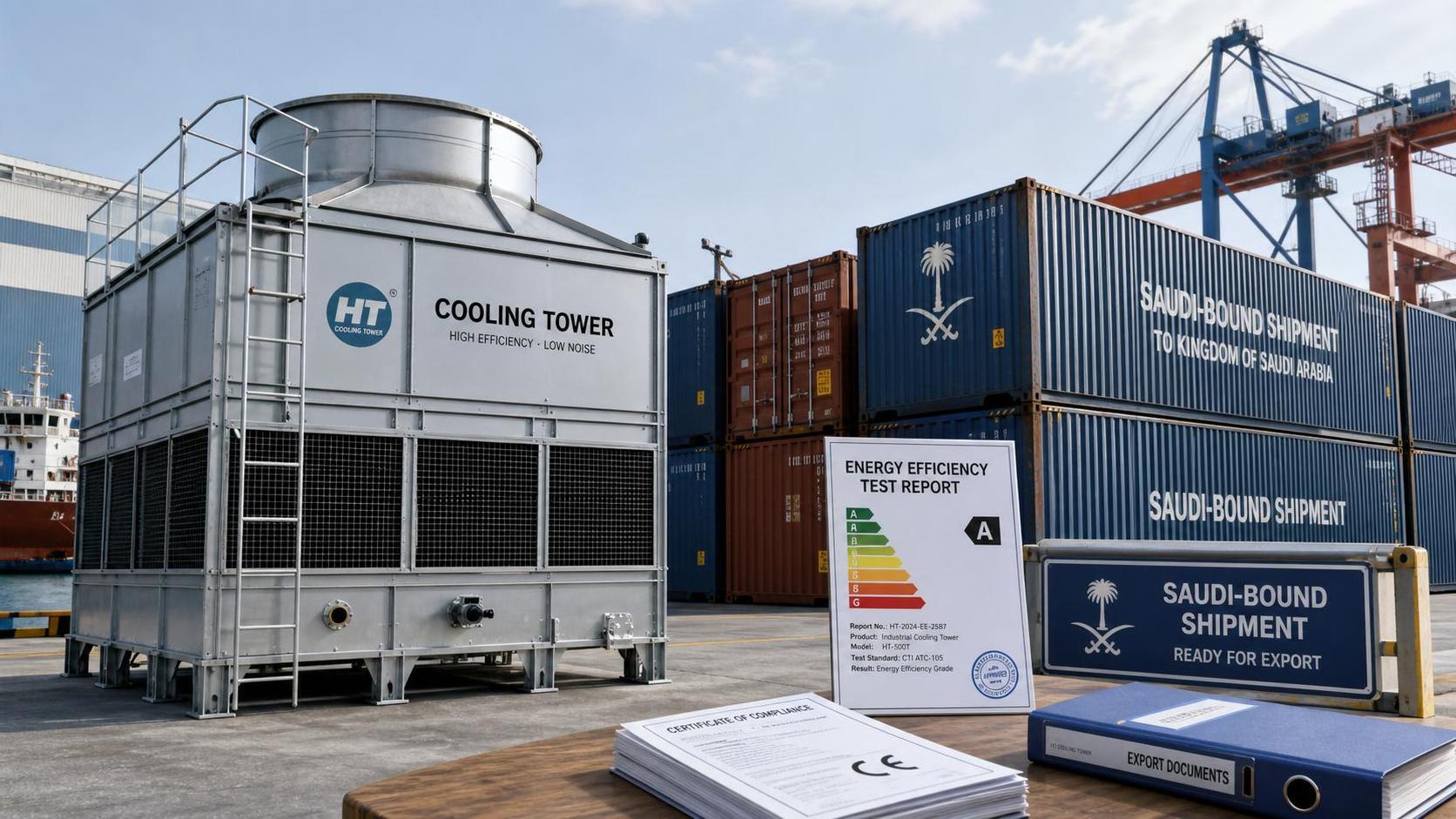
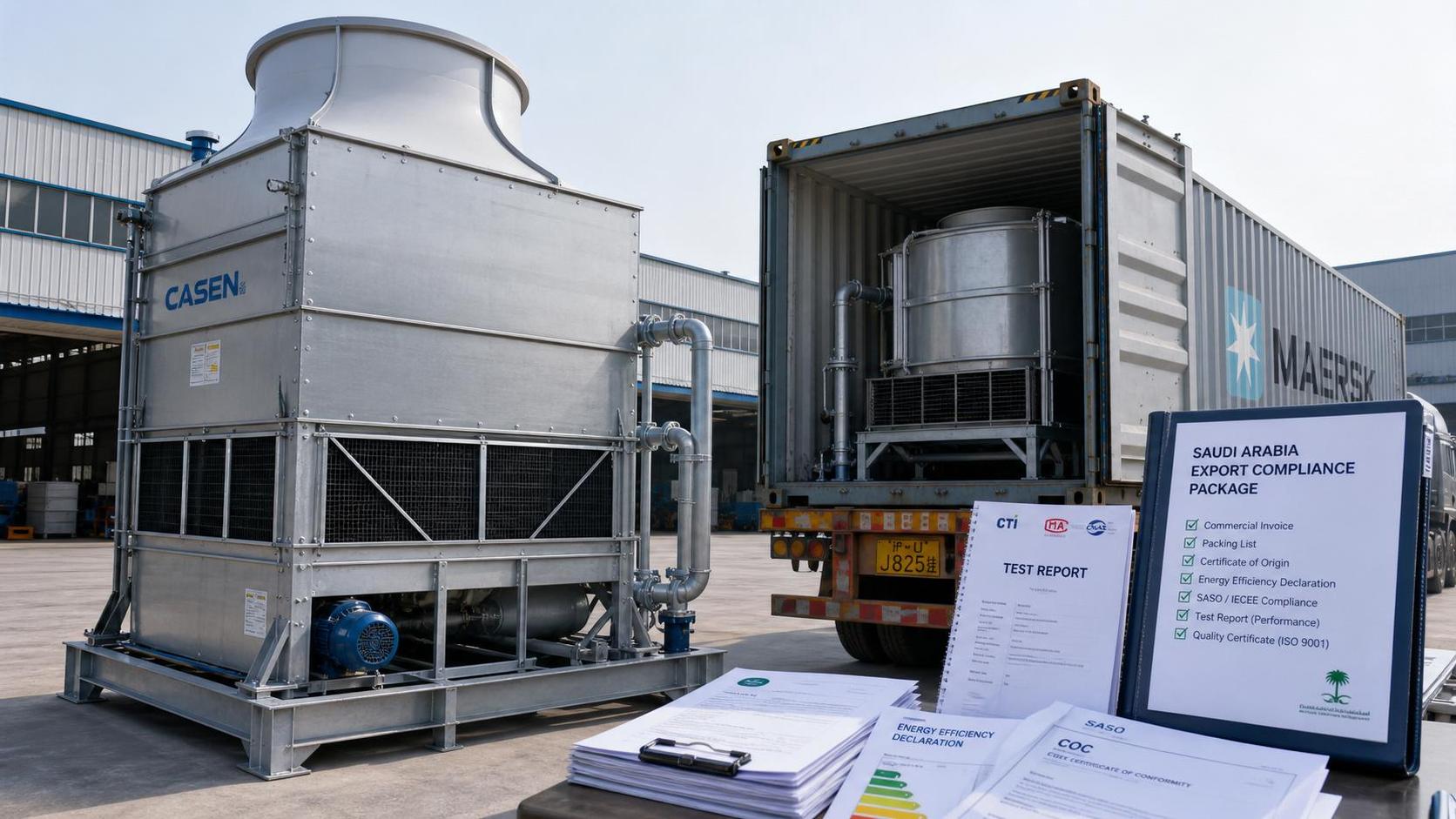
For all newly registered models, a third-party heat loss test report prepared in accordance with EN 13859-2 must now be submitted and uploaded to the SABER system.
For products that had already been registered but had not yet submitted that report, the required document must be added within 30 days. If the report is not submitted within that period, customs clearance eligibility will be suspended.
The same information also shows that Chinese cooling tower exporters are currently seeking expedited testing appointments with institutions including SGS and TÜV Rheinland.
Where the immediate pressure is likely to appear
Export-facing manufacturers face a compressed documentation cycle
From an industry perspective, manufacturers and direct exporters are likely to feel the first impact because model registration and shipment readiness now depend more directly on whether the EN 13859-2 heat loss report is already available. The main pressure point is the transition from product registration to document completion, especially for businesses that had planned around the original July 1 timetable.
Certification and compliance teams must manage old and new model status separately
Analysis shows that internal compliance teams will need to distinguish between newly registered models and previously registered models that still have outstanding report obligations. The business risk is different in each case: new registrations now require the report at the outset, while older registrations face a 30-day correction window tied to customs clearance status.
Testing service providers are becoming a near-term bottleneck
Observably, the rush by Chinese exporters to secure accelerated testing with SGS and TÜV Rheinland indicates that testing capacity and booking lead times may become a practical concern. For service providers and companies relying on them, the key issue is not only obtaining a report, but obtaining it early enough to avoid disruption in filing and shipment arrangements.
Trade execution and customs-linked functions need closer coordination
For supply chain and shipment management roles, the stated risk of suspended customs clearance makes document readiness a trade execution issue rather than a purely regulatory one. What deserves closer attention is whether document preparation, SABER upload, and shipment scheduling are being handled as one coordinated process.
What companies should track right now
Check which models already lack the required report
Companies with cooling tower products tied to the Saudi market need to identify which registered models have already submitted an EN 13859-2-based third-party heat loss report and which have not. This is the clearest starting point for prioritizing action within the 30-day period described in the notice.
Separate registration work from testing availability risk
Analysis shows that the rule itself and the operational ability to secure testing are not the same issue. Even where the requirement is clear, actual compliance may depend on access to third-party testing slots and document turnaround, which means businesses should track both regulatory status and testing progress in parallel.
Review SABER upload readiness, not only report issuance
The requirement is not limited to obtaining a report; the report must also be uploaded into the SABER system. In practical terms, companies should focus on whether internal teams or external agents are ready to complete the submission process without delay once the report is issued.
Prepare client and shipment communication in advance
For exporters and channel-facing teams, it is sensible to prepare communication for buyers, distributors, and shipment partners around possible timing effects linked to testing and filing. This is especially relevant where products were planned under the previous implementation date.
Why this matters beyond a single filing change
Observably, this update should not be read only as a date adjustment. The earlier start date, the mandatory EN 13859-2 third-party heat loss report for new model registrations, and the 30-day remediation window for older registrations together show a more documentation-driven compliance threshold for cooling tower access through SABER.
At the same time, it is more appropriate to understand this as an active compliance development rather than a fully settled long-term pattern. The confirmed facts establish a stricter immediate requirement, but the broader industry effect will still depend on how quickly affected companies complete testing, upload the required files, and restore or preserve customs clearance eligibility.
How this update is best understood at this stage
At this stage, the industry significance lies in timing, execution, and document control. The change is already real for companies handling cooling tower models for Saudi Arabia, but its wider commercial effect should be assessed carefully through actual filing progress and clearance outcomes rather than assumption. It is more appropriate to understand this as an immediate compliance shift with short-term operational consequences and a longer-term signal that supporting technical documentation is becoming more central to market access.
Basis of this article
This article is based on the user-provided news title, event date, and event summary. Information of this type is commonly checked against official notices, company announcements, industry association updates, authoritative media coverage, and standard-related documents. No specific official source link was included in the input, so the exact source document still requires ongoing verification. Continued attention should focus on any further official wording, implementation clarifications, and follow-up changes affecting SABER submissions for cooling tower products.
Related News
- When does an industrial cooling radiator outperform a cooling tower?Author :Thermodynamics Analyst

- EU Cooling Tower Standard EN 13771:2026 Takes EffectAuthor :Thermodynamics Analyst

- EU REACH SVHC Update Triggers Cooling Tower DisclosureAuthor :Thermodynamics Analyst

- SASO Adds Bio-Durability Test for Cooling Tower FillAuthor :Thermodynamics Analyst

- EU REACH Update Bars Phthalates in Cooling Tower PVC FillAuthor :Thermodynamics Analyst

- EU Tightens CE Rules for Cooling Tower Steel PartsAuthor :Thermodynamics Analyst

- Shanghai-Rotterdam Cooling Tower Space TightensAuthor :Thermodynamics Analyst

- Hamburg Port Strike Delays Cooling Tower Parts ClearanceAuthor :Thermodynamics Analyst

- ASHRAE 188-2026 Makes Cooling Tower Microbial Control MandatoryAuthor :Thermodynamics Analyst

- India Enforces BIS IS 17842:2026 for Cooling TowersAuthor :Thermodynamics Analyst

- EU REACH Restricts Zinc Inhibitors in Cooling TowersAuthor :Thermodynamics Analyst

- TUV Rheinland Switches Cooling Tower Labels to IEC 61800-9-2Author :Thermodynamics Analyst

- EU REACH Rule Takes Effect for Cooling Tower CoatingsAuthor :Thermodynamics Analyst

- Vietnam to Require IoT Modules in Imported Cooling TowersAuthor :Thermodynamics Analyst

- How to Compare Industrial Cooling Equipment Dry Coolers for Year-Round EfficiencyAuthor :Thermodynamics Analyst

- SASO Tightens Cooling Tower Import Rules for 2027Author :Thermodynamics Analyst

- REACH SVHC Update Limits Copper Corrosion InhibitorsAuthor :Thermodynamics Analyst

- SASO Starts Cooling Tower Data Rule for CoCAuthor :Thermodynamics Analyst

- Saudi SASO Portal Adds Corrosion Data RuleAuthor :Thermodynamics Analyst

- SASO Adds Corrosion Report Rule for Cooling TowersAuthor :Thermodynamics Analyst

- RDHx Prices Rise as AI Demand Lifts Premium ModelsAuthor :Thermodynamics Analyst

- EU EN 13859-2:2026 Mandates Extreme Humidity Heat-Loss TestsAuthor :Thermodynamics Analyst

- VDE Tightens Cooling Tower Test ScopeAuthor :Thermodynamics Analyst

- SASO Tightens Cooling Tower Test Proof for SaberAuthor :Thermodynamics Analyst

- Saudi SABER Cooling Tower Rule Takes Effect EarlyAuthor :Thermodynamics Analyst

- EU Carbon Labels to Cover Cooling Tower ExportsAuthor :Thermodynamics Analyst

- Saudi SABER Cooling Tower Rule Takes Effect EarlyAuthor :Thermodynamics Analyst

- EU Carbon Label Rule Hits Cooling Tower ExportsAuthor :Thermodynamics Analyst

- Saudi SABER Cooling Tower Rule Adds EN 13859-2 TestAuthor :Thermodynamics Analyst

- Saudi SABER Tightens Cooling Tower Energy Report RulesAuthor :Thermodynamics Analyst

- Saudi SASO Tightens Cooling Tower Efficiency FilingAuthor :Thermodynamics Analyst

- Saudi SABER Tightens Cooling Tower Energy Report ChecksAuthor :Thermodynamics Analyst

- Thermal Management Problems That Cause Equipment DowntimeAuthor :Thermodynamics Analyst

- Saudi Rule Requires Local Certification for Imported Cooling TowersAuthor :Thermodynamics Analyst

- EU Law Tightens Cooling Imports for Data CentersAuthor :Thermodynamics Analyst

- India Extends FRP Duty Relief for Cooling TowersAuthor :Thermodynamics Analyst